

24 min 29 sec
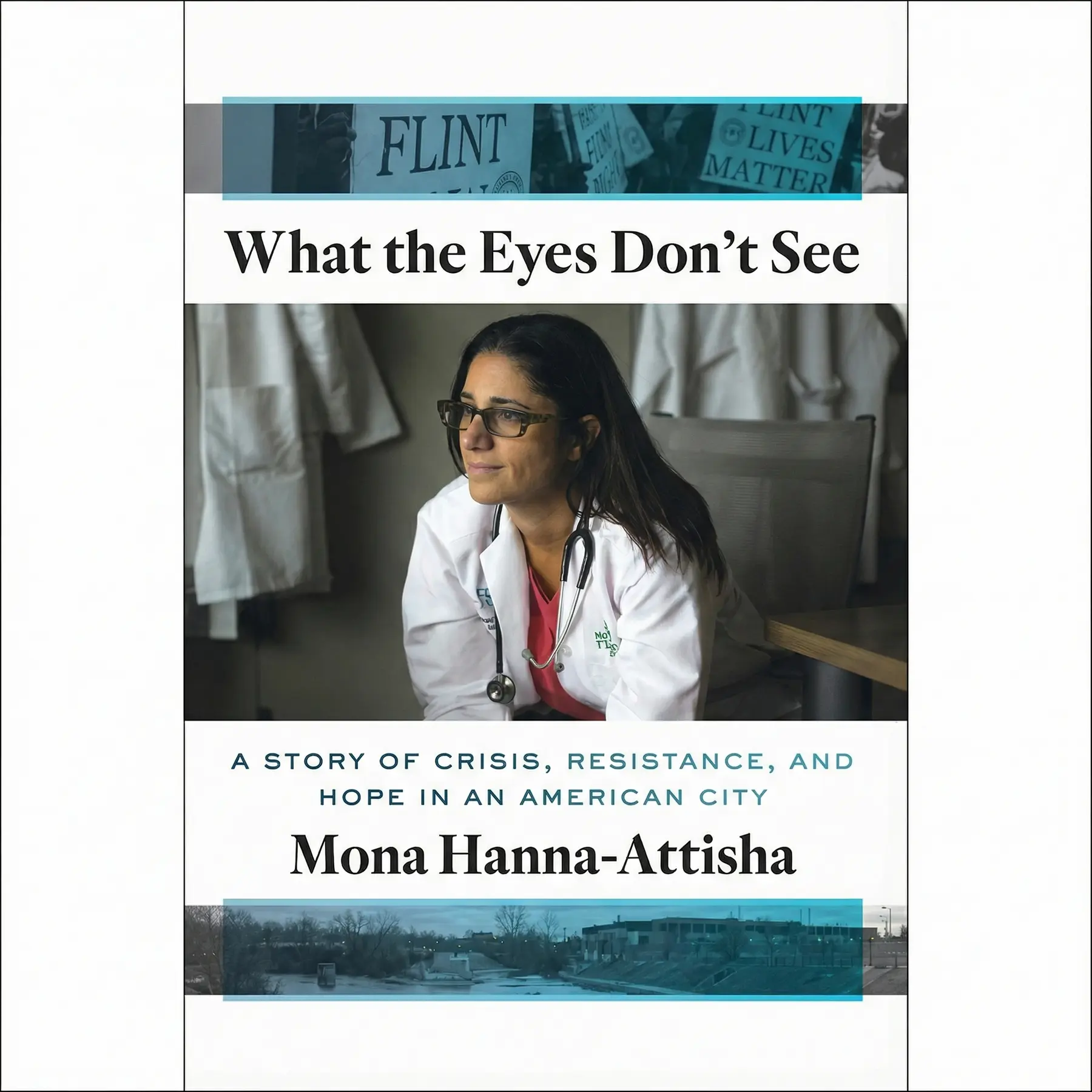
What the Eyes Don’t See: A Story of Crisis, Resistance, and Hope in an American City
A gripping account of the Flint water crisis by the pediatrician who exposed it, exploring the intersection of public health, systemic racism, and the enduring power of community activism.
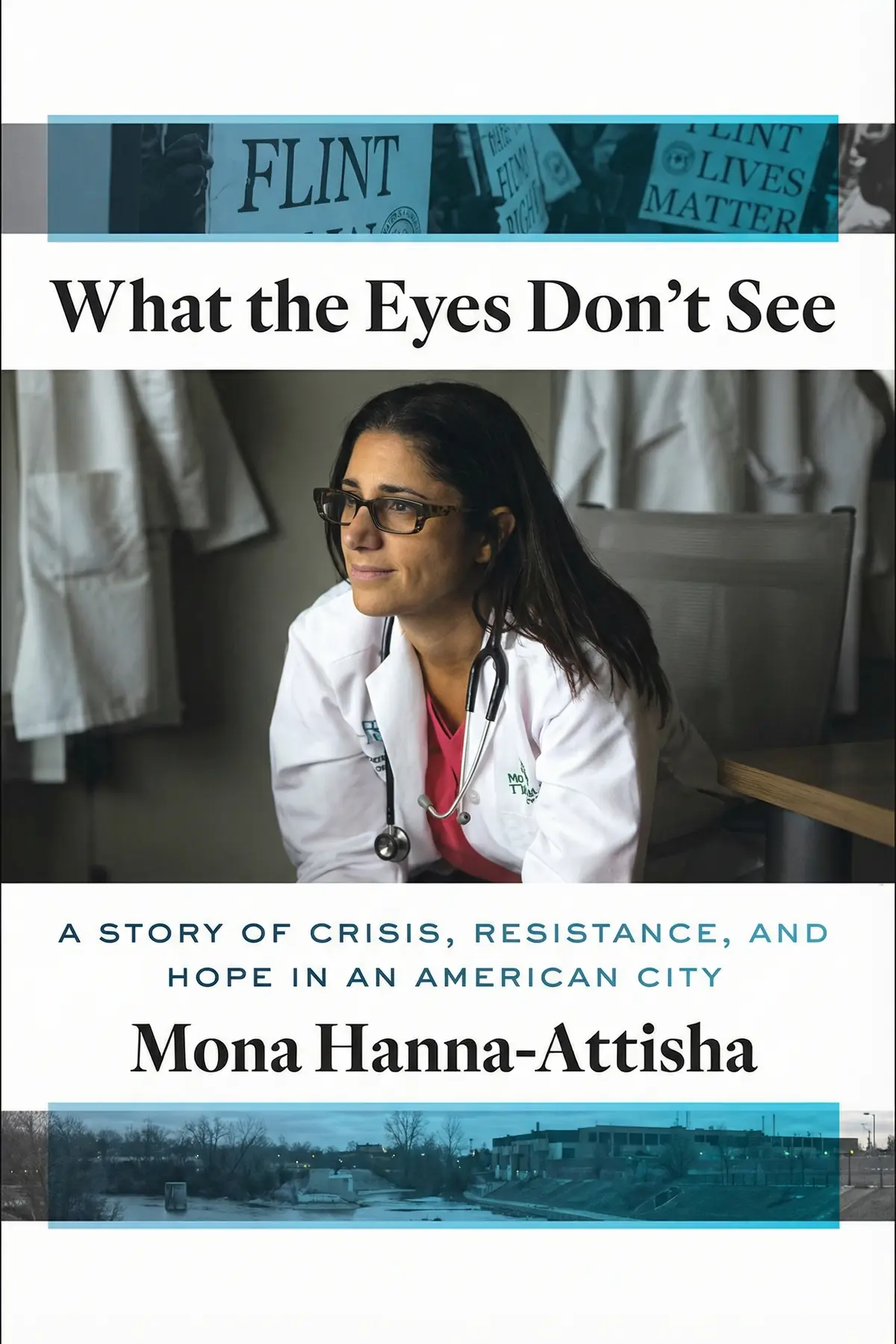
Table of Content
1. Introduction
1 min 49 sec
In the mid-2010s, the city of Flint, Michigan, became the center of a national tragedy that shocked the conscience of the United States. It was a story that seemed almost impossible in a modern, developed nation: a city’s entire public water system had failed, delivering toxic, lead-poisoned water to thousands of homes. But while the world eventually learned the name of the city and the nature of the crisis, the internal struggle to bring the truth to light was a journey filled with resistance, heartbreak, and eventually, a glimmer of hope.
This is the world we enter through the eyes of Dr. Mona Hanna-Attisha, a pediatrician who found herself at the heart of a public health crusade. As you listen to this summary, you will see that the Flint water crisis wasn’t just a plumbing error or a simple technical oversight. It was the result of a complex web of historical, social, and political failures. It was a crisis born from a legacy of industrial decay, racial inequality, and the stripping away of local democratic power.
Throughout this narrative, we will explore the throughline of resilience. You’ll see how a family’s history of activism in Iraq prepared a doctor for a battle in Michigan. You’ll witness the parallels between the labor strikes of the 1930s and the environmental activism of today. Most importantly, you will learn about the things that often go unnoticed—the “invisible” factors like toxic stress, systemic racism, and the long-term impact of lead exposure on developing brains. By the end of this journey, you’ll understand how one person, armed with science and supported by a community, can stand up to the most powerful institutions and demand justice for those who cannot speak for themselves. This is a story about what happens when we stop looking away and start seeing the truth of what is happening in our own backyards.
2. A Heritage of Defiance and Healing
2 min 19 sec
Explore how the rich intellectual history of Baghdad and a family’s legacy of resistance against fascism shaped the spirit of a modern public health crusader.
3. The Rise and Fall of an Industrial Giant
2 min 36 sec
Discover the dual history of Flint as a birthplace of the American middle class and a site of intense labor exploitation and corporate power.
4. Austerity and the Erosion of Democracy
2 min 25 sec
Uncover the political mechanism that allowed state-appointed officials to prioritize budgets over human lives, effectively silencing the voices of Flint’s residents.
5. The Chemistry of a Silent Poison
2 min 27 sec
Learn why lead is one of the most dangerous neurotoxins known to science and how a century of corporate lobbying kept it in the American environment.
6. The Pediatrician’s Perspective: Seeing the Unseen
2 min 19 sec
Explore the concept of ‘toxic stress’ and why a holistic approach to medicine is required to treat the environmental and social factors that affect a child’s health.
7. A Barbecue Revelation and the Search for Proof
2 min 11 sec
Follow the moments of discovery when a casual conversation turned into a high-stakes investigation into a potential government cover-up.
8. Allies and Adversaries in the Fight for Truth
2 min 04 sec
See how an unlikely partnership with a controversial scientist provided the necessary rigor to challenge the state’s false narratives.
9. The Tide Turns: Admission and Emergency
2 min 24 sec
Witness the dramatic shift as the state’s wall of denial begins to crumble, leading to a national emergency declaration and the start of the healing process.
10. Lessons from the Rubble: Justice and Democracy
2 min 24 sec
Examine the systemic failures that allowed the crisis to happen and why the fight for environmental justice is far from over.
11. Conclusion
1 min 31 sec
The story of the Flint water crisis is a powerful testament to the impact one individual can have when they refuse to look away from injustice. What began as a cost-cutting measure by state officials turned into a systemic poisoning of an entire city, revealing the deep-seated flaws in our political and social structures. Dr. Mona Hanna-Attisha’s account reminds us that public health is not just about medicine—it is about the fundamental right to live in a safe environment, free from the invisible threats of lead and toxic stress.
As we conclude this summary, consider the “throughline” of resilience that connects the ancient scholars of Baghdad to the labor strikers of Flint and the activists of today. The lesson of Flint is that democracy is a vital component of public safety. When we strip people of their voice and prioritize budgets over human lives, the consequences are catastrophic. But the story doesn’t end in tragedy. It ends with a community that fought back, a doctor who chose courage over comfort, and a national realization that we must do better for our children.
The actionable takeaway from this journey is to remain vigilant. We must learn to see the “unseen” factors in our own communities—the systemic inequalities and the environmental risks that often go unnoticed. By demanding transparency, supporting local democracy, and trusting the power of science and community, we can prevent the next Flint from happening. Dr. Mona’s story is a call to action: to be a crusader for truth, to advocate for the most vulnerable, and to never stop fighting for the justice that every human being deserves.
About this book
What is this book about?
What the Eyes Don't See is a deeply personal and meticulously researched narrative of one of the most significant environmental disasters in modern American history. The book follows Dr. Mona Hanna-Attisha, a pediatrician in Flint, Michigan, as she discovers that the city’s children are being poisoned by lead-tainted water. The story begins with a cost-cutting decision by state-appointed officials to switch the city’s water source, which triggered a cascade of health crises and governmental cover-ups. Beyond the scientific data and the political scandal, the book promises an exploration of the historical and social forces that made Flint vulnerable. It delves into the city’s industrial past, its legacy of racial segregation, and the erosion of local democracy. Ultimately, it is a story of resistance, following a diverse group of activists, scientists, and ordinary citizens who refused to be silenced. The book offers a blueprint for how individuals can fight systemic injustice and highlights the critical importance of protecting the most vulnerable members of society.
Book Information
About the Author
Mona Hanna-Attisha
Dr. Mona Hanna-Attisha is a scientist and physician who heads the pediatric residency program at the Hurley Medical Center. She is also a public health advocate who founded Flint, Michigan’s Pediatric Public Health Initiative. She has been listed in the Time 100, and honored with the PEN America Freedom of Expression Courage Award.
Ratings & Reviews
Ratings at a glance
What people think
Listeners find this work engrossing and expertly crafted, characterizing it as a detective story that recounts a gripping narrative of tenacity. Furthermore, the narrative weaves in intriguing details regarding public health, and one listener pointed out that it transcends mere science to clarify the underlying problems. Also, listeners value the work's motivating material; one review emphasizes its commitment and empathy, while another discusses its emphasis on a familial legacy of social justice. Finally, the story’s tempo earns favorable remarks for highlighting compassionate people and steadfastness.
Top reviews
Gabriel
This book reads more like a high-stakes detective thriller than a dry medical memoir. It’s absolutely gripping. Dr. Hanna-Attisha’s narrative provides a terrifying look at how bureaucracy can become a weapon against the vulnerable. I was especially fascinated by the public health tidbits woven throughout the story; they grounded the emotional weight of the Flint water crisis in hard science. While some might find the detailed descriptions of her Iraqi heritage a bit of a detour, I felt they added a necessary layer of human connection. Her persistence against the state’s negligence is nothing short of heroic. The pacing is relentless, making it hard to put down once the 'detective' work begins. Ultimately, this is a profound testament to what happens when science meets soul.
Show moreOrm
Wow, the sheer level of dedication shown by Dr. Hanna-Attisha is moving. This isn't just a book about lead in the pipes; it's a story about the immigrant experience and the American dream. I loved how she linked her Iraqi roots to her drive for social justice, showing that her activism wasn't an accident. The prose is accessible and conversational, which makes the complex science behind neurotoxins and blood lead levels easy to grasp for a layperson. Not gonna lie, I teared up a few times reading about the kids she treats at the clinic. It is a powerful reminder that we need more doctors who are willing to look beyond the exam room. Every citizen should read this to understand the true cost of government negligence.
Show moreMaksim
After hearing so much about the tragedy in Flint, I didn't expect to be so moved by the author's personal backstory. The way she weaves her family’s history of standing up to dictators with her own fight against Michigan’s authorities is brilliant. This book exposes the raw intersection of systemic racism and economic greed that allowed such a catastrophe to happen in the first place. Some readers might find her asides about her family distracting, but I think they provide the heart of the narrative. It reminds us that there are real humans behind these headlines. Her writing style is clear and passionate, avoiding the dense jargon that usually bogs down medical books. It’s an inspirational tale of perseverance that left me feeling hopeful despite the dark subject matter.
Show moreSombat
Picked this up for a book club and was completely engrossed by the 'whistleblower' narrative arc. It’s a fascinating look at how a scientist has to become a politician and a storyteller just to get people to listen to the truth. The book moves at a great pace, balancing the technical aspects of the water switch with the emotional reality of treating poisoned children. I loved the focus on the Iraqi-American community; it brought a unique perspective to the concept of citizenship and duty. Dr. Mona’s voice is intelligent and bold, refusing to back down even when the state tried to gaslight her. It’s a captivating tale of what happens when someone refuses to stay silent in the face of injustice.
Show moreMarasri
As someone who works in public health, I found this to be a profound testament to social justice. Dr. Mona’s story isn't just about water; it’s about the 'invisible' things like poverty and neglect that we choose not to see. The book is well-written and serves as a call to action for professionals in every field to use their privilege for good. I appreciated the honesty about her own stress and the toll the advocacy took on her life. The dedication she has for her patients shines through every page, making her a truly inspirational figure. It’s a fast-paced, engaging read that manages to be both informative and deeply moving. Highly recommended for anyone who believes in the power of speaking truth to power.
Show moreThida
Ever wonder how much damage a few cost-cutting decisions can do to an entire generation of children? This book answers that question with a mix of data and deep compassion. To be fair, the author’s voice is very dominant, and she doesn't shy away from sharing her personal political leanings, which might ruffle some feathers. However, her dedication to the children of Flint is undeniable and infectious. I appreciated the deep dive into her family history of social justice, though the transition between those memories and the immediate water crisis felt a bit clunky at times. It’s a solid piece of investigative non-fiction that highlights the intersection of racism and greed. You’ll leave these pages feeling both furious at the system and inspired by the individuals who fought back.
Show moreTantipat
Finally got around to reading this and it’s a masterclass in how science meets advocacy. Dr. Mona takes us step-by-step through the process of uncovering the truth, from the first tip-off to the public press conference that changed everything. The detective-novel feel of the book keeps you turning pages, even when the details of water chemistry get technical. My only real gripe is that the writing can feel a bit too colloquial and polished in a way that suggests a lot of editorial smoothing. I also noticed a few weird comments about weight and 'angular' handsomeness that felt out of place. Regardless, the core message about the lack of democracy in Flint is chilling and necessary. It’s a very solid 4-star read for anyone interested in public health.
Show moreElise
The chapter on General Motors stopping their water use while residents were told everything was fine is absolutely chilling. That specific detail perfectly encapsulates the corporate and government disregard for human life discussed in this book. Personally, I found the mix of memoir and investigative journalism to be quite effective, even if the family history sections dragged a little in the beginning. Dr. Hanna-Attisha does a great job explaining why lead is such a 'silent' and permanent threat to developing brains. The writing is very accessible, perhaps a bit too much at times, but it serves the purpose of making the crisis understandable for everyone. It’s a frustrating read because of the subject matter, but an important one for understanding modern American inequality.
Show morePita
Frankly, I found the narrative a bit too centered on Dr. Mona herself to be the definitive account of the Flint water crisis. The title suggests a broad observation of the disaster, but the text lacks interviews from affected residents or third-party data to back up the personal anecdotes. Instead of a purely scientific or journalistic text, we get a lot of self-congratulatory asides and emails that look more like formatting tricks than actual evidence. Look, I respect her work as a whistleblower, but the constant reminders of her own 'heroic' status became distracting. The story of the water is vital, yet it felt buried under a memoir that prioritized family history over the voices of the victims. It’s an okay read, but I wanted more facts and less self-aggrandizement.
Show moreNattapong
Not what I expected given the hype surrounding this title. While the Flint water crisis is an essential topic that deserves our full attention, this book felt more like a personal diary than a rigorous investigation. Truth is, I struggled with how the author framed every interaction to make herself the center of the universe. There are almost no voices from the actual community members who were fighting this battle long before she arrived. It felt a bit dismissive of the local activism that laid the groundwork for her research. To be fair, her scientific passion is evident, but the lack of diverse perspectives makes the book feel biased. If you want a memoir about a doctor, read this; if you want a comprehensive history of the Flint crisis, you might need to look elsewhere.
Show moreReaders also enjoyed

A Promised Land
Barack Obama
A River in Darkness: One Man’s Escape from North Korea
Masaji Ishikawa
A Theory of Justice
John Rawls

A Warning
Miles Taylor


A Biography of Loneliness: The History of an Emotion
Fay Bound Alberti
AUDIO SUMMARY AVAILABLE
Listen to What the Eyes Don’t See in 15 minutes
Get the key ideas from What the Eyes Don’t See by Mona Hanna-Attisha, plus 5,000+ more titles in English and Thai.
- 5,000+ titles
- Listen as much as you want
- 7-day free trial
- Cancel anytime







