
A Life Decoded: My Genome: My Life
J. Craig Venter
A deep dive into the neurobiology of early childhood, exploring how genetics and environmental stimulation interact to shape a child’s brain, senses, and personality from the womb through age five.
1 min 46 sec
Every parent has gazed into the eyes of their newborn and felt a sense of profound mystery. In those early days, a baby seems to exist in a world of dreams, sleeping away the hours while their body grows at an astonishing rate. But behind those quiet moments, a biological revolution is taking place. The human brain, in its first five years, undergoes a transformation more rapid and consequential than any other period in our lives. Yet, because of infantile amnesia, none of us can actually remember what it felt like to perceive the world for the first time. We are left to wonder: what was it like when our senses first began to click into place? What was happening in our minds when we were just beginning to crawl, speak, and imagine?
To answer these questions, we have to look toward the cutting edge of child psychology and neuroscience. The development of a child isn’t just a matter of getting bigger or stronger; it is an intricate dance between the genetic instructions we are born with and the world we encounter every single day. This journey begins much earlier than you might expect—long before the first breath is taken—and continues through a series of critical windows where the brain is uniquely sensitive to the care and stimulation it receives.
In the following minutes, we are going to peel back the layers of early childhood development. We will explore why a baby might actually enjoy the taste of garlic, how their seemingly random movements are actually sophisticated training sessions for the brain, and why the stories you read to them today might stay with them in ways you never realized. By understanding the biological mechanics of the growing mind, we can better appreciate the incredible potential hidden within those first five years. This isn’t just a story about biology; it’s a story about how we become who we are.
3 min 02 sec
Discover how human development is like a ball rolling down a hill, where genetic blueprints provide the path but environmental ‘rocks’ can shift the entire journey.
2 min 16 sec
The journey of the mind begins in the womb, where maternal health, stress levels, and even birth methods can leave a lasting imprint on a child’s future.
2 min 39 sec
Explore why physical contact is more than just a gesture of affection—it is a vital requirement for the brain’s physical architecture.
2 min 48 sec
From the fluid in the womb to the flavors of breast milk, a baby’s chemical senses are finely tuned for survival and social connection.
2 min 39 sec
While babies can recognize a story heard in the womb, their eyes are intentionally limited to prevent the world from becoming an overwhelming blur.
2 min 19 sec
From the ‘boxing’ moves of an infant to the first shaky steps of a toddler, discover how early movements are actually complex neural drills.
2 min 31 sec
Is personality born or made? Learn why some children are genetically destined for shyness while others are naturally bold, and how parenting can shift those traits.
2 min 34 sec
Unlock the secrets of how babies learn language at an incredible rate and why socioeconomic factors can lead to a massive difference in the words a child hears.
2 min 38 sec
Intelligence isn’t just a score; it’s a developmental journey. Discover how play and environment are the most effective ways to grow a child’s intellect.
2 min 04 sec
As we have seen throughout this journey, the first five years of a child’s life are much more than a period of physical growth. They are the years when the very architecture of the human mind is designed, built, and refined. From the first neural connections in the womb to the complex logic of a five-year-old, every experience leaves a mark. We have learned that while our genes provide a magnificent blueprint, they do not work in isolation. The brain of an infant is the most adaptive structure on the planet, and it relies on the environment—the sights, the sounds, the touches, and the conversations—to decide which parts of that blueprint to bring to life.
This realization brings both a challenge and an opportunity. The challenge is to recognize that the lack of stimulation or the presence of chronic stress can have lasting biological consequences. But the opportunity is even greater: by providing a warm, responsive, and engaging world for children, we are giving their brains the best possible tools to succeed. We don’t need expensive gadgets or rigorous academic programs to do this. Instead, we can rely on the simple, ancient tools of human connection: rocking a baby to sleep, talking to them throughout the day, and giving them the freedom to play and explore.
If there is one key takeaway from the neuroscience of early childhood, it is that children are not passive recipients of their environment; they are active participants in their own construction. Every time they reach for a toy, listen to a story, or taste a new food, they are literally building themselves. As parents and caregivers, our role is to be the steady, supportive partners in that process. By understanding ‘what’s going on in there,’ we can move from mere observation to active, informed support, ensuring that every child has the foundation they need to reach their full potential. The first five years may be a mystery to our adult memories, but for the brain, they are the foundation for everything that follows.
Have you ever wondered what is actually happening inside a baby's mind? While the first five years of life are often a blur in our own memories, they are the most formative period of human development. This summary explores the groundbreaking intersection of neuroscience and psychology to explain how a child's brain matures. From the initial spark of neural formation in the womb to the complex social and linguistic milestones of a toddler, you will discover the delicate balance between nature and nurture. The book promises to reveal how sensory experiences—like the sound of a mother's voice or the taste of early foods—build the physical architecture of the mind. It offers parents and educators a biological roadmap for supporting healthy growth, emphasizing that while genes provide the blueprint, it is the environment and care that truly build the house.
Lise Eliot is a distinguished neuroscientist and a professor at the Chicago Medical School. Beyond her academic work, she is a recognized author who has written for Slate. She is also the author of Pink Brain, Blue Brain: How Small Differences Grow into Troublesome Gaps and What We Can Do About It.
Listeners consider this an outstanding work packed with scientific study citations and very thorough explanations. They value how the content clarifies the mechanics of brain operation and childhood growth, viewing it as a superb guide for first-time parents. The prose remains easy to digest, with one listener observing that it is written by a scientist in layman’s terms.
As a new dad who loves data, I found this deep dive into infant brain development absolutely indispensable. Eliot manages to bridge the gap between heavy academic research and the everyday concerns of tired parents. The sections on how breast milk flavor influences later food preferences blew my mind and changed how we think about mealtime. Frankly, it’s refreshing to read something that respects the reader's intelligence instead of just offering fluff or platitudes. My only real gripe is that it feels a bit dated regarding technology—there's no mention of the modern 'screen time' debate. Even so, the foundational science about how synapses form and prune themselves is timeless. It’s the kind of book you keep on the nightstand and revisit as your child hits new phases.
Show moreEver wonder why your baby prefers looking at faces over everything else or how they start to recognize your voice? This book breaks down the nature versus nurture debate with incredible nuance and scientific backing. I loved the breakdown of developmental 'tracks' like motor skills and language, as it helped me understand my daughter's progress. It’s not just a dry textbook; Eliot writes with a clear passion for the subject that makes the complex biology feel accessible. Some of the recommendations on infant massage and conversational turn-taking are things we started implementing immediately. Not gonna lie, the chapter on how to make your baby 'smarter' felt a little like clickbait compared to the rest of the book. However, the overall wealth of knowledge regarding the first five years makes it a standout in a crowded field of parenting books.
Show moreFascinating doesn't even begin to cover it—I couldn't put this book down once I started the chapter on language. Knowing that babies are essentially 'citizens of the world' who can distinguish all sounds before they specialize in their native tongue is incredible. The author explains the complex pruning of synapses in a way that makes you realize how precious those early years are. I especially appreciated the specific tips on how to talk to your infant to encourage their future vocabulary and social skills. Look, it’s a big book, and some parts are definitely more interesting than others depending on your specific interests. But as a whole, it provides a panoramic view of human development that is both humbling and empowering. Every parent who wants to foster a nurturing environment should have a copy of this on their shelf.
Show moreThis book should be mandatory reading for anyone working with young children or expecting their first baby. It cuts through the noise of parenting trends and gets right into the hard-wired reality of how we grow. I found the section on how sensitive parenting can actually change a child's temperament to be incredibly hopeful and practical. It’s rare to find a scientist who can write with this much clarity and empathy for the challenges of raising a child. While I would have liked more info on baby sign language, the general advice on communication was still very helpful. The truth is, most parenting books are based on opinion, but this one is firmly rooted in laboratory evidence. It gave me a new level of respect for what's happening inside my little one's head every day.
Show morePicking this up as a first-time parent felt like the right move for my type-A personality. I wanted the hard science behind the milestones, and Eliot delivers an incredible amount of detail on neural pathways and sensory growth. The way she explains how a baby's vision and hearing develop month by month is truly eye-opening for someone without a biology degree. To be fair, it is a bit dense in the middle, and you might find yourself skimming the more technical anatomy parts. I particularly enjoyed the sections on how our interactions shape early emotional regulation. It’s a long read, but the knowledge gained makes you feel much more prepared for the chaos of the first few years. If you want a 'how-to' guide that actually explains the 'why,' this is your best bet.
Show moreLise Eliot does a fantastic job of taking a daunting subject like neurobiology and making it feel relevant to someone changing diapers. I appreciated the structured approach, moving from the physical formation of the brain to the more abstract concepts of memory and social bonding. It’s fascinating to learn how early experiences literally wire the brain for the rest of a person's life. The book is quite lengthy, and I'll admit to getting bogged down in the prenatal development chapters which lasted longer than expected. To be honest, I was hoping for more information on the preschool years since the title suggests a broader range. Despite that, the practical advice on encouraging language and emotional growth is top-notch and based on solid research. It’s a great resource for parents who want more than just anecdotal advice.
Show moreTruth be told, this is a hefty commitment for a parent who is already sleep-deprived and short on time. I found myself reading it in small chunks over several months because there is just so much information to digest. The detail on how the senses develop in the womb is particularly strong and well-supported by various studies. I did find some of the conclusions about gender differences in the brain to be a bit controversial or perhaps just a product of the time it was written. Still, the core message about being a responsive and attentive parent resonates throughout every single chapter. It’s definitely more of a reference book than a casual weekend read, so keep a highlighter handy. If you enjoy knowing the 'how' behind your baby's smiles and babbles, you'll find this very rewarding.
Show moreWhile some sections felt a bit like a college textbook, the payoff for sticking with it is immense. I was especially intrigued by the 'Flynn Effect' and how each generation seems to be scoring higher on intelligence tests. The author takes a very balanced view on the nature versus nurture debate, showing how environment interacts with genetics. I did feel that the book focused heavily on the first two years, despite the title promising a look at the first five. If you're looking for advice on a four-year-old, you might be left wanting more. However, the foundations laid out in the earlier chapters are so thorough that they still feel relevant to later development. It’s a dense, high-quality piece of work that requires your full attention but offers a lot of 'aha' moments in return.
Show moreThe information provided here is definitely a mixed bag for someone looking for the latest in child psychology. On one hand, the biology of brain growth is explained beautifully and provides a great foundation for understanding infant behavior. On the other hand, a lot of the studies cited are decades old and the field has moved on significantly since then. For instance, the lack of discussion on digital media's impact makes it feel like a relic of a different era. Personally, I found the chapters on intelligence and temperament to be a bit too reliant on questionable behavioral experiments. It’s not a bad book by any means, but it should probably be read alongside something more contemporary. It’s a 3-star read for me simply because the 'actionable' advice felt a bit buried under the weight of the technical details.
Show moreI was really disappointed by the tone regarding premature babies and certain delivery methods. The author makes some pretty bold claims about c-sections and brain development that felt more like fear-mongering than grounded science. If you have a preemie, you might want to skip this one because it paints a fairly bleak picture of their long-term potential. I also found the focus on older behavioral experiments to be less than convincing in the current era of neuroscience. While the writing itself is decent and easy to follow, I couldn't get past the speculative nature of the intelligence chapters. It’s a thick book, but I’m not sure the outdated information is worth the time it takes to get through it all. There are definitely more modern alternatives available that feel more inclusive and up-to-date.
Show moreJ. Craig Venter
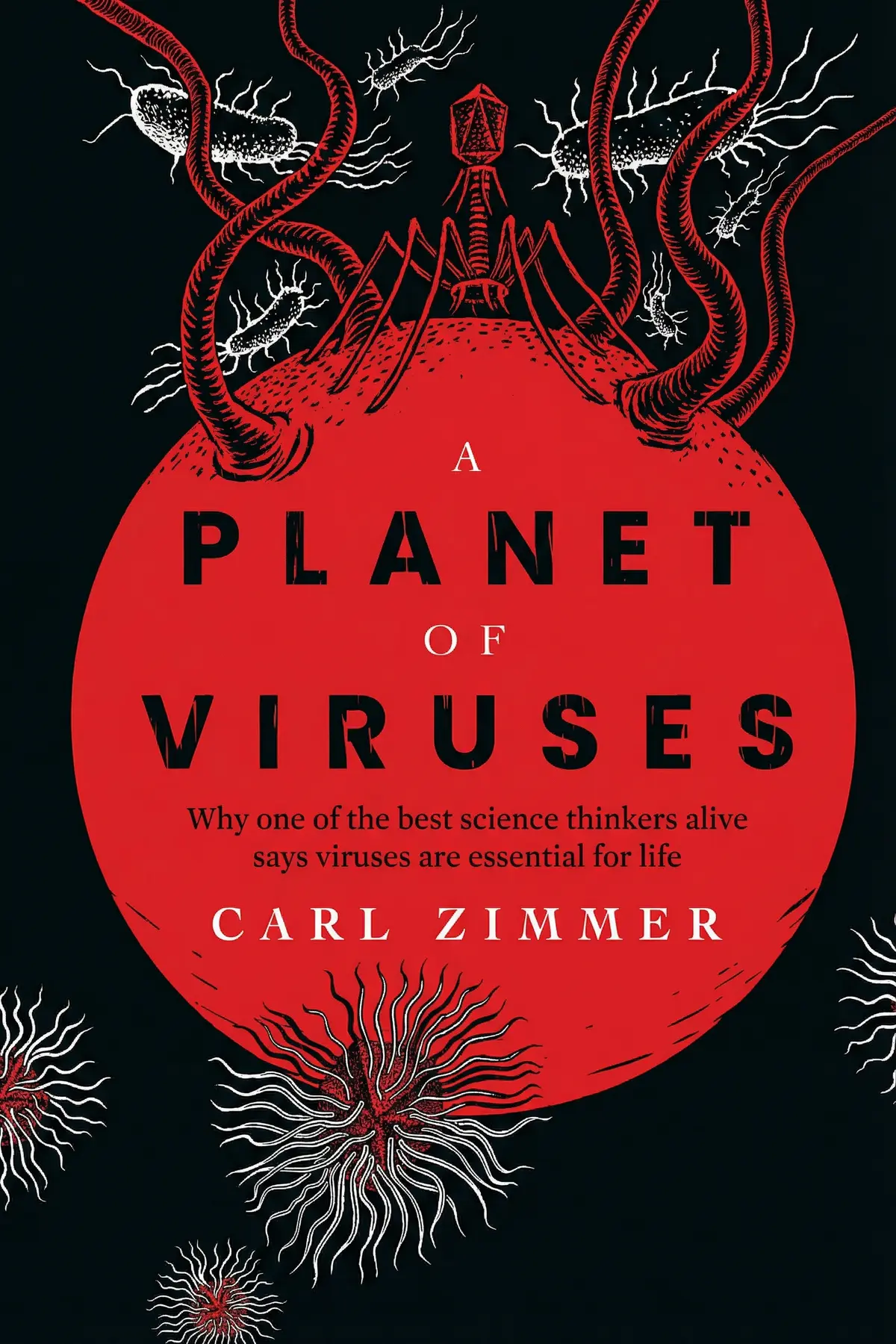
Carl Zimmer
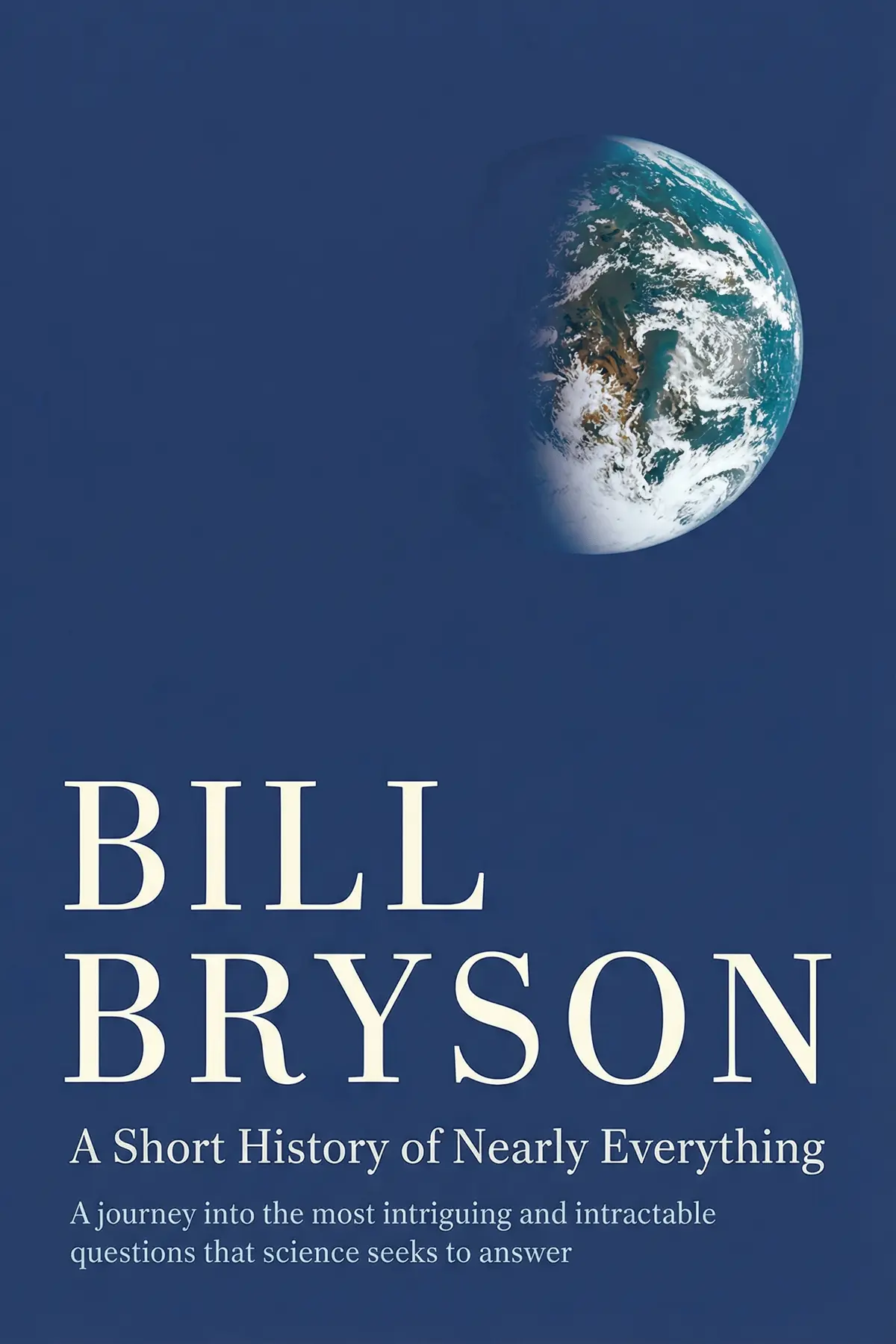
Bill Bryson
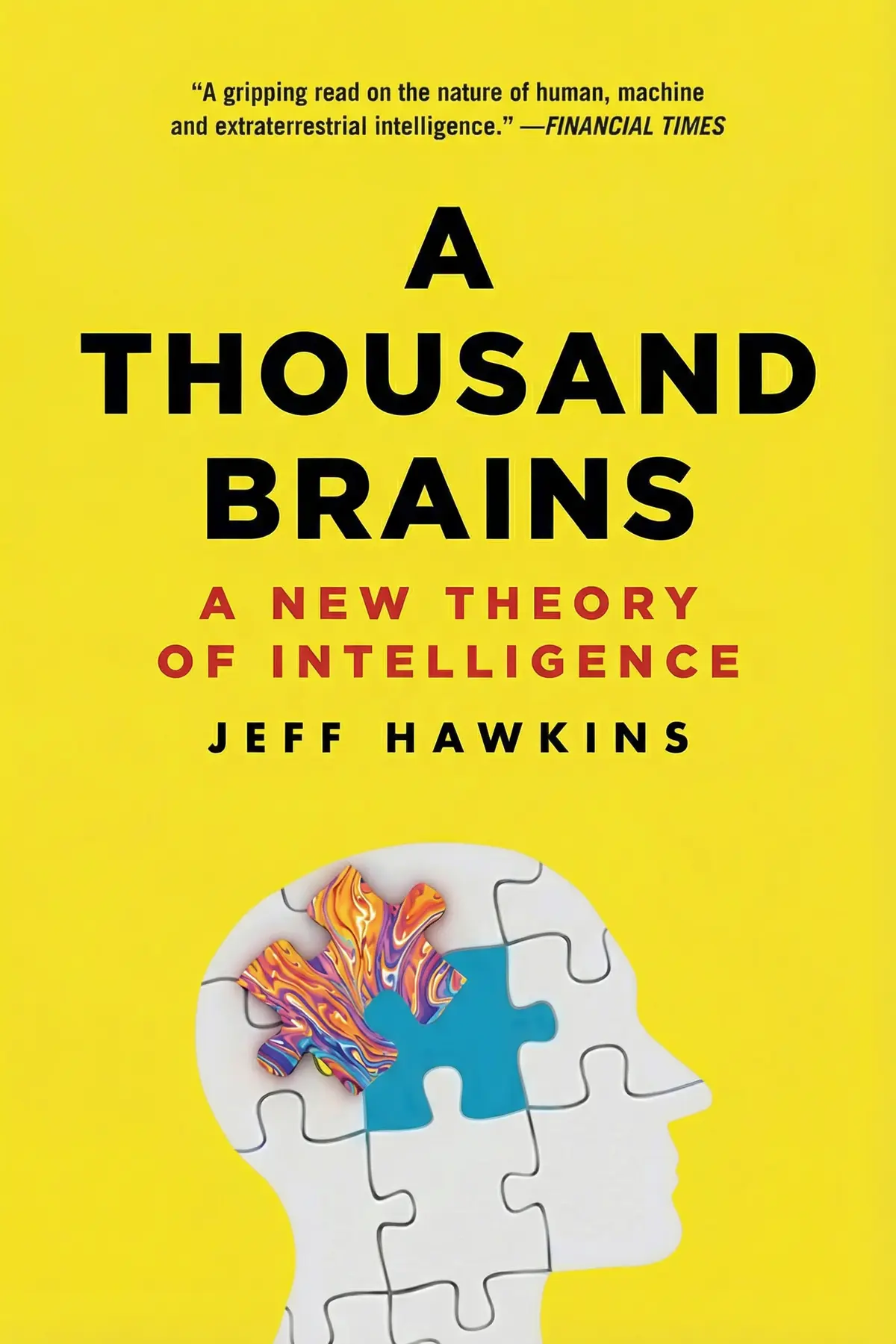
Jeff Hawkins

Lisa Kaltenegger
AUDIO SUMMARY AVAILABLE
Get the key ideas from What’s Going on in There? by Lise Eliot, plus 5,000+ more titles in English and Thai.







