
23 min 10 sec
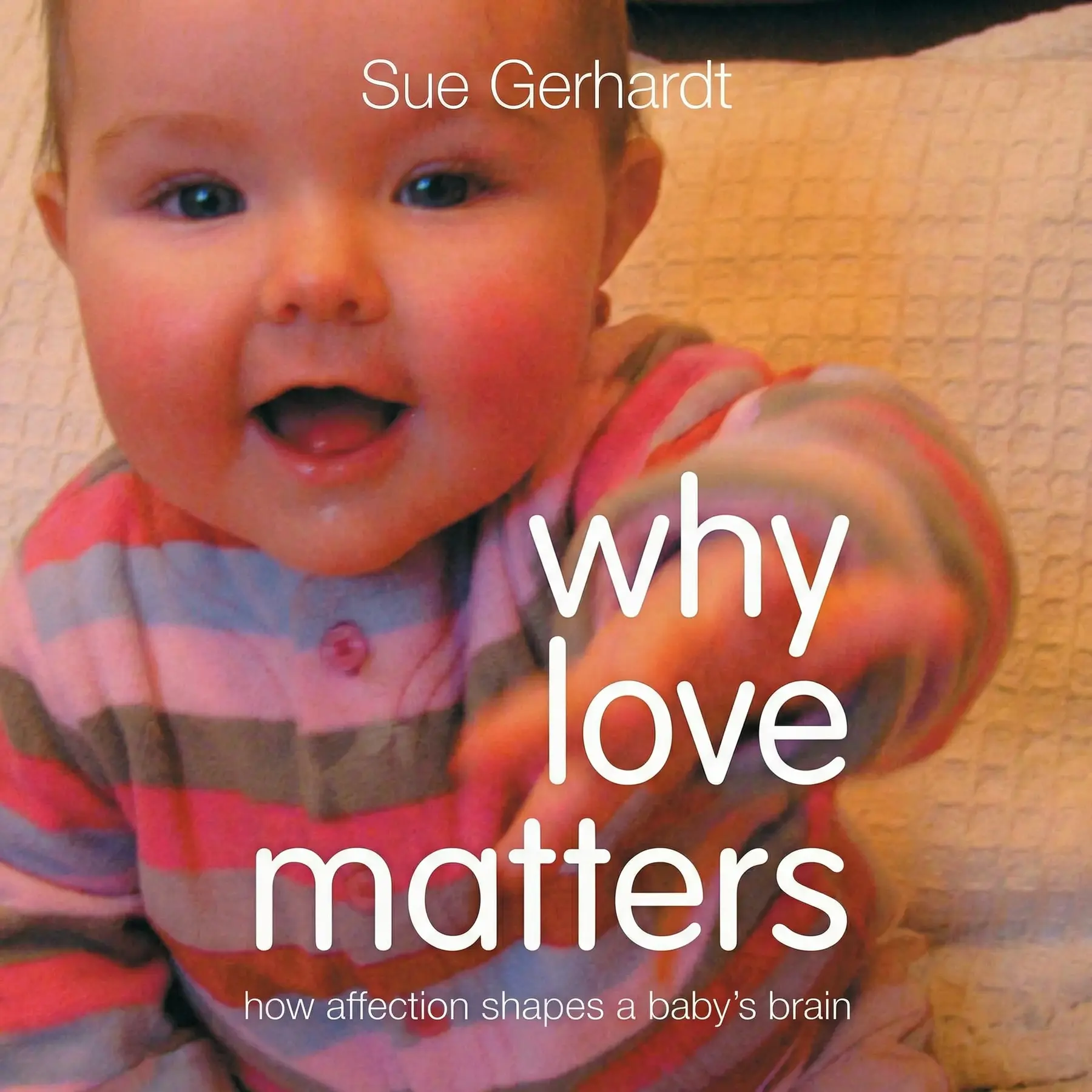
Why Love Matters: How Affection Shapes a Baby's Brain
By Sue Gerhardt
Explore the profound biological impact of early affection as psychotherapist Sue Gerhardt reveals how consistent love and emotional nurturing physically construct the neural pathways of a developing infant’s social brain.
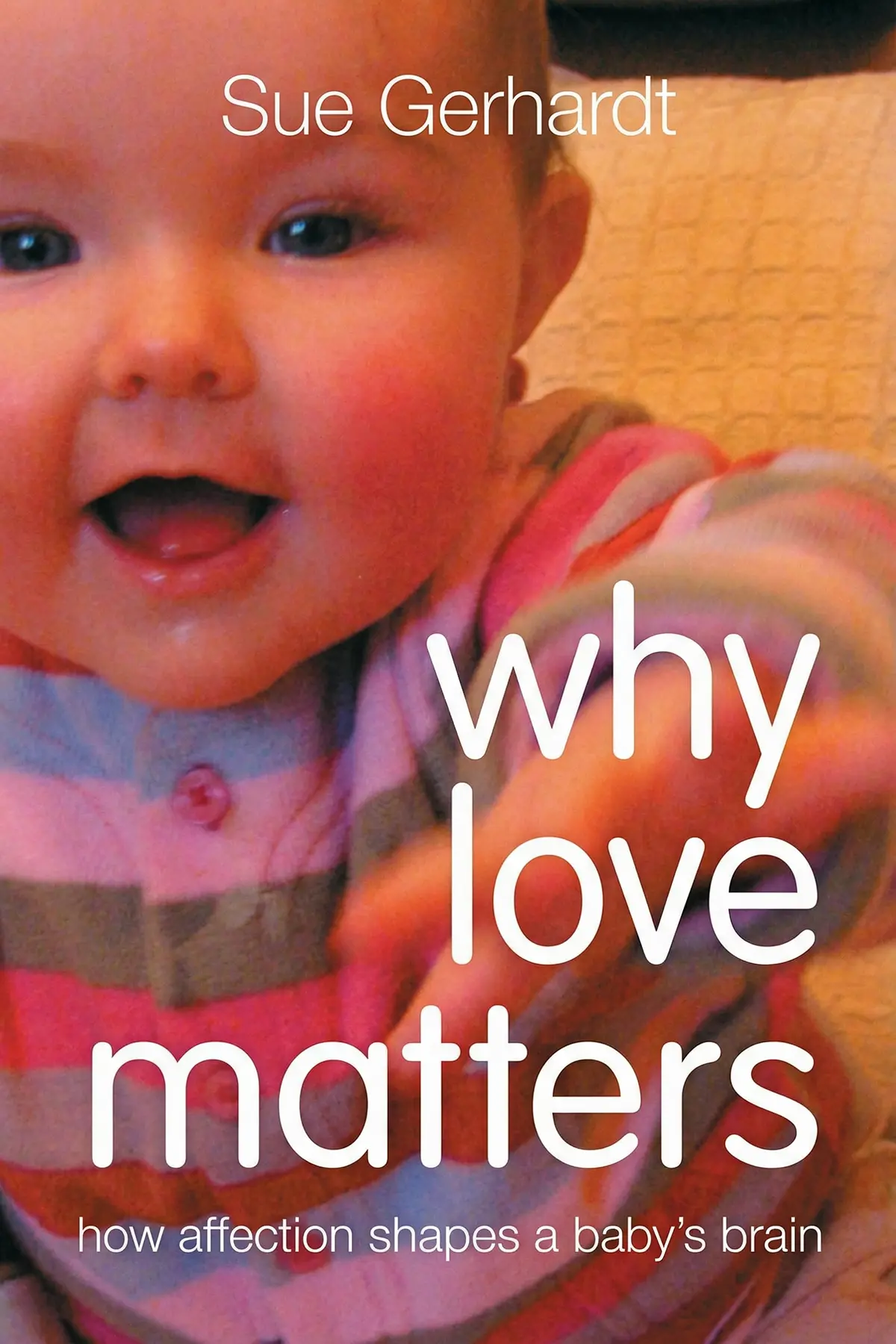
Table of Content
1. Introduction
2 min 09 sec
For decades, we have debated what truly makes us who we are. Is it the genetic code we inherit at the moment of conception, or is it the world we are born into? We often think of these as two opposing forces: the hardwired biology of nature versus the soft influence of nurture. But as Sue Gerhardt explores in her research, the reality is far more integrated and, frankly, far more fascinating. Who we become is not a predetermined script, nor is it a slow accumulation of character over decades. Instead, the core of our emotional identity is physically inscribed into the architecture of our brains during the first twenty-four months of our lives.
In this BookBits summary of Why Love Matters, we are going to explore the idea that babies possess brains of incredible plasticity. This means that the brain isn’t finished when a child is born; it is waiting for social signals to tell it how to grow. The way we are held, looked at, and responded to as infants creates neurological patterns that stay with us for the rest of our lives. When a child experiences consistent love and attentive care, their brain develops one way; when they experience anxiety, neglect, or emotional coldness, their brain develops quite differently. It isn’t just a matter of whether a child is happy or sad; it is a matter of how their nervous system is wired to process the world.
Gerhardt brings together the fields of psychoanalysis, neuroscience, and biochemistry to show us that love is a physical requirement for healthy development. This journey will take us through the evolution of the human brain, the chemical cocktails that drive our moods, and the long-term impact of early stress. We will see how our social experiences and our biology interact in a continuous loop. By the end of this summary, you will understand why the emotional bond between a parent and a child is the single most important factor in building a resilient, empathetic, and healthy human being. We’ll look at the science behind the ‘social brain,’ investigate how stress hormones can reshape a child’s future, and discover why affection is the most powerful tool we have for shaping a better society.
2. The Evolutionary Layers of the Human Brain
2 min 42 sec
Discover why the human brain isn’t a single unit, but a three-layered evolutionary marvel where the most sophisticated ‘social’ parts are the last to develop.
3. The Experience-Dependent Development of the Social Brain
2 min 25 sec
Explore the critical role of the orbitofrontal cortex and how its growth depends entirely on the quality of a baby’s early social interactions.
4. The Biochemical Foundations of Pleasure and Growth
2 min 17 sec
Learn how the simple acts of touching and gazing trigger a chemical chain reaction that physically builds the infant brain.
5. Neural Pruning and the Creation of Expectations
2 min 19 sec
Understand how the brain acts as an ‘anticipating machine,’ keeping only the neural connections that match the patterns of their early environment.
6. The Biological Toll of Persistent Stress
2 min 14 sec
Delve into the science of cortisol to see how the body’s ’emergency alarm’ can become a toxic influence on a baby’s development.
7. Powerlessness and the Impact of Separation
2 min 22 sec
See why a baby’s total dependence makes the absence of a caregiver a biological emergency that can permanently alter stress sensitivity.
8. The Intergenerational Cycle of Emotional Stress
2 min 17 sec
Discover how a parent’s internal emotional state, even without physical neglect, can be ‘contagious’ to an infant’s developing nervous system.
9. Long-Term Vulnerability to Depression and Apathy
2 min 29 sec
Uncover the link between early social deprivation and adult mental health, specifically regarding the brain’s ability to process reward and effort.
10. Conclusion
1 min 56 sec
As we have seen throughout this exploration of Why Love Matters, the early years of life are far more than just a period of physical growth. They are the time when our ‘social hardware’ is installed and configured. Sue Gerhardt’s work makes it clear that we cannot separate our psychology from our biology. Every hug, every shared smile, and every moment of patient comfort acts as a physical building block for a baby’s brain. When we provide an infant with a secure, loving environment, we are giving them more than just happy memories; we are giving them a resilient nervous system, a robust immune system, and the biological capacity for empathy and joy.
The implications of this science are profound, reaching far beyond individual families. If we want a society that is less violent, more compassionate, and more mentally healthy, we must start by prioritizing the well-being of parents and infants. This means recognizing that the work of caregiving is of the highest possible value. When parents are supported, less stressed, and emotionally available, they can provide the ‘biochemical fertilizer’ their children need to thrive.
The key takeaway for all of us is to understand that love is a vital nutrient. It is not an optional extra or a luxury; it is a necessity for the healthy development of the human mind. Whether you are a parent, a policymaker, or simply someone interested in the human condition, understanding this connection between affection and brain development allows us to see ourselves and others with more compassion. By nurturing the social brain in its most formative stage, we lay the groundwork for a lifetime of emotional balance and meaningful connection. Love, in its most practical and physical sense, truly is what makes us human.
About this book
What is this book about?
Why Love Matters examines the intersection of neuroscience, biochemistry, and psychology to explain how our earliest relationships determine our lifelong emotional health. Sue Gerhardt moves beyond the old debate of nature versus nurture, proposing that our environment—specifically the emotional quality of our care—actually dictates our biological development. By looking at how the brain grows in the first two years of life, the book illustrates that love is not just a sentiment but a vital nutrient for the physical structure of the brain. The promise of this work is a deeper understanding of why we react to stress, intimacy, and social cues the way we do. It highlights how the presence of a responsive caregiver helps build a resilient nervous system, while neglect or persistent stress can lead to long-term mental health challenges. This summary provides a roadmap for understanding the biological foundations of empathy and the critical importance of prioritizing emotional bonds during a child’s formative years.
Book Information
About the Author
Sue Gerhardt
Sue Gerhardt is an experienced psychotherapist based in Oxford, England, with a specialized focus on early childhood development, youth delinquency, and sexual abuse. After joining the Tavistock Clinic in London in the 1990s, she dedicated her research to the impact of early life on brain chemistry. In 1998, she co-founded the Oxford Parent Infant Project, a charity providing essential psychotherapy for parents and infants. Gerhardt is also the author of The Selfish Society.
Ratings & Reviews
Ratings at a glance
What people think
Listeners find the work highly educational, and one listener points out that it is well-backed by scientific research. Many also consider it vital reading for parents and social workers, while one listener mentions it changed their life. Additionally, the text is engaging and accessible, with one review highlighting its impact on emotional clarity.
Top reviews
Selin
As a postgraduate psychology student, I found this book to be an absolute revelation for my current research. Gerhardt manages to bridge the gap between complex neuroscience and the lived experience of human relationships with such finesse that it becomes impossible to ignore the social implications. While some critics argue it gets repetitive, I believe the reinforcement is necessary to drive home the point about how our early emotional environments literally sculpt our brains. Frankly, this should be required reading not just for mothers and fathers, but for the politicians who shape our childcare policies. It’s a powerful call to action that highlights how a lack of early bonding can lead to long-term societal issues. We need more thinkers who can translate biological data into such compelling human narratives. This is the kind of book that truly helps you fine-tune your understanding of human development.
Show moreViroj
This book completely changed the way I view my own upbringing and my approach to my children. There is a profound sense of self-awareness that comes from understanding how my early caregivers' responses shaped my current stress reactions. Personally, I found the chapters on the prefrontal cortex and social development to be the most enlightening parts of the entire text. Gerhardt’s writing is accessible yet rigorous, making it perfect for both professionals and those of us just trying to be better people. Sometimes I felt like ignorance might be bliss because the implications of her research are quite heavy. However, the emotional clarity I’ve gained is far more valuable than the comfort of not knowing. If you are a social worker or a new parent, you simply cannot afford to skip this. It is a masterpiece of psychological insight.
Show moreYaowaluk
Finally got around to finishing this for my social work course, and I’m so glad I did. This book is a fundamental resource for anyone working in the care sector because it explains the why behind attachment theory so clearly. Gerhardt illustrates how a loving bond isn't just a nice to have but a biological necessity for healthy development. The way she links brain development to the way we respond to a baby's cries is both terrifying and beautiful. Not gonna lie, some of the scientific descriptions of neurons and pathways were a bit dense, but they provide the necessary evidence to back up her claims. It’s a compelling argument against the cold, detached parenting styles of the past. Every practitioner should have a copy of this on their shelf for reference. It really changes how you see the impact of early intervention.
Show moreHana
Wow. This is easily one of the most impactful books I’ve picked up in years. Gerhardt does a masterful job of explaining how our early relationships are literally written into our biology. I found her discussion of how a mother's touch can regulate a baby’s nervous system to be incredibly moving and scientifically grounded. In my experience, most books on this topic are either too fluffy or too dry, but this strikes a perfect balance. It’s a deep dive into the world of attachment that manages to stay accessible to a general audience while maintaining its academic integrity. You will come away from this with a much deeper appreciation for the power of love and its physical presence in our lives. Truly essential reading for anyone interested in human nature. It changed my life in ways I didn't expect when I first opened the cover.
Show morePlernpiriya
Picked this up on a whim and ended up highlighting almost every other page. Gerhardt’s argument that our early emotional environment determines our later capacity for empathy is both startling and convincing. She really dives into how the brain develops through interaction, which explains so much about social behavior. Frankly, I think every politician and educator should be forced to read this before making any decisions about childcare or schooling. The book provides the scientific backbone that has been missing from many of our cultural debates about family and work. It’s not always an easy read—mostly because the information is so weighty—but it is incredibly rewarding. This is the kind of book that makes you look at every infant and parent you see in a completely different light. Simply brilliant and necessary.
Show moreSupaporn
Ever wonder why some people just seem more emotionally resilient than others? Gerhardt provides a fascinating, science-backed exploration of how those first few years of life set the stage for our entire emotional future. To be fair, I went into this expecting a light parenting guide, but what I got was a dense, academic deep dive into brain states and cortisol levels. It was a bit exhausting to get through at times because of the technical language, but the payoff is worth the effort for the sheer amount of clarity it provides. She doesn't shy away from criticizing the 'cry it out' method or the way our modern economy forces parents back to work too soon. It's a bit of a wake-up call for anyone who thinks infants are just blank slates that don't remember their early treatment. Though repetitive in parts, the core message is essential.
Show moreNiphon
The chapter on the biochemical effects of stress was a real eye-opener for me. It’s fascinating how Gerhardt explains the long-term damage that high cortisol levels can do to a developing infant’s brain. Look, I know some people think she attributes too many of life’s problems to early childhood, but the biological evidence she presents is hard to argue with. She takes a very firm stance against the modern pressure for women to return to work immediately after birth, which is a conversation we desperately need to have more often. My only real gripe is that the book could have been about fifty pages shorter without losing much of its impact. Still, it’s a very read-able foray into a complex subject that affects every single one of us. It definitely helps you understand your own triggers and emotional states better. A solid, informative read.
Show moreKai
After hearing several people mention this in my parenting group, I decided to give it a go. It’s a very insightful look at why responding to a baby’s needs is so critical for their future mental health. The author takes a hard line against leaving babies to cry, which I found very validating as a new mom. However, I’ve gotta say that it does feel a bit like she’s repeating the same three or four points throughout the entire book. It’s very academic, so if you’re looking for a how-to guide with checklists, you might be disappointed. But if you want to understand the science behind attachment, it is absolutely invaluable. It’s a bit heavy on the psychotherapy jargon at times, but the core message is vital for our society to understand. It gave me a lot of food for thought regarding childcare.
Show moreNathan
Gerhardt’s perspective on how we ignore the needs of infants in modern society is incredibly brave. She isn't afraid to call out the negative consequences of forcing parents back into the workforce too early or the damage caused by popular but harsh parenting methods. To be fair, she does spend a lot of time recasting simple emotional experiences into complex brain states, which can feel a bit unnecessary for some readers. But the overall message—that love is a biological requirement—is so important that the technicality can be forgiven. It’s a bit of a marathon to read because it is so dense with information. I definitely learned a lot about why I react the way I do in certain social situations. It’s a great choice for those who want a scientific basis for their parenting choices. An extremely interesting and worthwhile study.
Show morePatcharaporn
Not what I expected, though I can see why it’s so highly recommended in academic circles. I was looking for practical parenting tips, but this felt more like a textbook on the intersection of psychotherapy and neurology. The truth is, it gets extremely repetitive after the first few chapters, often saying the same thing in slightly different ways. I felt like the author was constantly trying to translate basic human emotions into brain talk just to prove a point, which grew a bit tedious after a while. While the criticism of modern culture and its impact on the mother-child bond is valid, the tone felt a bit too alarmist at times. It is definitely informative, but be prepared for a slog if you aren't already into hard psychology. It’s an important book, just not a particularly easy read for the average parent.
Show moreReaders also enjoyed

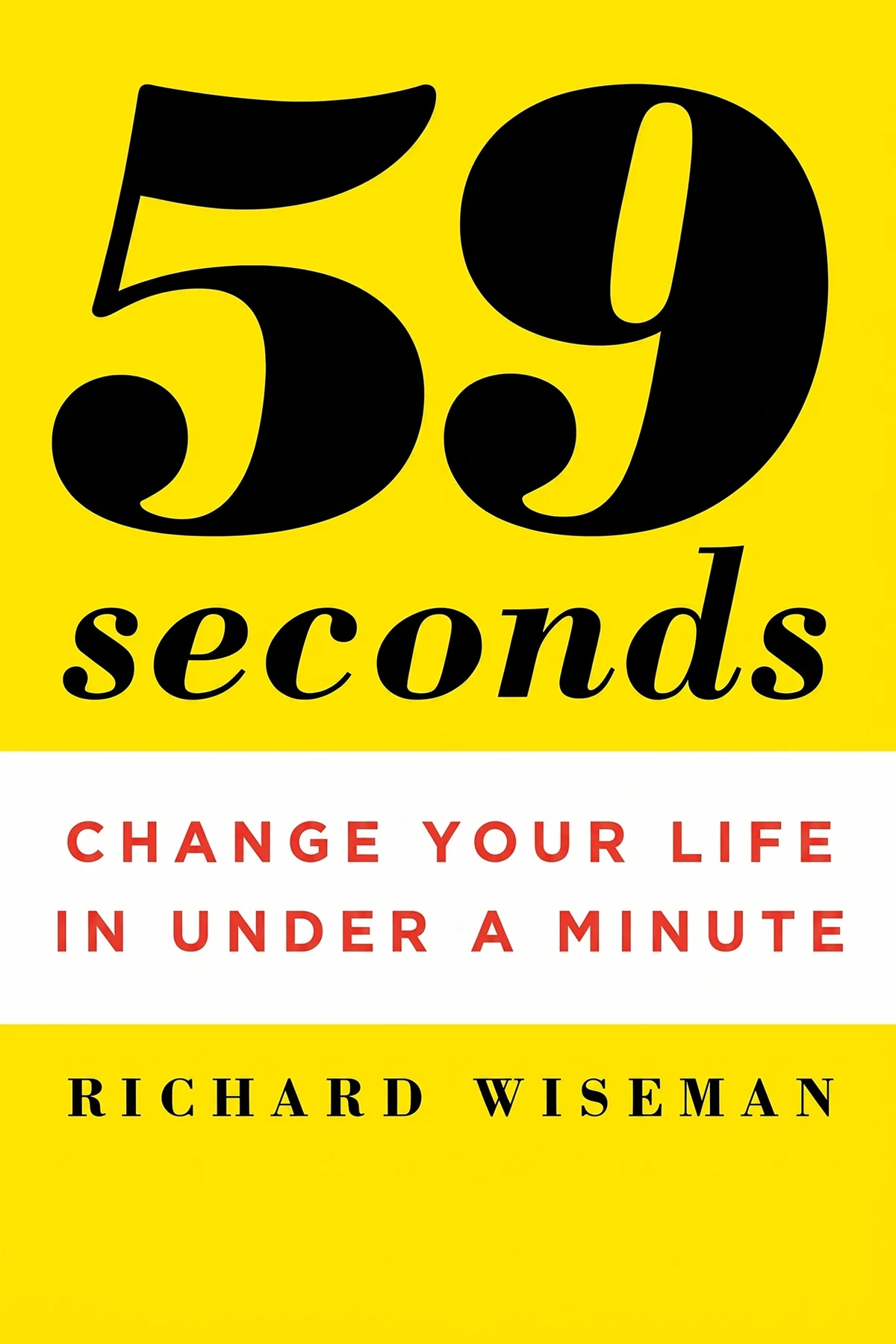
59 Seconds: Change Your Life in Under a Minute
Richard Wiseman
A Liberated Mind: How to Pivot Toward What Matters
Steven C. Hayes
Acting with Power: Why We Are More Powerful Than We Believe
Deborah Gruenfeld
AUDIO SUMMARY AVAILABLE
Listen to Why Love Matters in 15 minutes
Get the key ideas from Why Love Matters by Sue Gerhardt, plus 5,000+ more titles in English and Thai.
- 5,000+ titles
- Listen as much as you want
- 7-day free trial
- Cancel anytime







