
14 min 23 sec
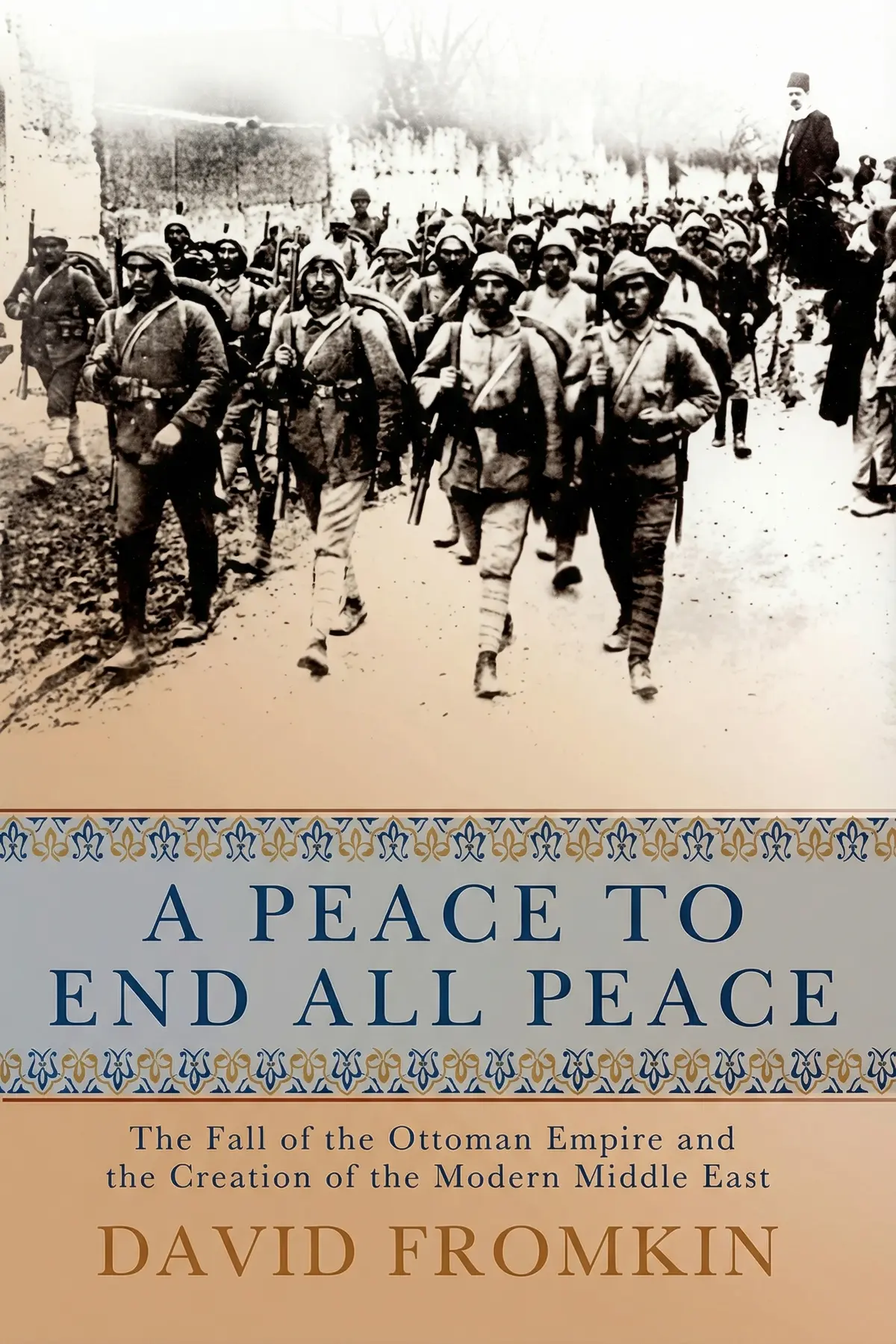
Why Taiwan Matters: A Short History of a Small Island That Will Dictate Our Future
By Kerry Brown
Explore the complex history and global significance of Taiwan, an island whose thriving democracy and semiconductor dominance place it at the center of modern geopolitical tensions and the future of international stability.
Table of Content
1. Introduction
1 min 34 sec
Picture a bustling street in Taipei. On one side, a neon sign advertises the latest flavor of bubble tea, attracting a line of teenagers and office workers. Just a few feet away, a weathered metal sign points toward an air raid shelter. This image perfectly encapsulates the daily reality of Taiwan: a place of vibrant, modern life that exists under the constant, heavy shadow of geopolitical tension. For decades, the world has looked at this island as a point of contention, but the reality is much deeper. Taiwan isn’t just a flashpoint; it is a central pillar of the modern world.
In this exploration, we are going to look at why an island roughly the size of the Netherlands has become the most important piece of land on the planet today. We will see how it transitioned from a military dictatorship to one of the most progressive democracies in Asia, and how its culture has diverged so sharply from the mainland that the people living there have forged an entirely new identity.
We will also dive into the high-tech heart of the island. You have likely heard of the ‘silicon shield,’ but we will explain exactly how one company, TSMC, became the indispensable architect of the digital age. By the end of this journey, you will understand the complex dance between two superpowers, the United States and China, and why the future of our global economy and international peace might just depend on what happens in the narrow stretch of water known as the Taiwan Strait. This is the story of a small island that is dictating our collective future.
2. A Society Living Between Crisis and Calm
1 min 55 sec
Discover the unique psychological landscape of an island where military threats and daily normalcy coexist in a delicate, decades-long balance.
3. The Layered History of a Pacific Crossroads
1 min 55 sec
Uncover the diverse historical forces—from indigenous roots to colonial powers—that shaped Taiwan into a cultural mosaic unlike any other.
4. The Evolution of a Vibrant Democracy
1 min 53 sec
Follow the remarkable journey of a nation that successfully transitioned from a repressive military regime to a leading democratic voice.
5. The Indispensable Power of the Silicon Shield
1 min 53 sec
Examine how a single company’s technological brilliance turned a small island into the vital center of the global economy.
6. The Dangerous Dance of Strategic Ambiguity
1 min 53 sec
Analyze the high-stakes diplomatic tightrope walked by the US and China as they navigate the ‘One China’ policy.
7. The Chilling Reality of a Potential Conflict
1 min 51 sec
Explore the catastrophic human and economic consequences of a conflict in the Taiwan Strait and why it must be avoided.
8. Conclusion
1 min 29 sec
As we have seen, Taiwan is much more than just a small island caught between two giants. It is a living proof that democracy can flourish in a Chinese-speaking society, a vital engine of the global technological economy, and a cultural mosaic that has spent centuries absorbing and transforming the influences of those who crossed its shores. Its story is one of incredible transformation—from the dark days of martial law to the bright, noisy, and proud democracy it is today.
However, the lessons of this journey come with a stark warning. The ‘silicon shield’ that protects the island also makes it a high-stakes prize, and the diplomatic ambiguity that has kept the peace for fifty years is under more pressure than ever before. We live in a world where the components of your laptop and the stability of your local economy are directly linked to the peace of the Taiwan Strait.
If there is one thing to take away from this exploration, it is that Taiwan’s future is not just a ‘China issue’ or a ‘US issue’—it is a global one. Supporting the status quo and finding ways to de-escalate tensions isn’t just about regional politics; it is about protecting the interconnected world we all inhabit. As Taiwan continues to forge its own path and define its own identity, the rest of the world must remain awake to the reality that what happens to these 23 million people will ripple out to every corner of the globe. The story of Taiwan is, in many ways, the story of the twenty-first century, and it is a story that we are all a part of, whether we realize it or not.
About this book
What is this book about?
Why Taiwan Matters provides a comprehensive look at the small island that has become the most strategically vital spot on the globe. Kerry Brown examines how a former dictatorship transformed into a vibrant, pluralistic democracy while maintaining a precarious relationship with mainland China. The book delves into the historical layers that shaped Taiwanese identity, from indigenous roots and Japanese colonialism to the Nationalist retreat in 1949. Beyond history, the text explores the economic 'silicon shield' provided by the Taiwan Semiconductor Manufacturing Company (TSMC), which produces the vast majority of the world's most advanced microchips. It explains why any disruption to this supply chain would trigger a global catastrophe. By analyzing the delicate 'strategic ambiguity' of the United States and the growing assertiveness of Beijing under Xi Jinping, Brown illustrates why the fate of this island will likely dictate the geopolitical landscape of the twenty-first century.
Book Information
About the Author
Kerry Brown
Kerry Brown is a professor of Chinese studies and directs the Lau China Institute at King’s College, London. He has three decades of firsthand experience in China across academic, diplomatic, and business sectors. His extensive knowledge is reflected in numerous publications, including The World According to Xi. He previously served as First Secretary at the British Embassy in Beijing and headed the Asia Programme at Chatham House.
Ratings & Reviews
Ratings at a glance
What people think
Listeners find this an easy-to-digest and brief overview of Taiwan’s history, politics, and its crucial position in today’s global geopolitics. Although views are split regarding the author’s case for "strategic ambiguity" to handle current tensions, listeners generally prize the work's even-handed and trustworthy breakdown of the US-China-Taiwan dynamic. They also highlight the insightful coverage of Taiwan’s semiconductor lead and its shift toward a modern democracy, with one listener describing it as the "perfect start book" for those seeking clarity on global flashpoints. Furthermore, the writing is lauded for its level-headed, diplomatic outlook that helps outsiders grasp why the region carries such weight.
Top reviews
Ern
Wow. This book makes a compelling case for why a democratic Taiwan is fundamentally indispensable to the modern world order. Brown argues that if Taiwan’s autonomy were to vanish, it wouldn’t just be an economic disaster—it would be a moral failure for the West. I was particularly fascinated by the section on how Taiwan’s internal identity has shifted from being 'the real China' to something entirely unique and fiercely independent. The prose is sharp and the stakes feel incredibly high throughout. A must-read for anyone who cares about the future of liberal democracy and global trade.
Show moreDylan
Ever wonder why a tiny island has the entire world holding its breath? This book explains the 'why' with surgical precision. The narrative moves from the colonial history to the tech-heavy present with ease, making the argument that Taiwan's existence is the ultimate test for 21st-century diplomacy. I loved the breakdown of how the US has shifted its stance over the decades, moving from 'ambiguous neutrality' to a more urgent, value-based support. It is a terrifying look at a potential flashpoint, but Brown’s call for patience and prudence provides a thin silver lining of hope in a dark landscape.
Show moreEthan
Picked this up before a trip to East Asia and it was exactly the kind of foundational text I needed. Brown does an incredible job of condensing decades of complex tension into a narrative that doesn’t feel like a dusty, academic textbook. The way he weaves together the semiconductor industry with democratic identity shows why this isn't just a local squabble but a global necessity. My only gripe is that it feels a bit light on the actual cultural life of the island, focusing heavily on the big-picture geopolitics instead. Still, if you want to understand the 'Silicon Shield' and why the US remains so invested, this is a solid starting point.
Show moreWoramet
As someone who keeps a close eye on the news, I thought I knew most of this, but Brown’s diplomat-style analysis added much-needed nuance. He explores the 'cryogenic stasis' of the current situation—where no one is happy but everyone is safe—and explains why 'doing nothing' might actually be the bravest choice for leaders in D.C. and Beijing. The book is remarkably balanced, giving credit to the land reforms of the Shek era while acknowledging the brutality of martial law. It’s a tight, sobering volume that will probably keep you up at night thinking about the fragility of our global supply chains.
Show morePakpoom
The chapter on the triangular relationship between the US, China, and Taiwan was worth the price of the book alone. Personally, I appreciated how Brown didn't try to offer a 'magic solution' to the problem because, frankly, there isn't one. Instead, he treats the reader like an adult, laying out the catastrophic consequences of any sudden moves in either direction. It’s a bit dry in the middle sections when he gets into the weeds of political theory, but the historical context regarding the KMT and the transition to democracy is essential reading for understanding today’s headlines.
Show moreNan
Kerry Brown manages to deliver a high-level overview of a prickly subject without falling into the trap of being one-sided. Truth is, most Western books on this topic are either overly aggressive toward China or dismissive of Taiwan's agency, but this stays right in the middle. He highlights how the island endured 38 years of martial law to become the vibrant democracy it is today, which makes the threat of invasion feel even more tragic. The pacing is generally good, though some of the segments on international law could have been simplified for a general audience looking for a lighter read.
Show morePrasarn
Finally got around to reading this and it’s a solid 4-star effort. It’s the kind of book you can finish in a weekend and come away feeling significantly smarter about global affairs. Brown doesn't sugarcoat the reality that Taiwan is essentially in a state of geopolitical limbo, but he argues convincingly that this limbo is better than the alternative. The focus on the 'Silicon Shield' was particularly enlightening for me. I wish there was more about the younger generation’s perspective on independence, but as a primer on the Straits conflict, it’s hard to beat this.
Show moreSomrutai
To be fair, the first half of this book is a fantastic summary of the KMT’s retreat and the subsequent 'economic miracle' that turned Taiwan into an industrial titan. However, by the time I hit the final chapters, I felt like the author was just rephrasing the same three points about strategic ambiguity over and over again. It reads more like a long-form academic essay than a cohesive book at times, with a lot of wordy filler that could have been trimmed for a punchier delivery. It is a reliable and balanced resource, sure, but it lacks that spark of original insight I was hoping for after the strong start.
Show moreThanit
Look, I wanted to love this, but it felt a little too much like a policy briefing rather than a deep dive into the soul of Taiwan. The technical details about TSMC and the semiconductor dominance are well-researched, yet the human element feels missing from the pages. Why do the people on the ground feel the way they do? The history is there—the 228 Incident, the Kaohsiung Incident—but it’s viewed through a lens of international relations rather than social history. It’s a decent primer if you’re a complete novice, but if you’ve already read a few articles on the Straits, you might find it a bit basic.
Show moreYuki
Actually, I found this to be quite a slog. While the premise is vital, the writing style is incredibly dense and repetitive to the point of frustration. Brown spends way too many pages explaining why the status quo matters without offering any fresh perspective on the recent developments, like the new plants opening in Arizona. It felt like he had about fifty pages of solid material and stretched it out into a full-length book with a lot of circular reasoning. Not the 'swiftly moving' read I was promised by other reviewers. I’d suggest looking for a more updated or concise resource for your bookshelf.
Show moreReaders also enjoyed
A Promised Land
Barack Obama
A River in Darkness: One Man’s Escape from North Korea
Masaji Ishikawa
A Splendid Exchange: How Trade Shaped the World
William J. Bernstein
A Theory of Justice
John Rawls
A Spy Among Friends: Philby and the Great Betrayal
Ben Macintyre


AUDIO SUMMARY AVAILABLE
Listen to Why Taiwan Matters in 15 minutes
Get the key ideas from Why Taiwan Matters by Kerry Brown, plus 5,000+ more titles in English and Thai.
- 5,000+ titles
- Listen as much as you want
- 7-day free trial
- Cancel anytime







