
Abortion: Our Bodies, Their Lies, and the Truths We Use to
Jessica Valenti
An investigative look into the social, economic, and political decay that transformed the American landscape over two decades, culminating in a historic crisis of democracy and a nation deeply divided against itself.
1 min 57 sec
Imagine a landscape so parched, so deprived of moisture and vitality, that it becomes what fire experts call a wildland. In such an environment, the smallest friction can lead to a catastrophe. This is the metaphor at the heart of our exploration today. We are looking at a country that, over the course of two decades, became a political wildland, primed for a conflagration that many didn’t see coming until the smoke was already in the air.
The story begins with a simple, almost mundane act. In the heat of a California summer, a farmer attempts to solve a minor problem—a nest of wasps in the ground—by driving a metal stake into the earth. That single strike of a hammer against metal creates a spark. In a land conditioned by drought, that spark is enough to ignite an inferno that consumes thousands of acres. This event serves as a chilling parallel to the state of the American union leading up to the early 2020s. The nation wasn’t just divided; it was tinder-dry, waiting for a catalyst.
Over the next several chapters, we will journey through three very different American landscapes to understand how this volatility was manufactured. We’ll visit the opulent estates of Greenwich, Connecticut, to see how the financial elite became untethered from the rest of the country. We’ll travel to the rugged hills of Clarksburg, West Virginia, to witness the literal and metaphorical hollowing out of a once-proud industrial community. Finally, we’ll walk the streets of Chicago’s South Side, where decades of systemic exclusion have created a cycle of struggle that the rest of the world often ignores.
By weaving these stories together, we can see the throughline of a national transformation. This is not just a list of grievances or a sequence of news events; it is a deep-dive into the making of a modern fury. We are going to look at how the American dream was dismantled for some and hyper-inflated for others, and how the resulting resentment was channeled into a force that eventually shook the foundations of the government itself. Let’s begin by looking at the town that became the capital of a new kind of American wealth.
2 min 11 sec
Explore how a quiet retreat for the wealthy evolved into an epicenter of extreme capitalism, where traditional values of thrift were replaced by a relentless pursuit of short-term profit.
2 min 13 sec
Witness the steady decline of the Republican Party’s moderate wing and the rise of a more aggressive, populist ideology that reshaped American politics over several decades.
2 min 09 sec
Trace the tragic trajectory of Clarksburg, West Virginia, as it moved from a thriving industrial hub to a community struggling with depopulation and a loss of local connection.
2 min 15 sec
Understand how historical housing policies and systemic neglect have created a persistent cycle of poverty and incarceration for Black residents in Chicago’s South Side.
2 min 07 sec
Examine the psychological shift after 9/11 that led many Americans to view the world through a lens of constant threat, fueling xenophobia and a new culture of armament.
2 min 06 sec
Analyze the growing resentment toward the American elite as both economic and political institutions failed to protect the interests of the working class and marginalized communities.
2 min 16 sec
Observe the impact of the Trump presidency as it sought to dismantle federal government functions, undermine the media, and deepen social divisions.
2 min 10 sec
See how the dual challenges of a global pandemic and a national movement for racial justice revealed the deep-seated weaknesses and inequities in American society.
2 min 06 sec
Relive the events leading up to and during the January 6 insurrection, which served as the ultimate expression of two decades of mounting national tension.
2 min 10 sec
As we look back at the journey through Greenwich, Clarksburg, and Chicago, a clear and sobering picture emerges. The American story of the twenty-first century is not one of a sudden accident, but of a slow and deliberate accumulation of grievances. We have seen how the extreme concentration of wealth in places like Greenwich created a ruling class that was physically and emotionally detached from the struggles of their fellow citizens. We have seen how the industrial heartland was left to wither, its people feeling that their pride and their future had been traded away for short-term corporate gains. And we have seen how the persistent shadow of racial segregation in cities like Chicago continued to deny the promise of the American dream to millions.
These factors combined to create a nation that was socially and politically volatile. The loss of local news meant that neighbors no longer had a shared story to tell. The rise of a media environment that prioritized conflict over context meant that fear became the primary driver of public opinion. And when the traditional political institutions failed to address these underlying issues, the vacuum was filled by a populist movement that promised to tear the whole system down. The fire of January 6th was not an anomaly; it was the inevitable result of a spark landing on a landscape that had been drying out for twenty years.
So, where does this leave us? The final lesson is one of both warning and responsibility. Democracy, as we have seen, is not a permanent state of being; it is a fragile agreement that requires constant maintenance. It requires a shared commitment to the truth, a willingness to protect the interests of all citizens—not just the wealthy or the influential—and a recognition that we are all part of a single, interconnected community. To prevent the wildland from burning again, we must address the structural inequalities and the hollowing out of our institutions that created the fury in the first place. The throughline of our history shows that when we ignore the struggles of our neighbors, we eventually put our own survival at risk. Moving forward requires us to rebuild the common ground, one community at a time.
This exploration delves into the heart of the American experience during the first twenty years of the twenty-first century. By focusing on three distinct locations—Greenwich, Connecticut; Clarksburg, West Virginia; and Chicago, Illinois—it traces the divergent paths of the ultra-wealthy, the struggling working class, and the victims of systemic racial segregation. The narrative connects these disparate threads to show how rising inequality, the erosion of local community, and the breakdown of public trust created a volatile environment. It promises to reveal the underlying forces that allowed a populist movement to take hold, leading eventually to the dramatic events surrounding the 2020 election and the subsequent unrest at the nation’s capital.
Evan Osnos is an esteemed journalist who has contributed his expertise to the New Yorker as a staff writer since 2008. His career includes significant tenure at the Chicago Tribune, where he initially covered local city news before transitioning into roles as a national and foreign correspondent. His reporting has taken him across the globe, including assignments in China and the Middle East. Osnos is an acclaimed author whose work Age of Ambition earned the 2014 National Book Award for nonfiction and was recognized as a Pulitzer Prize finalist.
Listeners find the work perceptive and excellently composed, with one listener remarking on its sharp New Yorker-style prose. They also value the storytelling technique, as one listener notes the way individual experiences are integrated into the main narrative. Additionally, the content earns praise for being deeply thought-provoking. Nevertheless, reactions to the tempo are varied, with one listener characterizing the account as scary and depressing.
Finally got around to reading Osnos, and I was struck by how he weaves personal histories into the broader decay of American institutions. He doesn't just throw stats at you; instead, he takes you into the living rooms of West Virginia and the manicured lawns of Greenwich. It's a sobering look at how the twenty years between 9/11 and the Capitol riot transformed us into a "cloven nation." The prose is crisp, almost like a high-end documentary in print form. I found the section on the decline of local news particularly insightful because it explains why everyone is so focused on national outrage now. It’s a heavy read, certainly, but it feels necessary for anyone trying to understand the current fracture. This isn't just a political book—it's a story about what happens when we lose the vision for the common good.
Show moreThe contrast between the hedge fund towers of Greenwich and the struggling coal towns of West Virginia is what makes this book stick in your mind. Osnos has this way of humanizing the macro-economic shifts that usually feel too abstract to care about. Truth is, I hadn't really considered how the demise of the local newspaper contributed so directly to our national polarization until I read his take on it. He tracks the shift from the trust of the 1960s to the deep-seated suspicion of today with surgical precision. It’s an ambitious project that succeeds because it keeps the human element front and center throughout the narrative. Truly insightful stuff. It's scary to realize how much the idea of "public service" has been replaced by the pursuit of private profit over the last fifty years.
Show moreThe storytelling here is masterfully executed, especially when Osnos delves into his own family history to explore broader themes of justice and inequality. He asks the right questions about why we’ve lost the capacity to see the union as larger than ourselves. I was particularly fascinated by the interviews with the insurrectionists; the detail about it being their first time at the Capitol was a real "aha" moment for me. The book manages to be both a macro-level analysis and a collection of intimate portraits. It’s smart, historically informed, and written with a level of clarity that you rarely see in political non-fiction these days. Even when the content is upsetting, the New Yorker style writing keeps you turning pages. It's an excellent piece of reporting that goes beyond the headlines to find the pulse of a divided nation.
Show morePicked this up on a whim and couldn't put it down, even though it made me want to hide under the covers. The "wildland" metaphor for our current political landscape is spot on. Osnos highlights the "all-about-winning" mentality of leaders like Mitch McConnell and pairs it with the genuine suffering of people in the heartland. It’s a devastating examination of how we’ve traded community for a hollowed-out version of liberty. The way he weaves together the stories of three very different American places creates a panoramic view of a nation at war with itself. From the opioid epidemic to the super PACs, everything is connected in a way that feels both enlightening and terrifying. It’s easily one of the most thought-provoking and well-written books I’ve read all year. Essential reading for anyone who feels disaffected by the current state of the union.
Show moreEvan Osnos paints a picture of America that is, frankly, pretty terrifying. By focusing on three distinct locales—Chicago, Greenwich, and Clarksburg—he shows how the same rot manifests in different ways across the economic spectrum. The storytelling approach makes the data points about inequality and the opioid epidemic feel much more visceral than a standard political science text. To be fair, the book can feel a bit depressing at times as it charts the rise of "radical self-reliance" at the expense of our shared future. My only gripe is that it lingers a bit too long on the "how" without offering much of a "what now?" regardless, the writing is top-tier and incredibly thought-provoking. If you want to understand the shift from 77% trust in government to the current 18%, start here.
Show moreThis reads exactly like a long-form New Yorker piece stretched into a compelling, if harrowing, book. I appreciated the specific focus on the period between the twin towers falling and the Jan 6th insurrection; it frames our current chaos as a slow-motion car crash rather than a sudden accident. The stories about the Chicago neighborhoods were particularly moving and offered a gritty counterpoint to the "ill-gotten gains" of the private equity crowd. While the pacing is a bit uneven—some chapters fly by while others feel like a bit of a slog—the crispness of the prose keeps you engaged. It’s a chilling read that avoids being just another "Trump book" by looking at the deep-seated structural decay that paved the way for his rise. Definitely a thought-provoking addition to my shelf.
Show moreAfter hearing so much about "Wildland," I was prepared for it to be bleak, and it definitely delivered on that front. The way Osnos connects the dots between deregulation, racism, and the "deconstruction of the administrative state" is genuinely scary. He captures that sense of "radical self-reliance" that has replaced the idea of the common good in our society. It’s a lot to digest. The book is filled with fascinating stories about people who feel forgotten or emboldened, often at the same time. While it doesn't offer much guidance for a way out of the mess, it does a pretty good job of demonstrating that everyone in the country is a combination of angry and frightened. It is a depressing picture, but one that is masterfully painted with crisp, insightful reporting.
Show moreEver wonder why everything feels so broken lately? Osnos attempts to answer that, but I’m not sure he lands on anything particularly groundbreaking. The reporting is definitely excellent—he’s a New Yorker writer, after all—but if you’ve been paying attention to the news for the last decade, much of this will feel like a retread of familiar grievances. The focus on Mitch McConnell’s "winning at all costs" and the greed of private equity in Connecticut is enlightening, yet it feels like it’s missing a truly balanced perspective on what’s driving the fury on both sides. It’s a smart book, but it occasionally feels like it’s preaching to the choir in a very polished way. I found his previous work on China more stimulating than this recounting of the gloom and doom we live through every day.
Show moreLook, I’m not saying this isn’t a good book, but the pacing can be quite challenging if you’re not in the mood for a deep, depressing dive. There is some great material here, specifically regarding how the super-rich in Greenwich have managed to insulate themselves from the consequences of their own policies. However, the book often feels like it's retreading ground that has been covered extensively by other journalists since 2016. It’s a high-quality production, and the storytelling approach is appreciated, but I didn't find many "new" conclusions to chew on. It’s more of a very well-documented summary of our collective decline than a revolutionary thesis. Personally, I found it to be an ongoing read that took me a long time to digest because the tone is so consistently heavy.
Show moreI wanted to like this more, but it ended up feeling like a very long, very articulate lecture that I've already heard. Osnos is a fantastic writer, but his conclusions seem to ignore anything that doesn't fit a specific progressive narrative about American decay. He laments the loss of the 20th-century "good old days," but his data on the collapse of trust in government feels more like a necessary awakening to me than a disaster. If you’re looking for a balanced view of what’s driving the current fury in the US, you won’t find it here. It’s well-researched but ultimately feels like an echo chamber for people who already agree with the author’s worldview. It’s unstimulating if you’ve lived through these events and were hoping for a fresh perspective rather than a depressing recap.
Show moreJessica Valenti
Virginia Woolf

Yanis Varoufakis
Yuval Noah Harari
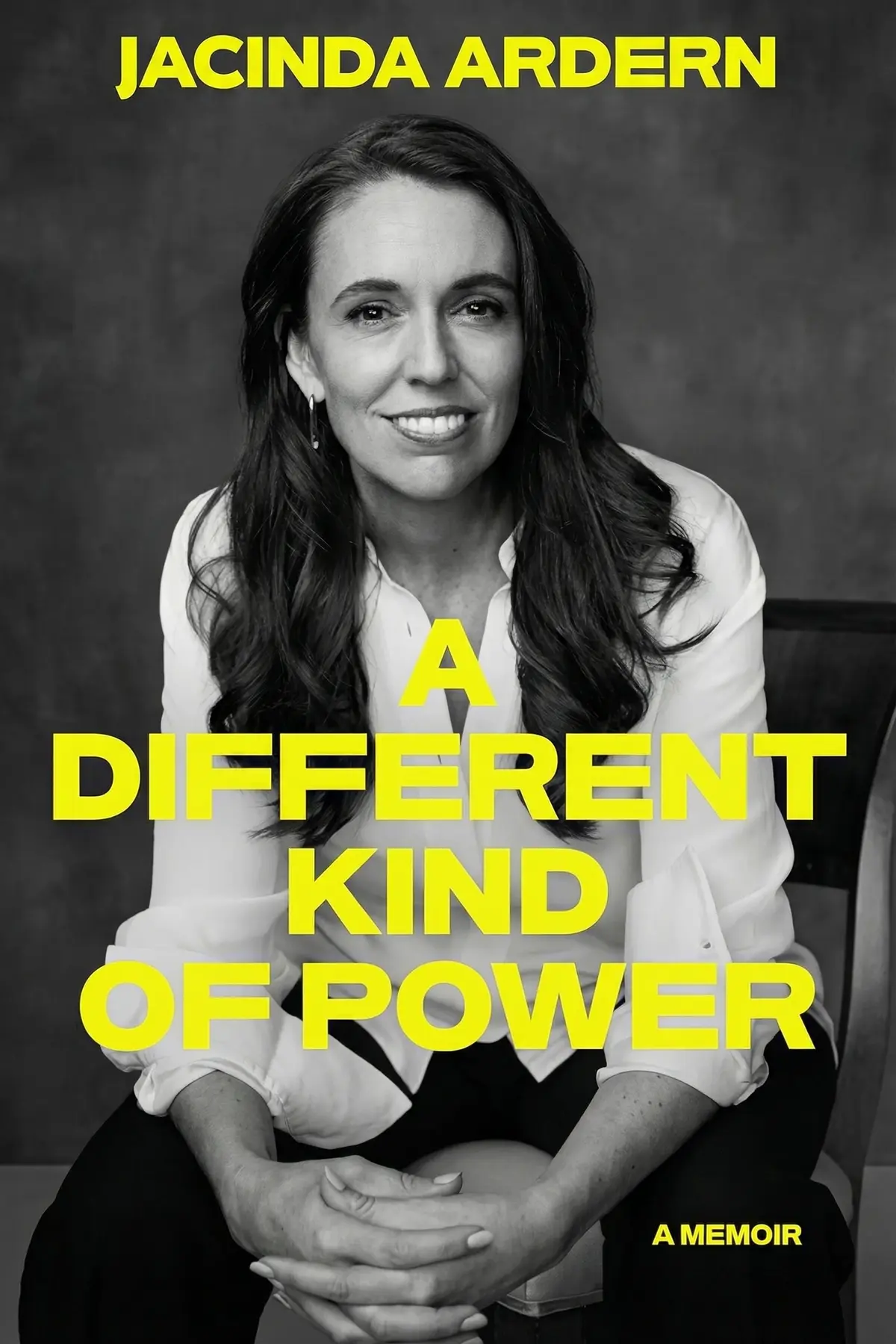
Jacinda Ardern
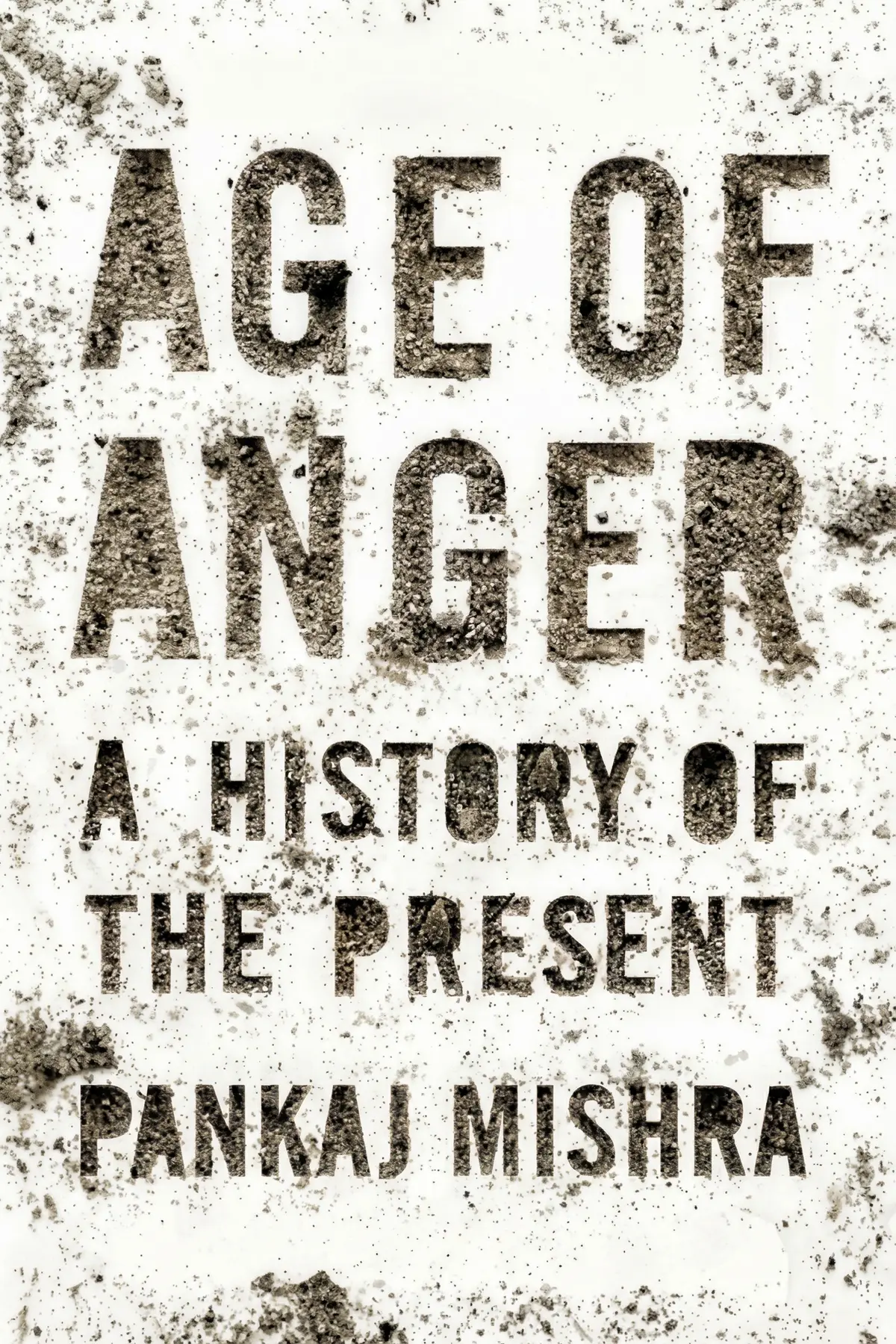
Pankaj Mishra
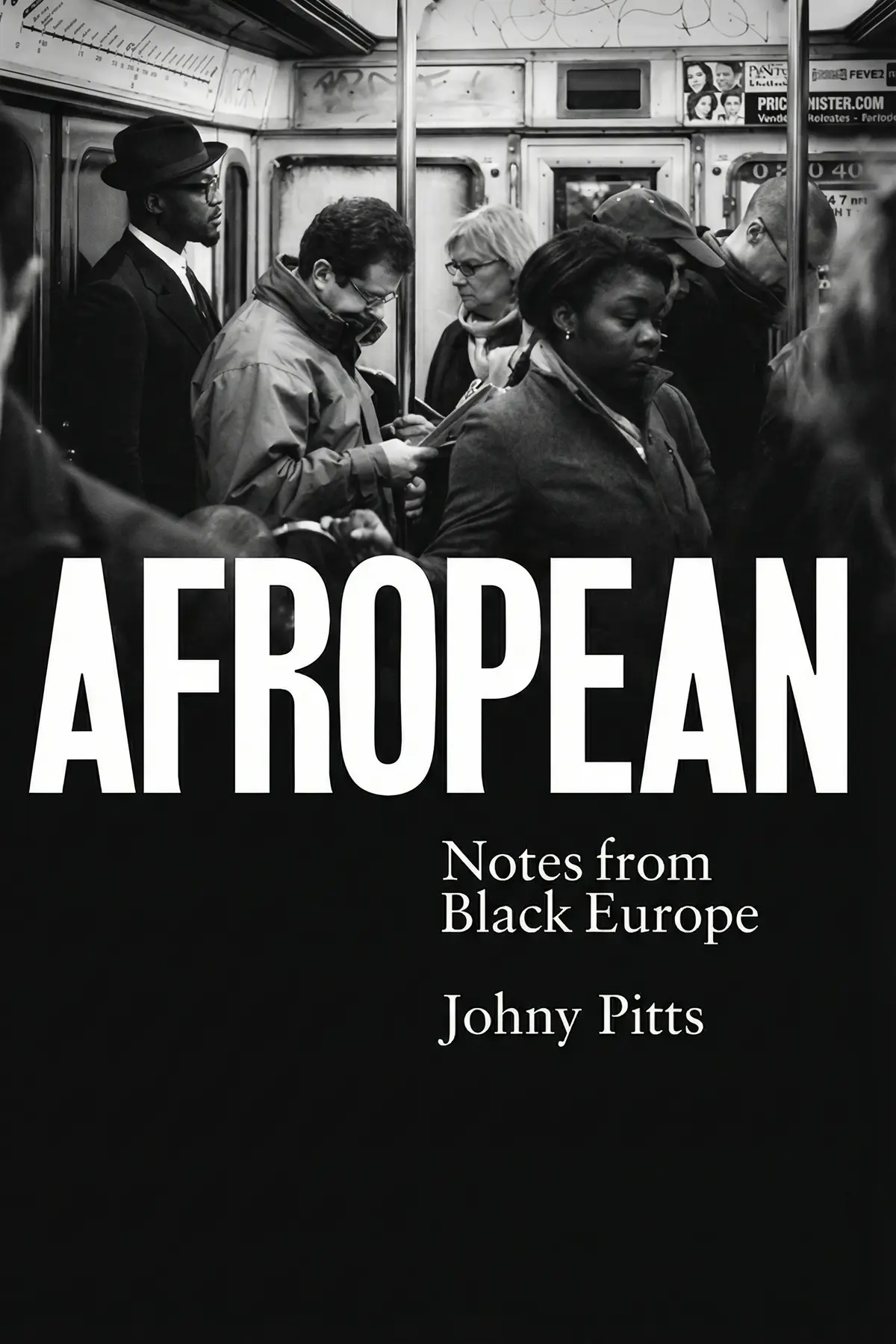
Johny Pitts
AUDIO SUMMARY AVAILABLE
Get the key ideas from Wildland by Evan Osnos, plus 5,000+ more titles in English and Thai.







