
18 min 26 sec
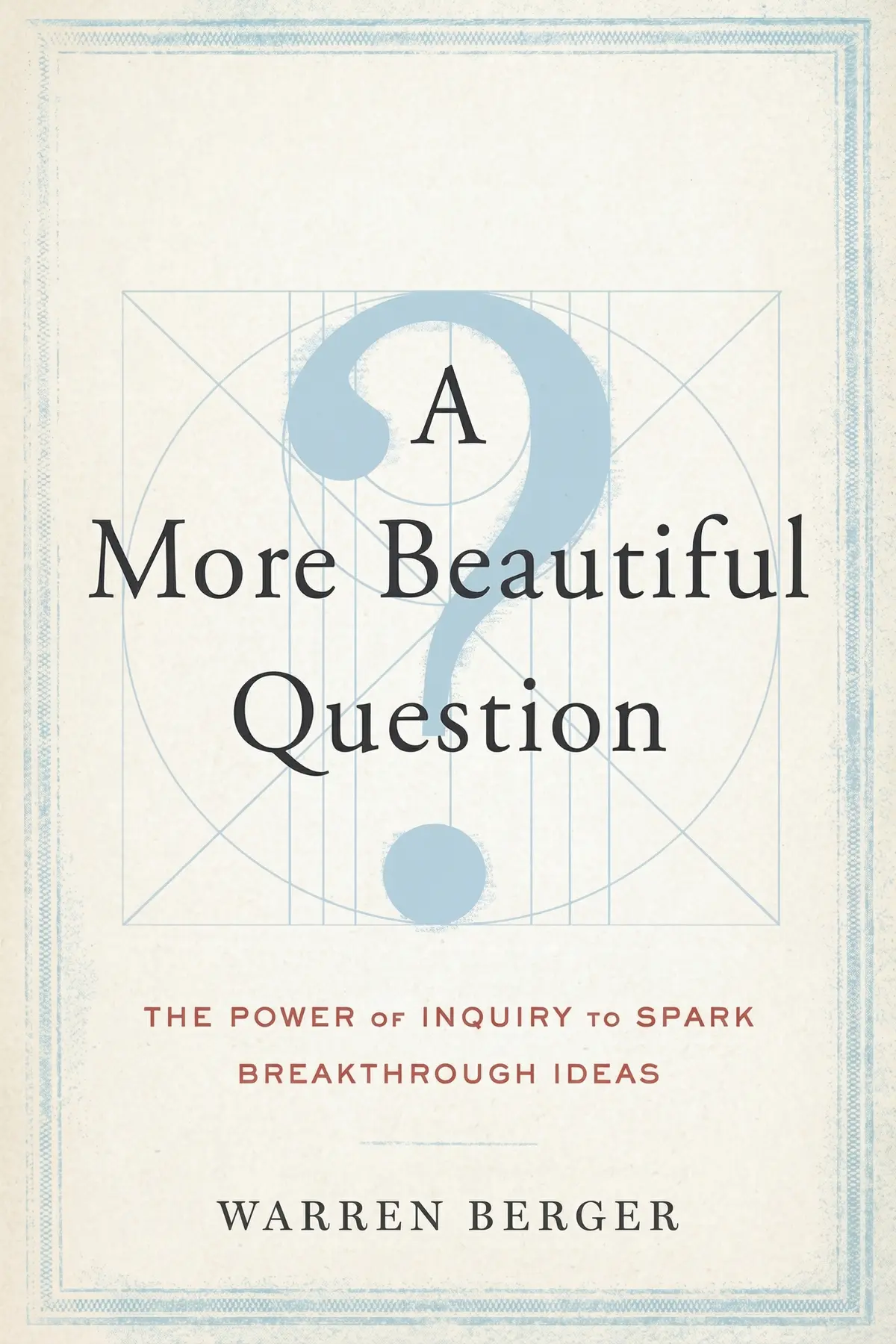
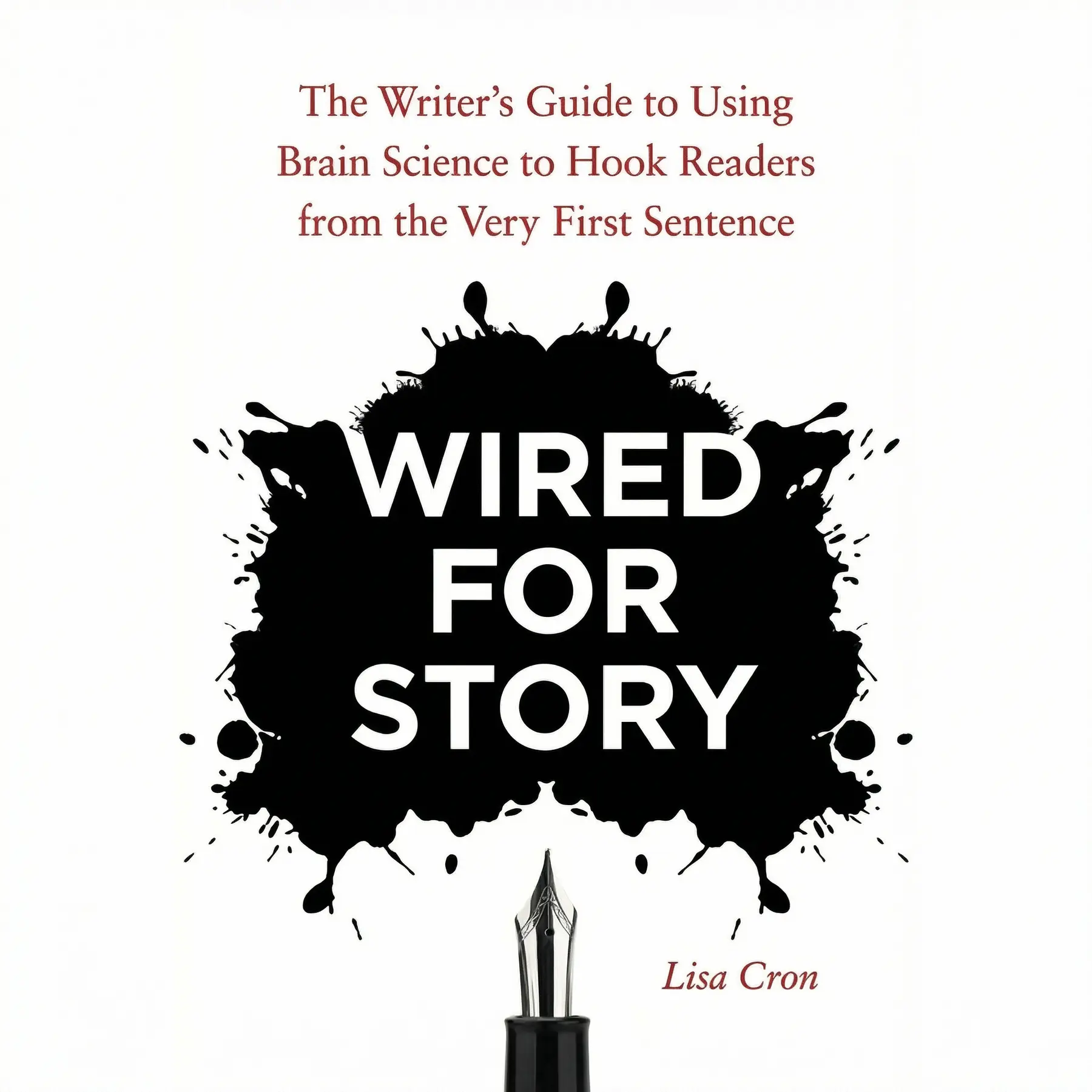
Wired for Story: The Writer's Guide to Using Brain Science to Hook Readers from the Very First Sentence
By Lisa Cron
Wired for Story explains how writers can use neuroscience to craft narratives that hook readers. By aligning storytelling techniques with the brain's biological preferences, authors can create more engaging and resonant fiction.
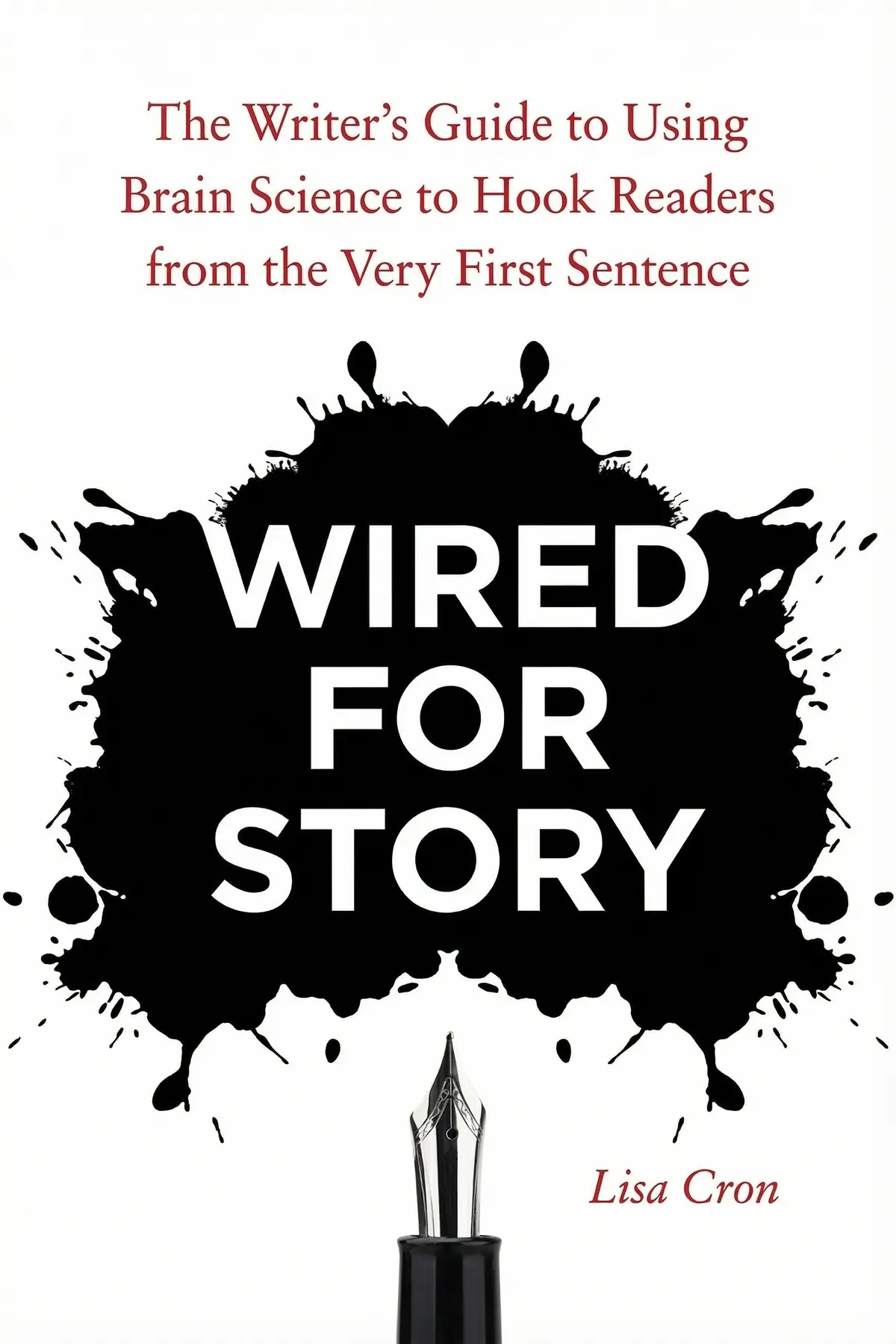
Table of Content
1. Introduction
1 min 31 sec
Every time we pick up a book or settle in for a movie, we are looking for more than just a distraction. We are responding to a biological urge that is millions of years in the making. For centuries, authors and storytellers have relied on intuition and tradition to capture the attention of their audiences, but today, we have a more precise tool at our disposal: brain science. In Wired for Story, we explore how modern neuroscience can demystify the art of the narrative, showing us exactly why certain stories keep us up all night while others fail to register at all.
This isn’t just about literary theory; it’s about understanding the hardware of the human mind. Our brains aren’t just fans of stories; they are built by stories and for stories. When we understand the cognitive secrets of why a reader’s brain lights up, we can move past the trial-and-error phase of writing and start building narratives that work with, rather than against, our natural biology. Through this exploration, we will see how evolution shaped our love for drama, how the brain filters out unnecessary information to stay focused, and why the emotional journey of a character is often more important than the literal plot. We will look at the mechanics of focus, empathy, and pattern recognition to see how they form the throughline of every great work of fiction. By the end of this summary, you will have a new perspective on the craft, seeing every sentence not just as prose, but as a deliberate spark for the reader’s mind.
2. The Evolutionary Roots of Narrative
2 min 11 sec
Discover why our ancestors relied on stories to survive the prehistoric world and how this biological legacy continues to shape our modern obsession with fiction.
3. The Cognitive Filter and Narrative Focus
2 min 16 sec
Learn how the brain manages an overwhelming amount of information and why a sharp focus on issue, theme, and plot is essential for reader engagement.
4. The Necessity of Emotional Empathy
2 min 09 sec
Explore why the rational mind cannot function without emotion and how writers can use this biological fact to forge a deep connection with their readers.
5. The Power of Internal Goals
2 min 11 sec
Distinguish between external plot objectives and the internal drives that truly captivate an audience’s interest and empathy.
6. Using Specifics to Create Mental Models
2 min 13 sec
Understand why the brain struggles with abstract concepts and how detailed, sensory-specific imagery can bring your narrative to life.
7. Pattern Recognition and the Logic of Payoffs
2 min 19 sec
Explore the brain’s innate hatred of randomness and learn how to use setups and payoffs to satisfy the reader’s need for order and meaning.
8. Developing Intuition through Iteration
2 min 13 sec
Understand the neuroscience of mastery and why rewriting is the only way to transform conscious effort into the intuitive skill required for great storytelling.
9. Conclusion
1 min 23 sec
In our journey through the intersection of brain science and the written word, we have discovered that storytelling is far from a mysterious or random art form. Instead, it is a precise method of communicating with the human mind using the very language it evolved to speak. We have seen that a story is a survival tool, a simulated experience that rewards the reader with dopamine when it provides relevant, focused, and emotionally resonant information. By understanding the brain’s limited bandwidth and its constant search for patterns and specifics, writers can craft narratives that cut through the noise of daily life and command undivided attention.
The most important takeaway is that the ‘rules’ of writing aren’t just arbitrary traditions; they are reflections of our biology. To apply this effectively, start by looking at your own work through the lens of a reader’s brain. Is your protagonist’s internal goal clear? Are you using enough specific imagery to spark a mental model? Are your setups leading to satisfying payoffs? Don’t be discouraged by the complexity of the task. Remember that storytelling mastery is an intuitive skill developed through the patient work of revision. By aligning your craft with the hardwired expectations of the human brain, you don’t just tell a story—you create an experience that lives on in the mind of your reader long after the final page is turned.
About this book
What is this book about?
Wired for Story explores the fascinating intersection of neuroscience and the craft of writing. It reveals that our brains are physically tuned to respond to narrative structures because they served as vital survival tools for our ancestors. This book is not just a guide on style; it is a deep dive into how the human mind consumes information and what it requires to stay engaged. The core promise of this work is to help writers move beyond superficial plot points and tap into the biological expectations of their readers. By understanding the evolutionary purpose of storytelling, writers can learn to provide the specific cognitive triggers that keep an audience hooked from the very first sentence to the final page. Cron provides a comprehensive roadmap for constructing narratives that filter out cognitive noise. She explains why we need a protagonist with a clear internal struggle and how to use specifics to create mental images that stick. Whether you are writing a novel or a screenplay, this summary will show you how to align your creative work with the hardwired preferences of the human brain. You will learn to treat a story not just as entertainment, but as a simulated experience that the reader's mind is biologically driven to navigate.
Book Information
About the Author
Lisa Cron
Lisa Cron is a writer, literary consultant and an instructor in the UCLA Extension Writers' Program. She has previously worked as a publisher at W. W. Norton, a literary agent at Angela Rinaldi Literary Agency and as a story consultant for Warner Bros.
Ratings & Reviews
Ratings at a glance
What people think
Listeners consider this a top-tier craft resource that sharpens writing ability by combining neurological science with storytelling methods. The material is thought-provoking, with one listener highlighting the effective balance of scientific research and actionable advice, while others value the deep dive into the human psyche. Furthermore, the text remains accessible through straightforward examples and brief clarifications, proving to be a valuable resource for authors.
Top reviews
Nam
After hearing so many people rave about Lisa Cron, I finally dived in, and it's easily one of the most insightful craft books on my shelf. The way she merges actual brain science with narrative techniques makes everything click in a way that standard 'how-to' guides just don't. I particularly loved the concept of 'emotional knowing'—writing what you are familiar with on a visceral level rather than just your professional background. It’s a deep dive into human psychology that helps you understand how to hook a reader’s brain from page one. Some might find the tone a bit chatty, but for me, the practical application was exactly what I needed to fix my sagging middle. Truly a favorite for any serious writer.
Show moreNarong
Ever wonder why certain stories just 'click' while others feel like a chore? This book explores the subconscious reactions we have to storytelling and proves that our brains are literally hardwired for narrative. Cron’s argument that marketers and politicians often understand story better than novelists is a wake-up call for anyone who treats writing as mere self-indulgence. Before there were books, we read each other; this book brings us back to that primal necessity of communication. I found the clear examples and concise explanations of the protagonist's internal struggle to be revolutionary for my own process. It’s not just a writing guide; it's a study of the human mind.
Show moreSelin
Finally got around to reading this after seeing it recommended in every writing group I’m in, and the hype is real. Cron’s deep dive into the 'why' of story is fascinating and helped me realize where my previous drafts were falling flat. I loved the section on why we need to know the 'point' the story is making right from the start. It's about authentic connection, not just clever wordplay or flowery descriptions. The truth is, many writers ignore the reader's brain, but this book ensures you don't make that mistake. It’s a stellar handbook for anyone who wants their readers to be racing to the end of the novel.
Show moreVilaiporn
Wow. I didn't realize how much I was neglecting the 'point' of my story until I hit page 24. This book completely changed my view on how to approach a first draft. Instead of just throwing events at a character, I’m now focused on how those events are being processed by the protagonist’s brain. It makes the writing feel much more authentic and less like I’m just hitting plot beats for the sake of it. If you’re a geek for psychology and love to analyze why things work, this is your baby. It’s easily one of the better guides for creative writers available today.
Show moreDavid
Look, there are a lot of guides that tell you how to structure a plot, but few explain the 'why' behind reader engagement through human psychology. Cron provides a bridge between neuroscience and the craft, offering unique twists on old saws like 'show, don't tell.' While I think she focuses a bit too much on mainstream, commercial fiction at the expense of more experimental literary styles, the core advice is solid. To be fair, her conversational style can get a little jokey at times, which might grate on some readers. However, the checklists at the end of each chapter are incredibly useful for auditing your own work. It’s a worthwhile investment for writers who want to move beyond formulaic steps.
Show moreNattapong
As someone who has struggled with the internal arc of my characters, Cron’s perspective was a breath of fresh air. She emphasizes that the story is actually what happens inside the protagonist's head, not just the external plot points. This is a concept often found in screenwriting books, so it was great to see it applied so clearly to prose fiction. The book is easy to understand and provides a good mix of case studies that illustrate her points effectively. I do agree with other reviewers that there is some filler in the second half, but the first several chapters are gold. If you’re a 'pantser' looking for some analytical structure, this will definitely help you hone your skills.
Show moreTaweesak
Truth is, I was initially annoyed by the tone, which feels a bit like a high school ELA teacher trying to be 'cool' and relatable. But once I moved past that, the actual content was incredibly high-quality and practical. The book reinforces important concepts about the protagonist's goals and the necessity of conflict in a way that feels fresh. It’s specifically great for those who want to understand the mechanics of how a reader processes information. I found the analysis of 'Harry Potter' and other popular works to be helpful benchmarks for her theories. It might make your writing a bit formulaic if you follow it too strictly, but as a foundational guide, it’s excellent.
Show moreCarlos
Picked this up because I wanted to understand the psychological hooks that keep people reading. The book delivers on that front, providing a very clear path toward creating a story that resonates. In my experience, most craft books are either too abstract or too focused on grammar, so Cron’s focus on the brain’s need for story was refreshing. I did find the writing itself to be a bit repetitive in places, almost as if it needed a tighter edit. Regardless, the core message about the 'why' behind every scene is something every writer needs to hear. It’s a solid four stars for the checklists alone, which help you stay on track.
Show moreMethinee
Frankly, the content here is solid, but it’s not for the 'literary' writer who wants to break every rule in the book. Cron is very focused on what works for the general population, which means the advice tends to lean toward commercial successes. That said, her explanation of how our ancestors used story as a survival tool is brilliant and sets a great stage for the rest of the book. I appreciated the tangible explanations for why certain scenes feel 'meh' to a reader. It’s a good mix of studies with practical application. Just be prepared for a bit of a conversational, almost 'blog-like' writing style throughout.
Show moreGun
Not what I expected, to be honest. I was lured in by the promise of neuroscience and psycholinguistics, but the actual 'science' feels more like a marketing gimmick than a rigorous study. Most of the book is just standard fiction-writing advice with an occasional quote from a neuroscientist thrown in to make it sound more authoritative. If you’ve already read a few books on the craft, you probably won't find much new here besides a different coat of paint. It felt a bit like being in a remedial class where the author talks down to you. I was looking for a satisfying look at the human brain, but I got a cartoonish guide instead.
Show moreReaders also enjoyed
AUDIO SUMMARY AVAILABLE
Listen to Wired for Story in 15 minutes
Get the key ideas from Wired for Story by Lisa Cron, plus 5,000+ more titles in English and Thai.
- 5,000+ titles
- Listen as much as you want
- 7-day free trial
- Cancel anytime







