
16 min 44 sec
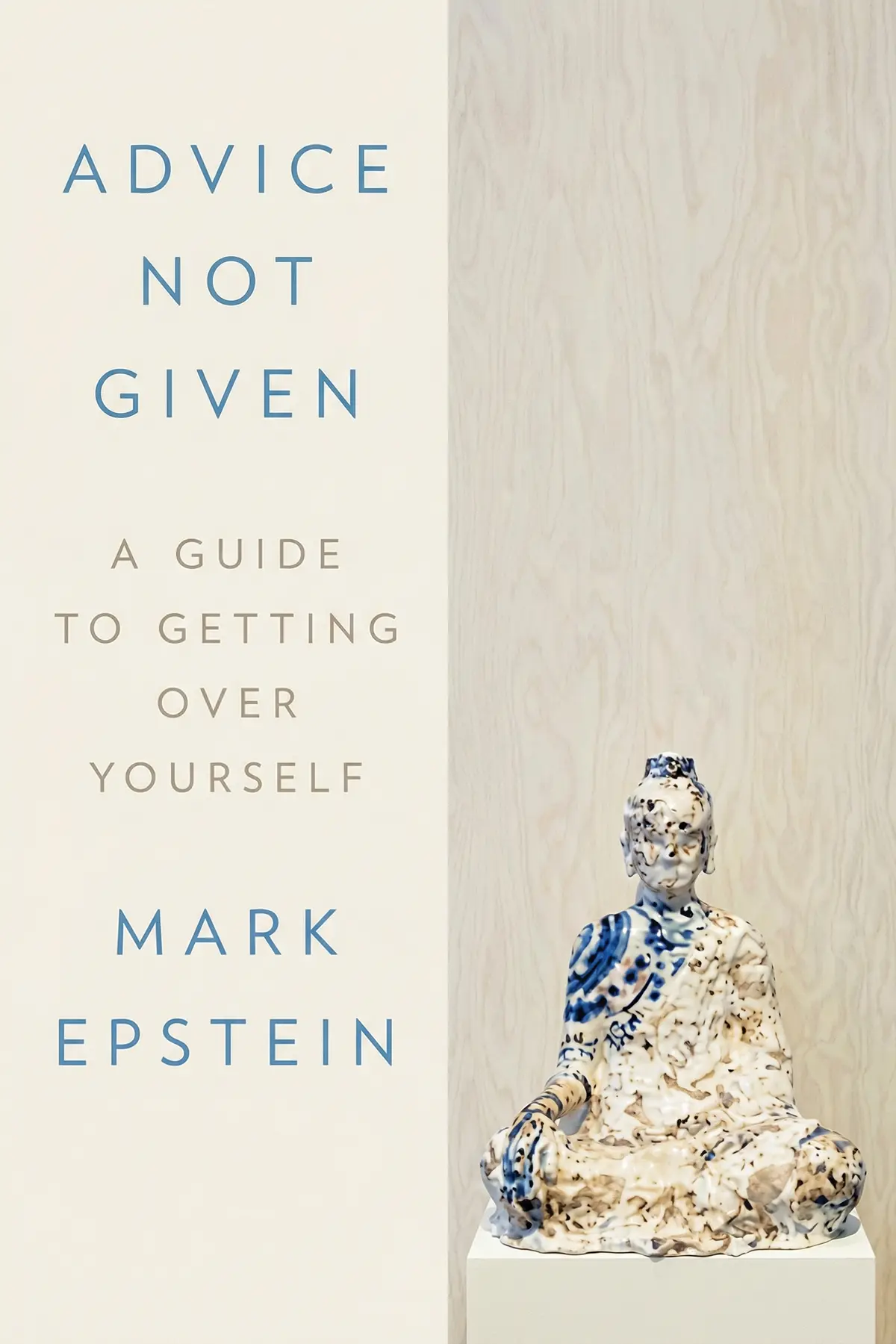
You Can Thrive After Narcissistic Abuse: The #1 System for Recovering from Toxic Relationships
Discover a transformative path to recovery from narcissistic relationships. This guide explores the psychological mechanics of abuse, childhood attachment patterns, and a comprehensive seven-step system to reclaim your power and thrive.
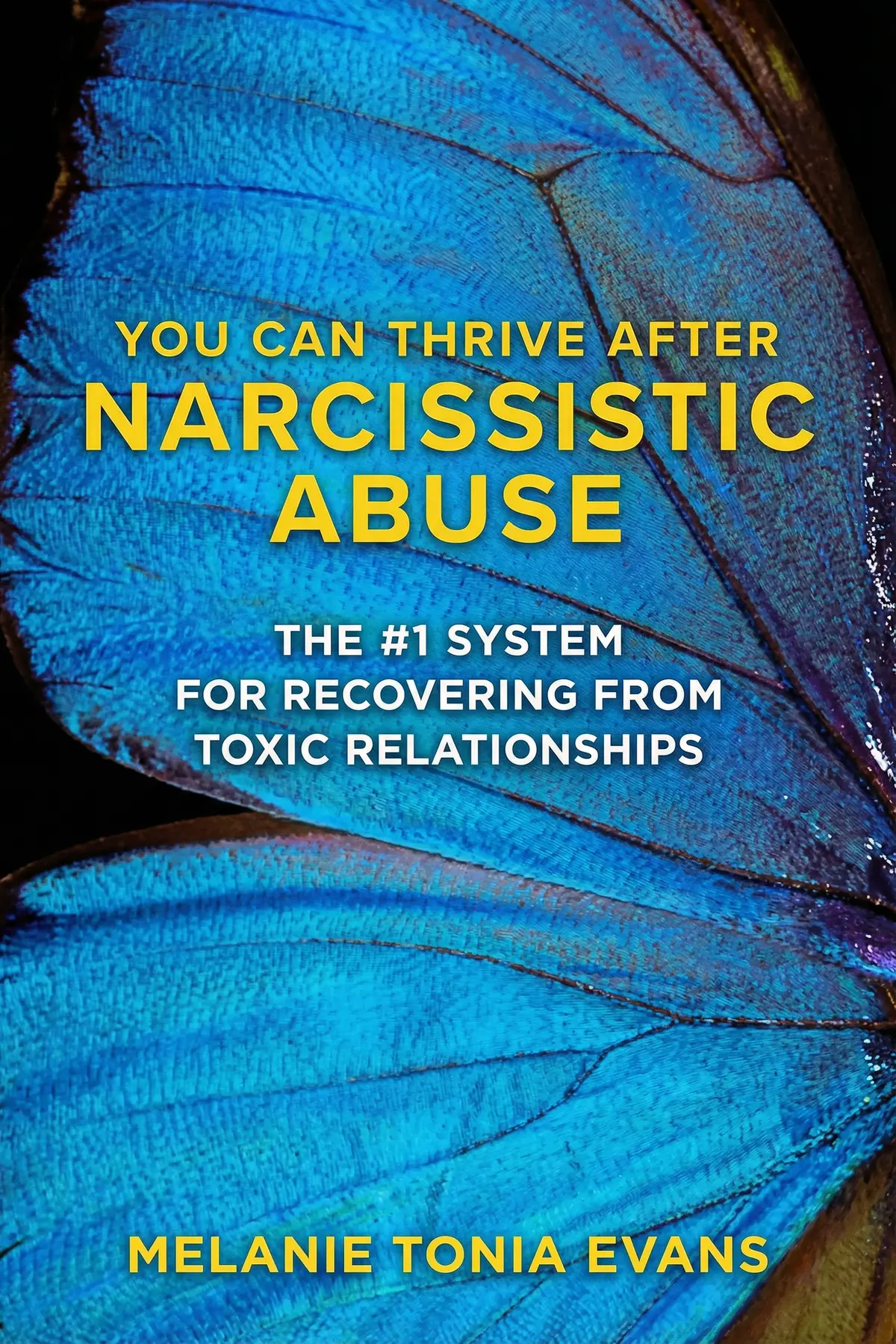
Table of Content
1. Introduction
1 min 47 sec
Have you ever found yourself in a relationship that started out like a fairytale but slowly transformed into a psychological nightmare? Imagine the experience of Joanne. For years, she felt she was moving from one disappointing relationship to another, until she met Tom. He was the personification of everything she had ever dreamed of—attentive, passionate, and seemingly obsessed with her happiness. In those early months, the intensity was intoxicating. It felt like she was finally being seen and valued in a way she never had been before. But as the months ticked by, the beautiful facade began to crumble, replaced by a reality that was as confusing as it was painful.
This is the starting point for many who find themselves entangled with a narcissist. It begins with a sense of being swept away, but it ends with the feeling of walking on eggshells, doubting your own memory, and wondering why you are always the one at fault. This summary explores the profound insights of Melanie Tonia Evans, who argues that the path to recovery isn’t just about leaving the abuser; it is about an internal transformation that heals the parts of us that were vulnerable to such manipulation in the first place.
We will walk through the mechanics of narcissistic behavior, the biological reasons why these relationships feel like an addiction, and the specific steps necessary to rebuild a life that is not just restored, but truly thriving. This isn’t just a guide on how to survive a toxic partner; it is a blueprint for reclaiming your autonomy and developing a level of self-love that makes you immune to future abuse. By the end of this journey, the goal is to see that while the abuse was devastating, the recovery process can lead to a version of yourself that is stronger, wiser, and more empowered than you ever thought possible.
2. Unmasking the Narcissist
2 min 26 sec
Explore the subtle shifts from extreme affection to calculated control, and learn why the narcissist’s need for admiration eventually leads to a cycle of devaluation.
3. The Biological Bond of Trauma
2 min 42 sec
Discover why ending a toxic relationship feels like overcoming a physical addiction and how your brain chemistry keeps you tied to your abuser.
4. Healing the Magnet Within
2 min 26 sec
Understand the connection between early childhood experiences and adult relationship patterns, and why some people are more susceptible to narcissistic tactics.
5. A Seven-Step Journey to Sovereignty
2 min 49 sec
Follow a comprehensive roadmap for internal restoration, moving from self-partnering to discovering your true life’s purpose.
6. Living the Thriver Reality
2 min 41 sec
See how internal healing transforms every area of life, creating a protective shield of self-trust that shifts the power dynamics in all your interactions.
7. Conclusion
1 min 53 sec
The journey through and out of narcissistic abuse is often described as a trial by fire. It is an experience that strips away a person’s sense of self, leaving behind a landscape of confusion and pain. However, as we have explored through the insights of Melanie Tonia Evans, this very destruction can be the catalyst for a profound rebirth. The throughline of this work is clear: the narcissist may have been the one to inflict the wounds, but you are the only one who can heal them. Waiting for an apology, a change of heart, or even just a logical explanation from an abuser is a trap that keeps you tethered to the trauma.
True recovery is an inside job. It begins the moment you decide to stop looking at the person who hurt you and start looking at the person who was hurt. By understanding the mechanics of the narcissist’s mask and the biological reality of the trauma bond, you can begin to navigate the difficult process of detachment with more self-compassion. By healing the childhood wounds that may have left your boundaries porous, you ensure that history does not repeat itself.
The seven-step system offered here is not a quick fix, but a path to a sustainable and empowered life. It is a call to become your own soulmate, your own advocate, and your own greatest source of validation. When you reach the point of radical self-acceptance, the narcissist loses all power over you. They become a footnote in a story that is now entirely yours to write. As you step forward, remember that thriving is not just about the absence of abuse; it is about the presence of a deep, unshakeable connection to your own worth and purpose. You have the power to reclaim your life, and in doing so, you can create a future defined by peace, joy, and authentic connection.
About this book
What is this book about?
The experience of narcissistic abuse can leave a person feeling shattered, confused, and deeply isolated. This book serves as a roadmap for those who have suffered at the hands of manipulative personalities, moving beyond simple survival into a state of thriving. It breaks down the insidious nature of toxic relationships, from the initial stages of love bombing to the devastating effects of gaslighting and psychological control. Readers are guided through an understanding of why these bonds are so difficult to break, looking at both the biological addiction to trauma and the childhood wounds that may have made them vulnerable in the first place. The core of the work is a practical system for internal healing that prioritizes self-partnering and emotional reclamation over seeking external validation or closure from the abuser. By turning the focus inward, survivors can develop a sense of true self-worth that acts as a shield against future exploitation.
Book Information
About the Author
Melanie Tonia Evans
Melanie Tonia Evans is an author and radio host who has become a leading online authority on the topic of recovering from narcissistic abuse. She is the founder of Quanta Freedom Healing and the creator of the Narcissistic Abuse Recovery Program, dedicated to helping survivors heal from toxic relationship patterns.
Ratings & Reviews
Ratings at a glance
What people think
Listeners find that this work guides them toward healing by tackling fundamental problems and past wounds, with one listener highlighting how it emphasizes personal progress instead of fixating on the abuser. Additionally, the insights provided are deemed profound, and listeners regard it as a beneficial instrument, with one remarking that it offers an uplifting and simple experience for the cost. The tempo is also well-liked, as one review notes its success in improving relationships, and the overall craftsmanship of the writing earns praise. However, listeners are divided concerning the legitimacy of the material.
Top reviews
Aroha
Finally, a resource that focuses on the survivor instead of just cataloging the narcissist’s bad behavior. For months, I was stuck in a loop of reading about NPD traits, but this book pushed me to look inward at my own core traumas. In my experience, the shift toward 'thriving' rather than just surviving is the only way to actually break the cycle. The author explains how we become addicted to the neuropeptides released during trauma bonding, which was a massive 'aha' moment for me. It’s an easy read but don't let that fool you; the emotional work required is intense. While some might find the spiritual tone a bit much, the effectiveness of the exercises is undeniable. I feel like I finally have my agency back after years of feeling like a victim.
Show moreHang
Ever wonder why you keep attracting the same type of person even when you know they are bad news? Melanie Tonia Evans explains this dynamic perfectly by focusing on the internal 'hooks' that narcissists use to keep us trapped. This book isn't about the abuser; it is about YOU. I love that it encourages self-reflection through specific exercises at the end of each chapter, even if they are emotionally draining. The truth is, I had to stop and breathe many times because the realizations were so heavy. It took me a while to get through it, but the payoff in terms of clarity and self-compassion was worth it. This is a must-read for anyone ready to stop being a victim and start being a thriver.
Show moreMadison
This book acts as a ray of hope for anyone feeling trapped in the cycle of toxic relationships. I especially appreciated how the author explains the concept of agency—realizing that while the abuse wasn't my fault, my healing is my responsibility. The pacing of the book allowed me to process the information without feeling overwhelmed by my own grief. It’s an easy read, but it goes deep into the core issues that keep us stuck in trauma loops. Since reading this, I’ve been much more careful about who I allow into my inner circle. The advice is practical, the tone is compassionate, and the focus on 'thriving' is exactly the mindset shift I needed. It truly is a valuable tool for anyone in recovery.
Show moreNora
After hearing so many people talk about 'no contact,' it was refreshing to read a guide that focuses on the internal work required to make that move stick. Melanie Tonia Evans provides a roadmap for finding and healing the old traumas that the narcissist uses against you. I felt like she was speaking directly to my experience in every chapter. The truth is, I was addicted to the drama and the 'last word' until I understood the chemical side of the bond. Now, I feel empowered and much more kind toward myself. While the book mentions her other products often, the actual content provided here is more than enough to start a real transformation. It’s a life-changing perspective for those ready to move on.
Show moreSiriphen
Picked this up during a really dark time and found it to be a valuable tool for reclaiming my life. The pacing is excellent for someone who is emotionally exhausted, as it doesn't overwhelm you with clinical jargon. Frankly, the constant mentions of the 'Quanta Freedom Healing' program started to feel like an infomercial after a while, which is why I’m knocking off a star. However, the core message about healing past wounds to fix your 'narc radar' is incredibly insightful. If you can look past the salesy vibe, there is genuine wisdom here about why we tolerate toxic friendships and romantic partners. It’s a ray of hope for anyone who feels like they've lost their joy.
Show moreSiriporn
As someone who has spent years in therapy, I found the exercises in this book surprisingly cathartic. The author provides a very realistic path to healing that involves addressing the original traumas we carry from childhood. I’ve noticed a significant change in how I view my past relationships since finishing the chapters on soul healing. Look, the book does get a little 'salesy' at times, which can be annoying when you’ve already paid for the book. Despite that, the quality of the writing and the depth of the insight into the narc/empath dynamic is top-notch. It’s an encouraging read that reminds you that joy is still possible after the nightmare ends. Just take the spiritual bits with a grain of salt.
Show morePakpoom
Look, the writing style is very accessible, which is exactly what you need when your brain is foggy from narcissistic abuse. I am majoring in Psychology and found her explanation of neuropeptides and trauma bonding to be quite accurate and well-explained for a lay audience. The book focuses heavily on recovery without dwelling on the abuser, which is a refreshing change of pace from other books in this genre. Personally, I could have done without the 'quanta' talk, but the underlying psychological principles are sound. It’s a great guide for identifying why we repeat certain patterns in our lives. I’ve already recommended it to a few friends who are struggling with difficult family members. It’s definitely worth the money for the exercises alone.
Show moreRodrigo
The information regarding why we stay in these draining familial or romantic dynamics is absolutely spot on. I found the section on the physiological addiction to trauma to be the most helpful part of the whole book. To be fair, though, the writing style can be a bit off-putting with the constant 'quanta' lingo and spiritual references. It feels a bit like a blog post that was stretched out into a book to sell a course. I appreciated the encouragement to use a journal and build a 'narc radar,' but the magical thinking isn't for everyone. It’s a fine starting point for beginners, but those looking for a strictly psychological perspective might find it frustrating. It’s a mixed bag of great insights and repetitive marketing.
Show moreArjun
Is it just me, or does this book feel like one long advertisement for a coaching program? I was looking for practical advice on recovering from a toxic relationship, but instead, I got a lot of 'woo-woo' magical thinking and constant shilling of products. The author suggests that we are responsible for the abuse because of our own unhealed trauma, which feels dangerously close to victim-blaming. Not gonna lie, hearing that I 'chose' this on a soul level was the last thing I needed to hear while trying to heal. There are a few good points about trauma bonding, but they are buried under layers of new-age concepts like past lives. If you want a more grounded, scientific approach to recovery, I would suggest reading Judith Herman instead.
Show moreGoy
Not what I expected at all, and frankly, I am disappointed by the constant push to buy expensive courses. Every few pages, the author mentions her 'program' as if it’s the only possible way a person can ever find peace. The tone felt very condescending to me, especially when she implies that our own 'woundedness' is the reason we were abused. It’s a very 'new-agey' approach that lacks the clinical grounding I was looking for in a recovery book. If you enjoy talking about 'quanta' and soul contracts, you might like this, but I found it unrealistic and repetitive. I wanted actual advice, not a 200-page sales pitch for a website. This felt more like an infomercial than a self-help book.
Show moreReaders also enjoyed
Alcoholics Anonymous
Alcoholics Anonymous World Services
A Liberated Mind: How to Pivot Toward What Matters
Steven C. Hayes
ADHD an A-Z: Figuring It Out Step by Step
Leanne Maskell

AUDIO SUMMARY AVAILABLE
Listen to You Can Thrive After Narcissistic Abuse in 15 minutes
Get the key ideas from You Can Thrive After Narcissistic Abuse by Melanie Tonia Evans, plus 5,000+ more titles in English and Thai.
- 5,000+ titles
- Listen as much as you want
- 7-day free trial
- Cancel anytime







