
30 min 29 sec
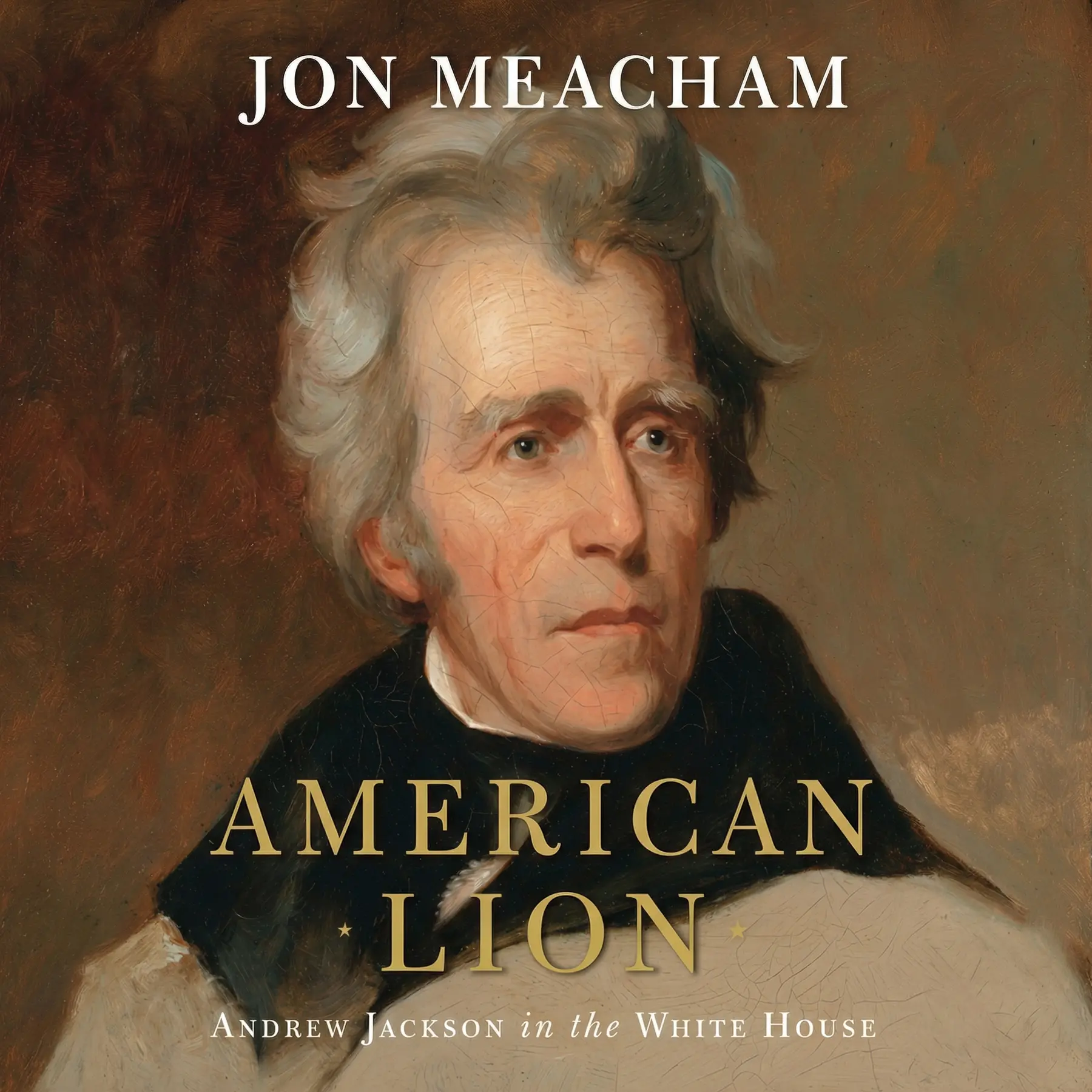
American Lion: Andrew Jackson in the White House
By Jon Meacham
Explore the turbulent life and transformative presidency of Andrew Jackson. This summary examines his role as a champion for the common man and the controversial decisions that reshaped the American executive branch.
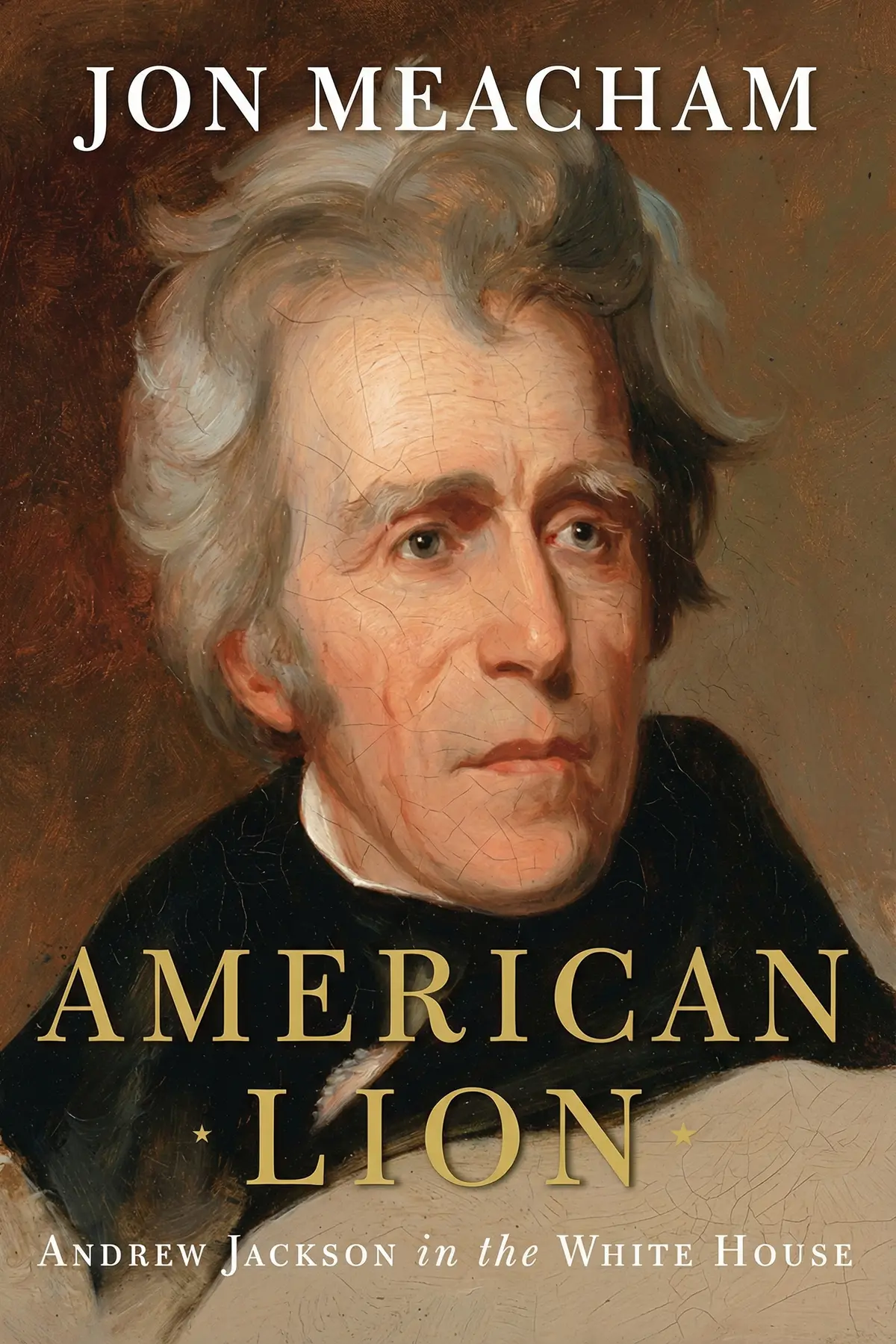
Table of Content
1. Introduction
1 min 46 sec
Imagine a scene at the White House that seems like something out of a quirky modern television drama. A massive, two-ton wheel of cheddar sits in the foyer, and the doors are flung wide open. The President of the United States has invited the public—not just the elite or the well-connected, but every ordinary citizen—to come inside, grab a slice, and speak their minds. This was the reality under Andrew Jackson, a man who believed the presidency belonged to the people, not to the politicians in Washington. He was a leader who inspired deep devotion in some and intense fear in others, earning him the nickname that gives this story its title: the American Lion.
In this summary of Jon Meacham’s biography, we are going to step into the world of the seventh president. Jackson’s life was defined by a series of contradictions. He was a champion of the common man who also held people in bondage as slaves. He was a fierce defender of the Union who presided over one of the most tragic chapters for Native Americans. He was a rugged frontier lawyer who rose to the highest office in the land through sheer force of will and a reputation for unyielding loyalty.
Over the next few minutes, we’ll explore how Jackson’s childhood trauma shaped his iron-fisted leadership. We’ll look at the famous duels he fought to protect his honor and the military victories that made him a legend. Most importantly, we’ll see how he fundamentally changed the nature of the presidency, turning it from a relatively passive role into a powerhouse of executive authority. Whether you view him as a hero of democracy or a dangerous populist, there is no denying that Andrew Jackson left a permanent mark on the American story. Let’s begin by looking at the fire that forged him: a youth spent in the middle of a brutal war for independence.
2. A Youth Forged in the Fires of Revolution
2 min 27 sec
Experience the harrowing early life of an orphan who lost everything to war and transformed his grief into a relentless drive for success.
3. The Code of Honor and the Duelist's Resolve
2 min 31 sec
Discover how a deep-seated need for respect led Jackson into violent confrontations that solidified his reputation as a man not to be trifled with.
4. The Hero of New Orleans and the Rise to Fame
2 min 30 sec
Witness the tactical brilliance and controversial command that turned an underdog general into a national savior during the War of 1812.
5. Political Tragedy and the Election of 1828
2 min 36 sec
See how a bitter personal loss fueled Jackson’s quest for the presidency and changed the tone of American elections forever.
6. The Petticoat Affair and the Cabinet Split
2 min 21 sec
Follow the domestic drama that divided a presidency, as Jackson’s loyalty to a friend’s wife led to a total government overhaul.
7. The Nullification Crisis and the Battle for the Union
2 min 26 sec
Discover how Jackson faced down the threat of civil war when a single state dared to challenge the authority of the federal government.
8. Expanding Power Through the Presidential Veto
2 min 09 sec
Learn how a single decision regarding a Kentucky road project fundamentally changed the balance of power between the President and Congress.
9. The Dark Legacy of Indian Removal
2 min 20 sec
Examine the tragic and controversial policy that led to the forced relocation of thousands of Native Americans in the name of westward expansion.
10. The War on the National Bank
2 min 18 sec
Witness Jackson’s crusade against the country’s most powerful financial institution, which he viewed as an enemy of the common citizen.
11. Survival, Censure, and the First Assassination Attempt
2 min 22 sec
See how Jackson survived physical attacks and political reprimands as his second term reached a fever pitch of intensity.
12. A Looming Conflict with France and the Final Act
2 min 44 sec
Explore Jackson’s final foreign policy showdown and the legacy he left for a nation on the brink of significant change.
13. Conclusion
1 min 59 sec
Andrew Jackson’s departure from the White House in 1837 marked the end of an era, but his influence was only beginning to be truly understood. He was the first modern president in many ways—not because he followed the rules, but because he rewrote them. By positioning the president as the direct representative of the people, he shifted the center of gravity in American government away from the halls of Congress and into the Oval Office. He proved that a leader with a clear connection to the public could take on the most powerful institutions in the land and win.
Yet, as we have seen, this “American Lion” was a deeply flawed hero. His passion for the liberty of the “common man” was tragically blind to the rights of others. The Trail of Tears remains a sobering reminder of the human cost of his expansionist vision, and his defense of slavery highlights the profound contradictions of 19th-century American life. He was a man of his time—violent, fiercely loyal, and uncompromising—but he was also a man ahead of his time in his understanding of political power and public communication.
Ultimately, Jackson’s legacy is one of strength and paradox. He saved the Union from the threat of nullification, but he also left behind the seeds of deep-seated partisan division. He opened the doors of the White House to the masses, but he also expanded executive power in ways that still spark debate today. As you reflect on his story, consider the words of Harry Truman, who saw Jackson as an inspiration for fighting for the “little fellow.” Whether you see Jackson as a champion or a caution, his life reminds us that the presidency is a reflection of the man who holds it—and that the mark of a powerful leader can last for centuries. Jackson’s story is a testament to the fact that one individual, fueled by conviction and a sense of duty to the people, can fundamentally change the course of a nation.
About this book
What is this book about?
American Lion offers a deep dive into the White House years of Andrew Jackson, the nation’s seventh president and one of its most polarizing figures. At the heart of this narrative is a man who saw himself as the ultimate protector of the people’s liberty, standing against entrenched interests and political elites. The book captures the dramatic tension between Jackson’s personal tragedies, his fierce loyalty to his inner circle, and the massive political shifts he initiated, from the war on the national bank to the expansion of presidential veto power. Listeners will gain a nuanced perspective on how Jackson’s background as a rugged frontier orphan and a military hero informed his governing style. While he was celebrated for his devotion to democracy, the book does not shy away from his darker legacy, including his support for slavery and the tragic forced relocation of Native Americans. The promise of this summary is to reveal how Jackson’s time in office moved the United States toward the modern era of the presidency, forever changing the balance of power in Washington.
Book Information
About the Author
Jon Meacham
Jon Meacham is a Pulitzer Prize-winning author of several best-selling historical works, including Thomas Jefferson: The Art of Power and Franklin and Winston. In addition to his prolific writing career, he serves as a professor at Vanderbilt University and the University of the South.
Ratings & Reviews
Ratings at a glance
What people think
Listeners find this biography captivating and educational, commending the thorough research and factual depth provided. The narrative style also earns high marks, particularly from one listener who points out the inventively written chapter headings. Furthermore, audiences value its role as an accessible introduction to history, and one review emphasizes the comprehensive look at Jackson’s personal life. Its clear prose and overall worth are praised as well, with listeners viewing the work as an excellent value. Nevertheless, views on how Jackson is portrayed remain divided; while some see him as a top-tier president, others offer a different perspective.
Top reviews
Aim
Picked this up after visiting the Hermitage, and I must say Meacham captures the spirit of that place perfectly. The book manages to be both a sprawling political drama and an intimate portrait of a man who was, frankly, a walking contradiction. I was particularly struck by the detailed coverage of the Nullification Crisis—it’s a part of history that often gets glossed over in favor of the more 'famous' battles, but Meacham makes it feel as high-stakes as any war. The chapter titles are cleverly drawn, adding a touch of literary flair to what could have been dry subject matter. While Jackson is a polarizing figure, this biography doesn't shy away from his darker impulses, though it clearly leans into his role as a protector of the Union. It's a great bargain for the level of research provided.
Show moreNatchaya
The chapter on the Bank War was absolutely riveting. I never thought I’d be so invested in 19th-century monetary policy, but Meacham has a way of making these old conflicts feel incredibly modern and relevant. He presents Jackson as the ultimate populist, a man who believed he was the only true representative of the American people against a corrupt establishment. It’s impossible not to see the parallels to today's political climate. Personally, I think Meacham strikes a good balance; he doesn't ignore the Trail of Tears or the hypocrisy of Jackson’s 'liberty,' but he also explains why he was so beloved by the masses. This is a meticulously researched work that serves as a vital piece of the American story. I couldn’t put it down.
Show moreCaleb
Not what I expected at all! I thought this would be a dry, dusty tomb of dates and facts, but Meacham brings the 1830s to life with such vibrant energy. There’s a reason this won the Pulitzer; the prose is just gorgeous. He manages to capture the 'American Lion' in all his terrifying glory—the man who would literally die to protect the Union but would also trample over anyone he perceived as a threat. The research is deep, drawing from letters and documents that give us a front-row seat to the drama in the Oval Office. Frankly, it’s one of the most engaging biographies I’ve ever read. It doesn't excuse his sins, but it makes you understand the world that created him.
Show moreDuangjai
This biography is an excellent entry point for anyone looking to understand the seventh president without getting bogged down in academic jargon. Meacham’s writing style is incredibly readable, moving through the 'Petticoat Affair' with the pacing of a modern political thriller. Truth is, the social drama surrounding Margaret Eaton was just as influential as the legislative battles, and seeing Jackson defend her so fiercely tells you everything you need to know about his loyalty. My only real gripe is that the book focuses almost exclusively on the White House years, leaving out some of the crucial context from his earlier military career that shaped his worldview. Still, for a popular history, it hits all the right notes and provides a nuanced, if slightly sympathetic, look at a very difficult man.
Show moreLaor
Ever wonder why Andrew Jackson is still on the twenty-dollar bill? Meacham’s 'American Lion' doesn't necessarily answer that question with a simple 'yes' or 'no,' but it provides a vivid tapestry of the Jacksonian era that makes the debate much more interesting. The book is a fantastic value for money, packed with insights into how Jackson basically invented the modern Democratic Party. I appreciated the focus on his relationship with his family and his ward, Andrew Jackson Jr., which humanized him in ways I didn't expect. Look, he was a brawler and a hothead, but he also had a transcendent personality that shifted the very foundation of the executive branch. Meacham’s prose is engaging and accessible, making this a perfect pick for a casual history buff.
Show moreNim
Jackson was a jerk, but he was also a genius in his own volatile way. Meacham does a stellar job showing how the 'American Lion' could be both a ferocious defender of the Union and a tyrant to those he considered outsiders. The book focuses heavily on the White House years, which I think was a smart choice to keep the narrative tight. You get to see the grit of the Nullification Proclamation and the sheer stubbornness that drove the destruction of the National Bank. While the tone is occasionally a bit too 'fan-boyish' for my taste, the factual content is undeniable. It’s an informative, well-paced biography that highlights just how much one man's personality can shape a whole country. Definitely worth the read.
Show moreHemp
After hearing so much about this book, I finally got around to finishing it. It stands up well against other Jackson bios like those by Brands or Remini, though it feels a bit more 'popular' and accessible. Meacham excels at character sketches; the portraits of Clay, Calhoun, and Van Buren are as sharp as the one of Jackson himself. To be fair, the book does gloss over some of his earlier brawls and military 'adventures' that weren't strictly legal, focusing instead on his role as the great protector of the people. It’s a compelling narrative that highlights the high-stakes drama of early American politics. While Jackson’s legacy remains problematic, this book provides the necessary historical value to understand why he still casts such a long shadow.
Show moreEye
As someone who enjoys presidential biographies, I found this to be a bit of a mixed bag. On one hand, the research is meticulous, and the narrative flow is top-notch; it’s easy to see why it won a Pulitzer. On the other hand, it often feels like a hagiography that works too hard to justify Jackson’s more monstrous actions. Meacham calls him a 'complicated hero,' but how do you reconcile 'heroism' with the brutal reality of the Indian Removal Act? The book spends a massive amount of time on cabinet squabbles and the social politics of 1830s Washington, which were interesting, but it felt like a distraction from the larger systemic tragedies Jackson oversaw. It's a solid piece of writing, but it left me wishing for a more critical lens on his treatment of Native Americans and slaves.
Show moreLek
In my experience, the best biographies are the ones that challenge your preconceived notions. While this book didn't totally flip my view of Jackson, it did add several layers of complexity. Meacham spends a significant amount of time on Jackson’s 'family'—not just his relatives, but the inner circle of the White House. This focus on the domestic side of the presidency was a unique choice, though at times it felt like I was reading a society column rather than a history book. The 'Petticoat Affair' is covered in such exhaustive detail that it nearly overshadows the actual policy making. I would have preferred more analysis on his economic impact, but the writing is so fluid that it’s hard to stay mad at the diversions.
Show moreBoss
Wow. I expected a balanced historical account, but what I got felt more like purposeful propaganda. Jon Meacham is a gifted writer, no doubt, but he spends far too much time painting Jackson as a father figure to the nation while minimizing the sheer horror of his policies. The section on Indian removal was especially galling—it's treated as an unfortunate necessity or a political hurdle rather than the genocide it was. Jackson was a monster, plain and simple, and trying to 'contextualize' his hatred doesn't make it any less offensive. Also, the book is incredibly boring in parts, specifically the endless pages dedicated to the 'How dare you, sir!' social etiquette of the 1830s. If you want a real history of the man, just spend an hour on Wikipedia and save your money.
Show moreReaders also enjoyed
A River in Darkness: One Man’s Escape from North Korea
Masaji Ishikawa
1491: New Revelations of the Americas Before Columbus
Charles C. Mann
A Spy Among Friends: Philby and the Great Betrayal
Ben Macintyre
1929: Inside the Greatest Crash in Wall Street History--and How It
Andrew Ross Sorkin

A Biography of Loneliness: The History of an Emotion
Fay Bound Alberti
A Year in the Life of William Shakespeare: 1599
James Shapiro

AUDIO SUMMARY AVAILABLE
Listen to American Lion in 15 minutes
Get the key ideas from American Lion by Jon Meacham, plus 5,000+ more titles in English and Thai.
- 5,000+ titles
- Listen as much as you want
- 7-day free trial
- Cancel anytime







