
20 min 15 sec
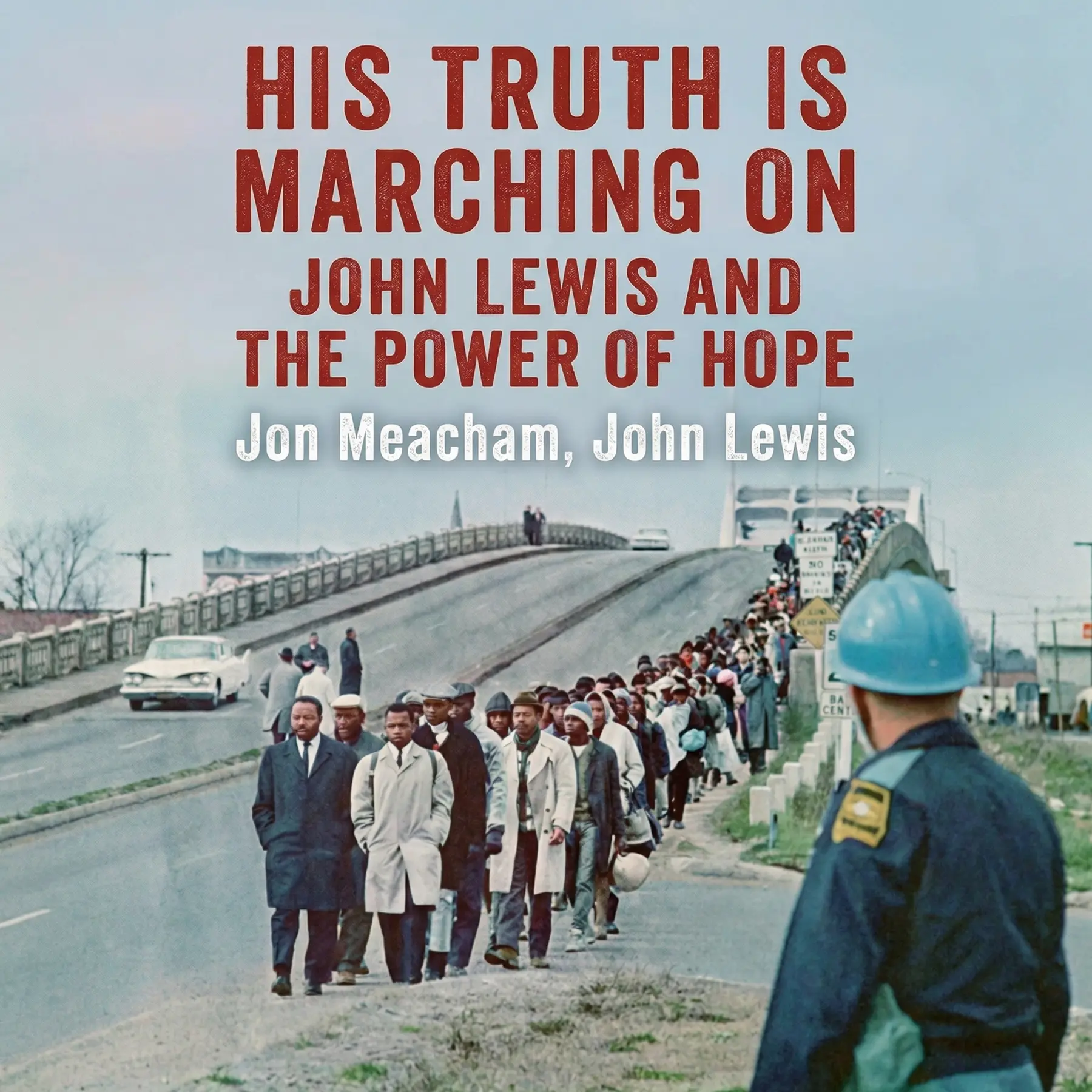
His Truth Is Marching On: John Lewis and the Power of Hope
A profound exploration of the life and legacy of John Lewis, documenting his journey from the son of sharecroppers to a legendary civil rights leader and moral voice in the United States Congress.
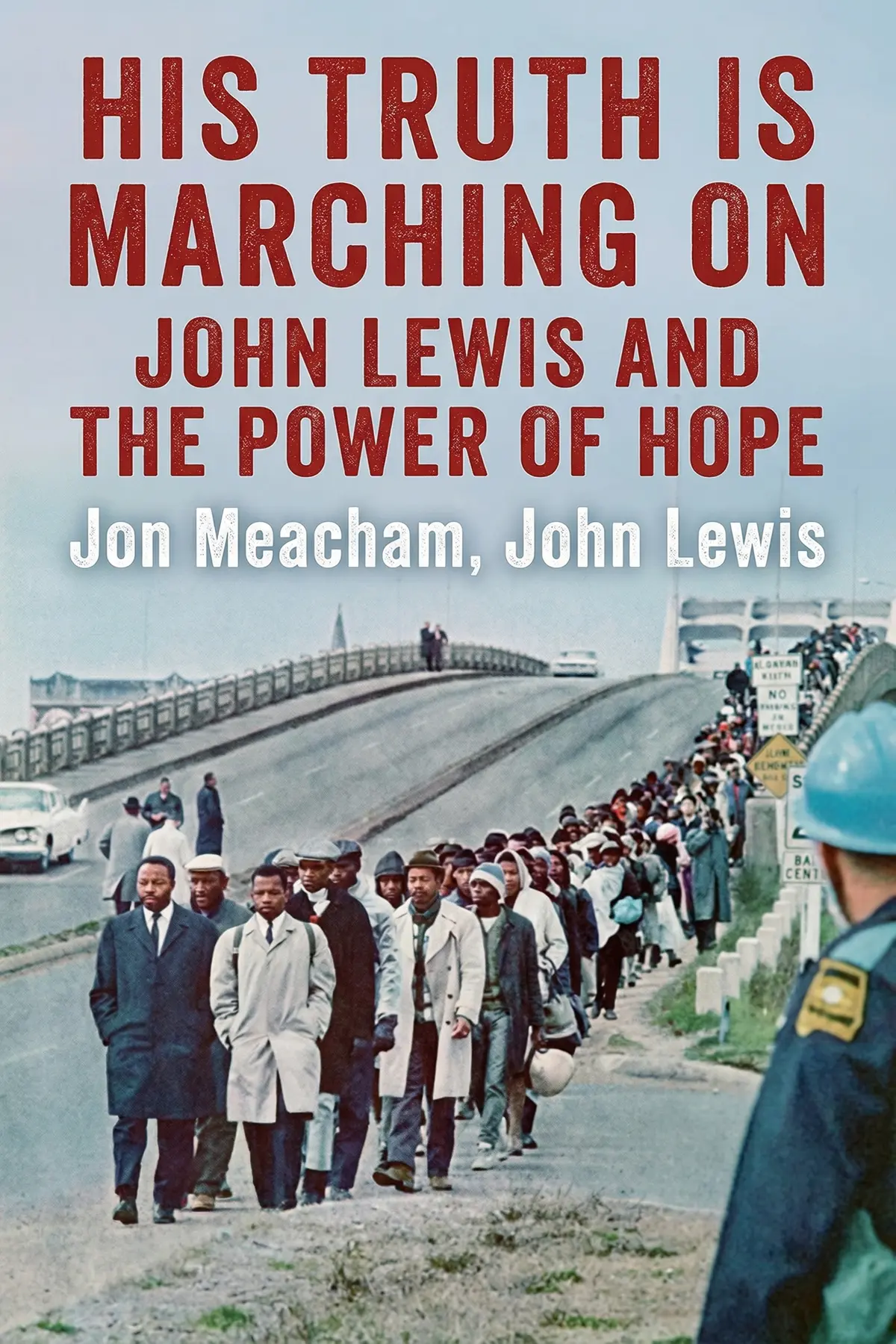
Table of Content
1. Introduction
1 min 40 sec
Imagine standing on a bridge, facing a line of armed men who see you not as a citizen, but as a threat to their way of life. For John Lewis, this wasn’t just a metaphor for the struggle for equality—it was a literal reality that he faced time and again. His Truth Is Marching On is more than a historical recount of the civil rights era; it is a deep dive into the soul of a man whose life became a testament to the power of unwavering faith and persistent nonviolence.
From the red clay of Alabama to the halls of the United States Capitol, Lewis’s journey represents the conscience of a nation. We are going to explore how a quiet boy from a sharecropping family found his voice and used it to shake the foundations of American segregation. The throughline of this story is the concept of the ‘social gospel’—the idea that faith is not just about what happens in a church on Sunday, but about the active work of creating justice on earth.
In the following sections, we will walk through the pivotal moments that defined Lewis’s life: the training in Nashville that turned passive resistance into a powerful weapon, the bloody trials of the Freedom Rides, and the legislative victories that changed the face of American democracy. This is a story about the long game of justice, the necessity of hope, and the belief that the moral arc of the universe, while long, can indeed be bent toward justice if we are willing to put our bodies on the line. Let’s look at how John Lewis’s truth continues to march on, offering lessons for anyone seeking to make a difference in an often-unjust world.
2. A Foundation of Faith and Early Injustice
2 min 34 sec
Discover how a childhood in the segregated South and the discovery of the social gospel turned a quiet farm boy into a budding revolutionary for justice.
3. The Discipline of Nonviolent Resistance
2 min 37 sec
Explore the rigorous psychological and physical training that transformed a group of Nashville students into an unstoppable force for social change.
4. Testing the Law on the Freedom Rides
2 min 21 sec
Follow the perilous journey across the South as activists risked everything to ensure that federal desegregation laws were more than just words on paper.
5. A Voice of Moral Urgency at the March on Washington
2 min 11 sec
Go behind the scenes of one of the 20th century’s most iconic moments to see how a 23-year-old Lewis challenged the political establishment.
6. Tragedy, Betrayal, and the Long Walk Toward Selma
2 min 28 sec
Witness the heartbreaking setbacks and political rifts of 1964 that nearly broke the movement’s spirit but ultimately fueled a new fight for the vote.
7. Bloody Sunday and the Triumph of the Voting Rights Act
2 min 18 sec
Revisit the historic crossing of the Edmund Pettus Bridge, where a brutal attack on peaceful marchers finally broke the back of voter suppression.
8. A Lifetime of 'Good Trouble' in the Halls of Power
2 min 27 sec
See how John Lewis transitioned from a street activist to a ‘conscience of the Congress,’ never losing his fire for direct action and social justice.
9. Conclusion
1 min 39 sec
The life of John Lewis is a masterclass in the power of persistent hope. Through the decades, we see a consistent theme: the belief that moral clarity and nonviolent action can overcome even the most entrenched systems of hatred. Lewis didn’t just witness history; he was one of its primary architects, using his body and his voice to demand that America live up to its founding ideals. From the red clay of Alabama to the heights of political power, he never lost sight of the ‘beloved community’ he sought to build.
The takeaway from His Truth Is Marching On is that the struggle for justice is never truly ‘finished.’ Each victory, from the sit-ins to the Voting Rights Act, requires constant vigilance and a new generation willing to pick up the mantle. Lewis’s concept of ‘good trouble’ is perhaps his most lasting legacy—the idea that it is sometimes necessary to disrupt the peace to achieve a more meaningful and just society. He showed us that one person’s conviction, when rooted in love and faith, can indeed change the course of a nation.
As you reflect on Lewis’s journey, consider where you might find your own ‘good trouble.’ Whether it’s standing up against a small injustice in your community or contributing to a larger movement for change, the story of John Lewis reminds us that change is possible. It requires courage, it requires endurance, and above all, it requires an unshakeable belief that a better world is within our reach if we are willing to work for it. Let his life be a reminder that the march continues, and each of us has a role to play in the path toward justice.
About this book
What is this book about?
His Truth Is Marching On offers an intimate and expansive look at the life of John Lewis, one of the most pivotal figures in the American civil rights movement. The narrative traces his humble beginnings in rural Alabama, where his early experiences with segregation and his deep religious roots formed the foundation of his lifelong commitment to justice. It delves into his formative years as a student of nonviolence, his leadership in the Student Nonviolent Coordinating Committee, and his central role in historic events like the Freedom Rides, the March on Washington, and the harrowing crossing of the Edmund Pettus Bridge in Selma. Beyond just a historical account, this work examines the philosophy of 'beloved community' and the spiritual conviction that fueled Lewis’s courage. It promises to reveal how a young man who once preached to chickens became a transformative force in American democracy. By connecting his activism in the 1960s to his long career in Congress, the summary highlights how Lewis’s dedication to 'good trouble' remained a constant throughline, offering a blueprint for hope and persistent struggle in the face of systemic inequality.
Book Information
About the Author
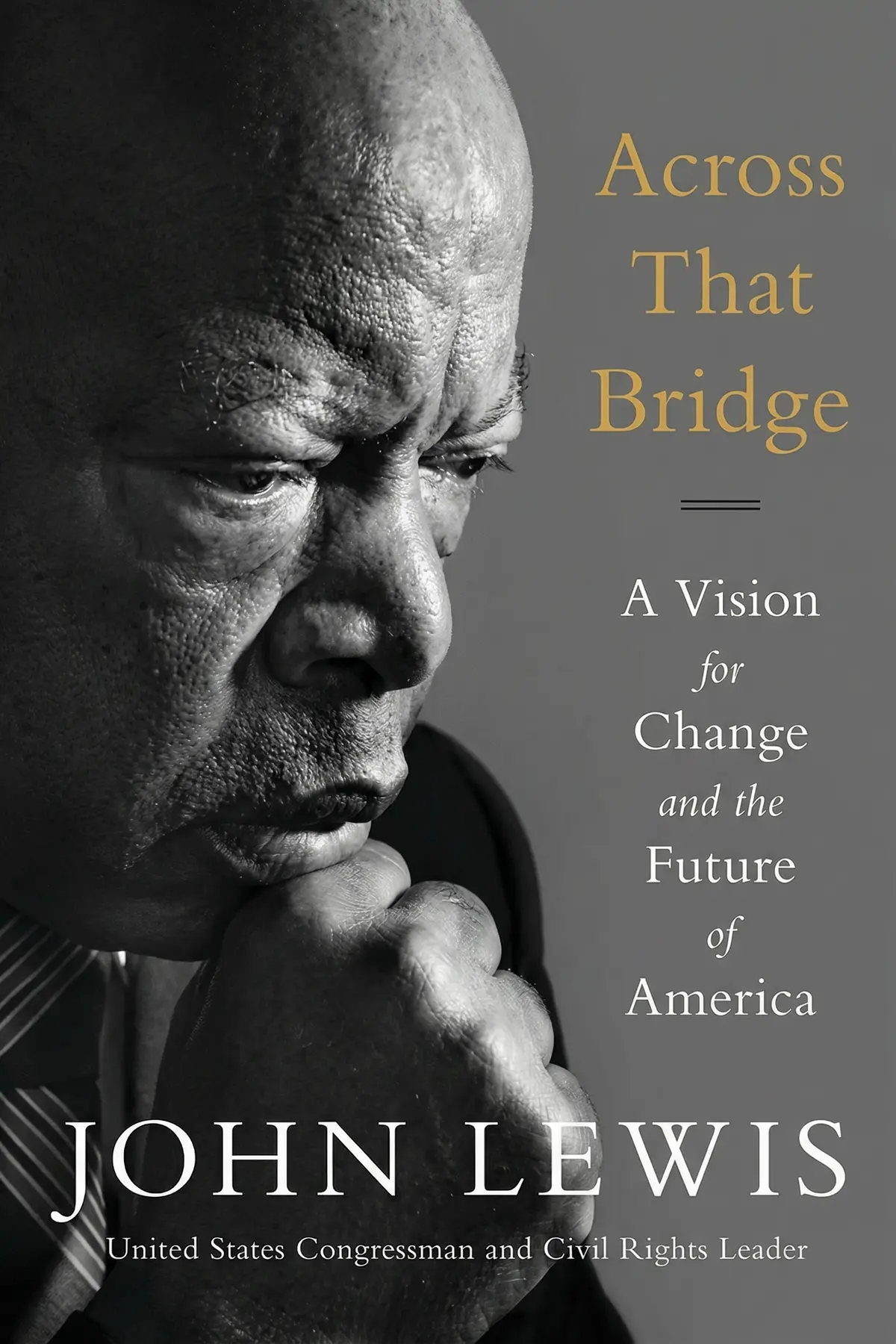
Jon Meacham
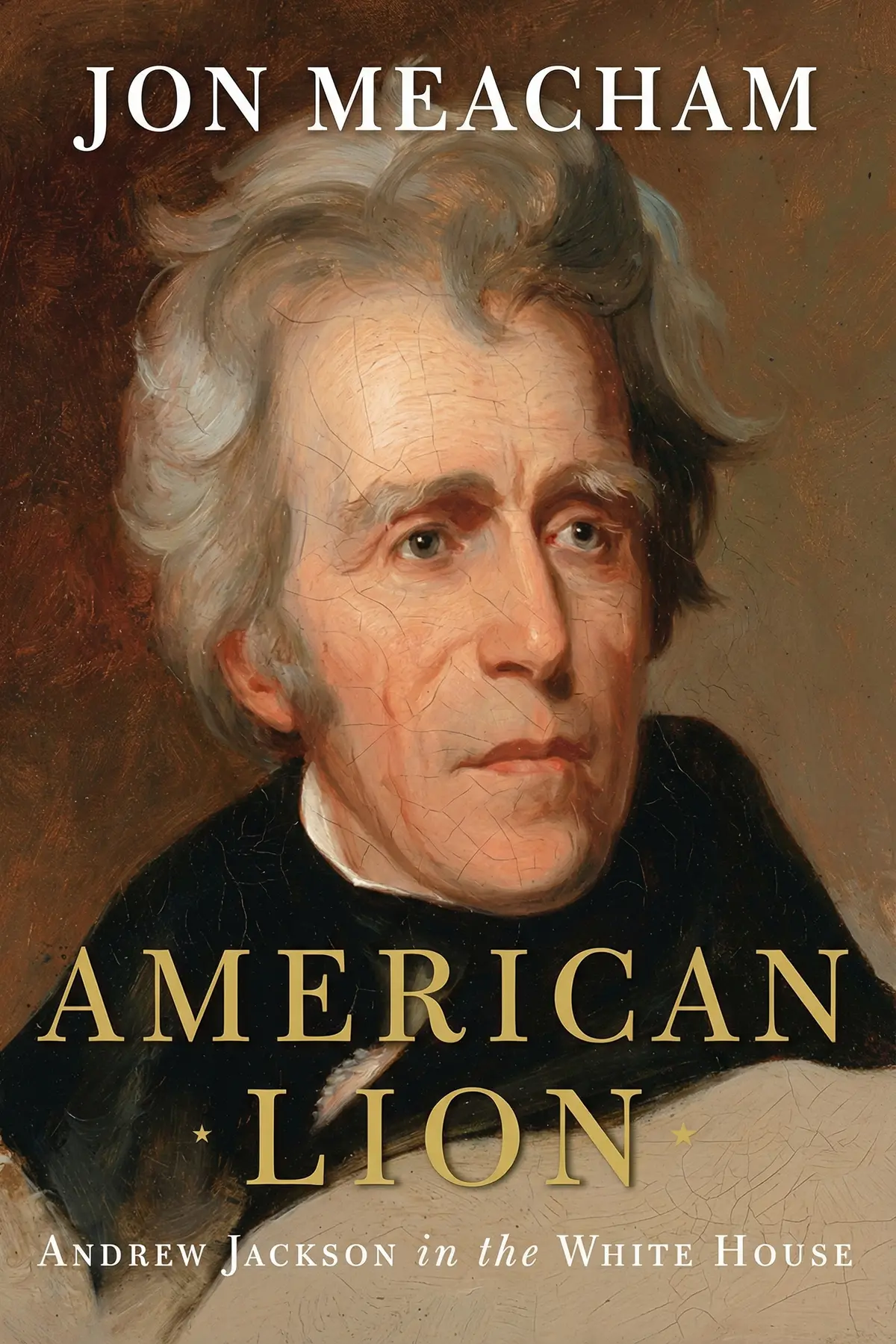
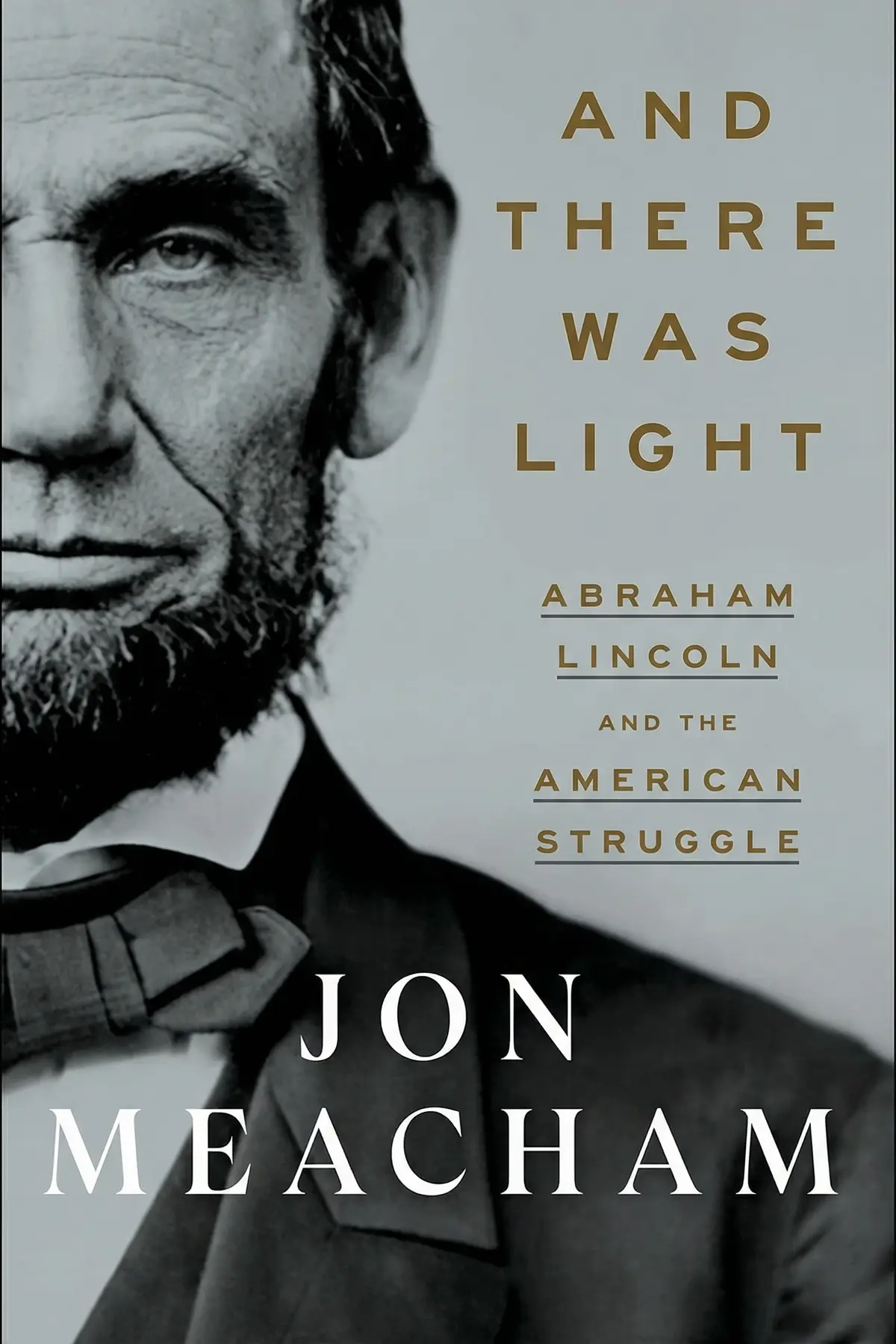
John Lewis was a legendary civil rights leader and a long-serving United States congressman representing Georgia's 5th Congressional District. He gained national prominence as one of the Big Six organizers of the 1963 March on Washington and was a key figure in the struggle for voting rights. Jon Meacham is a Pulitzer Prize-winning author renowned for his political biographies. His notable works include American Lion, Thomas Jefferson: The Art of Power, and The American Odyssey of George Herbert Walker Bush.
Ratings & Reviews
Ratings at a glance
What people think
Listeners view this work as an essential read that offers a detailed perspective on John Lewis’s life and the civil rights era. The prose is admired for its respectful tone, and listeners describe the account of the social activist as a deeply engaging narrative. Listeners value the book's focus on the movement and its portrayal of Lewis as a great American hero, with one listener noting that it perfectly captures the spirit of a living legend.
Top reviews
Joseph
John Lewis was truly an American hero, and Meacham captures that spirit with incredible reverence in this narrative. This isn't your standard, dry biography that lists dates and facts until you fall asleep. Instead, it feels like a spiritual journey through the most pivotal years of the civil rights movement, specifically from 1955 to 1968. I found myself particularly moved by the descriptions of Lewis as a young man, finding his voice by preaching to the chickens on his family farm. Meacham highlights how Lewis's faith wasn't just a part of his life; it was the entire engine behind his commitment to non-violence. It’s a compelling, necessary read for anyone who wants to understand the 'Spirit of History' that Lewis often mentioned. You’ll come away from this feeling edified and perhaps a bit more hopeful about our collective future.
Show moreIngrid
The image of a young boy preaching to his chickens in rural Alabama stays with you long after you close the cover of this book. It’s such a humanizing detail that sets the stage for the 'saint' John Lewis would eventually become. Meacham does a masterful job of showing how Lewis’s early disappointment with 'otherworldly' preaching led him toward a theology of the 'here and now' under Dr. King. The book focuses heavily on the grit and physical sacrifice required by the non-violence movement, which is depicted in harrowing detail. I learned so much about the inner workings of SNCC and the tensions that eventually rose within the civil rights leadership. This is more than a history lesson; it is a religious treatise on how to love your enemies while demanding justice. It’s a must-read for the current moment.
Show moreRoo
Wow, what a powerful testament to a life lived with total conviction and unwavering faith. I was struck by how Meacham frames Lewis as an American Founding Father of the modern era, and honestly, the argument is very persuasive. The book excels at explaining the psychological toll of non-violence training—the sheer discipline it took to be beaten and not strike back. It makes the events at the Edmund Pettus Bridge feel immediate and visceral. The writing is incredibly respectful, treating Lewis’s life with the gravity it deserves. My favorite part was the afterword where Lewis gives us our 'marching orders' for the future. It’s a call to action that feels more relevant today than ever before. If you need a reminder that one person can change the course of a nation through moral clarity, read this book.
Show moreYok
In my experience, few writers can handle the intersection of faith and politics as gracefully as Meacham does in this tribute to John Lewis. The book is deeply moving, specifically when detailing the physical bravery Lewis displayed time and time again. We often see the icons of the 60s as static figures, but Meacham brings the young, fiery, and deeply spiritual John Lewis to life. He wasn't just a politician; he was a man who truly believed in the 'Beloved Community' and was willing to die to see it realized. The contrast between his peaceful methods and the violent opposition he faced is heartbreakingly clear. This is an essential book for anyone trying to navigate the divisions of the 21st century. It provides a blueprint for how to stand for truth without losing your soul in the process.
Show moreKru
Is there a better word than 'saint' to describe someone who faced such unbridled meanness with only love and a prayer? Jon Meacham’s portrayal of John Lewis is both a biography and a call to conscience that resonates deeply. I was fascinated by the details regarding the SNCC debates and the tension between Lewis’s commitment to non-violence and the growing calls for more radical action. It shows the 'two-ness' of the Black experience that Du Bois famously wrote about. The book is beautifully packaged with powerful photography that serves as a stark reminder of what was at stake. Even if you think you know the story of the civil rights movement, Meacham’s focus on the theological 'why' behind Lewis’s actions provides fresh perspective. It is an uplifting, though often painful, saga that everyone should read.
Show moreValentina
Simply put, this book is a masterpiece of reverent storytelling. It captures the essence of a living legend who became a founding father of our modern democracy through sheer moral force. I loved how the book didn't shy away from the 'trouble' Lewis got into—the good trouble that forced America to look in the mirror. Meacham’s writing is elegant and flowing, making the historical events feel like a vivid, unfolding drama. The inclusion of Lewis’s own voice in the final sections adds a layer of authenticity that is impossible to ignore. It is an edifying experience to read about such a man of integrity in an age where that quality seems so rare. This book is a gift to the country and a fitting tribute to a man whose truth will indeed keep marching on.
Show moreFang
As someone who follows political history closely, I found this to be a fascinating, though narrow, look at a legendary figure. It is important to note that this isn't a 'cradle to grave' biography, as it largely ignores Lewis's long and storied career in Congress to focus on the 1960s. That said, the depth with which Meacham explores the Selma campaign and the Freedom Rides is extraordinary. He captures the brutal reality of the era through a lens of profound respect. Some might find the prose a bit flowery, but it fits the reverent tone the author is clearly aiming for. I appreciated the inclusion of perspectives from both sides of the struggle, which provided a more complete view of the social landscape. It’s a solid addition to any history buff’s library, even if it leaves you wanting a more comprehensive account of his later years.
Show morePairot
Finally got around to reading this, and it functions more as a theological history of the Civil Rights movement than a standard biography. Jon Meacham explores the 'soul' of John Lewis with a focus on his religious evolution, which I found surprisingly gripping. The narrative moves quickly through the lunch counter sit-ins and the March on Washington, buoyed by extensive quotes from Lewis himself. I do agree with some other readers that it can feel a bit quote-heavy at times, which occasionally breaks the immersion. However, the insights into Lewis’s internal struggle during the rise of the Black Power movement were very enlightening. It’s a thoughtful, well-researched book that successfully portrays Lewis as the conscience of the nation. It serves as a great spiritual follow-up to Meacham's other works regarding the better angels of our nature.
Show moreTantipat
Look, I really wanted to love this more than I did because I have so much respect for the late John Lewis. While the subject matter is undeniably powerful, the actual writing by Jon Meacham felt a bit disjointed and overly reliant on long block quotes. At times, it felt like I was reading a curated collection of interview transcripts rather than a cohesive story. Meacham’s attempts at creative nonfiction often struck me as a little too strained, especially compared to the raw eloquence of Lewis’s own words. To be fair, the epilogue and the afterword written by Lewis himself are absolutely stunning and save the book from a lower rating. If you want a deep dive into the theology of the movement, you'll find value here. However, as a biography, it lacks the narrative flow I’ve come to expect from top-tier historians.
Show moreYuki
Frankly, this was a disappointment given the gravity of the subject matter and the reputation of the author. I’ve been reading Robert Caro’s biographies lately, and the contrast in research depth and narrative structure is frankly staggering. Where Caro plays a complex symphony, Meacham feels like he’s playing a thin, disjointed tune on a tin whistle. The book relies far too heavily on Lewis's previously published autobiography and recent interviews, offering very little 'new' information for anyone who has followed Lewis’s career. The prose is often repetitive and leans into hagiography rather than objective historical analysis. While I hold John Lewis in the highest regard, this specific book didn't do justice to the complexity of his life or the movement he led. It felt rushed to meet a specific political moment rather than crafted to last.
Show moreReaders also enjoyed

Agent Sonya: The Spy Next Door
Ben Macintyre
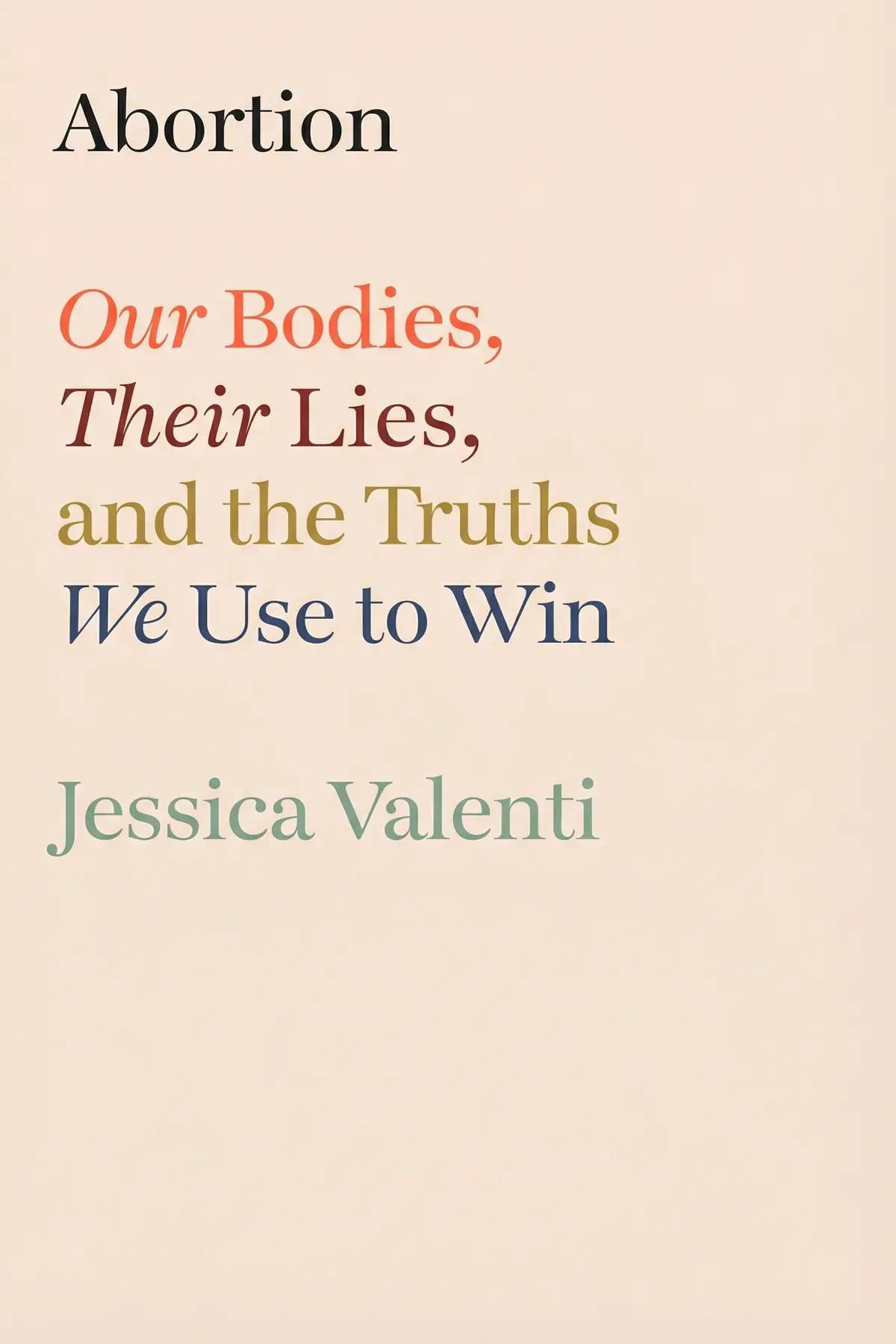
Abortion: Our Bodies, Their Lies, and the Truths We Use to
Jessica Valenti
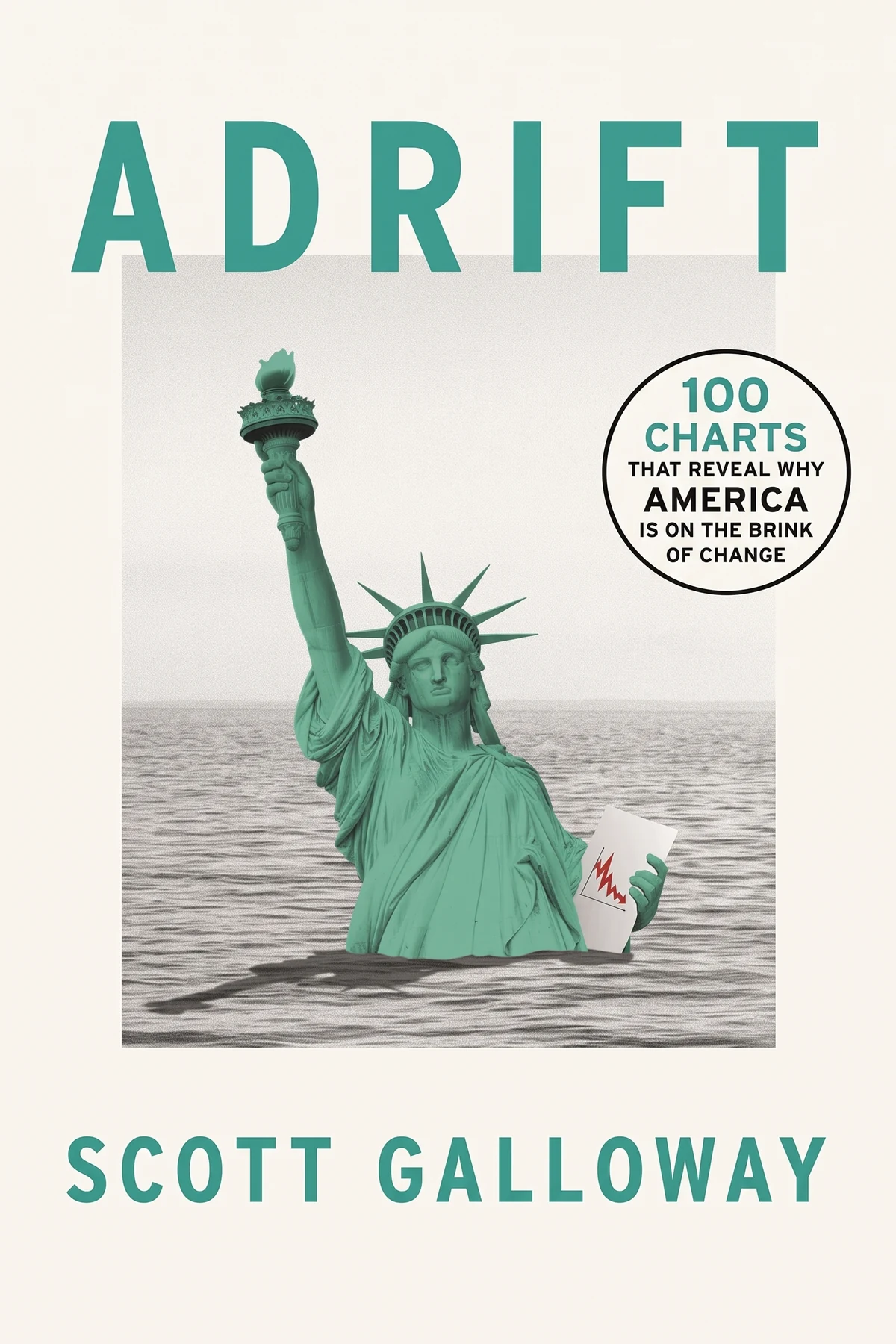

A Different Kind of Power: A Memoir
Jacinda Ardern
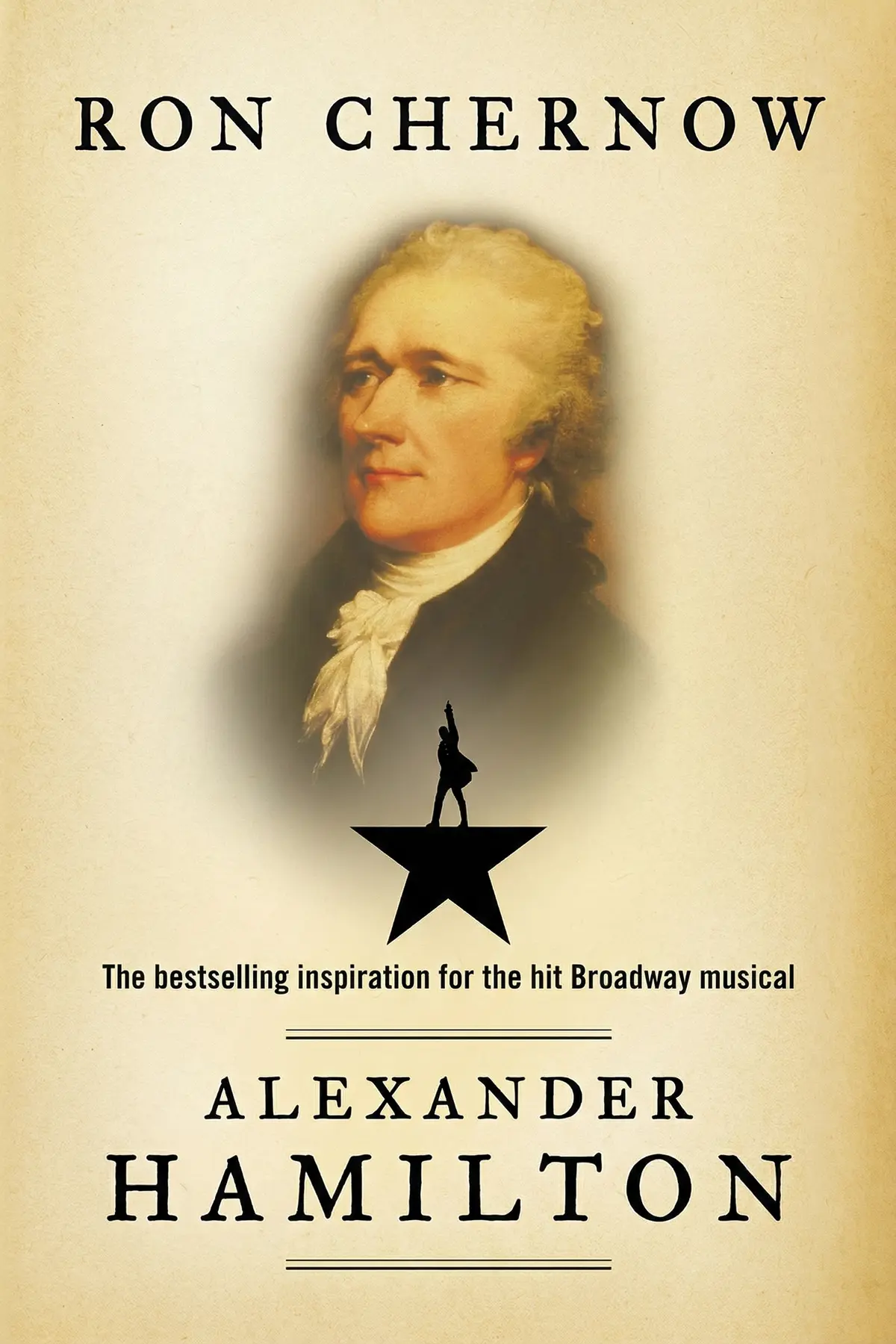
Alexander Hamilton
Ron Chernow
Afropean: Notes From Black Europe
Johny Pitts
A Higher Loyalty: Truth, Lies and Leadership
James Comey
Alexander the Great
Philip Freeman
AUDIO SUMMARY AVAILABLE
Listen to His Truth Is Marching On in 15 minutes
Get the key ideas from His Truth Is Marching On by Jon Meacham, plus 5,000+ more titles in English and Thai.
- 5,000+ titles
- Listen as much as you want
- 7-day free trial
- Cancel anytime







