
17 min
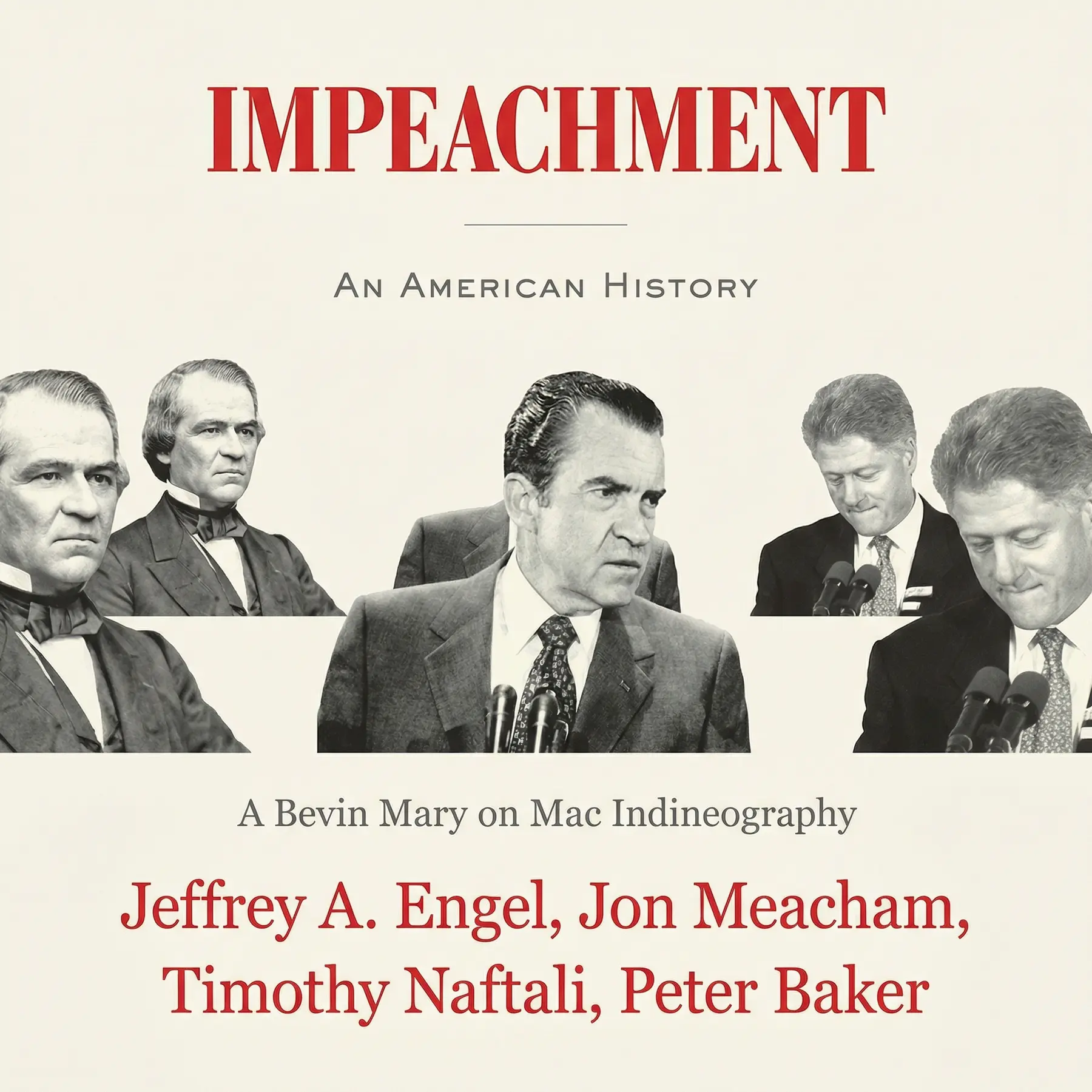
Impeachment: An American History
Explore the historical evolution and constitutional mechanics of presidential impeachment. This summary examines the cases of Andrew Johnson, Richard Nixon, and Bill Clinton to understand how American democracy navigates executive misconduct and partisanship.
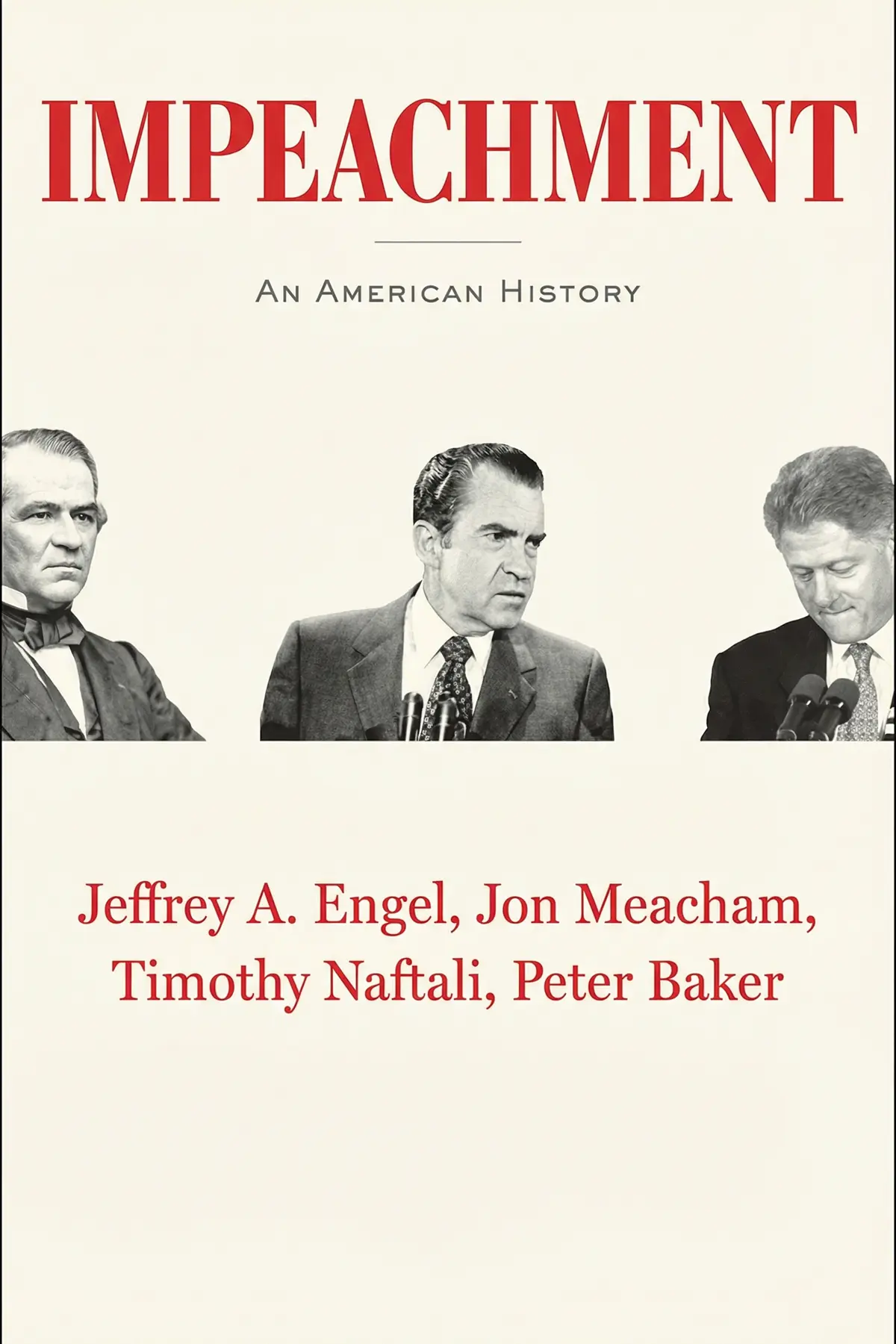
Table of Content
1. Introduction
2 min 03 sec
In the modern political landscape, it often feels as though the United States is more divided than it has ever been. We see headlines daily about constitutional crises and the fraying edges of democracy. But while the current climate is certainly intense, it is important to remember that the struggle over the limits of presidential power is as old as the republic itself. The mechanism for addressing executive misconduct—impeachment—was forged in a time of great uncertainty and has been tested throughout the centuries by some of the most contentious figures in American history.
When we look at the process of removing a president, we are looking at the ultimate ‘break glass in case of emergency’ tool of the U.S. Constitution. It is a process that was intentionally designed to be difficult, confusing, and fraught with political peril. To understand why it works the way it does, we have to travel back to the late eighteenth century, to a time when the American people were still reeling from a revolution against a monarch and were terrified of accidentally creating a new one.
In this exploration, we will trace the throughline from the hot summer of 1787 in Philadelphia to the modern era. We will see how the authors of the Constitution, often called the Framers, struggled to define what makes a president’s behavior truly unforgivable. We will revisit the three major historical instances where a president stood on the precipice of removal: the raw, post-Civil War anger that led to Andrew Johnson’s trial; the systematic corruption and eventual resignation of Richard Nixon; and the tawdry, media-saturated scandal that surrounded Bill Clinton.
Through these stories, we will uncover why being an unpopular or even a bigoted leader isn’t necessarily enough to get someone fired from the White House. We will see how the definition of presidential privilege has been whittled down over time by the courts. Most importantly, we will examine the recurring lesson that for democracy to survive these crises, it requires a level of bipartisanship that often seems impossible in our current age. This is the story of how a young nation tried to ensure it would never again be ruled by a king, and the complicated legacy that effort left behind.
2. The Birth of the Executive Branch
2 min 12 sec
Discover how the Framers transitioned from a fear of monarchs to the realization that a strong leader was essential to prevent national collapse.
3. The Strategic Vagueness of Impeachment
2 min 13 sec
Uncover why the language of the Constitution was designed to be flexible and why the process of removing a president is intentionally difficult.
4. The Andrew Johnson Lesson
2 min 16 sec
Explore the 1868 trial of Andrew Johnson and learn why being an unpopular, difficult leader isn’t a legal basis for removal.
5. Nixon and the Limits of Privilege
2 min 20 sec
Trace the downfall of Richard Nixon and see how the Watergate scandal forced the government to define the boundaries of executive power.
6. Morality, Law, and Bill Clinton
2 min 17 sec
Examine how changing social norms and the media landscape influenced the impeachment of Bill Clinton in the 1990s.
7. The Fragile Future of Democracy
2 min 10 sec
Reflect on how partisanship has eroded public trust and why bipartisanship remains the only way to navigate a constitutional crisis.
8. Conclusion
1 min 29 sec
In the end, what we learn from the history of impeachment is that the Constitution is not a self-executing machine. It is a living, breathing document that depends entirely on the people who interpret it and the citizens who hold those people accountable. The Framers gave us a tool to protect against tyranny, but they also made that tool incredibly dangerous to use. It is a double-edged sword that can either save a democracy or accelerate its decline.
We have seen that ‘high crimes and misdemeanors’ is a phrase meant to be interpreted by each generation according to its own standards and the specific threats it faces. We have learned that being a detestable person is not the same as being a criminal executive, and that the line between private immorality and public corruption is often thinner than we’d like to admit. Most importantly, we have seen that the only way to navigate the storm of an impeachment crisis is through a commitment to the process over the party.
As you think about the future of the American executive, remember that the presidency was created out of a need for order, but the power it holds is always in tension with the liberty of the people. Impeachment remains the final check on that power. It is a reminder that in the United States, no one, not even the person at the very top, is beyond the reach of the law. Whether the system continues to hold depends on whether we can maintain the spirit of civility and the respect for the Constitution that guided those who came before us. The throughline of history suggests that while democracy is fragile, it is also remarkably resilient—as long as there are those willing to defend it above their own political interests.
About this book
What is this book about?
What does it actually take to remove a sitting United States president? This deep dive into the history of impeachment explores the delicate balance of power established by the Framers of the Constitution. By looking at the specific historical crises surrounding Andrew Johnson, Richard Nixon, and Bill Clinton, the text reveals the intentional complexities and vague language that govern this ultimate political check. You will learn about the origins of the phrase high crimes and misdemeanors, the evolution of executive privilege, and the vital role of bipartisanship in maintaining democratic stability. The summary promises a comprehensive understanding of why impeachment is designed to be difficult, how it has been used as a tool of both justice and political theater, and what it means for the future of American governance.
Book Information
About the Author
Jeffrey A. Engel
Jeffrey A. Engel, Jon Meacham, and Timothy Naftali are highly regarded presidential historians and authors. Peter Baker serves as the chief White House correspondent for the New York Times. Together, they bring a wealth of expertise, having directed presidential libraries, founded scholarly research centers, and authored dozens of books. Their collective accolades include the Pulitzer Prize.
Ratings & Reviews
Ratings at a glance
What people think
Listeners find the text informative and well-composed, with one review highlighting its clear explanations of debates. They appreciate the historical precision, with one listener noting the thorough background provided on impeachment history. Listeners find the content engaging, with one mentioning how much they enjoyed reading the historical facts.
Top reviews
Dome
After hearing so much noise about current events, I wanted a clear-headed look at the history of removing a president. This collection of essays by heavyweights like Meacham and Naftali is exactly that. It isn't just a dry legal text; it’s a narrative that explains how impeachment has always been a deeply political tool rather than just a legal one. I was particularly fascinated by Jon Meacham’s breakdown of Andrew Johnson’s trial. He paints a picture of a man who was essentially impeached for being the wrong person at the wrong time during Reconstruction. The book clarifies the often-confusing 'high crimes and misdemeanors' standard, showing it was intentionally left vague by the Founders. While written in 2018, its lessons about the balance of power between the House and Senate remain incredibly relevant. If you want to understand the 67-vote threshold and why it’s so hard to actually remove someone from office, start here. It is informative, well-researched, and accessible for a layperson.
Show moreFrida
Ever wonder why the Constitution is so vague about what actually constitutes a 'high crime'? This book tackles that question head-on. Jeffrey Engel and his co-authors provide a masterclass in constitutional intent versus political reality. The most striking takeaway for me was that impeachment is whatever a majority of the House says it is at a given moment. The historical accuracy here is top-notch, especially regarding the Tenure of Office Act and the trap set for Andrew Johnson. I also loved the detail about Judge John Sirica and the Watergate grand jury—it adds a human element to the legal proceedings. The authors write with a sense of urgency, yet they remain grounded in facts rather than partisan fury. They remind us that the system was designed to be difficult to navigate, requiring 67 Senators to agree on removal. It’s a brilliant, concise overview that every voter should probably read to understand how our government functions under extreme pressure.
Show moreKofi
Wow. I didn't realize how much of a partisan weapon the impeachment of Andrew Johnson actually was until I read Jon Meacham’s essay in this collection. It’s fascinating to see how the Republicans of that era basically hunted him because he wouldn't honor the Reconstruction Act. This book is incredibly well-written and makes complex constitutional debates easy to follow. Each author brings a unique flavor to the table. Timothy Naftali’s deep dive into the Watergate era is particularly strong, highlighting the bipartisan momentum that eventually led to Nixon's downfall. It stands in stark contrast to the highly partisan atmosphere of the Clinton proceedings described by Peter Baker. The book manages to be both a history lesson and a warning about our current divisive politics. I highly recommend it to anyone who enjoys political analysis. It’s a brief but comprehensive look at a tool that was meant to be a last resort but is becoming increasingly common in our political vocabulary.
Show moreGrace
As someone who appreciates historical accuracy over political punditry, I found this collection of essays to be essential reading. The collaborative effort between Engel, Meacham, Naftali, and Baker provides a multi-dimensional view of the most serious constitutional crisis a president can face. The book excels at explaining the 'vague standard' of high crimes and misdemeanors, showing how it has been interpreted across different eras. I was particularly struck by the detail that Andrew Johnson was impeached before the articles were even written—talk about a rush to judgment! The authors succeed in making the reader feel the weight of these historical moments. They move beyond the headlines to show the behind-the-scenes maneuvering in the House and Senate. Even though I’m a bit of a history buff, I learned new things about the roles of Judge Sirica and the specific articles against Nixon. It’s a very informative and thought-provoking read that I’ve been recommending to all my friends.
Show moreDream
This book provides a remarkably clear-eyed perspective on a process that most of us only half-understand from cable news snippets. It’s important to note this was published in 2018, so it misses the two Trump impeachments, but that almost makes the historical analysis feel more objective. The authors do a great job explaining the mechanics: how the House Judiciary Committee acts as the gatekeeper before the whole House charges the President. I found the section on Richard Nixon particularly gripping. Timothy Naftali details how Nixon edited his own transcripts, which even he knew was obstruction of justice. To be fair, there are some slow passages, especially when the legal jargon gets thick. However, the breakdown of how the Senate requires a two-thirds majority for conviction is essential reading. It helps explain why acquittal is the most common outcome. Overall, a very solid primer on American constitutional history that doesn't feel like a textbook.
Show moreOat
Picked this up to prepare for the upcoming election cycle, and it was a surprisingly fast read despite the heavy subject matter. The book focuses on three main figures: Johnson, Nixon, and Clinton. I learned quite a bit about the nuances of the Nixon case—technically, he wasn't even impeached because he resigned before the full House could vote! The description of him being a trained attorney who knowingly obstructed justice by editing his own tapes was chilling. Peter Baker’s essay on Clinton compares the scandal to the O.J. Simpson trial in terms of its media impact, which was a very astute observation. Frankly, some of the transitions between authors are a bit jarring, and the 2018 copyright means it feels slightly dated given what has happened since. Still, the core information about the House Judiciary Committee's role and the 'partisan rationale' behind these proceedings is invaluable for anyone trying to cut through the political noise today.
Show moreSombat
The chapter on Richard Nixon by Timothy Naftali was easily the highlight of this collection for me. Seeing the timeline of how the House Judiciary Committee voted—rejecting some charges while passing others—really clarified how the process is supposed to work. This book is a great reminder that the system relies on evidence and constitutional steps, not just anger. I also appreciated the brief mention of Harry Truman and Douglas MacArthur; it provides great context for what does NOT constitute an impeachable offense. The writing is generally very engaging, though a few sections on the framing of the Constitution felt a bit repetitive. Personally, I think the authors did a great job of explaining that impeachment is a political process with a legal veneer. It’s an interesting read for anyone who wants to understand why we rarely see a president actually removed from office. The 67-vote requirement in the Senate is a high bar for a reason, and this book explains that logic perfectly.
Show moreHazel
Finally got around to reading this, and it’s a fantastic primer for anyone trying to navigate the murky waters of American constitutional law. The book does a wonderful job of demystifying the whole process, from the House Judiciary Committee’s initial votes to the final trial in the Senate. I especially liked how it highlighted that impeachment is a weapon of last resort intended to prevent tyranny. The authors are very clear about the facts: only three presidents have faced this level of jeopardy, and the results have always left the country changed. My favorite part was the analysis of how the 'rule-breaking' of Nixon differed from the 'murky middle' of the Clinton era. It’s a very informative read that manages to stay neutral while discussing some of the most heated moments in our history. The historical background is detailed without being overwhelming. Even with the 2018 cutoff, the principles described here are timeless and help explain why our current political climate is so volatile.
Show moreIvan
Look, I found this interesting but it definitely had some slow passages that dragged for me. This is actually the third book I’ve read on this subject recently, and while it's informative, it feels a bit uneven. The quality of the essays seems to decline as you move toward the modern era. Meacham on Andrew Johnson was a highlight, but Peter Baker’s section on Bill Clinton felt like a retread of things I’ve heard many times before. It’s a non-fiction hardback that attempts to bridge the gap between academic history and current events, but it doesn't always succeed. One thing I did appreciate was the clear explanation of how an impeached official is barred from future federal employment. That’s a detail often lost in modern discussions. It’s a decent resource for the 2020 election cycle, but I was hoping for a bit more cohesion between the four different authors' styles.
Show moreTakeshi
Not what I expected in terms of pacing, as the transition between the different authors felt a bit jarring at times. While the historical facts are certainly interesting to read, the book feels like four separate articles stitched together rather than a cohesive narrative. I also found the discussion of the 'future' of impeachment a bit frustrating since the book was written just before the 2019/2021 events. To be fair, the scholarship is excellent. Meacham and Naftali are experts for a reason, and their insights into Johnson and Nixon are top-notch. However, the section on Bill Clinton felt a bit light on new information. It covers the perjury and the 'witch hunt' aspects well enough, but it lacked the fresh perspective I found in the earlier chapters. If you're looking for a basic primer on the mechanics of the House charging and the Senate voting, this works, but it might feel a bit redundant if you've already read extensively on these presidents.
Show moreReaders also enjoyed

Adults in The Room: My Battle With Europe’s Deep Establishment
Yanis Varoufakis
21 Lessons for the 21st Century
Yuval Noah Harari
A Different Kind of Power: A Memoir
Jacinda Ardern
Age of Anger: A History of the Present
Pankaj Mishra
A History of Iran: Empire of the Mind
Michael Axworthy
A Higher Loyalty: Truth, Lies and Leadership
James Comey
Age of Propaganda: The Everyday Use and Abuse of Persuasion
Anthony Pratkanis
AUDIO SUMMARY AVAILABLE
Listen to Impeachment in 15 minutes
Get the key ideas from Impeachment by Jeffrey A. Engel, plus 5,000+ more titles in English and Thai.
- 5,000+ titles
- Listen as much as you want
- 7-day free trial
- Cancel anytime







