
18 min 13 sec
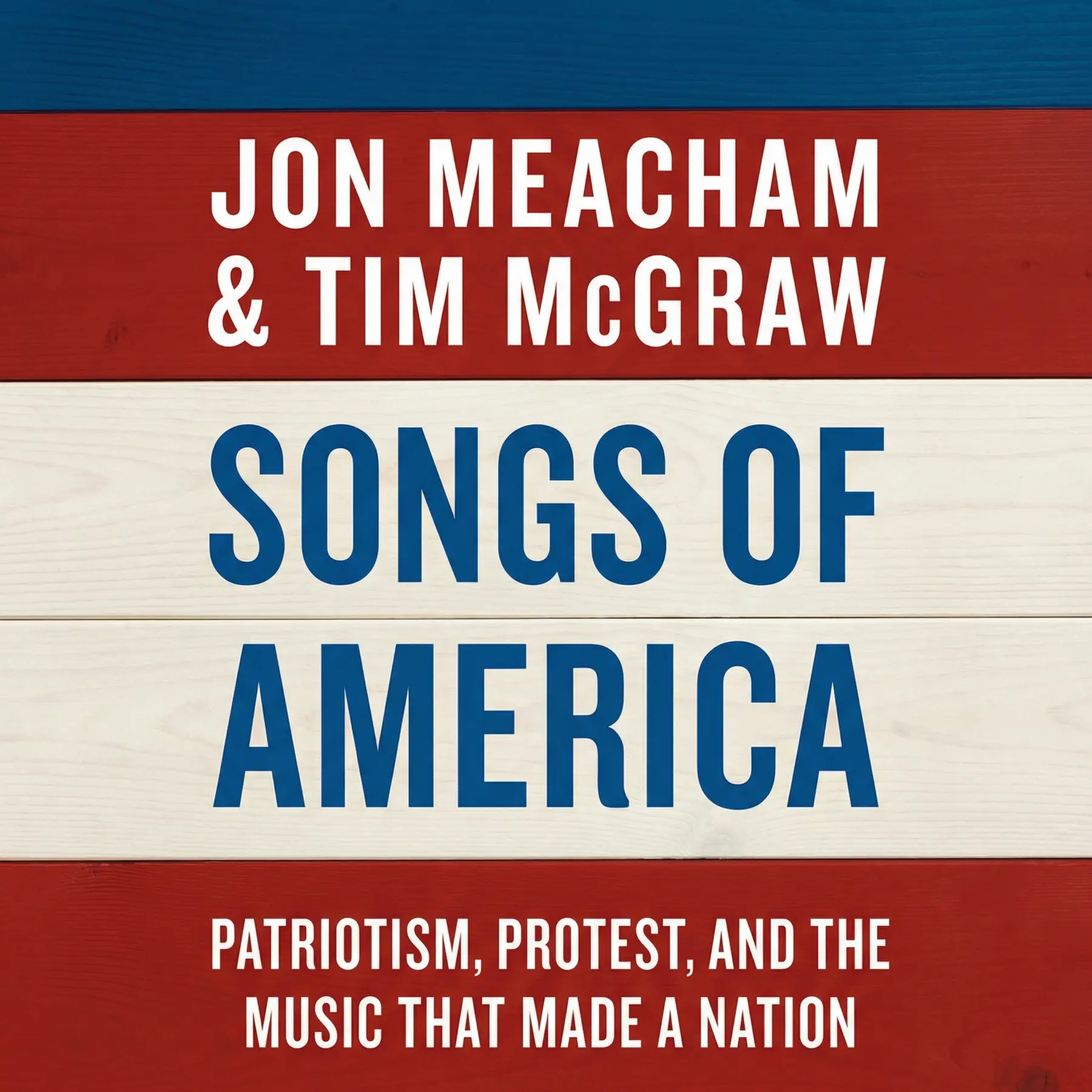
Songs of America: Patriotism, Protest, and the Music That Made a Nation
Songs of America examines the powerful intersection of music and history, revealing how melodies fueled the American Revolution, the Civil Rights movement, and every major turning point in the nation's evolving identity.
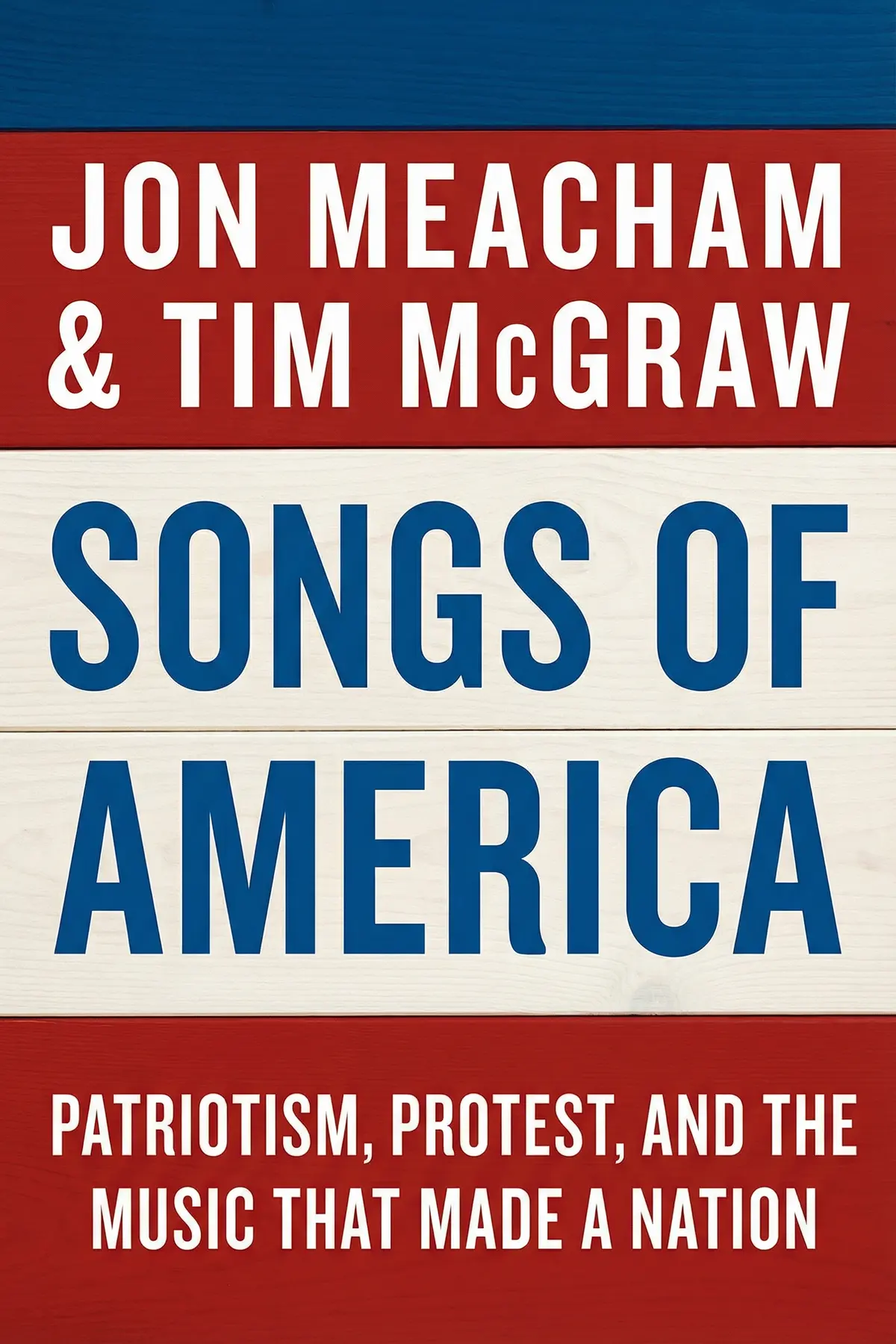
Table of Content
1. Introduction
1 min 39 sec
When we look back at the history of a nation, we often focus on the hard data: the dates of battles, the names of presidents, and the text of landmark legislation. These are the bones of a country’s story. But if you want to find the heart and the soul, you have to listen to the music. In this exploration of the American experience, we’re moving beyond the dry pages of textbooks to uncover how songs have acted as the pulse of the United States.
From its very inception, America has been a project defined by its noise—the shouts of revolution, the quiet prayers of the oppressed, and the soaring anthems of progress. Music in America has never been merely incidental. It hasn’t just been something played while history was happening; it has frequently been the very thing making history happen. A song can reach places a political pamphlet cannot. It can bypass the intellect and strike directly at the emotions, creating a sense of unity or fueling a fire of rebellion that words alone struggle to ignite.
We are going to take a journey through the centuries, guided by the insights of historian Jon Meacham and musician Tim McGraw. We’ll see how the melodies of the past have reflected the nation’s greatest triumphs and its most painful contradictions. We will look at how music gave a voice to those the law tried to silence and how it helped a diverse people find a common identity, even in their darkest hours. By the end of this journey, you’ll understand that to truly know the American story, you must be able to hear its soundtrack. This is the throughline of our story: that the evolution of the American spirit is written in its songs, serving as both a mirror of who we were and a compass for who we hoped to become.
2. Harmony of the Revolution
2 min 20 sec
Discover how the first American rebels used music to transform dry political grievances into a unified emotional movement that ignited the spirit of 1776.
3. Anthems and Laments of a Young Republic
2 min 07 sec
Witness the birth of the national anthem amidst the smoke of battle and contrast it with the mournful, prophetic songs of a displaced people.
4. The Chorus of Freedom and Abolition
2 min 07 sec
Explore how the fight to end slavery was propelled by stirring orations and the deep, spiritual melodies that promised a new era of equality.
5. Marching Toward Equality
1 min 58 sec
See how music emboldened the suffrage movement and provided a cautious but hopeful anthem for the long walk toward civil rights.
6. The Sound of Hard Times and New Hope
2 min 02 sec
Analyze the musical tension of the Great Depression, where upbeat campaign songs clashed with the raw, soul-searching folk of the working class.
7. The Divided Airwaves of the Vietnam Era
2 min 08 sec
Explore the sonic battleground of the 1960s, where soul, country, and rock music reflected a nation deeply split by war and social change.
8. Icons as Mirrors of the National Spirit
2 min 10 sec
Analyze the legacies of Elvis Presley and Bruce Springsteen to see how they personified the American Dream, its excesses, and its broken promises.
9. Conclusion
1 min 42 sec
As we close this sonic tour of the American experience, the throughline remains clear: music is the living history of the United States. It has been the catalyst for revolution, the comfort for the oppressed, and the battlefield for our most intense cultural debates. We have seen how a single melody, like ‘The Liberty Song,’ could turn a riot into a movement, and how a spiritual like ‘Go Down Moses’ could turn a night of waiting into a ritual of liberation.
We’ve explored how the nation’s songs have often been ahead of its laws, giving voice to the ideals of equality and justice long before they were realized in the halls of power. But we’ve also seen how music can reflect our deepest divisions, from the racial splits in the trenches of Vietnam to the conflicting visions of the American Dream personified by Elvis and Springsteen.
What does this mean for us today? It means that if we want to understand where we are going as a country, we have to keep our ears open. The songs being written and sung right now are the drafts of our future history. They contain our current fears, our emerging hopes, and our ongoing arguments about what it means to be an American.
The actionable takeaway from this journey is to listen more deeply. When you hear a song that resonates across the country, ask yourself: What part of the American soul is this reflecting? What history is it echoing, and what change is it demanding? By paying attention to the music of our time, we can better understand the heart of our neighbors and the direction of our nation. America is a work in progress, and its soundtrack is far from finished. Each of us, through the songs we sing and the voices we choose to amplify, has a part in writing the next verse.
About this book
What is this book about?
This compelling exploration, co-authored by a Pulitzer Prize-winning historian and a country music superstar, dives deep into the sonic landscape of the United States. It argues that music has never been just a backdrop to history; rather, it has been a primary driver of social change and a vessel for the country's most profound aspirations and fears. From the defiant tunes of the colonial era to the protest songs of the 1960s and the stadium anthems of the 1980s, the narrative traces how songs have provided a common language for a divided people. Readers will discover the stories behind the national anthem, the spirituals that sustained enslaved people, and the cultural icons like Elvis Presley and Bruce Springsteen who came to personify the American dream. It promises a new way of hearing history, showing how the soul of the nation is best understood through its most famous voices.
Book Information
About the Author
Jon Meacham
Jon Meacham is a distinguished American author and a contributing editor for Time Magazine. In 2009, he was awarded the Pulitzer Prize for his biography of Andrew Jackson, titled American Lion. Tim McGraw is a celebrated country music singer and actor who has significantly influenced the modern musical landscape. His work has earned him three Grammy Awards and ten American Music Awards.
Ratings & Reviews
Ratings at a glance
What people think
Listeners find the work provides revitalizing perspectives on the intersection of music and history, with one listener noting its ability to help navigate the frictions and splits of our current time. Additionally, the prose is remarkably well crafted, and listeners value the captivating narrative style, with one mentioning that it offers an entertaining path for exploring historical events. The content also garners praise for its musical depth, with one listener highlighting how it demonstrates the application of folk music, and listeners consider it a wonderful gift option, especially for musicians.
Top reviews
Bunyarit
Ever wonder how a simple tune can rally an entire colony to revolution? This book explores exactly that, and it is absolutely captivating. Meacham charts the sounds of the American pageant from the Revolution to the aftermath of 9/11 with such grace. I was particularly moved by the chapter on slave songs, or 'sorrow songs.' Learning how Harriet Tubman used specific songs as coded messages for escaping was a revelation to me. Gotta say, Tim McGraw’s perspective as a songwriter adds a layer of heart that you don’t usually get in historical non-fiction. He treats the lyrics with such respect. This is a story of promises made and broken, told through the voices of those who lived it. It’s a patriotic, moving, and ultimately hopeful book that I think every American should spend some time with.
Show moreElena
As a history buff, I'm always looking for a fun way to revisit the American story, and this book delivered. The authors show that history is not just something you read, but something you hear. Starting with pre-Revolutionary songs like 'The Liberty Song' and moving all the way to Bruce Springsteen’s *The Rising*, the journey is incredible. The connection between politics and songwriting is so clear here. Politicians and songwriters are essentially in the same business: moving hearts and changing minds. Meacham’s overture is beautiful, and the way he weaves in the struggle between our worst impulses and our better angels is poetic. It’s an extraordinarily well-composed book that managed to teach me things I never knew about songs I’ve heard my whole life. Highly recommended for anyone who loves our national story.
Show moreJib
After hearing Meacham discuss this on a podcast, I bought it for my father-in-law, a lifelong musician, and it turned out to be a great gift. This book provides a refreshing nexus of music and history that helps explain the tensions of our present moment. I personally loved the section comparing Lee Greenwood’s 'God Bless the USA' with Bruce Springsteen’s 'Born in the USA.' It shows that our history is an argument without end, and music is how we voice those disagreements. The writing is engaging and serves as a fun way to study history without it feeling like a dry textbook. My only minor gripe is that some chapters feel rushed, especially the transition from the World Wars to the modern era. Still, it’s a thought-provoking look at how folk music and protest anthems act as the 'better angels' of our nature.
Show morePiyanart
The chapter on the Civil Rights movement alone makes this book worth the price of admission. It was fascinating to see how songs were used as both a point of resistance and a rallying cry for the people during the 1960s. Meacham’s ability to place these tracks in their historical context is masterful. Not gonna lie, I was a little annoyed that the book skips over so many iconic anti-war songs from the 70s, focusing almost exclusively on 'Fortunate Son.' However, the overall message about music bringing us together in a dissonant world really resonated with me. The book highlights how we’ve always been a polarized nation, and music is the one thing that helps us find harmony. It’s a well-composed, engaging style of writing that makes the past feel very present.
Show moreCee
Finally got around to reading this over the Fourth of July, and it was the perfect weekend companion. It’s a delightful journey through the songs of America, focusing on everything from women’s suffrage to the struggle for equal rights. I loved the inclusion of lesser-known songs that were influential in their day, alongside the heavy hitters like 'This Land Is Your Land.' To be honest, I preferred the print edition over the audio because the photographs are so powerful and add so much context to the lyrics. There are a few curious issues with the balance of the book—some eras get way more page time than others—but the overarching theme of 'lifting every voice' is handled with such care. It really helps you understand the divisions of the present moment by looking at the musical protests of the past.
Show moreFinn
Wow, what a refreshing way to look at our history. This isn't just a list of popular tunes; it's a deep dive into the soul of a nation. Personally, I found the sections on the World Wars to be the most engaging, specifically how the music captured the mood and the economics of the country at that time. The parallel between the patriotic 'Over There' and the anti-war songs of the same era was fascinating. Meacham’s voice is authoritative, while Tim McGraw’s musings add a casual, emotional touch that keeps the book from feeling too academic. My only critique is that it's a bit too narrative-heavy in places, with extraneous quotations that don't always relate back to the music. Regardless, it’s a beautiful book that celebrates the power of song to move a nation forward.
Show morePakpoom
In my experience, books that try to cover this much ground often fail, but Meacham and McGraw pull it off by focusing on the 'voices' of America. They don't shy away from the darker parts of our history, like minstrel shows and the rise of Jim Crow, and how music was used to both enforce and fight those systems. The truth is, it’s a very thought-provoking read that makes you realize we’ve always been a nation in conflict. I loved the discussion on how 'My Country 'Tis of Thee' was written to the tune of the British national anthem—such a classic American move! While I wish there was more focus on the music itself and less on the general history, the writing is so engaging that I couldn't put it down. It’s a great study on the impact of folk music on our democracy.
Show moreCameron
Picked this up hoping for a deep dive into the melodies that shaped our nation, but the result was a bit mixed. To be fair, Jon Meacham is an incredible writer, and his prose is extraordinarily well-composed, but the history often overshadows the music itself. I was disappointed to find that several pivotal tracks from the Vietnam era were missing entirely; they mention the Kent State shootings but somehow skip over 'Ohio' by Crosby, Stills, Nash & Young. The truth is, the book feels a bit light on the music theory side. Tim McGraw’s commentary boxes are interesting enough, but they sometimes feel disconnected from the dense historical text. It makes for a beautiful coffee table book because of the powerful images, but as a music lover, I wanted less commentary and more analysis of the songs' actual impact and lyrics.
Show moreTan
I'll admit I found this a bit uneven despite my respect for both authors. While the historical context is rich, the book is often way too heavy on narrative and surprisingly light on the songs. Some sections jumped around so much that I lost the thread of the musical evolution. For instance, the Star-Spangled Banner is discussed at length, yet Meacham omits the opening lyrics in the text. It’s also a bit odd that 'The White Cliffs of Dover' got more attention than some foundational American patriotic tunes. Look, if you want a refresher course on U.S. History with a musical twist, you’ll enjoy it. But if you’re looking for a technical breakdown of how these songs were written or performed, you might find it a bit flat. It’s a nice introductory piece, but not the in-depth study I was craving.
Show moreRafael
Not what I expected from a collaboration between a historian and a country legend. Frankly, this was a dud because the balance is completely off. I bought the audiobook assuming Tim McGraw would actually sing the patriotic songs mentioned, but he just reads the lyrics like a poem. Why have a living legend involved if he isn't going to perform? Beyond that, Meacham’s narrative is so heavy that it completely buries the music it is trying to illustrate. Some of the most iconic songs, like Irving Berlin’s ‘God Bless America,’ are limited to just a couple of paragraphs while other less impactful tunes get pages of extraneous historical quotes. It felt haphazardly put together and lacked a cohesive focus on the actual melodies. It's more of a history lecture with a few lyrics sprinkled in rather than a true celebration of American song.
Show moreReaders also enjoyed

A Biography of Loneliness: The History of an Emotion
Fay Bound Alberti
Agent Sonya: The Spy Next Door
Ben Macintyre
Alexander Hamilton
Ron Chernow
Alexander the Great
Philip Freeman
A History of Iran: Empire of the Mind
Michael Axworthy
A History of the World in 6 Glasses
Tom Standage
A Long Way Gone: Memoirs of a Boy Soldier
Ishmael Beah
AUDIO SUMMARY AVAILABLE
Listen to Songs of America in 15 minutes
Get the key ideas from Songs of America by Jon Meacham, plus 5,000+ more titles in English and Thai.
- 5,000+ titles
- Listen as much as you want
- 7-day free trial
- Cancel anytime







