
26 min 02 sec
The Soul of America: The Battle for Our Better Angels
By Jon Meacham
Jon Meacham explores the cyclical nature of American history, illustrating how the nation has repeatedly triumphed over fear and division by choosing hope, leadership, and the better angels of our nature.
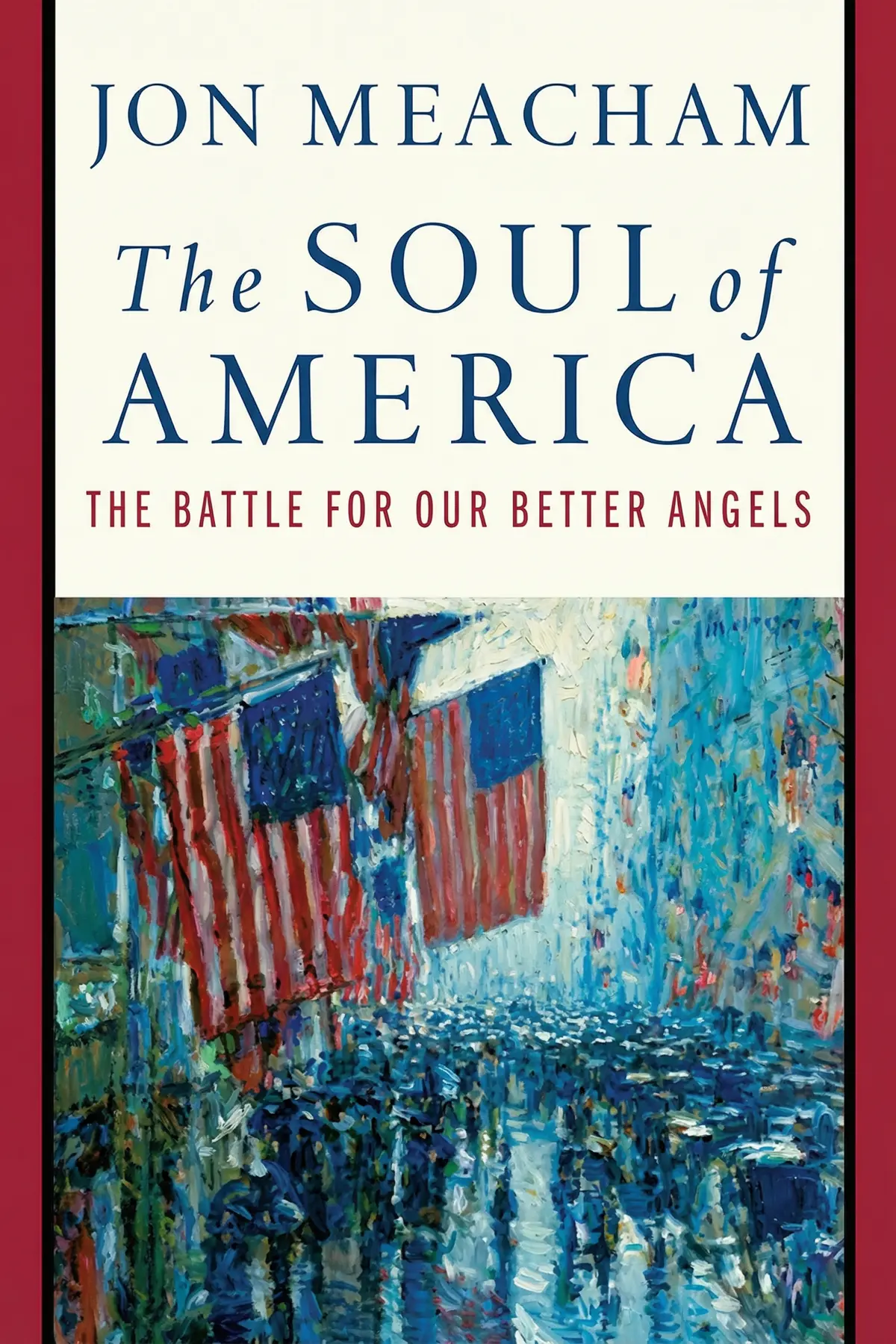
Table of Content
1. Introduction
2 min 12 sec
In recent years, many political observers and ordinary citizens have felt a profound sense of disorientation. The landscape of American politics has shifted in ways that feel entirely new, often leaving us with the impression that we are living through a unique and uniquely dark era. But if we peel back the layers of our national history, we find a different story. The events that dominate our current headlines are not anomalies; they are echoes of a long-standing struggle that has defined the United States since its inception.
Take, for instance, the rise of populist figures who use charisma and division to mobilize the masses. While it might feel like a modern phenomenon, history shows us figures like Huey Long, the Louisiana politician who captivated audiences during the Great Depression. Long didn’t need modern social media to whip voters into a frenzy; he used folksy charm and tapped into deep-seated anxieties about race and immigration to call for a radical overhaul of government. He understood something that politicians have known since the days of Aristotle: fear is a powerful, albeit corrosive, motivator.
This is the central throughline we will explore: the eternal tug-of-war between our best and worst instincts. The historian Jon Meacham calls this the battle between fear and hope. Throughout our journey, we will see that while fearmongering and division are recurring themes in the American narrative, they are rarely the final word. Time and again, the nation has reached a tipping point where it had to choose between its darker impulses and its ‘better angels.’
By looking at these historical inflection points—from the aftermath of the Civil War to the peak of the Cold War—we can find a sense of perspective. We’ll see how certain cultural forces, like books and films, have sometimes set back progress, and how a sense of common decency eventually broke the fever of political witch hunts. Most importantly, we will discover that while progress may take decades and feel agonizingly slow, history suggests that the American people eventually make the right choice. This summary is not just a history lesson; it’s a roadmap for remaining hopeful in turbulent times.
2. The Constant Conflict of Instincts
2 min 26 sec
Discover how the primal forces of hope and fear have shaped American leadership from the Civil War to the present day.
3. The Architecture of Slow Progress
2 min 23 sec
Explore why the American government was designed to be slow and how that deliberate pace affects the pursuit of equality.
4. The Resilience of Division After Conflict
2 min 30 sec
Understand the tragic period following the Civil War and how the failure to enforce federal authority allowed old fears to resurface.
5. The Progressive Vision of the Melting Pot
2 min 34 sec
Learn how Theodore Roosevelt championed a merit-based American identity while navigating the prejudices of his time.
6. Hysteria, Censorship, and the Klan
2 min 32 sec
Examine the dark period of the early 1900s when fear of the ‘un-American’ led to the suppression of speech and the rise of the KKK.
7. The Dual Face of Hope in Times of Crisis
2 min 28 sec
See how FDR used optimism to combat the Great Depression while still falling prey to the fears of wartime hysteria.
8. Decency as a Shield Against McCarthyism
2 min 25 sec
Examine the rise and fall of Joseph McCarthy and how a simple appeal to human decency broke the spell of a national witch hunt.
9. Leadership and the Arc of Civil Rights
2 min 28 sec
Trace the unexpected journey of Lyndon Johnson as he turned a moment of national tragedy into a landmark victory for equality.
10. A Toolkit for the Better Angel
2 min 20 sec
Learn five practical strategies to resist tribalism and stay hopeful, even when the political landscape feels overwhelming.
11. Conclusion
1 min 44 sec
As we look back over the broad expanse of the American story, a clear pattern emerges. The United States is not a static entity; it is a dynamic, ongoing battleground between our highest aspirations and our deepest anxieties. From the dark days following the Civil War to the paranoid atmosphere of the Cold War, the nation has repeatedly found itself at a crossroads. And while there have been times when we took the wrong turn—such as the failure of Reconstruction or the internment of Japanese-Americans—the overarching trajectory has been toward more freedom, more equality, and more hope.
The ‘Soul of America’ is defined by this resilience. Our political system is slow and often frustrating, but its very design is intended to outlast the temporary storms of fear and demagoguery. The lesson of history is one of perspective: the challenges we face today are immense, but they are not insurmountable. We have been here before, and we have come out on the other side. The progress we enjoy today was built on the courage of those who refused to give in to the cynicism of their own eras.
In the end, the responsibility for the nation’s direction falls on us. As Harry Truman suggested, each generation has to learn these lessons for itself, sometimes through the ‘hammer’ of difficult experience. We can honor the legacy of our ‘better angels’ by staying engaged, respecting the truth, and choosing hope over the easy allure of division. If history is any indicator, the United States will persevere, provided we continue to do the hard work of being citizens. Keep looking back at where we’ve been, and let that history give you the strength to help build where we are going next.
About this book
What is this book about?
The Soul of America examines the turbulent history of the United States, focusing on moments when the national character was tested by extremism, racism, and fear. Jon Meacham argues that while the current political climate feels unprecedentedly fractured, the country has faced similar—and often more severe—crises before. By revisiting the lives of presidents like Abraham Lincoln, Theodore Roosevelt, and Lyndon Johnson, the narrative reveals a recurring struggle between our darkest impulses and our noblest ideals. The promise of this exploration is a restorative perspective: that progress in a democracy is often slow and nonlinear, but ultimately, the American spirit is designed to persevere. It provides a historical lens through which to view modern anxieties, offering hope that by looking backward, we can find the tools to move forward. From the battle over Reconstruction to the Red Scare and the Civil Rights Movement, the book highlights how the 'better angels of our nature' eventually triumph over the demagogues who thrive on division. It is a call to action for citizens to remain engaged, informed, and hopeful about the future of the American experiment.
Book Information
About the Author
Jon Meacham
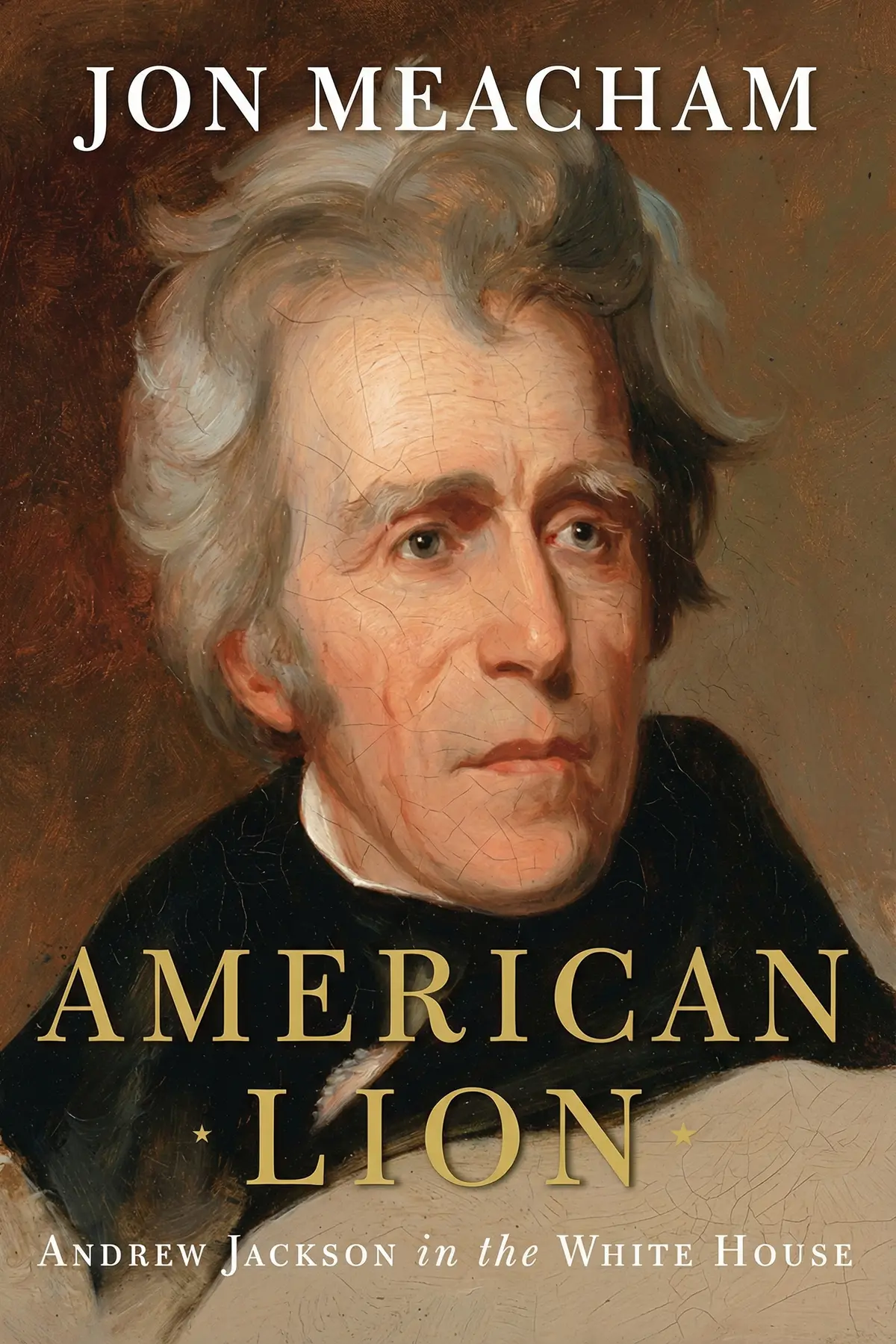
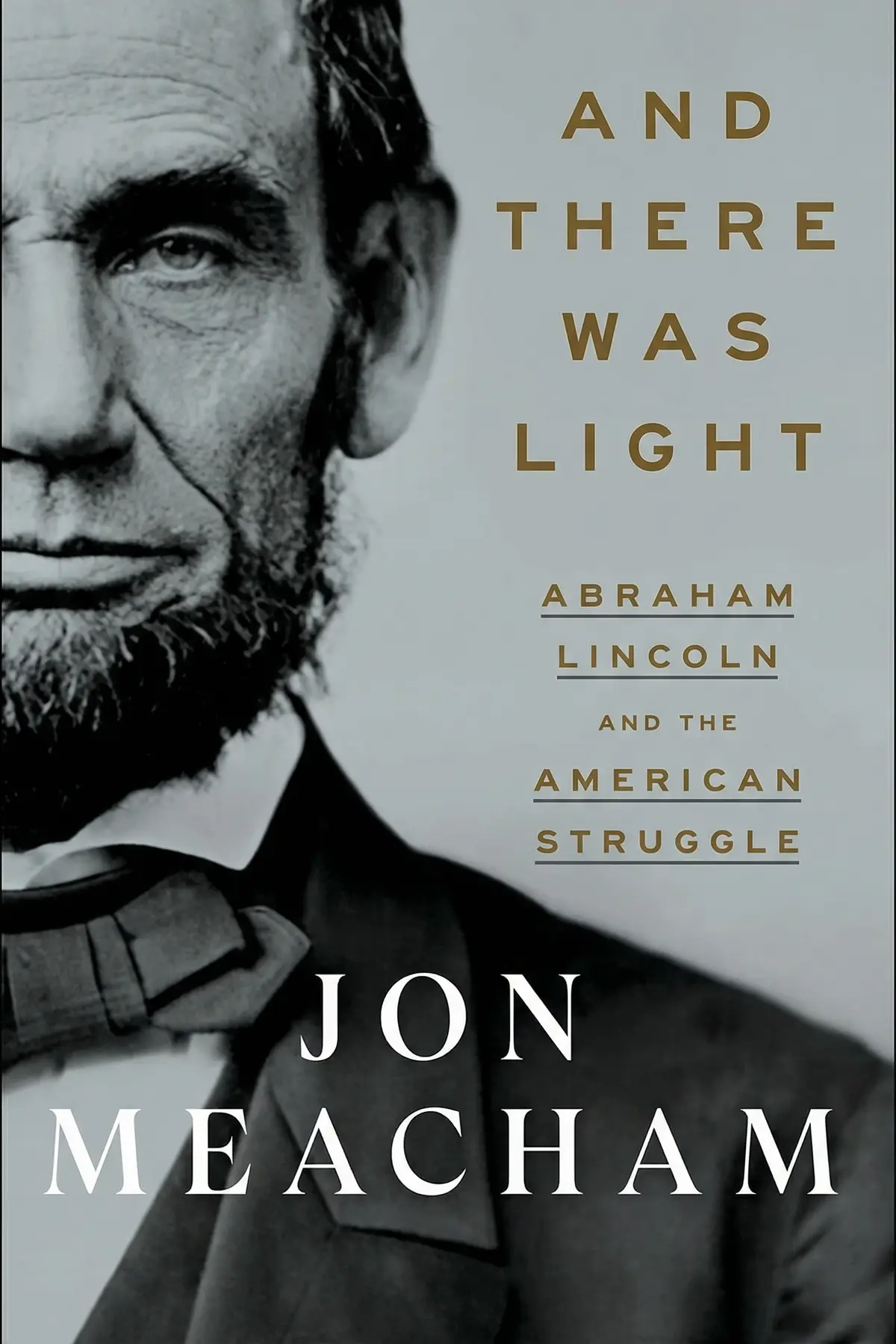
Jon Meacham is a highly acclaimed historian and a prolific writer of several New York Times bestsellers. His notable works include deep historical biographies such as Thomas Jefferson: The Art of Power and Destiny and Power: The American Odyssey of George Herbert Walker Bush. Meacham's scholarly excellence and narrative skill were recognized with the 2009 Pulitzer Prize for Biography or Autobiography for his work on Andrew Jackson, titled American Lion.
Ratings & Reviews
Ratings at a glance
What people think
Listeners find this work exceptionally accessible and value its deep historical expertise, with one listener praising its effective use of concise history lessons. The prose moves at a fast pace, and listeners describe the content as both stimulating and eye-opening, offering comfort during chaotic eras. This book provides a heartening overview of different periods throughout American history, while one review emphasizes its evenhanded perspective on the contemporary sociopolitical climate in America.
Top reviews
Adam
Meacham has a gift for making dense historical parallels feel incredibly urgent and accessible for the modern reader. This book serves as a powerful reminder that while our current political divisions feel unprecedented, the American experiment has survived far darker hours. From the rise of the KKK to the toxic rhetoric of McCarthyism, the author expertly navigates through eras where fear threatened to dismantle our democracy. His writing is quick-moving and thought-provoking, though he leans heavily on quotations to build his case for national resilience. I found the sections on Lyndon B. Johnson’s evolution regarding the Civil Rights Act to be particularly enlightening and deeply moving. It is a reassuring summary of our past that provides a much-needed sense of hope for our future.
Show moreNum
Does our current political climate feel like an unprecedented nightmare? Meacham argues convincingly that we have been here before, and his vast knowledge of history provides a soothing balm for the soul. The way he juxtaposes the 'better angels' of leaders like Lincoln against the 'menace' of populist demagogues is masterful and timely. Every chapter offers a brief history lesson that feels relevant to the news we see on our screens every single day. While some might find his optimism a bit naive given the depth of today's polarization, I walked away feeling far more grounded. It is a highly readable work that prioritizes the spirit of the nation over petty partisan bickering. Truly, this is essential reading for anyone worried about the direction of the country.
Show moreRin
After hearing so much about the 'Better Angels' of our nature, I finally understand the historical weight behind that specific phrase. Meacham takes us on a journey through the most tumultuous periods of American history, showing how leadership and public will converged to save the Union. The focus on women’s suffrage and the Civil Rights movement as victories of hope over fear was incredibly inspiring to read. It’s a book that demands reflection on what it means to be a citizen in a representative democracy during times of great stress. The writing style is brisk and engaging, making complex historical shifts feel like a compelling narrative rather than a dry textbook. This is a reassuring guide for anyone feeling overwhelmed by the vitriol of the current political landscape.
Show moreSofia
Finally got around to reading this and I must say it lives up to the hype as a necessary document for our times. Meacham’s ability to weave together the words of Lincoln, Douglass, and King creates a tapestry of American idealism that feels both fragile and resilient. It is a call to action as much as it is a history book, urging readers to enter the arena and fight for their better impulses. The chapter regarding the 1920s and the resurgence of nativism was especially eye-opening because the parallels to today are almost impossible to ignore. Truth is, we often forget how close we have come to the edge in the past, and this book prevents that dangerous amnesia. It’s a beautiful, well-written, and deeply patriotic work that doesn't shy away from our national sins.
Show moreAkosua
Wow. I was struck by how Meacham uses the 'rhymes of history' to show that our current struggles are part of a long-standing American tradition. The book is incredibly readable and doesn't require a PhD in history to follow the major themes of hope versus fear. I found the section on Eleanor Roosevelt’s influence particularly touching, as it highlighted the power of individual conscience in the face of widespread institutional indifference. Even when the subject matter gets dark, Meacham’s prose remains elegant and steady, never descending into the very anger he warns against. It is a thought-provoking look at the character of our nation and what it takes to keep a democracy functioning. Every thinking American should have a copy of this on their shelf right now.
Show moreAraya
Picked this up after seeing Meacham on a talk show and found the chapter on Joe McCarthy particularly chilling in its modern echoes. The author does an excellent job of using history to contextualize the fear-based politics that often dominate our national conversation. His prose is elegant and his research is clearly exhaustive, though the narrative can occasionally feel like a collection of loosely connected essays. I appreciated the focus on how imperfect presidents managed to rise above their own flaws to do the right thing when the nation required it. To be fair, the book is quite reactionary to the Trump era, which might alienate some readers looking for a more detached academic study. Despite that, the message of persistence and hope is one that stays with you long after you finish the final page.
Show moreRungrat
The Soul of America manages to be both sobering and uplifting at the same time, which is no small feat in this day and age. I loved how Meacham highlighted the role of 'gadflies' and activists who pushed presidents to be better versions of themselves during times of crisis. His analysis of Truman and Eisenhower was particularly interesting, as it showed how even middle-of-the-road leaders can facilitate massive social change. My only minor complaint is that the book is very focused on the presidency, sometimes overlooking the grassroots movements that were the real engines of progress. However, the overall message that we have survived the KKK and McCarthyism gives me a lot of perspective on our current troubles. It’s a fast, enlightening read that I would recommend to any history buff.
Show moreManika
Frankly, the sheer volume of footnotes and citations slowed down my reading pace, but the actual insights remained sharp and relevant. Meacham does an excellent job of summarizing the Reconstruction era, which is a period of history that many of us didn't learn enough about in school. He shows how the 'soul' of the country is constantly being contested by those who want to expand liberty and those who want to restrict it. While the book is clearly a response to the current administration, the historical lessons stand on their own as valuable pieces of scholarship. It’s a reassuring summary of darker days that helps put our modern anxieties into a much larger, more manageable context. I'm glad I read it, even if some of the connections felt a bit forced for the sake of the thesis.
Show moreAlejandra
As someone who regularly reads presidential biographies, I found this to be a bit of a mixed bag in terms of depth. Meacham is a brilliant historian, but this specific volume feels like it was rushed to print to capitalize on the current political moment. The sheer number of block quotes from other sources can be distracting and sometimes makes the author’s own voice feel secondary. It provides a decent overview of American struggles with race and extremism, but it lacks the deep analysis found in his work on Jefferson or Jackson. Personally, I found the tone a little too self-consciously noble at times, which made the historical lessons feel more like a sermon than a study. It is a quick read, yet I wanted more original insight and fewer recycled anecdotes from his previous books.
Show moreFelix
Not what I expected from a Pulitzer Prize-winning historian, as this felt more like a partisan editorial than a balanced history. Meacham seems to have cherry-picked specific events to fit a very narrow modern narrative while ignoring the complexities of the political left’s own historical failings. He spends a great deal of time on the 'politics of fear' on the right, but he glosses over the instances where progressives used similar tactics. The reliance on countless quotes from other historians makes the book feel like a research paper that was hastily assembled to meet a deadline. Frankly, if you are looking for a nuanced and impartial look at the 'soul' of the entire country, you won't find it here. It is one-sided and unfortunately reinforces the very divisions it claims to want to heal.
Show moreReaders also enjoyed
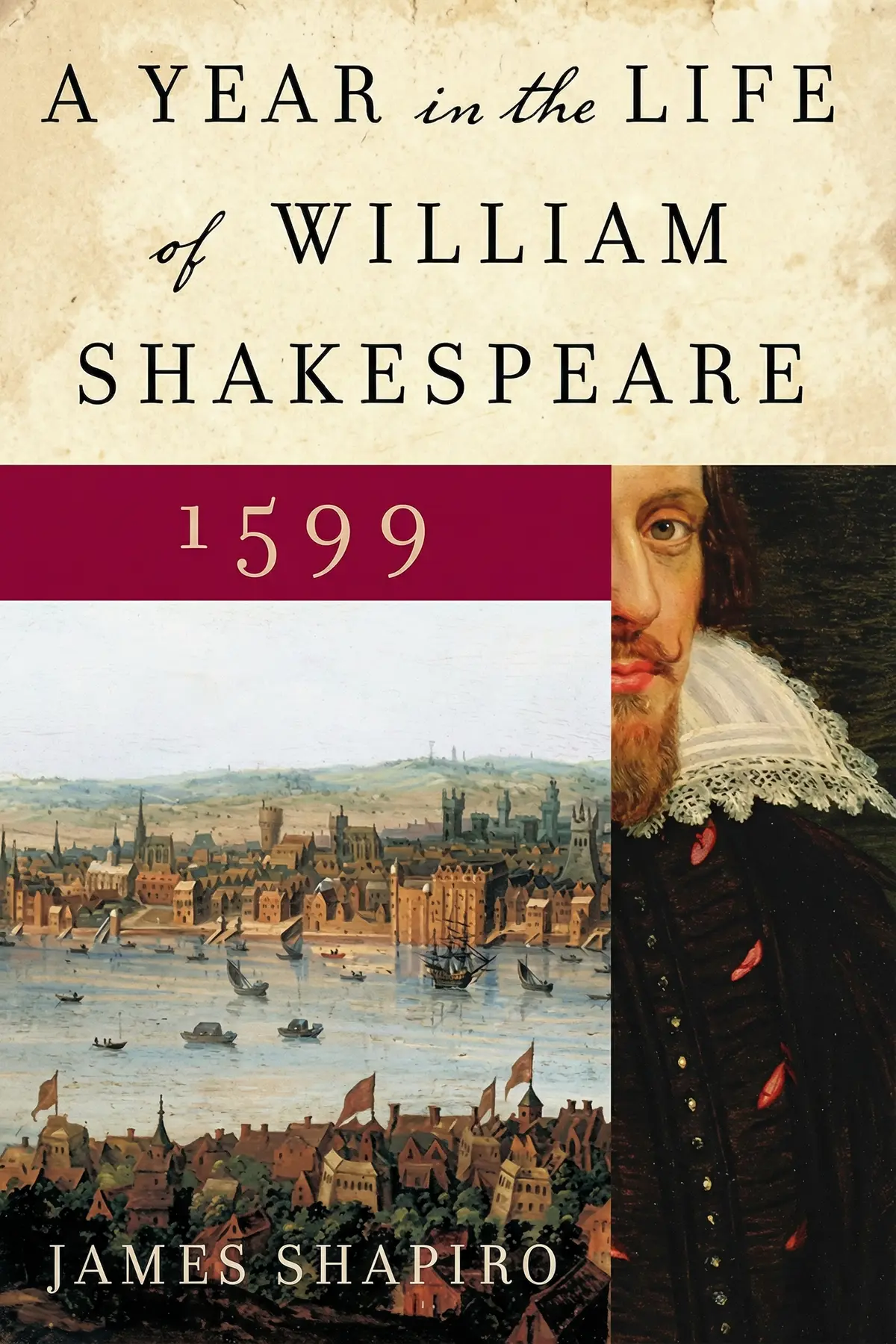
A Year in the Life of William Shakespeare: 1599
James Shapiro
A Warning
Miles Taylor
Agent Sonya: The Spy Next Door
Ben Macintyre
1491: New Revelations of the Americas Before Columbus
Charles C. Mann
Alexander Hamilton
Ron Chernow
AUDIO SUMMARY AVAILABLE
Listen to The Soul of America in 15 minutes
Get the key ideas from The Soul of America by Jon Meacham, plus 5,000+ more titles in English and Thai.
- 5,000+ titles
- Listen as much as you want
- 7-day free trial
- Cancel anytime







