

A Biography of Loneliness: The History of an Emotion
Fay Bound Alberti
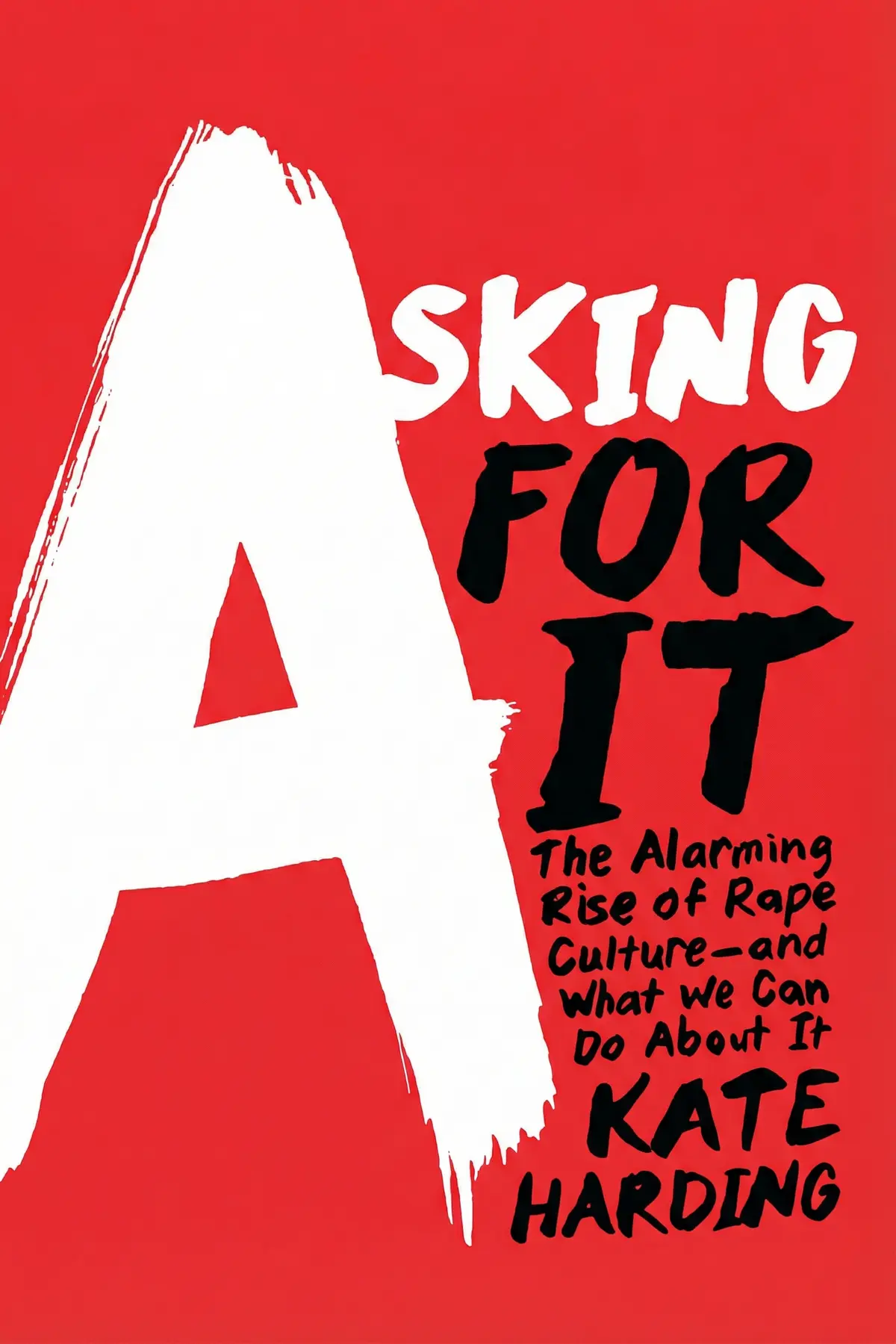
Explore the disturbing reality of rape culture in modern society. This summary breaks down how victim-blaming, institutional failures, and media portrayals perpetuate sexual violence and protect perpetrators.
1 min 55 sec
Imagine a world where the most heinous crimes are committed in broad daylight, yet the perpetrators walk free more than ninety percent of the time. If we were talking about theft, arson, or murder, the public outcry would be deafening. We would see headlines demanding the resignation of police chiefs and the overhaul of the entire judicial system. Yet, when it comes to sexual assault, this staggering lack of accountability is not just a statistical anomaly—it is our reality. In the United States today, less than seven percent of reported rapes lead to a criminal conviction. This means the vast majority of people who commit these acts never face a judge, let alone a prison cell.
But the problem isn’t just a failure of the law. It’s a failure of our collective imagination and our shared values. We live in what social scientists call a rape culture. This isn’t a term meant to suggest that everyone is a rapist, but rather that our society possesses a set of beliefs and behaviors that normalize, excuse, and even encourage sexual violence. It’s a culture where the burden of prevention is placed entirely on the potential victim, and where the first instinct of the community is often to protect the reputation of the accused rather than seek justice for the harmed.
Throughout this exploration, we are going to look at the mechanics of this system. We’ll see how victim-blaming operates in our courtrooms, how the media distorts our perception of consent, and why the institutions we trust to protect us—like the police and the legislature—often end up reinforcing the very violence they are supposed to prevent. Most importantly, we will look toward a different future. We’ll examine how a shift toward affirmative consent could dismantle these old, harmful patterns and create a society where everyone’s bodily autonomy is truly respected. This is a difficult journey into some of the darkest corners of our social fabric, but it is an essential one if we ever hope to bring about real change.
1 min 59 sec
Discover how the legal system and the public often shift the focus from the crime to the victim’s personal choices and identity.
2 min 07 sec
Explore why the safety tips given to women often fail to prevent assault and instead provide a basis for later blame.
1 min 55 sec
Understand the dark social dynamics where group assault is used to solidify male identity and exclude outsiders.
1 min 44 sec
Analyze how the attitudes of police officers can prevent justice and discourage victims from coming forward.
2 min 02 sec
Examine why the vast majority of sexual assault cases never make it to a courtroom and the role of jury bias in that failure.
1 min 53 sec
Learn how extremist rhetoric uses pseudoscience to categorize rapes into ‘real’ and ‘false’ based on the possibility of pregnancy.
1 min 47 sec
See how popular television shows and films blur the lines of consent, teaching audiences to overlook or excuse assault.
1 min 52 sec
Discover the ‘yes means yes’ movement and how it offers a healthier, clearer way to navigate sexual intimacy.
1 min 36 sec
As we have seen, the problem of sexual violence is not just a matter of individual ‘bad actors.’ It is a systemic issue that is woven into the very fabric of our society—from our courtrooms and police stations to our television screens and political rhetoric. We have built a world where it is easier to blame a victim for her clothing or her alcohol consumption than it is to hold a perpetrator accountable for his choices. We have allowed ourselves to be misled by biological myths and social rituals that prioritize male bonding over human safety.
However, the rise of the ‘yes means yes’ movement and the push for affirmative consent show that a different way is possible. We are beginning to realize that the ‘no means no’ standard was never enough, and that true justice requires a fundamental shift in how we view bodily autonomy. The solution lies in transparency, communication, and a refusal to look away from the uncomfortable truths of our culture.
If we want to end rape culture, we must start by changing the way we speak and think. The next time you hear a story about an assault, pay close attention to where you are placing your empathy. Are you wondering what she was wearing, or are you wondering why he felt entitled to her body? Are you worried about his future, or are you concerned for her healing? By consciously rejecting the impulse to blame the victim and by demanding a higher standard of consent in our own lives, we can begin to tear down the structures that protect rapists. It is a long road, but it is one we must walk together if we ever hope to live in a society where everyone is truly free to say ‘yes’ and safe to say ‘no.’
This summary dives deep into the systemic issues that define our current cultural climate regarding sexual assault. It moves beyond individual acts of violence to examine the broad social structures that make such violence possible—and even permissible—in the eyes of the public. By examining high-profile cases and legal statistics, the text reveals a world where victims are scrutinized for their clothing and behavior while perpetrators are often given the benefit of the doubt. You will learn about the terrifyingly low conviction rates for sexual crimes and the psychological rituals behind group violence. The summary also tackles the dangerous myths perpetuated by political extremists and the entertainment industry, showing how they warp our understanding of consent. Ultimately, this is a call to action for a fundamental shift in how we define and respect bodily autonomy, moving toward a culture of affirmative consent and accountability.
Kate Harding is an accomplished author and columnist whose work frequently addresses violence against women and cultural attitudes toward the female body. She has contributed her insights to publications like DAME Magazine and The Book of Jezebel. Additionally, she is the coauthor of Lessons from the Fat-o-Sphere, further establishing her as a significant voice in contemporary social and body-politics discourse.
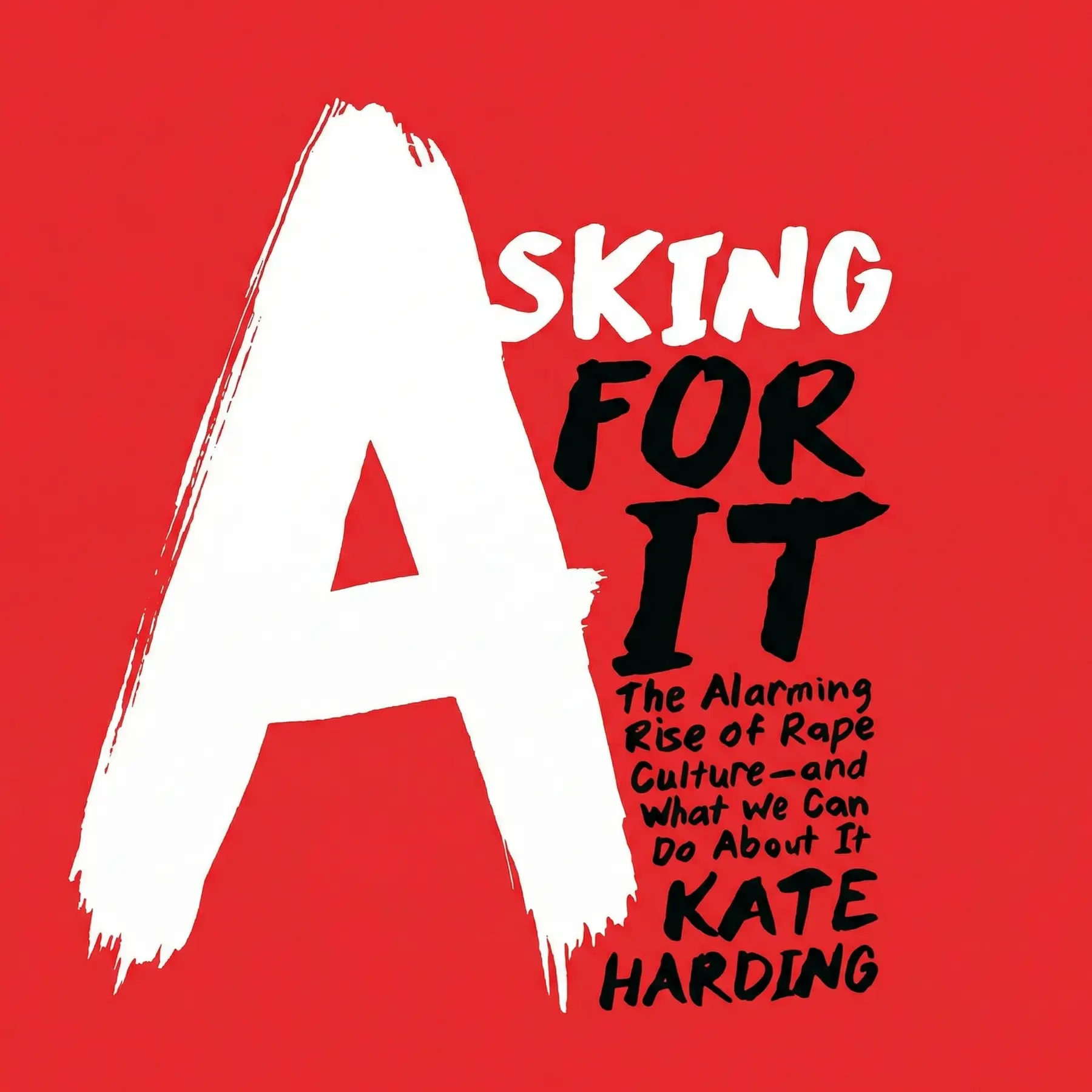
Listeners find this work informative and thoroughly documented, with one listener highlighting the extensive inclusion of statistics. They characterize it as an eye-opening resource that provides a great introduction to rape culture, and one listener mentions it's required reading for political science students. The writing is clear, compelling, and articulate, with one listener noting the author’s ability to approach the topic with wit. Listeners find the material deeply provocative, with one listener describing it as occasionally enraging.
Kate Harding has a way of making the most infuriating data points feel remarkably clear and urgent. This isn't just a collection of opinions; it is an incredibly well-researched deep dive into how our society handles—or fails to handle—sexual violence. I was particularly struck by the chapter on 'passive voice' in news reporting. It’s wild how we say 'a woman was raped' as if it’s something that just happened to her from the sky, like rain, rather than an act committed by another person. Harding’s wit and biting sarcasm make the heavy subject matter digestible, though you’ll still find yourself wanting to scream at the politicians quoted throughout. It really provides a necessary framework for understanding why we are so quick to doubt victims and so slow to punish perpetrators. This should be required reading for everyone, honestly.
Show moreI picked this up for a political science course, but it ended up being one of the most transformative books I’ve ever finished. The way Harding deconstructs the 'legitimate rape' comments from politicians is masterful. It’s terrifying to see those quotes lined up next to each other; it really highlights how pervasive this problem is at every level of government. The book is dense with statistics, yet it never feels like a dry textbook because the writing is so engaging and personal. She really tackles the 'gray areas' of consent that society loves to ignore, especially when it comes to relationship or 'date' rape. It makes you look at every news story and every 'rape joke' with a completely different lens. I finished it feeling angry, but also much better equipped to call out the bullshit when I see it in my daily life.
Show moreHarding’s biting sarcasm is the only thing that made getting through these horrific statistics bearable. She has this way of pointing out the sheer absurdity of victim-blaming that is both funny and deeply tragic. The examples she uses, from the star quarterback being protected by his town to the 'fly and the spider' defense used in court, are absolutely sickening. It really highlights how we treat rape as something that just 'happens' without a rapist actually being involved. I found her discussion on the 'passive voice' particularly brilliant. If nobody is actually doing the raping, how are we supposed to fix the safety issues? It’s a bold, unapologetic look at the myths we tell ourselves to keep the status quo comfortable. Every young person should read this before heading off to college.
Show moreThe timing of this read felt eerie, given how often we still hear public figures spout absolute nonsense about the 'biological' nature of male desire. Harding completely dismantles the idea that men are just 'irrational beasts' who can't control themselves. Frankly, it's one of the few books that actually defends men's capacity for decency while simultaneously holding them accountable for the culture they participate in. The breakdown of high-profile cases is handled with a lot of care, focusing more on the societal reaction than the graphic details. It's a very well-written, clear-eyed look at a systemic failure. I found myself highlighting almost every other page. If you want to understand why 'no' doesn't always seem to mean 'no' in the eyes of the law, you need to read this.
Show moreTo be fair, I expected this to be a dense, academic slog, but it's surprisingly accessible despite the heavy subject. Harding manages to handle the most enraging topics with a level of wit that keeps you turning the pages. The way she breaks down the 'asking for it' myths—from the clothes a woman wears to the amount she had to drink—is just devastating. It really exposes how much work our society does to protect the perpetrator's reputation over the victim's safety. I was especially moved by the stories of people who didn't even realize they had been raped until years later because they didn't fit the 'stranger in a dark alley' stereotype. This book is a powerful tool for anyone trying to navigate the complexities of modern sexual politics. Truly a must-read.
Show moreWow, this book absolutely shook my sense of self-awareness. There is a specific section about switching gender pronouns in stories of sexual assault that completely changed how I perceive 'consent.' I realized that I had been unknowingly holding men and women to entirely different standards of behavior, which is a hard pill to swallow when you think of yourself as a progressive person. The book is enraging and enlightening in equal measure. My only slight complaint is that some of the references feel a bit dated since it was published in 2015, but the core arguments about rape culture are, unfortunately, more relevant than ever. Harding’s voice is sharp, and she doesn't pull any punches when calling out the 'boys will be boys' mentality that still plagues our institutions. It’s a wake-up call I didn't know I needed.
Show moreEver wonder why we're so obsessed with 'personal responsibility' only when the victim is a woman? Harding takes a blowtorch to that double standard. The most chilling part for me was the section on how we treat male victims of assault. Society’s tendency to just brush those experiences aside because 'that doesn't happen' is a huge part of the problem she describes. Not gonna lie, this was a difficult read that made me feel quite hopeless at times. The chapters on how the media and pop culture fetishize violence are especially tough to get through. However, I appreciated that she included a final chapter on how to actually combat these patterns. It’s not just a list of problems; it’s a call to be a better bystander. A bit repetitive in the middle, but the message is too important to ignore.
Show moreLook, I thought I was an enlightened person until I read the chapter on consent and realized how many 'gray areas' I had actually internalized. This book is a gut-punch. It forces you to look at your own assumptions—like how we often excuse predatory behavior if the guy is popular or 'a good kid.' The research is extensive, and she covers everything from street harassment to the way the legal system handles (or mishandles) evidence. I did feel that the tone was a bit too snarky at points where a more serious approach might have worked better, but I can understand why the author is so frustrated. It's an exhausting topic. Despite that, the clarity of her arguments is undeniable. It’s a solid introduction to rape culture that manages to be both informative and incredibly provocative.
Show moreFinally got around to this after seeing it recommended on every feminist book list for the last decade. It lives up to the hype as an essential primer. Harding is excellent at connecting the dots between small, everyday interactions—like rape jokes or street harassment—and the larger culture of violence. The book is very statistics-heavy, which I appreciated because it makes her arguments much harder to dismiss. I think some readers might find the language a bit 'salty,' but given the subject matter, a bit of anger is entirely appropriate. It’s not a fun read by any means, but it is an enlightening one. It definitely makes you more aware of the fragility of our understanding of consent and how easily we let people off the hook for 'misunderstandings.'
Show moreWhile I recognize the importance of the subject matter, the execution felt a bit like a long-winded high school essay to me. The author relies very heavily on quoting other people's work and blog posts, which made it feel less like an original analysis and more like a compilation of things I’ve already read on the internet. I was expecting something more innovative or a fresh approach to the conversation around modern feminism, but it felt like a rehashing of well-known cases like Bill Cosby and the Missoula rapes. Truth is, if you’ve spent any time in feminist circles online, you won’t find much new information here. It’s a good primer for someone totally new to the concept of rape culture, but for me, it lacked the depth and personal insight I was hoping for. It just didn't quite land.
Show moreFay Bound Alberti
Daniel Goleman

Virginia Woolf
Tracy Rosenthal
Jessica Valenti

Johny Pitts
AUDIO SUMMARY AVAILABLE
Get the key ideas from Asking for It by Kate Harding, plus 5,000+ more titles in English and Thai.







