
20 min 06 sec
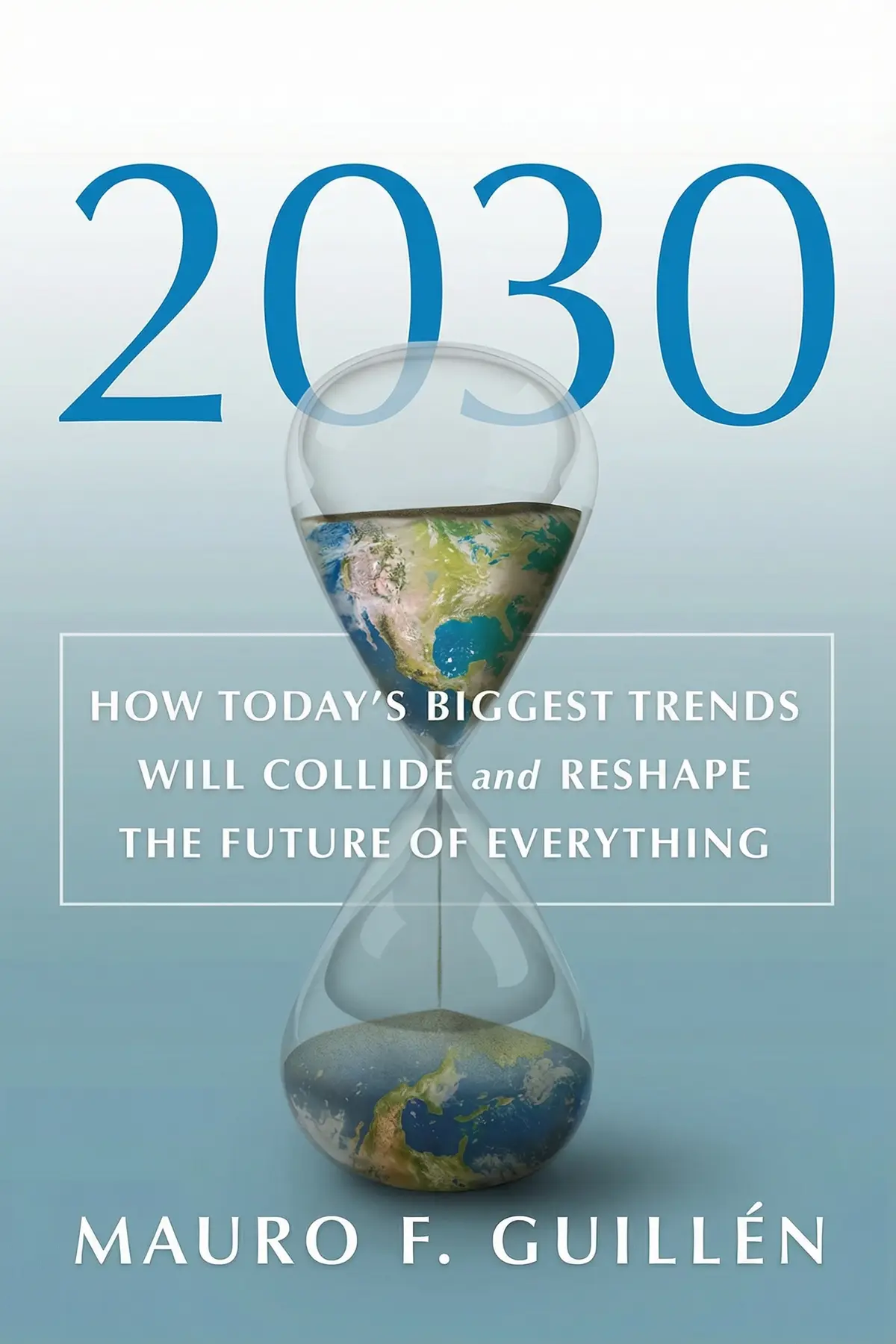
Autonomy: The Quest to Build the Driverless Car – And How It Will Reshape Our World
Autonomy explores the historical journey and future impact of self-driving technology, detailing how the transition from gasoline-powered ownership to autonomous, shared electric fleets will revolutionize our cities, safety, and daily lives.
Table of Content
1. Introduction
1 min 56 sec
Imagine, for a moment, the sights and sounds of a typical morning in any major city. You hear the persistent thrum of engines, the screech of tires, and the frustrated honking of horns. You see vast stretches of gray asphalt, miles of cars sitting motionless in traffic, and huge swaths of valuable land dedicated solely to the storage of empty vehicles. We have lived this way for so long that we often fail to recognize the sheer absurdity of it. Our current relationship with the automobile is, in many ways, a form of collective madness—one that compromises our safety, drains our wallets, and damages our planet.
But the era of the human-driven, gasoline-guzzling machine is reaching its sunset. We are standing on the threshold of a revolution that will be as impactful as the shift from the horse and buggy to the Model T. This is the story of the quest for autonomy—the pursuit of self-driving vehicles that promise to solve the very problems the modern car created. It is a journey that takes us from the desolate sands of the Mojave Desert to the high-tech laboratories of Silicon Valley and the industrial heart of Detroit.
In this exploration, we aren’t just looking at a new piece of technology; we are looking at a total reimagining of human mobility. We will see how a handful of dreamers, roboticists, and engineers challenged the status quo to build a future where transportation is a seamless, shared service rather than a burdensome possession. As we move through this narrative, we will uncover the technical breakthroughs that made driverless cars possible and the profound societal shifts that will occur once we finally take our hands off the wheel and let the machines lead the way. The road ahead is radically different from the one we’ve been traveling, and it starts with understanding why the old model is destined to fail.
2. The Hidden Inefficiency of Our Current Transport Model
2 min 31 sec
Discover why the modern car is a masterpiece of wasted potential, from its energy consumption to its massive physical footprint on our environment.
3. The Sparks of Innovation and the Call for Change
2 min 26 sec
Explore the personal experiences and global tragedies that motivated visionary leaders to seek a better way to move people across the globe.
4. The Mojave Desert: A Crucial Proving Ground
2 min 28 sec
See how a high-stakes robot race in the desert transformed a group of ragtag engineers into the pioneers of the driverless future.
5. Mapping and Sensing: Teaching Machines to See
2 min 20 sec
Understand the technical breakthroughs in machine learning and sensor technology that allow autonomous vehicles to navigate a complex world.
6. The Cultural Collision Between Detroit and Silicon Valley
2 min 19 sec
Witness the fascinating clash and eventual merger of two worlds: the traditional auto industry and the disruptive forces of modern tech.
7. From Complexity to Simplicity: The Electric Shift
2 min 11 sec
Learn how the move toward electric propulsion is simplifying car design and paving the way for a more affordable autonomous future.
8. The End of Ownership and the Rise of On-Demand Mobility
2 min 09 sec
Imagine a world where you never have to worry about parking or insurance again, as transportation transforms into a seamless, shared service.
9. Conclusion
1 min 46 sec
As we look back at the history of the automobile, we see a century defined by a brilliant but flawed invention. We have built our world around the internal combustion engine, and in doing so, we have accepted a high price in terms of lives lost, environmental damage, and wasted resources. But as we have explored, a new chapter is being written. The quest for autonomy, born in the desert and refined in the laboratories of the world’s most innovative companies, is finally nearing its goal.
We are moving toward a future where the ‘driver’ is an algorithm that never gets tired, never gets distracted, and never gets angry. We are moving toward a world where transportation is a clean, shared, and affordable utility. This shift will do more than just change how we get from point A to point B; it will rewrite the blueprint of our cities and our daily lives. Imagine the time we will gain back when we are no longer tethered to a steering wheel. Imagine the lives that will be saved and the air that will be cleared.
The transition won’t happen overnight, and it will require us to rethink our deeply held beliefs about status and ownership. But the logic of autonomy is undeniable. It is a more efficient, safer, and more human way to move. As we wait for this technology to fully mature, the best thing we can do is stay informed and open to the change. We can support policies that favor public transit and sustainable infrastructure, preparing our communities for the day when the last human-driven car is parked for good. The revolution is coming, and it promises to give us back something we’ve been losing for a long time: our freedom to simply enjoy the journey.
About this book
What is this book about?
For over a century, the internal combustion engine has defined human movement, but it has come at a staggering cost. Autonomy investigates the limitations of our current automotive culture—marked by inefficiency, pollution, and danger—and presents a compelling roadmap for a radical shift. The book chronicles the high-stakes races in the Mojave Desert that birthed modern robotics and the unlikely alliance between the industrial grit of Detroit and the software-driven ambition of Silicon Valley. Listeners will gain a deep understanding of why the era of private car ownership is nearing its end. By moving toward a model of autonomous, on-demand mobility, we can reclaim our time, our urban spaces, and our environment. This isn't just a story about technology; it’s a vision of a world where transportation is safer, cheaper, and more sustainable for everyone. The promise is clear: a fundamental transformation of the way we live and move.
Book Information
About the Author
Lawrence D. Burns
Lawrence D. Burns was the corporate vice president of research, development, and planning at General Motors, where he directed advanced technology programs from 1998 to 2009. Following his tenure at GM, he shared his expertise as a professor of engineering practice at the University of Michigan from 2010 to 2016. Burns has also played a pivotal role in the tech industry as an advisor to the Google self-driving car project, which evolved into Waymo. He currently resides in Franklin, Michigan.
Ratings & Reviews
Ratings at a glance
What people think
Listeners find the book thoroughly fascinating and accessible, offering in-depth details about autonomous vehicles and their historical background. Furthermore, the narrative is quite gripping, with one listener remarking that it unfolds like an adventure story. The book also presents a compelling look at self-driving technology, with one review specifically noting the way it covers the DARPA self-driving challenge. Nevertheless, the prose and the level of insight provided draw varied opinions from listeners.
Top reviews
Chan
Ever wonder how we actually got to the point where cars can drive themselves? Burns delivers a narrative that feels more like a high-stakes adventure than a dry business text, tracing the journey from the dusty DARPA races to the sleek tech offices of Mountain View. I was particularly gripped by the stories of the early Stanford and Carnegie Mellon teams. It’s fascinating to see how the 'Chauffeur' project evolved under the radar. While some parts dive deep into corporate strategy, the human drama behind the engineering hurdles kept me turning pages. This isn't just about robots; it's about the visionaries who refused to listen to the skeptics in Detroit. If you want to understand the future of mobility, this is the definitive account of the movement.
Show moreSamroeng
Wow. This book completely changed how I view my daily commute. Burns makes a passionate case for why the 'personal car' model is dying, citing the staggering 1.3 million global roadway fatalities as a primary reason for change. The statistics about how much energy is wasted just to move a single driver are eye-opening. I loved reading about the rivalry between Sebastian Thrun and Chris Urmson; it added a personal dimension to the technical milestones. The vision of an on-demand, 20-cent-per-mile taxi service sounds like a dream. It’s rare to find a book that manages to be this informative while still maintaining the pace of a thriller. Truly excellent work for anyone curious about the intersection of AI and daily life.
Show moreNongnuch
The chapter on the 2007 Urban Challenge is worth the price of the book alone. You can practically feel the tension as those massive trucks navigate mock city streets autonomously. Burns captures the sheer audacity of those early engineers who were patching code on the fly during trials on El Camino Real. It’s an inspiring look at how a few 'frikis' managed to disrupt a century-old industry. This isn't just a book about cars; it’s about the intersection of AI, policy, and human perseverance. I found the arguments for environmental benefits and the reduction of 'asphalt heat islands' particularly compelling. A must-read for anyone in the tech space who wants to see how the sausage is made.
Show moreTippawan
As someone who has followed the tech industry for years, I found this insider look at the birth of Waymo absolutely indispensable. Lawrence Burns bridges the massive cultural gap between the old-school automotive world of Detroit and the disruptive energy of Silicon Valley. To be fair, the prose can be a bit workmanlike at times, but the sheer volume of firsthand information makes up for any lack of literary flair. He doesn't shy away from the friction between GM's traditional models and Google's radical approach to autonomous transport. The details about the 2004 DARPA Grand Challenge provided a great foundation for everything that followed. It's a solid four-star read for anyone interested in how AI is fundamentally reshaping our infrastructure and the way we move.
Show moreManika
Not what I expected, but in a good way. I thought this would be a dry technical manual, but it’s actually a compelling history of a revolution. The chapter on the Big Sur trial was a highlight—imagining those early prototypes navigating cliffs is terrifying! Burns explains the 'drive by wire' transition in a way that makes sense even if you aren't a mechanic. It's wild to think how much the industry laughed at Google in the beginning, only to be left scrambling a few years later. My only gripe is that the book drags slightly when discussing specific business deals and consulting reports. Still, it’s a vital read for understanding why our roads are about to look very different in the next decade.
Show moreLuke
After hearing so much about Tesla's Autopilot, I wanted to see the other side of the story. Burns provides a sobering look at why Google took such a different, more cautious path compared to Elon Musk's approach. The anecdote about the test driver falling asleep for nearly half an hour at 60 mph is a chilling reminder of why 'Level 3' autonomy is so dangerous. The book does a great job explaining the importance of Lidar and mapping without getting bogged down in incomprehensible jargon. Truth is, the middle sections regarding GM’s internal politics got a little sluggish for my taste. However, the overall historical context of the Urban Challenge makes it worth the investment for any tech enthusiast.
Show moreEli
Finally got around to reading this, and the timeline of events is masterfully handled. Starting with the 2004 DARPA race was a smart move—it sets the stakes immediately. You really get a sense of the 'cowboy' era of self-driving tech before the big money moved in. I appreciated the specific mentions of the 2011 Chrysler commercials mocking the concept; it shows just how much the narrative has shifted in less than a decade. The author's personal journey from Detroit to Silicon Valley adds a layer of credibility that a standard journalist might lack. It’s a long read, and some sections feel like a victory lap for the author, but the insights into the inner workings of Waymo are unparalleled.
Show moreThida
Look, if you can get past the occasional corporate jargon and the author’s tendency to reminisce about his GM days, there is a brilliant story here. The transition from the 'Chauffeur' project to Waymo is the core of the book, and it’s told with the authority of someone who was actually in the room. I enjoyed the bits about the software learning to distinguish between a cyclist and a person carrying a large canvas. Those are the kinds of details that show just how complex this 'quest' really is. The book is definitely anti-gasoline, which might ruffle some feathers, but his data on safety is hard to argue with. A solid, thought-provoking read that stays relevant long after you finish it.
Show moreStella
Picked this up hoping for a deep dive into the software, but it felt more like a memoir of corporate consulting. Frankly, the author spends a lot of time patting himself on the back for his role at GM and his later advisory work. There is definitely good information here regarding the DARPA years and the transition to Google, but you have to wade through a lot of fluff to find it. The writing is just adequate; it often repeats the same points about how inefficient personal car ownership is. I agree with his vision of a safer, electric future, but the book could have used a much tighter edit to remove the repetitive 'yada yada' about parking lots and fuel efficiency. It’s okay, but a bit dry for my taste.
Show morePriya
This book is a bit of a mixed bag for me. On one hand, the history of the Carnegie Mellon robotics lab is fascinating and well-documented. On the other hand, the author's tone can be quite dismissive of anyone who actually enjoys driving. He goes on and on about the inefficiencies of gasoline cars, which feels a bit ironic coming from a former GM executive. I was also hoping for more detail on the actual neural networks involved, but the focus remains largely on the business and project management side. It’s an informative read if you want the 'who' and 'when,' but maybe less so if you want the 'how' from a technical standpoint. Decent, but flawed in its execution.
Show moreReaders also enjoyed

AUDIO SUMMARY AVAILABLE
Listen to Autonomy in 15 minutes
Get the key ideas from Autonomy by Lawrence D. Burns, plus 5,000+ more titles in English and Thai.
- 5,000+ titles
- Listen as much as you want
- 7-day free trial
- Cancel anytime







