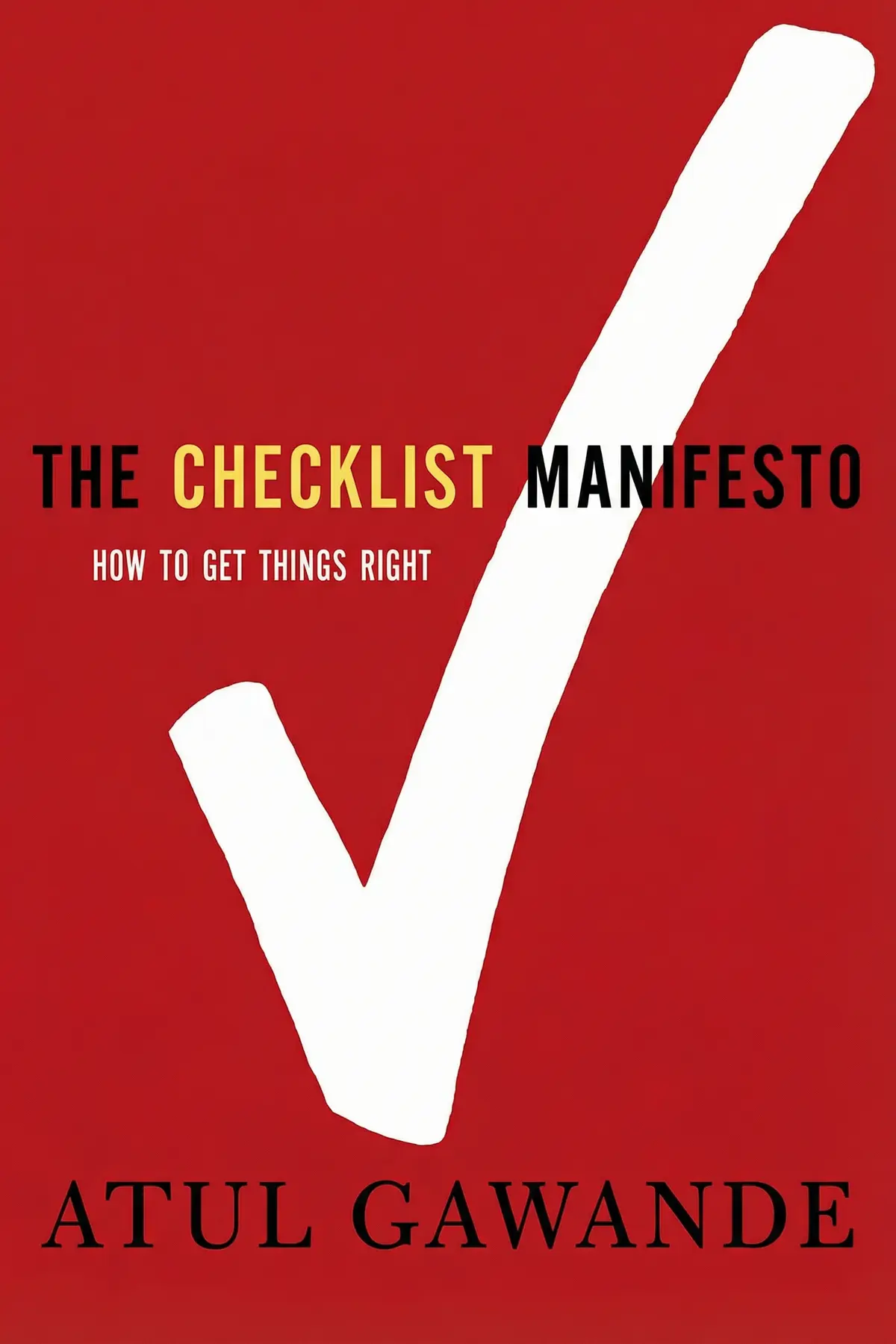
The Checklist Manifesto: How to Get Things Right
Atul Gawande
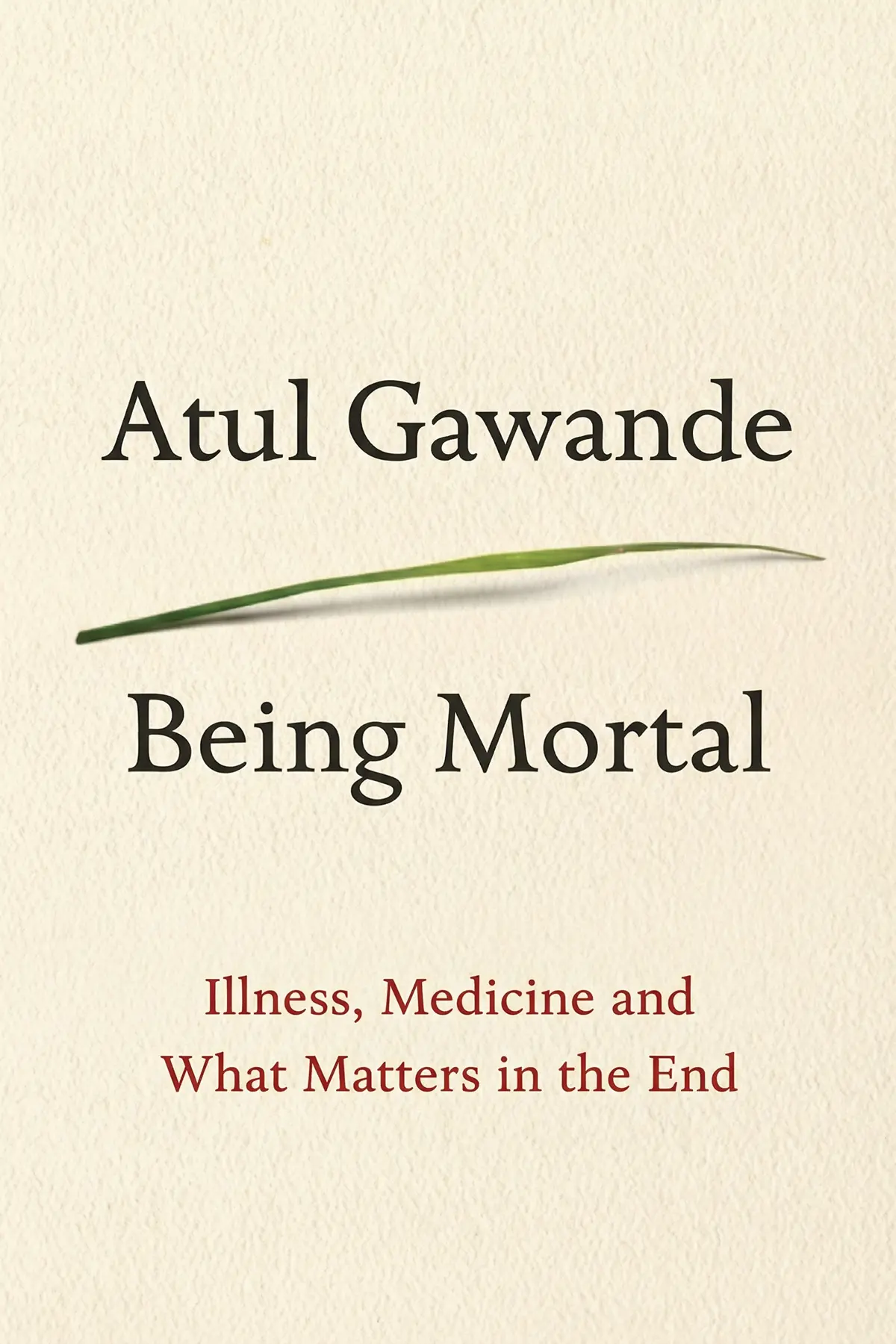
Atul Gawande examines the intersection of aging, medicine, and mortality, arguing for a healthcare system that prioritizes a patient’s quality of life and personal autonomy over the simple prolongation of biological existence.
1 min 43 sec
There is an old saying that death and taxes are the only certainties we face, yet we spend significantly more time preparing for our financial obligations than we do for our inevitable physical decline. In the modern era, medical breakthroughs have done something miraculous: they have pushed back the boundaries of death, allowing us to live far longer than any previous generation. However, this progress comes with a hidden cost. We have successfully traded quick, often premature deaths for a protracted period of frailty and medical management.
What does it mean to live well when the body begins to fail? For many, the answer is found in hospitals and nursing homes where the primary goal is safety and biological survival, often at the expense of everything else that makes life meaningful. This exploration is not just about the end of life, but about how we treat the elderly and the terminally ill. It challenges the notion that medicine’s only job is to fix things. Sometimes, the goal isn’t to fix, but to support a life that is still worth living.
As we navigate this throughline, we will see how the institutionalization of aging has stripped away independence and why we must reclaim the narrative of our own final chapters. We will look at the history of how we die, the psychological shifts that occur as our horizons narrow, and the critical conversations we must have with our families and doctors before it is too late. The journey toward our end is unavoidable, but how we experience that journey is something we still have the power to influence. By understanding the limitations of medicine and the importance of human dignity, we can find a way to make being mortal a more humane and even purposeful experience.
2 min 08 sec
Aging is not a single event but a gradual process of systemic failure that eventually compromises our ability to live independently.
2 min 12 sec
The location of death has shifted from the family home to the sterile environment of the hospital, fundamentally changing our final experiences.
2 min 18 sec
Even as our physical capabilities diminish, the desire to control our own lives and maintain meaningful connections remains a fundamental human drive.
1 min 57 sec
Institutional care often prioritizes safety and routine over the dignity and psychological well-being of the residents.
1 min 58 sec
In our desire to prolong life at all costs, we often ignore the suffering caused by aggressive medical interventions in terminal cases.
2 min 10 sec
New models of elder care, such as the Eden Alternative and assisted living, demonstrate that life can still be vibrant and meaningful in our final years.
2 min 04 sec
Openly discussing our end-of-life preferences with family and doctors is the only way to ensure our wishes are respected when we can no longer speak for ourselves.
1 min 40 sec
In the end, the challenge of being mortal is not something that medicine can solve for us. It is a fundamental part of the human condition that we must each navigate. As we have seen, the advance of medical technology has provided us with longer lives, but it has also created a world where the end of life is often clinical, lonely, and devoid of autonomy. To fix this, we need more than just better drugs or more efficient hospitals; we need a fundamental shift in our values. We must move away from a culture that views death as a failure and instead see it as a natural conclusion that deserves respect and dignity.
The throughline of this journey is the persistent importance of the human spirit. Whether it is through the creation of more humane living environments, the courage to have difficult conversations with our doctors, or the wisdom to know when to stop fighting a losing battle, our goal should always be to preserve the individual’s sense of self. We must remember that at the end of our lives, we are still the same people we were in our youth, with the same need for purpose, connection, and control.
As you move forward from this summary, take the time to consider your own priorities. Talk to your loved ones about what makes your life worth living and what trade-offs you would be willing to make. Don’t wait for a medical crisis to define your path. By embracing our mortality and planning for our decline, we don’t just prepare for death; we ensure that we are living as fully as possible right up until the very end. The final chapter of your life is still your story to write.
Being Mortal explores the difficult reality that modern medicine has transformed the end of life into a clinical experience rather than a human one. As medical advancements allow us to survive conditions that were once fatal, the period of decline associated with aging has become longer and more complex. Atul Gawande argues that our current medical institutions are often ill-equipped to handle the emotional and psychological needs of the elderly and the terminally ill. The book serves as a call to action for both the medical profession and society at large. It encourages a shift from a paternalistic model of care to an interpretive one, where the focus is on understanding what makes life worth living for each individual. By discussing the history of elder care, the failures of nursing homes, and the promise of hospice and assisted living, Gawande offers a roadmap for a more dignified and compassionate approach to our final chapters. The promise of the book is that by confronting our mortality, we can ensure our final days are defined by meaning rather than just medical intervention.
Atul Gawande is a doctor, author, researcher and professor at the Harvard School of Public Health. He has written three other books, Complications (2002), Better (2007) and The Checklist Manifesto (2009).
Atul Gawande
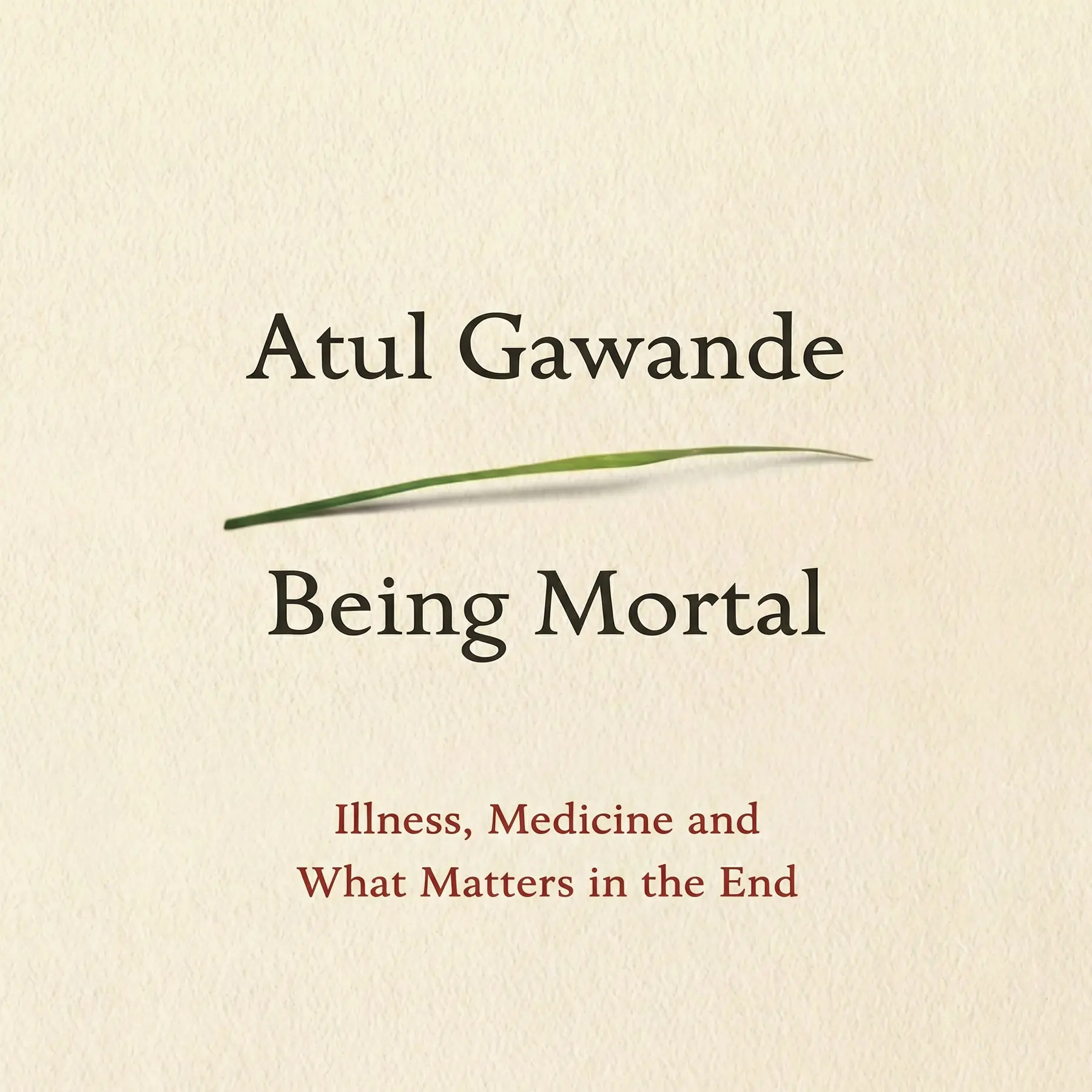
Listeners find this work to be an essential read that is deeply researched and written in clear, accessible English, offering a much-needed outlook on life’s decisions. They view it as a poignant and stimulating book that provides excellent guidance, with one listener mentioning how it prompts reflection on life and death. It is particularly suggested for individuals with elderly parents and medical professionals, and listeners value its useful suggestions and compassionate stories.
Wow. This book hit me like a freight train, especially the sections where Gawande discusses his own father’s decline. We live in a culture that treats aging as a medical failure to be solved rather than a natural part of the human experience. Gawande writes in such clear, plain English that even the most complex ethical dilemmas feel deeply personal and urgent. I found the stories about the 'three plagues'—boredom, loneliness, and helplessness—to be incredibly moving. It changed how I view the role of medicine. It is not just about making sure a heart keeps beating; it is about ensuring that the person inside that body still has a reason to wake up in the morning. Frankly, if you have parents over the age of sixty, you need to buy this today. It provides the vocabulary for the most difficult conversations you will ever have.
Show moreAs a nurse, I think this should be mandatory reading for every medical student and healthcare professional in the country. Gawande highlights the terrifying reality that the number of certified geriatricians is actually falling even as our elderly population explodes. We are trained to fix things, but as this book points out, sometimes there is nothing left to fix. The anecdote about Bill Thomas introducing parakeets and dogs into a nursing home to fight resident apathy was a revelation. It proves that quality of life often comes down to the smallest things, like having something to care for. The writing is empathetic and never feels condescending. It’s a brave look at the limitations of my profession and a reminder that 'hope is not a plan.' This book is a gift to anyone trying to navigate the messy, painful, and beautiful end of a life.
Show moreFinally got around to reading this, and it’s easily the most important book on my shelf right now. The way Gawande explains the 'football and chocolate ice cream' test for quality of life is something I will never forget. It’s a simple but profound way to determine what makes life worth living when the end is near. This isn't just a book about death; it’s a book about how to live well until the very last moment. The author’s transition from a surgeon focused on 'repair' to a son focused on his father’s comfort is beautifully told. I loved the emphasis on shared decision-making. It’s a must-read that provides a desperately needed perspective on life choices. Seriously, do not wait until you are in the hospital waiting room to read this. Start it now while you still have the luxury of time and clear thought.
Show moreTruth is, we avoid the 'death talk' because we are terrified, but this book makes that conversation feel manageable. Gawande argues that we often inflict therapies on people that actually shorten their lives and increase their suffering because we don't know how to stop. This hit home for me. The sections on hospice care were eye-opening, especially the fact that hospice is a philosophy of care rather than a specific building. I appreciated the empathetic anecdotes about real people making impossible choices. The writing is incredibly polished and the pacing is perfect for such a heavy subject. It’s an emotionally moving book that offers practical recommendations for anyone facing their own mortality or that of a loved one. I’ve already bought three extra copies to give to friends who are struggling with aging parents.
Show morePicked this up because my mother is starting to struggle with her independence, and I was feeling completely overwhelmed by the options. Gawande’s exploration of the transition from being merely elderly to being 'frail' helped me understand exactly what she is going through. The book is a masterpiece of plain-English communication. It takes the fear out of the unknown and replaces it with a framework for making choices based on what the person actually values. I loved the story about the parakeets in the nursing home; it was a rare moment of humor in an otherwise serious book. This is a must-read for any adult child. It’s compassionate, well-written, and provides the kind of advice that actually changes lives. It has completely shifted my perspective on what 'good' care looks like for the elderly.
Show moreThe description of the 'three plagues' of nursing homes—boredom, loneliness, and helplessness—completely changed how I view elder care. Gawande has written a book that is both a scathing critique of modern medicine and a gentle guide to a better way of dying. It is rare to find a book that is so thoroughly researched yet so easy to read. I found myself highlighting entire pages. The core message is that we should be asking patients what they want for their lives, not just what they want for their bodies. It’s a thought-provoking and emotionally moving journey that everyone should take. Whether you are a healthcare professional or just someone who expects to grow old one day, this book is essential. Gawande is a gifted storyteller who handles a taboo subject with incredible dignity and clarity. Simply a brilliant piece of work.
Show moreAtul Gawande has a way of making complex medical ethics feel accessible to someone with zero science background. I specifically appreciated his breakdown of the three types of doctors: the paternalistic, the informative, and the interpretative. It made me realize why I’ve felt frustrated with past medical visits where I was just given a list of risks without any guidance. The book is thoroughly researched and provides a much-needed perspective on how we have medicalized old age to the point of cruelty. To be fair, some of the historical sections on the evolution of poorhouses into nursing homes felt a bit slow compared to the patient anecdotes. However, the practical advice regarding hospice and end-of-life choices is invaluable. It’s a thought-provoking read that manages to be both clinical and deeply empathetic. I’ll be recommending this to my siblings as we navigate my mother’s healthcare.
Show moreEver wonder why we treat old age like a disease to be cured rather than a stage of life to be lived? This book explores that question with grace and rigorous research. Gawande is a fantastic writer who avoids medical jargon, making the content feel like a long, honest conversation with a wise friend. I was fascinated by the contrast between how his grandfather died in India versus the institutionalized deaths common in the West. It made me think deeply about my own independence and when I might be willing to trade safety for autonomy. My only minor gripe is that the book focuses very heavily on the American healthcare system, which might not be as relevant for international readers. Still, the emotional core of the book is universal. It’s a thought-provoking look at what it means to be mortal in a world that wants us to live forever.
Show moreFrankly, the middle section of this book dragged for me with its heavy focus on the policy and history of assisted living facilities. I appreciated the author’s intent, but I found myself skimming those parts to get back to the personal stories. However, the final chapters are absolutely haunting and beautiful. Gawande’s honesty about his own mistakes as a young surgeon is refreshing. He doesn't pretend to have all the answers, but he asks the right questions. The book is definitely well-researched, though it feels a bit academic in places. It’s a solid 3.5 stars rounded down because I felt the tone was a bit inconsistent. If you can get through the drier bits, the emotional payoff and the advice on how to talk to your doctor are well worth the effort. It's a heavy read, so be prepared.
Show moreNot what I expected. While I understand the importance of the topic, I found the book to be overwhelmingly depressing and somewhat repetitive. The author spends a lot of time on the history of institutionalized care, which felt more like a textbook than the 'moving memoir' described in some blurbs. To be honest, I was looking for more practical checklists and less philosophical wandering about the nature of mortality. The stories about patients dying in ICU rooms hooked up to machines are heartbreaking, but after the third or fourth example, I felt the point had been made. It’s clearly well-written and researched, but it was a struggle for me to finish. I think this is better suited for someone currently in the middle of a family crisis rather than a casual reader looking for a general health book.
Show moreAUDIO SUMMARY AVAILABLE
Get the key ideas from Being Mortal by Atul Gawande, plus 5,000+ more titles in English and Thai.