
17 min 47 sec
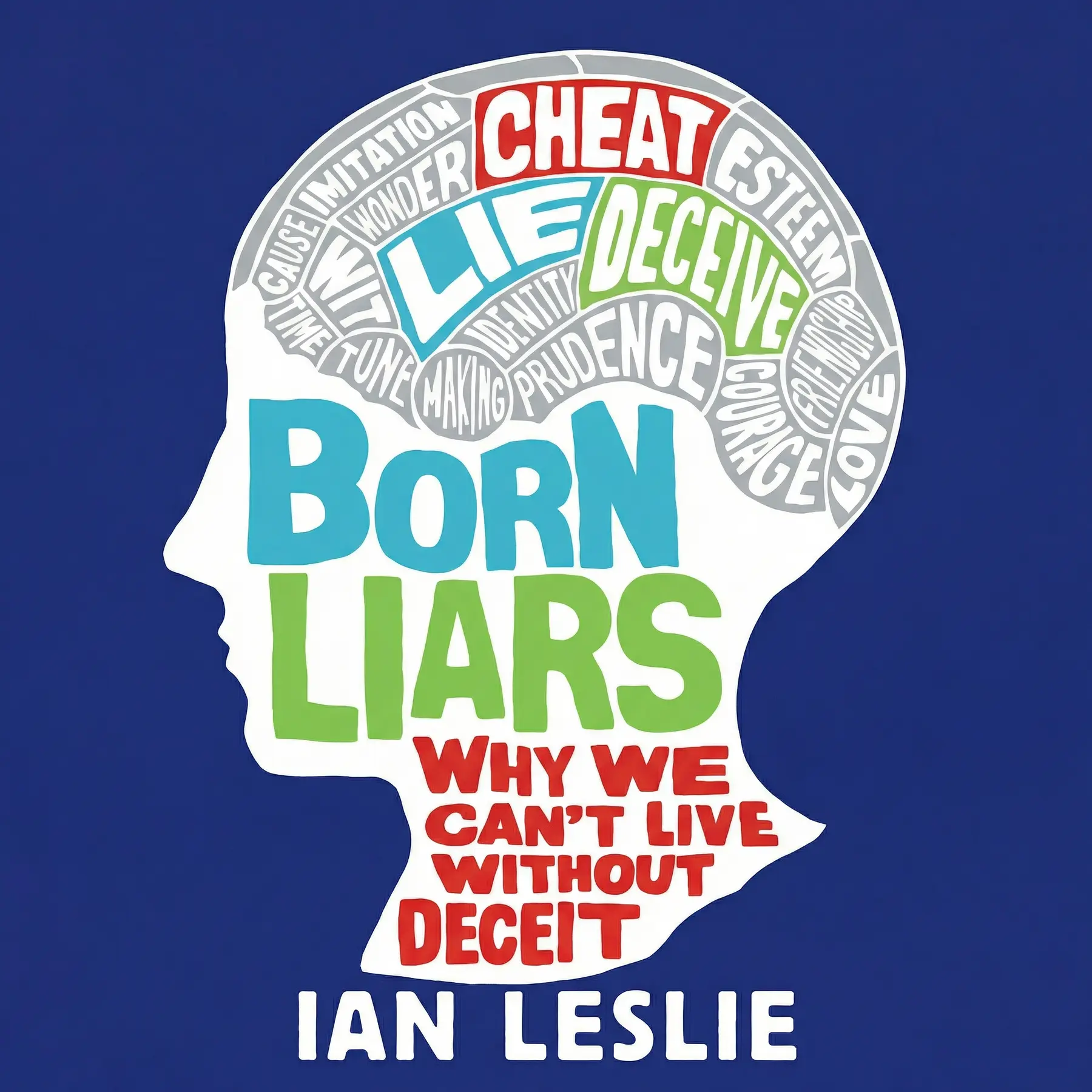
Born Liars: Why We Can’t Live Without Deceit
By Ian Leslie
Born Liars explores the evolutionary and psychological roots of deception. It reveals how lying is not just a moral failing but a fundamental human skill essential for social survival and mental health.
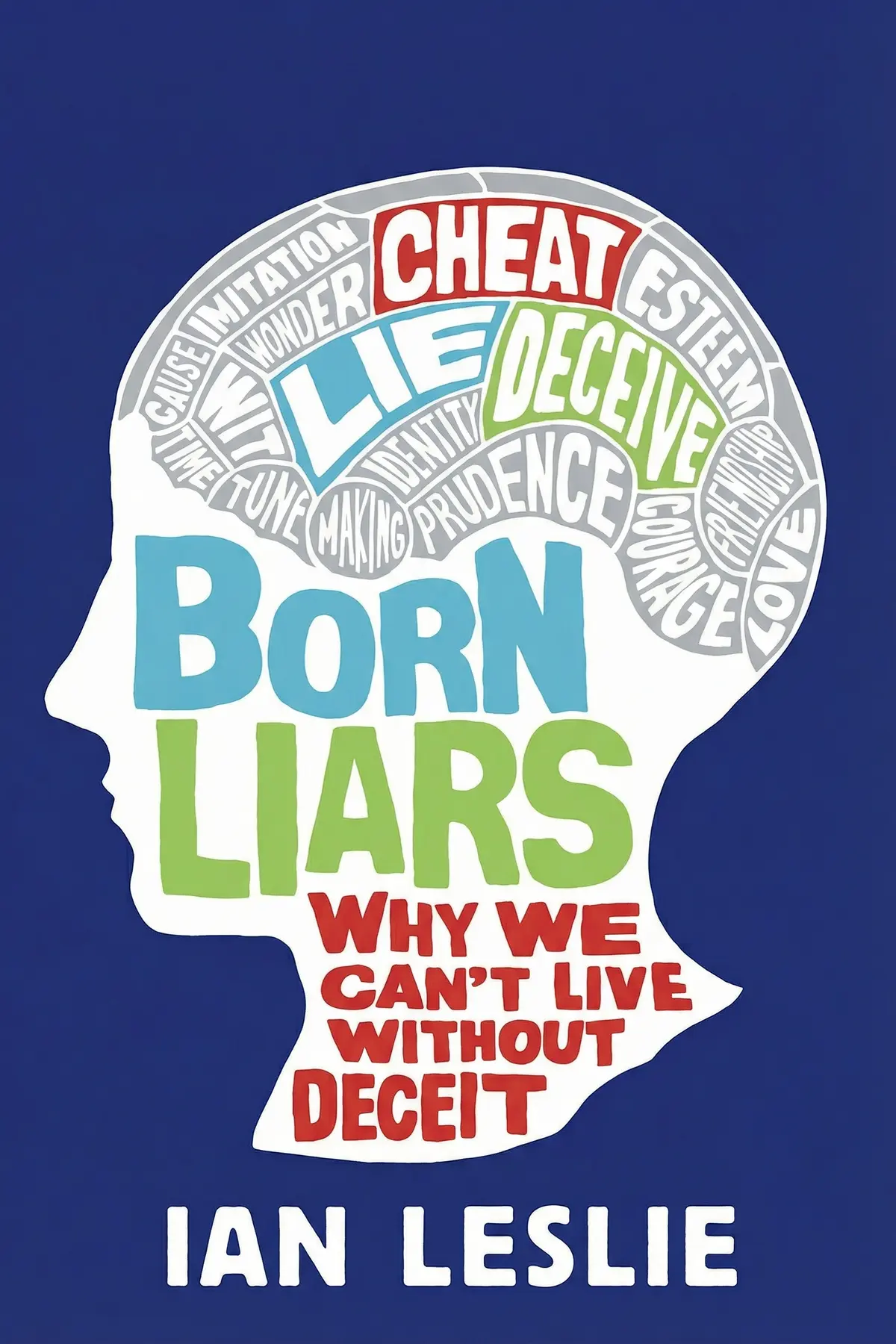
Table of Content
1. Introduction
1 min 39 sec
Think back to the last time you told a lie. Maybe it was a small one—a polite compliment to a colleague about a presentation you actually found dull, or a quick excuse to get out of a dinner invitation. Or perhaps it was something more significant, a secret you’ve kept for years. We are raised in a culture that treats truth as a sacred pillar. From the earliest lessons our parents give us to the legal oaths we take in court, the message is clear: lying is a moral failing, a breach of trust, and a sign of poor character. Yet, if we look closely at our daily lives, we find that falsehoods are woven into the very fabric of our interactions.
In Born Liars, Ian Leslie challenges the conventional wisdom that lying is merely a defect. Instead, he presents a compelling case that our capacity for deceit is one of our most remarkable and necessary traits. This isn’t a book about how to be a better criminal; it’s an exploration of what it means to be human. We’ll see how our brains evolved specifically to handle the complexities of social life, which often requires a delicate balance between total honesty and strategic deception.
Through this journey, we’ll discover that the ability to lie isn’t just about trickery; it’s linked to our intelligence, our ability to empathize, and even our physical health. We will look at how children learn to lie as they develop a sophisticated understanding of other people’s minds. We will explore why technology often fails to catch us in the act, and why we are often our own most frequent victims of deception. By the end of this summary, you’ll see that the line between truth and lies is much blurrier than we’ve been led to believe, and that without the ability to navigate that gray area, human society as we know it might simply fall apart.
2. The Evolutionary Roots of Deception
1 min 59 sec
Discover how the need to navigate complex social hierarchies drove the evolution of the human brain, making deception a key survival tool.
3. The Development of the Lying Mind
1 min 57 sec
Uncover the fascinating moment in childhood when a child realizes that their mind is a private space, separate from the rest of the world.
4. The Difficulty of Detecting Falsehood
2 min 02 sec
Learn why humans are surprisingly poor at spotting liars and why we often prefer to take people at their word.
5. The Myth of the Foolproof Lie Detector
1 min 59 sec
Examine the flaws of the polygraph and discover how the brain’s ability to create false memories can make even the most advanced machines useless.
6. The Power of Self-Deception
2 min 14 sec
Explore why the person we lie to most often is ourselves and how these internal fictions can actually be a force for good.
7. The Healing Power of the Placebo
1 min 53 sec
See how the brain’s reaction to a lie can trigger real physiological changes, proving that belief is a powerful medicine.
8. The Shifting Ethics of the Lie
2 min 06 sec
Question the absolute morality of truth-telling by examining how different cultures and philosophies view the act of lying.
9. Conclusion
1 min 58 sec
We’ve traveled a long way from the simple idea that lying is just a bad habit. As we’ve seen through the lens of Ian Leslie’s Born Liars, deception is an integral part of the human experience. It is the engine that helped drive the evolution of our intelligence, a crucial milestone in our childhood development, and a necessary lubricant for the gears of modern society. Without the ability to lie, we wouldn’t have the tact to maintain our friendships, the optimism to chase our dreams, or even the psychological defenses to maintain a positive self-image.
This doesn’t mean we should abandon honesty or that all lies are equal. There is a vast difference between a white lie told to protect a friend’s feelings and a malicious deception designed to defraud or harm others. However, recognizing that we are ‘born liars’ allows us to be more honest about our own dishonesty. It helps us understand the limitations of our memories, the flaws in our perceptions, and the reasons why we are so easily fooled by ourselves and others.
The most important takeaway is to approach the world with a bit more humility and a healthy dose of skepticism—especially toward our own convictions. If you can acknowledge that your brain is a master storyteller, constantly editing and polishing the narrative of your life, you can become more open to other perspectives.
Next time you catch yourself in a lie, or find someone else in one, instead of rushing to judgment, take a moment to look at the ‘why’ behind it. Is it a tool for survival, a shield for the ego, or a way to keep the social peace? By understanding the mechanics of deceit, we don’t just learn about the dark corners of the human mind; we gain a deeper appreciation for the complex, creative, and profoundly social creatures we truly are. The truth about our lives is that we cannot live without lies, and perhaps, that’s exactly as it should be.
About this book
What is this book about?
Born Liars takes a deep dive into the complex world of human deception, moving beyond the simple notion that lying is always wrong. Author Ian Leslie examines how our ability to bend the truth is actually a sign of advanced cognitive development and social intelligence. From the early stages of childhood development to the way our brains reconstruct memories, the book explains that we are biologically and psychologically predisposed to deceive. The promise of the book is a transformative perspective on honesty. It explains that while we value truth, our societies, relationships, and even our individual sanity often depend on subtle forms of untruth. Readers will learn about the evolutionary benefits of lying, the failures of technology to detect it, and the surprising ways that self-deception can actually lead to greater achievement and physical well-being. Ultimately, it’s an exploration of the lie as a tool for navigation in a complex world.
Book Information
About the Author
Ian Leslie
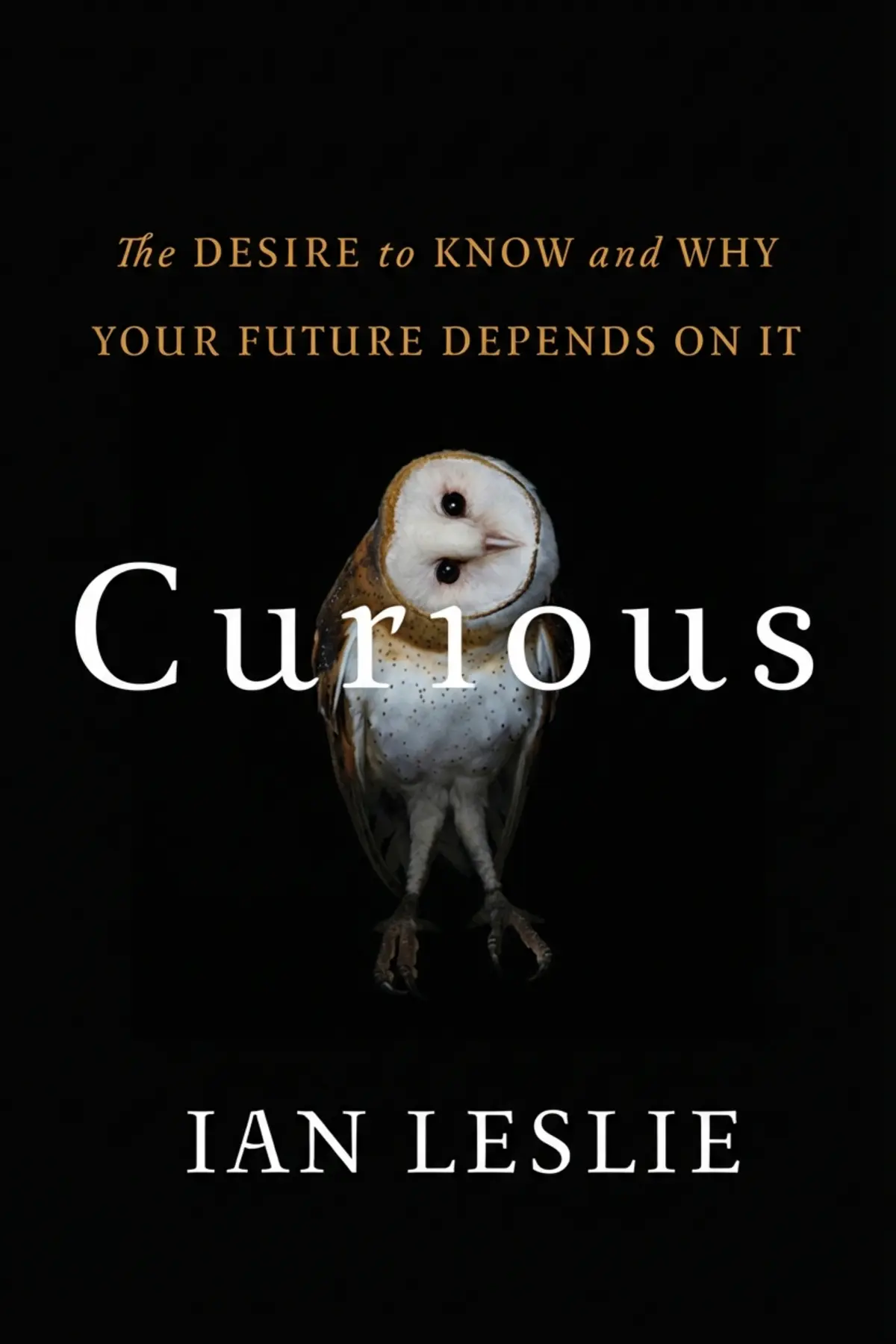
Ian Leslie lives in London, where he writes for a variety of UK and US publications. He is also a writer and performer for the BBC Radio 4 comedy show Before They Were Famous. His second book, Curious: The Desire to Know and Why Your Future Depends On It, was published in 2015.
Ratings & Reviews
Ratings at a glance
What people think
Listeners find that while perspectives on the author’s social and political views are mixed, many celebrate the volume as an intriguing and scholarly deep dive into why deception is evolutionarily necessary. They also value how the writing employs compelling stories to push back against the shame of dishonesty, presenting it as a nuanced and vital part of being human. Furthermore, listeners appreciate the look into cognitive shortcuts and the challenges of identifying falsehoods, with one listener noting that the book changed their perspective on how children develop. They also point out that the startling evidence provides a transformative look at how we perceive ourselves and the world around us.
Top reviews
Aroon
Ever wonder why we are the only species that lies with such sophistication? Leslie takes us on a journey from the deceptive behavior of great apes to the complex social structures of modern humans. He argues that lying isn’t just a moral failing, but a fundamental building block of our evolution as social beings. The stories about how children learn to deceive as part of their cognitive development were particularly eye-opening for me. It’s a fascinating, well-researched read that makes you question the very nature of honesty. Personally, I found the sections on self-deception a bit unsettling, but they were incredibly insightful for understanding my own biases.
Show moreDavid
This book completely dismantled my assumptions about truth-telling and what it means to be an authentic person. Leslie argues persuasively that becoming human was less about hunting and more about navigating the complex social web of deceit. The chapters on how we deceive ourselves to maintain a positive self-image were particularly startling and made me reconsider my own memory. Gotta say, it’s rare to find a psychology book that is this well-written and avoids the usual trap of over-relying on dubious statistics. Every page offers a new insight into the cognitive biases that shape our daily interactions and personal identities. It is a transformative read that will stick with me for a very long time.
Show moreMonthon
Reading this was a deeply uncomfortable, yet necessary, mirror to my own life and the lies I tell myself. Leslie does a fantastic job of showing how deceit is woven into the very fabric of our social contacts and personal growth. I was fascinated by the idea that our ability to imagine alternative realities is what actually makes us uniquely human. It’s a book that forces you to be skeptical of your own knowledge and the stories you tell yourself to get through the day. The writing is erudite and sharp, making complex ideas about evolutionary biology and neurology feel incredibly relevant. If you want to understand the secret engine of human society, you need to read this book.
Show moreMichael
As someone who works in communications, I found Leslie’s background in advertising shines through in the most engaging way possible. He doesn't just dump data on you; he weaves a narrative that challenges the stigma we usually attach to deceit. The book explores how 'social grease' allows our communities to function without constant friction and conflict. While the author occasionally leans into his own political leanings, the core message about our inherent nature is hard to ignore. It’s a compelling look at the masks we all wear every single day. If you enjoy popular psychology that actually respects the reader's intelligence, this is definitely for you.
Show moreLincoln
After hearing about this on BBC Radio 4, I knew I had to grab a copy to understand why we do what we do. Leslie’s exploration of how children develop the ability to lie is nothing short of brilliant. It turns out that a child who can successfully deceive is reaching a significant cognitive milestone rather than just being 'bad.' This shift in perspective changed how I look at my own kids and their creative storytelling. The book is full of these little 'aha!' moments that make you rethink your entire social world. It’s written with a light touch that makes even the complex evolutionary theories feel accessible and fun.
Show moreMeen
I picked this up thinking it would be another dry psychology text, but it’s actually a total page-turner. Leslie dives deep into why we are 'born liars' and why that might actually be a good thing for society. The book is packed with terrific stories that illustrate the evolutionary necessity of being able to read others and strategically withhold the truth. I especially enjoyed the part about how difficult it is for even the most trained professionals to spot a liar. It makes you realize how much of our world is built on a foundation of shared illusions. My only minor gripe is that it occasionally feels a bit too much like a collection of essays.
Show moreMax
Rarely do you find a non-fiction book that feels this much like a page-turner while still being deeply educational. Ian Leslie manages to wear his learning lightly, blending high-level psychological research with engaging anecdotes that keep you hooked. He challenges the reader to accept a margin of illusion in their lives, arguing that total honesty might actually be destructive. This perspective is a refreshing break from the moralizing tone usually found in books about ethics and behavior. The section on how our brains are wired to prioritize social cohesion over objective truth was mind-blowing. It’s a sophisticated look at the human condition that avoids all the usual clichés.
Show moreBrahim
While Leslie is undoubtedly a gifted writer, I found his tendency to frame lying as a social necessity a bit hard to swallow at times. He spends a lot of time discussing how we should distrust our own intuition in favor of social norms, which felt a bit like political posturing. The research on lie detection was genuinely interesting, especially the parts about how machines and experts often fail. However, the book feels a bit light on the darker side of institutional and governmental deception. It’s an erudite piece of work, but I would have preferred more depth on the consequences of systemic lies. Truth is, it’s worth a read for the anecdotes alone.
Show moreJoseph
The premise is absolutely gripping, but the execution starts to wobble in the final third of the book. I loved the early chapters on primates and the evolutionary building blocks of deceit, but the cultural analysis felt a bit rushed. Leslie relies heavily on academic material, which makes it feel very credible, yet I missed having more of his own personal thesis. In my experience, the insights into how we use narratives to construct our reality are still very valuable. It's a solid 3-star read for me because while the information is great, the flow felt a bit disjointed towards the end. It’s still a very informative look at the mechanics of the human mind.
Show moreSelin
Look, I struggled to finish this one because I found the author's conclusions about social reality deeply frustrating. He seems to suggest that there is no neutral truth and that we should just submit to the narratives of institutions. This felt less like a scientific investigation and more like an apology for the status quo and media manipulation. While the evolutionary psychology bits were okay, the moral bias of the author was too loud for me to enjoy the rest. I was looking for a more objective look at the psychology of lying, not a lecture on why I should distrust my own certainties. It’s definitely well-written, but the underlying message didn't sit right with me.
Show moreReaders also enjoyed
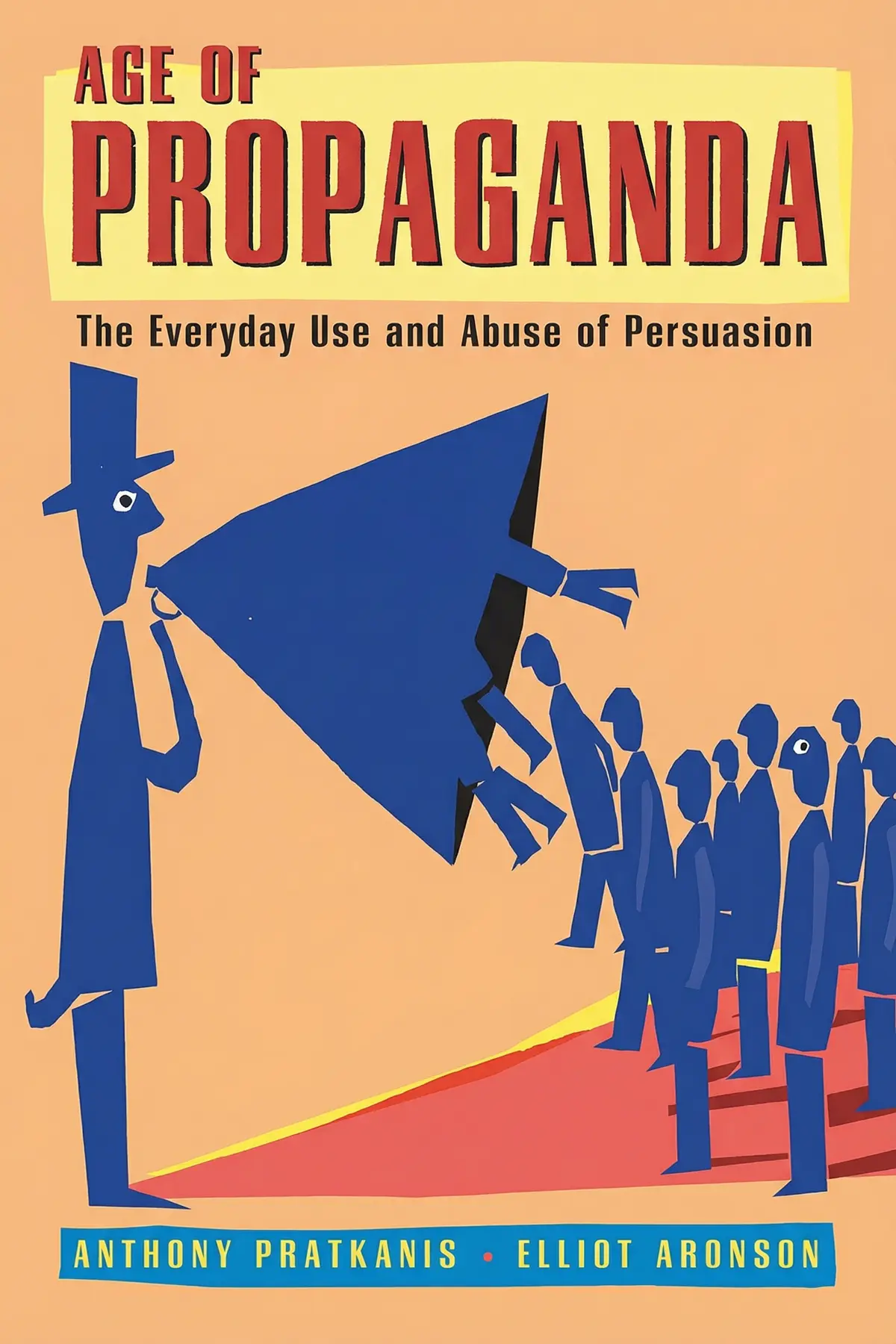
Age of Propaganda: The Everyday Use and Abuse of Persuasion
Anthony Pratkanis
59 Seconds: Change Your Life in Under a Minute
Richard Wiseman


A Liberated Mind: How to Pivot Toward What Matters
Steven C. Hayes
AUDIO SUMMARY AVAILABLE
Listen to Born Liars in 15 minutes
Get the key ideas from Born Liars by Ian Leslie, plus 5,000+ more titles in English and Thai.
- 5,000+ titles
- Listen as much as you want
- 7-day free trial
- Cancel anytime







