
24 min 45 sec
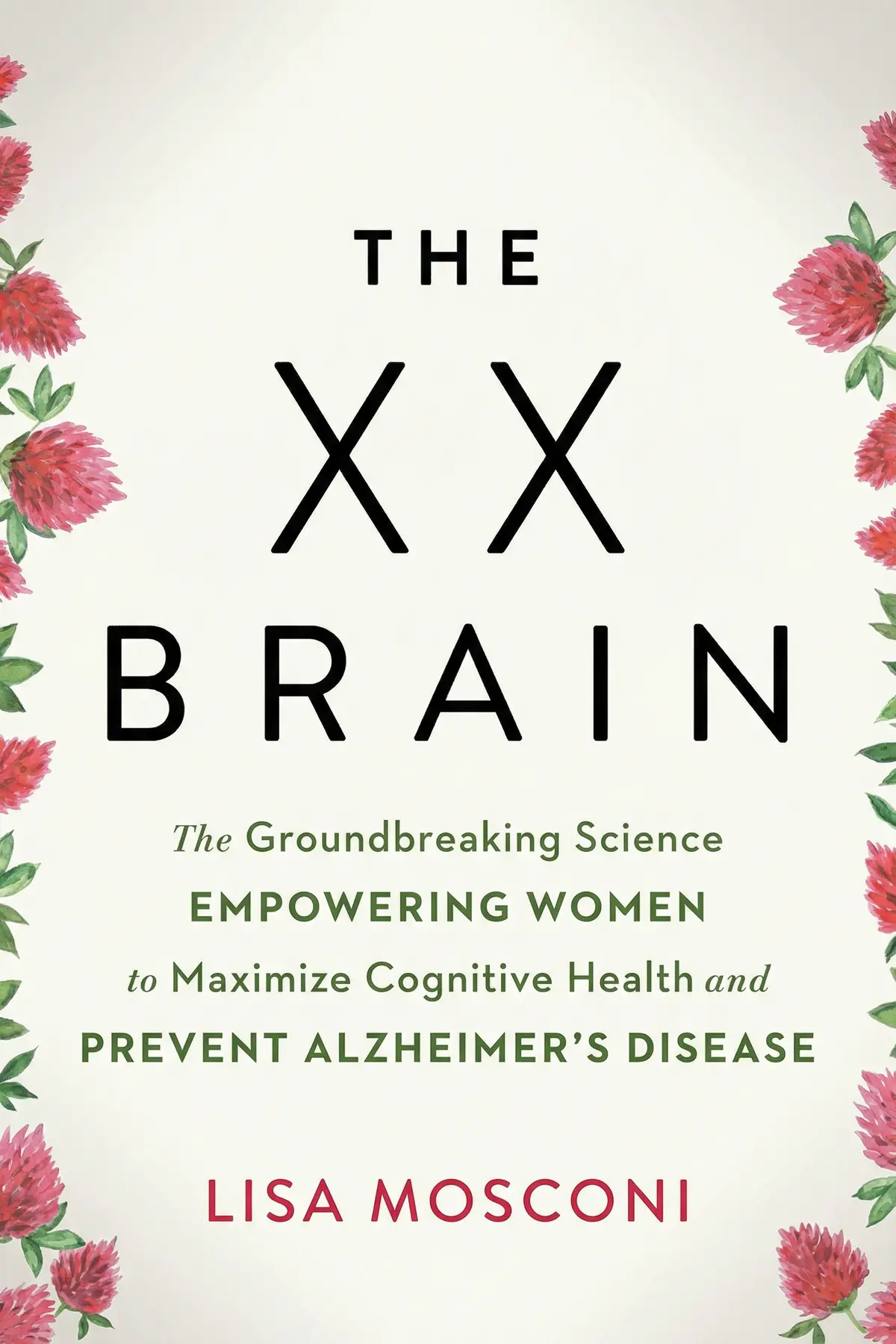
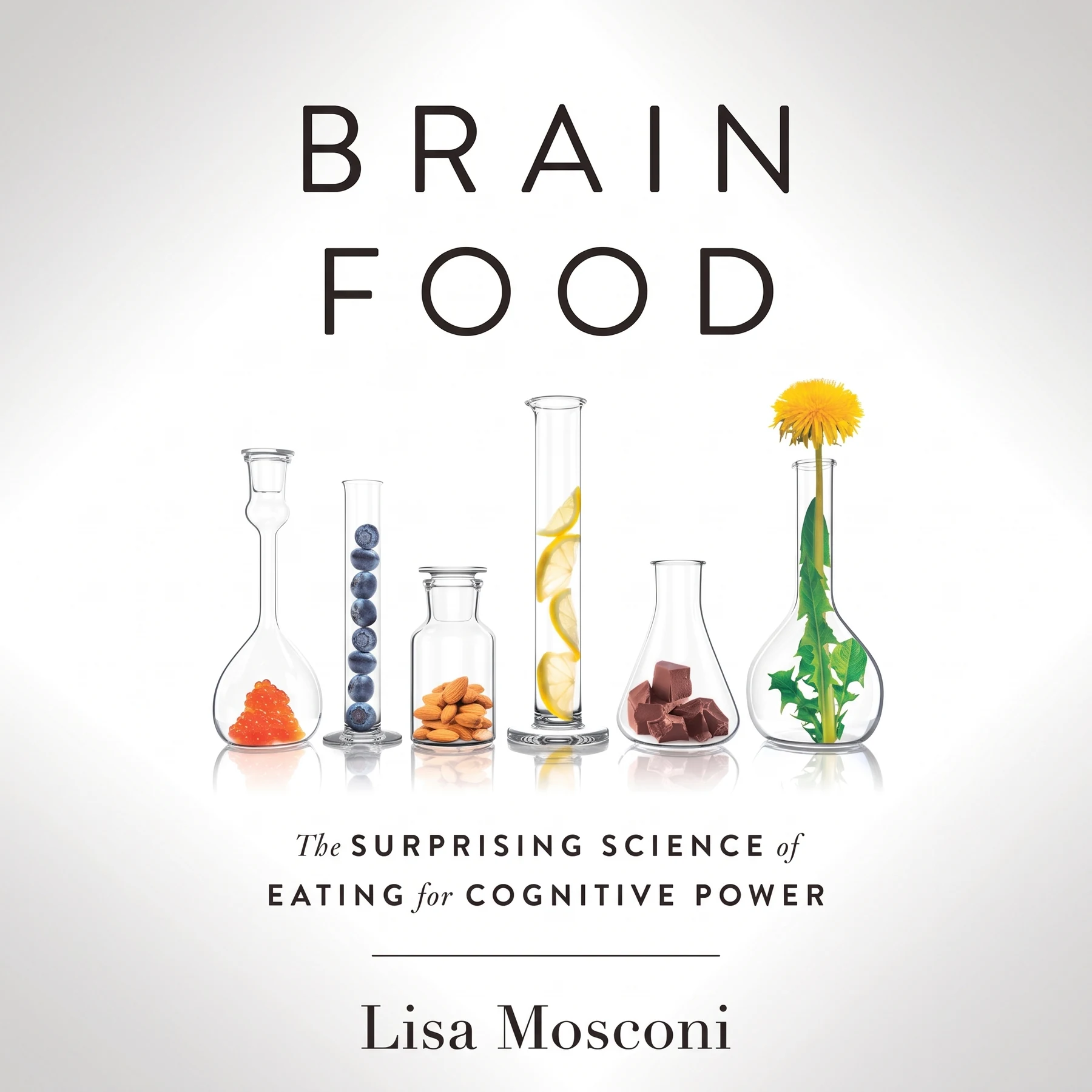
Brain Food: The Surprising Science of Eating for Cognitive Power
By Lisa Mosconi
Brain Food reveals the vital link between nutrition and cognitive longevity. Learn how specific foods, hydration, and lifestyle habits can sharpen your mind and protect against age-related decline.
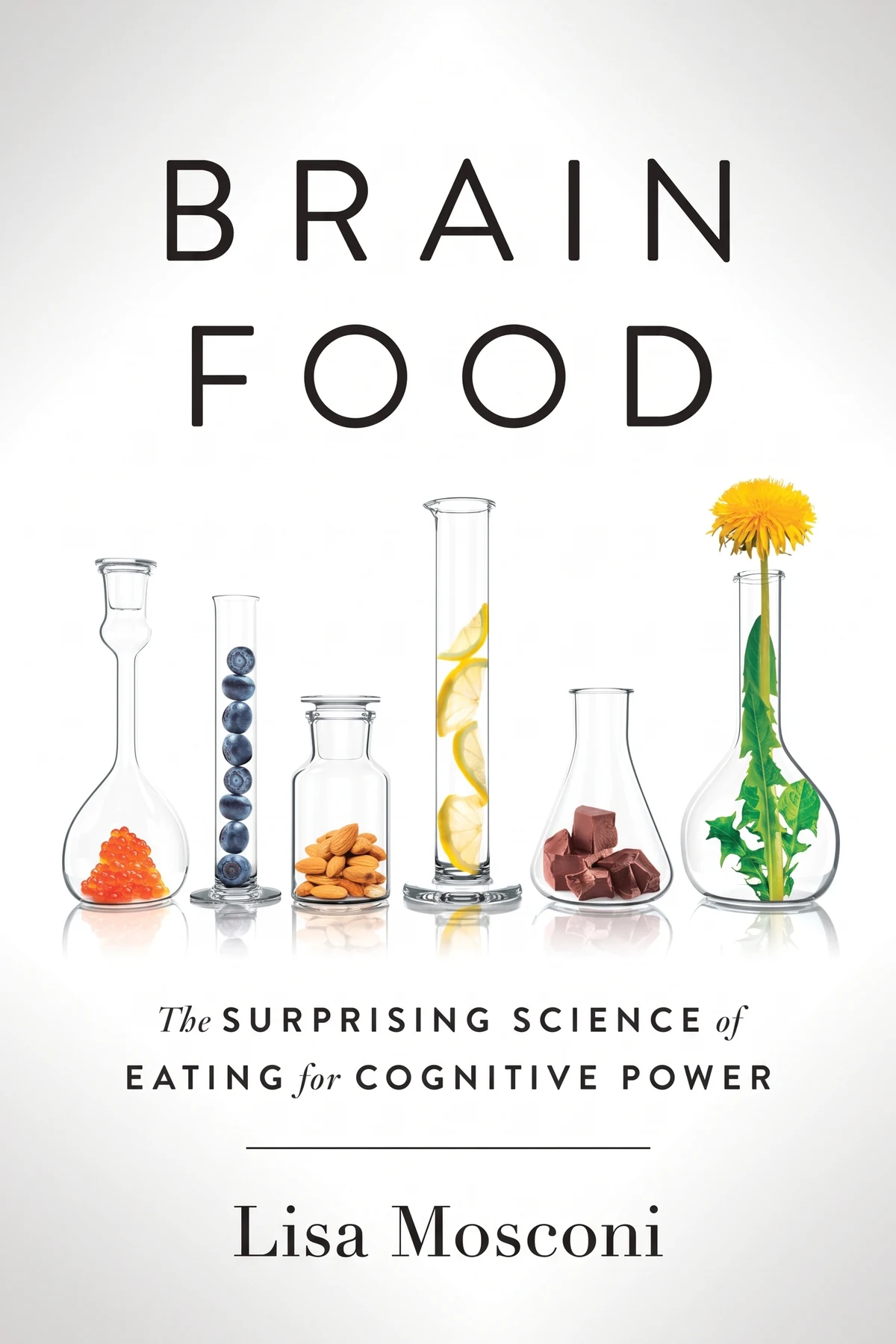
Table of Content
1. Introduction
1 min 34 sec
When we hear the phrase “you are what you eat,” our minds usually drift toward the mirror. We think about the scale, the fit of our clothes, or perhaps the health of our heart. But there is a silent, incredibly hungry partner in this equation that we often ignore: the human brain. While it makes up only a small fraction of our total body weight, this organ consumes a massive portion of our daily energy. It is the command center for every thought, emotion, and movement we experience, yet most people have no idea what it actually needs to thrive.
In this summary of Brain Food, we are going to dive into the cutting-edge world of neuro-nutrition. We will explore why the brain is so sensitive to the fuel we provide and how our modern lifestyle choices are often at odds with our neurological evolution. The central throughline here is that your cognitive destiny is not strictly written in your DNA. Instead, the choices you make at the grocery store and in your kitchen act as the primary signals that tell your brain whether to flourish or fade.
We will walk through the specific requirements of the brain’s unique anatomy, from the vital role of hydration to the controversial truth about fats and sugars. We’ll also look at the profound connection between the health of your gut and the clarity of your mind. By the end of this journey, you’ll see that food isn’t just fuel—it is the very building block of your intelligence and your most powerful defense against the diseases of aging. Let’s begin by looking at why your lifestyle matters far more than your family tree.
2. Lifestyle Choices Over Genetic Destiny
2 min 45 sec
Think your brain’s future is set in stone? Discover why DNA plays a much smaller role in cognitive decline than your daily habits.
3. The Intelligence of Hydration
2 min 47 sec
Your brain is mostly liquid, yet we often forget to water it. Learn how a simple glass of water can boost your brainpower by nearly a third.
4. Distinguishing the Good Fats from the Bad
2 min 28 sec
The ‘brain is made of fat’ myth is only half true. Discover which fats actually build your brain and which ones cause it to suffer.
5. Proteins and the Chemistry of Mood
2 min 36 sec
Your thoughts and feelings are powered by chemical messengers. Learn how the right proteins can improve your sleep and emotional stability.
6. Glucose: The Brain's Primary Fuel
2 min 37 sec
Carbohydrates aren’t the enemy when it comes to your mind. Find out which sugars keep your brain sharp and which ones lead to a crash.
7. The Power of Nutrient Synergy
2 min 43 sec
Vitamins are essential, but a pill isn’t the same as a meal. Discover how whole foods create a ‘one plus one equals three’ effect for your mind.
8. The Gut-Brain Connection
2 min 36 sec
Your gut is often called your ‘second brain.’ Learn how the bacteria in your belly control the clarity of your thoughts and your emotional health.
9. Lessons from the Blue Zones
2 min 48 sec
Why do some cultures live to be 100 with perfectly sharp minds? Explore the shared secrets of the world’s most long-lived people.
10. Conclusion
1 min 51 sec
As we wrap up our exploration of the science behind brain health, the message is clear: your brain is a reflection of your lifestyle. It is the most sensitive and demanding organ you own, and it requires a specific set of raw materials to function at its best. We’ve seen that hydration is not just about thirst, but about the very structural integrity of your thoughts. We’ve learned that the fats you choose can either build a resilient neural architecture or trigger a cycle of inflammation. And we’ve discovered that the energy your brain uses must be managed carefully through the right kinds of glucose and fiber.
But perhaps the most important takeaway is that it is never too late to start. Whether you are in your twenties and looking for a competitive edge, or in your sixties and looking to protect your memory, the brain possesses a remarkable ability to respond to better nutrition. By shifting toward a plant-forward, whole-food diet and being mindful of the gut-brain connection, you are taking the single most effective step toward preventing cognitive decline.
Before you go, here is one practical, actionable piece of advice you can implement today: do an audit of your kitchen, but don’t look at the food—look at the tools. Our brains are incredibly sensitive to heavy metals and toxins, which can sometimes leach into our food from our cookware. If you are using old aluminum pots, scratched non-stick Teflon pans, or frequently heating food in plastic containers, it’s time for an upgrade. Switch to cast iron, stainless steel, glass, or traditional ceramic. These materials are stable and won’t introduce unwanted chemicals into your neuro-nutrition plan. Remember, your brain is the most precious thing you own. Treat it with the respect it deserves, feed it the nutrients it craves, and it will serve you faithfully for a lifetime.
About this book
What is this book about?
Most of us are accustomed to thinking about diet in terms of physical fitness, waistlines, or heart health, but we often overlook the most energy-demanding organ in the body: the brain. Brain Food explores the emerging field of neuro-nutrition, explaining that the brain has its own unique dietary requirements that differ significantly from the rest of the body. From the structural fats that build our neural pathways to the specific glucose needs that fuel our thoughts, the book provides a comprehensive guide to eating for mental clarity. Dr. Lisa Mosconi bridges the gap between high-level neuroscience and the everyday kitchen. She promises to show readers how simple dietary shifts can help stave off cognitive decline, reduce the risk of Alzheimer’s, and improve daily functions like memory and mood. By understanding how the blood-brain barrier filters nutrients and how the gut microbiome communicates with our neurons, readers can transform their kitchen into a laboratory for long-term brain health and vitality.
Book Information
About the Author
Lisa Mosconi
Lisa Mosconi, PhD, is a leading expert in the fields of neuroscience and nuclear medicine, having earned her degrees from the University of Florence in Italy. She currently serves as the associate director of the Alzheimer's Prevention Clinic at Weill Cornell Medical College and is the founder of the Nutrition and Brain Fitness Lab at New York University. Beyond her academic research and clinical work, Mosconi is a certified integrative nutritionist and holistic healthcare practitioner, dedicated to using evidence-based dietary strategies to promote lifelong cognitive wellness.
Ratings & Reviews
Ratings at a glance
What people think
Listeners consider the text highly educational and accessible, valuing the vast amount of research and the transition from scientific theory to practical application. The book offers excellent perspectives on cognitive wellness and nutritional guidance, and one listener highlights its pragmatic approach to improving diet for brain health. The author's prose earns praise, with one listener noting its accessible language. While listeners find the material entertaining and absorbing, perspectives on the food content are somewhat divided.
Top reviews
Waree
Picked this up because I wanted to sharpen my focus through better nutrition and it did not disappoint. The author makes a compelling case that water is the most vital nutrient for your brain, which changed how I start my mornings. I’ve already swapped my second cup of coffee for a large glass of lemon water. The guide on polyunsaturated fats and berries is extremely practical and easy to follow. Though some of the exotic ingredients are pricey, the core message is about making consistent, small shifts. It’s an engaging read that transforms complex neurology into a roadmap for better living. Highly recommended for everyone.
Show moreWatcharee
After hearing Dr. Mosconi on a podcast, I knew I had to dive into her full research on epigenetics. This book is a masterclass in how our daily choices can override our genetic history, especially regarding dementia risk. The 12 pages of sources at the end prove she has done the work, even if she simplifies some concepts for the general public. I loved the deep dive into phospholipids and how they protect our neurons. It’s an empowering read that moves beyond the 'genes are destiny' mindset. This is a must-have for anyone interested in the intersection of neurology and holistic nutrition. Truly a life-changing perspective.
Show moreNatalie
This book manages to translate complex neurological research into actionable daily habits. I was particularly struck by the advice on avoiding 'purified' water in favor of mineral-rich options to keep the brain hydrated. The section on 'Blue Zones' and their consumption of coffee and legumes was eye-opening and felt very grounded in reality. While the author's insistence on organic-everything can feel a bit elitist, the underlying science about brain glucose is solid. It’s a quick read that provides a tremendous amount of value for anyone looking to optimize their mental performance. Personally, I found the lists of 'what to eat' vs 'what to avoid' extremely helpful.
Show moreSven
Ever wonder why certain global regions stay sharp into their nineties? Mosconi dives deep into the 'Blue Zones,' exploring how habits in Italy and Okinawa translate to brain longevity. The breakdown of coffee and green tea as cognitive boosters was particularly enlightening for my morning routine. While the writing is accessible, some of the specific food recommendations feel a bit restrictive for a modern lifestyle. It’s a pragmatic guide that bridges the gap between lab studies and your kitchen pantry. I appreciated the focus on hydration and minerals, even if the daily salt limit seems nearly impossible to track accurately. This is a solid, informative read for the health-conscious.
Show morePong
The neuro-nutrition quiz in chapter 14 was a total wake-up call for me. I scored lower than I expected, which motivated me to actually try the recipes provided at the end. I’ve started incorporating more dark chocolate and walnuts into my snacks, and I do feel more alert during the workday. The writing style is very conversational, making it easy to digest even when she talks about glucose and brain metabolism. I wish there was more advice for people with existing gut issues, but for a general health guide, it’s excellent. It’s a fun, informative read that doesn’t feel like a dry textbook.
Show moreFon
Living in the Philippines makes following some of these specific recipes a bit tricky due to ingredient availability. I can’t exactly find fresh boysenberries or specific wild-caught fish at my local market every day! However, Dr. Mosconi’s general principles about avoiding trans fats and refined oils are universal and very helpful. I’ve started using more coconut oil and seeking out local equivalents for the antioxidants she recommends. The book is well-organized and manages to be informative without being overwhelming. It’s great to see a scientist focusing on how food affects our minds, not just our waistlines. A very worthwhile read for global audiences.
Show moreRome
As someone who has been a strict vegetarian for years, this book gave me a lot to think about regarding fish. Mosconi argues so persuasively for the benefits of certain fatty acids that I’m actually considering adding salmon back into my diet for brain health. I did find it odd that she claims the brain can't grow new neurons early on, but then discusses neurogenesis later in the context of caloric restriction. It’s a slight contradiction that made me pause and wonder about the editing. Still, the overall message about the Mediterranean diet and the importance of social meals is beautiful. It’s an important book for safeguarding your future self.
Show morePairot
Frankly, I have some major reservations about the 'science' presented in these chapters. While Mosconi’s background is impressive, the book relies heavily on personal opinions regarding organic foods and GMOs without providing the rigorous data I expected. Her stance on salt—measuring it by the 'tip of a teaspoon'—is frustratingly vague compared to standard milligram measurements. I also found the sections on neurons slightly contradictory, especially concerning whether they can actually regenerate in adulthood. To be fair, the lists of water-rich fruits are useful, but the lack of solid citations for her chlorophyll claims felt like sloppy mom-blogger territory. It is interesting but lacks scientific depth.
Show moreHenry
Look, this book is a bit of a mixed bag depending on your current health status. If you’re already 100% healthy, the Mediterranean-style diet suggested here will likely keep you that way for years. However, for those of us dealing with insulin resistance or chronic inflammation, I felt the book ignored how the gut biome interacts with these 'brain foods.' The narrator for the audiobook was a bit dry, which made the denser sections on fatty acids harder to get through. Truth is, the research on Alzheimer’s prevention is fascinating, but I wanted more evidence on how these diets work for the average, non-perfect human. It’s average at best.
Show moreTaweesak
Not what I expected from a PhD-led book on neuroscience. The repetition is grating; I don’t need to be told to eat caviar twenty-four different times when it’s clearly out of my budget. More importantly, the description of NMDA-receptor dependent long-term potentiation on page 81 was surprisingly inaccurate for a subject expert. Many claims about chlorophyll acting as an 'internal deodorant' lack any scientific reference in the back of the book, which undermines the author's credibility. It feels more like a collection of anecdotal lifestyle tips than a serious scientific inquiry. If you want rigorous data and clear evidence, you might want to look elsewhere.
Show moreFeatured in
Readers also enjoyed
AUDIO SUMMARY AVAILABLE
Listen to Brain Food in 15 minutes
Get the key ideas from Brain Food by Lisa Mosconi, plus 5,000+ more titles in English and Thai.
- 5,000+ titles
- Listen as much as you want
- 7-day free trial
- Cancel anytime







