
29 min 12 sec
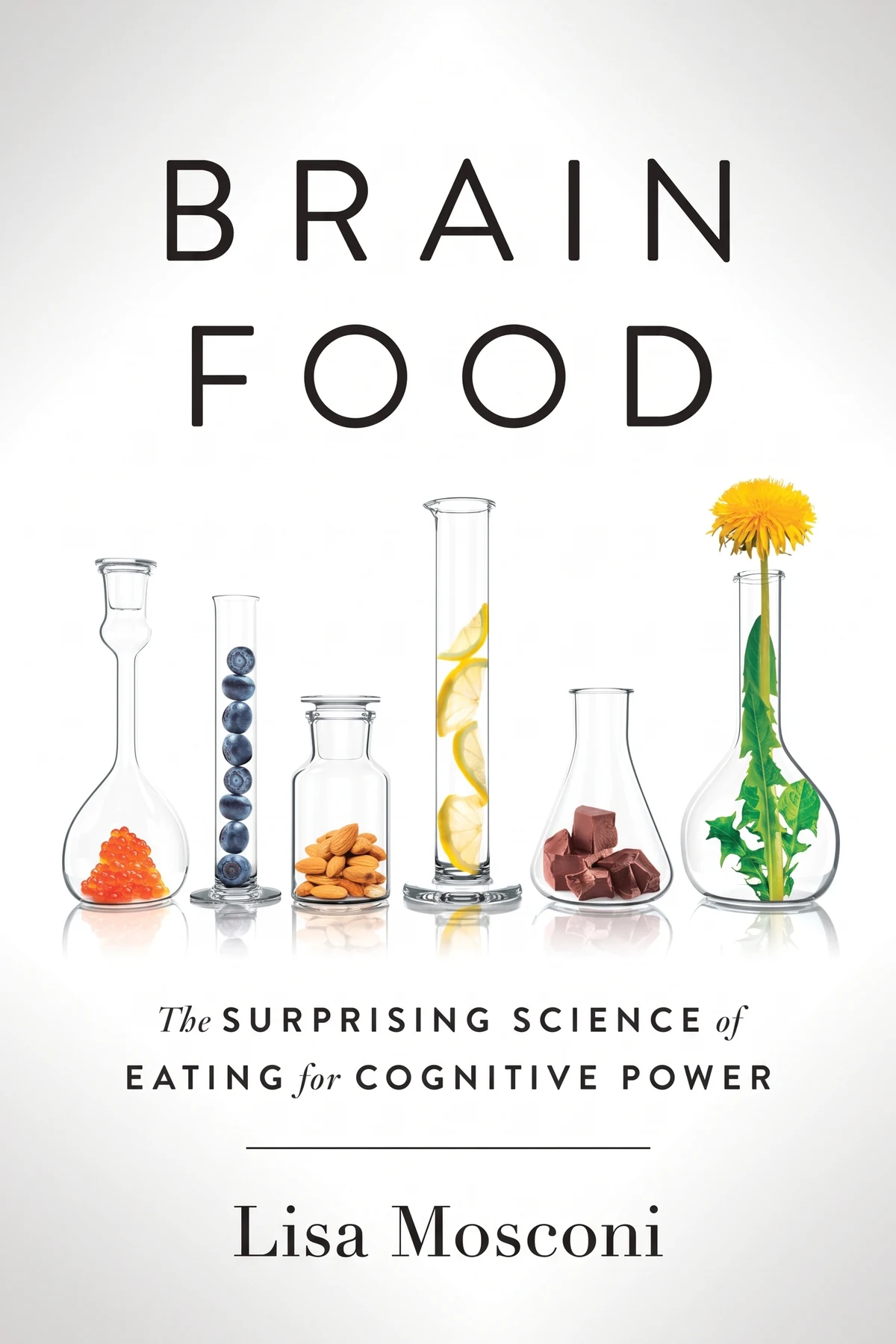
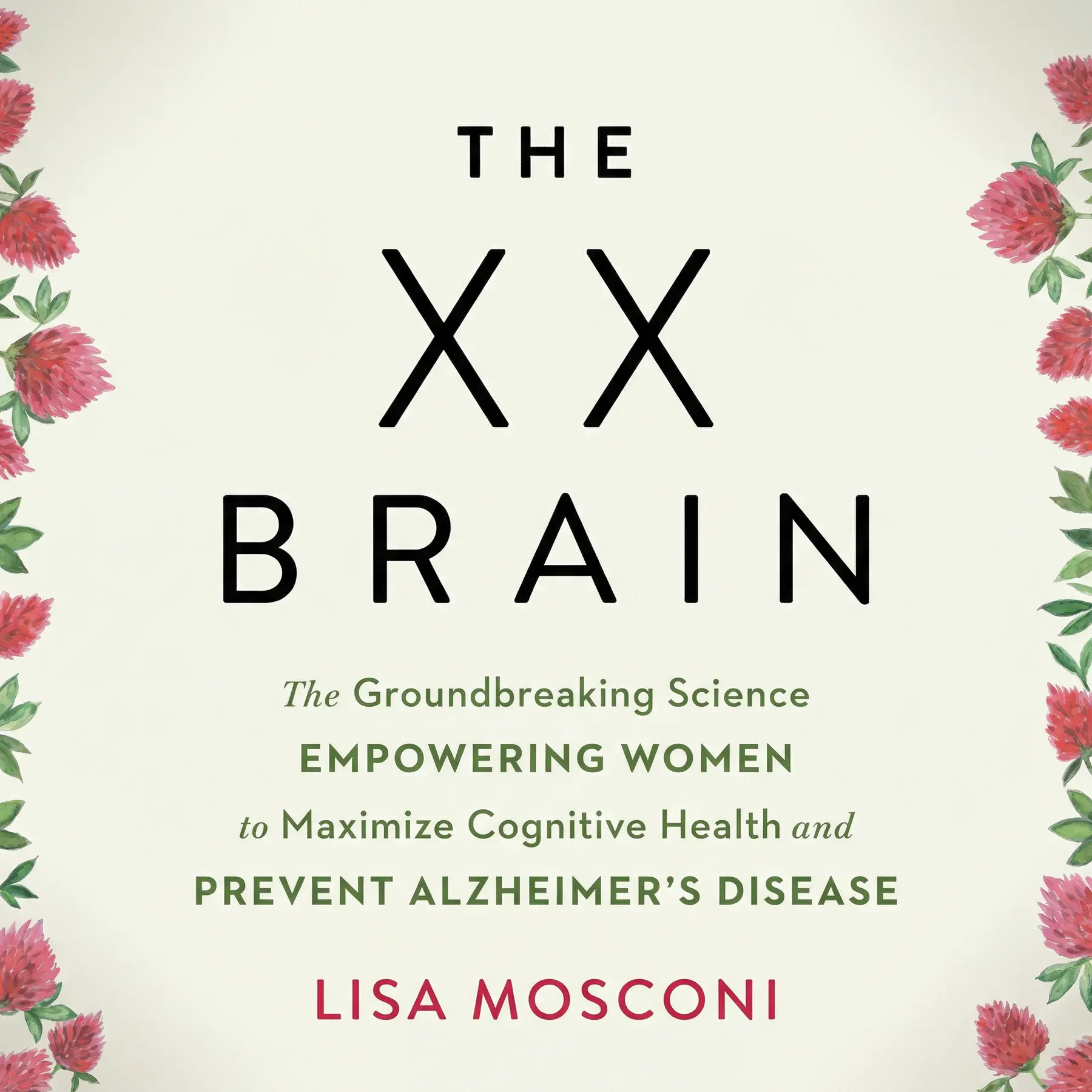
The XX Brain: The Groundbreaking Science Empowering Women to Maximize Cognitive Health and Prevent Alzheimer's Disease
By Lisa Mosconi
The XX Brain explores the biological and hormonal factors that make women more susceptible to Alzheimer’s, offering a scientifically-backed roadmap for women to optimize cognitive health through diet, lifestyle, and prevention.
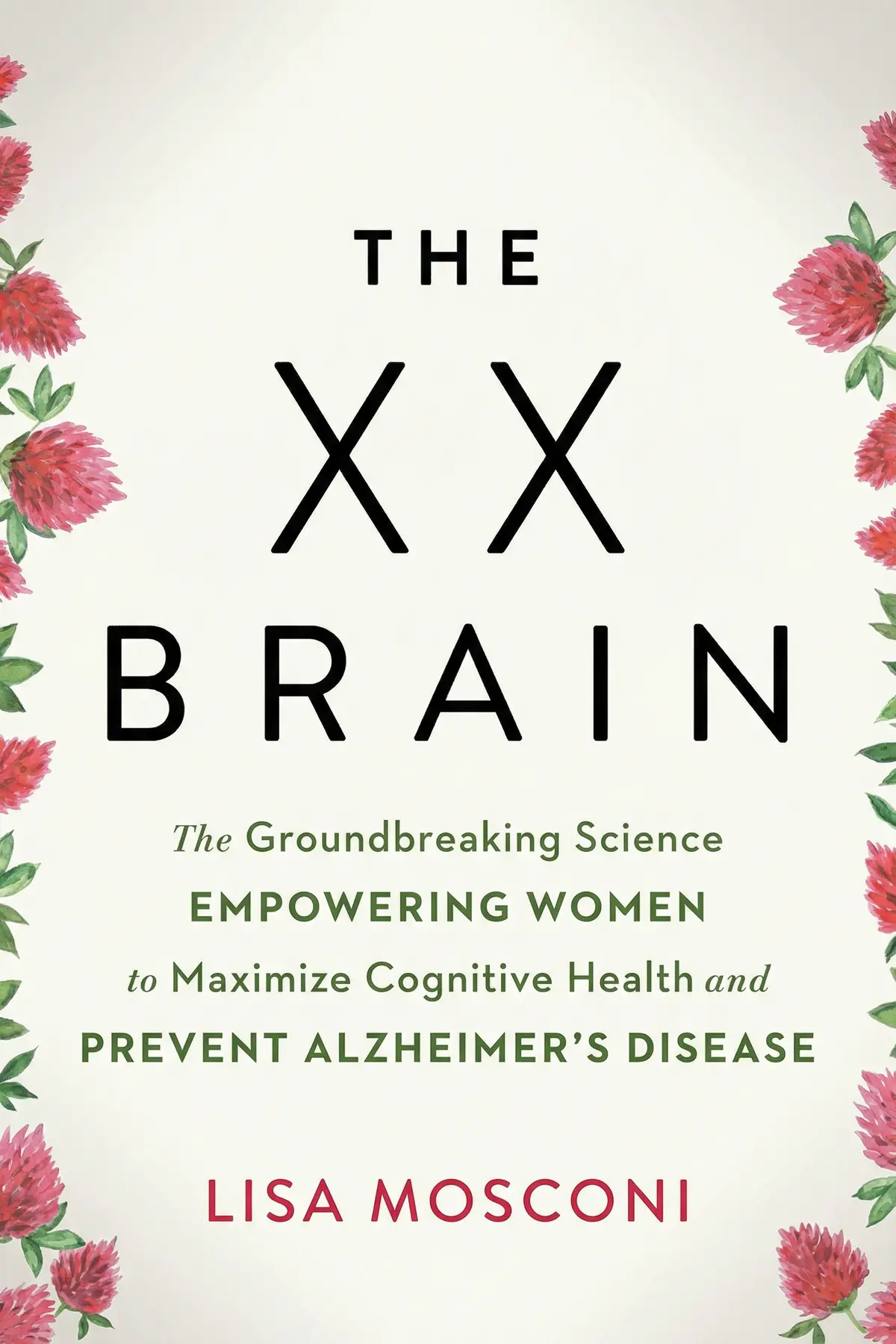
Table of Content
1. Introduction
2 min 15 sec
When we think about global health crises, we often imagine sudden outbreaks or environmental disasters. We might picture a massive meteor tracking toward our planet, dominating the headlines and driving every scientist on Earth toward a solution. But there is a silent crisis happening right now that is arguably just as devastating, yet it receives far less attention. This is the epidemic of Alzheimer’s disease in women. Statistics show a startling reality: in countries like the United Kingdom and Australia, Alzheimer’s has overtaken breast cancer as a leading cause of death for women.
Consider the odds. A woman who reaches the age of forty-five has a one in five chance of developing Alzheimer’s during her lifetime. For a man of the same age, the risk is significantly lower, sitting at about one in ten. This isn’t just a slight variation; it is a profound disparity. Despite these numbers, the medical world has been slow to react, often treating women’s health as though it were identical to men’s health, save for the reproductive system. This oversight is costing lives and leaving millions of women vulnerable to cognitive decline.
The XX Brain aims to change that narrative. It is built on the idea that the female brain has unique needs, vulnerabilities, and strengths. By understanding the throughline of hormonal health—specifically the role of estrogen—we can begin to see how brain health is woven into every other aspect of a woman’s life, from the food she eats to the way she manages stress. This journey isn’t just about avoiding a diagnosis; it’s about maximizing your cognitive power at every stage of life. Over the course of this summary, we will explore why the medical field has historically failed women, how the transition into menopause acts as a pivotal moment for brain health, and what practical steps you can take today to build a more resilient mind. This is a toolkit for taking your neurological destiny into your own hands, moving away from myths and toward a science-based approach to longevity.
2. Medical Inequality and the Male Default
2 min 51 sec
Explore why modern medicine often overlooks women’s unique symptoms and how the history of male-centric research has created a dangerous gap in healthcare for half the population.
3. Estrogen: The Brain’s Master Regulator
2 min 45 sec
Discover the profound impact of estrogen on cognitive function and why the hormonal shift of menopause is much more than just a reproductive change.
4. Moving Beyond Genetics and the Longevity Myth
2 min 50 sec
Uncover the truth behind common misconceptions about Alzheimer’s and learn why your lifestyle choices carry more weight than your genetic code.
5. Taking Stock of Your Personal Risk Profile
2 min 47 sec
Learn how to assess your cognitive health by looking at the bigger picture, from your physical fitness to the toxins hiding in your daily environment.
6. Navigating the Hormone Replacement Debate
2 min 37 sec
Get the facts on Menopause Hormone Therapy (MHT) and understand the nuances of a treatment that has been both celebrated and feared.
7. Fueling the Brain: Nutrition Beyond the Trends
2 min 53 sec
Cut through the noise of fad diets and learn how to eat for lasting cognitive health by focusing on high-quality fats, fiber, and the gut-brain axis.
8. The Tortoise Approach to Exercise
2 min 36 sec
Learn why low-to-moderate intensity movement is the secret weapon for female brain health and how to adapt your routine as you age.
9. Confronting the Stress Epidemic
2 min 42 sec
Examine the heavy toll chronic stress takes on the female brain and discover practical strategies for reclaiming your peace and protecting your mind.
10. Building a Cognitive Reserve Through Learning
2 min 47 sec
See how intellectual stimulation acts as insurance for your brain, creating a resilient network of connections that can withstand the test of time.
11. Conclusion
2 min 09 sec
In concluding our look at the female brain, the overarching message is one of profound hope and empowerment. While the statistics regarding women and Alzheimer’s are sobering, they are not a sentence of doom. We have seen that the epidemic is largely preventable and that the unique biology of women—far from being a weakness—provides clear markers for how we can optimize our health. By moving beyond the ‘bikini medicine’ of the past, we can embrace a future where precision medicine and personal lifestyle choices work together to protect our most vital organ.
We’ve explored the throughline of estrogen and how its role as a master regulator makes the transition into menopause a critical period for brain health. We’ve debunked the myths that cognitive decline is an inevitable part of aging or purely a matter of genetics. Instead, we’ve seen that the foundations of health are built on the daily choices we make: the nutrient-dense foods we eat, the sustainable ways we move our bodies, and the boundaries we set against chronic stress. Intellectual curiosity and lifelong learning serve as the final piece of the puzzle, building the cognitive reserve that allows our brains to remain resilient even in the face of challenges.
As a final, practical piece of advice, consider a simple morning habit. Our brains are roughly eighty percent water, and even slight dehydration can significantly impair our focus and mood. Studies suggest that staying properly hydrated can boost brain function by as much as thirty percent. To give your brain the best start, try drinking a glass of warm water as soon as you wake up. Warm water is often absorbed more efficiently by the body, providing immediate hydration after a long night’s rest. It is a small, easy action, but it represents the larger philosophy of this journey: taking small, consistent, science-backed steps to nurture your health. The world may be slow to prioritize women’s brain health, but you don’t have to wait for the world to catch up. You have the knowledge and the power to take charge of your cognitive destiny starting right now.
About this book
What is this book about?
The XX Brain addresses a critical gap in modern medicine: the oversight of women’s unique neurological health. While the medical field has historically treated the male body as the standard, Dr. Lisa Mosconi reveals that women’s brains function differently, especially regarding hormonal transitions like menopause. This book uncovers why women are twice as likely to develop Alzheimer’s as men and why these risks are often misdiagnosed or ignored. Beyond just identifying the problem, the book provides a comprehensive promise of empowerment. It translates complex neuroscience into actionable steps, showing women how to take control of their cognitive longevity. By focusing on the interplay between estrogen, nutrition, stress management, and physical activity, Mosconi outlines a preventative strategy designed to protect the female brain. It is a call to action for women to advocate for their health and utilize precision medicine to shift their neurological destiny, ensuring that cognitive decline is not an inevitable part of aging.
Book Information
About the Author
Lisa Mosconi
Dr. Lisa Mosconi, PhD, is a leading voice in neuroscience, serving as the director of the Women's Brain Initiative and the associate director of the Alzheimer's Prevention Clinic at Weill Cornell Medical College. She is a dedicated researcher focused on the intersection of biological sex and brain health. Dr. Mosconi is also the author of the acclaimed book Brain Food, which explored the profound connection between nutrition and cognitive function.
Ratings & Reviews
Ratings at a glance
What people think
Listeners find this book exceptionally educational regarding women’s neurological wellness, highlighting its deep research and actionable strategies for enhancing cognitive health. It is viewed as essential reading for women of all ages and is praised for its clear, accessible prose. The guidance on nutrition receives favorable feedback, with one listener emphasizing the value of physical activity and healthy eating habits. Listeners hold differing opinions regarding the book’s stance on gender.
Top reviews
Stella
This book is a total game-changer for anyone hitting their 40s and wondering why they can't remember where they put their keys. Mosconi is the Director of the Women's Brain Initiative and she brings so much authority to a subject that is usually ignored by the male-centric medical establishment. Honestly, I wish I could recommend this to every woman I know who is currently struggling with hormone-related anxiety or memory lapses. She doesn't just list symptoms; she provides a livable roadmap to maximize cognitive health. I’ve already started implementing her strategies for restorative sleep and I’m already feeling more like myself. It’s a relief to finally have a guidebook that treats our hormonal health as the superpower it is rather than a burden to be ignored.
Show moreBond
Wow. I never realized how much my hormones were running the show in my brain until I picked this up. The connection between the loss of estrogen during menopause and the onset of Alzheimer's plaques is something every woman needs to understand. Mosconi explains these complex biological processes in a way that is easy to grasp without feeling like she’s talking down to you. I especially appreciated the distinction between 'aging' and 'menopause'—it gave me a sense of agency that I didn't have before. The book is empowering, thoroughly researched, and provides practical ways to improve brain function right now. It’s easily one of the most important health books I’ve read in years. Every woman with a brain should read this!
Show moreSau
Ever wonder why Alzheimer's affects so many more women than men? This book finally gives the answer, and it isn't just because we live longer. Dr. Mosconi breaks down the 'XX' factor with such clarity and passion that you can't help but feel motivated to change your habits. I loved the deep dive into how pregnancy and the menstrual cycle shape our brain's journey. It is rare to find a book that is this scientifically dense yet still incredibly readable and engaging. I’ve been recommending it to all my friends in their 30s and 40s because the time to start protecting your brain is now, not when symptoms appear. This is essential reading for the modern woman.
Show moreMalee
Finally got around to reading this after hearing the author on a podcast, and I must say the science is eye-opening. I’ve always known that menopause changed things, but seeing the data on how brain activity can drop by 30 percent during the transition was a wake-up call. Dr. Mosconi does a great job of explaining why Alzheimer’s is a women’s health issue, not just an aging issue. I did find the sections on diet and exercise a bit redundant since most health-conscious readers already know about the Mediterranean diet and the importance of sleep. However, the specific focus on how estradiol acts as a 'master regulator' in the brain was worth the price of the book alone. It is a solid, informative read for any woman over 35 who wants to understand the 'why' behind the brain fog.
Show moreKenji
Picked this up during a particularly bad bout of perimenopausal brain fog and it was exactly what I needed. The truth is, most doctors don't talk about how the brain changes during this time, so having a neuroscientist explain the 'neuro-endocrine' shift was incredibly validating. I liked that she addressed the genetic risks, like the APOE gene, but emphasized that our environment and choices still matter. My only gripe is that it feels a bit geared toward a higher-income audience. Not everyone can easily afford the specific supplements or the organic Mediterranean diet she suggests. That said, the core message about protecting our cognitive health is vital. It’s a thorough, well-researched piece of work that fills a huge gap in women’s medicine.
Show moreMontri
The chapter on the APOE-4 gene was particularly sobering yet empowering for me. Having a family history of dementia, I’ve always felt like a ticking time bomb, but Mosconi’s 'targeted risk-reduction' approach gave me some much-needed hope. She moves past the 'genes are destiny' myth and shows how lifestyle acts as a dimmer switch for our genetic risks. Personally, I found the breakdown of different types of estrogen and their specific effects on memory to be the most useful part. The tone is a bit casual at times, and some of the jokes fall flat, but the underlying research is clearly there. It’s a solid 4-star read that offers a lot of clarity on a very scary subject.
Show moreLily
In my experience, health books written by doctors are either too dry or too 'woo-woo,' but this one hits a nice middle ground. Dr. Mosconi clearly knows her stuff as a researcher, yet she writes with a warmth that makes the science accessible. I appreciated the sections on how stress and cortisol levels can basically hijack your progesterone, leading to worse menopausal symptoms. It’s a holistic view of the female body that we don't see enough of in mainstream medicine. While some of the diet sections felt a bit like common sense, the specific focus on brain-boosting nutrients was new to me. It is a very informative resource that I’ll likely keep on my shelf for reference as I get older.
Show moreTaweesak
As someone who stays on top of health trends, I found the first half of this book fascinating but the second half felt like filler. The chapters on the APOE-4 gene and the unique medical risks women face were high-quality science writing. But then it devolves into a collection of recipes and basic exercise advice that you could find in any lifestyle magazine. Do we really need more recipes in a neurobiology book? Not gonna lie, I skimmed a good chunk of the 'how-to' sections because it felt like a repeat of every other wellness book on my shelf. If you’re brand new to health books, you’ll love it. If you’re an avid reader of the genre, you might find yourself bored by the repetition and the somewhat casual tone.
Show moreDream
Look, I really wanted to love this given Dr. Mosconi’s credentials, but the execution left me cold. While the insights into the female neuroendocrine system were technically sound, the book’s constant erasure of childless women felt like a glaring omission that could not be ignored. I searched the index for terms like 'nulliparous' and found nothing, which is baffling considering how much research exists on that specific demographic. To be fair, the information on estrogen’s role in the brain is vital, but the tone often veers into cringey 'mom jokes' about finding things in the fridge that felt patronizing. Plus, the way the citations are handled—tracing sentences instead of using numbered footnotes—is a total headache for anyone trying to verify her claims. It’s an okay primer if you have never thought about hormones, but it feels like it was written for a very narrow audience.
Show moreIvan
Not what I expected from a medical doctor, frankly. I picked this up specifically to learn about Alzheimer's prevention, but the title feels like a bait-and-switch since the majority of the content is just about menopause. My biggest issue is the dietary advice. Encouraging women to stick to a 600-calorie diet or strict intermittent fasting strikes me as potentially harmful and scientifically questionable for women's hormonal balance. The 'usual' lifestyle advice—exercise more, sleep better—is stuff we’ve all heard before. I was hoping for groundbreaking science, but instead, it felt like a collection of generic wellness tropes wrapped in a clickbaity cover. If you are looking for rigorous medical guidance on dementia, I would suggest looking elsewhere.
Show moreFeatured in
Readers also enjoyed
AUDIO SUMMARY AVAILABLE
Listen to The XX Brain in 15 minutes
Get the key ideas from The XX Brain by Lisa Mosconi, plus 5,000+ more titles in English and Thai.
- 5,000+ titles
- Listen as much as you want
- 7-day free trial
- Cancel anytime







