
15 min 59 sec
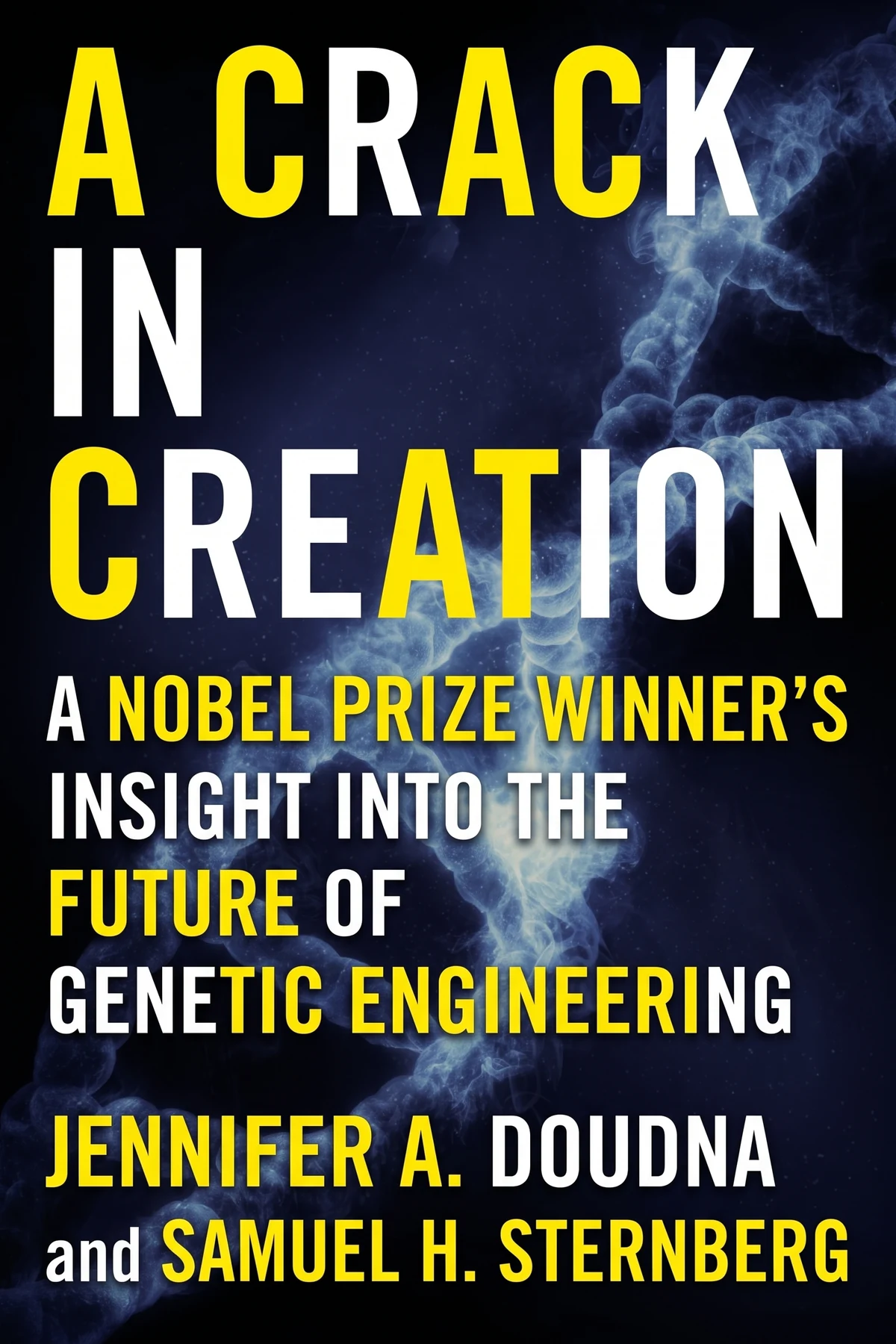
Cannibalism: A Perfectly Natural History
By Bill Schutt
Cannibalism examines the biological and cultural history of a universal taboo. Bill Schutt explores why eating one's own species is a natural response to environmental stress across the animal kingdom.
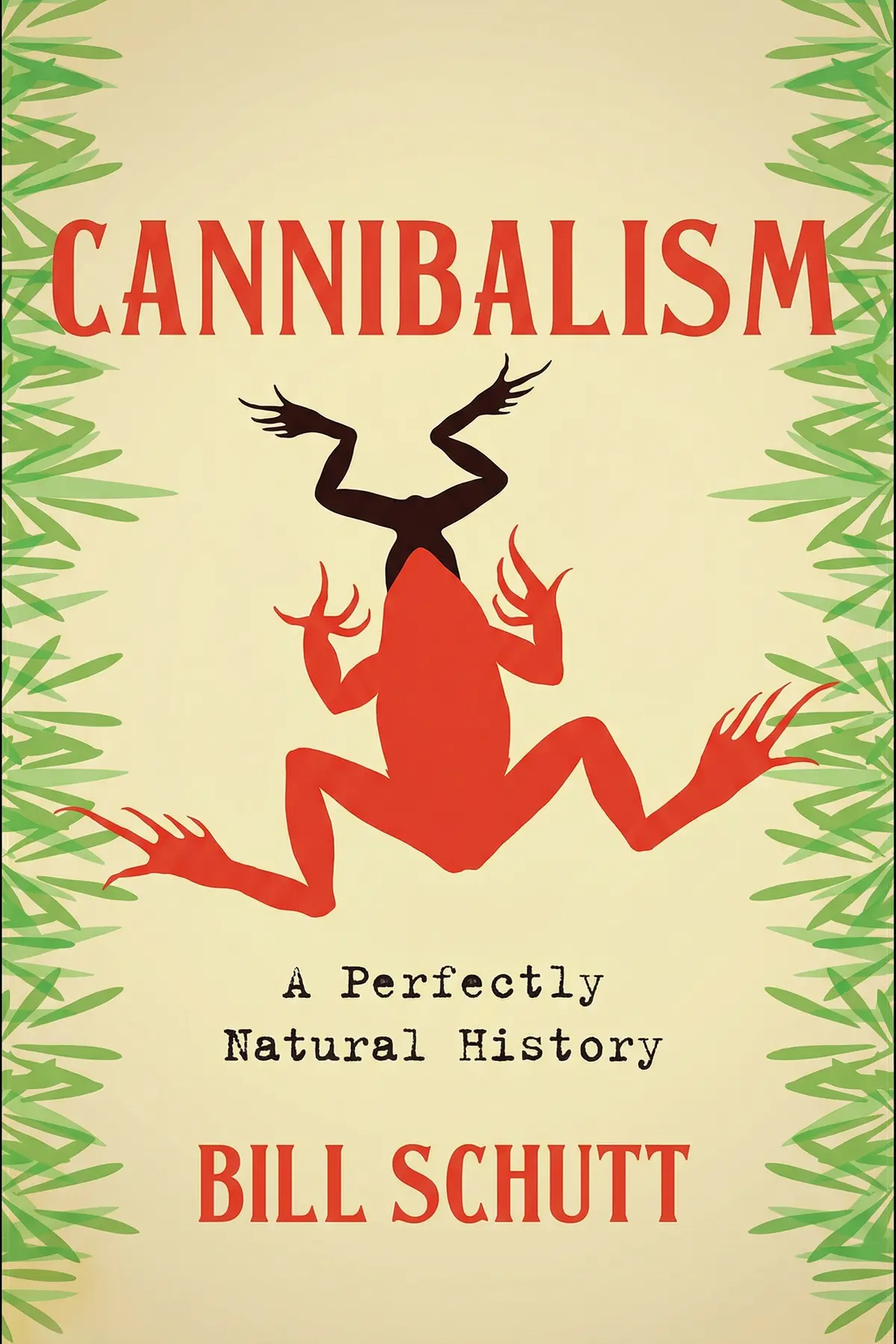
Table of Content
1. Introduction
1 min 31 sec
Think about the last time you saw a horror movie or browsed through a streaming service. Chances are, you encountered the concept of cannibalism. From the relentless pursuit of the undead in zombie epics to the sophisticated chilling nature of fictional killers like Hannibal Lecter, our entertainment is saturated with the idea of humans eating humans. It’s a fascination that bleeds into our everyday language too. We use affectionate phrases like ‘I could just eat you up’ when looking at a baby, or use predatory metaphors to describe people in the dating world. This paradox is striking: we are both repulsed by the act and seemingly obsessed with it.
But what if we looked past the gore and the movie tropes? What if we stripped away the shock value and viewed cannibalism through the lens of a biologist? When we do, we find that this behavior isn’t just a sign of madness or extreme desperation; it is a recurring theme in the story of life on Earth. Throughout this summary, we are going to explore the surprising normalcy of cannibalism in the animal kingdom and trace the origins of our own human taboos. We will see how evolutionary pressures make this practice a logical survival strategy and how cultural narratives have been used to distance ‘civilized’ societies from their own biological reality. This isn’t just a look at a dark subject; it’s a journey into the heart of what it means to survive in a world where resources are scarce and the stakes of existence are high.
2. A Natural Phenomenon Hidden in Plain Sight
2 min 04 sec
For decades, scientists dismissed cannibalism as a rare abnormality caused by madness or starvation, but a groundbreaking discovery in the 1970s changed everything.
3. The Evolutionary Advantages of Consuming Kin
2 min 09 sec
While it may seem counterproductive to eat the next generation, nature uses cannibalism to ensure the strongest individuals thrive and develop faster.
4. Stress Indicators and the Risks of Cannibalism
2 min 18 sec
From overcrowded chicken coops to the tragic decline of isolated human tribes, the environment plays a decisive role in when and how cannibalism occurs.
5. Human Realities and Modern Deviations
1 min 58 sec
While modern society treats cannibalism as a ultimate crime, the line between taboo and practice is thinner than we might expect.
6. The Cultural Construction of the Taboo
2 min 17 sec
The intense disgust we feel toward cannibalism isn’t just biological; it’s a carefully crafted cultural narrative shaped by religion and history.
7. A Precarious Future and the Return of the Hunger
2 min 11 sec
As global resources dwindle and climate change intensifies, the environmental triggers for cannibalism could once again influence human behavior.
8. Conclusion
1 min 31 sec
As we have seen, the story of cannibalism is far more complex than the shocking headlines and horror films would have us believe. It is a behavior woven into the very fabric of the natural world, a testament to the lengths that life will go to in order to persist. From the silent battles in a shark’s womb to the desperate acts of famine-stricken populations, cannibalism emerges not as a freak occurrence, but as a predictable response to the harsh realities of resource scarcity and environmental pressure.
We have also seen how our human taboos against the practice are not just innate biological disgusts, but carefully constructed cultural and religious narratives. These stories have served to define who we are and, more importantly, who we are not. Yet, as our planet faces new and unprecedented stresses, the history of this practice serves as a warning. It reminds us that our civilization is built on a foundation of predictable resources. If that foundation cracks, the biological imperatives that have guided life for millions of years may once again come to the surface. Ultimately, the history of cannibalism isn’t just a look at a taboo; it’s a look at the raw, uncompromising nature of survival itself. It challenges us to recognize our own place in the animal kingdom and to understand that in the game of life, nothing is truly off the table when existence is at stake.
About this book
What is this book about?
What if one of humanity's deepest taboos is actually a standard survival strategy in the natural world? Cannibalism takes listeners on an eye-opening journey through the history, biology, and sociology of this controversial practice. Moving beyond the sensationalized horror of pop culture, the book reveals that consuming members of one's own species is far more common than most scientists once believed. From the intrauterine battles of sand tiger sharks to the ritualistic practices of various human cultures, the narrative dissects the evolutionary advantages and environmental triggers that make cannibalism a logical, if grisly, choice. This exploration doesn't just stop at animal behavior. It delves into the historical construction of the cannibalism taboo in Western society, examining how religion, colonialism, and even children's fairy tales have shaped our visceral disgust. By looking at historical famines and modern environmental pressures, the book offers a sobering look at the conditions that might cause this behavior to resurface in the future. It promises a thorough understanding of why nature isn't always as polite as we would like to believe and how survival often demands the unthinkable.
Book Information
About the Author
Bill Schutt
Bill Schutt is a research associate at the American Museum of Natural History and a professor of biology at LIU Post in New York. He wrote Dark Banquet: Blood and the Curious Lives of Blood-Feeding Creatures and is the co-author of the novel Hell’s Gate.
Ratings & Reviews
Ratings at a glance
What people think
Listeners find this book to be a captivating exploration that offers an extraordinary depth of knowledge on cannibalism, with one listener observing that the author tackles the subject with both humor and respect. Furthermore, the prose style is highly regarded, with one listener noting its conversational tone, and listeners value the fact that the content isn't sensationalized. The book is also seen as clear and skillfully written, with one listener portraying it as the finest example of popular science literature.
Top reviews
Petch
Bill Schutt has a rare talent for making a stomach-turning topic feel completely accessible and even educational. I was initially hesitant to pick this up, but the author’s insatiable curiosity is absolutely infectious. He does a brilliant job debunking the myths surrounding the Donner Party, using modern research to show that the reality was much more nuanced than the legends suggest. The discussion on the Eucharist and how we view ritual cannibalism in Christianity was particularly thought-provoking and brave. It is not a gruesome romp, but rather a sophisticated look at how the line between "civilized" and "savage" was often drawn for political reasons. Frankly, I think everyone should read this to understand that cannibalism is actually quite natural in the grand scheme of life.
Show moreNang
This book completely reframed how I view 'natural' behavior in the wild and within our own history. Schutt argues that eating one’s own species isn't just a desperate act of starvation, but can be a tool for social order and population control. The stories about Christopher Columbus and how he used cannibalism labels to justify colonization were eye-opening and deeply relevant. I appreciated that the author stayed far away from the typical serial killer tropes that usually plague this topic. The writing is witty, the research is top-notch, and the insights into the animal kingdom are genuinely surprising. I inhaled this book in two sittings and immediately recommended it to all my friends who love a good, dark piece of history.
Show moreTariq
Wow, who knew I could be so gleefully entertained by a book about species snacking on their own kind? Schutt is a fantastic guide through this taboo subject, and his background as an invertebrate zoologist shines through in the best way possible. I loved learning about the various reasons for cannibalism, from pre-natal survival in sharks to the sacrificial rituals of ancient cultures. The way he weaves together interviews with experts and his own field research makes for a very compelling narrative. It is rare to find a science book that is this funny without losing its intellectual weight. If you aren't afraid of a little dark humor and a lot of biological facts, you should definitely grab a copy.
Show moreBella
If you enjoy Mary Roach's quirky approach to science, you will feel right at home with Bill Schutt’s writing style. He takes a subject that most people find repulsive and turns it into a fascinating, conversational journey through biology. I particularly loved the section on the animal kingdom, where he explains how spiders and tadpoles use cannibalism as a viable survival strategy. It is refreshing to read a book that avoids the sensationalism of serial killers like Jeffrey Dahmer in favor of actual anthropological data. While some of the medical history about drinking blood or eating powdered mummies was a bit stomach-churning, the dark humor kept me engaged. This is popular science at its best, even if the transition from animals to humans felt a little abrupt in the middle chapters.
Show moreBoy
Ever wonder why a mother spider might offer herself up as a meal to her offspring? This book dives deep into those uncomfortable questions without ever feeling exploitative or gross. Schutt writes with a light touch that reminds me of Bill Bryson, making complex evolutionary advantages easy to understand for the layperson. I was surprised to learn about the history of "medicinal cannibalism" in Europe, which is a part of history that usually gets glossed over in school. The only part that really made me recoil was the detailed account of placenta eating, but even that was handled with scientific objectivity. It is a well-researched, enlightening piece of non-fiction that manages to be respectful of human life while exploring its more taboo aspects.
Show moreTitiluck
Schutt expertly balances a respectful distance from human tragedy with a deep dive into the biological necessity of cannibalism. Picking this up, I wasn't sure if I would be able to handle the subject matter, but the focus is much more on zoology than on horror. The chapters on raptors and their sibling rivalries were particularly fascinating to me as a bird lover. I also found the exploration of how diseases spread through ritual consumption to be a highlight of the text. My only real complaint is that I wanted a bit more on the cultural side of modern tribes, though I understand why the author chose to be delicate. It is a smart, funny, and deeply informative book that handles a difficult subject with grace.
Show moreLaor
To be fair, I was worried this would be too gruesome to finish, but the author makes the medicine go down easy with plenty of wit and intelligence. This isn't a book about monsters; it’s a book about survival, ritual, and the sometimes strange ways that life persists. I was particularly struck by the discussion on how the stigma of cannibalism has been used as a weapon against indigenous peoples throughout history. Schutt handles these sensitive topics with a level of care that you don't often see in books about 'taboo' subjects. There were a few moments where the technical jargon got a little thick, particularly in the brain disease section, but overall, it was an incredibly satisfying and educational read.
Show moreSudarat
While the subject matter is undeniably gripping, the pacing felt a bit uneven toward the end of the book. I was completely fascinated by the invertebrate zoology bits, especially the slugs that have to chew their own genitals off to escape mating tangles. Schutt clearly knows his stuff and writes with a lot of respect for the victims of history. However, I felt like the chapter on Kuru and other spongiform encephalopathies went on for far too long. To be fair, it is an important part of the science, but it lacked the witty spark found in the earlier sections about the Donner Party. It is a solid read if you are interested in the evolution of behavior, but be prepared for a few dry stretches.
Show moreTawee
Picked this up on a whim after seeing a review on BookTube and the truth is, it was a bit of a mixed bag for me. On one hand, the author's dark sense of humor is great, and he makes the science of snails and sharks really engaging. On the other hand, some of the chapters felt like they belonged in a textbook rather than a popular science book. I did appreciate the lack of sensationalism, as I’m tired of seeing the same five serial killers discussed over and over again. The stuff about the IT Crowd was a funny little nod, but I think the book could have been trimmed down by about fifty pages. It’s an interesting read for the curious, but it might not be for everyone.
Show morePakpoom
Maybe I am just too used to the sensationalist Netflix documentaries, but I found this a bit too academic for my taste. I went into this expecting a deep dive into the darker side of human nature, but instead, I got a lot of chapters about birds and insects. Schutt is clearly a talented zoologist, and his writing is high-quality, but I just couldn't get into the long-winded explanations of tadpole nutrition. The book tries to be funny, and sometimes it succeeds, but the humor often felt a bit forced when discussing such a heavy topic. If you want a dry, scientific breakdown of why animals eat their young, this is for you. If you wanted something more along the lines of a true crime thriller, look elsewhere.
Show moreReaders also enjoyed
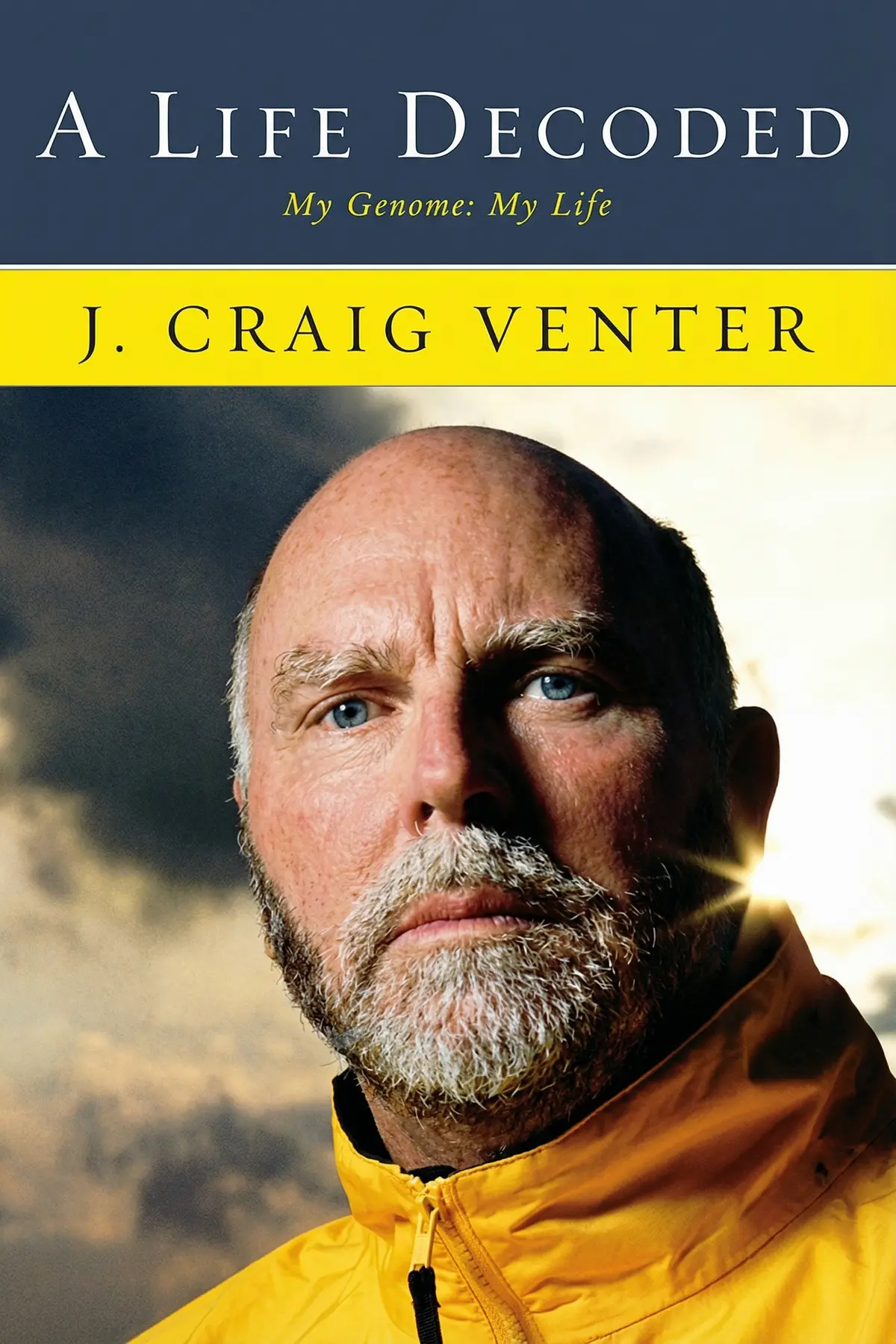
A Life Decoded: My Genome: My Life
J. Craig Venter
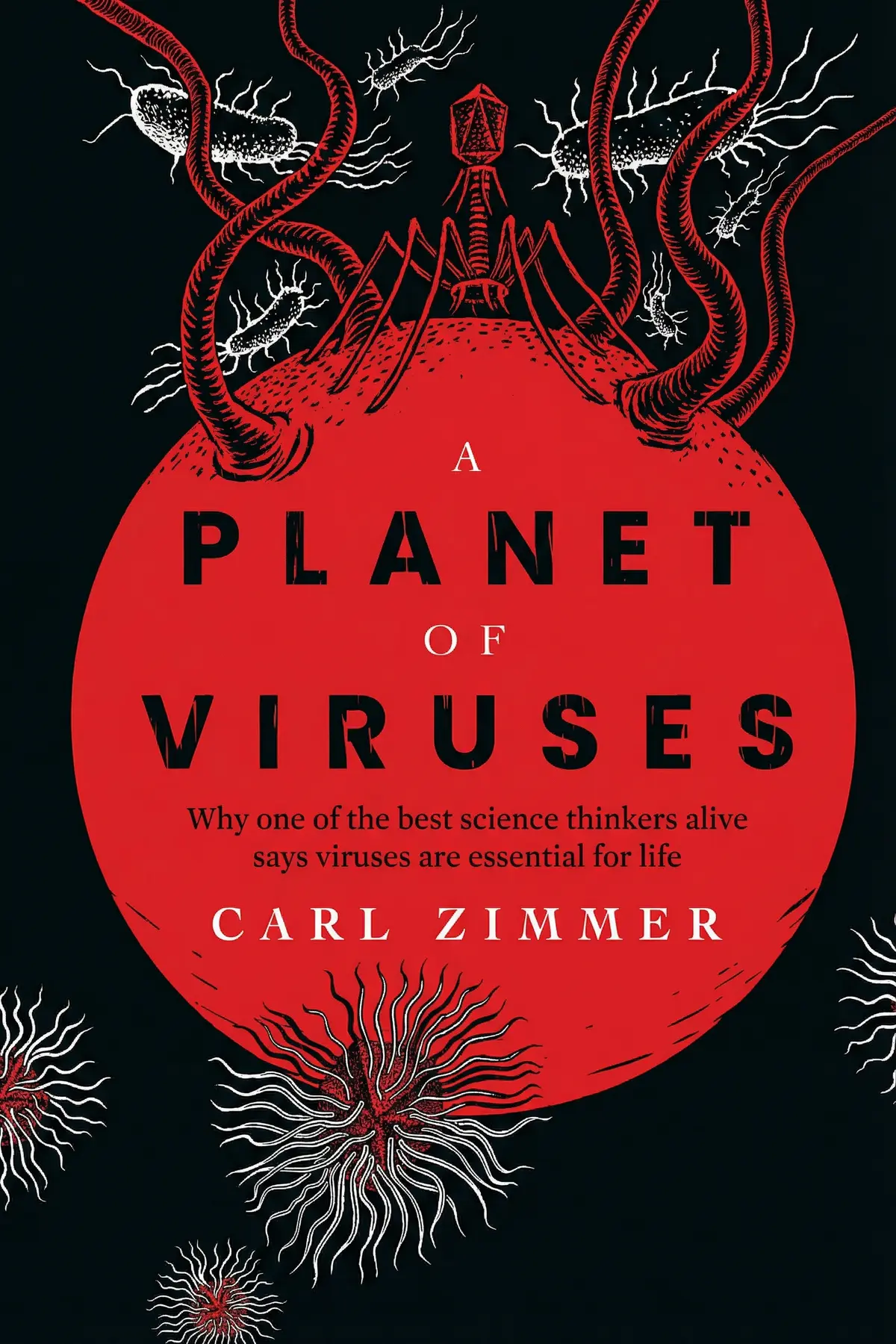
A Planet of Viruses
Carl Zimmer
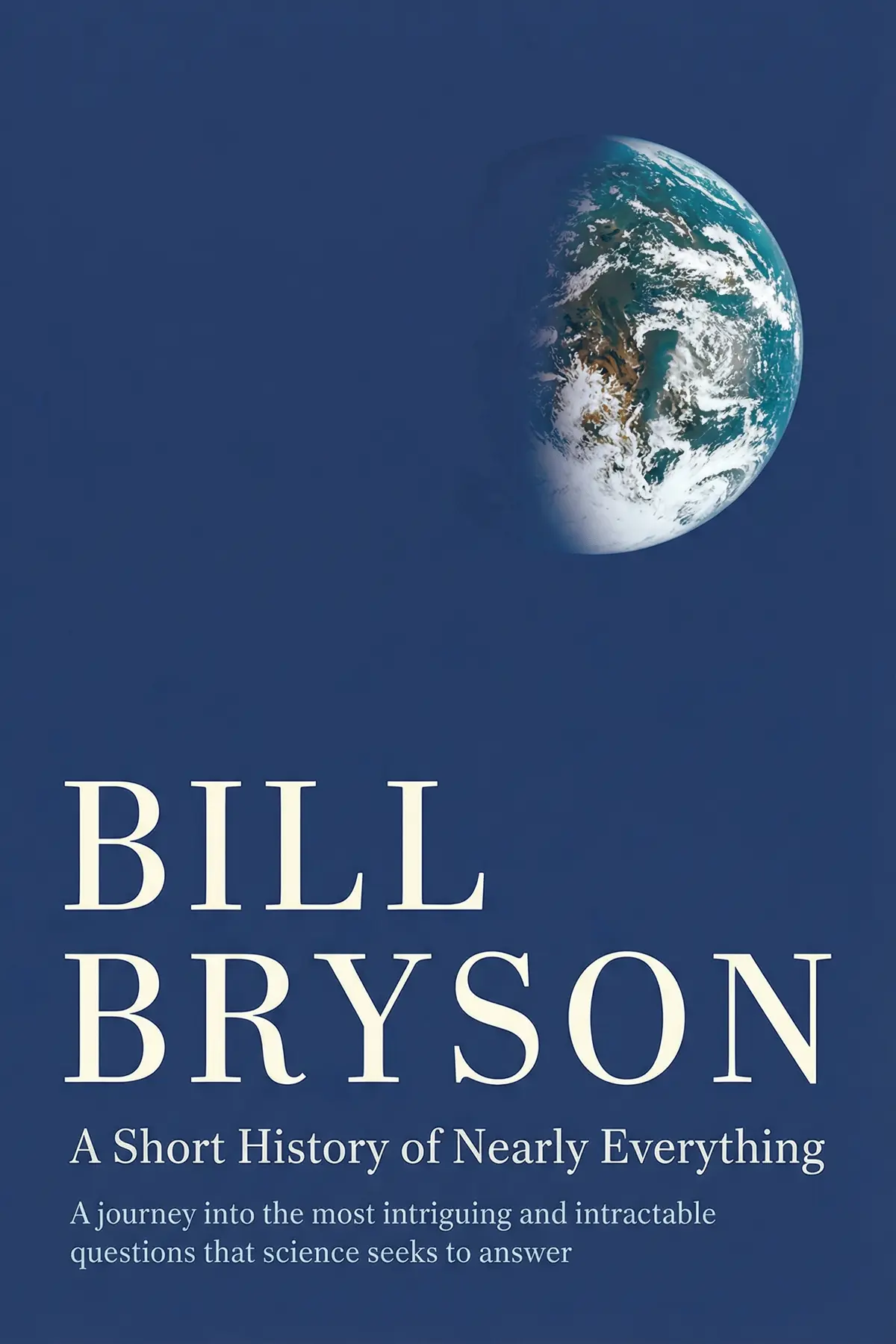
A Short History of Nearly Everything
Bill Bryson
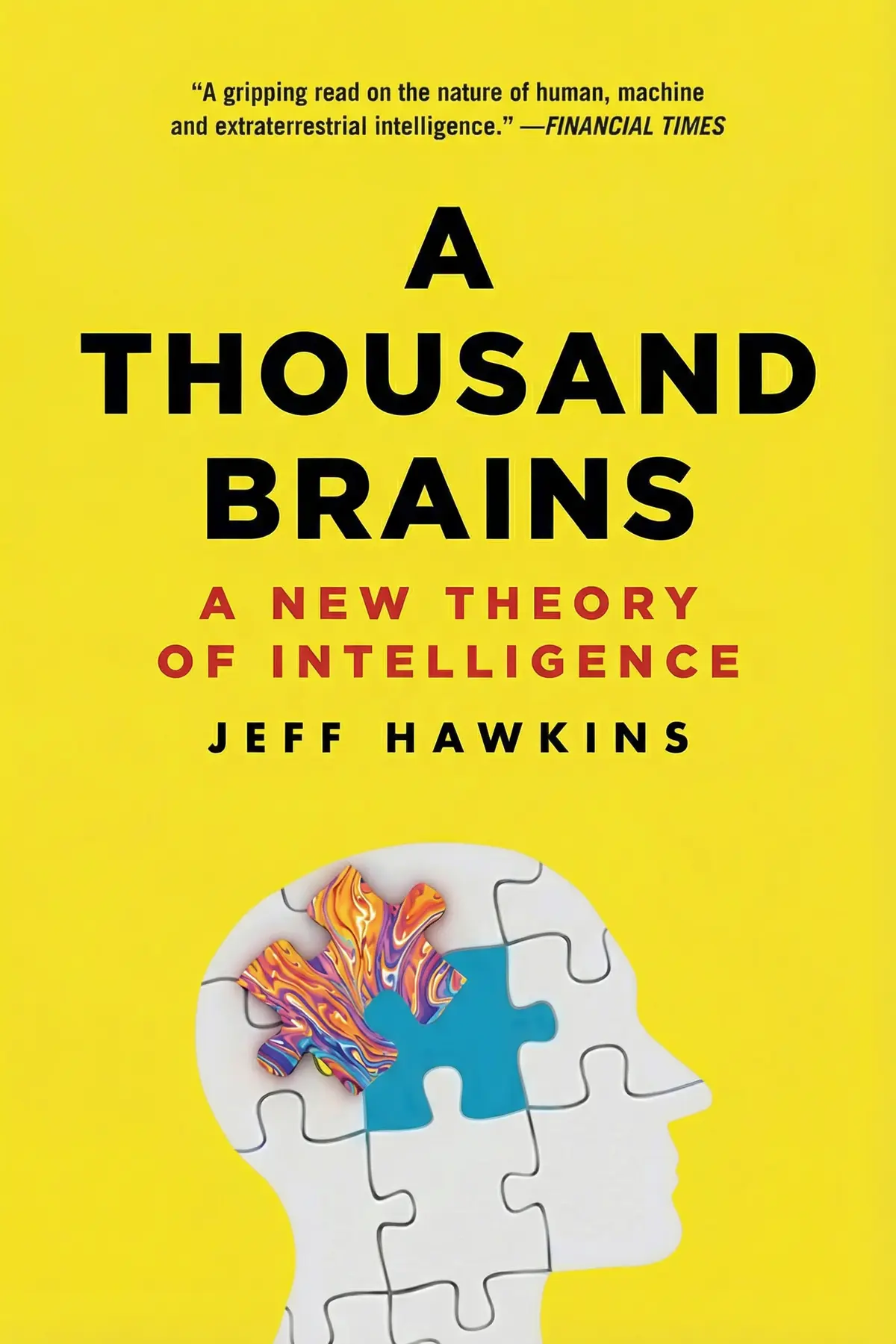
A Thousand Brains: A New Theory of Intelligence
Jeff Hawkins
Alien Earths: The New Science of Planet Hunting in the Cosmos
Lisa Kaltenegger
AUDIO SUMMARY AVAILABLE
Listen to Cannibalism in 15 minutes
Get the key ideas from Cannibalism by Bill Schutt, plus 5,000+ more titles in English and Thai.
- 5,000+ titles
- Listen as much as you want
- 7-day free trial
- Cancel anytime







