
18 min 25 sec
Captivology: The Science of Capturing People’s Attention
By Ben Parr
Explore the psychological triggers that command attention in a crowded world. This guide breaks down the science of engagement, offering a roadmap to make your ideas resonate and endure over time.
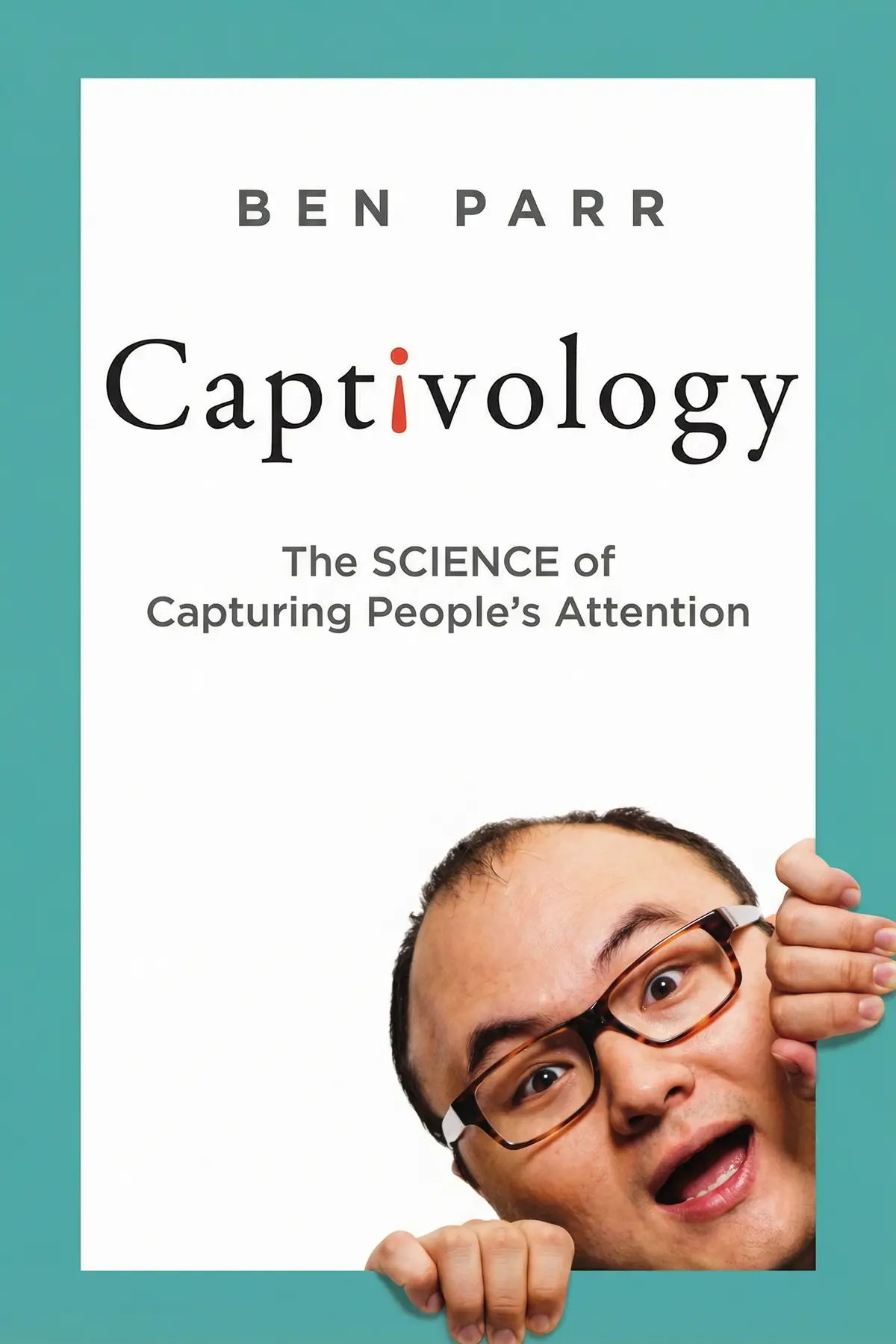
Table of Content
1. Introduction
2 min 05 sec
Every single day, we wake up to a world that is screaming for our focus. From the moment we check our phones in the morning to the late-night scroll through social media, we are navigating a relentless flood of data. It isn’t just about advertisements; it’s emails, news alerts, text messages, and the constant hum of a connected world. In this environment, attention has become the most valuable currency on the planet. But as the supply of information explodes, our capacity to process it remains limited. This creates a massive gap between those who want to be heard and the people they are trying to reach.
To bridge this gap, we have to look past the surface of ‘getting noticed’ and dig into the actual science of the human brain. We need to understand why we look when something flashes, why we stay when something interests us, and why we return to the things we love. It is not just a matter of luck or being loud. There is a specific psychological machinery at play, governed by reflexes, neurotransmitters like dopamine, and our deep-seated need for recognition.
In this summary of Captivology, we are going to explore a structured framework for seizing and holding that focus. We will look at the three distinct phases of attention—immediate, short-term, and long-term—and the specific ‘triggers’ that can move an audience through these stages. From the biological cues that trigger automatic reactions to the complex social structures that build trust and reputation, you will discover how to make your message stand out in the cacophony. We’ll see how companies like Google and Vitaminwater have utilized these triggers and why even a genius like Vincent van Gogh struggled because he lacked the one thing that turns talent into a phenomenon: the ability to command the spotlight. By the end, you’ll have a clear understanding of how to guide an audience from the first spark of curiosity to a lasting, dedicated connection.
2. The Scarcity of Attention in an Information-Rich World
2 min 11 sec
Discover why the modern explosion of data has turned our focus into a finite resource and why being talented is no longer enough to guarantee success.
3. The Three-Stage Model of Focus
2 min 44 sec
Learn the fire-building analogy that explains how to transition your audience from a sudden reflex to a lifelong commitment.
4. Using Sensory Cues to Trigger Automatic Reactions
2 min 10 sec
Uncover the biological ‘shortcuts’ the brain uses to filter information and how you can use color and contrast to stand out.
5. The Power of Framing and Context
2 min 02 sec
See how tailoring your message to your audience’s existing worldview can prevent your ideas from being ignored or misunderstood.
6. Motivating Your Audience Through Rewards
1 min 56 sec
Distinguish between temporary and lasting engagement by understanding the difference between extrinsic prizes and intrinsic desires.
7. Leveraging Reputation and the Crowd
1 min 47 sec
Learn how to borrow credibility from experts and the masses to navigate the skepticism of a modern audience.
8. The Acknowledgment Trigger: The Need to Be Seen
1 min 49 sec
Explore why validation and recognition are the most potent tools for building an unbreakable bond with your audience.
9. Conclusion
1 min 41 sec
In the end, capturing attention in a world filled with noise is not about being the loudest voice in the room. It’s about being the most resonant. As we’ve explored, the journey from a fleeting glance to a dedicated following requires an understanding of how our brains are wired. You have to start by sparking those automatic reflexes with sensory cues, then bridge the gap into short-term interest by framing your message in a way that aligns with your audience’s worldview.
But the true masters of attention go further. They sustain interest by providing intrinsic rewards that satisfy deep human needs. They build credibility by leveraging the power of reputation and the crowd. And perhaps most importantly, they acknowledge their audience, creating a reciprocal relationship of trust and validation. Whether you’re launching a new business or just trying to share an important idea, these triggers are the tools you need to make sure your voice isn’t lost in the shuffle.
As an immediate next step, consider the ‘credibility rule.’ If you are just starting out and don’t yet have a reputation of your own, borrow one. When you pitch an idea or a product, lead with a validation from someone the audience already trusts. Whether it’s a testimonial from a recognized expert or a mention of a reputable partner, leading with established credibility ensures that your audience doesn’t filter you out as ‘unproven.’ By applying these psychological principles strategically, you can turn the scarcity of attention into your greatest opportunity, ensuring that your ideas don’t just reach people, but truly stay with them.
About this book
What is this book about?
In an era of endless digital noise, the ability to command attention is a superpower. This summary dives into the mechanics of how the human brain processes information and why certain messages stick while others fade away instantly. It moves beyond simple marketing tactics to examine the underlying biological and psychological triggers—such as sensory cues, framing, and reputation—that influence our focus. You will learn the three-stage process of capturing attention, moving from an initial reflexive spark to a sustained, long-term commitment. Whether you are an entrepreneur looking for investors, a creator seeking an audience, or a professional aiming to be heard, this summary provides the framework for turning a fleeting glance into lasting engagement. It reveals why being talented or 'good enough' is no longer sufficient and how to leverage intrinsic rewards and social proof to build a loyal following.
Book Information
About the Author
Ben Parr
Ben Parr was a co-editor and editor-at-large at Mashable and a columnist for CNET. He is the co-founder and managing partner of venture-capital firm DominateFund. In 2012, Forbes named Parr one of its 30 Under 30.
Ratings & Reviews
Ratings at a glance
What people think
Listeners find the work thoroughly researched and stimulating, while one listener points out that the material transitions seamlessly from one chapter to the next.
Top reviews
Dao
Captivology is essentially a masterclass for anyone trying to navigate our noisy modern economy. Ben Parr does a fantastic job blending well-known behavioral research with very recent examples that actually feel relatable to today’s digital landscape. I found the transition from chapter to chapter incredibly smooth, which is rare for books that lean this heavily on data and science. To be fair, if you’re a deep-dive psychology nerd, you might recognize some of the studies mentioned. However, the way he frames them as practical investments of time and creative effort makes the content feel fresh and actionable. It’s a thought-provoking guide that helps you understand the 'why' behind what we notice. I’ve already started rethinking how I pitch my own projects based on the attention triggers he outlines. Truly an excellent resource for anyone in marketing or creative fields.
Show morePisit
Finally got around to reading this, and I’m genuinely impressed by the depth Parr goes into regarding why we sustain attention. As an entrepreneur, I found the insights regarding team building and fundraising to be particularly valuable. It’s a thought-provoking dive that doesn't just stick to social media trends; it looks at history and deep-seated psychological research. I realized my own tendency for long, detail-heavy posts might not be the most effective way to spark a response. To be fair, he doesn't offer a magic wand or an easy fix, but rather shows the hard work required to stay relevant. The writing is engaging and keeps you hooked through some pretty dense scientific concepts. If you are trying to sell an idea or a product, you need to read this book. It's a game-changer for how I plan to communicate my vision moving forward.
Show moreAkira
After hearing so much buzz about this one, I had high expectations, and it actually delivered. To get a five-star review from me, a book needs intelligent ideas and relevant, modern case studies. Parr provides both in spades, using research that feels current and immediately applicable. The writing is incredibly engaging, which is a relief because some of these behavioral science books can be a total slog. It’s a thought-provoking look at the investment of our most precious resource: our time and focus. I particularly enjoyed the sections on how we are hard-wired to respond to specific triggers like mystery and disruption. This is a must-read for anyone who wants to understand the hidden forces that shape our decisions. Truly one of the better books on influence I’ve read in recent years. It’s practical, smart, and very well-organized.
Show moreKrisada
Ever wonder why some ideas stick while others vanish instantly? Ben Parr digs deep into the mechanics of the human brain to explain the triggers that capture our focus. This book is remarkably well-researched, and I was impressed by how the content flows smoothly from one chapter to the next. Not gonna lie, I expected another generic marketing book, but this feels more like a serious study on how we interact with the world. He uses a mix of historical anecdotes and modern-day case studies that keep things moving at a good clip. My only minor gripe is that some chapters feel a bit more robust than others. Still, it’s a thought-provoking read that offers practical takeaways for anyone trying to influence outcomes. It’s definitely earned a spot on my reference shelf for future projects because the insights are actually applicable.
Show morePranee
As someone who identifies as an introvert, I usually find the 'look at me' culture of the modern world completely exhausting. This book actually offered a refreshing perspective by focusing on the science of attention rather than just telling you to be louder. Captivology helped me understand how to stay true to myself while still ensuring my message gets across effectively. Frankly, the writing style is very accessible, making it an easy-to-follow guide for those of us who aren't natural-born salesmen. The breakdown of how the brain is hard-wired for certain stimuli was especially helpful for my own communication style. While a few of the examples felt a little dated, the core principles are timeless and useful. I feel much more equipped to handle the attention economy now. It's a solid read for anyone feeling overwhelmed by extroverted noise.
Show moreSkylar
Picked this up because I wanted to understand how to better engage my audience at work. Captivology is incredibly well-researched, and you can tell Parr spent a lot of time vetting his sources. I love how the chapters transition seamlessly; it really helps the complex ideas settle in without feeling overwhelming. In my experience, most business books are 200 pages of fluff around one good idea, but this one is packed with substance. It’s a practical guide that focuses on how to capture and, more importantly, sustain interest over time. My only criticism is that the writing can be a little dry in the middle sections. However, the modern case studies at the end really bring the whole thing home. Definitely worth the read for the "hard-wired" insights alone. It's a useful tool for anyone in a leadership position.
Show moreNiramai
The truth is, while the examples are solid and well-researched, I didn’t find much here that felt revolutionary. If you have spent any time reading books about cognitive psychology or behavioral economics, you’ve likely encountered most of this research elsewhere. It’s an interesting read, but I found that not much stayed with me after I closed the back cover. Personally, I think this serves as the perfect introduction for someone totally new to the topic of attention triggers. Parr writes in an easy-to-follow style that avoids getting bogged down in overly academic jargon. It’s a decent primer, but it lacks the 'wow' factor of something truly groundbreaking. It’s worth a look if you need a refresher on the basics of human behavior. Just don’t expect a complete paradigm shift if you're already well-versed in the field.
Show moreHom
This book provides a solid introduction to attention triggers, even if much of the material has been covered in other bestsellers. One thing I really appreciated was the author's tone; he speaks about how the brain is hard-wired without getting bogged down in the usual evolutionary debates. It makes the content very accessible and less likely to make certain readers uncomfortable. Gotta say, while I’ve read most of these studies before, hearing them again through the specific lens of the attention economy was helpful. The book flows well, but it did feel a bit repetitive towards the end. It's a good investment of time if you're new to the genre of behavioral science. For seasoned readers, it might just be a nice refresher. It’s a decent, well-crafted book that stays on message throughout, even if it doesn't reinvent the wheel.
Show moreTod
Not what I expected when I first grabbed it from the bookstore. We all crave attention in some way, and this book tries to explain that drive through a scientific lens. It was an interesting read while I was in the middle of it, but honestly, not much has stayed with me in the weeks since. The truth is, it feels a bit like a collection of anecdotes and studies that don't always form a cohesive story. It’s more of a sociological breakdown than a practical "how-to" manual. While the research is definitely thorough, the emotional connection to the material just wasn't there for me. It’s a fine book for a weekend read, but it didn't leave a lasting impact on how I view the world. Three stars for the effort and the smooth writing style, but it lacks that final punch.
Show morePruet
I found this book way too technocratic for my personal taste. Instead of an engaging narrative that pulls you in, it felt more like a dry treatise on sociology and attention spans. While I appreciate the amount of work that went into the research, the delivery was just too clinical to keep me interested. Look, the science is clearly there, but it lacks the storytelling element that makes other books in this genre so memorable. I found myself skimming through sections because the pacing just wasn't right for me. It might appeal to you if you want a purely analytical breakdown of how our brains are hard-wired. However, if you are looking for a compelling story alongside your facts, you might be disappointed. It just didn't click for me, and I wouldn't recommend it over more narrative-driven psychology books.
Show moreReaders also enjoyed

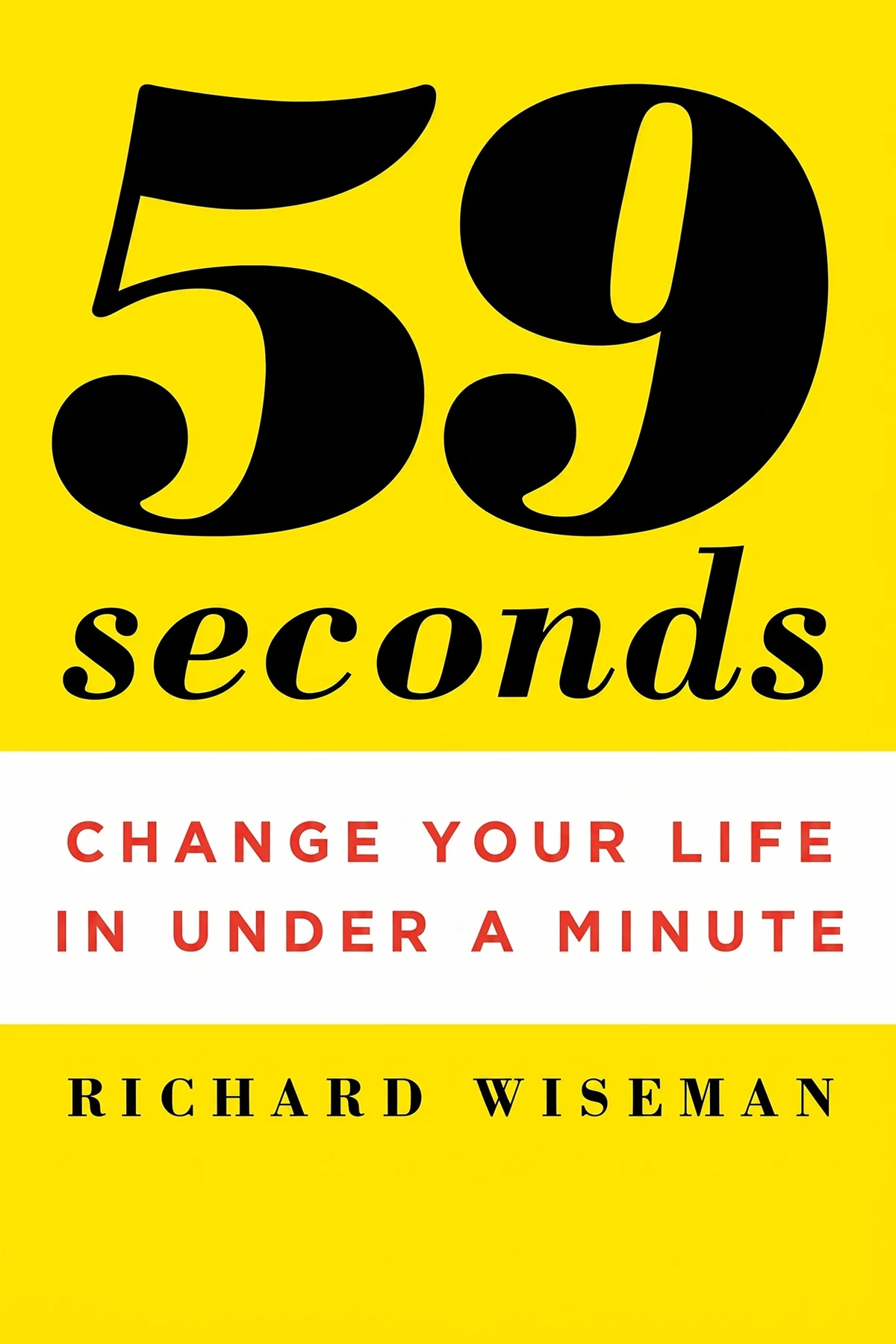
59 Seconds: Change Your Life in Under a Minute
Richard Wiseman
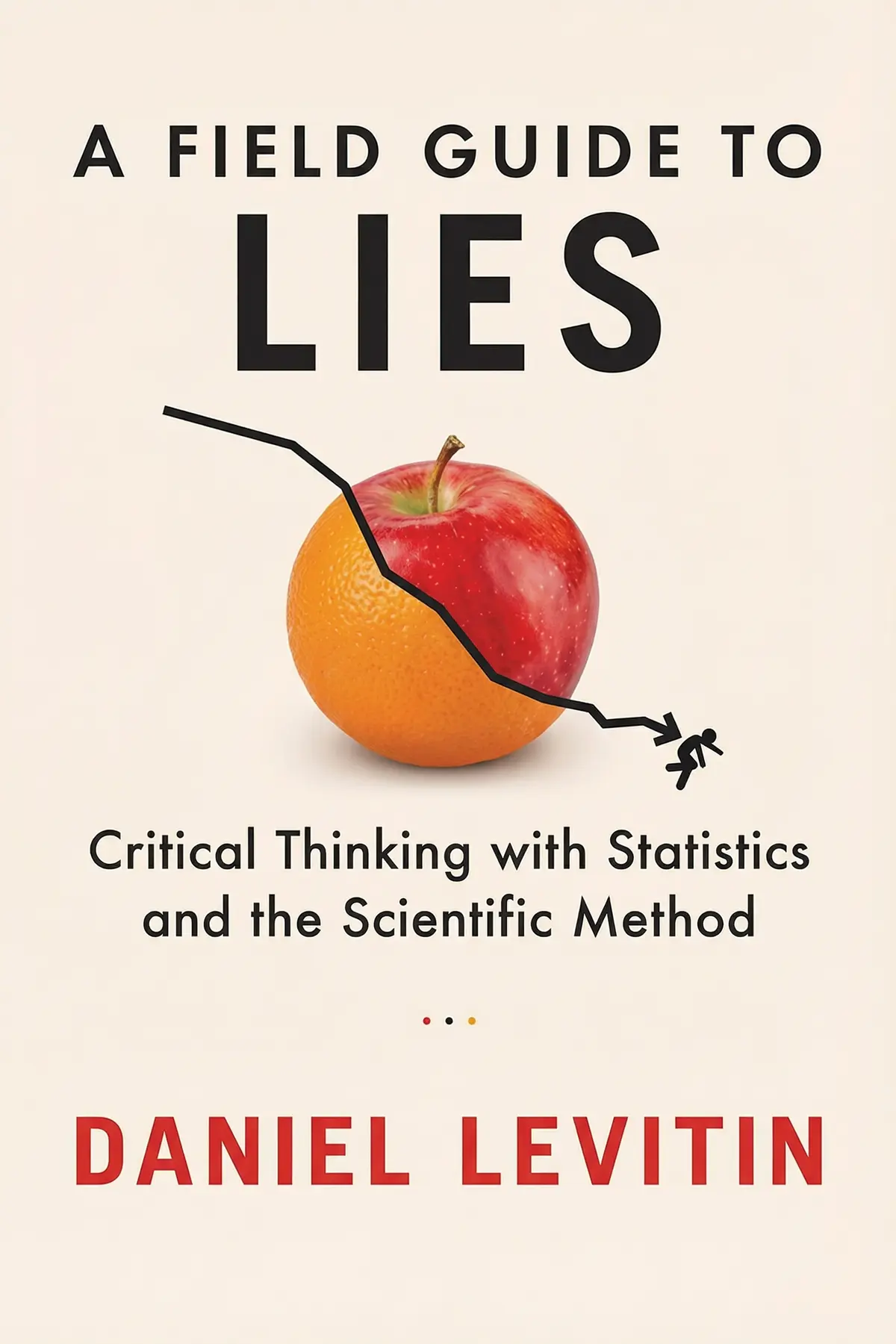
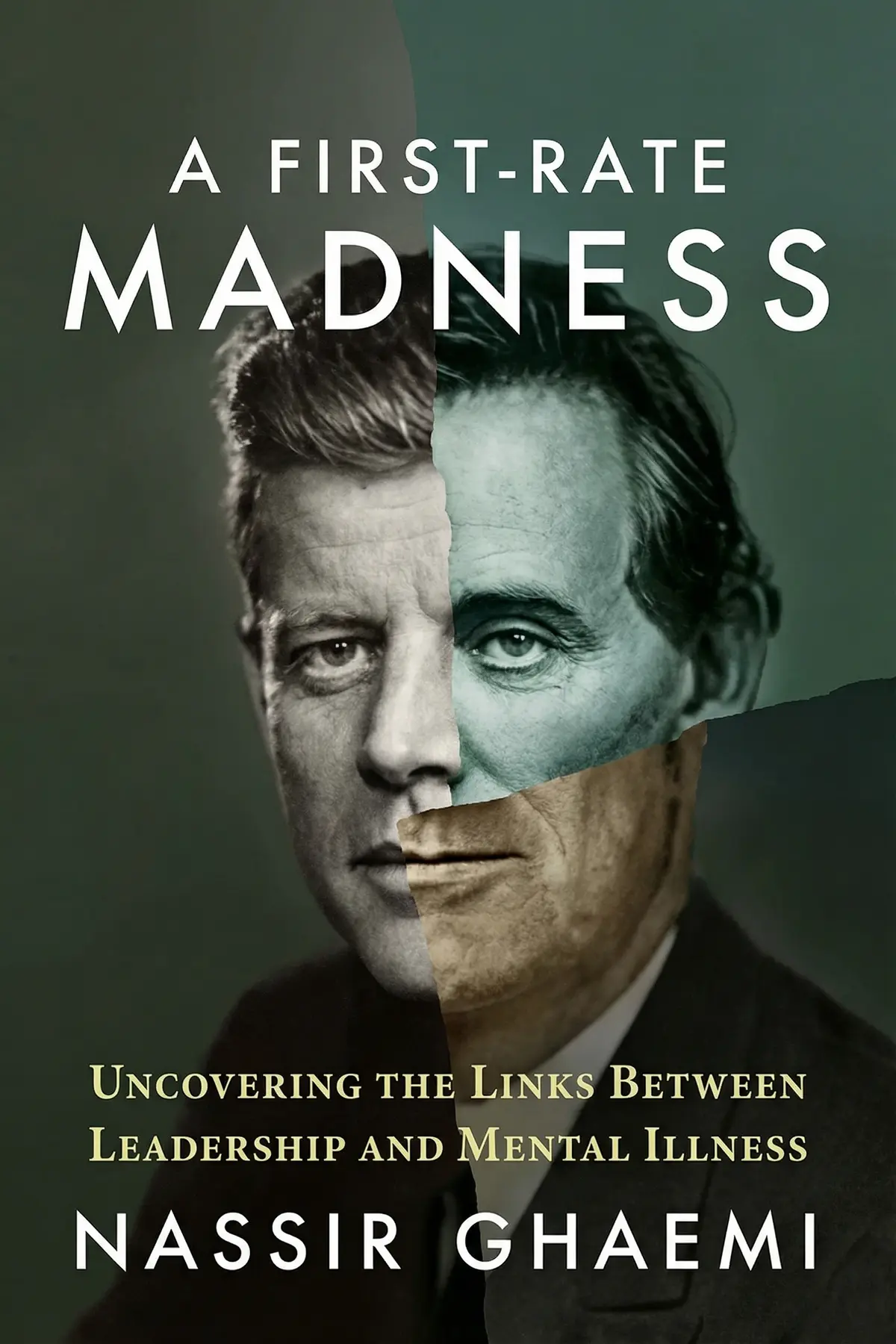
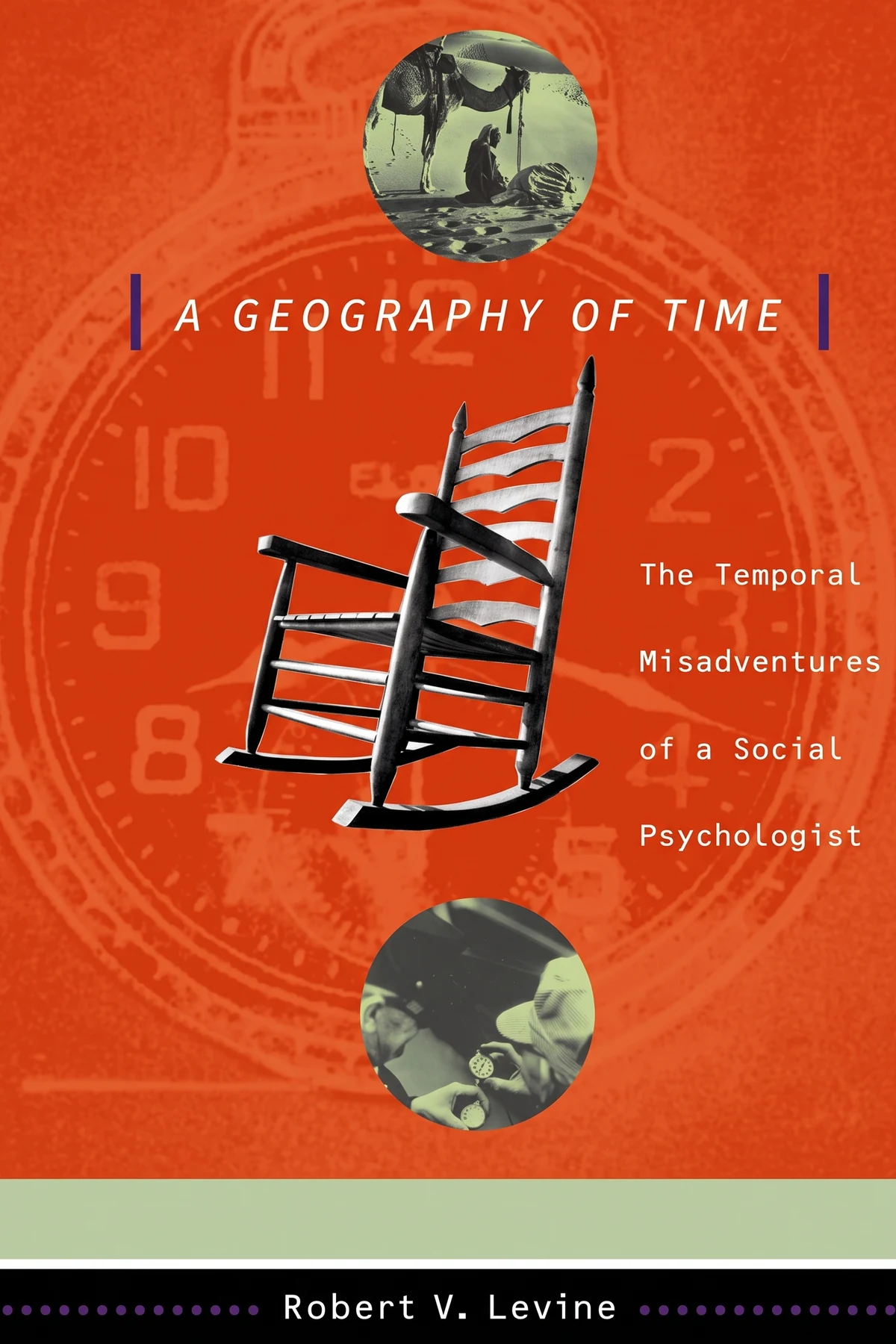
A Liberated Mind: How to Pivot Toward What Matters
Steven C. Hayes
AUDIO SUMMARY AVAILABLE
Listen to Captivology in 15 minutes
Get the key ideas from Captivology by Ben Parr, plus 5,000+ more titles in English and Thai.
- 5,000+ titles
- Listen as much as you want
- 7-day free trial
- Cancel anytime







