
15 min 39 sec
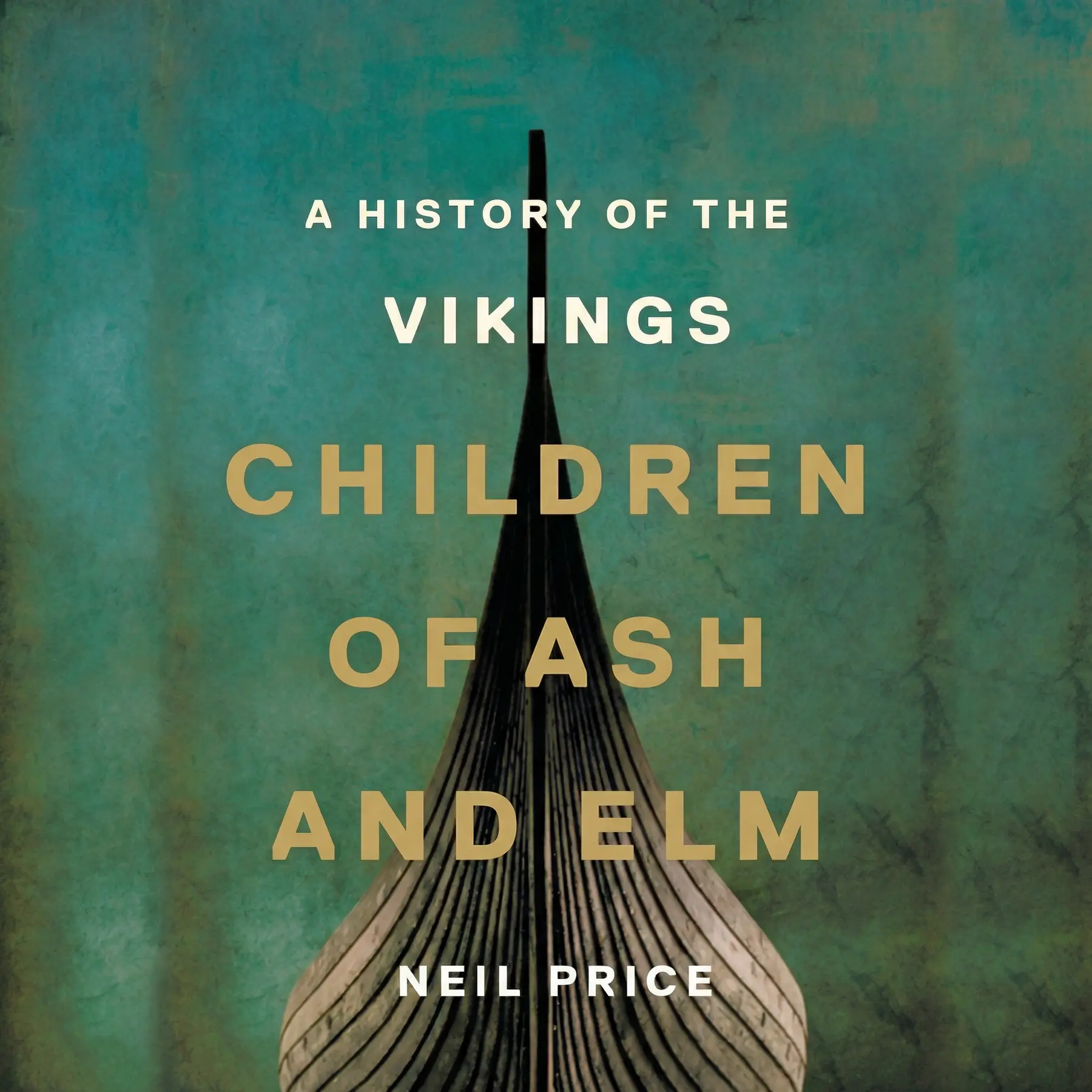
Children of Ash and Elm: A History of the Vikings
By Neil Price
Explore the multi-dimensional world of the Vikings, moving beyond stereotypes of raiders to reveal a sophisticated civilization of traders, poets, and lawmakers who shaped the course of European history and culture.
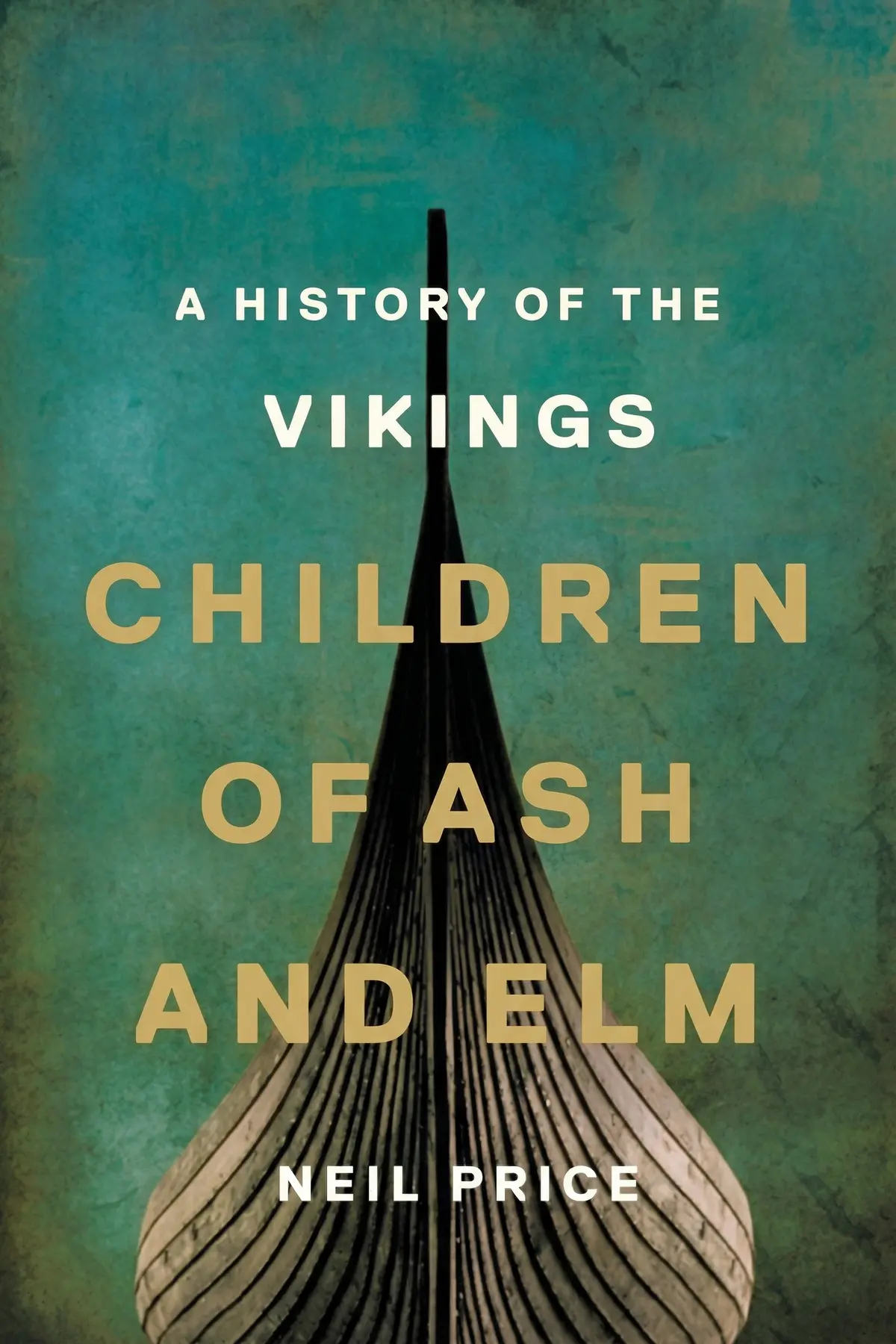
Table of Content
1. Introduction
1 min 31 sec
When we think of the Vikings, our minds often jump straight to the image of longships emerging from the morning mist, filled with fierce warriors ready to descend upon a peaceful monastery. This specific historical snapshot—most famously recorded as the raid on Lindisfarne in the year 793—has defined the Viking image for over a millennium. But if we only see them as pirates or raiders, we miss the vast majority of their story. The reality is that the Viking Age was a period of immense creativity, complex social negotiation, and profound cultural exchange that rippled far beyond the shores of Scandinavia.
In this journey, we are going to look past the horned helmets of popular fiction and step into the actual shoes of the Norse people. We’ll explore a world where poetry was as valued as prowess in battle, where family ties were the ultimate form of security, and where the very landscape was alive with spirits and ancient history. This isn’t just a story of conquest; it’s a story of how a group of people from the fringes of Europe came to influence the language, laws, and literature of an entire continent.
We will trace the roots of these societies back into the deep prehistory of the North, witnessing how they survived environmental catastrophes and built a civilization that was both brutal and beautiful. By the end, we’ll see how the ‘children of ash and elm’—the name given to the first humans in their mythology—transformed their world and ours. So, let’s set aside our preconceptions and dive into the nuanced, surprising, and deeply human history of the Viking world.
2. Ancient Foundations and Environmental Impact
2 min 38 sec
Discover how thousands of years of prehistory and a sudden volcanic winter shaped the resilient character and complex social hierarchy of the early Norse civilization.
3. The Pillars of Kinship and Community
2 min 20 sec
Step inside the Norse family structure where strategic alliances and the roles of women created a stable foundation for a volatile society.
4. Law, Democracy, and the Power of the Assembly
2 min 21 sec
Uncover the surprising truth about Viking justice and how their early democratic assemblies balanced individual honor with the needs of the collective.
5. A World of Gods, Giants, and Inevitable Fate
2 min 35 sec
Explore the dramatic Norse cosmos where humanity lives between fire and ice, guided by fallible gods and a destiny that even the divine cannot escape.
6. The Transformation into Medieval States
2 min 39 sec
Trace the final shift from scattered Viking raiding parties to unified Christian kingdoms as the Norse world merged into the broader European landscape.
7. Conclusion
1 min 35 sec
As we look back on this expansive history, it becomes clear that the Vikings were far more than the sum of their raids. They were a people born from a landscape of ice and fire, shaped by environmental hardship, and driven by a worldview that found meaning in the face of inevitable destruction. We’ve seen how their society was built on the unbreakable bonds of kinship and how their early democratic assemblies proved that they valued the rule of law as much as the strength of the arm. We’ve explored a spiritual world where the gods were as flawed as the humans who worshipped them, and we’ve witnessed the strategic transformation of these people into the stable nations of modern Scandinavia.
The real legacy of the Viking Age isn’t found in the ruins of the monasteries they burned, but in the enduring influence they left on the world’s map and its mind. Their mastery of the sea opened up trade routes that connected East and West, and their unique blend of personal honor and communal law helped shape the political landscape of Europe. They were explorers, poets, and architects of a new kind of society.
Ultimately, the story of the Vikings is a testament to human adaptability. It shows us how a culture can take the harshest of circumstances and turn them into a springboard for global impact. As you move forward, perhaps you can take a piece of that Norse spirit with you—the idea that even when the future is uncertain, the integrity with which we live our lives today is what truly endures. The Viking Age may have ended centuries ago, but the echoes of the ‘children of ash and elm’ still resonate in the way we govern, the way we tell stories, and the way we confront the challenges of our own world.
About this book
What is this book about?
This exploration of the Viking Age peels back the layers of myth to uncover the human reality behind the legendary Northmen. It moves beyond the simple image of the marauding warrior to examine the intricate social structures, deep-seated family values, and early democratic systems that defined Norse life. From the environmental catastrophes that shaped their mythology to the strategic political shifts that led to the birth of modern Scandinavian nations, the narrative provides a comprehensive look at how these people lived, thought, and viewed the universe. Listeners will gain insight into the profound impact of the Viking maritime mastery, their complex spiritual world filled with gods and monsters, and the eventual transition from fragmented tribal societies to centralized Christian kingdoms. By grounding historical events in archaeological evidence and cultural analysis, the summary offers a nuanced perspective on a transformative era that bridged the gap between the ancient world and the medieval period, leaving an indelible mark on the global stage.
Book Information
About the Author
Neil Price
Neil Price is an English archaeologist who specializes in Viking Scandinavia and the archaeology of shamanism. He is a professor in the Department of Archaeology and Ancient History at Uppsala University in Sweden. Price has authored several significant works, including The Viking Way, a critically acclaimed study of the Viking world and pre-Christian religion. He was elected a Corresponding Fellow of the Royal Society of Edinburgh in 2017.
Ratings & Reviews
Ratings at a glance
What people think
Listeners describe this work as a thorough academic history that explores the Norse world extensively, featuring evocative writing and stimulating perspectives. Additionally, they value how it handles Viking myths, with one listener highlighting its not-overly-sensationalist treatment of the Vikings. On the other hand, opinions on its accessibility are divided, with some finding it very readable while others remark that it is not an easy read.
Top reviews
Suphan
Finally got around to this massive tome and it blew my expectations out of the water. Neil Price manages to weave a narrative that is both incredibly scholarly and deeply poetic, which is a rare feat in historical non-fiction. I was particularly struck by the sections detailing the 6th-century volcanic winter—it provides such vital context for why the Viking Age even began. Instead of just focusing on the raids in England, Price explores the global scale of their diaspora, stretching all the way to the Silk Road and the edges of the Islamic world. The level of archaeological detail is staggering, yet it never feels like a dry list of artifacts. It’s a humanizing look at a people we often reduce to caricatures of violence. This is easily the most comprehensive history of the Norse I've ever found.
Show moreSudarat
The chapter on the Norse creation myth is worth the price of admission alone. Price starts with the stumps of driftwood that became Askr and Embla, and from there, he builds an entire world that feels alien yet strangely familiar. What I appreciated most was his refusal to sensationalize the violence. Yes, the raids were brutal, and the reliance on slavery was horrific, but he presents these facts as part of a sophisticated, functioning society rather than just 'barbarism.' The sheer scope of his research is mind-blowing. I loved the connection he made between the physical landscape of Scandinavia and the spiritual architecture of their gods. It is a dense, rewarding experience that demands to be read slowly. For anyone interested in the roots of European history, this is an absolute must-read masterpiece.
Show moreJin
Looking at the Vikings through their own cosmology of ash and elm provides a refreshing sense of humanity that most histories lack. Price moves beyond the tired 'vicious raider' stereotype to show us a sophisticated society shaped by environmental catastrophe and global trade. The detail regarding the Silk Road connections and the Buddha found in Sweden was mind-blowing to me. It’s a dense read, not a 'beach book' by any means, but the vivid prose makes the academic heavy-lifting feel much lighter. I was particularly impressed by how he handled the archaeological evidence to debunk modern myths about the Norse. It’s rare to find a book that is this authoritative yet remains so readable and engaging. Essential reading for any history buff.
Show moreWatchara
After hearing so many people rave about this, I finally dove in, and I wasn’t disappointed by the sheer ambition of the work. The way Price handles the transition from the Migration Period into the Viking Age is masterful. He doesn't just tell you what happened; he explains the 'why' behind their expansion, from the social pressures of polygyny to the search for status and silver. The research into the role of women and the 'feminine' components of the Norse soul was particularly fascinating, even if it was a bit difficult to wrap my head around at first. It is a hefty volume, but it rewards those who take the time to soak in the details. This is clearly the result of a lifetime of study and passion. Highly recommended.
Show moreSebastian
Wow. This is the definitive text on the Viking Age. Price avoids the typical sensationalism of 'warrior hordes' to show a people obsessed with reputation, luck, and their place in a world doomed to Ragnarök. The focus on slavery was a tough but necessary inclusion to understand their economy. The prose is vivid, and the research is clearly the result of a lifetime of study. It’s a hefty tome, but for anyone who wants to understand the Norse on their own terms, it is absolutely indispensable. I particularly appreciated the way he integrated the sagas with the archaeology, even when they contradicted each other. A brilliant piece of scholarship that deserves a spot on every historian's shelf.
Show moreDuang
Picked this up because the 'Vikings' TV show sparked my interest, and I wanted to see how much of it was actually based on reality. It turns out the truth is much stranger and more complex. Price does a great job of showing the Vikings as they saw themselves, focusing on their unique cosmology and the importance of reputation. The descriptions of their funeral rituals were hauntingly vivid, especially the accounts of human sacrifice and the role of the 'Angel of Death.' It’s a long read, and at times the academic tone can be a bit heavy, but the insights into their daily domestic lives made it worth the effort. I definitely have a new perspective on how they influenced modern culture. It's not just about the axes; it's about their entire worldview.
Show moreSing
Neil Price has managed something truly difficult here: he's written a scholarly book that feels cinematic. The focus on the 'Wild East'—the Swedes who traded down the Volga toward Baghdad—was the highlight for me. It really puts the scale of their world into perspective when you realize they were trading furs for silver in Uzbekistan. The maps provided are essential, and they help ground the massive diaspora Price describes throughout the text. I especially loved the focus on the domestic lives of the Norse, not just the warriors on the front lines. My only gripe is that the organization can be a bit jarring, jumping between centuries and regions so quickly that I lost my place. Still, it's a solid, thoughtful contribution to the field.
Show moreBenjamin
As someone who has followed Norse history for years, I found this to be a bit of a mixed bag. Price’s archaeological depth is undeniable, yet the book’s structural choices often felt disjointed, looping back to the same themes without a clear chronological progression. While the tidbits about mead-halls and funeral longships were fascinating, I struggled with the more elusive, abstract sections on the 'luck component' of the Norse soul. It felt like the author was reaching for profound insights that weren't always supported by the evidence he presented. To be fair, it’s a beautifully written book, but it requires a lot of patience from the reader. If you want a quick summary of Viking battles, this isn't it. It's more of a deep dive into their collective psyche, for better or worse.
Show moreRay
Ever wonder how much we actually know about the Vikings versus what we just imagine? This book tries to answer that, but it gets bogged down in its own complexity. While the archaeological details are top-notch, I found the author’s prose to be a bit too elusive and 'deep' at times, which led to a lot of re-reading just to grasp his point. The lack of a clear chronological structure made it hard to keep the various 'sea-kings' straight. It’s an impressive collection of research, but it’s not an easy read. To be honest, I found myself skimming the more repetitive sections toward the end. I’d recommend it for serious researchers or die-hard fans of the era, but the casual history reader might find it a bit exhausting and overly dense.
Show moreEye
Frankly, I expected a neutral historical survey, but this is a blatant example of 21st-century academic bias masquerading as archaeology. While Price’s expertise in his field is clear, his constant insertion of modern sociopolitics—particularly regarding gender and religion—distracted from the actual history. His treatment of Christianity felt unnecessarily dismissive, almost hostile at times, which made the narrative feel unbalanced. It felt less like I was learning about the 9th century and more like I was being lectured on current academic values through a Viking lens. If you want a dry, archaeological catalog, there is value here, but be prepared to sift through a lot of ideological baggage to find the facts. I much prefer history that lets the records speak for themselves without the modern spin.
Show moreReaders also enjoyed
A Splendid Exchange: How Trade Shaped the World
William J. Bernstein

A Spy Among Friends: Philby and the Great Betrayal
Ben Macintyre

1491: New Revelations of the Americas Before Columbus
Charles C. Mann

A Year in the Life of William Shakespeare: 1599
James Shapiro
1929: Inside the Greatest Crash in Wall Street History--and How It
Andrew Ross Sorkin
AUDIO SUMMARY AVAILABLE
Listen to Children of Ash and Elm in 15 minutes
Get the key ideas from Children of Ash and Elm by Neil Price, plus 5,000+ more titles in English and Thai.
- 5,000+ titles
- Listen as much as you want
- 7-day free trial
- Cancel anytime







