
15 min 47 sec
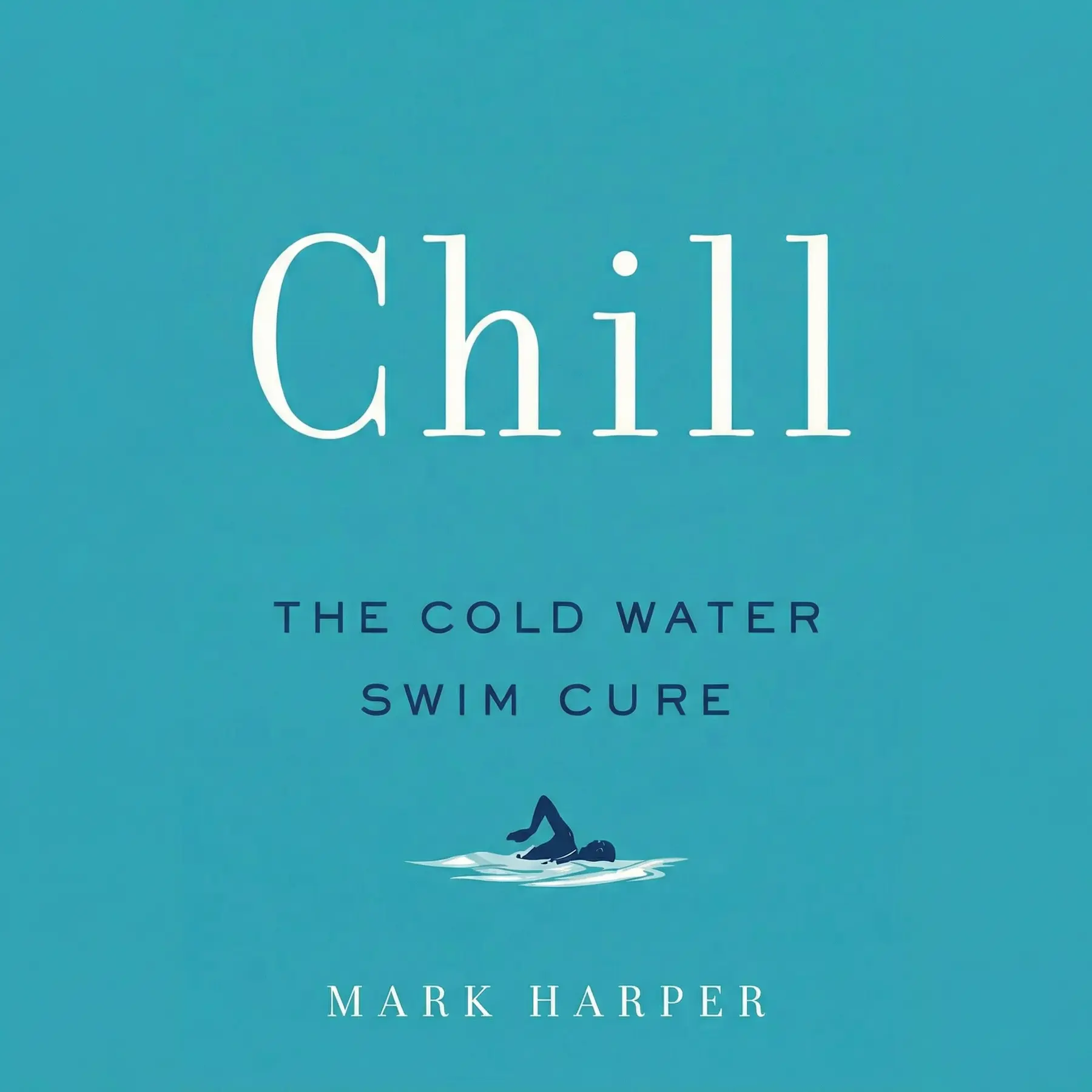
Chill: The Cold Water Swimming Cure
By Mark Harper
Explore the science-backed benefits of cold water immersion. Learn how intentional cold exposure can recalibrate your stress response, alleviate chronic pain, and foster profound mental clarity through the practice of outdoor swimming.
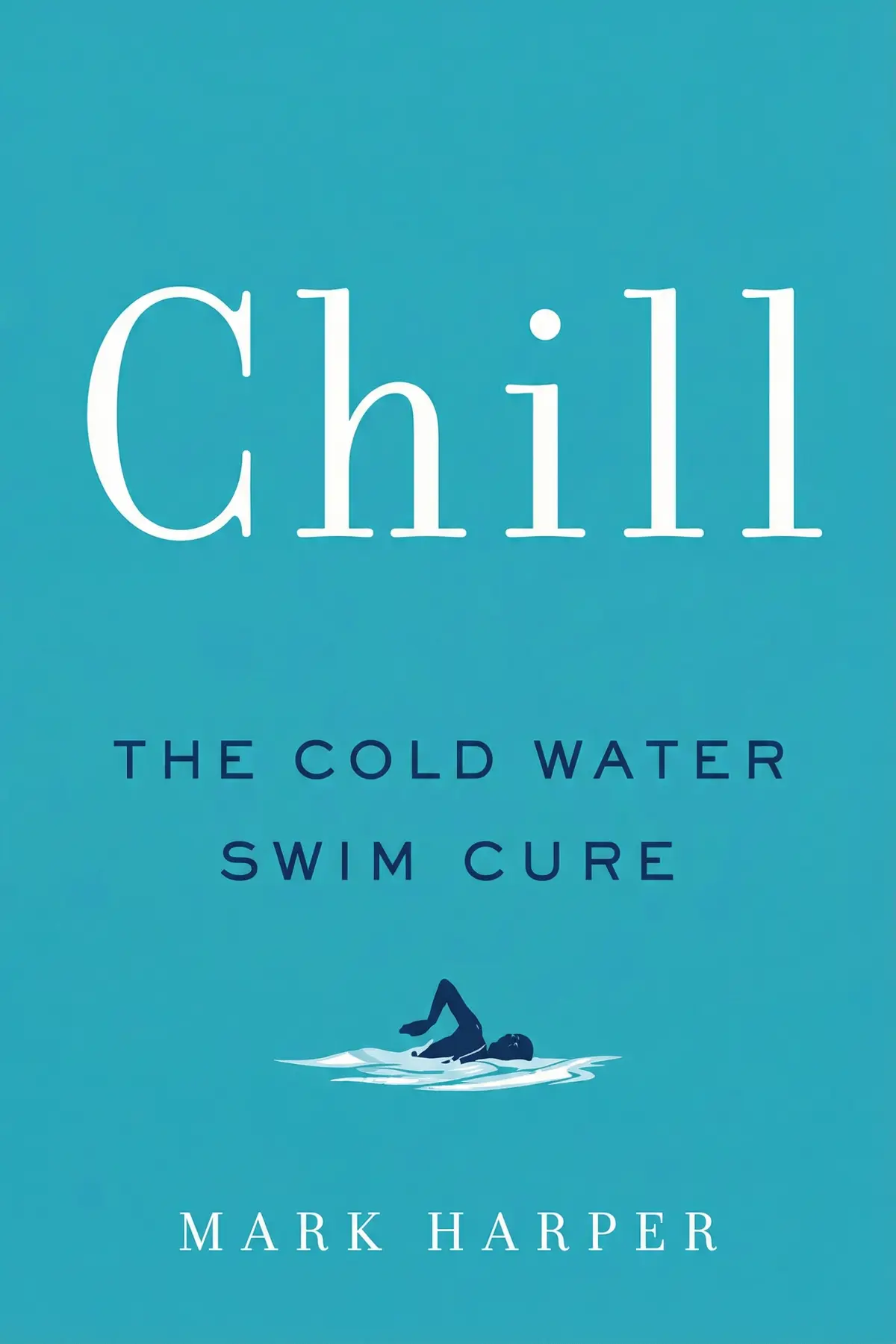
Table of Content
1. Introduction
2 min 05 sec
For thousands of years, humans have shared a profound, almost spiritual connection with water. From the grand bathhouses of the Roman Empire to the serene, steaming onsens of Japan, we have long recognized that water does more than just clean the skin; it seems to wash away the weight of the world. But while we often associate relaxation with warmth, there is an older, more visceral power found in the cold. Across various cultures, the practice of seeking out icy springs, rushing rivers, and winter seas has been passed down as a secret to vitality. Today, we are seeing a massive resurgence in this practice, not just as a hobby for the brave, but as a legitimate therapeutic intervention.
Modern medicine is finally beginning to catch up with this ancient intuition. What was once seen as a localized folklore tradition is now being scrutinized under the lens of rigorous scientific research. The findings are nothing short of remarkable. Regular immersion in cold water isn’t just a test of willpower; it’s a biological reset button. It has shown the potential to lower blood pressure, soothe chronic inflammation, and even serve as a powerful tool for those struggling with conditions as diverse as migraines, autoimmune disorders, and PTSD.
In this exploration, we’re going to look at the ‘why’ and the ‘how’ behind the cold water cure. We’ll examine the fascinating ways your body reacts to the shock of the temperature and how that shock actually builds a more resilient version of you. We will also cover the practical side—how to start safely, what equipment you truly need, and the essential rules that keep an invigorating swim from becoming a dangerous ordeal. Before we dive in, remember that while the benefits are vast, cold water is a powerful force. If you have underlying health conditions, it is vital to speak with a medical professional before beginning this journey. Now, let’s explore why stepping into the cold might be the most warming thing you can do for your health.
2. The Biological Mirror of Stress
2 min 07 sec
Discover how your body maintains a delicate internal balance and why the sudden shock of cold water triggers a complex, life-preserving chain reaction.
3. Hormesis and the Training of Resilience
2 min 01 sec
Learn about the concept of hormesis and how exposing yourself to manageable levels of stress can actually strengthen your immune system and cardiovascular health.
4. The Three Pillars of Therapeutic Immersion
2 min 07 sec
Explore how cold water swimming facilitates a total sensory reset, physical transformation, and a deeper connection to the natural world.
5. Strategic Preparation for the Plunge
2 min 15 sec
Success in cold water swimming requires more than just bravery; it demands a solid plan, the right companions, and appropriate gear.
6. Mastering the Entry and the Breath
1 min 42 sec
Learn the essential rules of safe immersion, including the importance of a pre-swim warm-up and the ‘body-first’ entry method.
7. The Art of the Exit and Recovery
2 min 01 sec
The swim isn’t over when you leave the water. Discover how to safely rewarm your body and why ‘claw hands’ are a vital warning sign.
8. Conclusion
1 min 29 sec
The journey into cold water is more than just a physical challenge; it is a gateway to a more resilient and balanced way of living. By understanding the science of how our bodies react to the cold, we can transform a potentially frightening experience into a powerful tool for health. We’ve seen how the shock of the water acts as a mirror for the stresses of life, and how, through the principle of hormesis, we can train ourselves to handle those stresses with greater ease. From the activation of the vagus nerve to the simple joy of connecting with a community of fellow swimmers in a beautiful ‘blue space,’ the benefits are as deep as the water itself.
As you consider taking your first steps toward the shore, remember that consistency and safety are your most important allies. You don’t need to be an Olympic athlete or a seasoned outdoorsman to start. You just need a plan, a friend, a bright swim cap, and the willingness to embrace a few minutes of discomfort for a lifetime of health benefits. Start slow, respect the power of the environment, and listen to what your body is telling you. The ‘cold water cure’ isn’t about fighting nature; it’s about remembering that we are a part of it. By stepping into the chill, you aren’t just testing your limits—you are discovering a profound, quiet strength that has been waiting just beneath the surface all along.
About this book
What is this book about?
Modern life often leaves us in a state of chronic low-level stress, but the solution might be found in a shocking, icy embrace. This summary explores the therapeutic world of cold water swimming, showing how the physical jolt of freezing water can actually heal the mind and body. It bridges the gap between ancient tradition and modern medical science. You will discover how cold exposure activates the vagus nerve, reduces systemic inflammation, and provides a sensory reset that interrupts patterns of anxiety and depression. Beyond the biology, this guide provides a practical roadmap for beginning your own journey into the water safely, from selecting the right gear to mastering the essential rules of immersion. Whether you are seeking relief from chronic ailments or simply looking for a new way to find inner peace, the 'cold water cure' offers a transformative path to resilience.
Book Information
About the Author
Mark Harper
Dr. Mark Harper is a consultant anesthetist who specializes in the prevention of hypothermia and the therapeutic applications of cold water. He is a cofounder of Chill UK and serves as a director for Mental Health Swims. His work in the field of cold water therapy has been featured in a BBC documentary.
Ratings & Reviews
Ratings at a glance
What people think
Listeners find this book to be a motivating and affirming resource that underscores the healing benefits of cold water for issues such as chronic pain, depression, and anxiety. They also value the uncomplicated, hands-on safety guidelines for novices, like prioritizing breathwork and preparing an exit plan. Furthermore, listeners point out that the emphasis on "wild swimming" functions as a potent sensory reboot and a beneficial catalyst for creating new routines. While some listeners consider the scientific evidence to be slightly sparse, they typically appreciate the mix of professional medical perspectives and personal narratives, with one listener remarking that the book gave them the ideal encouragement to take up winter ocean swimming.
Top reviews
Ingrid
Mark Harper has finally given me the push I needed to move from cold showers to actual wild swimming. This book isn't trying to be a dry textbook; instead, it's a warm—ironically—invitation to transform your health. I’ve struggled with chronic inflammation for years and the explanation of hormesis, or how mild stress trains the body, clicked for me instantly. The safety rules are where this book shines. Rule one: know your exit strategy. That alone saved me from a panic attack during my first lake dip. Look, it’s not just about the cold; it’s about the mental resilience you build. My anxiety levels have noticeably dipped since I started following his gradual adaptation schedule. It’s a refreshing read that prioritizes the experience over the ego. Highly recommended for anyone feeling stuck in a rut.
Show morePong
Dealing with chronic anxiety feels like a constant internal storm, but Harper’s approach offers a weirdly quiet sanctuary. I loved how this book doesn't treat cold water as a "cure-all" panacea but as a tool for resilience. The sections on how cold immersion helps modulate inflammatory responses gave me a lot of hope for my own health struggles. What I appreciated most was the emphasis on the community aspect of swimming. It’s not just about the shock; it’s about the connection to the environment and the people you're with. The rules are simple, clear, and honestly life-saving for beginners. I’ve started going to a local lake twice a week now, and the mental clarity I get afterward is unparalleled. This book was exactly the validation I needed to stop thinking about it and just dive in.
Show morePranee
Finally, a guide that validates my "crazy" morning plunges! I’ve read books like The Finnish Way and On Wintering, but Harper’s book adds a layer of medical insight that those were missing. Even if some critics say the science is thin, I found the explanation of the vagus nerve and the parasympathetic nervous system to be a perfect light introduction. The book treats cold water swimming as an embodied experience that engages all five senses. It’s not just about the physical benefit; it’s about that powerful sensory reset. I would have loved more local Pacific Northwest locations instead of just UK spots, but the core principles remain the same regardless of where you are. If you want to understand why your body reacts the way it does to the cold, this is the book to grab.
Show moreAmelia
The concept of hormesis—the idea that mild stress strengthens the body—is where this book truly shines. As someone dealing with autoimmune issues, I found the chapters on vasoconstriction and its effect on inflammation deeply fascinating. Harper does a great job of explaining how cold shock resets the nervous system without making it sound like magic. It’s grounded, practical, and very British in its sensible approach. My only gripe is that the scientific evidence feels a bit light in places, relying more on surveys than double-blind studies. Still, the instructions on "body in before head" and focusing on breath work are invaluable for a novice. It’s more of a lifestyle guide than a medical journal, and honestly, that makes it much more accessible for the average person looking to feel better.
Show moreSom
I'll admit I was skeptical about the whole "cold water cure" thing before picking this up. I’ve tried cold showers and hated every second of them, so why would I want to jump in an icy river? Harper explains why the experience of wild swimming is a total sensory reset compared to a cramped shower stall. The focus on "blue spaces" and connection to nature really resonated with me. I found his five rules for safety particularly helpful, especially the advice about not taking a hot shower immediately after—something I definitely would have done wrong. Personally, I found the writing style a bit repetitive, but the success stories from people with migraines and chronic pain were genuinely moving. It’s a solid, validating guide for anyone who wants to start their cold water journey safely.
Show moreRapee
Safety first is clearly the motto here, and I'm grateful for it. Many books on this topic focus on the "toughness" of the cold, but Harper focuses on the "chill." He provides a very structured way to enter the water—body first, focus on the breath, and always have an exit strategy. This pragmatic approach makes the daunting idea of winter swimming feel achievable. The book is a bit light on the science of pain and immune disorders, which I would have liked more of, but the anecdotal evidence is quite strong. I’ve been practicing for a month now and my sleep quality has skyrocketed. It’s a great companion for anyone who needs a nudge to get off the couch and into the water. Just be prepared for some very British terminology throughout!
Show morePreeda
Chill is exactly what the title suggests—a low-pressure look at the high-pressure world of cold immersion. Picking this up was a bit of a whim, but I found myself highlighting half the pages. The chapter on migraines was a revelation for me; understanding how the vascular system reacts to the cold helped me manage my own pain episodes. The writing is accessible, though the repetition of "going in cold water makes you feel better" can get a bit stale by the halfway mark. Still, the practical advice on gear—like the importance of a bright cap and neoprene gloves—is very helpful. It’s a great balance of personal stories and health tips. Perfect for anyone curious about the wild swimming craze but afraid of the initial shock.
Show moreSureerat
Is this a groundbreaking medical text? Frankly, not quite. While Harper is an enthusiast, his "scientific" claims often feel a bit anecdotal or circular in their reasoning. He suggests that cold water swimmers feel better, but isn't that just because the people who didn't like it stopped doing it? It’s a classic case of selection bias. However, if you look past the thin research, the book is incredibly motivating. It provides a decent sensory reset and makes a strong case for the "blue space" connection. To be fair, I did appreciate the focus on safety over extreme stunts. The large print makes it a quick read, but you might find yourself wishing for more data on the parasympathetic nervous system. It's a good gateway book for beginners, even if it lacks the academic rigor I was hunting for.
Show moreSuthinee
After following Wim Hof for a while, I expected something a bit more robust here. Chill is a decent introduction, but it often feels like a marketing campaign for the author’s specific philosophy. The research presented is quite narrow, and I couldn't help but notice the lack of control groups in many of the studies he cites. It’s one thing to say people feel better; it’s another to prove it’s not just a placebo effect. That said, I did appreciate the focus on anxiety and depression. The idea of using cold as a "reset" button for the brain is compelling. It’s a quick, easy read, but if you’re looking for high-level biohacking or technical data, you might be disappointed. It’s more about the vibe of "getting out there" than the nitty-gritty of human physiology.
Show morePick
The font size in this book is the first thing you'll notice, and it's a bit of a red flag. It feels like the publisher was trying to stretch a long essay into a full-length book. Truth is, there just isn't enough content here to justify the page count. Harper mentions great topics like the vagus nerve and PTSD recovery, but the exploration is cursory at best. I was expecting deep dives into recent studies, but instead, I got a lot of repetitive anecdotes about how refreshing it is to jump in a pond. Not gonna lie, the British phrasing like "shingle beaches" was a bit confusing for a US reader. If you’ve read anything by Wim Hof or even just a few blog posts on cold immersion, you won't find much new information here. It’s a flimsy assembly of ideas that could have been much stronger.
Show moreReaders also enjoyed
Alcoholics Anonymous
Alcoholics Anonymous World Services
A Liberated Mind: How to Pivot Toward What Matters
Steven C. Hayes


AUDIO SUMMARY AVAILABLE
Listen to Chill in 15 minutes
Get the key ideas from Chill by Mark Harper, plus 5,000+ more titles in English and Thai.
- 5,000+ titles
- Listen as much as you want
- 7-day free trial
- Cancel anytime







