Salt: A World History
Mark Kurlansky
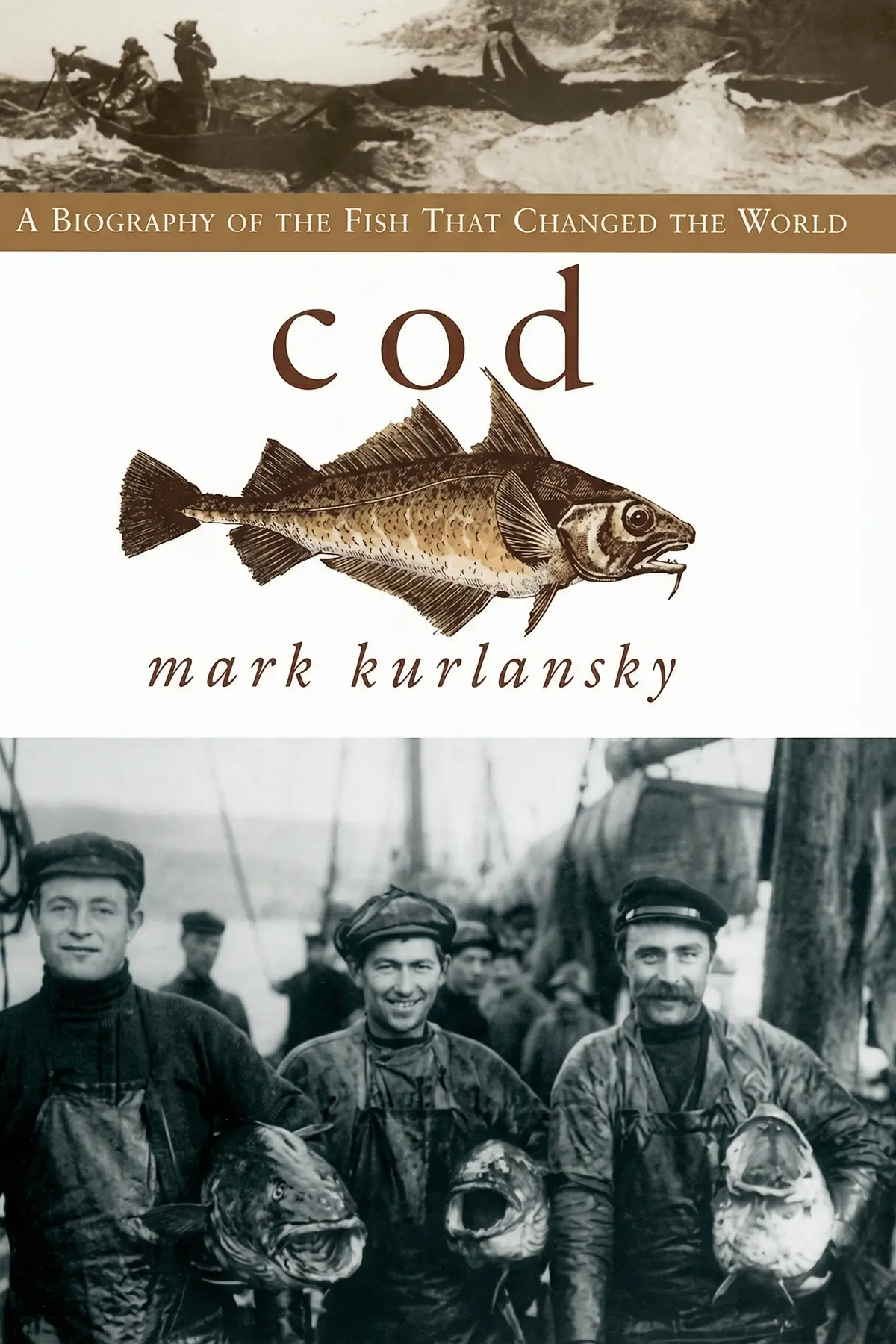
Explore the incredible historical journey of the cod, a fish that fueled global exploration, sparked international conflicts, and shaped modern economies before facing the brink of environmental collapse.
1 min 32 sec
Imagine walking into a high-end restaurant today and seeing a delicate cod fillet on the menu, priced as a premium delicacy. It is hard to believe that for the vast majority of human history, this very same fish was the ultimate humble staple—the ‘beef of the sea’ that fed the masses and sustained entire empires. The cod is an impressive creature, a resident of the cold Atlantic waters that can reach lengths of two meters and weigh as much as a hundred kilograms. Yet, its physical stature is nothing compared to its historical weight.
In our journey through this narrative, we will uncover how a single species of fish became the catalyst for some of the most significant shifts in world history. We are not just talking about recipes or fishing techniques; we are talking about the foundation of international trade, the fuel for long-distance maritime exploration, and the spark for revolutionary wars. The story of the cod is a drama that spans centuries, moving from the silent, secret expeditions of medieval fishers to the high-stakes diplomatic battles of the modern era.
As we explore this history, a central throughline emerges: the tension between human ingenuity and the limits of nature. We will see how we mastered the art of catching and preserving this fish, only to find ourselves facing the consequences of our own efficiency. This is a story of abundance turning into scarcity, and a lesson in what happens when we treat a natural resource as if it could never run out. From the religious traditions of Europe to the independence of the American colonies, the cod was there, quietly changing the world. Now, let us dive into the deep waters of history to see how it all began.
1 min 57 sec
Centuries ago, a small group of independent people held a monopoly on the most valuable food source in Europe, all thanks to a hidden location and a vital mineral.
2 min 05 sec
As the secret of the North American fishing grounds leaked out, the struggle for control over cod reshaped the map of the world and fueled the fire of independence.
1 min 53 sec
New fishing techniques in the nineteenth century drastically increased the catch, but they also masked a growing environmental crisis that most experts refused to see.
1 min 52 sec
The introduction of steam power and flash-freezing changed the fishing industry forever, turning the pursuit of cod into a massive industrial enterprise.
2 min 01 sec
Small but determined, Iceland took a radical path to protect its most precious resource, leading to a series of tense maritime battles with a global superpower.
1 min 52 sec
In a tragic turn of events, the once-limitless cod populations of Canada vanished, leading to a sudden and devastating end to a five-hundred-year-old industry.
1 min 47 sec
The saga of the cod is a remarkable window into the human experience. It is a story that begins with a fish so abundant it was said you could walk across the ocean on their backs, and ends with a moratorium that silenced an entire industry. Along the way, we have seen how the pursuit of this single species drove empires to explore new worlds, fueled the fires of revolution, and pushed the boundaries of technology. The cod was more than just a meal; it was a shaper of destiny, a silent partner in the building of the modern world.
But the most important lesson from the cod’s biography isn’t about the past—it’s about the future. The contrast between Iceland’s proactive conservation and the catastrophic collapse in Canada offers a clear choice. One path leads to a managed, sustainable relationship with our environment, while the other leads to an irreversible loss of the resources we take for granted. Iceland showed that it is possible for a small group of people to protect their future through courage and firm regulation. Canada showed that even the most prosperous industry can vanish in an instant if it ignores the limits of nature.
As we reflect on this journey, the cod stands as a symbol of our own power and our own vulnerability. It reminds us that our ingenuity in harvesting the earth must be matched by our wisdom in protecting it. The disappearance of the cod from the Grand Banks is a permanent scar on our environmental history, but it can also be a catalyst for change. It encourages us to look at our natural world not as a bottomless pantry, but as a complex system that requires our respect and stewardship. By remembering the story of the cod, we can perhaps avoid making the same mistakes with the other wonders of our world that remain. The fish that changed the world has one last role to play: as a teacher of the vital balance between humanity and the sea.
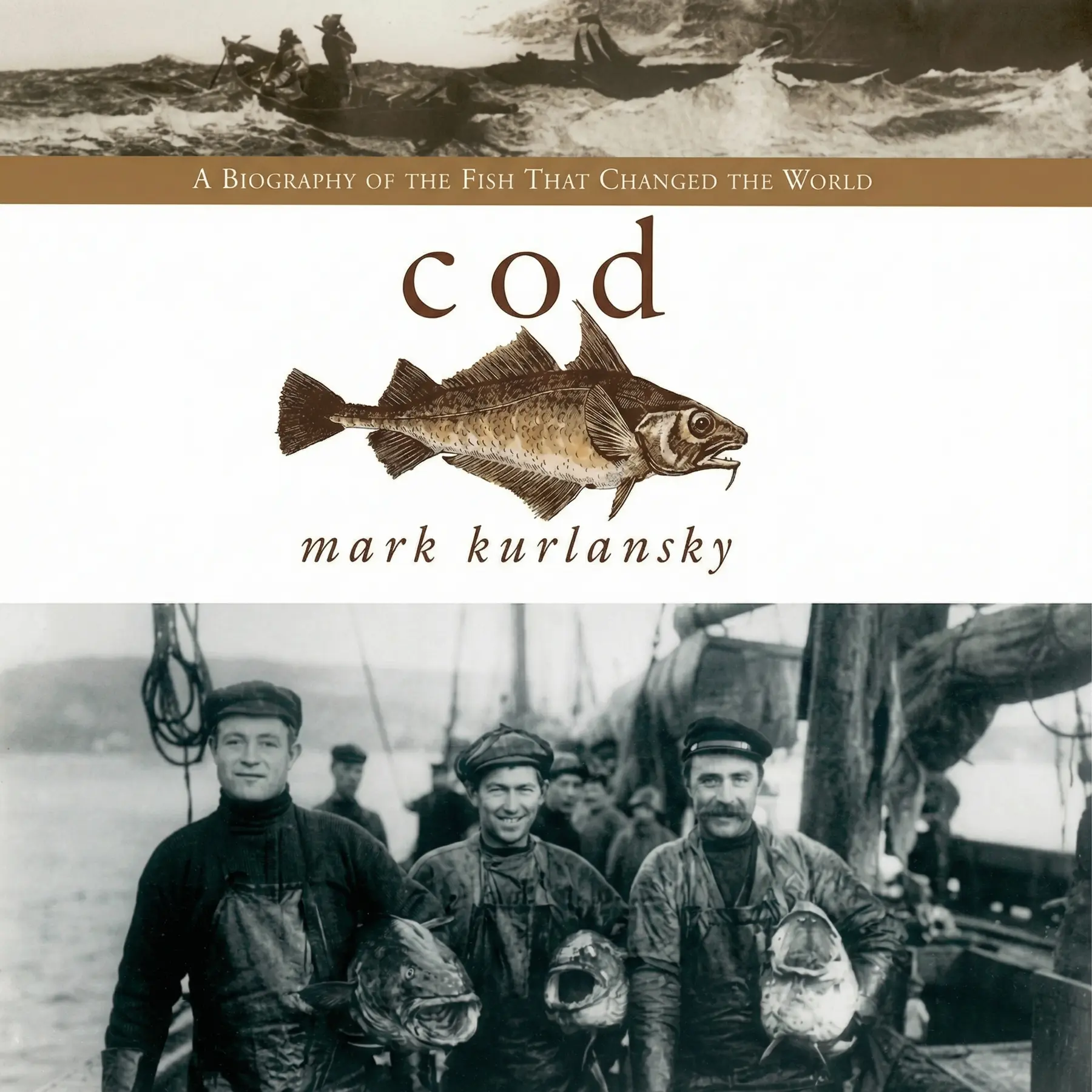
Cod: A Biography of the Fish That Changed the World examines the profound influence of a single species on human history. For centuries, the Atlantic cod was more than just a food source; it was a cornerstone of global trade and a driver of geopolitical power. From the secret fishing grounds of the Basque people to the dramatic Cod Wars between Britain and Iceland, this book reveals how the quest for cod shaped the borders of nations and the diets of millions. The narrative follows the evolution of the fishing industry, highlighting how technological leaps—from salt-curing to industrial steam trawlers and flash-freezing—transformed a seemingly inexhaustible resource into a commodity under threat. By tracing the rise and fall of cod populations, especially the devastating collapse in North America, the book offers a sobering look at the consequences of overfishing and the urgent need for sustainable stewardship of our natural world.
Mark Kurlansky is a celebrated American journalist and author known for his deep-dive explorations of history and culture. His work often focuses on specific commodities or natural resources, revealing their hidden impact on human civilization. Cod is one of his most recognized international bestsellers, having been translated into fifteen languages. His other notable publications include Salt and World Without Fish, which continue his tradition of blending historical research with environmental observation.
Mark Kurlansky
Listeners find this account captivating and expertly crafted, showcasing intriguing global history centered on cod and high-quality research. Furthermore, the narrative is powerful, and listeners value its informative nature, calling it both amusing and stimulating. The text also includes numerous wonderful recipes, and one listener notes that it offers an intimate glimpse into the daily experience of a commercial fisherman.
Ever wonder how a single fish could change the course of human history? Kurlansky’s work is a masterclass in the microhistory genre, showing how the humble cod fueled Viking explorations and built the wealth of New England. It’s a wild ride through the centuries, moving from the silent Basque fishermen who kept their secrets to the industrial trawlers that gutted the ocean. To be fair, I never thought I’d be so invested in the shelf-life of salt-cured fillets, yet here I am. The author’s research is expansive, covering everything from the Hanseatic League to the development of frozen peas. While the tone is mostly journalistic and objective, the underlying message about our impact on nature is powerful. This isn’t just a book about fishing; it’s about how greed and innovation can collide to destroy a seemingly infinite resource.
Show moreAs someone who grew up in a coastal fishing town, reading about the collapse of the Grand Banks hit home. Kurlansky provides a heartbreaking look at how multi-generational fishing families were decimated by industrial greed and poor government oversight. The book flows beautifully, jumping from medieval trade routes to the modern crisis in Newfoundland with ease and wit. I was particularly captivated by the story of the Basques, who were catching cod long before Columbus ever set sail. It’s a sobering reminder that nature is not an inexhaustible pantry for human consumption. The writing is sharp, informative, and leaves you with plenty of 'did you know' facts for your next dinner party. It’s easily one of the best microhistories I’ve ever encountered. Highly recommended for anyone interested in environmental issues.
Show moreThe sheer scale of how humanity managed to nearly wipe out a 'limitless' species is staggering. Kurlansky’s book is an essential read for anyone who wants to understand the impact of global trade on our natural world. From the Vikings' wind-dried fish to the modern-day frozen blocks, the evolution of the industry is laid out with impressive clarity. I particularly enjoyed the sections on how Iceland stood up to the British Navy to protect their waters. It’s a story of survival, innovation, and ultimately, a warning about the future of our oceans. The writing is punchy and the short chapters make it a very easy book to pick up and put down. If you think a book about fish sounds boring, this will definitely change your mind. It’s absolutely fascinating from start to finish.
Show morePicked this up on a whim after a trip to Cape Cod and was pleasantly surprised by the depth of Kurlansky's research. It is fascinating to see how the search for cod essentially dictated the map of the modern world and influenced the American Revolution. The section on the 'Cod Wars' between Iceland and the UK was particularly gripping, showing how far nations will go for white gold. I loved the quirky details about Gloucester and how big brands like Gorton’s don’t even buy local fish anymore. My only real gripe is that the book occasionally gets bogged down in minutiae that might bore a casual reader. However, if you enjoy learning about the intersection of ecology and global politics, this is a must-read. It’s educational without feeling like a dusty textbook.
Show moreThis book is a masterclass in how to turn a seemingly mundane subject into a compelling global narrative. I was shocked to learn how central cod was to the slave trade and the triangular trade routes of the Atlantic. Kurlansky has a way of making economic history feel personal and urgent. The chapters on the development of refrigeration were a highlight for me, especially the history of the Birdseye brand. To be fair, the book does get a little technical when discussing fishing quotas and nautical boundaries toward the end. Still, the prose is generally light and engaging enough to keep you turning the pages. It’s a thought-provoking look at how humanity’s appetite can reshape the entire planet. I’ll never look at a fish stick the same way again.
Show moreKurlansky manages to weave together the struggle of the individual fisherman with the cold greed of international corporations. This book gives a firsthand look into a commercial fisherman's life and the devastation caused by factory ships that can process thousands of fish at once. It’s a tragic story of how we managed to fish a species into near-extinction despite its incredible ability to spawn millions of eggs. I found the politics of the 200-mile limit and the clashes between countries to be surprisingly exciting. The author’s style is accessible and full of personality, even when he’s diving into dry statistics about tonnage and yields. Not gonna lie, I skipped most of the recipes, but they added a nice bit of historical context to the chapters. Overall, it's a very eye-opening read.
Show moreAfter hearing about 'microhistories' for years, I finally dove into this classic about the Atlantic cod. It is incredible how a fish that looks so unremarkable could be the catalyst for so many wars and social shifts. I specifically liked the parts about Saint Pierre and Miquelon, those tiny French islands that are still remnants of an old empire. The book is well-researched and provides a wealth of information that is easy to digest. While some of the claims about Quebec French felt a little off to me, the overall historical arc is solid. Kurlansky has a knack for finding the human story behind the commodity. It’s a quick read that packs a punch, even if it gets a little repetitive regarding the biology of the fish. Great for history buffs.
Show moreThe research here is undeniably deep, but the execution felt a bit dry for my taste. Frankly, some of the claims made about the Basques living in North America in 1000 A.D. seem like huge stretches without proper citations to back them up. I also found the author’s insistence that a shark isn't a fish to be a bizarre factual error that made me question other details. On the plus side, I did enjoy learning about the origins of Birdseye and how Clarence Birdseye’s time in Newfoundland revolutionized the food industry. The inclusion of historical recipes was a unique touch, though reading forty pages of them at the end became a chore. It’s an okay read if you need a specific history for a report, but it didn’t quite reel me in like I hoped it would.
Show moreTruth is, the historical anecdotes are fascinating, but the forty pages of recipes at the end felt like total filler. I enjoyed the first half of the book, which focused on the discovery of the New World and the importance of salt. Kurlansky is a talented writer, but he sometimes lets his enthusiasm for the subject lead him into some questionable territory. The ending of the book, where he suggests that watching whales is less natural than hunting them, was a really sour note to end on. It felt like an unnecessary philosophical detour that didn't fit the rest of the journalistic tone. It’s worth a read for the history, but you might want to skim the last section. A solid three-star effort that could have been tighter.
Show moreNot what I expected from a book that was supposedly 'entertaining.' I got stuck reading this for a history assignment and it was honestly a struggle to get through the middle chapters. The author seems to think cod is responsible for every major event in human history, which feels like a massive reach after a while. One of my teachers loved it, but to me, it felt like a repetitive list of fishing statistics and old recipes I'll never cook. Look, the stuff about the Vikings was cool, but the rest was just so tedious. It’s short, which is a blessing, but I wouldn't recommend it unless you are already obsessed with marine biology. It’s definitely not a 'wild ride' by any stretch of the imagination.
Show more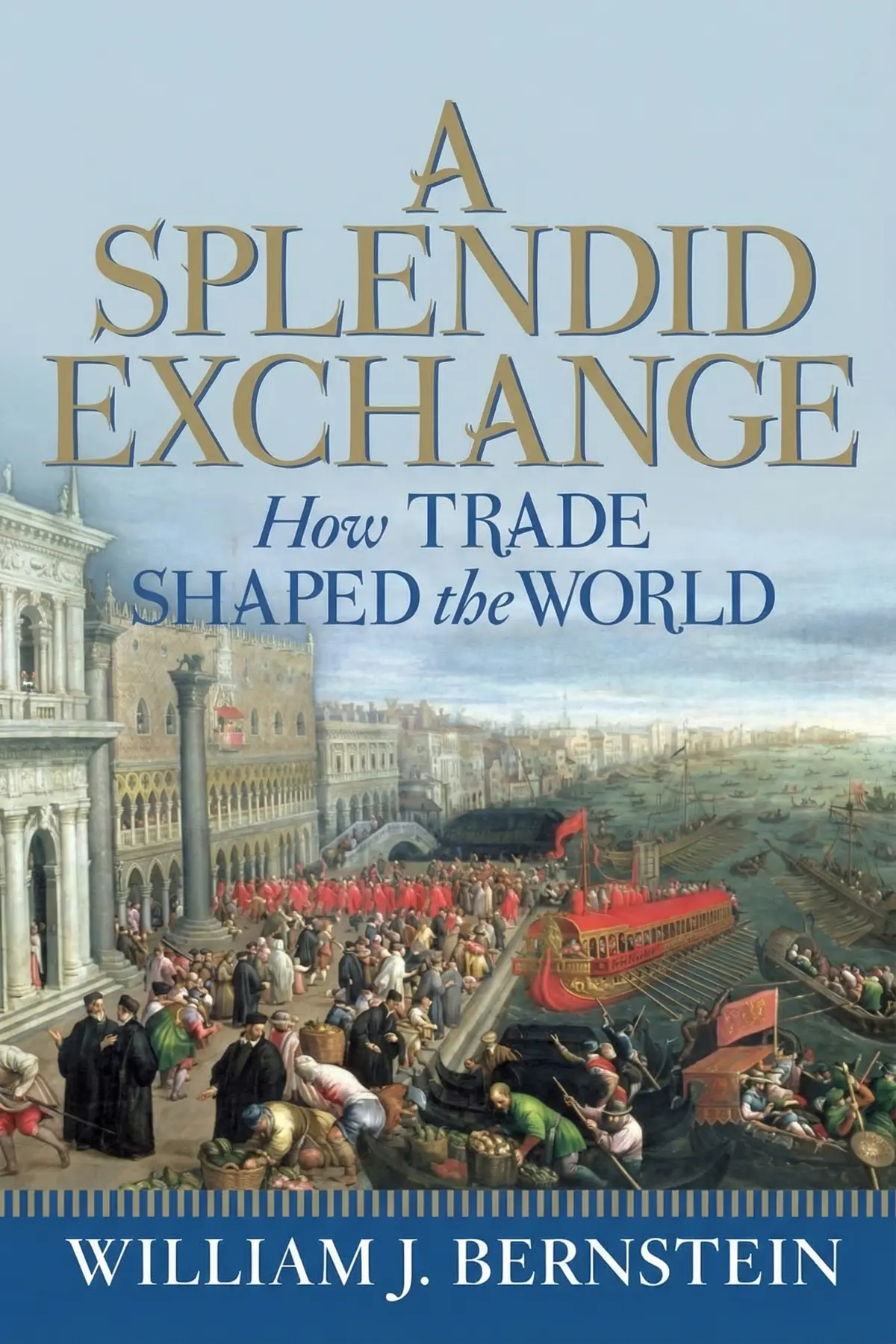
William J. Bernstein
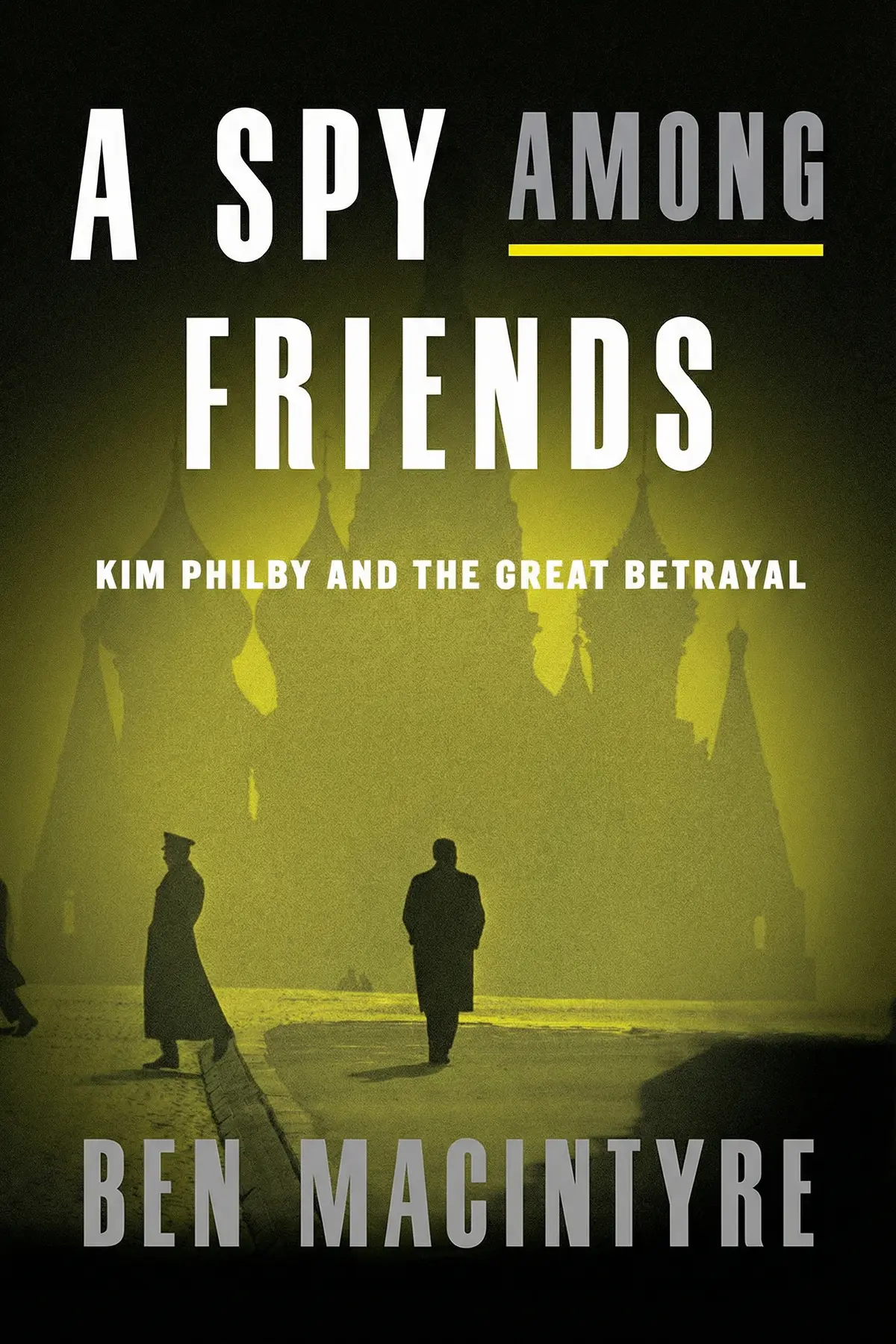
Ben Macintyre
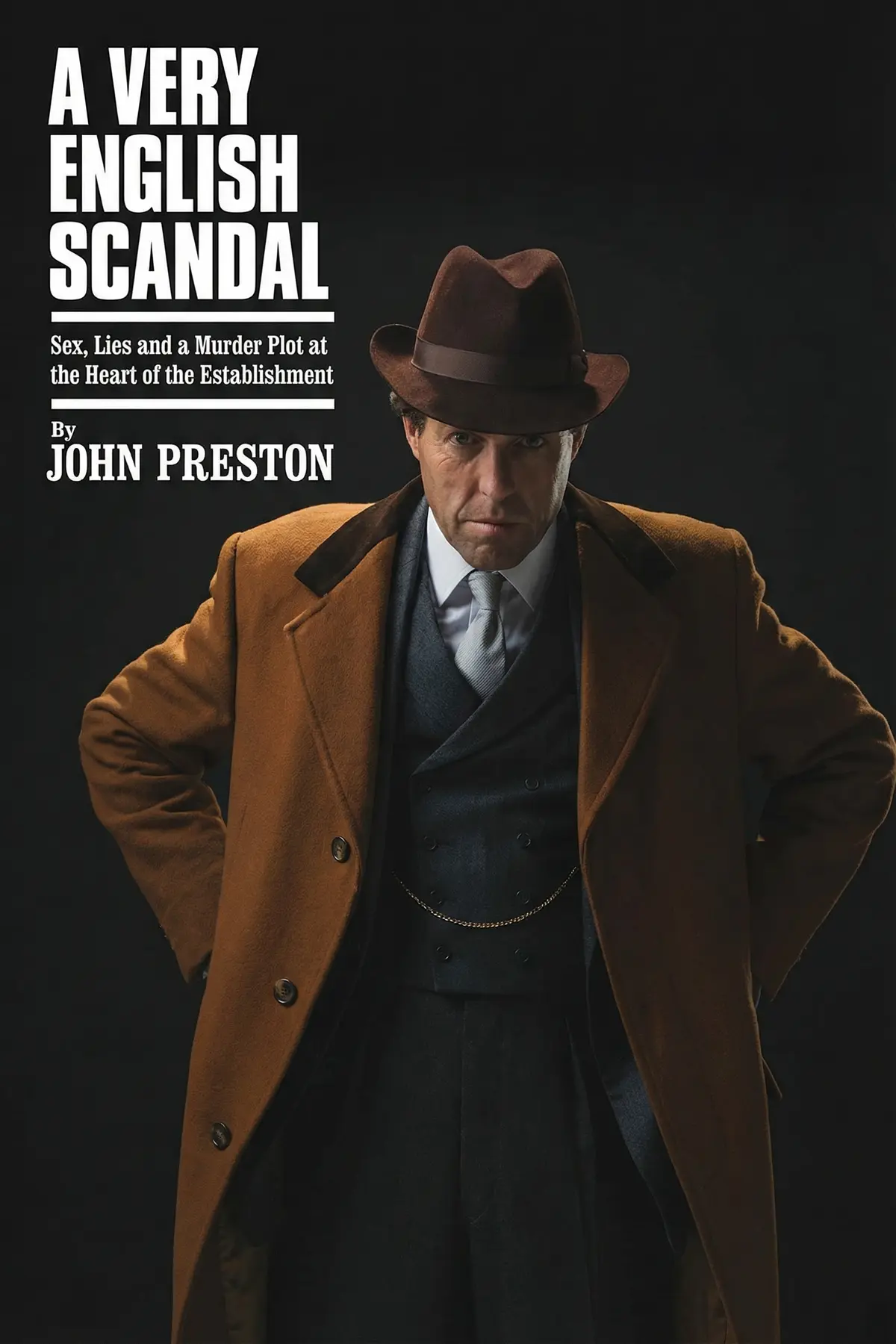

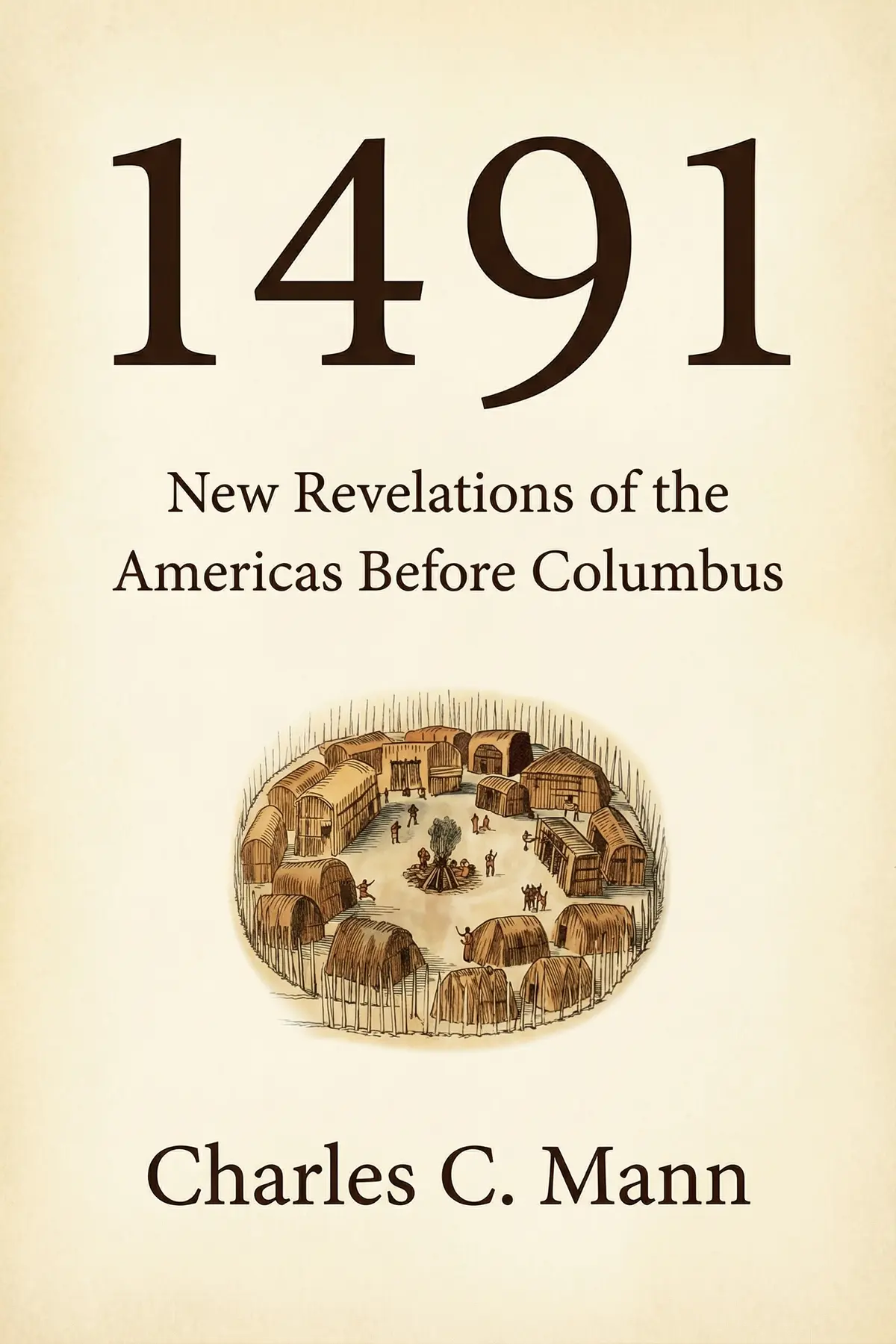
Charles C. Mann
James Shapiro
Andrew Ross Sorkin
Pankaj Mishra
Fay Bound Alberti

Ben Macintyre
AUDIO SUMMARY AVAILABLE
Get the key ideas from Cod by Mark Kurlansky, plus 5,000+ more titles in English and Thai.