
Cod: A Biography of the Fish That Changed the World
Mark Kurlansky
A sweeping exploration of how the world’s most common mineral influenced economies, sparked wars, and enabled global exploration. Discover the hidden history behind the simple white crystals sitting on your dinner table.
1 min 34 sec
Think for a moment about the simple white shaker sitting on your kitchen table or the small packets of seasoning tucked into a takeout bag. To us, salt is perhaps the most mundane substance imaginable. It is cheap, it is everywhere, and we often take it for granted until we realize a dish is lacking it. But if you could travel back in time, you would find that this humble mineral was once the most sought-after commodity on the planet. For thousands of years, salt was more than just a seasoning; it was a form of wealth, a strategic military asset, and a catalyst for social upheaval.
In this exploration of human history through the lens of a single mineral, we are going to look at how sodium chloride dictated the rise and fall of empires. We often think of gold or oil as the primary drivers of historical conflict, but salt was the original global powerhouse. It allowed humans to move beyond their local food sources, enabling long-distance travel and the growth of massive urban populations. Without the ability to preserve food with salt, the world as we know it simply could not have developed.
Over the next several chapters, we will trace the journey of salt from the ancient brine wells of China and the mummification rituals of Egypt to the salt marches led by Mahatma Gandhi. We will see how a struggle over salt prices helped topple the French monarchy and how the pursuit of this mineral shaped the very map of the United States. This is a story of chemistry, commerce, and human ingenuity. By the end of this journey, you will never look at a salt shaker the same way again. We are diving into a world where a pinch of white crystals could change the course of history.
2 min 00 sec
Salt is a chemical marvel formed from two dangerous elements, yet it is so essential to human survival that we cannot live without it.
2 min 07 sec
Early civilizations in China and Egypt were the first to master the art of salt production, turning it into a tool for both food security and state power.
2 min 00 sec
From the Celts to the Venetians, the ability to produce and trade salt was the key to unlocking immense wealth and political influence.
1 min 44 sec
Salted fish provided the high-protein fuel that allowed explorers to cross the Atlantic and discover new worlds.
1 min 50 sec
The high cost and unfair taxation of salt became a primary grievance that fueled the fires of revolution in America and France.
1 min 51 sec
From the battlefields of the American Civil War to the shores of colonial India, salt remained a pivotal weapon of war and resistance.
1 min 51 sec
The 19th century brought a new understanding of salt’s properties, transforming it from a mysterious substance into a predictable industrial product.
1 min 46 sec
The mass production of salt brought prosperity but also left behind a legacy of environmental damage and corporate consolidation.
2 min 02 sec
In the age of refrigeration, salt has lost its role as the world’s primary preservative, but it remains a central figure in our diet and culture.
1 min 26 sec
As we look back at the incredible journey of salt, it becomes clear that this simple mineral is the invisible thread connecting almost every major development in human history. We have seen how it is a biological necessity that dictated where our ancestors could live and how they could travel. We have seen how it funded the splendors of ancient China and the mummies of Egypt, and how it gave birth to the trading power of Venice and the maritime dominance of the Vikings.
Salt has been at the heart of our most significant political struggles, from the battlefields of the American Civil War to the peaceful protests of Gandhi. It has transitioned from a substance so valuable it was used as money to a commodity so cheap we throw it on our icy roads. Yet, despite its abundance, it hasn’t lost its magic. Whether it’s the complex chemistry that keeps our hearts beating or the artisanal crystals that top a gourmet meal, salt continues to shape our lives every single day.
The next time you reach for that salt shaker, take a moment to appreciate the weight of history in your hand. You aren’t just holding a seasoning; you are holding the substance that built the world. Salt reminds us that the most significant things are often hiding in plain sight, and that even the smallest grain can have a world of history behind it. In a modern world of high-tech wonders, the story of salt is a powerful reminder of our basic connection to the earth and the enduring importance of the fundamentals of life.
This summary dives deep into the unlikely history of sodium chloride, moving from its chemical origins to its role as a cornerstone of human civilization. It explains how salt was once so valuable that it served as currency, funded the construction of the Great Wall of China, and triggered the French and American Revolutions. You will learn how salt preservation allowed ancient sailors to cross oceans and how control over salt production determined the victors of the American Civil War. The narrative follows salt's journey from a high-stakes geopolitical tool to a common industrial staple, concluding with how modern technology and culinary trends have reshaped our relationship with this essential mineral.
Mark Kurlansky is a prolific journalist and author who works across several genres, including fiction, children’s literature, and non-fiction. He has written over ten bestselling titles, including the acclaimed historical study of the codfish.
Mark Kurlansky
Listeners find this historical account to be thoroughly researched and captivating, filled with specific narrative tidbits and intriguing information from start to finish. The prose is both charming and lively, and listeners value the thorough exploration of methods used for mining salt. They characterize the work as remarkably informative and instructional, noting that every chapter contains deeply engaging tales. Opinions on the included recipes are divided, with some noting their appeal while others feel they are overdone.
This book completely shifted how I view the mundane items sitting in my pantry. Before reading this, salt was just a shaker on the table, but now it is a symbol of human ingenuity and political struggle. Kurlansky’s writing is surprisingly punchy for such a dense subject. I was hooked by the stories of how salt taxes literally sparked revolutions and how empires rose or fell based on their access to brine. Not gonna lie, I actually tried one of the historical recipes just for the hell of it. It is rare to find a non-fiction book that balances technical mining details with such vivid cultural history. This is the kind of literature that makes you feel smarter with every page you turn. It is a genuine masterpiece of its genre that I will recommend to everyone I know.
Show moreEver wonder why people used to pack cucumbers in river sand just to keep them edible? This book is overflowing with bizarre historical tidbits that will change your perspective on global trade. Kurlansky explores the transition from ancient solar evaporation to modern industrial mining with a level of detail that is both exhausting and impressive. While I found the recipes a bit overwhelming toward the end, the early sections on Egyptian mummification were genuinely cool. The truth is, the book works best when it focuses on the human drama of trade and war. It is a bit long-winded, and you can definitely tell Kurlansky is recycling some of his research from his book on Cod. However, for anyone who loves a deep dive into how the world actually works, this is essential reading. Just keep a highlighter handy.
Show moreThe sheer scale of salt's impact on human civilization is mind-boggling when you actually stop to consider it. I was particularly fascinated by the accounts of the silent barter in West Africa and the early tech used in China for deep-well drilling. Kurlansky makes the argument that salt was the precursor to the oil industry, and the evidence he provides is quite compelling. The maps and illustrations sprinkled throughout provide a necessary visual break from the dense prose. It is a huge, sprawling narrative that requires patience, but the payoff is a much deeper understanding of global economics. Every chapter feels like a mini-adventure into a different corner of the world. It is informative, slightly eccentric, and totally worth the time for any serious reader of history.
Show moreMicrohistories are usually hit or miss for me. This one definitely leans toward a hit because Kurlansky manages to turn a basic mineral into a sprawling epic that spans across every single continent and era since the dawn of time. Frankly, the depth of research is staggering, even if the narrative flow occasionally stumbles over its own footnotes. I found the sections on Chinese salt wells and the technical evolution of mining to be particularly gripping. It makes you realize that our ancestors spent half their lives just trying to stop food from rotting. My only real gripe is that it feels a bit padded in the middle. The recipes are a cool touch, but after the tenth one, you start wishing he’d just get back to the wars and revolutions. Still, it’s an exceptionally enlightening read that makes your kitchen table feel like a museum.
Show moreI picked this up for a book club and ended up being the guy who won't stop talking about medieval food preservation at parties. There’s something so satisfying about learning the origin stories of words like 'salary' or 'salacious' through the lens of a simple rock. The author’s style is conversational enough that even the dry parts about geology don't feel like a chore. That being said, the middle section on the American Civil War and salt shortages felt a bit dragged out. I also agree with other reviewers that the recipes are a mixed bag; some are cool historical artifacts, while others just take up space. Regardless, it is a very savory look at history that I would recommend to anyone who likes Kurlansky’s style. It is definitely not a bland experience.
Show moreFinally got around to reading this classic of the 'one-item history' genre, and it truly earns its reputation. Kurlansky’s ability to weave together technology, cooking, and politics into a single narrative is impressive. I especially liked the transition toward the end of the book into the modern era of industrial chemicals and freezing technology. It puts the last few thousand years into a very clear perspective for the average reader. Gotta say, the section on Spindletop and the birth of the Texas oil industry was a surprising but welcome detour. While the book is definitely a bit chunky and could have been trimmed by fifty pages, the quality of the storytelling makes up for the length. It is an essential addition to any history buff’s library. Prepare to learn more about sodium than you ever thought possible.
Show moreKurlansky has a real talent for making the obscure feel essential, though he does tend to cannibalize his own previous work. As someone who already read his biography of the Basque people, I found large chunks of this book felt like a repeat performance. The focus shifts away from salt far too often to discuss fishing techniques or regional history that doesn't always tie back to the mineral. Personally, I would have preferred more about the chemistry of sodium chloride and less about the logistics of 18th-century shipping. It is an informative read, certainly, but it lacks the tight editing needed to keep the momentum going throughout the middle chapters. It is a solid experience—good for picking up and putting down, but hard to power through in one sitting.
Show moreLook, I wanted to love this, but there are only so many lists of salt taxes a person can take before their eyes glaze over. It started strong with the Egyptian embalming practices, but then it quickly descended into a repetitive cycle. Here is a country, here is how they taxed salt, and here is a recipe for salted fish you will never make. It felt like reading a textbook where the author forgot to include a summary. In my experience, a good history book needs a narrative thread, but this was just a collection of facts piled on top of each other. I eventually found myself nodding off and had to force myself to finish the last hundred pages. It is clearly well-researched, but the delivery is about as dry as a salt mine.
Show moreFrom protecting against the evil eye to curing impotence in the Pyrenees, the cultural superstitions Kurlansky uncovers are the highlight here. I loved learning about how different religions and folk traditions treated salt as a sacred, magical substance. It is much more than a commodity; it is a spiritual anchor for so many societies. The writing manages to be educational without feeling condescending, which is a rare feat for such a comprehensive work. I was especially surprised by the history of Gandhi’s salt march and how such a basic human need could topple colonial rule. However, the organization is so scattershot that I often felt lost between chapters. It is a beautifully written testament to the things we take for granted, even if it meanders way too much.
Show moreWhy does this book feel like a disorganized filing cabinet of salt-related index cards? Kurlansky clearly knows his stuff, but the structure is a total mess that wanders off on tangents about the Basques or cod fishing for chapters at a time. It is frustrating because the core information is fascinating. To be fair, some of the anecdotes are brilliant, yet they get buried under endless lists of every language's word for salt. I felt like a writing tutor trying to red-line a student’s overly ambitious thesis. The book meanders like a river without a bank. If you love reading an encyclopedia cover-to-cover, you might enjoy this. Otherwise, prepare for a lot of skipping and a general sense of boredom. Life is simply too short to read every recipe for salted cucumbers ever written.
Show more
Charles C. Mann

James Shapiro
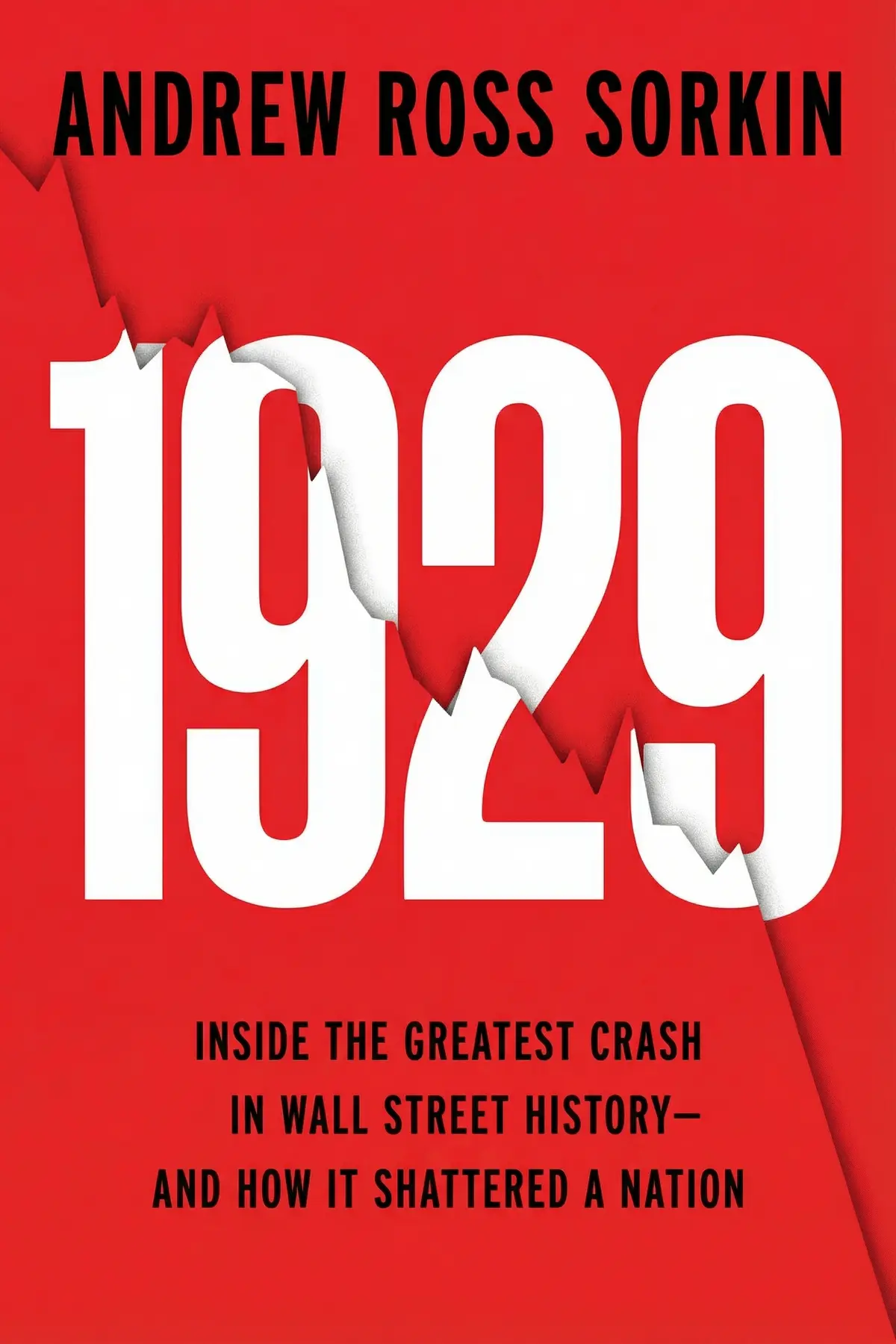
Andrew Ross Sorkin
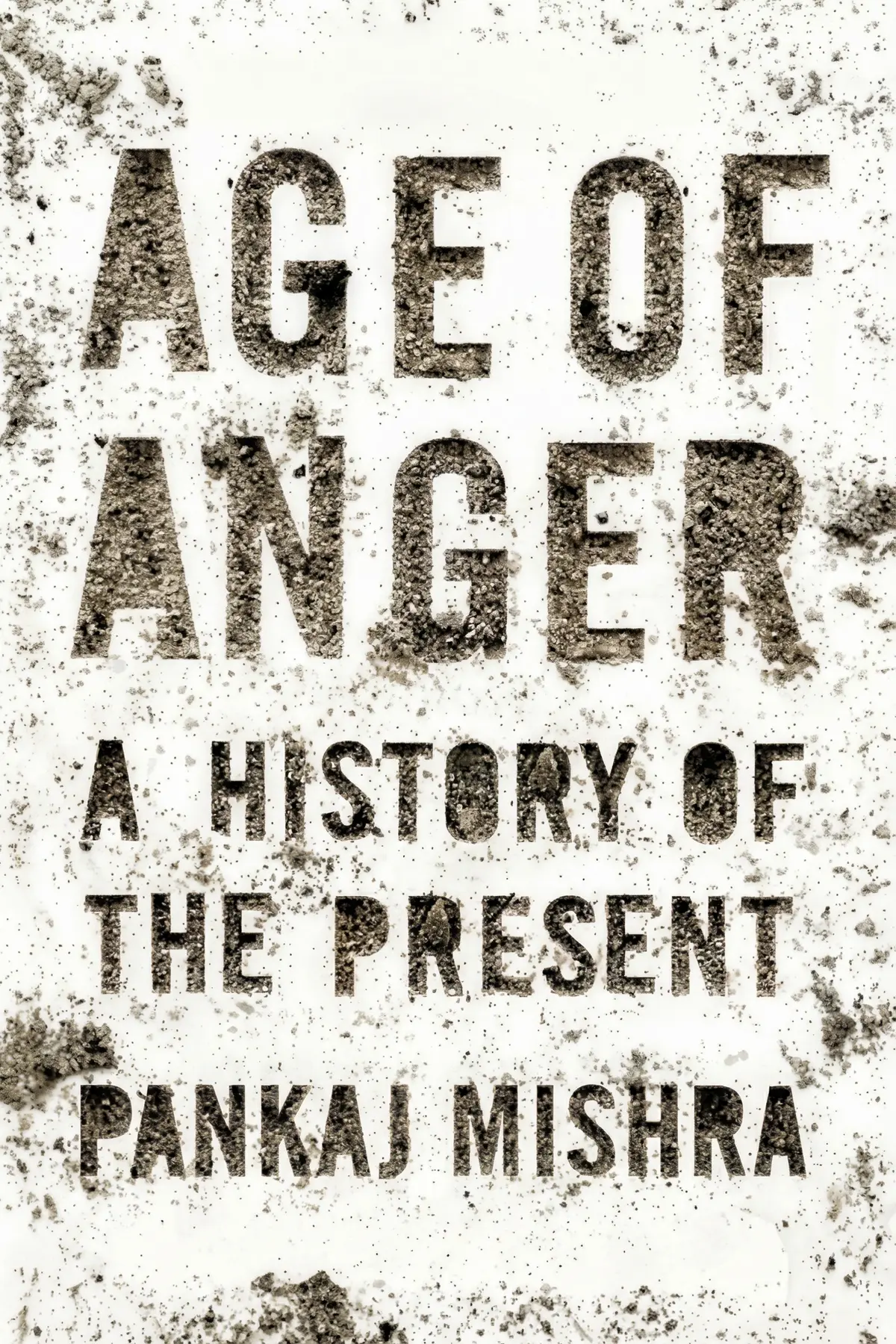
Pankaj Mishra

Fay Bound Alberti

Ben Macintyre
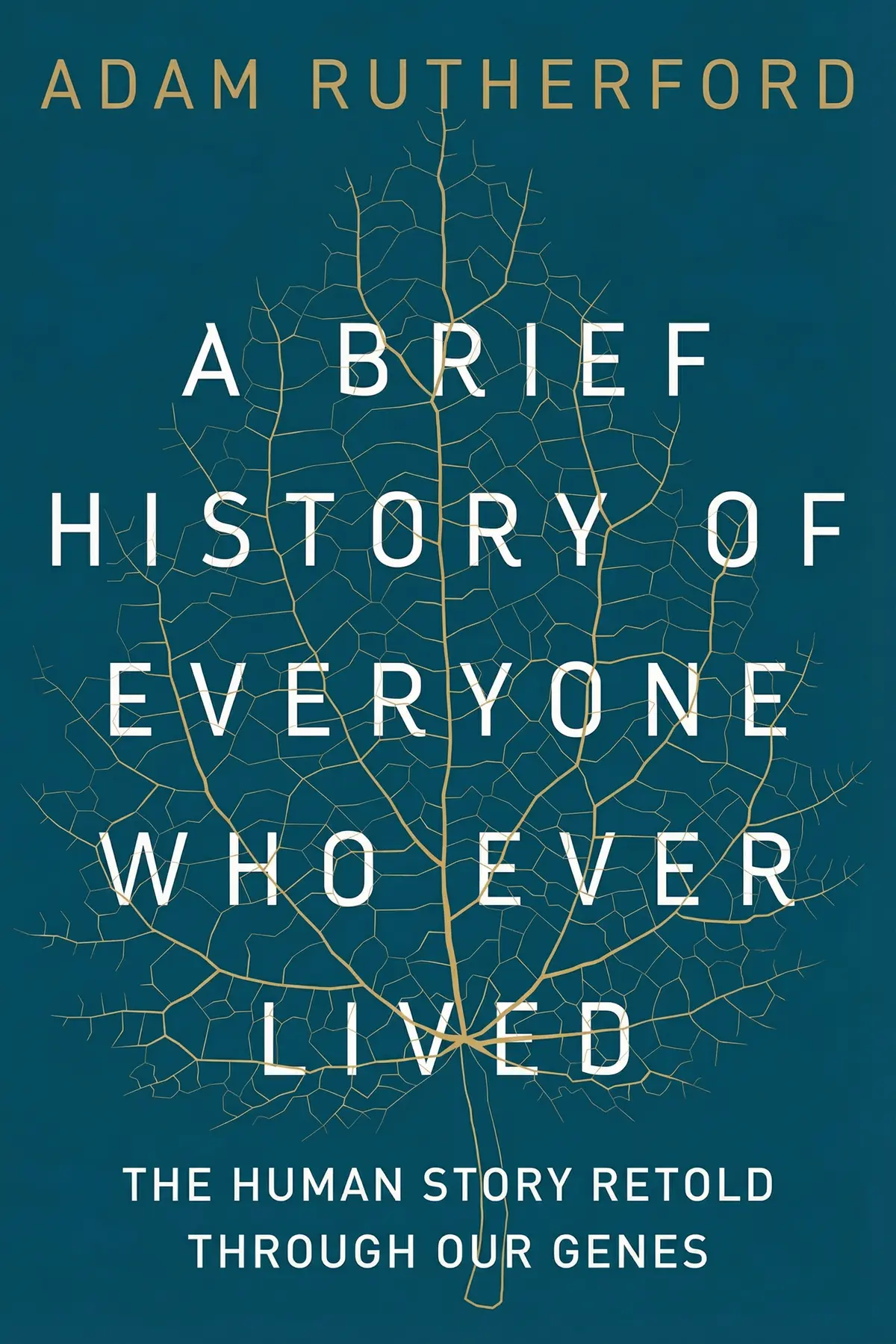
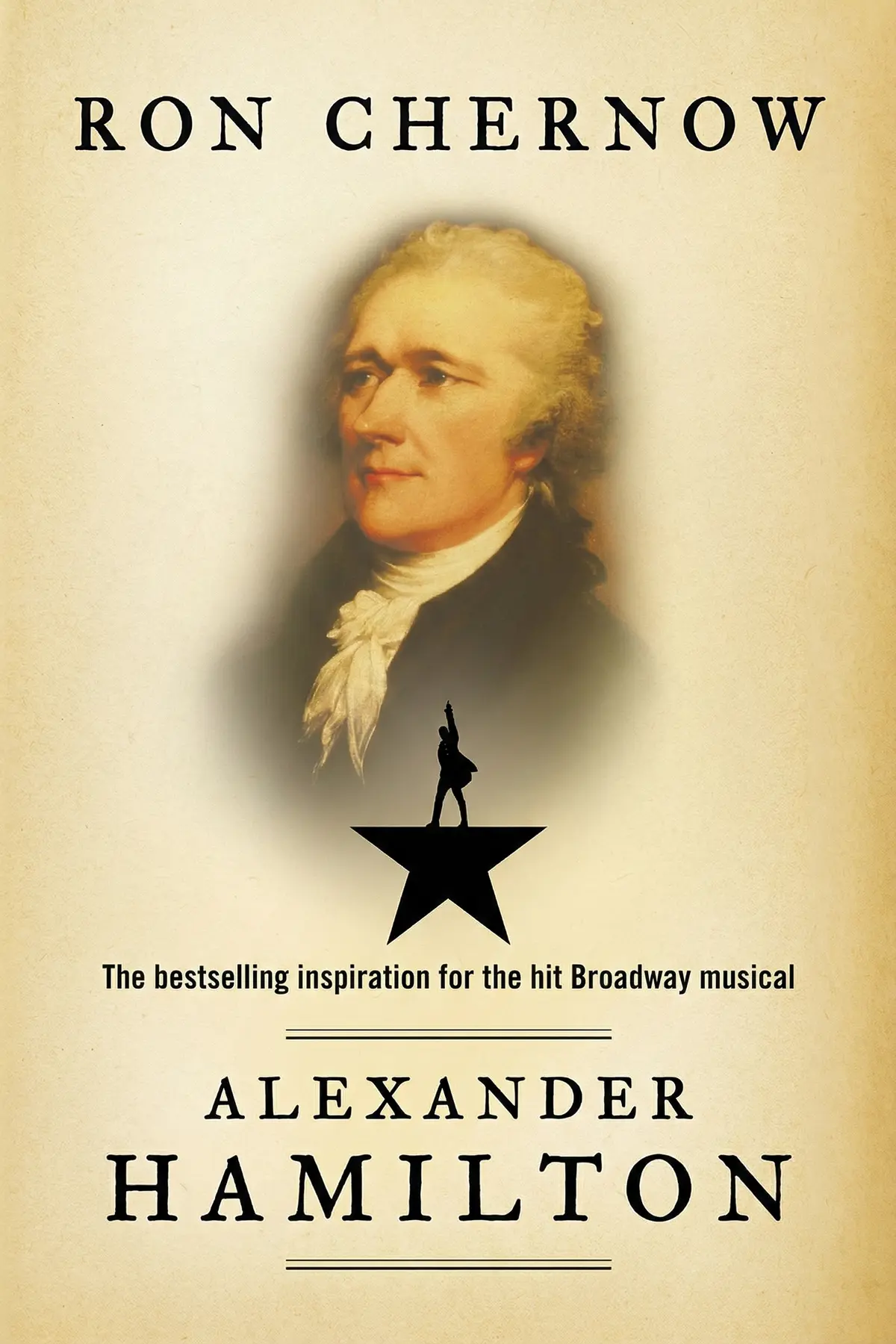
Ron Chernow
Philip Freeman
AUDIO SUMMARY AVAILABLE
Get the key ideas from Salt by Mark Kurlansky, plus 5,000+ more titles in English and Thai.







