
21 min 51 sec
Color: A Natural History of the Palette
Explore the vibrant and often dangerous history of pigments in this deep dive into how humans have used color to express power, spirituality, and art throughout the ages.
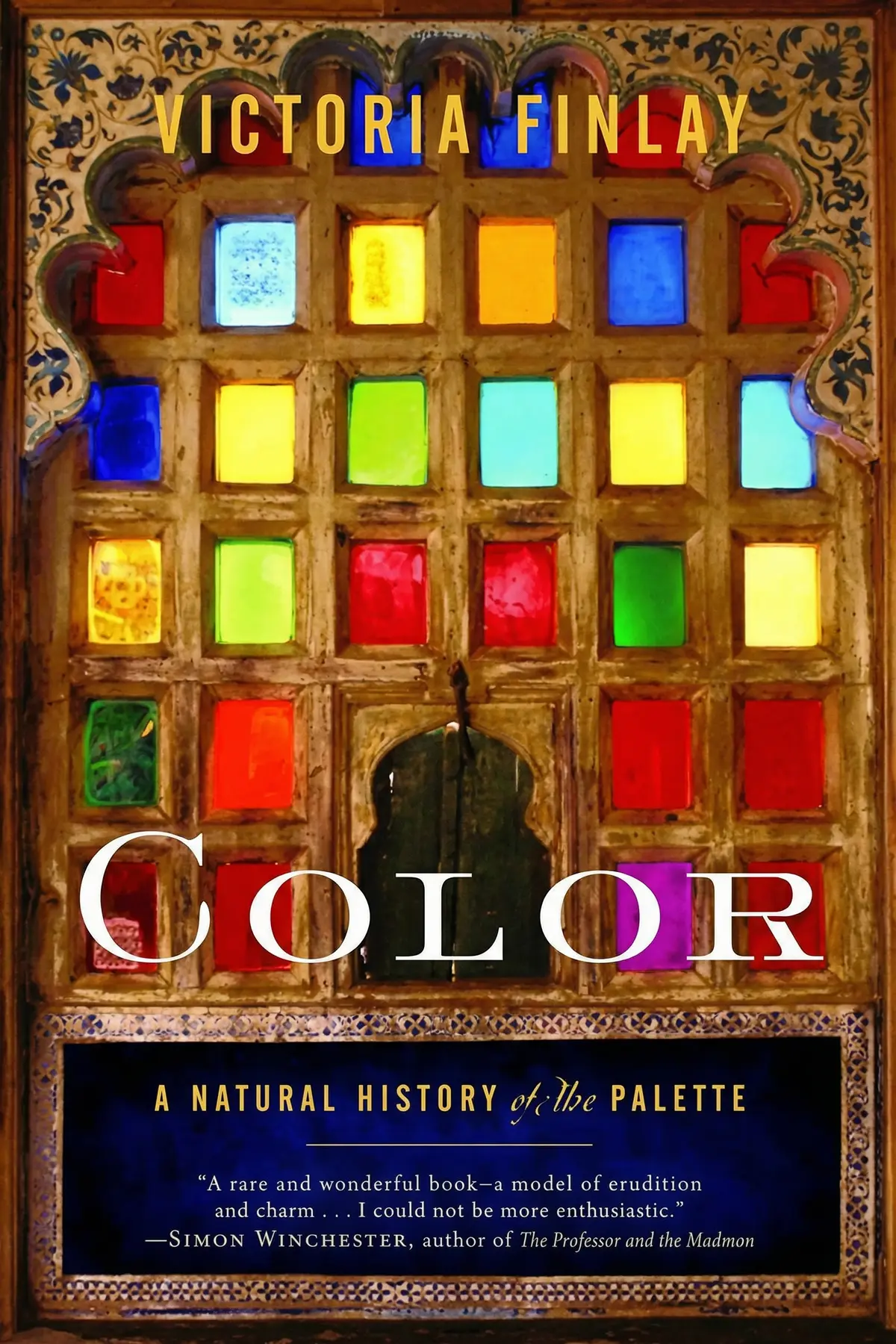
Table of Content
1. Introduction
1 min 33 sec
Every time we look at a vibrant painting, a piece of clothing, or even a simple candy wrapper, we are participating in a conversation that has been going on for thousands of years. We rarely stop to ask where these colors come from. We see a brilliant red and think of passion or energy, but we don’t necessarily think of the thousands of tiny insects that had to be crushed to produce that exact shade. We look at a serene green and feel a sense of nature, yet that same hue once harbored a deadly secret that may have contributed to the downfall of one of history’s greatest emperors.
In this exploration of the palette, we are going to look behind the curtain of the visual world. We will discover that the history of color is not just a history of art; it is a history of exploration, science, politics, and survival. It is a story of how humans have scoured the earth—from the most remote deserts to the deepest mines—to find substances that could capture the beauty of the world and pin it down onto a canvas or a piece of fabric.
This journey will take us through the earliest human expressions in ochre and lead us into the high-stakes world of the Roman elite. We will see how some colors were so precious they were reserved for royalty, and how others were so toxic they claimed the lives of the very artists who loved them most. What we find is that color is far more than a decorative afterthought. It is a powerful force that has shaped human culture in ways that are as complex as they are beautiful. By the end of this journey, you will never look at a sunset, a museum gallery, or even a tube of paint in quite the same way again.
2. The Primacy of Ochre
2 min 32 sec
Discover why an earthy blend of iron and clay became the foundation of human artistic expression across every continent.
3. The Toxic Allure of White
2 min 17 sec
Learn how the pursuit of the perfect, shimmering white led artists to embrace a substance that was as deadly as it was beautiful.
4. The Fleeting Spirit of Red
2 min 18 sec
Explore the biological origins of carmine and why one famous painter chose immediate impact over the longevity of his work.
5. Yellow and the Scars of War
2 min 12 sec
Follow the journey of a tree resin from the forests of Asia to the artist’s palette, and see how modern conflict left its mark on the color itself.
6. The Mystery of the Green Room
2 min 18 sec
Uncover the scientific detective story linking a popular green pigment to the mysterious death of Napoleon Bonaparte.
7. Ultramarine and the Cost of Devotion
2 min 27 sec
See why the ‘blue from beyond the seas’ was more expensive than gold and why it remains a symbol of both beauty and tragedy.
8. The Warrior’s Blue
2 min 09 sec
Discover how a humble yellow-flowered weed provided the ancient Britons with both a terrifying battle mask and a practical medical kit.
9. The Weight of Imperial Purple
2 min 32 sec
Witness the birth of the ultimate status symbol, where a single ounce of dye required the sacrifice of thousands of sea creatures.
10. Conclusion
1 min 33 sec
As we close this chapter on the natural history of the palette, it becomes clear that the colors surrounding us are far more than mere decorative choices. They are a living record of our human journey. We have seen how the very first humans used the red of the earth to claim their place in the world, and how the Roman elite used the purple of the sea to demand respect. We have uncovered the dark side of beauty, where the search for the perfect white or the most vibrant green led to tragedy and toxic environments.
What this exploration tells us is that color is a bridge between the natural world and our inner lives. Every pigment we have discussed—from the crushed insects of carmine to the bullet-scarred resin of gamboge—was a gift from the Earth that humans transformed into meaning. We have used these substances to honor our gods, to terrify our enemies, and to capture the fleeting beauty of a sunset. The history of color is the history of our resourcefulness, our curiosity, and our sometimes-dangerous obsession with aesthetics.
The next time you stand before a painting or choose a color for your home, take a moment to consider the path that hue took to get to you. Consider the mountains of Afghanistan, the deserts of Mexico, or the fermentation pots of ancient Britain. When we understand the origins of our colors, the world becomes a much richer, more textured place. We begin to see not just a red shirt or a blue sky, but the echoes of the thousands of years of human history that made those colors possible. Color is the language of our shared experience, and its history is the story of how we have learned to see.
About this book
What is this book about?
This exploration serves as a deep dive into the physical reality of the colors we often take for granted. Moving beyond simple aesthetics, the narrative uncovers the global journeys and chemical secrets behind the hues on an artist's palette. From the depths of prehistoric caves to the high-stakes politics of the Roman Empire, it reveals how the search for vibrant shades led to international trade, scientific breakthroughs, and sometimes, accidental tragedy. The book promises to change how you look at everyday objects by revealing the hidden labor and surprising materials used to create them. It connects the dots between the natural world—minerals, insects, and plants—and the masterpieces of human culture. By understanding the origins of everything from the deepest blues to the most toxic whites, listeners gain a new perspective on the intersection of human history, science, and the visual world.
Book Information
About the Author
Victoria Finlay
Victoria Finlay was born in Britain and works as a journalist in Hong Kong. She was arts editor at the South China Morning Post for four years before embarking on her own research into color. This is her first book.
Ratings & Reviews
Ratings at a glance
What people think
Listeners consider this work a fascinating study that examines the history of pigments and dyes, providing thorough details on their origins and applications. Additionally, the prose is highly engaging, and listeners value the travelogue components found throughout the narrative. Listeners also highlight the excellent storytelling; one review remarks on how it weaves anecdotes with historically based tales, while another emphasizes how well it illustrates the history of paint.
Top reviews
Kiattisak
Ever wonder why your paint tubes are named the way they are? Finlay takes readers on a whirlwind global tour, from the dusty mines of Afghanistan searching for ultramarine to the quiet villages of India where "cows' urine" created a legendary yellow. I found the travelogue elements much more compelling than a dry textbook ever could be. The way she weaves personal peril with the chemical history of dyes makes for an incredibly engaging read. While some critics dislike her flights of fancy, I think her "imagining" adds a human touch to pigments that are centuries old. It's a gorgeous, sprawling narrative that makes you look at every shade in your home differently. The storytelling quality here is simply top-notch.
Show moreBua
Victoria Finlay has a real gift for taking seemingly mundane objects and uncovering the epic sagas hidden within them. This isn't just a book about paint; it’s an exploration of human obsession and the lengths we go to for beauty. I loved the anecdotes about the Bamiyan Buddhas and the dangerous trek for lapis lazuli. The writing is incredibly descriptive, making you feel the heat of the Australian outback or the dampness of an Italian workshop. It’s rare to find non-fiction that feels this cinematic and personal. For anyone who loves art or history, this is an essential addition to your shelf that celebrates the spectrum of our world. It perfectly illustrates how deep our connection to color really goes.
Show moreNan
Look, if you’re looking for a book that will give you enough trivia to win every dinner party conversation for a year, this is it. Did you know that some historical paints were made from crushed mummies? Or that sea snails were once the only source of the most expensive purple dye? Finlay’s writing style is chatty and engaging, making complex chemical processes easy to understand. She manages to balance the "lite" science with genuine adventure. It’s a wonderful, vibrant journey through the rainbow that makes you appreciate the incredible effort humans have exerted just to make things look pretty. Absolutely fascinating from start to finish, and the storytelling is just beautiful.
Show moreSangduan
After hearing so many good things about "Color," I was happy to find it lived up to the hype for the most part. It’s a charming blend of anecdote and history, though the author's voice is definitely the driving force here. If you don't like personal narratives in your non-fiction, you might find her flights of fancy annoying. However, I found her curiosity to be the best part of the experience. The history of saffron and the wars fought over yellow pigments was particularly eye-opening for me. It’s a long, colorful trip around the world that reminds us that every hue has a deep, often bloody, history behind it. A true treasure trove for anyone who appreciates the natural history of our palette.
Show moreEllie
Picked this up during a trip to an art museum and found myself completely sucked into the secret lives of reds and violets. The storytelling is vivid, particularly the section on cochineal bugs and the lengths empires went to protect their trade secrets. Personally, I enjoyed the mix of journalism and art history, as it provided context that a simple chemistry book would lack. It's a bit long, and the author does wander off on tangents about her own travels, but the sheer volume of "did you know" facts kept me turning the pages. Not gonna lie, I'll never look at a sea snail the same way again after reading about the "tears" of violet! It's a fascinating look at the materials artists have used for centuries.
Show moreLeo
As a hobbyist painter, I've always been intrigued by names like Prussian Blue and Burnt Sienna, so this book was right up my alley. Finlay does a fantastic job of tracing these colors back to their organic roots, showing just how much labor went into every brushstroke in history. The structure of the book—organizing chapters by specific colors like Ochre and Indigo—makes it easy to digest in chunks. I did find the "self-involved" tone mentioned by other reviewers to be present, but it didn't ruin the experience for me. Frankly, her enthusiasm for the subject is infectious, and the bibliography alone is a goldmine for further research into the alchemy of art. A very solid four-star read for any creative soul.
Show moreSun
Finally finished this massive tome and I’m mostly impressed by the sheer amount of research involved. The standout for me was definitely the section on Indian Yellow and the controversial history of how it was produced. Finlay is a brave traveler, and her descriptions of sneaking into protected sites add a layer of tension you don't usually find in art books. My only real gripe is the lack of photographs; for a book so focused on the visual, I spent way too much time on Google Images trying to see what she was describing. Still, it's an enlightening read that bridges the gap between science and culture quite effectively. It makes the history of paint feel alive and relevant today.
Show moreSomsri
To be fair, this is a very dense book that requires a significant time commitment to get through. It sits somewhere in the middle of being a travel guide, a memoir, and a history of pigments. While the information regarding lead white and the dangers of early makeup was fascinating, the pace slows down significantly in the middle chapters. I appreciated the author's curiosity, though the frequent use of phrases like "it could be that" or "possibly" made me question the historical accuracy of some sections. It’s a decent read for those who like micro-histories, but be prepared for a narrative that feels a little too long for its own good. I'd give it a 3.5 if I could.
Show moreVilaiporn
The chapter on the "imaginary Corinthian artist" was exactly where this book lost me. I came here for a natural history of the palette, but what I got was a collection of "I imagine" and "perhaps" sequences that felt more like historical fiction than scholarly non-fiction. Truth is, Finlay spends far too much time talking about her own feelings and not enough on the actual science of color. It's frustrating to read a supposedly factual book only to have the author speculate about what some woman thousands of years ago felt while applying mascara. If you want a rigorous historical text, keep looking, because this is mostly a self-indulgent travel memoir with some paint facts sprinkled in for flavor. It had so much promise but fell flat.
Show moreJom
What a disappointment this turned out to be after such a promising start. I wanted a scholarly look at the evolution of color science, but Finlay constantly interrupts the history to tell us what she "likes to think" happened. It is an irresponsibly speculative way to write non-fiction, especially when she starts inventing dialogue for historical figures. The travelogue portions feel like they belong in a different book entirely, often overshadowing the actual history of the pigments. I found the author's voice to be somewhat grating and her habit of claiming things as "hers" to be quite odd. I couldn't even finish the final chapter on violet; I was just too frustrated by the lack of authority. Waste of time.
Show moreReaders also enjoyed
A Splendid Exchange: How Trade Shaped the World
William J. Bernstein
A Spy Among Friends: Philby and the Great Betrayal
Ben Macintyre
1491: New Revelations of the Americas Before Columbus
Charles C. Mann
A Year in the Life of William Shakespeare: 1599
James Shapiro
1929: Inside the Greatest Crash in Wall Street History--and How It
Andrew Ross Sorkin
AUDIO SUMMARY AVAILABLE
Listen to Color in 15 minutes
Get the key ideas from Color by Victoria Finlay, plus 5,000+ more titles in English and Thai.
- 5,000+ titles
- Listen as much as you want
- 7-day free trial
- Cancel anytime







