
On the Brink: Inside the Race to Stop the Collapse of the Global
Henry M. Paulson
A former U.S. Treasury Secretary provides a rare, firsthand account of China's transformation into a global economic power, detailing the high-stakes negotiations and internal reforms that reshaped the modern world order.
1 min 30 sec
To understand the modern world, one must understand the velocity of change in China. It is a story of transformation so rapid it almost defies historical precedent. In the late 1970s, China was an economic afterthought, largely isolated and agriculturally focused. Fast forward just a few decades, and it has vaulted into the position of the world’s second-largest economy. This shift didn’t happen by accident, nor was it a smooth, linear progression. It was the result of calculated risks, painful internal restructurings, and a fundamental reimagining of how a communist state interacts with global markets.
In this exploration, we go behind the curtain of this economic miracle. We aren’t just looking at charts and graphs, but at the high-level negotiations and the systemic overhauls that made this growth possible. From the dismantling of inefficient state-owned monopolies to the reform of a stagnant banking system, the journey reveals the immense friction between old-guard socialist ideals and the demands of modern capitalism.
We will also look at the roles played by outside advisors and diplomats who sought to build bridges between the East and the West. As we navigate through the history and the future of this superpower, we’ll uncover why China’s internal struggles—ranging from environmental crises to massive debt—are no longer just domestic issues, but global ones that affect every person on the planet. This is the story of how a nation learned to compete on the world stage and what it means for our shared future.
2 min 07 sec
Discover how a single shift in leadership and philosophy sparked one of the most significant economic expansions in human history through the creation of experimental zones.
2 min 05 sec
Examine how China looked to Western models of privatization to overhaul its debt-heavy state industries and the logistical hurdles of modernizing their accounting.
2 min 05 sec
Learn about the immense challenges and social friction that occurred when China attempted to turn its massive oil sector into a globally competitive force.
2 min 03 sec
Explore the critical reforms in university education and the banking sector that were necessary to make China compatible with the global economy.
2 min 11 sec
Investigate the looming threats of environmental destruction and rising debt levels that pose a significant risk to China’s long-term stability.
2 min 07 sec
Understand why the relationship between the two superpowers is moving toward a model of mutual investment and shared responsibility for global challenges.
1 min 03 sec
The rise of China from a closed, agrarian society to a global economic powerhouse is one of the defining stories of our time. It was a journey fueled by bold reforms, the painful dismantling of the ‘iron rice bowl’ of guaranteed employment, and a massive effort to modernize stagnant institutions. However, the work is far from over. As we have seen, the shadows of ballooning debt and environmental devastation loom large over China’s future.
What this means for the rest of the world is that the era of viewing China as a distant, separate entity is over. Their economic health and their environmental standards directly impact our own. The key takeaway from this exploration is that the relationship between the U.S. and China must be one of strategic engagement. By fostering open lines of communication and pursuing mutual investment, both nations can address the global challenges that neither can solve alone. The future will be shaped by how well these two superpowers can move past their differences to build a more sustainable and stable global order.
Dealing with China offers a comprehensive look at the meteoric rise of the world’s second-largest economy through the eyes of Henry M. Paulson. Drawing on his decades of experience as both the CEO of Goldman Sachs and the U.S. Secretary of the Treasury, Paulson explores how China transitioned from a closed, centralized system to a dominant player in global trade. The book outlines the critical reforms initiated in the late 1970s, the privatization of massive state-owned industries, and the painful restructuring required to modernize sectors like telecommunications, oil, and banking. Paulson doesn't just look at the past; he examines the looming threats of ballooning debt and environmental degradation that could derail China’s progress. The central promise of the narrative is a roadmap for how the West can engage with this rising superpower. By understanding China's internal pressures and historical path, policymakers and business leaders can move toward a relationship rooted in transparency and mutual benefit rather than conflict.
Henry M. Paulson, Jr. is a former United States Secretary of the Treasury. He brings many years of experience in dealing with China, first as CEO of investment bank Goldman Sachs and later as Secretary of the Treasury during the presidency of George W. Bush. He is Chairman of the Paulson Institute, an independent think tank that promotes sustainable growth in the United States and China.
Henry M. Paulson
Listeners find this work to be a rewarding experience, citing the high quality of the prose and its accessible organization. They appreciate the wealth of information and sharp perspectives, with one listener noting it provides a thorough guide to business dealings with China. Listeners admire the author's intellect, and one review highlights their deep understanding of Chinese culture.
The sheer level of detail Henry Paulson provides regarding his time at the Treasury is nothing short of impressive. This isn't just a dry retelling of facts; it’s a brilliant deep dive into the high-stakes world of international diplomacy. I was particularly struck by how the author navigates the complex cultural nuances of his Chinese counterparts while maintaining a clear focus on American interests. Truth is, his intelligence and experience shine through every chapter, offering a thorough guide for anyone looking to understand modern business relations. The writing is surprisingly fluid for such a technical subject, making it a very worthwhile read for professionals and history buffs alike. I particularly appreciated the sections on environmental preservation which showed a different side of his work.
Show moreFinally got around to finishing this massive tome and the insights into Chinese leadership are unparalleled. Paulson managed to bridge the gap between Western business practices and Eastern political realities in a way few others have. His stories about meeting with various CEOs and politicians are both fascinating and educational. You can tell he has a genuine respect for the country, yet he remains realistic about the challenges of the U.S.-China relationship. The book is an easy-to-read format despite its length, and I found myself highlighting passages on almost every page. For anyone who wants to understand why the two countries behave the way they do today, this is essential reading. It’s easily one of the best books on the subject.
Show moreThis book provides a masterful guide to the complexities of high-stakes negotiation at the highest levels of government. Paulson’s ability to penetrate difficult environments and succeed is nothing short of remarkable. I was impressed by the detailed information he shares about the inner workings of the Chinese political machine. Unlike other books that offer a bird's-eye view, this gets you right into the room where the decisions are made. It’s clear that his intelligence and relentless follow-through were key to his success. The writing is crisp, making complex financial concepts accessible to anyone. Truthfully, it’s one of the most brilliant insights into the Chinese business world I’ve ever read. It’s a must-have for anyone doing business in Asia.
Show morePaulson’s intelligence shines through every page of this meticulously documented account of US-China relations. He doesn't just describe policy; he explains the 'why' behind the negotiations. I was particularly impressed by the easy-to-read format which manages to make complex financial concepts accessible to a layperson. The truth is, many books on this topic are either too academic or too superficial, but this hits the sweet spot perfectly. You get a real sense of his deep understanding of Chinese culture and the immense patience required for high-stakes diplomacy. It’s an essential addition to any business library and a fascinating look at a man who was at the center of global events for over a decade.
Show moreEver wonder how the giants of Wall Street actually manage to navigate the halls of power in Beijing? Paulson provides a unique, first-hand account of exactly that. The book is meticulously documented and offers a level of insight that only someone who sat at the bargaining table could provide. I found his analysis of Chinese political behavior to be spot-on, especially the parts detailing the Strategic Economic Dialogue. While some sections are a bit heavy on the banking jargon, the overall narrative is accessible and highly informative. It’s a solid piece of work that helps demystify how the U.S. and China interact behind closed doors. Highly recommended for those interested in the intersection of finance and global politics.
Show moreAs someone who works in international trade, I found the chapters regarding the Strategic Economic Dialogue to be the strongest part of the book. Paulson does an excellent job explaining the structural reforms China needs to make to remain a global power. His intellect is obvious, and the way he describes the topography and environmental needs of the region adds a nice layer of depth to a mostly financial book. My only real complaint is that it dives a bit too deeply into the Goldman Sachs mandates early on. It feels like two different books mashed together: a corporate history and a diplomatic memoir. Still, the strategic thinking on display near the end makes the slower parts worth the slog. A very solid four stars.
Show morePicked this up on a recommendation and was pleasantly surprised by the level of detail regarding the Goldman years. It’s a very good piece to read if you want to know how the elite of the financial world think. Paulson's analysis of the behaviors and reasons behind China's economic actions is very spot-on. I found page 357 to be particularly insightful in terms of understanding the Chinese mindset. While some parts are a bit long-winded, the overall value of the information provided is immense. It provides a thorough guide to navigating a culture that is often misunderstood by Westerners. Just be prepared for a lot of banking talk before you get to the meat of the political stuff.
Show moreTo be fair, this reads much more like a corporate diary than the strategic manual I was expecting. While there are some fascinating tidbits about his time as Secretary of the Treasury, the narrative often gets bogged down in the minutiae of banking at Goldman Sachs. At times, the tone feels a bit self-congratulatory, which can be off-putting if you're looking for an objective analysis of the Chinese economy. It’s a decent enough memoir, but it feels like he’s playing it safe to avoid burning bridges with his current think tank's partners. If you have the patience to dig through the long-winded corporate stories, there is some value here, but it definitely requires some effort to finish.
Show moreNot what I expected when I picked this up to learn about global macroeconomics. I was hoping for a breakdown of how China became the main US creditor, but instead, I got a play-by-play of the author's personal banking career. Reading this feels like sitting through a very long, very dry corporate meeting where the minutes are being read aloud. There is far too much focus on his own deals and not enough on what actually makes the Chinese economy thrive. Frankly, the writing is bland and doesn't deliver on the promises made by the title. If you want a technical memoir about a CEO's life, you might enjoy it, but it's a bit of a letdown for the general reader.
Show moreLook, if you want a book about how great Henry Paulson thinks he is, then this is definitely for you. This is strictly a memoir masquerading as a strategic guide, and a pretty boring one at that. 'Dear Diary, today I saved the world economy and the environment again.' I found the tone to be incredibly condescending toward his counterparts in Beijing, which was quite jarring. What’s most frustrating is how he only dares to badmouth Chinese leaders who have already been removed from power. It feels calculated and overly cautious, lacking the raw honesty I expected from someone in his position. A total letdown for anyone seeking actual economic depth or an unbiased perspective. I struggled to finish it.
Show more
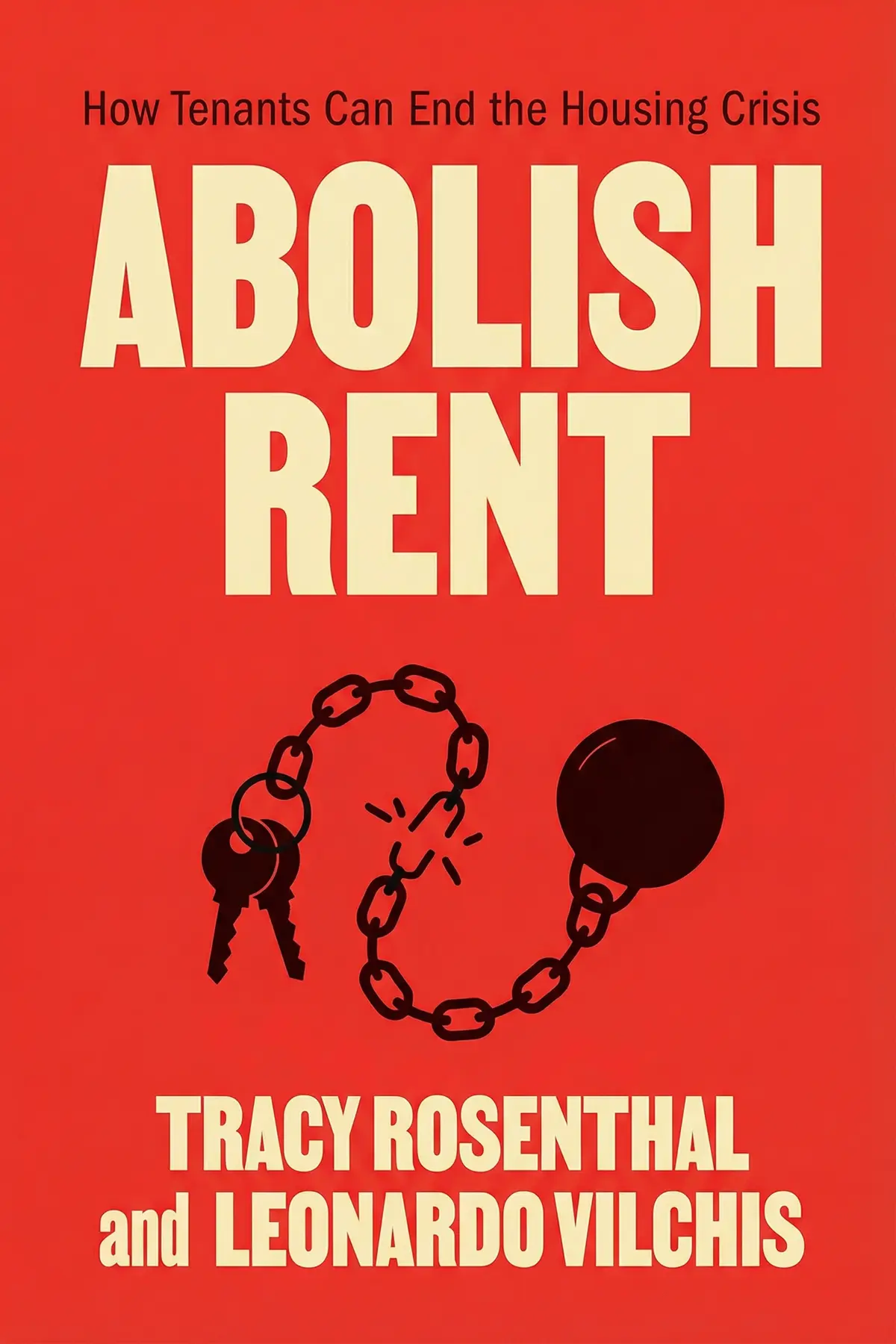
Tracy Rosenthal
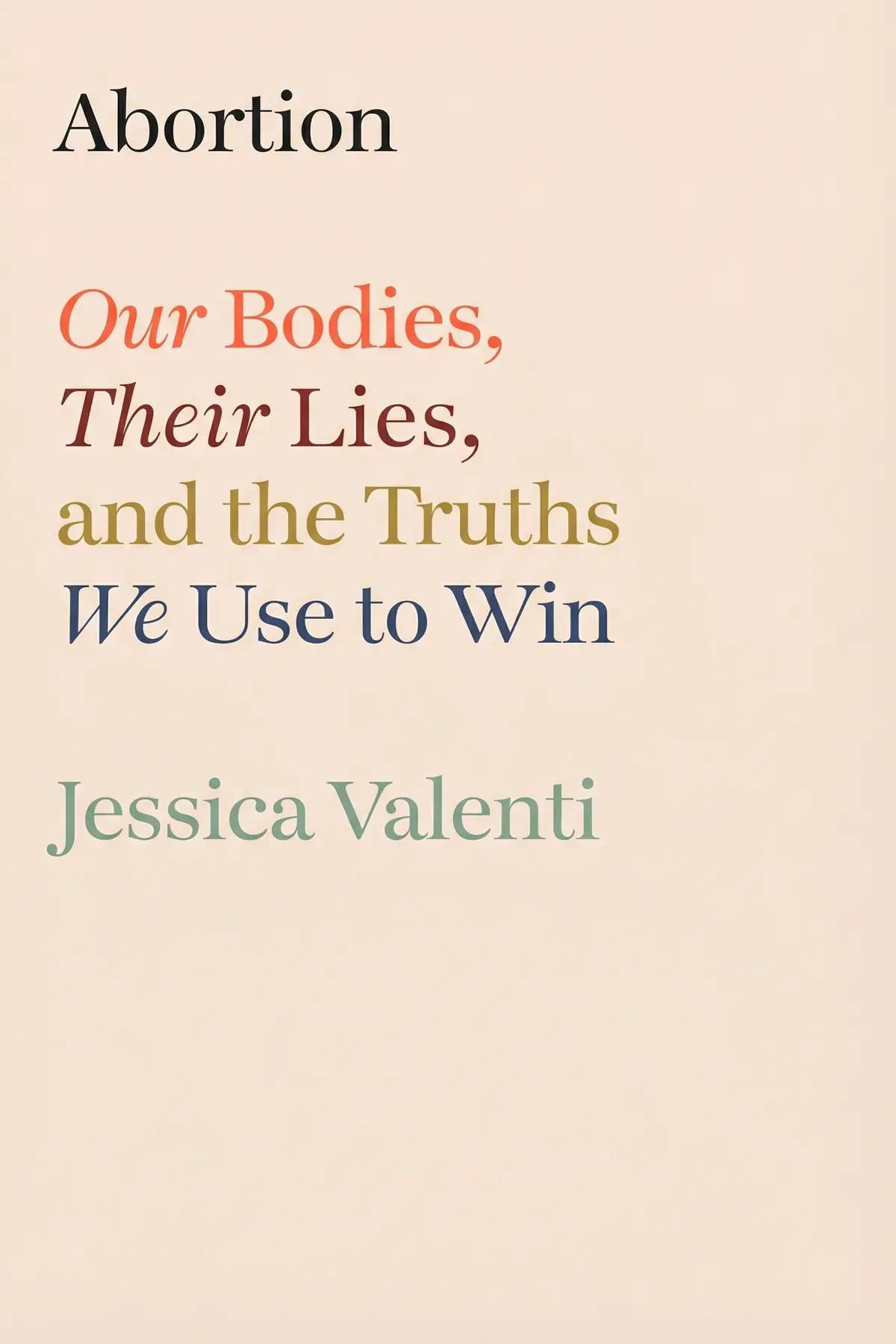
Jessica Valenti
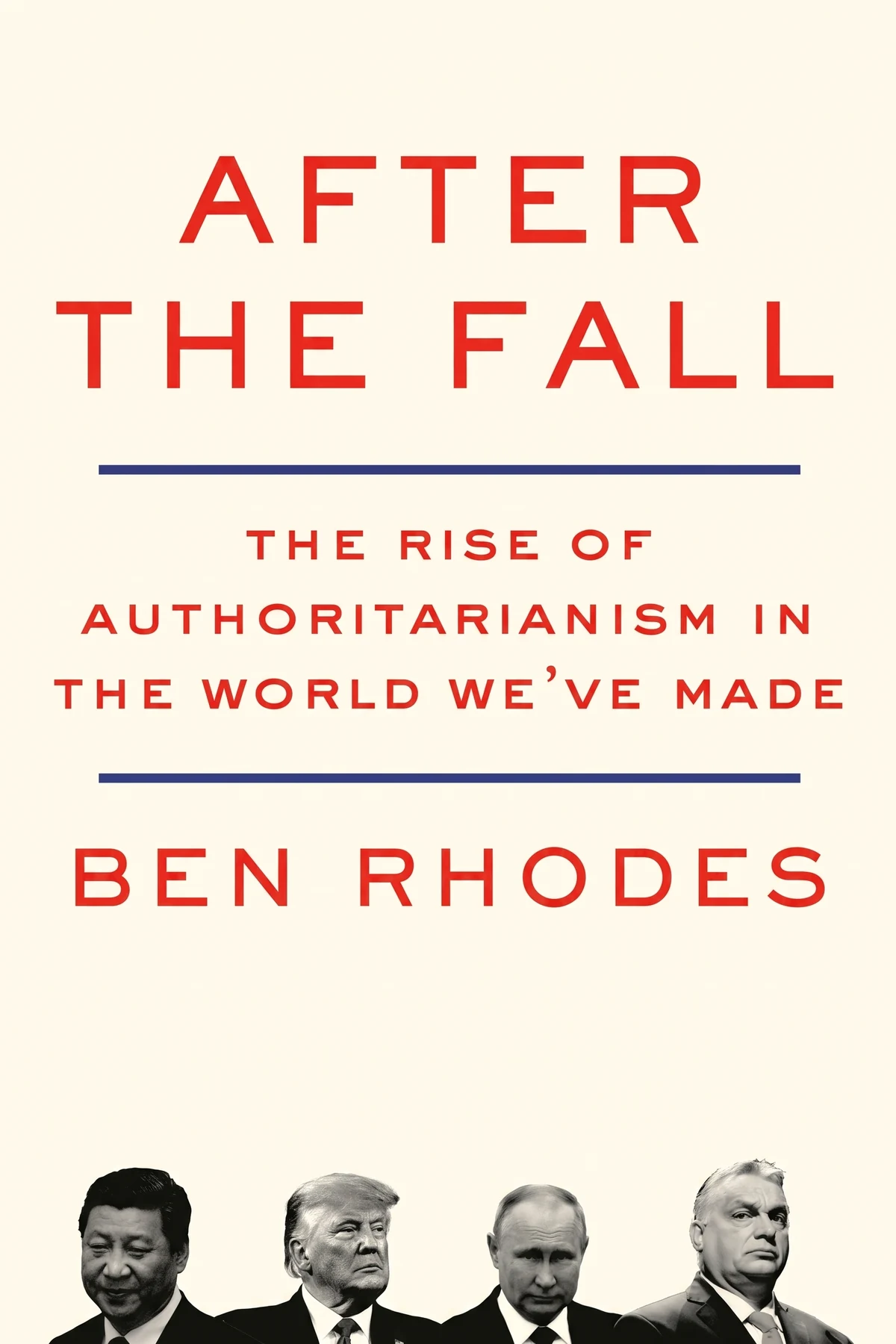
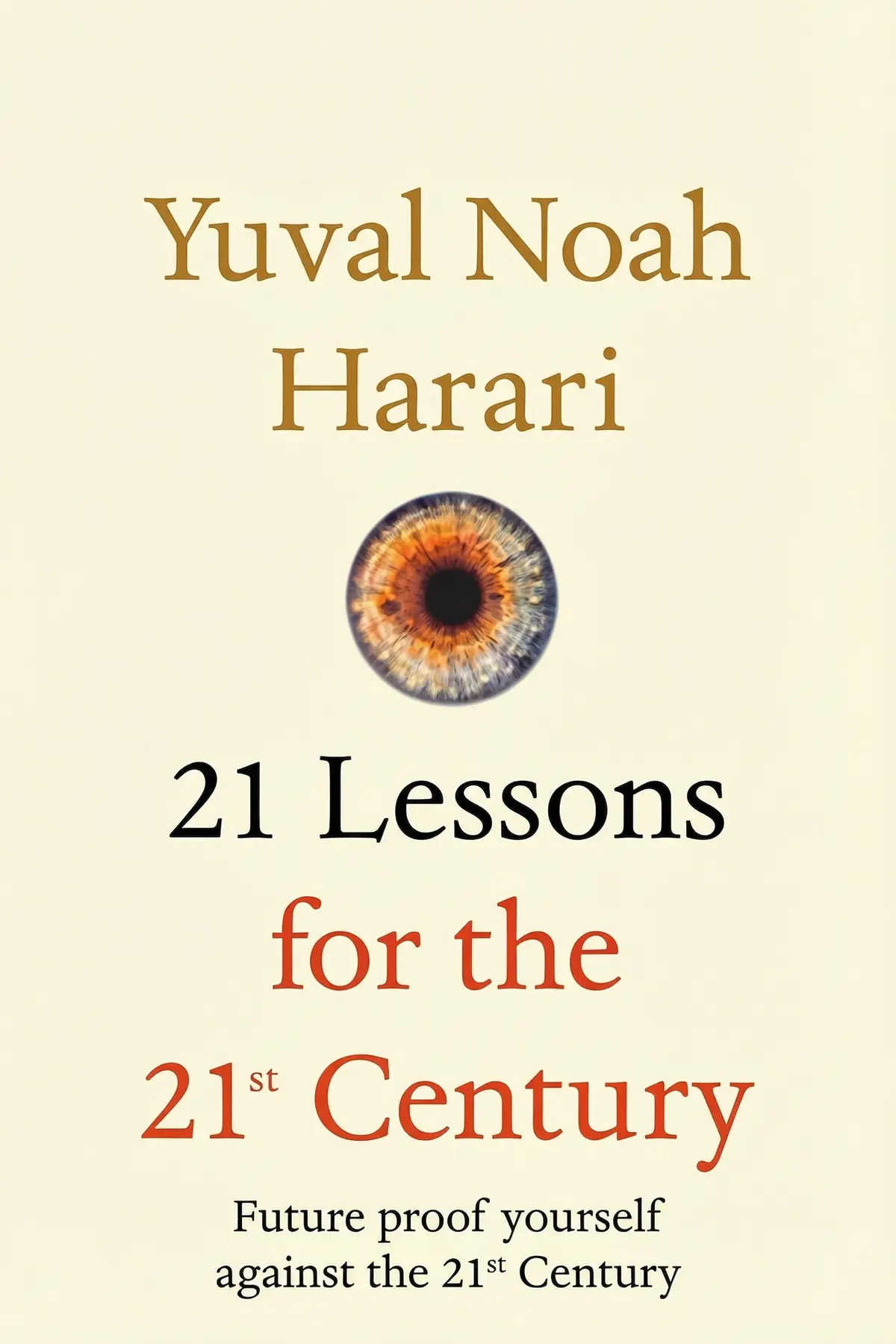
Yuval Noah Harari
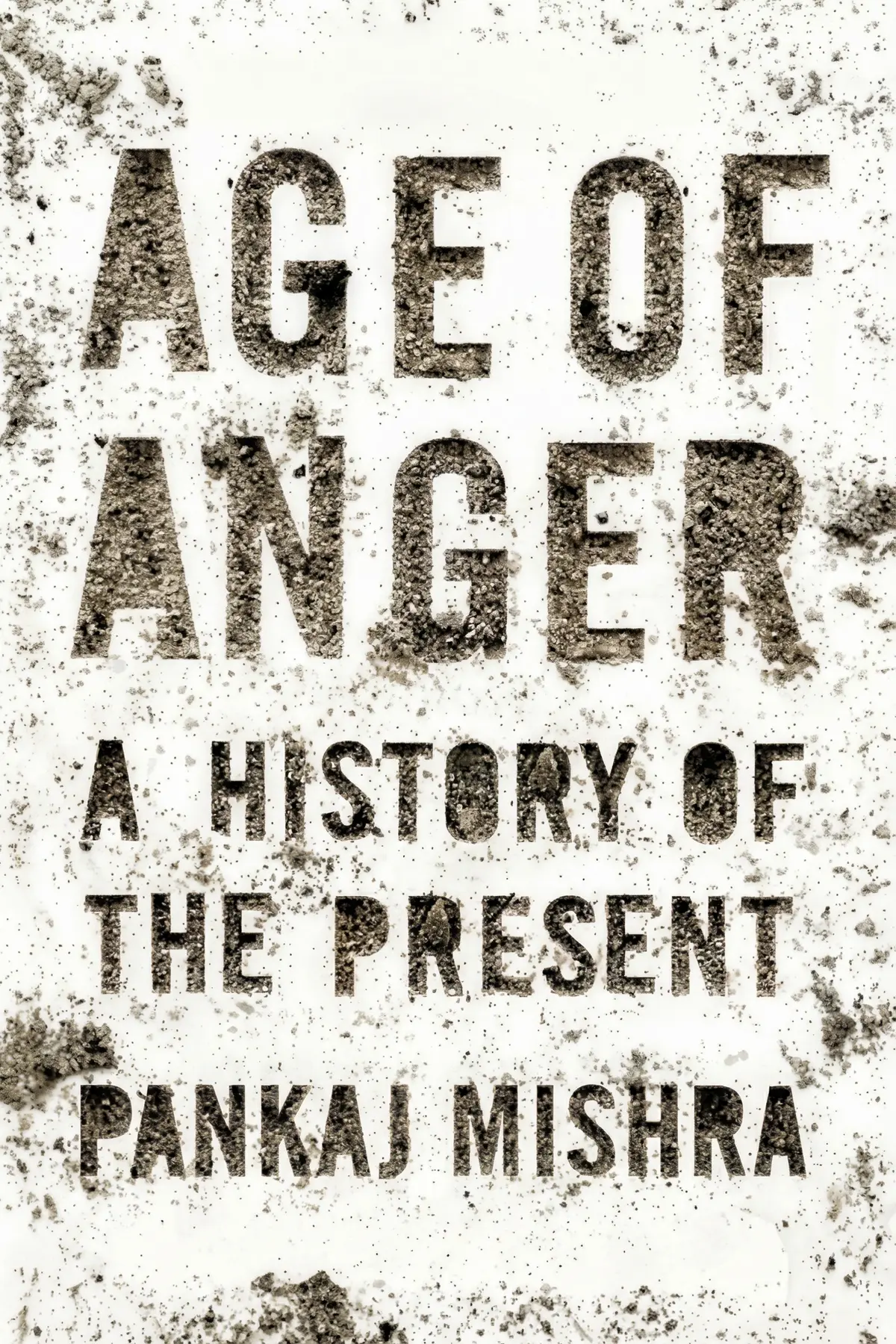
Pankaj Mishra

Jacinda Ardern
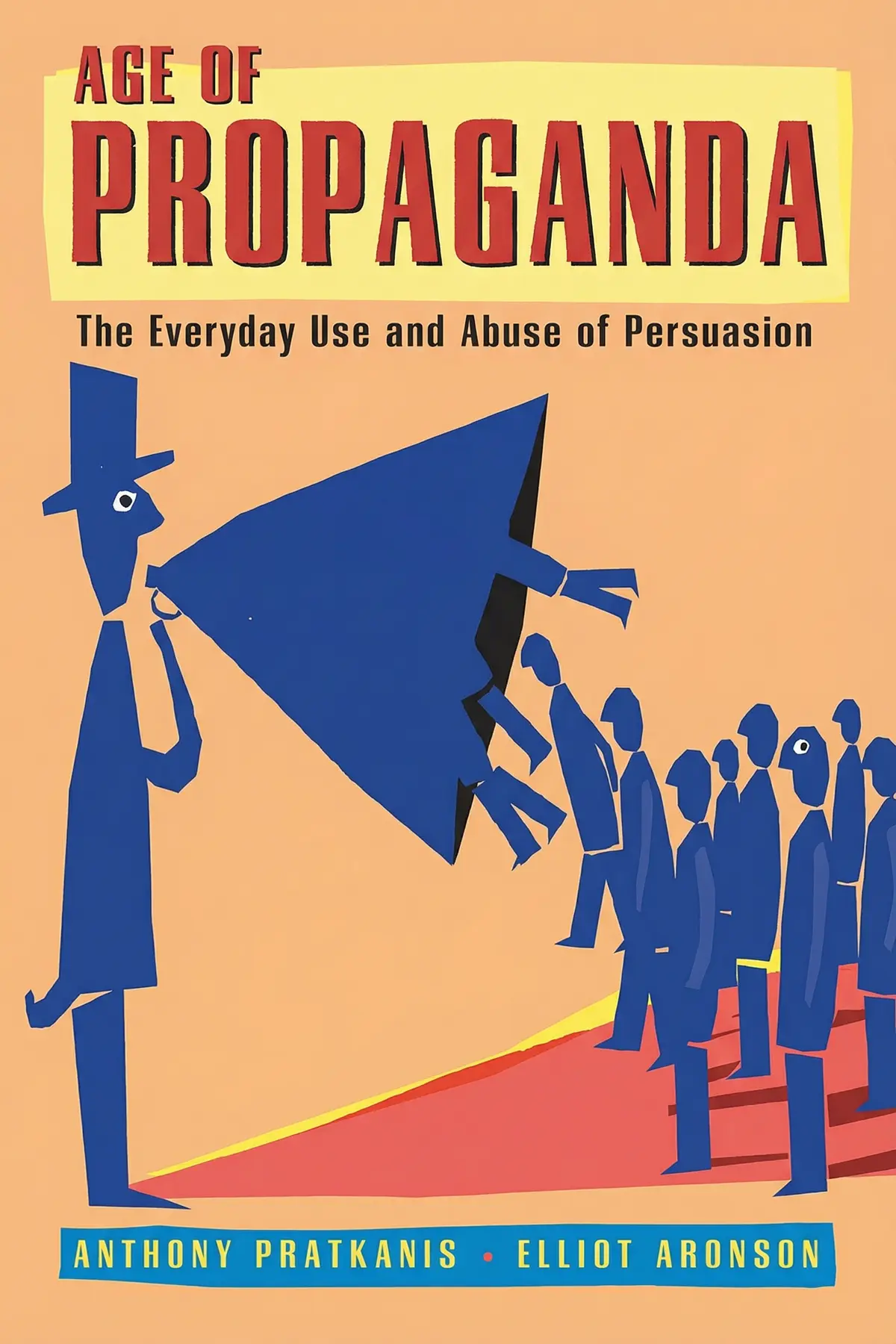
Anthony Pratkanis
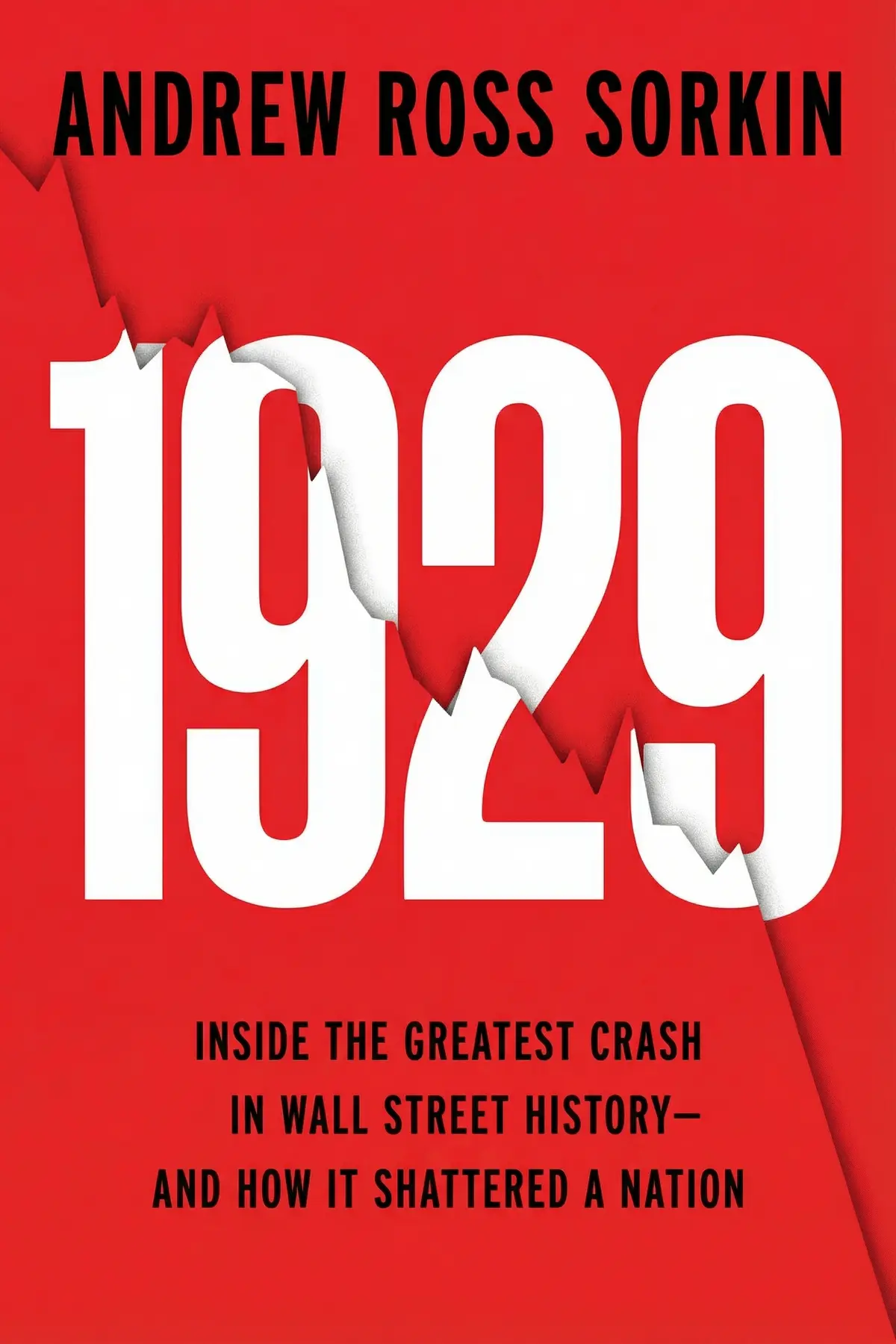
Andrew Ross Sorkin
AUDIO SUMMARY AVAILABLE
Get the key ideas from Dealing with China by Henry M. Paulson, plus 5,000+ more titles in English and Thai.







