

16 min 39 sec
Diet, Drugs, and Dopamine: The New Science of Achieving a Healthy Weight
Diet, Drugs, and Dopamine explores the biological forces behind weight gain, revealing how dopamine and modern food engineering hijack our brains and how new medications offer a path toward lasting health.
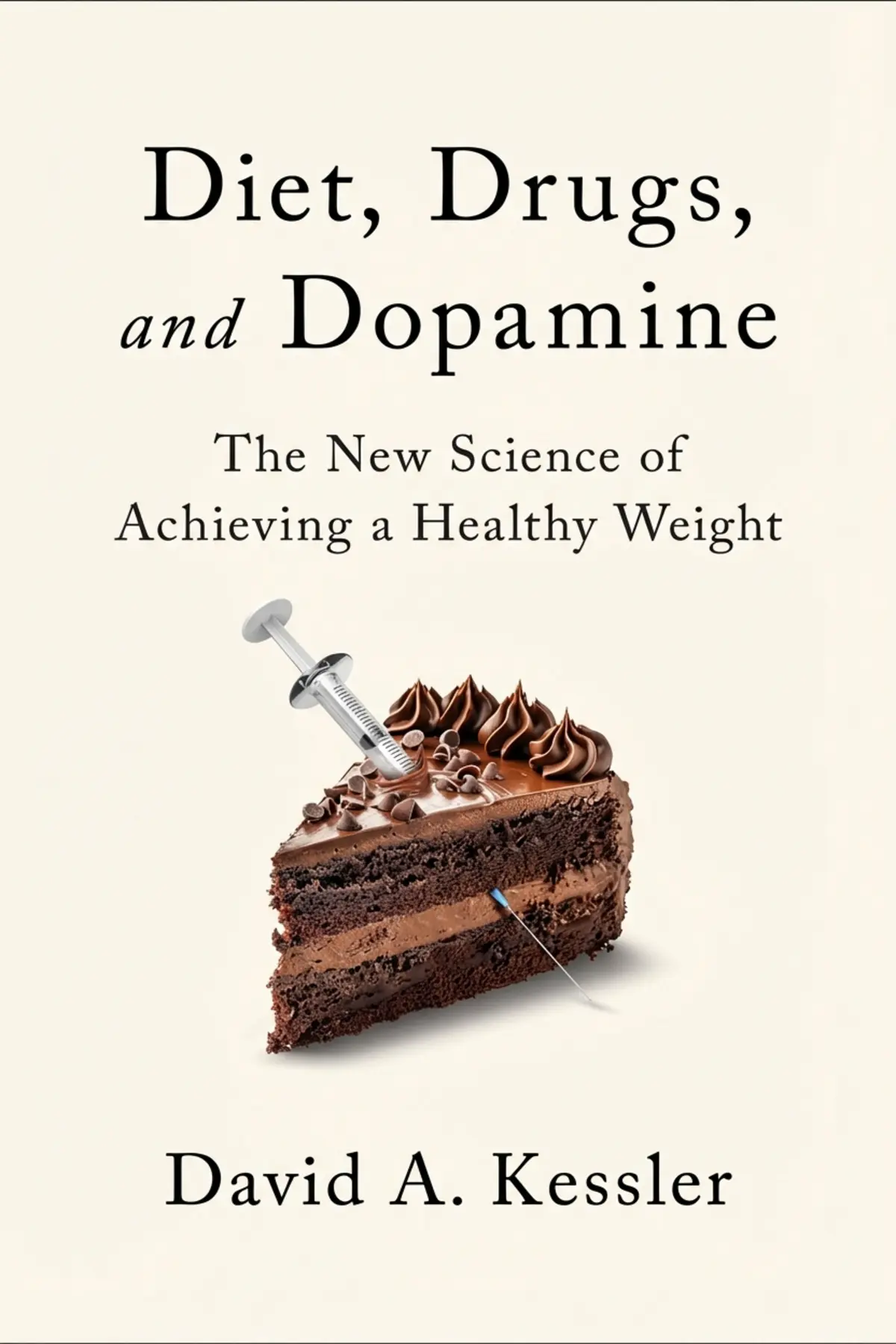
Table of Content
1. Introduction
1 min 36 sec
If you have ever stood on a scale and felt a sense of defeat, you are participating in a nearly universal human struggle. In the United States alone, three out of every four people find themselves navigating the challenges of being overweight or obese. For a long time, society has treated this as a moral failing—a lack of self-control or a refusal to move enough. But what if the struggle isn’t about character at all? What if the primary obstacles are actually hard-wired into your brain chemistry and your hormones?
In this exploration of David A. Kessler’s work, we are going to look at why the old advice of just ‘eating less and moving more’ is often woefully inadequate. We are entering a new era of weight management, one defined by a deeper understanding of dopamine and the arrival of groundbreaking medications like GLP-1 agonists. These aren’t just weight-loss drugs; they are tools that reveal the true biological nature of obesity.
By the time we finish, you’ll understand that managing your weight isn’t just about counting calories—it’s about understanding a complex internal system that has been hijacked by a modern world of ultra-processed foods. We will walk through the science of how your body defends its weight, why certain fats are more dangerous than others, and how the synergy of new medical treatments with smarter nutrition and behavioral changes can finally tip the scales in your favor. This is about moving from a place of frustration to a place of biological empowerment, using every tool in the modern medical toolkit to achieve lasting health.
2. The Biological Resistance to Weight Loss
2 min 18 sec
Traditional weight loss is often sabotaged by a metabolic penalty that triggers when we try to shed pounds, making simple calorie counting an insufficient strategy for many.
3. The Dopamine Loop and the Food Environment
2 min 22 sec
Modern food isn’t just fuel; it’s often engineered to trigger the same neurological reward systems as addictive substances, creating a environment that overrides our natural satiety.
4. The Hidden Danger of Visceral Fat
2 min 11 sec
Not all body fat is the same, and the invisible fat stored around internal organs poses a unique metabolic threat that disrupts hunger signals and drives inflammation.
5. GLP-1 and the Pharmaceutical Breakthrough
2 min 10 sec
The discovery of long-lasting synthetic hormones has revolutionized weight management by directly addressing the brain’s hunger pathways and correcting metabolic dysfunction.
6. Why Nutrition Remains Essential
2 min 16 sec
Medications are powerful, but they work best when paired with a diet focused on whole-food structures that stabilize blood sugar and combat food addiction.
7. Addressing the Emotional and Mental Connection
2 min 17 sec
Weight management is as much a psychological challenge as a physical one, requiring us to confront emotional triggers and the way our brains value immediate rewards.
8. Conclusion
1 min 29 sec
As we wrap up our look into the findings of David A. Kessler, the most important takeaway is a shift in perspective. Weight management is not a battle of will; it is a complex biological puzzle that involves your hormones, your brain’s reward system, and the very environment you live in. For too long, the ‘calories in, calories out’ model has oversimplified a deeply personal and medical struggle, leading to unnecessary shame and repeated failure.
The emergence of GLP-1 drugs marks a revolutionary moment because it finally addresses the neurological and hormonal roots of hunger. These tools, however, reach their full potential only when they are part of a broader strategy. By understanding the difference between visceral and subcutaneous fat, focusing on the cellular structure of the foods we eat, and identifying the emotional triggers that drive our behavior, we can build a sustainable path to health.
True transformation happens at the intersection of science and self-awareness. Use the medical tools available to quiet the noise of biology, but don’t forget to nourish your body with the whole foods it was designed to process and to treat your mind with the care it deserves. Weight management is a lifelong journey, but with this new understanding of dopamine, diet, and drugs, it is a journey you are now better equipped to navigate than ever before.
About this book
What is this book about?
For decades, the conversation around weight management has centered on willpower and personal discipline. In Diet, Drugs, and Dopamine, Dr. David A. Kessler reframes this narrative by illustrating how our internal biology is often at odds with a modern food environment designed to trigger addictive responses. By examining the roles of dopamine and hormone signaling, Kessler explains why traditional dieting often fails and how the emergence of GLP-1 medications represents a significant turning point in medical science. The book provides a comprehensive look at the metabolic challenges faced by those who struggle with obesity, including the body's natural resistance to weight loss. It promises to move beyond the simple 'calories in, calories out' formula, offering a nuanced understanding of how nutrition, psychology, and pharmacology can work together. Readers will learn how to navigate a toxic food landscape, understand the critical difference between types of body fat, and utilize new medical tools to reclaim their metabolic health.
Book Information
About the Author
David A. Kessler
Dr. David A. Kessler is a prominent physician and attorney who served as the commissioner of the US Food and Drug Administration. During his tenure, he led significant public health initiatives, including the regulation of tobacco and the reform of food safety and labeling. He also played a vital role in the Biden administration as the head of Operation Warp Speed, overseeing the production and distribution of COVID-19 vaccines. Kessler is a respected author of multiple books focusing on the intersections of nutrition, weight management, and public policy.
Ratings & Reviews
Ratings at a glance
What people think
Listeners find the book to be thoroughly researched and beneficial, with one listener mentioning it includes the most recent data and studies. It is also filled with insights regarding weight management, where one listener points out its explanation of how GLP-1 drugs help control type 2 diabetes and body weight by reducing appetite. Furthermore, listeners value the perspective on nutrition, with one listener remarking that it avoids being just another trendy diet, and they generally find the material accessible and clear.
Top reviews
Fang
As a long-term sufferer of metabolic issues, reading Kessler's personal struggle with weight was a revelation. Finally, someone in a position of authority acknowledges that 'eating less and moving more' is a reductive solution for a complex biological problem. The statistics he shares are staggering, particularly the fact that only 20% of Americans are actually metabolically healthy. I loved how he explored the concept of food as an addiction, weaving personal stories with accessible science about dopamine pathways. It isn't just another fad diet book; it is a serious look at how our environment and chemistry work against us. Truly essential reading for anyone who has ever felt like their own body was a battlefield they couldn't win.
Show moreSaowalak
Kessler has produced the most up-to-date resource on the market regarding weight management science. It is no surprise he is a former FDA commissioner, because his forensic dissection of the obesity epidemic is absolutely masterful and authoritative. I was particularly impressed by how he handled the controversy surrounding body positivity and 'toxic fat' without being dismissive. The book bridges the gap between the hype and the harsh reality of modern nutrition. It’s a beautifully crafted guide that invites readers to lay down their assumptions and look at the evidence. If you want to understand the future of medicine and how we might finally get a handle on chronic health issues, buy this book immediately.
Show moreTar
This isn't another fad diet book telling you to eat kale until you're miserable. Instead, Kessler offers a brilliant and incisive examination of why we eat the way we do and how new medical breakthroughs might change everything. The way he walks the tightrope between criticizing the food industry and praising new pharmaceutical tools like Ozempic is very well-balanced. I found the sections on the history of food engineering to be the most engaging parts of the narrative. It’s a comprehensive, blue-ribbon deserving book that actually treats obesity as the medical disease it is. Highly recommend for anyone looking to cut through the fog of confusion surrounding modern weight loss.
Show moreNarut
The connection between how tobacco companies and food manufacturers manipulate our brains is absolutely chilling. Picking this up, I expected another generic lecture on willpower, but Kessler dives deep into the neurobiology of dopamine and the engineering of 'hyper-palatable' snacks. He effectively explains why Cognitive Behavioral Therapy often fails because our internal biology is being hijacked by salt, fat, and sugar formulations. My only real gripe is that the writing can get quite dense, almost like sifting through sand to find small nuggets of gold. That said, his transparency about his own weight struggles and his use of new weight-loss drugs adds a layer of much-needed empathy to a clinical topic. It is an eye-opening read for anyone curious about the modern obesity crisis.
Show moreChatchai
Finally, a book that stops blaming 'willpower' and starts looking at the actual chemistry of our brains. Picked this up after hearing about the new weight loss drugs on the news and wanted a deeper dive into how they actually function. Kessler explains how these GLP-1 agonists act as a revolutionary tool by essentially silencing the 'food noise' that many of us live with daily. I found the chapter on menopause particularly insightful, as that is a topic often ignored in general health guides. While the tone can sometimes skew a bit promotional toward the drugs, the scientific analysis of ultra-processed food is top-notch. This book offers a sustainable pathway to understanding health rather than just offering quick fixes.
Show moreKek
While it's a bit heavy on the science, the insights into how ultra-processed foods are engineered to bypass our natural 'fullness' signals are invaluable. I've read a lot on this topic, but Kessler’s take on 'food addiction' felt more rigorous than most. He doesn't just say sugar is bad; he explains the exact dopamine loops that keep us reaching for the bag of chips. I appreciated the therapy realism here too—his admission that CBT has limited efficacy for many people was refreshingly honest. The book can be a bit of a discouraging read because the problems seem so systemic and massive, but knowledge is power. It’s a great read for anyone who wants to understand the 'why' behind their hunger.
Show moreAmara
Dr. Kessler clearly knows his stuff, but the sheer volume of technical jargon makes this feel more like a medical school textbook than a book for the general public. Look, I appreciate the depth of research and the updated info on GLP-1 inhibitors, but the prose is often painfully dry and redundant. I found myself skimming through sections that felt like an information dump of every diet ever invented. However, for those specifically considering the new pharmaceutical options, the detailed breakdown of how these drugs reduce appetite and control Type 2 diabetes is genuinely helpful. The book is well-documented, but the delivery is so clinical that it might bore a casual reader looking for practical tips. It is a solid resource, just be prepared for a slog.
Show moreGame
Ever wonder why you can't stop eating after 6 PM? According to the data Kessler presents, the majority of Americans consume most of their calories between dusk and midnight, which was a real wake-up call for me. This book is jam-packed with information, but honestly, it feels a bit unfocused regarding its target audience. Sometimes it talks down to the reader with basic advice, and other times it buries you in jargon about insulin sensitivity and neural circuits. It’s a bit of an information dump that could have used a tighter edit to avoid redundancy. Still, if you have the patience to dig through the text, there are some brilliant insights into the broken food culture we inhabit.
Show moreChiw
Frankly, I found this redundant if you’ve already kept up with recent literature on ultra-processed foods and GLP-1s. It’s a very dense read that often feels like it's trying to tackle too many problems at once. One moment you're reading about tobacco industry tactics, and the next you're in a technical breakdown of menopausal metabolic shifts. It’s a lot to process. That being said, for someone who hasn't read books like 'Ultra-Processed People' or 'Dopamine Nation,' this is a solid all-in-one resource. It’s a bit dry, and at times it feels like a long-winded endorsement of medication, but the science is definitely there. A decent supplemental resource, but not necessarily a page-turner.
Show moreRyan
I really wanted to like this, but it felt less like a scientific inquiry and more like a long-form brochure for Ozempic. Truth is, by the halfway mark, the narrative settled into such sustained advocacy for GLP-1 drugs that I lost interest in the author's objectivity. While the sections tracing how food companies borrowed tactics from the tobacco industry to engineer addictive products were fascinating, they weren't enough to save the book for me. To be fair, Kessler does acknowledge that we don't know the long-term effects of these new therapies, but that warning felt buried under a mountain of enthusiasm. If you are looking for a dispassionate, methodical guide that weighs benefits against harms, this might not be the resource for you. It reads more like a persuasive essay than a rigorous medical primer.
Show moreReaders also enjoyed





AUDIO SUMMARY AVAILABLE
Listen to Diet, Drugs, and Dopamine in 15 minutes
Get the key ideas from Diet, Drugs, and Dopamine by David A. Kessler, plus 5,000+ more titles in English and Thai.
- 5,000+ titles
- Listen as much as you want
- 7-day free trial
- Cancel anytime







