
25 min 15 sec
Dominion: How the Christian Revolution Remade the World
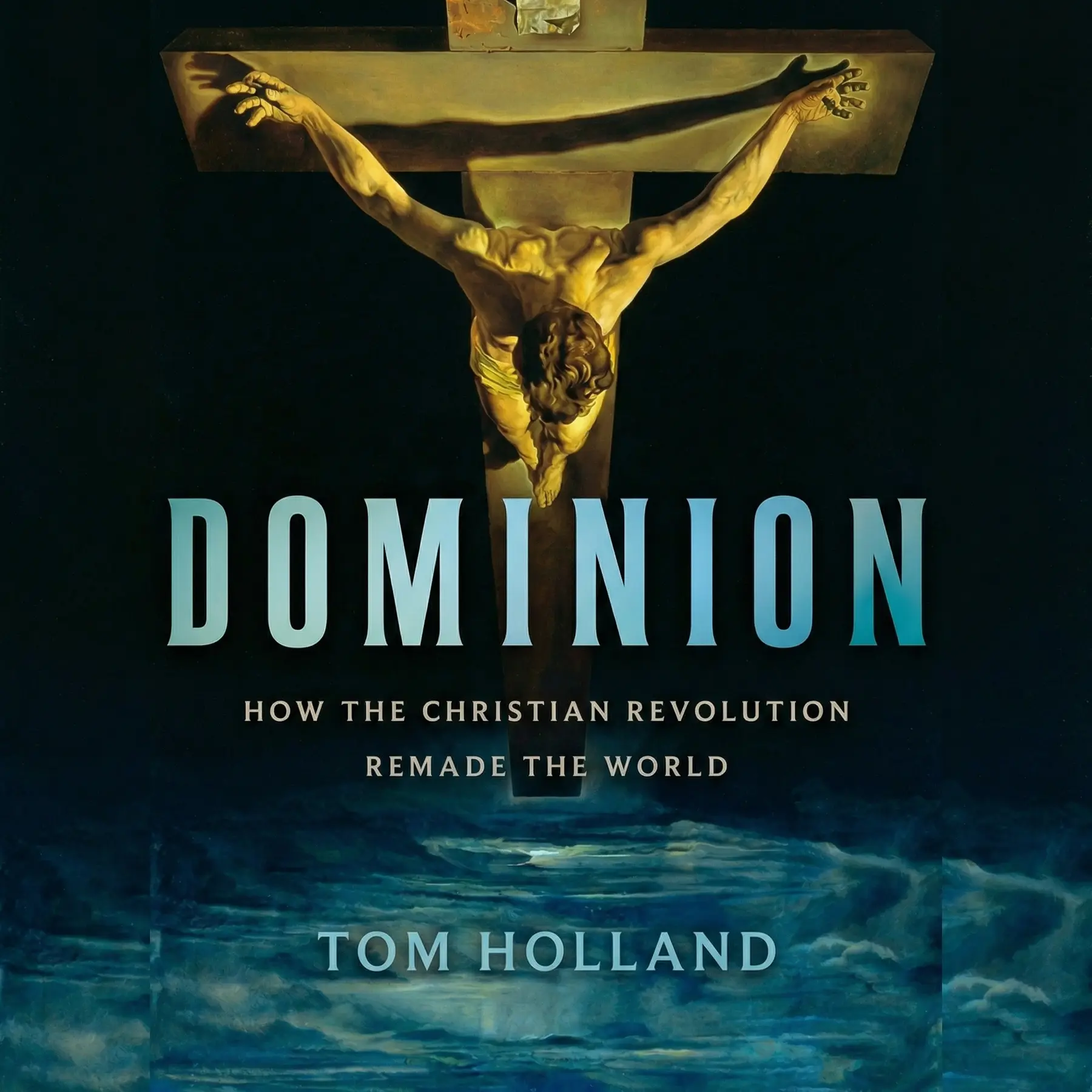
By Tom Holland
Dominion explores the profound, often invisible influence of Christianity on the Western mind, tracing how a revolutionary faith transformed ancient concepts of power, morality, and human rights into the values we hold today.
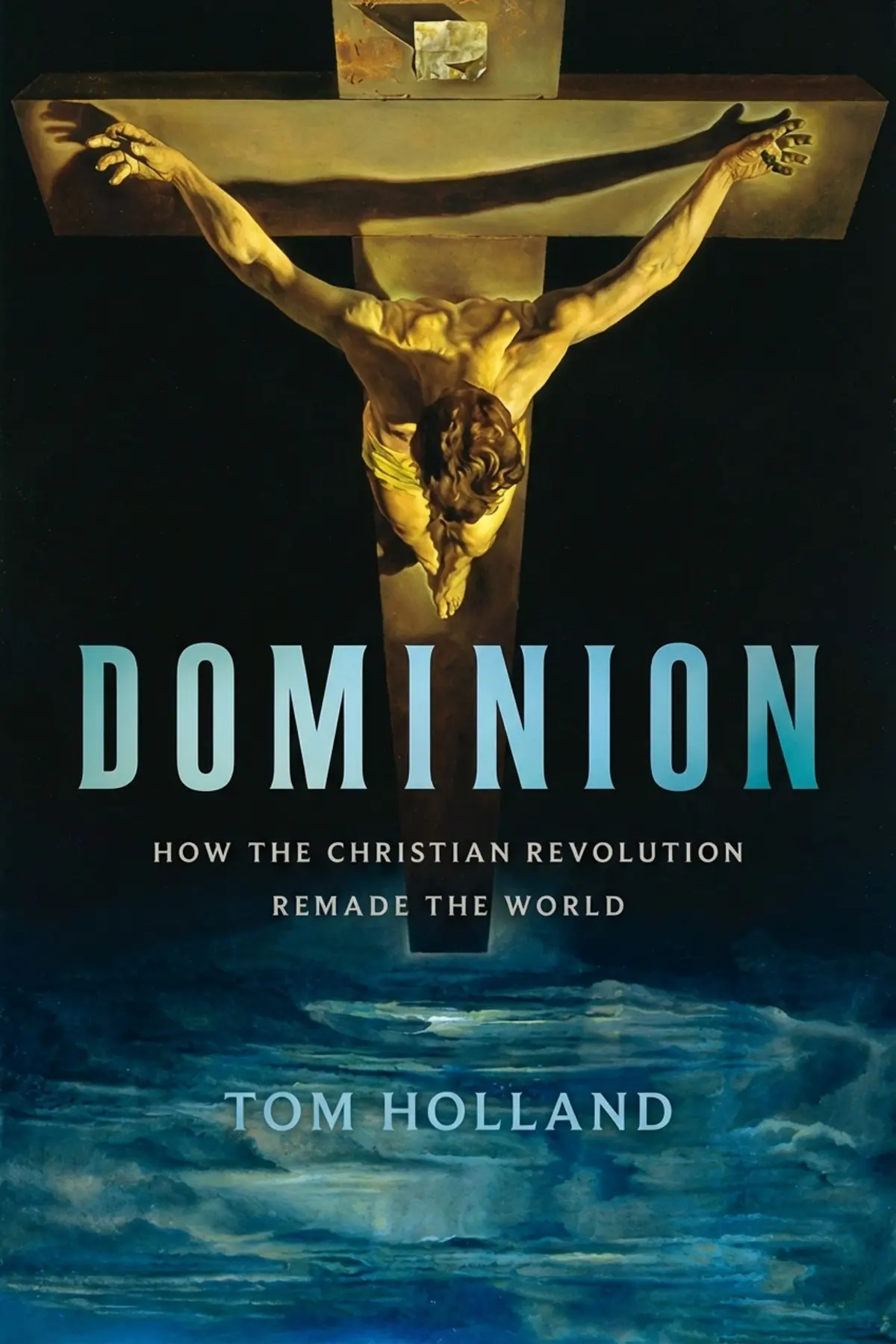
Table of Content
1. Introduction
1 min 48 sec
Imagine, for a moment, that you are standing in the middle of a bustling modern city. You see symbols of justice, hear talk of human rights, and observe people providing charity to those in need. You might assume these values are just a natural part of being human, or perhaps the result of modern logical thinking. But what if these concepts—the very foundation of how we treat one another—didn’t come from thin air? What if they are actually the result of a radical revolution that began two millennia ago in a dusty corner of the Roman Empire?
This is the journey we are about to embark upon. We are diving into the grand, dramatic story of how Christianity and the world evolved together. It is a narrative that spans thousands of years, moving from the brutal execution methods of ancient kings to the peaceful protests of the twentieth century. Whether you are a person of deep faith, a staunch atheist, or someone somewhere in between, the reality is that the Christian revolution has probably touched almost every aspect of your life. It has shaped your laws, your ethics, and even the way you view the stars.
Throughout this exploration, we’ll move far beyond the walls of a church to see how a set of ideas managed to survive the fall of empires, the chaos of the Middle Ages, and the skepticism of the scientific age. We will see how this faith acted as a cultural throughline, providing a consistent sense of meaning and morality even as political powers rose and fell. We aren’t just looking at dates and battles; we are looking at the evolution of the human heart and mind. By the end of this journey, you’ll understand why even our most secular modern values are often just Christian ideas in a different set of clothes. We will trace the path from the primordial soup of ancient thought to the music of the Beatles, showing why this ancient revolution remains as relevant today as it was when it first began to turn the world upside down.
2. The Ancient Foundations of Global Thought
2 min 30 sec
Centuries before the birth of Jesus, the ancient world was a battlefield of competing ideas about justice, power, and the divine that set the stage for a new revolution.
3. The Radical Reversal of the Cross
2 min 20 sec
How could a symbol of shame and defeat become a message of hope and universal love? Discover the transformative power of Paul’s early Christian message.
4. When the Empire Embraced the Faith
2 min 17 sec
From the shadows of persecution to the halls of power, see how the conversion of Constantine changed the trajectory of the Western world.
5. The Consolidation of Moral Authority
2 min 14 sec
As the light of Rome faded, the Church stepped in to define good and evil for a new European age through both education and force.
6. The Papacy as a Global Superstate
2 min 10 sec
Pope Gregory VII’s reforms didn’t just change the church—they redefined the boundaries of power, sex, and family in medieval Europe.
7. A Revolution of Conscience and Conquest
2 min 05 sec
The discovery of a New World and the challenge of Martin Luther pushed the Christian faith to a breaking point, forcing a reexamination of what it meant to be holy.
8. The Birth of Science and the Secular State
2 min 12 sec
When the telescope met the Bible, the world began to change. Discover how the struggle between science and faith birthed the modern era.
9. The Persistence of Christian Morality in a New Age
2 min 02 sec
Even as the formal power of the church waned, its moral code became the driving force behind the global movements for human rights and abolition.
10. Totalitarianism and the Challenge to Compassion
2 min 03 sec
Witness the dark struggle of the twentieth century as radical new ideologies attempted to uproot the Christian concept of mercy.
11. The Enduring Shadow of a Revolution
1 min 55 sec
From the music of the Beatles to the politics of decolonization, discover why we are still living in a world defined by a two-thousand-year-old faith.
12. Conclusion
1 min 39 sec
As we bring this grand journey to a close, the throughline of history becomes clear. The Christian revolution wasn’t just a change in how people prayed; it was a total transformation of how people perceived reality itself. We have traveled from the brutal arenas of ancient Rome, where hierarchy and power were the only laws, to a modern world where the inherent dignity of the individual is considered a fundamental right. We’ve seen how the radical message of a ‘slave-god’ flipped the values of the classical world, how the medieval church built a moral superstate, and how the Enlightenment attempted to keep the ethics of faith while discarding its divinity.
The most important takeaway from this exploration is the realization that we are all, in a sense, children of this revolution. Our concepts of justice, our commitment to charity, and our belief in progress are all deeply rooted in the soil of Christian thought. Even if the pews are less full than they once were, the ghost of the faith continues to haunt our laws, our music, and our most basic assumptions about right and wrong. We shouldn’t take these values for granted; they were won through centuries of struggle, debate, and even violence.
So, as you step back into your daily life, take a moment to notice the invisible influence of this history. When you see an act of selfless kindness, a protest for equality, or a call for forgiveness, you are seeing the enduring power of a two-thousand-year-old revolution. The story of Christianity and the world is not a relic of the past; it is a living, breathing part of our present. Whether we recognize it or not, we are still living under its dominion, guided by a revolutionary light that shows no sign of fading.
About this book
What is this book about?
What does it mean to live in a world shaped by a revolution that happened two thousand years ago? In this sweeping narrative, we explore the origins and evolution of the Christian faith, not just as a religion, but as a cultural earthquake that permanently altered the landscape of human thought. From the blood-stained arenas of ancient Rome to the scientific laboratories of the Enlightenment and the civil rights marches of the twentieth century, this journey reveals how Christian ideals of love, equality, and compassion became the very air we breathe. This isn't just a history of the Church; it’s a history of how we think about right and wrong. Even those who consider themselves entirely secular may find that their most deeply held convictions—such as the inherent dignity of the individual—are actually rooted in the radical teachings of an itinerant preacher from Galilee. By looking back at the rise of the Papacy, the fires of the Reformation, and the challenges of the modern scientific age, we come to understand the enduring power of a tradition that continues to define the modern world, even as its pews grow empty.
Book Information
About the Author
Tom Holland
Tom Holland is a highly acclaimed and award-winning historian whose work spans the ancient and medieval worlds. He is the author of several celebrated historical narratives, including Rubicon: The Triumph and Tragedy of the Roman Republic, which was honored with the Hessell-Tiltman Prize for History in 2004. His expertise in the classical world was further recognized when his book Persian Fire received the Anglo-Hellenic League’s Runciman Award in 2006. Holland is known for his ability to weave complex historical threads into compelling, accessible stories that challenge how we view the foundations of Western civilization.
Ratings & Reviews
Ratings at a glance
What people think
Listeners find this historical account impressive for its thorough research and wide-ranging look at two millennia of history, with one listener specifically noting its expert analysis of the beginnings of Judaism and Christianity. Furthermore, the prose is captivating and lyrical, blending high-level scholarship with a wonderful ability to weave together different narratives. Listeners also feel the book is well worth their investment of time and money, appreciating its reflective nature and objective stance.
Top reviews
William
Tom Holland has crafted a narrative that is both sweeping in scale and intimately poetic. I was captivated by how he traces the roots of our modern 'secular' values back to the revolutionary idea of a crucified God. The writing is incredibly engaging, making even the most complex theological shifts feel like a gripping thriller. He doesn't shy away from the darker moments of church history, yet he maintains a scholarly distance that feels fair and unbiased. Seeing the Roman world through his eyes—a place where the weak were merely tools for the strong—really highlights how radical the Christian inversion of power truly was. It is a long read, but the prose is so masterful that the pages fly by. Truly, this is an essential piece of scholarship for anyone trying to understand why we think the way we do.
Show moreEmily
Wow, I never realized how much my own values were just ghost-shadows of ancient Christian theology. Holland manages to weave a story that spans two millennia without ever losing the thread of his central argument. The way he contrasts the 'might makes right' attitude of the Romans with the Christian focus on the poor and the suffering is eye-opening. You don't need to be a believer to appreciate the first-rate scholarship on display here. The narrative combines rigorous research with a storytelling ability that is rare in historical non-fiction. I particularly loved the sections on the abolition of slavery; he makes a convincing case that it was a moral crusade rooted in faith rather than just economic shifts. It’s a thick book, but it’s packed with insights that will stay with you long after you finish the final page.
Show moreRoydao
Picked this up after hearing Holland on a podcast, and the depth of his research into the Roman slave markets is genuinely chilling. He does a fantastic job of forcing the reader to understand just how alien the pre-Christian world really was. In a time when we take human dignity for granted, this book serves as a vital reminder that these ideas had to be fought for. The storytelling is masterful, blending grand historical movements with the lives of individual eccentrics and visionaries. I was particularly impressed by the sections on the origins of Judaism and how it provided the bedrock for what was to come. It’s rare to find a book that is both an academic triumph and a genuine page-turner. Holland's perspective feels unbiased, which is refreshing for a topic that usually triggers so much tribalism. Definitely one of the best history books I've read in years.
Show moreNatchaya
Gotta say, the way Holland traces the influence of Christianity through the Enlightenment was eye-opening for someone who usually credits Voltaire with everything. He proves that we are all, in a sense, 'children of the Reformation,' whether we attend church or not. The prose is almost poetic in places, which makes the heavier theological debates much easier to digest. I loved the chapters on the medieval period; they corrected so many of my misconceptions about that era being purely 'dark.' Holland shows it was a time of intense legal and moral innovation that paved the way for modern science. The narrative combines the best aspects of a historical epic with the precision of a scholar. This is a masterful work that manages to be both comprehensive and incredibly readable. It’s a long commitment, but every chapter offers a new 'aha!' moment.
Show moreSirinat
After finishing this, it’s impossible to look at our modern world without seeing the fingerprints of 1st-century radicals everywhere. Holland’s central argument—that the cross represents a total revolution in how we view power—is presented with such verve and insight. He takes you from the gore of the Roman arena to the halls of modern universities, showing the persistent pull of the idea that the 'last shall be first.' The meticulous research is evident on every page, yet the book never feels like a dry textbook. Personally, I found the section on the Diggers and the Quakers to be some of the most inspiring history I’ve ever read. It’s a dense, challenging, and ultimately rewarding look at the foundations of our civilization. Whether you are a believer, an atheist, or something in between, you will find something to chew on here. A truly magnificent achievement.
Show moreAhmed
As a student of history, I found Holland’s exploration of the Pauline revolution to be the highlight of the entire volume. He brilliantly argues that our concept of universal human rights isn't a product of the Enlightenment, but a direct descendant of Christian theology. Frankly, it’s a provocative thesis that challenged my preconceived notions about the 'Dark Ages.' The level of research is meticulous, particularly when he discusses the early interactions between Jewish tradition and Greek philosophy. My only minor gripe is that the pacing slows down significantly during the middle chapters on medieval canon law. While necessary for his argument, those sections lacked the punch of his descriptions of Roman brutality or the French Revolution. Still, the insight into how even atheists operate within a Christian framework is worth the price of admission alone. A very thoughtful and rewarding experience.
Show moreSangduan
Ever wonder why the Western mind is so obsessed with revolution and reform? Holland argues that this 'spirit of rebellion' is baked into the very DNA of Christianity. I found his analysis of the Enlightenment thinkers like Voltaire and Diderot especially fascinating, as he shows they were using Christian ethics to attack the church itself. The truth is, it’s a bit of a mind-bender to realize that our 'secular' world is actually a Christian creation. The book is well worth the time, though the sheer volume of names and dates can be overwhelming at times. I wish there was more focus on the Eastern Orthodox tradition to provide a more balanced view of global Christianity. However, for a history of the Western mind, it is incredibly comprehensive. His writing style is elegant and often surprisingly funny for such a heavy subject.
Show moreFatou
This book isn't just about religion; it's a genealogy of the Western mind itself. Holland takes us from the execution of a common criminal in a backwater province to the global dominance of Christian-inspired ethics. Not gonna lie, I was skeptical of the premise at first, but his evidence is hard to ignore. The way he connects the dots between the Beatles, the civil rights movement, and the early church is nothing short of brilliant. My only criticism is that the book is quite Eurocentric, though I suppose that’s the point given the subtitle. Some of the later chapters feel a little hurried, especially when he tries to tackle the complexities of the 20th century in a few dozen pages. Even so, the sheer ambition of the project is commendable. It’s a thought-provoking deep dive that will change how you view the news.
Show moreLadawan
The final chapters on 'Woke' culture and modern activism felt like a bit of a stretch compared to the rigorous scholarship of the earlier sections. While I enjoyed Holland's dry humor, the way he tries to claim almost every modern social movement as 'essentially Protestant' felt a bit reductive by the end. To be fair, the first 400 pages are brilliant and offer a vivid, almost visceral look at the ancient world. His description of the horror of the cross and how it transitioned from a symbol of shame to a symbol of triumph is top-tier history. However, the book's broad scope means some figures, like Plato, barely get a mention despite their massive influence. It is a beautiful book with a compelling premise, but it occasionally prioritizes a neat narrative over the messy reality of historical evolution. It’s a 3.5 for me, rounded down for the rushed ending.
Show moreSomsak
To be fair, 600 pages is a massive commitment, and there were moments during the medieval legal debates where my interest started to wane. Holland is a brilliant writer, but his thesis sometimes feels like a hammer that sees everything as a Christian nail. While he makes a strong case for the origins of human rights, he occasionally downplays the contributions of the classical world to our modern legal systems. The chapter on Nazism felt a bit simplified, ignoring many of the social and economic factors that led to that horror. I found the 'Woke' ending to be more of a personal commentary than a historical analysis. It’s an interesting read, and his research into the early martyrs is truly moving, but I’d recommend taking some of his broader conclusions with a grain of salt. It’s a good book, just maybe not the definitive history it claims to be.
Show moreReaders also enjoyed
A Splendid Exchange: How Trade Shaped the World
William J. Bernstein
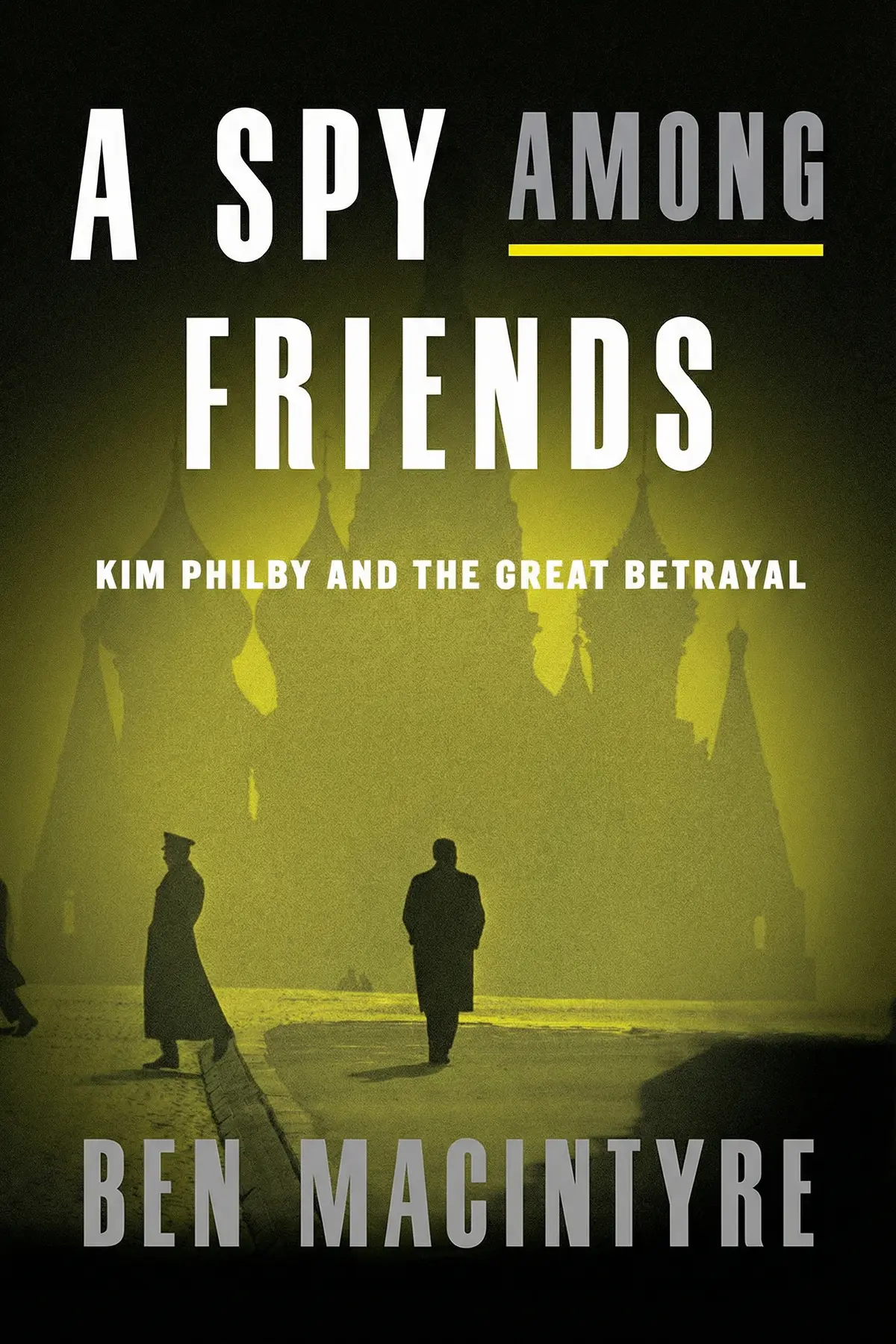
A Spy Among Friends: Philby and the Great Betrayal
Ben Macintyre
A Force for Good: The Dalai Lama's Vision for Our World
Daniel Goleman
1491: New Revelations of the Americas Before Columbus
Charles C. Mann
A Year in the Life of William Shakespeare: 1599
James Shapiro
A New Earth: Awakening to Your Life’s Purpose
Eckhart Tolle
AUDIO SUMMARY AVAILABLE
Listen to Dominion in 15 minutes
Get the key ideas from Dominion by Tom Holland, plus 5,000+ more titles in English and Thai.
- 5,000+ titles
- Listen as much as you want
- 7-day free trial
- Cancel anytime







