

Mine!: How the Hidden Rules of Ownership Control Our Lives
Michael A. Heller
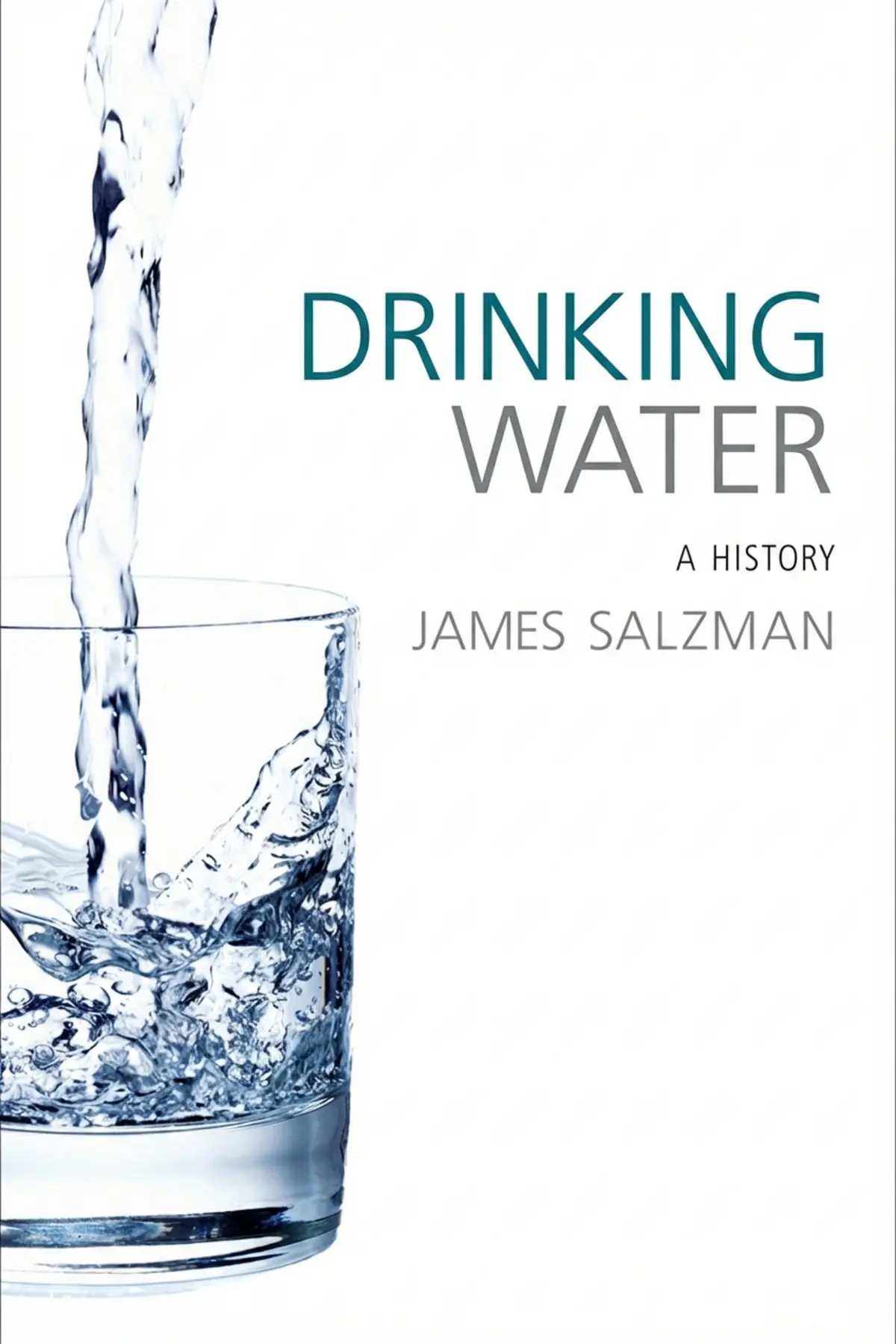
Explore the hidden history of our most essential resource. This summary traces the evolution of drinking water from ancient Roman engineering to modern battles over privatization and pollution.
1 min 43 sec
Every time you turn on a faucet, you are participating in a miracle of engineering, politics, and science that has been thousands of years in the making. We rarely stop to think about the clear liquid flowing into our glasses, yet the story of how that water got there is as complex and dramatic as any epic. Water is the most fundamental requirement for human life, yet for most of our history, we have viewed it with a strange mixture of reverence, suspicion, and neglect. It has been a symbol of divine grace, a vector for deadly plagues, and a highly profitable commodity.
In this exploration, we are going to pull back the curtain on the systems that sustain us. We will look back at how ancient civilizations managed their thirst and how the Romans used water not just for hydration, but as a tool for political control. We will walk through the filthy streets of nineteenth-century cities to see how a few dedicated individuals finally cracked the code of waterborne illness, a discovery that fundamentally changed the trajectory of human health and life expectancy.
But our journey isn’t just a look at the past. We also need to address the pressing realities of the present and the uncertainties of the future. Why did we suddenly start paying for water in plastic bottles when it’s available for nearly free at home? What are the invisible chemicals that our modern treatment plants struggle to remove? And as the global population grows, who truly owns the water that falls from the sky or sits in our great lakes? This is more than just a history; it’s a guide to understanding the throughline of human survival. By the end of this, you’ll see that every drop of water has a story to tell—a story of innovation, conflict, and the enduring quest to secure our most precious resource.
2 min 25 sec
For centuries, water was seen as a drink of last resort, reserved for the marginalized while the elite preferred fermented beverages.
2 min 22 sec
The Romans revolutionized water delivery, transforming a basic necessity into a powerful tool for civic loyalty and imperial control.
2 min 19 sec
Before the mid-1800s, cities were death traps of contaminated water, as the link between sewage and disease remained a mystery.
2 min 28 sec
As urban populations exploded, engineers had to look further and further away to find the massive amounts of water needed to sustain life.
2 min 14 sec
Even with advanced treatment, our water today faces new chemical challenges that the pioneers of sanitation never could have imagined.
2 min 13 sec
The distribution network is the weakest link in our water system, susceptible to everything from accidental contamination to aging infrastructure.
2 min 09 sec
In just a few decades, water was transformed from a free public service into one of the most profitable consumer products on the planet.
2 min 18 sec
While bottled water is marketed as the ultimate health product, the reality of its regulation and environmental impact is far more concerning.
2 min 26 sec
Is water a fundamental human right or a commodity to be bought and sold? This question is at the heart of global political tensions.
2 min 22 sec
We are drinking the same water that once sustained the dinosaurs, and our future depends on how we protect this finite, recycling resource.
1 min 14 sec
The story of drinking water is the story of human civilization itself. We have moved from a time when we feared the water in our wells to a time when we take its safety for granted, but we are now entering a new era of uncertainty. The challenges we face today—pollution from modern chemicals, the environmental toll of plastic, and the struggle to fund our aging infrastructure—are as significant as the challenges faced by the Romans or the nineteenth-century pioneers of sanitation.
What this journey shows us is that clean water is never just a natural occurrence; it is a human achievement. It requires constant scientific vigilance, wise political leadership, and a collective commitment to treat water as a shared resource rather than just another product on a shelf. As we look to the future, we must remember that every drop of water we use is part of a finite cycle that connects us to the past and the future. By understanding where our water comes from and the true cost of getting it to our taps, we can become better stewards of this life-giving liquid. Whether it’s through advocating for better infrastructure or simply being more mindful of our own consumption habits, we all have a role to play in ensuring that the miracle of clean drinking water continues for generations to come.
Drinking Water provides an expansive look at the liquid we often take for granted. It moves through the millennia, starting with the ancient world’s distrust of water and its reverence for its mystical properties, leading into the revolutionary engineering of the Roman Empire. The narrative details the terrifying era of waterborne diseases and the scientific breakthroughs that eventually gave us the safe, treated tap water we rely on today. Beyond history, the book examines the modern complexities of the water industry. It explores the meteoric rise of bottled water, the environmental toll of plastic, and the chemical challenges facing our treatment plants. By examining the political and social debates surrounding water as a human right versus a commodity, this summary offers a comprehensive view of how we managed to secure our water in the past and what we must do to protect it for the future.
James Salzman is a distinguished author who has written several books and over eighty academic papers. He serves as the Donald Bren Distinguished Professor of Environmental Law at the UCLA School of Law.
Michael A. Heller
Listeners find this work to be informative and thoroughly researched, with one listener highlighting its scientific detail on involved elements. Furthermore, the prose is compelling and simple to understand, and listeners value the exploration of how humanity has used and relied on water throughout time. The book also gains praise for its political insights and economic significance, with one listener mentioning its focus on social impacts.
Finally got around to reading this, and the scientific detail regarding water contaminants like lead and arsenic was absolutely eye-opening. Salzman makes the complex chemistry of water quality accessible to a layperson while keeping the narrative moving at a brisk pace. I particularly enjoyed the exploration of how "pure" water is a modern myth since almost everything contains some microbes or poisons. The book highlights the incredible social impacts of water scarcity, specifically how it affects education for girls in Africa. It is a well-rounded, informative, and deeply researched piece of nonfiction. Even though it covers dark topics like water-borne diseases, it ends on a hopeful note regarding new filtration technologies and reuse policies that could change our future.
Show moreWow, I never realized how much our survival hinges on such a fragile network of pipes and political treaties. This book is a wake-up call about the looming water crisis and how it will exacerbate the divide between the haves and the have-nots. Salzman’s research is impeccable, drawing connections between climate change, terrorism, and our daily tap water. I was moved by the statistics on how many people die each year from preventable water-borne illnesses. It is a powerful read that blends science, history, and sociology into a compelling narrative that feels both urgent and timeless. Everyone should read this to understand why our future wars will likely be fought over liquid gold rather than oil or land.
Show moreEver wonder why we pay five dollars for a plastic bottle of something that comes nearly free from the tap? This book dives deep into that paradox, examining the shift from water as a public right to a global commodity. Salzman does a fantastic job explaining the economic value of water without getting bogged down in dry spreadsheets. I was especially fascinated by the section on Roman infrastructure and how they managed to fund public fountains by charging the wealthy for private pipes. The writing is generally engaging, though some of the political discussions regarding social justice felt a bit heavy-handed toward the end. Still, it is a necessary read for anyone concerned about future resource wars and the looming global shortages that intelligence agencies are already preparing for.
Show moreAs someone who remembers life before the explosion of bottled water, this book really hit home. It explores how we transitioned from trusting the public fountain to carrying around mountains of plastic bottles in just a few decades. Salzman presents a balanced view of the public good versus private commodity debate, giving weight to both sides without being too preachy. The chapter on the Marcellus Shale was a highlight for me, as it grounded the abstract policy talk in real-world environmental concerns. My only gripe is that the author repeats certain anecdotes, like the origins of holy water, multiple times. Aside from that, it is an engaging and very relevant piece of social history that makes you rethink every sip you take.
Show moreThis book provides a wide-ranging overview of our relationship with water, covering everything from ancient myths to modern fracking. While the writing style is mostly easy to follow, it sometimes swings wildly between broad generalizations and hyper-specific technical details. I appreciated the discussion on whether water should be a human right, as it forced me to consider the massive costs of transport and infrastructure. Salzman avoids being a strong advocate for one side, which some might see as a liability, but I found it refreshing. It allows the reader to weigh the evidence and come to their own conclusions about this unsettled global issue. The economic value of water has never been more apparent than it is today, especially with the crumbling pipes in our own towns.
Show moreAfter hearing all the buzz about this book, I expected something a bit more focused on the physical history of water engineering and labor. Instead, it is a presentation of modern concerns with some random historical references sprinkled in to add flavor. Personally, I think the author’s promotion of certain political viewpoints becomes a bit distracting, though he does try to present both sides of the right-to-water debate. It covers a lot of ground—maybe too much—leaving some of the most interesting historical aspects feeling a bit thin. I did appreciate the look at the economic value of water and how it has been commodified over time. It is a very solid read, just don’t expect a purely historical account without a modern agenda.
Show moreSalzman takes an incredibly ambitious look at how humanity interacts with our most vital resource, but the structure is a total mess. He jumps from the Old Testament to modern plumbing and then back to the Middle Ages like he is shuffling a deck of cards. Frankly, it feels less like a cohesive history and more like a collection of legal briefs on water safety and availability. While the facts are well-researched, I found the lack of chronological flow frustrating for a book that calls itself a history. The truth is, the legal perspective overshadows the historical narrative most of the time. It is definitely informative, but you have to work hard to piece the timeline together yourself because it feels like notes sorted by modern concerns rather than an actual era-by-era progression.
Show moreThe chapter on the origins of bottled water as holy water was fascinating, yet the author brings it up again later as if he forgot he already told us. This kind of repetition makes the book feel like it missed a final pass with a strong editor who could shake the material into a better order. There is plenty of interesting information here regarding how water influences globalization and social justice. However, the organization is purely thematic, which means you lose any sense of historical progression. One minute you are in 19th-century London, and the next you are looking at future terrorism threats in the Middle East. It is a decent introductory text for those who do not know much about water policy, but it is far from perfect.
Show moreTo be fair, Salzman is a lawyer, and this book definitely reflects that specific professional interest. It is more about the regulation, safety, and modern litigation of water than a traditional chronological history of human interaction with the resource. I found the anecdotes about 20th-century water transport interesting, but the overall structure felt like a pile of note cards sorted by topic rather than a flowing story. It is a bit dry in sections, especially when he dives into the minutiae of policy decisions and globalization. If you are looking for a narrative history like Kurlansky’s Salt, you might be disappointed by the lack of a cohesive through-line. Still, the information is valuable if you can stomach the somewhat disjointed presentation.
Show moreNot what I expected from a book marketed as a history of drinking water. Instead of a deep dive into how humans actually transported and sanitized water through the ages, we get a lawyer's perspective on modern regulations and progressive politics. The author barely touches on the physical labor involved in water procurement for most of human history, which feels like a massive oversight. Instead, the focus remains stubbornly on modern policy debates and modern aspects of water decisions. The prose is adequate at best, often feeling repetitive and disorganized as if several different essays were stitched together into a barely adequate fashion. To me, it is way too nonspecific and dated in its approach to be a definitive history.
Show more
Andrew Ross Sorkin
Pankaj Mishra

Fay Bound Alberti

Ben Macintyre
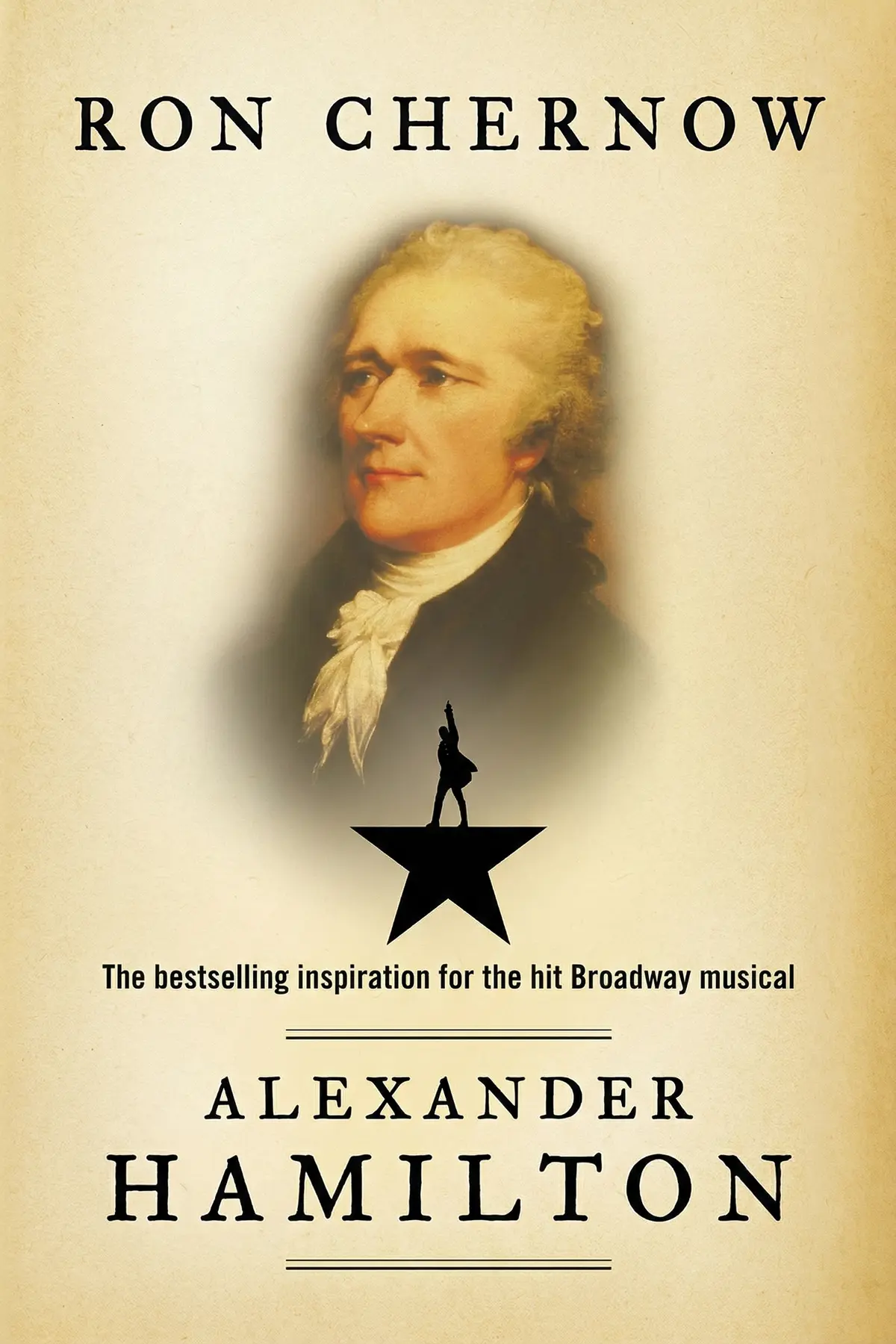
Ron Chernow
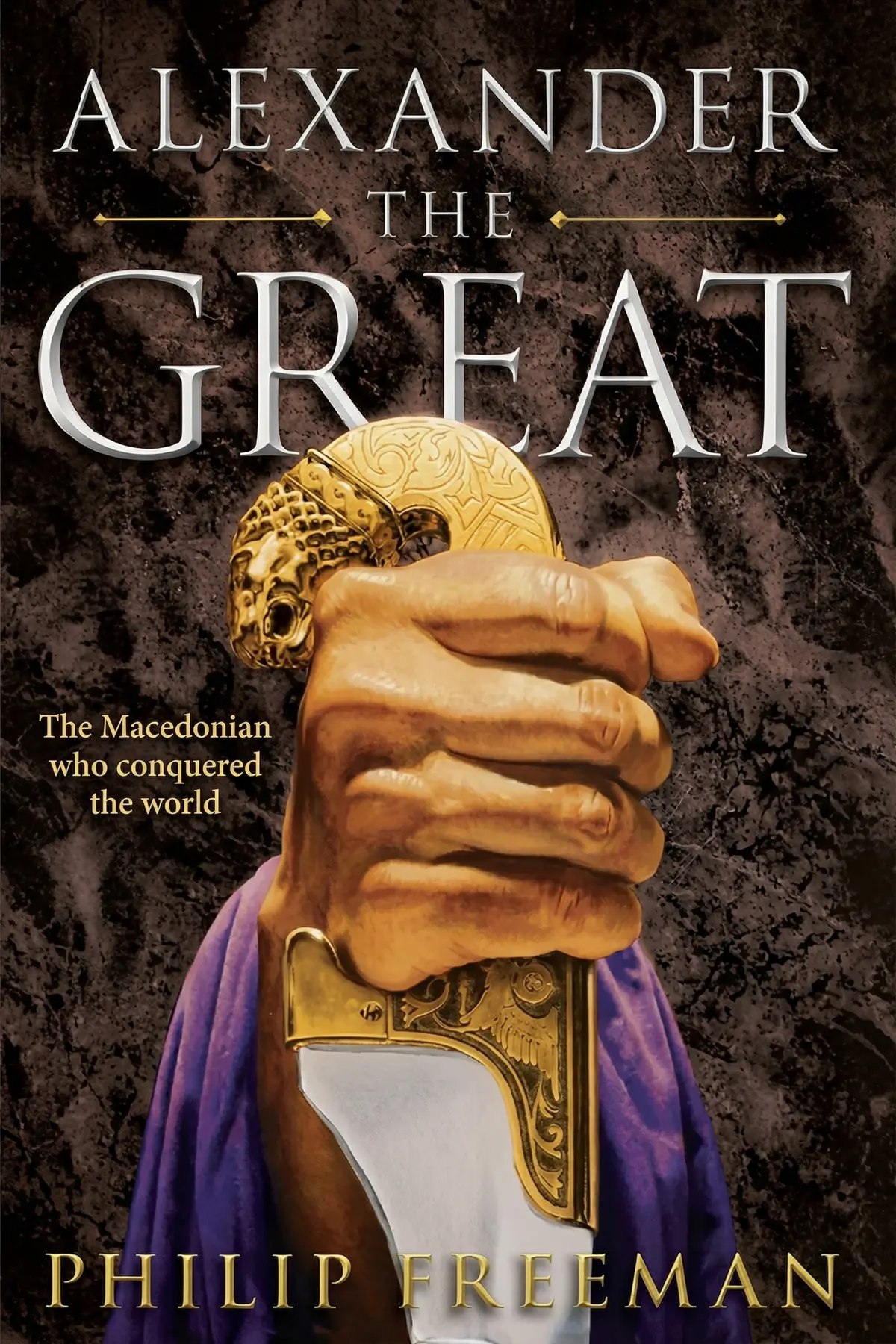
Philip Freeman

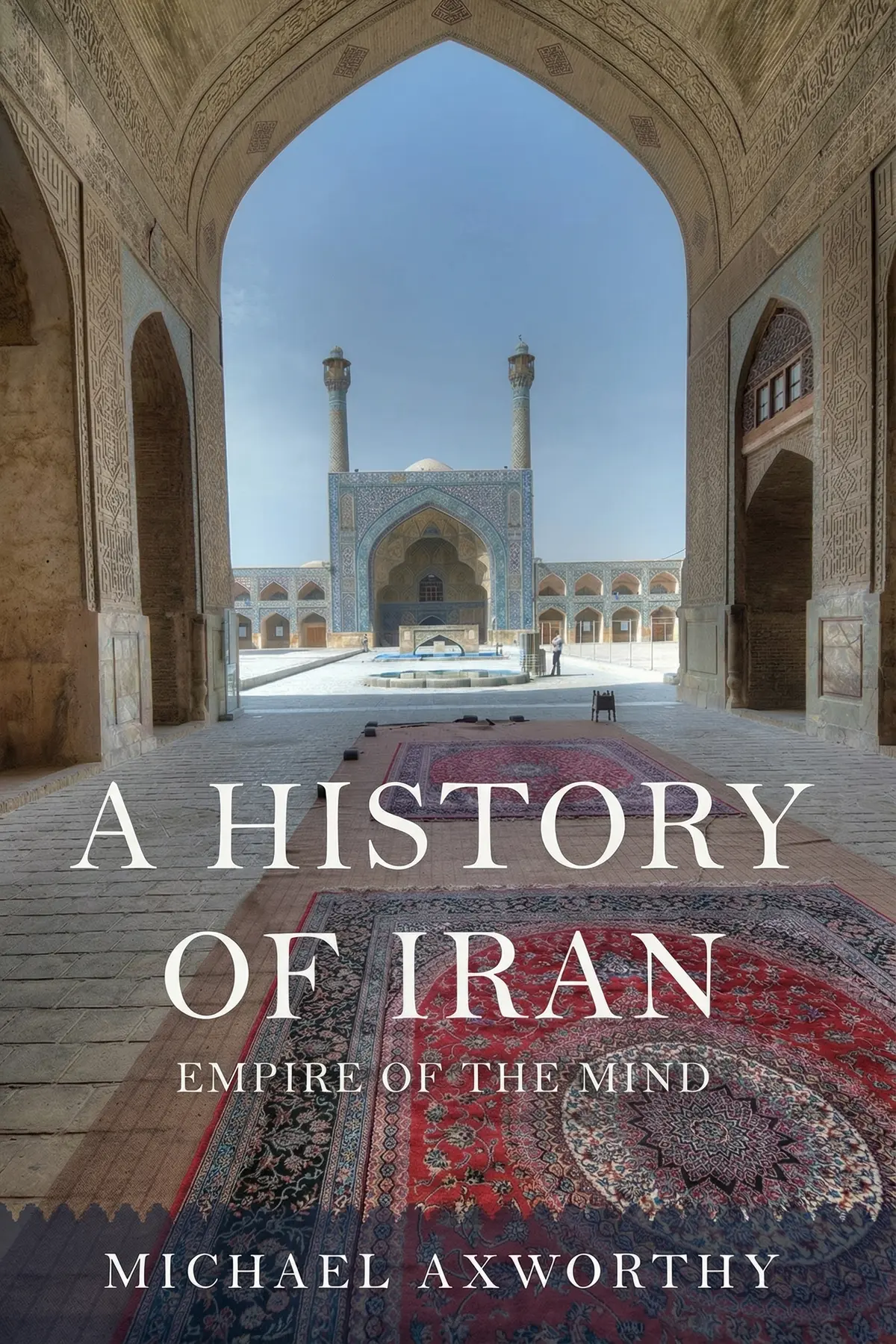
Michael Axworthy
AUDIO SUMMARY AVAILABLE
Get the key ideas from Drinking Water by James Salzman, plus 5,000+ more titles in English and Thai.







