

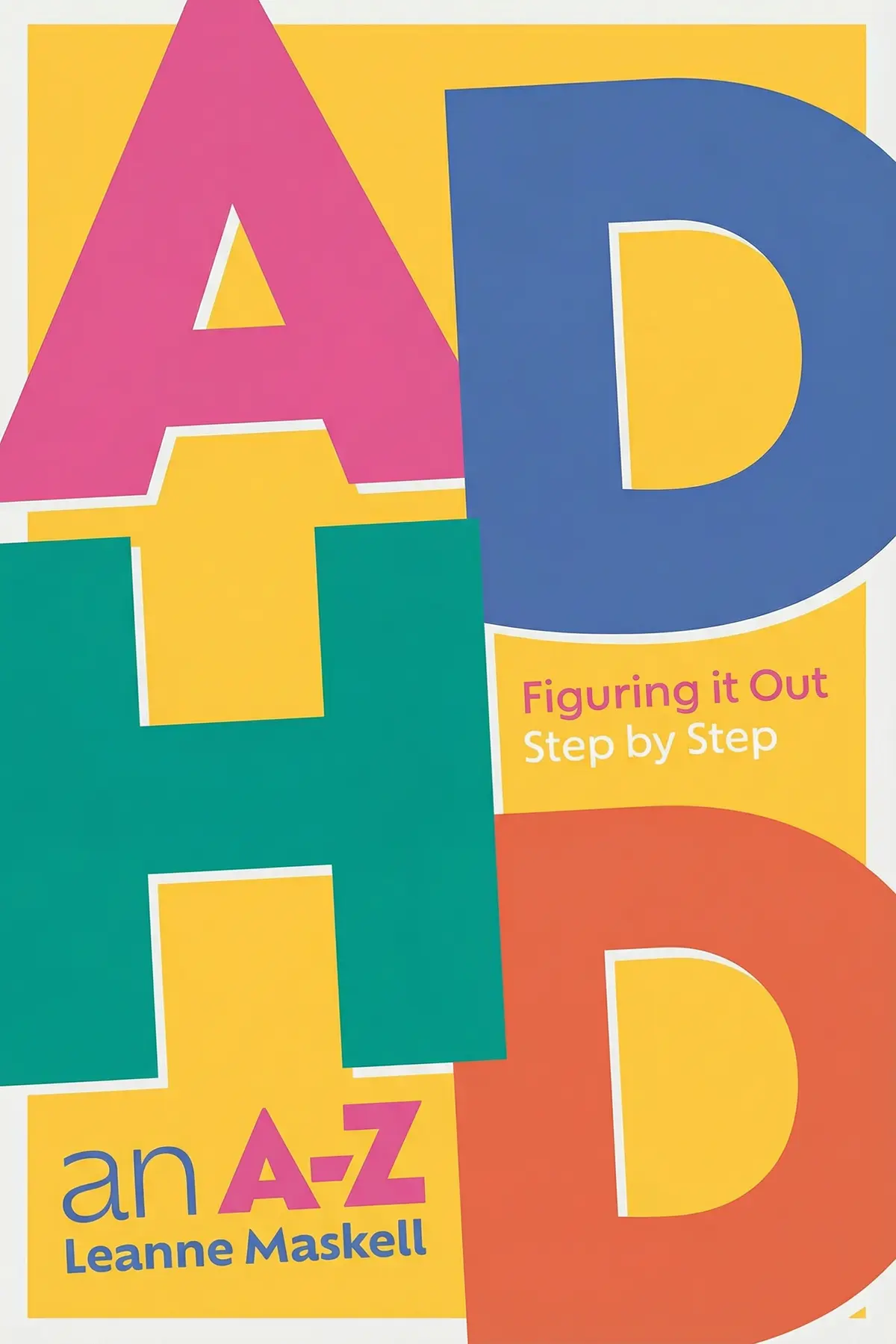
ADHD an A-Z: Figuring It Out Step by Step
Leanne Maskell
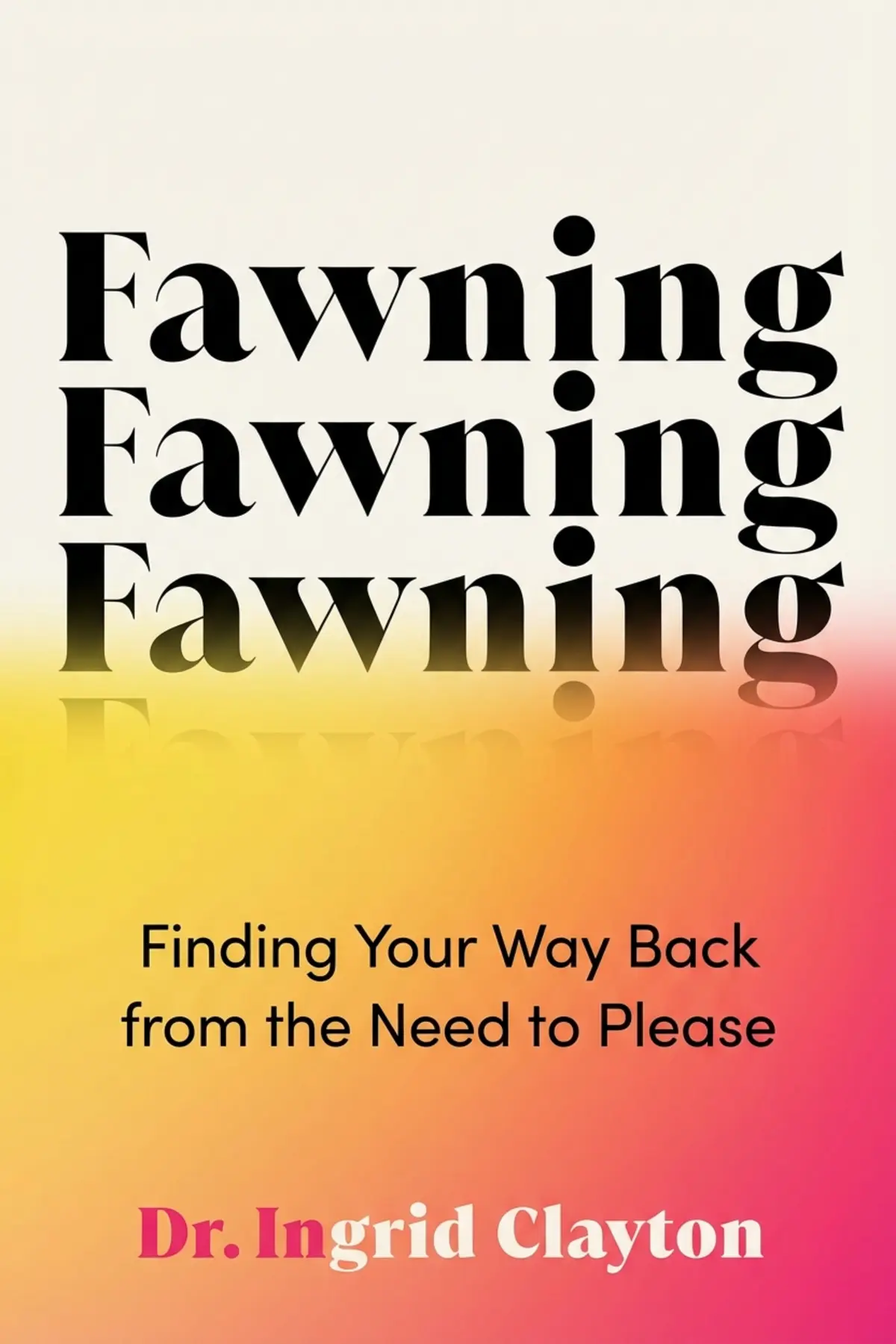
Explore the psychological mechanics of fawning, a hidden trauma response. This guide reveals how to identify deep-seated people-pleasing behaviors and offers somatic strategies to reclaim your authentic self and establish firm boundaries.
1 min 41 sec
Have you ever found yourself nodding along in agreement while your stomach was doing flips of discomfort? Or perhaps you’ve spent an entire evening carefully managing someone else’s mood, only to realize later that you have no idea what you actually wanted or needed in that moment? Most of us are familiar with the classic responses to danger: the urge to fight, the instinct to run away, or the terrifying sensation of freezing in place. But there is a fourth, much more subtle survival mechanism that often hides in plain sight, masquerading as kindness, cooperation, or being a ‘team player.’ This response is called fawning.
In this exploration of Ingrid Clayton’s work, we are going to dive deep into the world of the compulsive people-pleaser. However, we’re not looking at this through the lens of a simple personality quirk. Instead, we are treating it as what it truly is: a sophisticated, involuntary response to trauma. Fawning is the act of becoming more appealing to the person who is causing us harm or making us feel unsafe. It is a way to stay connected to someone when that connection feels like our only hope for security, even if that connection requires us to abandon ourselves entirely.
Over the course of this summary, we will uncover why traditional advice about boundaries often feels impossible for those stuck in this pattern. We’ll look at the neurological roots of these behaviors and see how they are reinforced by the world around us. More importantly, we’ll discuss how to move from a state of constant outward-scanning to a life of inward-trust. By the end, you’ll have a clearer understanding of why your body chose this path and, more importantly, how you can finally start choosing yourself.
3 min 01 sec
Beyond fight, flight, and freeze lies a subtle mechanism that keeps us safe by making us likeable to those who threaten us, often at the cost of our own identity.
2 min 43 sec
Discover how cultural hierarchies and systemic expectations reward self-abandonment, making it even harder for certain groups to break the cycle of fawning.
2 min 57 sec
Fawning often hides behind a mask of ‘niceness.’ Learn to spot the internal ‘math problem’ where you trade your needs for a sense of safety.
3 min 02 sec
Moving away from fawning requires shifting your focus from external cues to internal sensations. Learn how to reconnect with your basic needs and senses.
2 min 39 sec
Intellectual understanding is rarely enough to heal deep trauma. Discover why somatic techniques like EMDR are essential for releasing stored survival patterns.
2 min 46 sec
As you stop fawning, your relationships will inevitably change. Learn why setting boundaries is both a necessary and painful part of the healing journey.
1 min 35 sec
As we wrap up our look into the world of fawning, the most important takeaway is this: you are not ‘broken’ or ‘weak’ for being a people-pleaser. Your tendency to fawn was actually a brilliant, life-saving adaptation by your nervous system. At a time when you were powerless or unsafe, your body found a way to maintain connection and minimize harm. It’s an act of profound intelligence that deserves your compassion, not your judgment.
However, while fawning may have served you in the past, it often becomes a prison in the present. By understanding that fawning is a trauma response, you can begin the process of ‘unfawning.’ This means moving away from the constant scanning of others’ moods and back into the felt reality of your own body. It means utilizing somatic tools like orienting and bilateral tapping to signal safety to your brain. It means rediscovering your own preferences—starting with something as small as pizza toppings and growing into the major decisions of your life.
Yes, the path forward involves the risk of losing relationships that were predicated on your compliance. But in their place, you create the opportunity for genuine, authentic connections where you don’t have to disappear to be loved. Healing is a journey of reclaiming your healthy anger, setting your own terms, and finally trusting that you are allowed to exist as you truly are. You’ve spent a lifetime making sure everyone else was okay; now, it’s finally time to make sure you are okay, too.
Fawning is more than just being nice; it is a sophisticated, subconscious survival strategy that many of us adopt when we feel unsafe in our relationships. In this summary, we explore the fourth trauma response that often goes unnoticed because it looks like high-functioning cooperation. You will learn how complex trauma, often rooted in childhood or long-term toxic environments, trains the nervous system to prioritize the needs and moods of others over one’s own safety and identity. Through personal narratives and clinical insights, the book illustrates the high cost of this self-erasure, from professional burnout to toxic personal partnerships. It provides a roadmap for 'unfawning'—a process of moving from external validation back to internal trust. By utilizing somatic practices and reclaiming the right to feel anger, you can begin to dismantle the systems of compliance that have kept you stuck. The ultimate promise is a return to your true self, where your choices are driven by your own desires rather than the fear of upsetting others.
Ingrid Clayton is a clinical psychologist and author who specializes in trauma recovery. She’s a regular contributor to Psychology Today, and has been featured in major publications like Women's Health Magazine. She combines her clinical expertise with personal experience as a trauma survivor to help others heal from complex trauma and narcissistic abuse. She’s also written multiple books, including Recovering Spirituality and her memoir Believing Me.
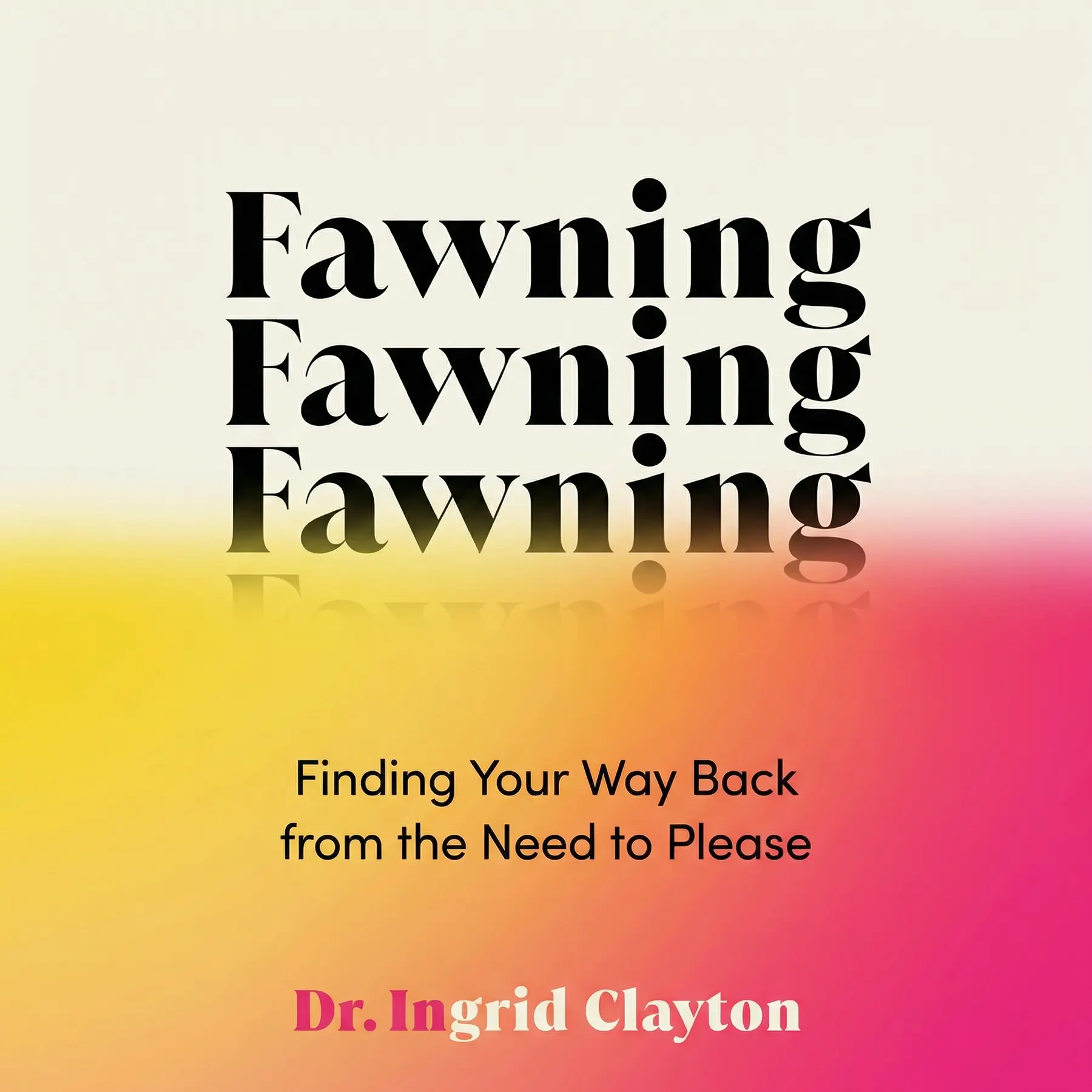
Listeners find this title transformative and perceptive, especially in its breakdown of the Fawning trauma response. They value the clear terminology and empathetic tone, as one listener highlighted how it clarifies complicated trauma dynamics. The writing is praised for being highly accessible, and listeners appreciate the shame-free delivery of the material, with one noting that it significantly lowered their anxiety levels.
As a therapist who frequently works with trauma survivors, I have found that the "fawning" response is often the most misunderstood and least discussed of the survival instincts. Dr. Ingrid Clayton changes that narrative completely in this book. She clarifies the distinction between simple people-pleasing and a true, involuntary trauma response with such clinical precision and heart. The concept of "unfawning"—the slow process of reclaiming agency—is nothing short of revolutionary for those who feel they have disappeared into the needs of others. While the book is deeply personal, her vulnerability serves as a mirror for the reader's own hidden struggles. It felt less like a lecture and more like a compassionate roadmap back to the self. I will be recommending this to my clients who struggle with the weight of being "too nice" at their own expense.
Show moreWow, I felt like Dr. Clayton was peering directly into my childhood journals while writing this. I have spent my entire life being an emotional contortionist, and seeing it described as a survival mechanism rather than a character flaw was life-changing. The lack of shame in these pages is refreshing. The "hot tub" story from her own youth was gut-wrenching but provided necessary context for how these patterns are wired into our nervous systems when we are young and trapped. It significantly reduced my anxiety about my own past reactions. For the first time, I understand why my body chose to appease rather than fight. This book isn't just insightful; it is a lifeline for anyone who has lost their voice in a sea of "yes."
Show moreEver wonder why you say sorry for things that aren't even your fault, or why you feel a physical panic when you have to say no? Clayton’s work explains these triggers without making you feel broken or weak. This book is a revelatory guide to breaking free from the invisible chains of compliance. Her writing is clear, compassionate, and avoids the heavy jargon that usually plagues trauma books. I especially appreciated how she highlighted that fawning is often rewarded by our bosses and our families, making it even harder to quit. It finally feels safer for me to take up space in a room. This is a transformative read that pairs well with works like Pete Walker’s, but with a unique focus on the social masks we wear to survive.
Show moreAfter years of traditional talk therapy, I finally understand why simple "boundary setting" never worked for my nervous system. Dr. Clayton explains that fawning isn't a choice—it’s a biological survival strategy. This book provides the language for the internal conflict many of us feel daily. I found the somatic practices she suggested to be very helpful for staying grounded when the urge to appease kicks in. It’s more than just a book about people-pleasing; it’s a manual for reclaiming your authenticity. The stories of Grace and Francis were heart-wrenching examples of how we learn to be invisible. I’m starting to realize that I don't have to be responsible for everyone else's happiness. This realization alone has reduced my daily anxiety significantly. Absolutely essential reading for the "eldest daughter" archetype.
Show moreClayton’s work sits perfectly alongside "The Body Keeps the Score" by providing a specific lens on the instinct to appease. This is a landmark work for anyone who has ever felt like they were living their life for someone else. The book explores power dynamics in a way that is both intellectual and deeply moving. Whether it's the corporate world or a volatile household, the pressure to be nonconfrontational is immense. Clayton hands readers the tools to dismantle these habits. The writing is incredibly talented and empathetic, keeping me engaged from start to finish. It’s a compass for anyone ready to trade the safety of approval for the freedom of being themselves. I’ve already bought copies for three of my friends.
Show morePicked this up on a whim after a friend mentioned the "four trauma responses" during a conversation about work burnout. It’s a very readable and engaging book that crystallized several things for me. The story of Anthony, the high-achieving attorney who lived for external validation, hit incredibly close to home. It’s eye-opening to see how fawning can hide behind a mask of professional success or generosity. To be fair, it does get a little repetitive toward the end, and some chapters feel like they could have been tighter. However, the "boulder in the river" analogy is sticking with me as I try to set better boundaries. It’s a solid resource for anyone who feels exhausted by the constant need to manage other people's emotions.
Show moreThe chapter on how society and corporate hierarchies reward those who stay compliant was a massive "aha" moment for me. We are often taught that being a "team player" is a virtue, but Clayton reveals when that virtue is actually a trauma-induced erasure of the self. Her analysis of how fawning manifests in marginalized communities was particularly poignant and well-researched. I appreciated that she didn't just offer "assertiveness training" because she knows that for many, being assertive didn't feel safe in the past. My only minor gripe is that the middle sections meander a bit. Nevertheless, the personal touch makes the psychological insights feel much more grounded. It’s a compassionate look at the cost of being too agreeable for too long.
Show moreFinally got around to reading a book that actually addresses the "freeze-fawn" loop properly. Most self-help books just tell you to "stand up for yourself," but Clayton explains why that feels impossible for some of us. It’s a solid 4-star read that offers a lot of validation. I did find the author's frequent mentions of her own life a bit distracting from the broader psychology at points. Still, the case studies were helpful in showing how these patterns play out in adult relationships. The focus on how fawning is a protective response rather than a lack of spine is a much-needed perspective. It’s an easy, quick read that packs a punch and leaves you with plenty to think about.
Show moreNot what I expected in terms of structure, but the content is undeniably powerful. The book walks a fine line between a clinical text and a personal narrative. To be fair, she does talk about her own trauma quite a bit, which might not be everyone’s cup of tea. However, those personal stories are what make the book feel so authentic and shame-free. The story about Grace and the pizza topping choice was a small but perfect example of how deep-seated these fears can be. It helped me realize that fawning isn't just a personality flaw I can wish away. It takes work to retrain the brain. I feel like I have much better tools now to identify when I’m slipping into that automatic "yes" mode.
Show moreTruth is, I went into this expecting a clinical deep dive into the nervous system, but I ended up with something closer to a memoir. Clayton spends a lot of time on her own personal trauma and her previous writing. Frankly, it felt a bit like a platform for her other book at times. I really wanted more practical, body-based strategies and less about her own therapy sessions. Her story is interesting, don’t get me wrong, but the balance felt off. I would have appreciated more diversity in the case studies beyond the high-achieving attorney and the few others mentioned. If you like memoirs with a side of psychology, you’ll love it. If you want a tactical self-help guide, you might find yourself skimming through her personal anecdotes to find the actual tools.
Show moreLeanne Maskell
Alcoholics Anonymous World Services
Steven C. Hayes
AUDIO SUMMARY AVAILABLE
Get the key ideas from Fawning by Ingrid Clayton, plus 5,000+ more titles in English and Thai.







