

13 min 34 sec
Fifth Sun: A New History of the Aztecs
Fifth Sun offers a revolutionary perspective on the Aztec civilization by utilizing their own written records to tell a story of migration, imperial rise, and cultural survival against overwhelming odds.
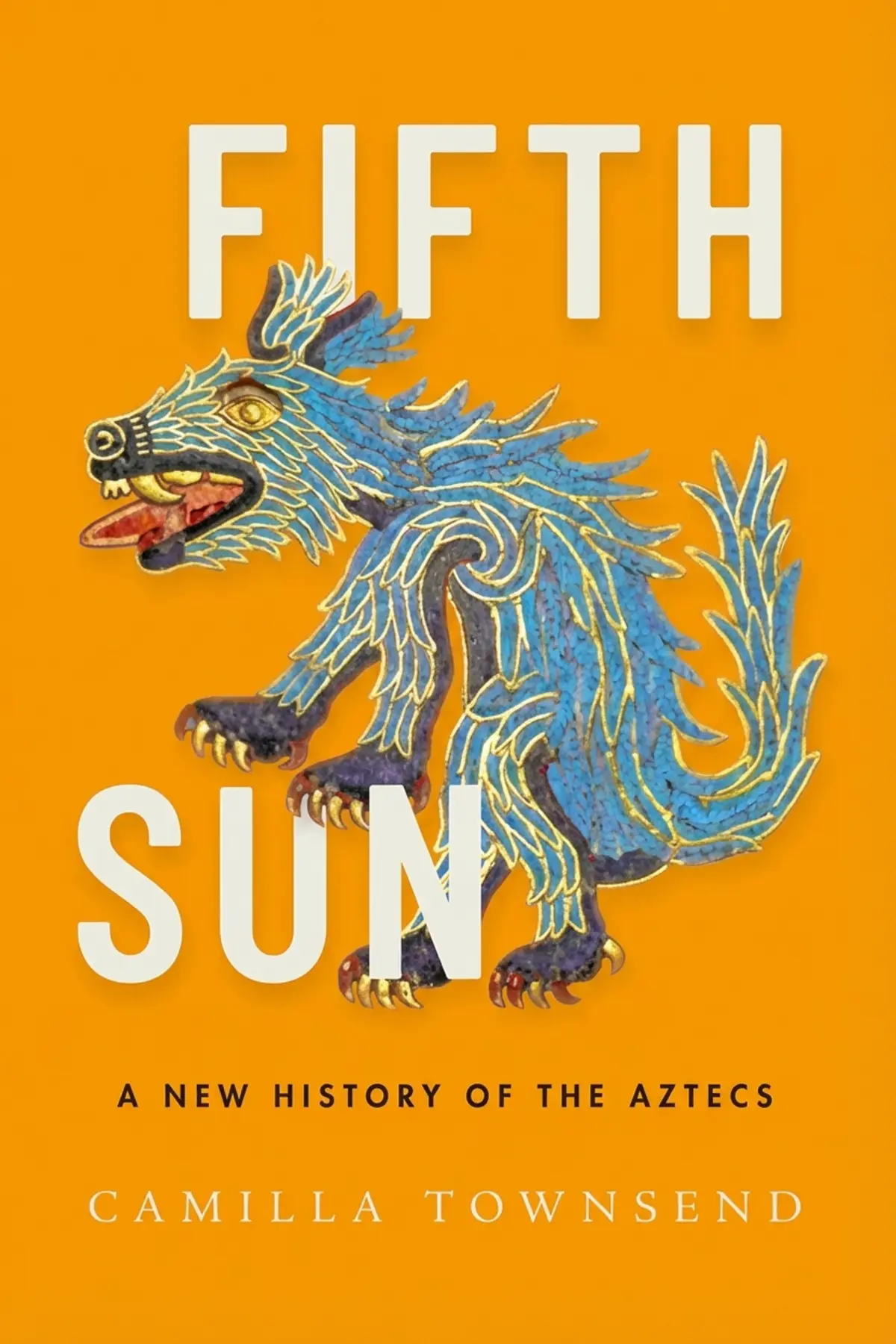
Table of Content
1. Introduction
1 min 07 sec
We are often told that the victors write history, but that isn’t the whole story. For centuries, our understanding of the Aztec empire was filtered through the lens of Spanish conquerors—men who arrived with their own agendas and biases. But the people we call the Aztecs, who referred to themselves as the Mexica, were meticulous record-keepers who did not allow their story to be silenced. In Fifth Sun, we find a narrative built from the ground up, using the Mexica’s own words and annals to reconstruct a world of immense complexity.
This isn’t just a story about a lost empire; it is a journey through a worldview that saw history as a series of cycles, or ‘Suns.’ When the Spanish arrived, the Mexica were living in the era of the Fifth Sun. This historical account takes us back to their humble beginnings as migrants in a harsh landscape and follows their meteoric rise to power. It challenges the stereotypes of a ‘barbaric’ society and replaces them with a picture of a pragmatic, intellectually curious, and deeply resilient people. By looking at their history through their eyes, we see a culture that didn’t just disappear after 1521, but one that adapted and survived, ensuring their voice would reach us centuries later.
2. The Tradition of the Annals
1 min 51 sec
Discover how the Mexica preserved their heritage through a sophisticated system of yearly record-keeping long before European contact.
3. From Swamp to Superpower
1 min 51 sec
Explore the ingenious engineering and savvy political strategies that transformed a small island into the heart of a vast empire.
4. A Collision of Two Worlds
1 min 51 sec
Examine the technological divide and the complex figures who navigated the first encounters between the Mexica and the Spanish.
5. The Siege of Tenochtitlan
1 min 49 sec
Follow the dramatic turn of events as the Mexica emperor Moctezuma attempted to manage the Spanish threat through diplomacy and intelligence.
6. The Invisible Conqueror
1 min 46 sec
See how a devastating biological catastrophe broke the back of Mexica resistance more effectively than any army could.
7. History as a Tool for Survival
1 min 56 sec
Learn how the Mexica adapted to the new colonial reality by using the conquerors’ own tools to preserve their identity.
8. Conclusion
1 min 23 sec
The story of the Mexica is often told as a tragedy—a sudden and total collapse of a civilization at the hands of European invaders. But as we have seen through the indigenous records, the reality is a much more profound narrative of continuity and adaptation. The Mexica were not a people frozen in time, waiting to be ‘discovered.’ They were a dynamic society that understood the importance of history and took active steps to preserve it, even when their world was crumbling.
By focusing on their own annals, we move away from the myth of the ‘doomed’ Aztec and see instead a people who navigated the arrival of the Spanish with pragmatic diplomacy and fierce resistance. We see the complexity of figures like Malinche and the tactical brilliance of leaders like Moctezuma. Most importantly, we see how the Mexica used the tools of their conquerors—the Latin alphabet—to safeguard their own language and identity.
Today, the legacy of the Mexica lives on in the millions of people who still speak Nahuatl and the vibrant culture of modern Mexico. Their story teaches us that history is not just about who won the battles, but about whose voice survives to tell the tale. By listening to the records of the Fifth Sun, we gain a deeper appreciation for the resilience of the human spirit and the power of a people determined not to be forgotten. The sun may have set on their empire, but its light continues to reach us through the words they left behind.
About this book
What is this book about?
This exploration of the Mexica people moves beyond the standard narratives of conquest to reveal a sophisticated society built on deep historical awareness and strategic brilliance. By examining indigenous annals known as xiuhpohualli, the book traces the journey of a migrant tribe that transformed a swampy island into the magnificent capital of Tenochtitlan. It challenges long-held myths about the Aztec empire, portraying its people not as doomed victims of a superior culture, but as pragmatic political actors who maneuvered through a shifting world. The narrative provides a nuanced view of the Spanish arrival, highlighting the massive technological gap between the two worlds while giving voice to individuals like Malinche, whose roles were far more complex than simple betrayal. Even after the devastating impact of smallpox and the fall of their capital, the Aztec spirit endured. Through the clever adoption of the Latin alphabet to preserve their native Nahuatl language, the descendants of the Mexica ensured their history would survive into the modern era, where their legacy remains vibrant and alive.
Book Information
About the Author
Camilla Townsend
Camilla Townsend is an American historian and professor at Rutgers University. Her work specializes in the history of the Americas and its indigenous peoples. Other titles she’s authored include Malintzin's Choices: An Indian Woman in the Conquest of Mexico and Pocahontas and the Powhatan Dilemma.
Ratings & Reviews
Ratings at a glance
What people think
Listeners find this historical work extremely educational, noting its outstanding scholarship and fresh perspectives on Aztec heritage. The narrative flows smoothly and is crafted like a gripping tale, with one listener highlighting how it takes into consideration Native American perspectives. They value the opening pronunciation guide, while one review points out the writer's command of the primary source material. The text earns praise for its beauty and language, with one listener specifically mentioning the preservation of dialogue.
Top reviews
Manee
Townsend delivers a masterclass in historical reconstruction by letting the Mexica people speak for themselves through their own annals. Instead of relying solely on the biased accounts of Spanish friars, she dives into Nahuatl-language transcripts to paint a vibrant, moving portrait of a society in flux. It’s fascinating to see figures like Malinche recontextualized not as traitors, but as complex women navigating impossible political landscapes. The prose is surprisingly accessible for such a scholarly work, though it does get dense during the intricate genealogies. Truth is, I walked away feeling like I finally understood the humanity behind the stone monuments. This is a vital contribution to Mesoamerican studies that feels both urgent and timeless.
Show moreJames
Finally, a history book that doesn't just treat indigenous names as unpronounceable obstacles! Townsend’s command of the primary source material is evident on every page, yet she writes with a clarity that kept me hooked. She treats the Nahuatl-speaking peoples with a level of respect and nuance that is rarely seen in mainstream history. The way she incorporates preserved dialogue makes the past feel alive, almost like we are eavesdropping on a long-lost conversation. Look, it’s a tragic story in many ways, but the focus on survival rather than just victimhood is empowering. I highly recommend this to anyone tired of the stale "Conquistador-as-hero" narrative that dominated our textbooks for so long.
Show moreKwan
Picked this up on a whim and was immediately struck by the beautiful metaphor of a library as a world of frozen voices. Townsend doesn't just recount dates; she restores the volume to a conversation that was nearly silenced by colonization. Her focus on the "annals" written by indigenous people provides a perspective that feels incredibly authentic and raw. I especially appreciated the nuanced portrayal of Malinche, who is often unfairly vilified in later Mexican folklore. The writing is evocative and often novelistic, making the ancient world of Lake Texcoco feel tangible. This is a rare history book that managed to move me emotionally while educating me on a subject I knew little about.
Show morePhimwan
It’s rare to find a book that fundamentally changes your vocabulary, but after reading this, I’ll never use the word "Aztec" the same way again. Townsend’s exploration of identity and name-giving is a highlight of this deeply researched work. She avoids the hackneyed tropes of human sacrifice to focus on the political and social reality of the Mexica people. The prose is elegant and the author’s passion for her subject shines through in every chapter. Frankly, I think this should be required reading for anyone interested in the history of the Americas. It’s a groundbreaking piece of scholarship that manages to be both highly informative and deeply, pivotally human.
Show moreMaja
Have you ever considered that everything we think we know about the Aztec downfall might be colored by Spanish propaganda? Townsend’s myth-busting approach to Moctezuma’s encounter with Cortes is refreshing and frankly long overdue. She dismantles the idea of the "god-prophecy" with surgical precision, showing us a pragmatic leader trying to save his city. The inclusion of a pronunciation guide at the start was a thoughtful touch for a general reader like me. While some of the transitions between centuries felt a bit abrupt, the overall narrative remains compelling. It’s a beautifully written testament to the resilience of a culture that refused to be erased by the march of time.
Show moreSomporn
The way this book frames the collision between Europe and the New World as a gap in agricultural history was genuinely eye-opening. Townsend suggests that the Spanish advantage wasn't inherent superiority, but rather a reflection of millennia of sedentary farming traditions. Some might find this explanation a bit simplistic, yet it offers a logical framework for the technological disparity. I loved the focus on the common people’s accounts, which were often recorded by their own grandchildren to preserve their legacy. The book isn't always an easy read, especially the parts detailing colonial taxation and disease. Still, the level of detail provided here is unmatched in most popular histories of the era.
Show moreRodrigo
Most histories of the Aztecs end abruptly at the fall of Tenochtitlan, but Townsend spends significant time on the survival strategies of the survivors. It was enlightening to read about how indigenous elites adapted to the new Spanish order through legal means and education. The author’s ability to weave together disparate annals into a cohesive story is impressive, even if the flow occasionally stumbles under the weight of names. Personally, I found the chapters on the post-conquest years to be the most rewarding part of the experience. It proves that the "Fifth Sun" didn't just set; it transformed into something new. This is essential reading for anyone wanting to see the full scope of Mexican history.
Show moreNarongrit
If you're looking for a companion piece to "1491" that zooms in specifically on the Nahuatl-speaking world, this is it. Townsend provides new insights into how the Triple Alliance actually functioned before the Europeans arrived. Her use of native sources allows her to debunk centuries of myths, particularly regarding Moctezuma’s supposed cowardice and the Quetzalcoatl prophecy. I'll admit that the list of names can be overwhelming at times, even with the helpful guide provided. However, the effort is well worth it for the sheer depth of cultural understanding you gain. It’s a compelling story of a people who were far more sophisticated and pragmatic than we’ve been led to believe.
Show moreNang
While I deeply admire the scholarship behind this project, I struggled with the uneven pacing of the narrative. The book promises a revolutionary history, and in terms of research, it certainly delivers on that front. However, the author’s tendency to include fictionalized introductory scenes at the start of chapters felt out of place in a serious history. To be fair, her use of indigenous voices is groundbreaking, but the middle sections felt a bit dry and disorganized. I appreciated learning about the Mexica’s agricultural roots and their complex marital alliances. It’s an informative read, but perhaps more suited for those with a pre-existing interest in the subject than a casual fan of history.
Show moreBond
To be fair, the research is undoubtedly impressive, but I found the author’s decision to include fictionalized internal monologues quite jarring. Sticking to known facts is usually the hallmark of great history, yet here we get "poetic license" that feels manipulative and ungrounded. The book claims to be a revisionist history, but the narrative often feels scattered among too many minor figures without enough context. While I learned a lot about the naming of "Aztecs" versus the Mexica, I found the prose quite dry in the analytical sections. It’s a dense read that often feels more like a collection of academic papers than a unified book. Not a bad resource, just a frustrating one for me.
Show moreReaders also enjoyed
Alexander the Great
Philip Freeman
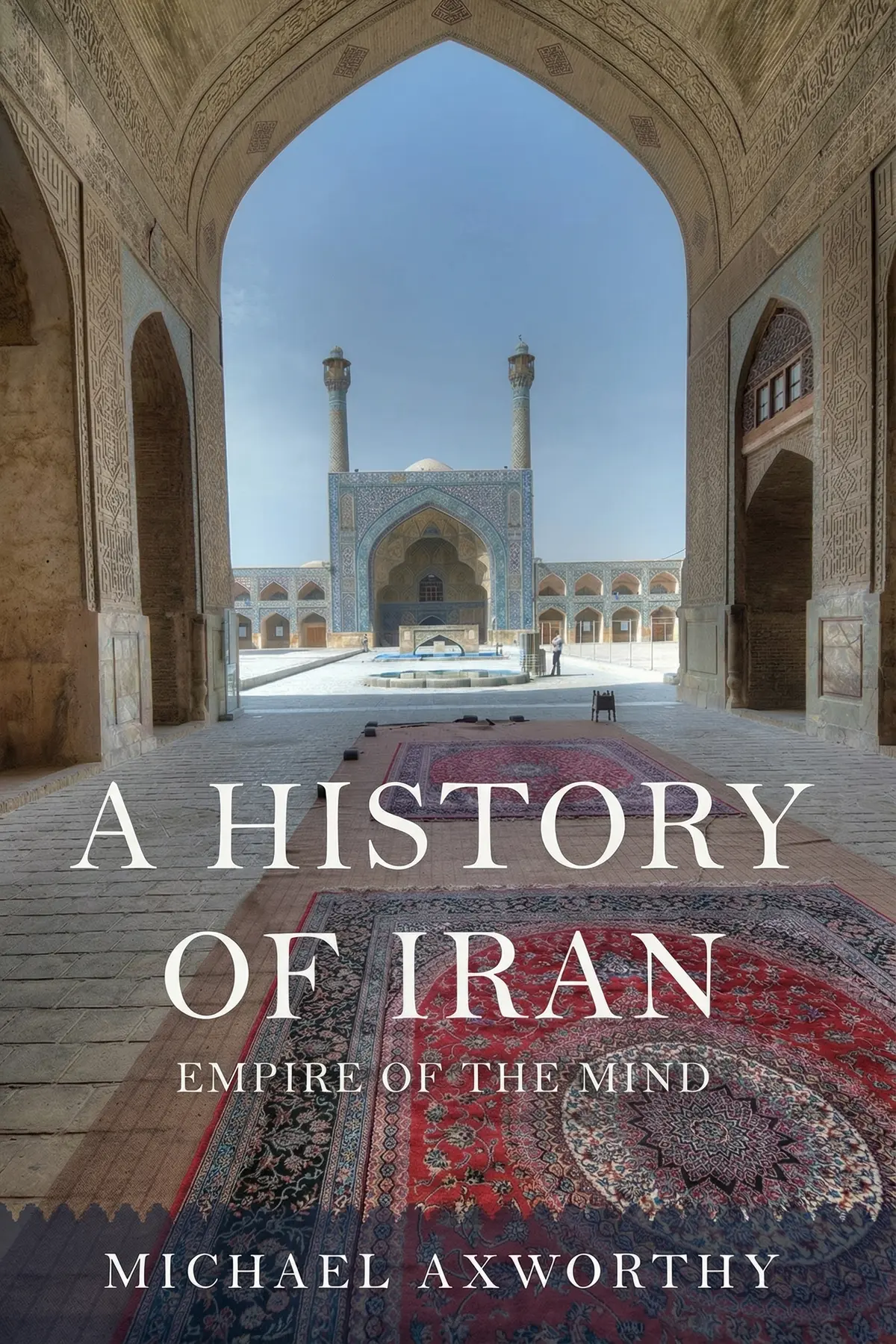
A History of Iran: Empire of the Mind
Michael Axworthy

A History of the World in 6 Glasses
Tom Standage
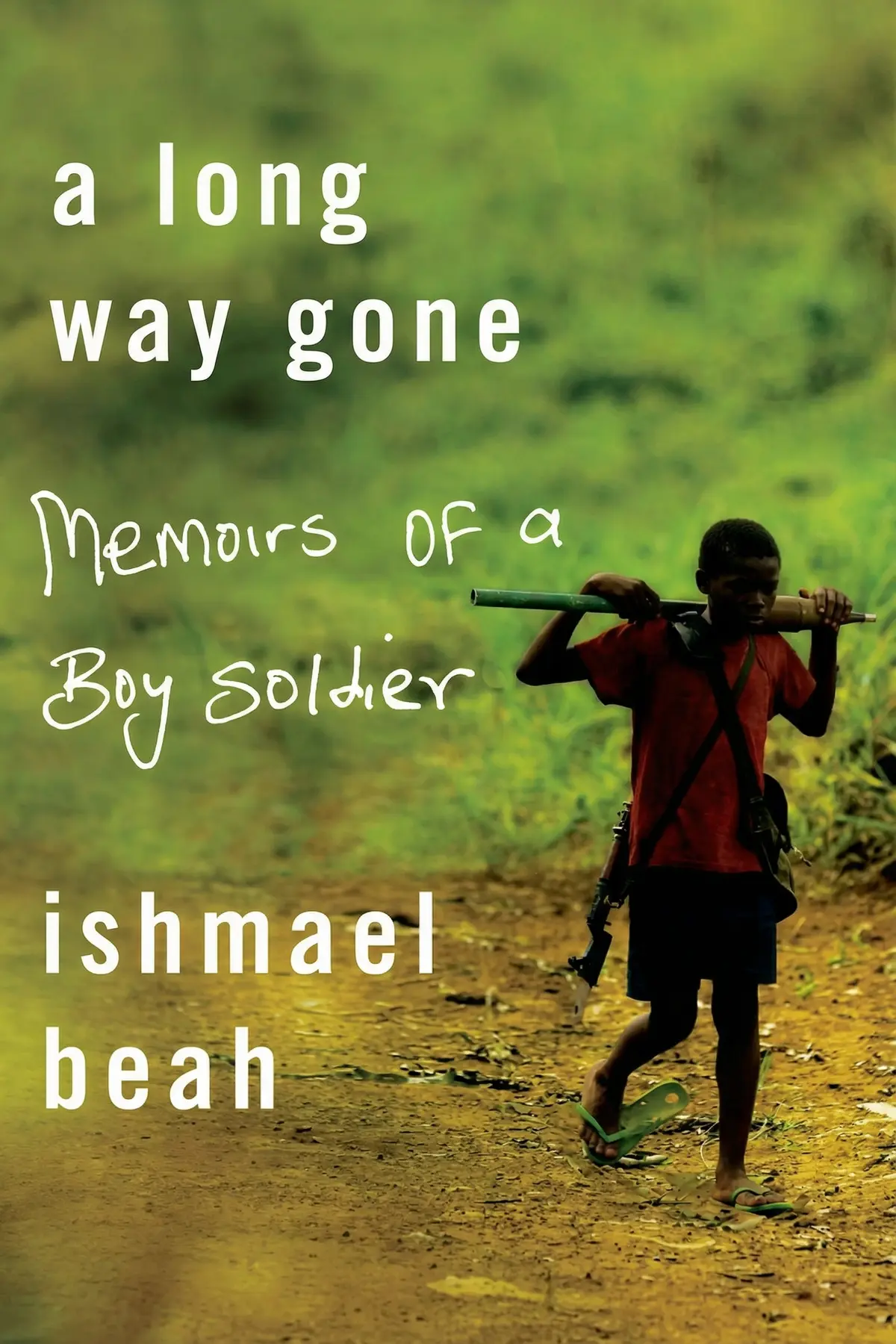
A Long Way Gone: Memoirs of a Boy Soldier
Ishmael Beah
A Splendid Exchange: How Trade Shaped the World
William J. Bernstein
AUDIO SUMMARY AVAILABLE
Listen to Fifth Sun in 15 minutes
Get the key ideas from Fifth Sun by Camilla Townsend, plus 5,000+ more titles in English and Thai.
- 5,000+ titles
- Listen as much as you want
- 7-day free trial
- Cancel anytime







