
8 min 33 sec
Financial Intelligence: A Manager's Guide to Knowing What the Numbers Really Mean
Financial Intelligence demystifies the complex world of corporate finance, teaching non-financial managers how to interpret income statements, recognize accounting bias, and use financial data to drive better business decisions and operational efficiency.
Table of Content
1. Introduction
1 min 06 sec
In the modern workplace, numbers are the universal language of business. Yet, for many managers and professionals outside the finance department, looking at a company’s financial records feels like staring at a dense wall of data. There is a common misconception that you need to be a certified accountant to truly understand what is happening under the hood of a corporation. However, true financial intelligence isn’t about memorizing every tax code or mastering complex software. It is about understanding the narrative that those numbers are trying to tell.
When you grasp how figures relate to one another, you gain the confidence to participate in high-level strategy discussions, make better-informed choices for your team, and perhaps even start your own venture. The journey toward this literacy begins with a fundamental shift in perspective: seeing financial statements not as cold, objective facts, but as a series of estimates and assumptions that reflect the health and future of an organization. This summary will guide you through the essentials of decoding these records, with a specific focus on the income statement, helping you transform from a passive observer into a savvy financial decision-maker.
2. The Income Statement as a Financial Snapshot
1 min 20 sec
Discover why the income statement is much more than just a list of earnings and expenses, and how it reveals the true efficiency of a company’s operations.
3. Walking Through the Financial Ladder
1 min 44 sec
Follow the journey from top-line revenue to bottom-line profit to understand the various costs and margins that define business success.
4. Identifying Hazards and Red Flags
1 min 31 sec
Learn the detective skills needed to spot accounting tricks and unusual patterns that could signal trouble beneath the surface.
5. The Art of Accounting and Revenue Recognition
1 min 43 sec
Explore why finance is often an art of interpretation and how the timing of recording sales can drastically alter a company’s financial profile.
6. Conclusion
1 min 09 sec
Financial intelligence is more than just a professional skill; it is a mindset that changes how you view the entire business world. By demystifying the income statement, you move from being intimidated by spreadsheets to using them as a strategic roadmap. You now understand that the figures on a page represent a series of choices, assumptions, and operational realities.
To apply this in your own work, start by examining the relationship between revenue, operating expenses, and net income in your own department or company. Look for the ‘why’ behind the shifts in margins and don’t be afraid to dig into the footnotes of a report to find the hidden narrative. Remember that while the bottom line is important, it is the journey through the various layers of profit—gross, operating, and net—that tells the true story of sustainability and health. With these tools in hand, you are better equipped to make decisions that are not just based on intuition, but on a clear-eyed understanding of the financial forces at play. Whether you are aiming for a promotion or managing your own enterprise, the ability to decode the numbers will always be one of your most valuable assets.
About this book
What is this book about?
Many professionals feel a sense of dread when faced with a stack of financial reports. They might understand their specific department, but when it comes to the company’s overall fiscal health, the numbers can feel like a foreign language. Financial Intelligence bridges this gap by providing a comprehensive guide to the underlying logic of accounting and finance. The book’s central promise is that financial literacy is not just for accountants—it is a critical tool for any leader who wants to influence strategy and improve the bottom line. By breaking down the components of income statements and explaining how various metrics relate to real-world performance, the authors empower readers to look past the surface-level totals. You will learn to identify where profit is truly generated, how to spot accounting maneuvers that might obscure the truth, and how to use ratios and trends to predict future success. Ultimately, it transforms finance from a source of confusion into a source of strategic power.
Book Information
About the Author
Karen Berman
Karen Berman and Joe Knight are the leaders of the Business Literacy Institute based in Los Angeles. They specialize in teaching financial acumen to managers across various industries. Their extensive list of training clients includes global powerhouses such as American Express, P&G, Pacific Life, GM, and Tyco International. Both Berman and Knight are recognized experts in their field, frequently contributing their insights to major national publications like BusinessWeek, USA Today, and the Los Angeles Times.
Ratings & Reviews
Ratings at a glance
What people think
Listeners find this work to be a superb primer on financial principles, clarifying intricate subjects through effective illustrations. Additionally, the content is straightforward to grasp and digestible, offering a functional perspective ideal for leaders in any position. They value its utility as an educational resource and deem it essential reading for those in management and investment roles, with one listener noting how it builds confidence in financial analysis. The prose is top-notch, and listeners consider it uncomplicated and reasonably priced.
Top reviews
Leo
Finally, a book that doesn't treat accounting like a series of rigid, objective truths. The authors do a phenomenal job explaining the 'art of finance,' illustrating how estimates and assumptions actually drive the numbers we see on a page. For a non-finance person, understanding the bias inherent in a balance sheet is a total game-changer. It’s not just about math; it’s about judgment. While the text is extremely accessible, it doesn't shy away from the complexities of cash flow versus profit. I found the cautionary tales regarding companies that 'cook the books' to be particularly eye-opening and relevant. My only small gripe is that some of the later chapters on capital expenditures felt a bit more specialized for heavy industry. Nevertheless, it's a must-read for any manager who wants to talk to the finance department without feeling like a total outsider.
Show moreHazel
The authors hit the nail on the head when they discuss the hidden biases inherent in financial reporting. Before reading this, I thought the numbers were the numbers. Period. Now I see how much 'wiggle room' exists in things like revenue recognition and expense timing. The book is incredibly easy to read and usefully structured into short, digestible chapters. It reads almost like a narrative, using cautionary tales of corporate greed to illustrate why these dry-sounding concepts actually matter. I particularly enjoyed the focus on the Cash Flow Statement; it really is the heartbeat of any healthy business. Not gonna lie, I wish I had read this ten years ago before I started investing. It gives you a much sharper eye for spotting accounting shenanigans and understanding a company’s true health.
Show moreYaowaluk
Financial literacy is a superpower in the corporate world. This book provides a clear roadmap for anyone who wants to acquire that power without getting a four-year degree in accounting. The central thesis is brilliant: understanding finance makes you a better employee because it allows you to align your specific job with the business's overall performance. It’s an empowering message. I loved the practical approach to decoding the 'lingo' that finance people use to gatekeep information. The writing is simple, well-priced for the value it provides, and remarkably engaging. By the end, you feel like you've been let in on a secret. You realize that the numbers aren't just math—they're a story about a company's past, present, and future. Truly a must-read for anyone looking to move up the ladder.
Show moreAmy
After hearing my boss rave about 'financial intelligence' for months, I decided to see what the fuss was about. This book actually delivered on its promises. It’s easily the most useful business book I’ve read this year. The authors have a way of making you feel smart rather than making the subject feel difficult. I especially appreciated the 'art' vs. 'science' distinction they make throughout the text. It gave me a much greater appreciation for the nuances of financial statements and the moral flexibility often encoded in estimates. The book is peppered with enough cautionary tales to keep it interesting, and the formatting makes it easy to go back and reference specific ratios later. If you want to build your confidence in financial analysis, this is the perfect starting point. I highly recommend it.
Show moreOat
As someone who spent years avoiding the balance sheet, this was a breath of fresh air. It is written for the rest of us—the managers who need to know what the numbers mean without actually becoming accountants. The focus on transparency is what really stuck with me. When everyone in a company understands the financial health of the organization, they can actually align their daily work with the bottom line. The writing style is excellent and keeps things moving at a brisk pace. I did find the section on inventory management a little less applicable to my specific field, but the general principles are universal. It definitely builds your confidence. I no longer feel the need to hide when the CFO walks into the room with a stack of reports.
Show moreOrm
Ever wonder why a profitable company can still go bankrupt? This book explains that phenomenon with such clarity that I finally understand the obsession with the Cash Flow Statement. It’s practical, straightforward, and avoids the usual jargon that makes financial texts so unbearable. I really appreciated the way Berman and Knight break down the income statement to show where managers can actually influence the results. To be fair, it does get a bit dry once they start discussing depreciation and plant assets in the later sections. Some of the real-life examples felt slightly recycled toward the end of the book, which took away some of the momentum. Still, it’s an excellent introduction for anyone who managed to get through college without an accounting degree. Highly recommended for new supervisors.
Show moreSudarat
Picked this up for a work project, and I'm surprised by how much I actually enjoyed it. Financial Intelligence manages to make the balance sheet seem... dare I say, interesting? The authors keep their promise of making the subject painless. They focus on the 'human face' of finance, showing how individual decisions in sales or operations eventually trickle down to the financial statements. The chapter on Warren Buffett and his focus on cash flow was a highlight for me. My only critique is that the real-world examples start to thin out in the second half of the book. It becomes a bit more technical and less 'story-driven' as you get into the weeds of financial ratios. Regardless, it is a very useful tool for anyone wanting to improve their professional literacy.
Show moreTern
Truth is, I used to glaze over whenever our CFO started presenting the quarterly results. Everything sounded like gibberish until I sat down with this book. It breaks down complex topics like EBITDA and ROI into plain English that actually makes sense. I especially liked the sections on how companies can 'cook the books' by shipping empty cartons or hiding debt off the balance sheet. These examples made the concepts stick. The book loses a little bit of steam toward the end when it dives into more niche financial metrics, but the core of the book is solid gold. It’s an excellent introduction to the art of finance for non-professionals. I feel much more capable of asking the right questions during our next budget meeting. It's definitely worth the time.
Show moreKenji
This book is definitely geared toward people in larger corporations. While I learned a good deal about the basics of financial statements, many of the examples focused on factory floors and massive inventory systems that just don't apply to my small service business. The 'art of finance' concept is interesting, though. It was eye-opening to see how much 'moral flexibility' exists in corporate reporting. However, the tone felt a bit repetitive after the first hundred pages. I found myself skimming through the parts about 'off-balance-sheet' entities and complex tax strategies. It’s a solid primer if you're entering a management role at a Fortune 500 company, but it might be overkill for a freelancer or a small shop owner. It's okay, just not exactly what I needed right now.
Show moreSomkid
Not what I expected given the hype. Look, if you have absolutely zero exposure to business, maybe this helps, but I found the pacing to be incredibly slow. The authors spend way too much time on basic definitions that could have been summarized in a single chart. Also, the focus is almost entirely on large, legacy corporations with factories and massive inventory. If you work in a modern tech startup or a service-based small business, a lot of these examples feel antiquated and irrelevant. It’s supposed to be an 'easy read,' but the repetitive nature of the case studies made it a slog for me by the halfway point. I was looking for deeper insights into strategic analysis, but instead, I got a long-winded explanation of things I could have Googled in five minutes. Disappointing.
Show moreReaders also enjoyed

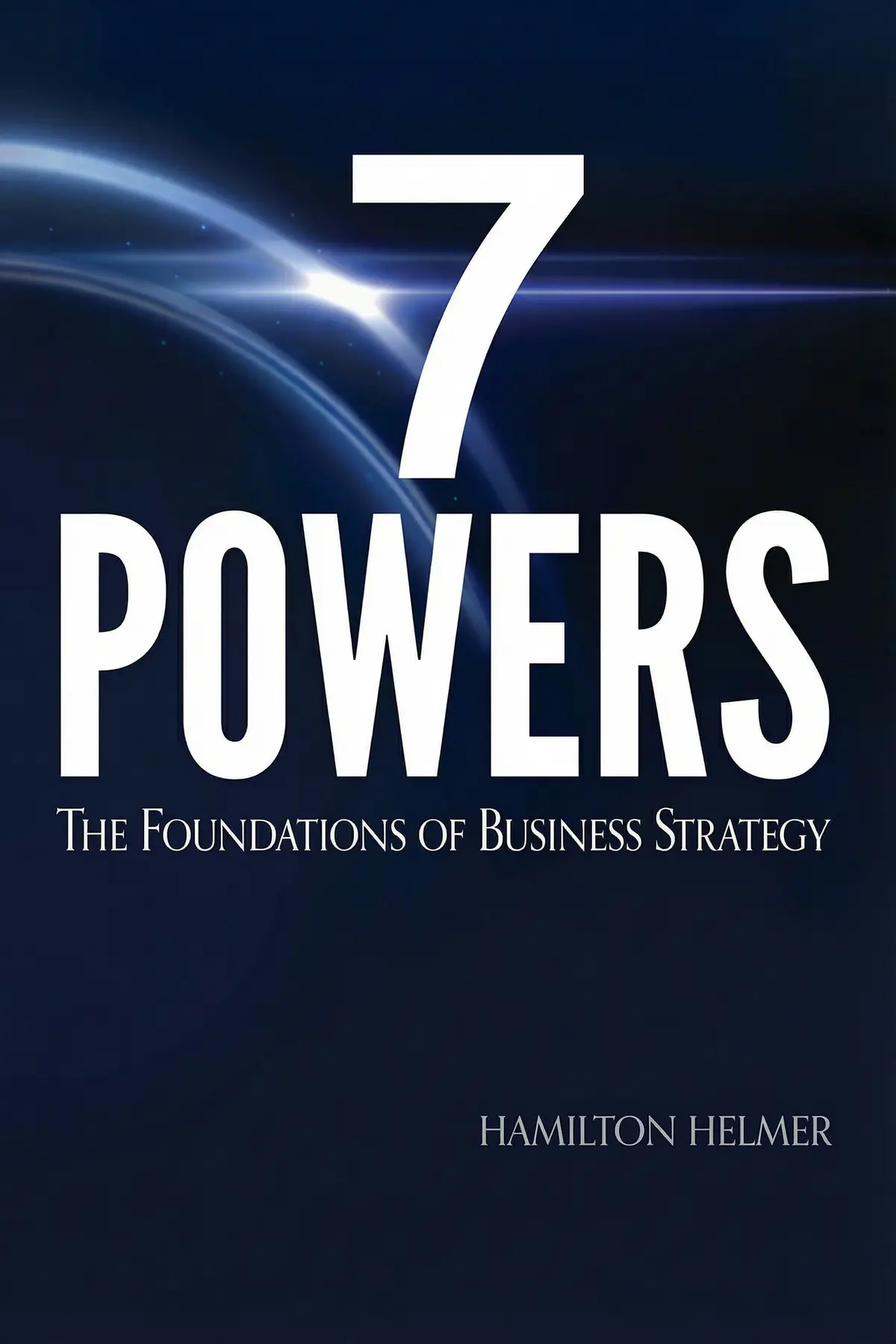
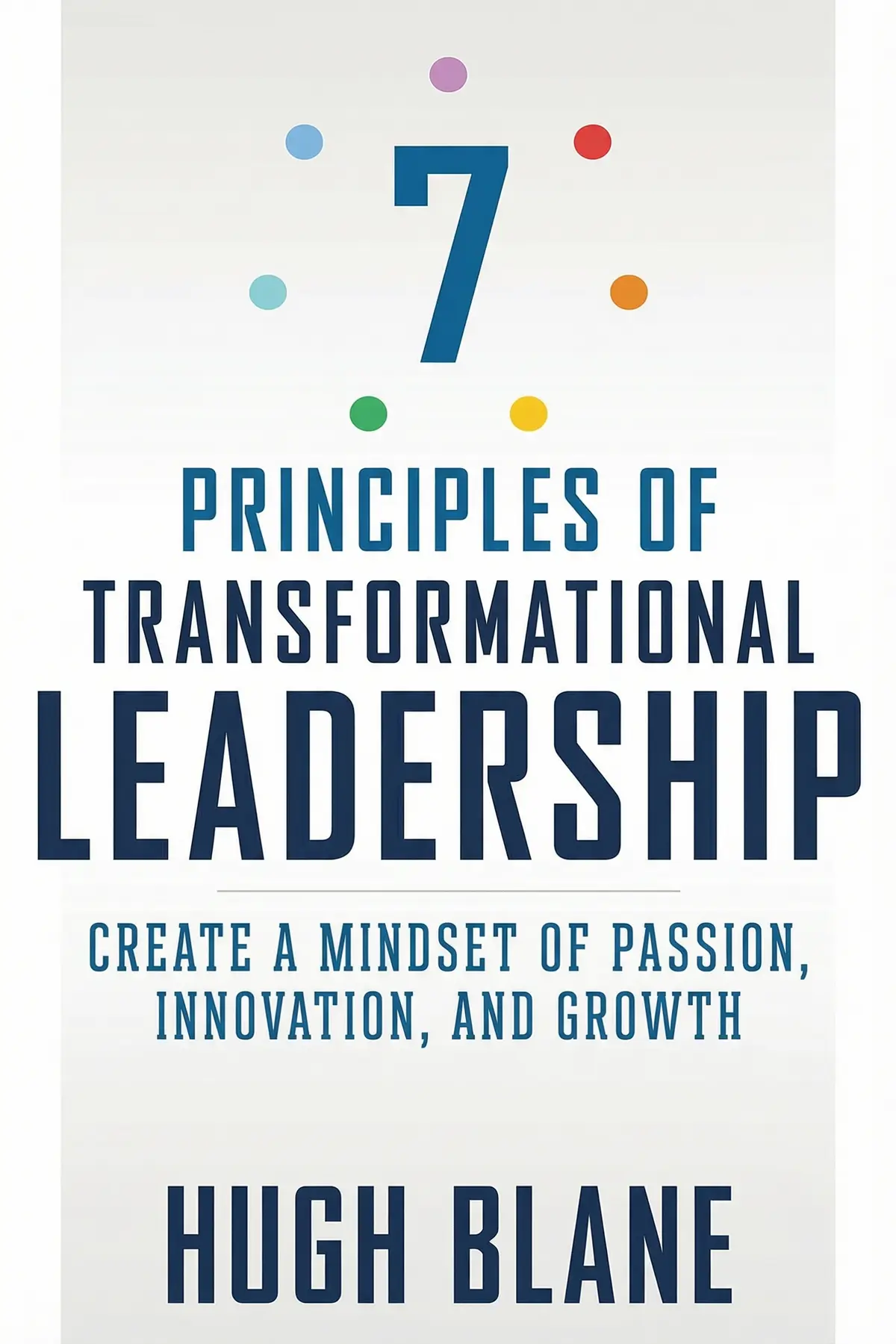
7 Powers: The Foundations of Business Strategy
Hamilton Helmer

A Bigger Prize: How We Can Do Better Than the Competition
Margaret Heffernan
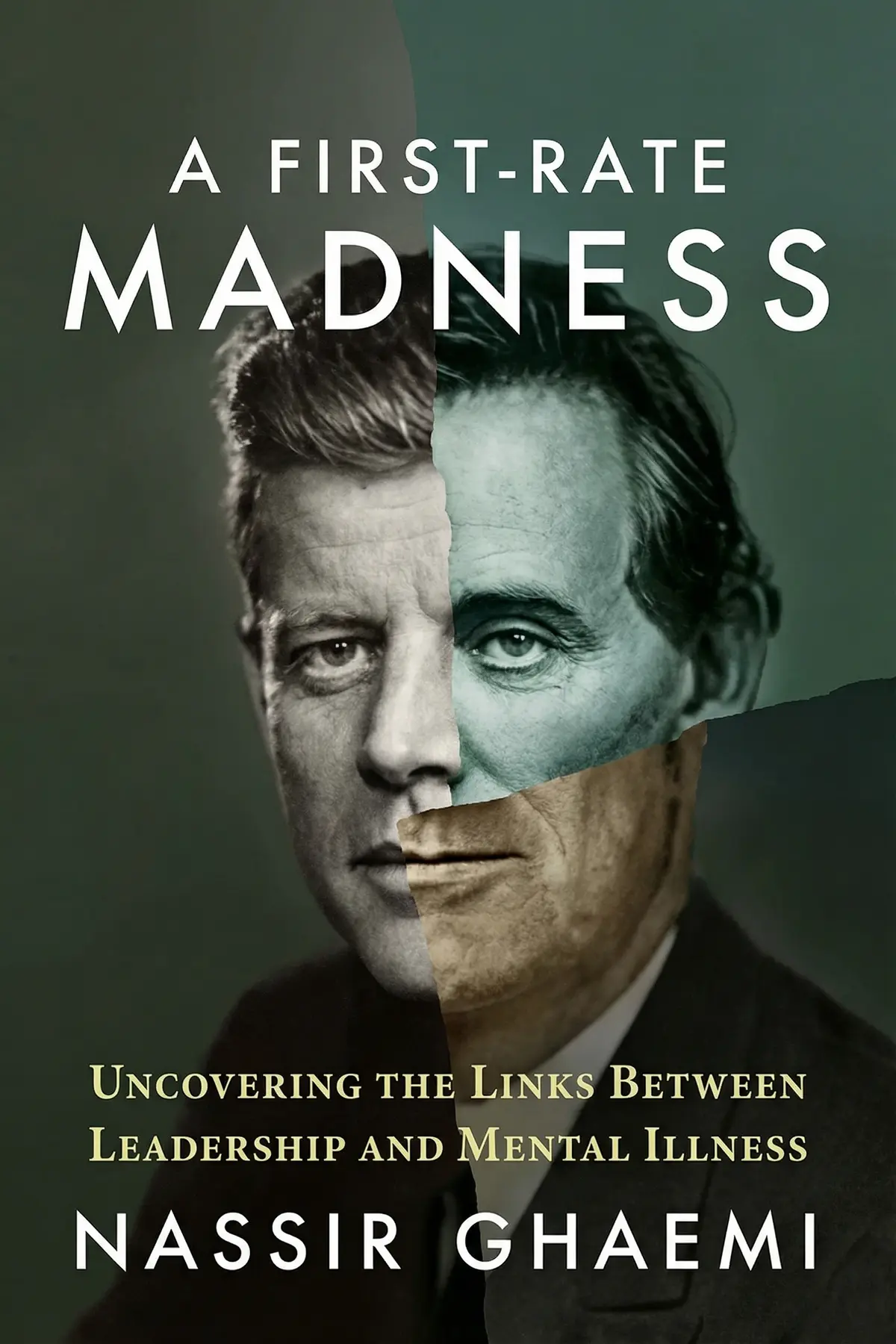
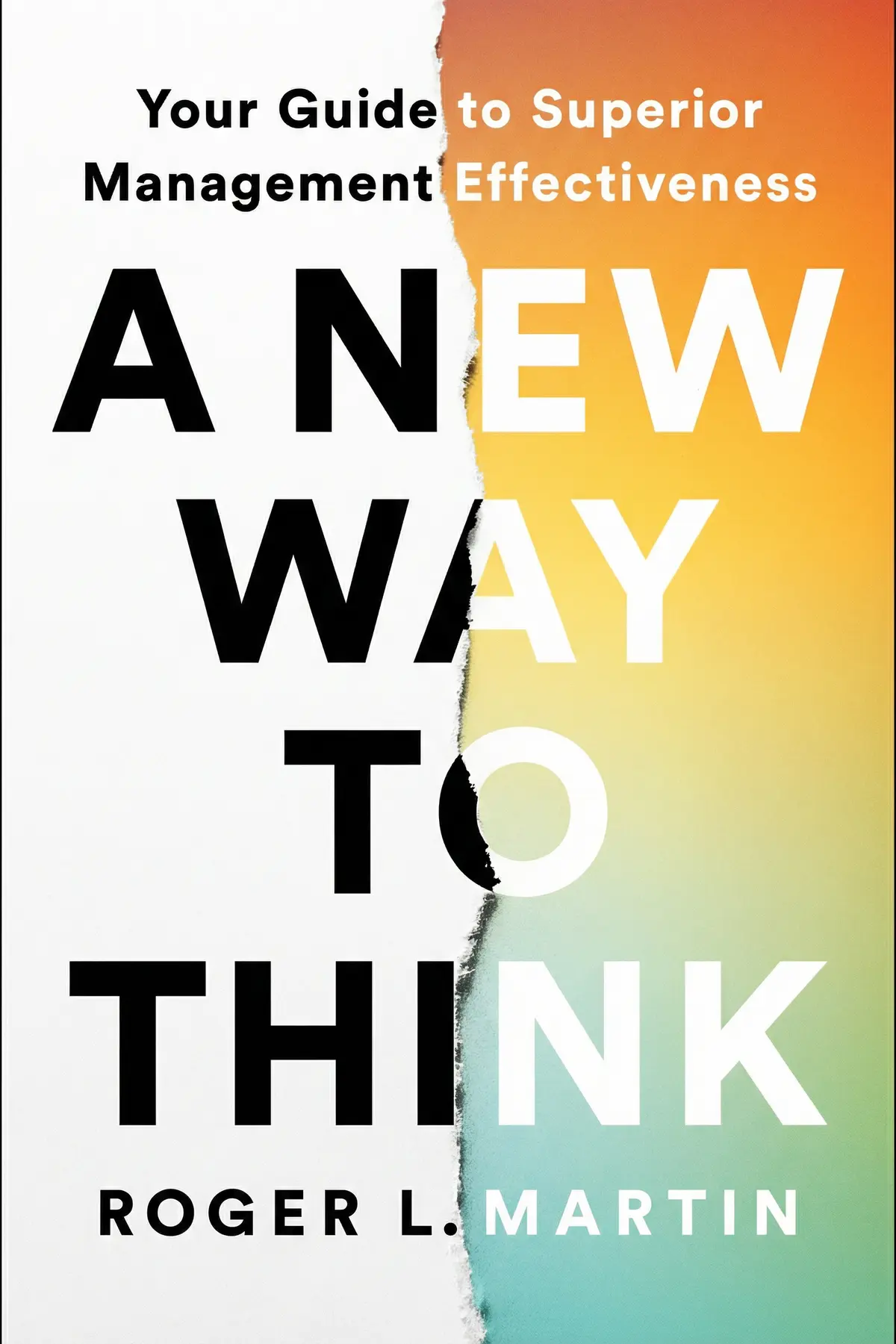
A Year with Peter Drucker: 52 Weeks of Coaching for Leadership Effectiveness
Joseph A. Maciariello
AUDIO SUMMARY AVAILABLE
Listen to Financial Intelligence in 15 minutes
Get the key ideas from Financial Intelligence by Karen Berman, plus 5,000+ more titles in English and Thai.
- 5,000+ titles
- Listen as much as you want
- 7-day free trial
- Cancel anytime







