
16 min 33 sec
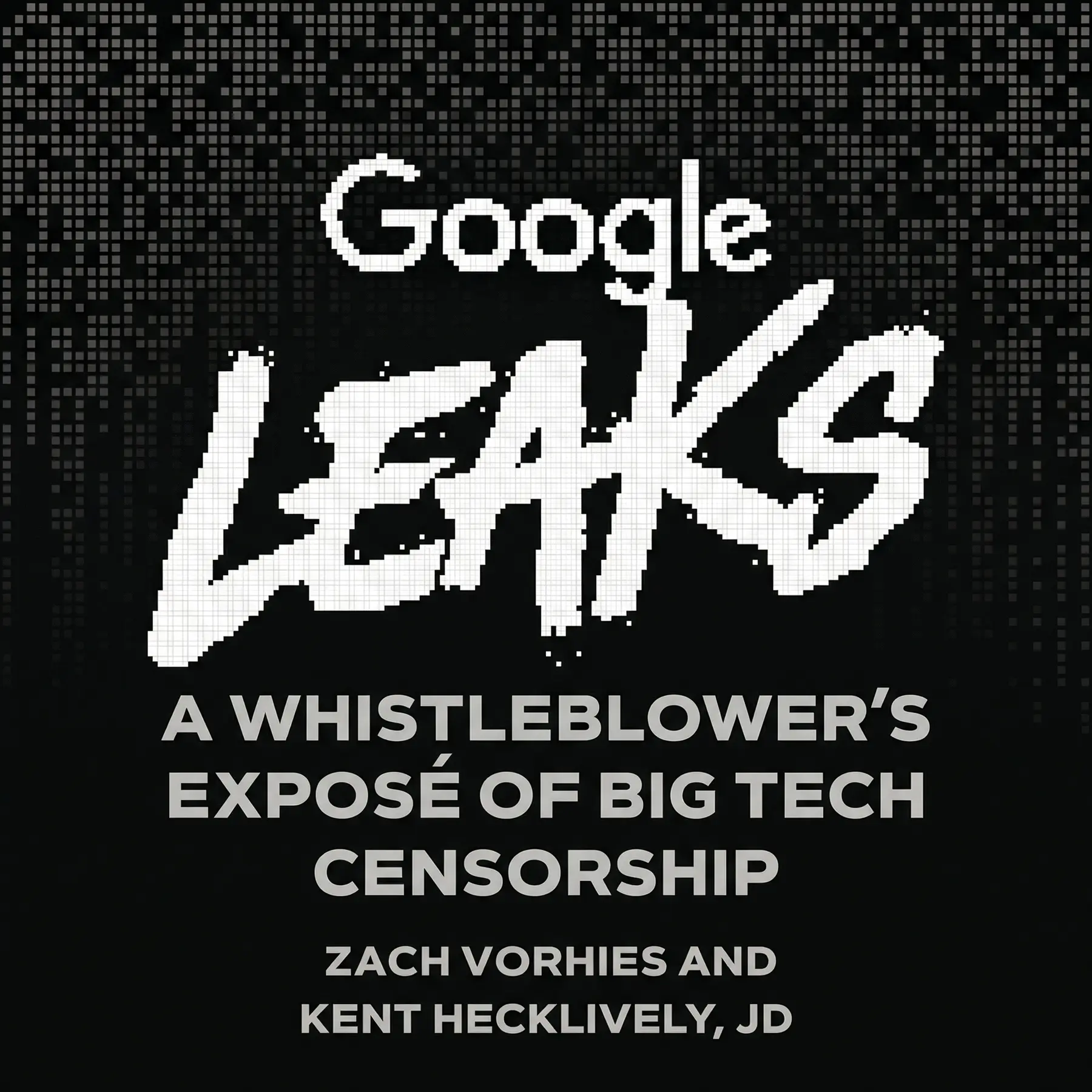
Google Leaks: A Whistleblower's Exposé of Big Tech Censorship
Google Leaks offers a rare, insider's view of a tech giant’s internal culture and the alleged mechanisms used to curate and filter information following the 2016 US presidential election.
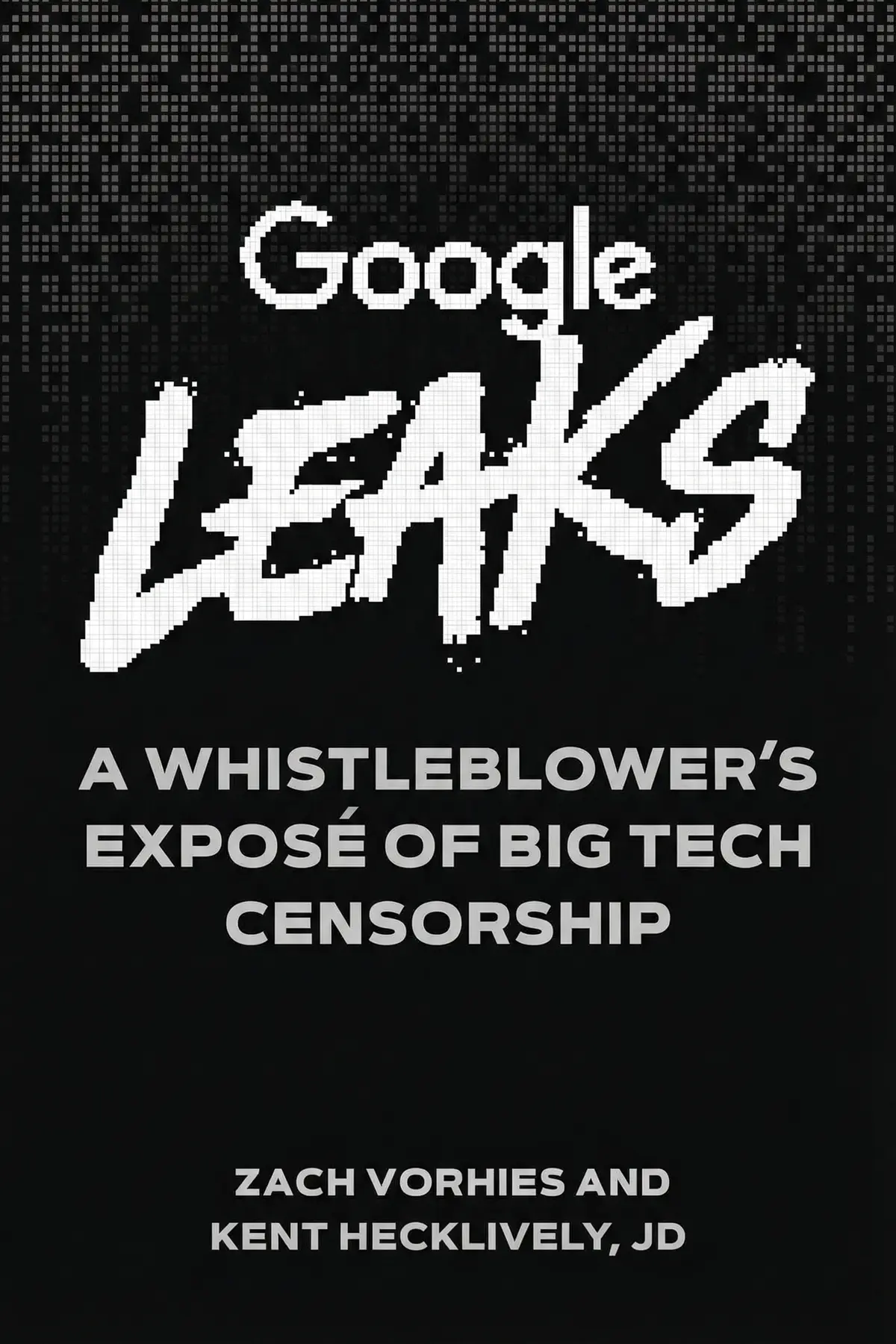
Table of Content
1. Introduction
1 min 41 sec
In the modern age, we often think of the internet as a neutral utility, much like the electricity flowing into our homes or the water in our pipes. We assume that when we type a query into a search bar, we are being presented with an objective reflection of the world’s collective knowledge. But what if the lens through which we view the world is being subtly tinted by the very companies that built the lens? This is the central question posed in the story of Zach Vorhies, a man who spent nearly a decade at the heart of the digital empire known as Google.
Vorhies wasn’t just a casual observer; he was a senior engineer, a person who understood the intricate plumbing of the algorithms that dictate what billions of people see every day. His journey from a loyal employee to a high-profile whistleblower provides a startling look at the intersection of technology, politics, and power. He suggests that Google transitioned from a mission of organizing the world’s information to a mission of curating it in accordance with specific ideological goals.
As we explore this narrative, we’ll see how a single election acted as a catalyst for a massive corporate transformation. We will look at the technical jargon like ‘machine learning fairness’ that hides a complex reality of information control. We will also follow the personal cost of dissent, as Vorhies moves from discovering internal documents to facing a high-stakes confrontation with law enforcement. This is more than a story about tech; it is a story about the gatekeepers of the 21st century and the transparency of the systems that shape our reality. By the end of this summary, you’ll have a clearer understanding of the hidden mechanics behind your search results and the philosophical battles being fought inside the world’s most influential tech companies.
2. The 2016 Election as a Corporate Turning Point
2 min 19 sec
Explore how the unexpected results of a presidential race transformed the internal culture and political mission of a global technology leader.
3. The Strategic Redefinition of Fake News
2 min 25 sec
Learn how the fight against misinformation may serve as a vehicle for a new, automated form of information curation.
4. The Concept of Machine Learning Fairness
2 min 21 sec
Uncover the technical philosophy that allows algorithms to prioritize social outcomes over objective reality.
5. The Covfefe Incident and Political Pranking
2 min 03 sec
Discover how a single viral tweet revealed the speed and willingness of tech employees to intervene in political narratives.
6. The Discovery of Digital Blacklists
2 min 05 sec
Go inside the moment an engineer found proof that specific viewpoints were being systematically excluded from the public eye.
7. The Stakes of Blowing the Whistle
2 min 03 sec
Follow the dramatic final act of a whistleblower’s journey, involving legal threats, police standoffs, and the release of 950 pages of evidence.
8. Conclusion
1 min 36 sec
The story of Zach Vorhies and the ‘Google Leaks’ serves as a profound meditation on the power of information and the fragility of the digital landscape. Through his eyes, we see a world where the search engine is not a neutral librarian, but an active participant in the political and social debates of our time. The journey from the emotional fallout of the 2016 election to the implementation of ‘machine learning fairness’ suggests a shift in the tech industry from a focus on engineering excellence to one of ideological stewardship.
What makes this account so compelling is the glimpse it provides into the technical mechanisms of curation. We often speak of ‘the algorithm’ as a mysterious force, but Vorhies shows us that it is built on human decisions, human biases, and human goals. Whether it’s the use of blacklists to suppress certain media outlets or the subtle manipulation of translation tools, these actions have a cumulative effect on what we know and how we think. The core message is that transparency is the only antidote to such concentrated power.
As you move forward, the takeaway from this narrative is a call for greater digital literacy and skepticism. It encourages us to look beyond the convenience of a search result and ask ourselves what might be missing from the frame. The story of the whistleblower reminds us that the systems we rely on are only as reliable as the people who build them. By understanding the potential for bias and censorship, we are better equipped to navigate the complex, often hidden, currents of the digital age and to demand a more open and accountable internet for everyone.
About this book
What is this book about?
Google Leaks follows the journey of Zach Vorhies, a former senior engineer at Google who became a whistleblower after witnessing what he perceived as a systemic shift toward political censorship. The book explores how one of the world's most powerful companies responded to the election of Donald Trump by implementing new algorithmic standards and 'fairness' protocols. It details the internal tension between engineering objectivity and corporate activism. Readers are promised a deep dive into the specific documents and technical systems that Vorhies claims were used to blacklist conservative media and manipulate public perception. From the mysterious 'covfefe' incident to the deployment of artificial intelligence to combat 'fake news,' the narrative provides an account of how digital gatekeepers can influence modern democracy and the personal risks involved in exposing those hidden processes.
Book Information
About the Author
Zach Vorhies
Zach Vorhies is a former senior engineer with Google who spent years working within the tech giant before becoming a corporate whistleblower. Originally from Portland, Oregon, he has since collaborated with media outlets like Infowars. He currently resides in San Francisco, where he continues to advocate for transparency in technology and is developing a new video-aggregating platform.
Ratings & Reviews
Ratings at a glance
What people think
Listeners find the work accessible and educational, with one listener highlighting that it provides extraordinary details. The narrative earns high marks, as one listener characterizes the account as an amazing tale of bravery.
Top reviews
Manop
Zach Vorhies is a name that will likely go down in history for those concerned about digital privacy and corporate overreach. This book is an extraordinary account of one man’s decision to risk everything to expose what he describes as a machine of narrative control. I found the sections regarding the internal 'All-Hands' meeting after the 2016 election particularly chilling, as it paints a picture of a corporate culture that had moved far beyond simple business goals. Truth is, the level of detail provided regarding the nine hundred pages of leaked documents lends a massive amount of weight to his claims. While some might find the prose a bit intense, the sheer bravery required to walk out with that laptop and head to the DOJ is undeniable. It is a fast-paced, informative read that makes you question every search result you see. Frankly, it’s a wake-up call for anyone who thinks their data and information streams are neutral.
Show morePruet
Ever wonder why certain news stories just seem to vanish from your feed while others stay pinned to the top for weeks? Vorhies provides the 'how' and 'why' in a way that is both terrifying and easy to understand for non-engineers. The book is a gripping tale of one senior engineer’s journey from a loyal employee to a man the company reportedly wanted to silence. Not gonna lie, the chapter on the 'healthcheck' and the connection to intel agencies made my skin crawl. It’s not just about politics; it’s about the power to define reality for billions of people. Sentence lengths vary from quick, punchy revelations to long, complex explanations of algorithmic bias, keeping the reader engaged throughout. The documentation included is the real star of the show. This isn't just a story; it’s a massive data dump wrapped in a thriller. It is an amazing tale of bravery in the face of a tech giant.
Show moreIsabella
Wow, what an eye-opener of a book! Zach Vorhies provides a chilling look at the internal mechanics of the world's most powerful search engine. The way he describes the shift in company culture is heartbreaking for anyone who remembers the old 'Don't Be Evil' mantra. I was particularly struck by the details regarding the 2016 election 'cry-in' and the subsequent development of algorithms to ensure certain outcomes never happen again. It is written in a very accessible style, making complex engineering concepts easy to grasp. The story of him sneaking out with the laptop and sending it to the DOJ reads like a high-stakes thriller. In my experience, books by whistleblowers can be dry, but this one is a genuine page-turner. It’s an amazing story of personal sacrifice for the sake of the American public. You will never look at your Google search bar the same way again.
Show moreRoongsak
Picking this up was the best decision I've made this month because it finally puts a face and a story to the censorship we all feel happening. Vorhies isn't just some guy with a theory; he was a senior engineer who saw the code. The 'Orwellian' nature of the internal documents he describes is something every American should be aware of, regardless of their political leanings. I loved the varied sentence lengths—some chapters are dense with info, others are just quick, emotional beats that keep you moving. The truth about the YouTube shooter and the 'healthcheck' protocols were some of the most shocking revelations I’ve read in years. It is a brave, factual read that exposes the connection between tech giants and political influence. While he mentions some fringe topics, the core message about the loss of a neutral platform is spot on. This is the definition of a 'must-read' for the digital age.
Show moreLayla
Finally got around to reading this whistleblower account, and it certainly delivers on the 'insider' promise even if it drags in places. The technical descriptions of how algorithms are tuned to create a 'better world'—at the expense of objective reality—are the strongest parts of the narrative. I was fascinated by the mention of 'machine learning fairness' and how it acts as a digital gatekeeper. To be fair, there is a significant amount of autobiographical fluff in the first half that felt like a distraction from the main event. Do we really need twenty pages on his personal history before getting to the blacklists? Probably not. However, once Vorhies gets into the Project Veritas involvement and his escape from San Francisco, the book turns into a legitimate page-turner. It provides a rare, albeit partisan, glimpse into the ivory towers of Silicon Valley. If you can filter through the author’s personal grievances, the core information is vital.
Show moreCarter
As someone who has always been skeptical of Big Tech’s claims of neutrality, this book confirmed a lot of my suspicions with actual documentation. The author's description of the shift within Google from 'organizing information' to 'gatekeeping information' is articulated very well. One of the most gripping parts was his description of the 'All-Hands' meeting where executives acted more like cult leaders than corporate bosses. It’s a very informative read that doesn’t require a degree in computer science to follow. My only gripe is that the book ends somewhat abruptly, pitching a lot of fluff about CPAC appearances instead of diving deeper into the technical architecture of the algorithms. Still, the extraordinary details regarding the 950 pages of documents make this a necessary read for anyone concerned about the future of free speech. It’s a quick read but the implications will stay with you long after you finish.
Show moreValentina
The core content here is genuinely interesting, but the presentation is a bit of a mixed bag. On one hand, you get these incredible insights into the 'leftist bubble' of Silicon Valley and the emotional meltdowns after the 2016 election. On the other hand, the book is padded with so much irrelevant travelogue material and personal history that it slows the momentum. Personally, I was most interested in the blacklists and the specific search terms that were being suppressed on YouTube. Those sections are 5-star material. However, the author’s tendency to lean into every possible conspiracy theory—from Benghazi to the YouTube shooter—makes it hard to recommend this as a purely factual resource. It feels like a PR book meant to boost his profile in the whistleblower circuit. It’s worth a read for the technical leaks, but keep a healthy amount of skepticism for the author’s personal interpretations of world events.
Show morePrayoon
Gotta say, the information regarding the internal blacklists is the only reason to pick this up. The rest of the book is filled with a lot of self-pitying stories and personal history that I found myself skimming through. The author clearly has an axe to grind, which is understandable given his experience, but it colors the narrative so strongly that it’s hard to tell where the facts end and the bitterness begins. To be fair, the technical evidence he presents is compelling and warrants a serious investigation. However, the book's structure is messy, jumping from legitimate concerns about algorithmic transparency to wild theories about the Mandalay Bay shooting. It feels like it needed a much stronger editor to trim the fluff and keep the focus on the actual leaks. It’s a good starting point if you’re interested in Big Tech bias, but it’s definitely not the definitive word on the subject.
Show moreElla
I wanted to see the evidence for myself, but this felt more like a paranoid manifesto than a structured exposé. Look, I don’t doubt that large corporations have biases, but the author loses credibility when he starts pivoting into theories about the Las Vegas shooting and 'covfefe.' It’s a shame because there might be a real story here about how search results are curated, but it gets buried under layers of conspiracy-minded rhetoric and self-aggrandizement. The writing style is casual and easy to digest, which is a plus, but the content feels like rageporn designed specifically for a certain political demographic. Much of the 'insider' information was already public knowledge thanks to the news cycle years ago. I struggled to finish the later chapters because the 'fluff' about his appearances with James O'Keefe felt more like a PR tour than a book. If you’re looking for objective tech analysis, you won’t find it here.
Show moreBunyarit
This feels more like a collection of Infowars talking points than a serious look at tech ethics. Honestly, the author sounds more like a disgruntled former employee who is upset that the world doesn't share his specific brand of politics. He confuses the curation of accurate results with 'censorship' and spends half the book talking about himself as if he’s a character in a spy movie. The claims about 'machine learning' being a weapon are laughable if you actually understand how the technology works. It’s just rageporn for people who want to feel like they are being targeted for their beliefs. The writing is repetitive and filled with so much fluff about his personal life that I almost couldn't finish it. If you want a book that confirms your pre-existing biases without providing any objective context, this is for you. Otherwise, it’s a total waste of time and money. Do not recommend.
Show moreReaders also enjoyed
Age of Anger: A History of the Present
Pankaj Mishra
A Different Kind of Power: A Memoir
Jacinda Ardern
Age of Propaganda: The Everyday Use and Abuse of Persuasion
Anthony Pratkanis
A Higher Loyalty: Truth, Lies and Leadership
James Comey

A Promised Land
Barack Obama
AUDIO SUMMARY AVAILABLE
Listen to Google Leaks in 15 minutes
Get the key ideas from Google Leaks by Zach Vorhies, plus 5,000+ more titles in English and Thai.
- 5,000+ titles
- Listen as much as you want
- 7-day free trial
- Cancel anytime







