
25 min 40 sec
Gut: The Inside Story of Our Body’s Most Underrated Organ
Explore the hidden world of your digestive system, an underrated organ that functions as a second brain, influences your emotions, and houses a complex ecosystem of trillions of vital microbes.
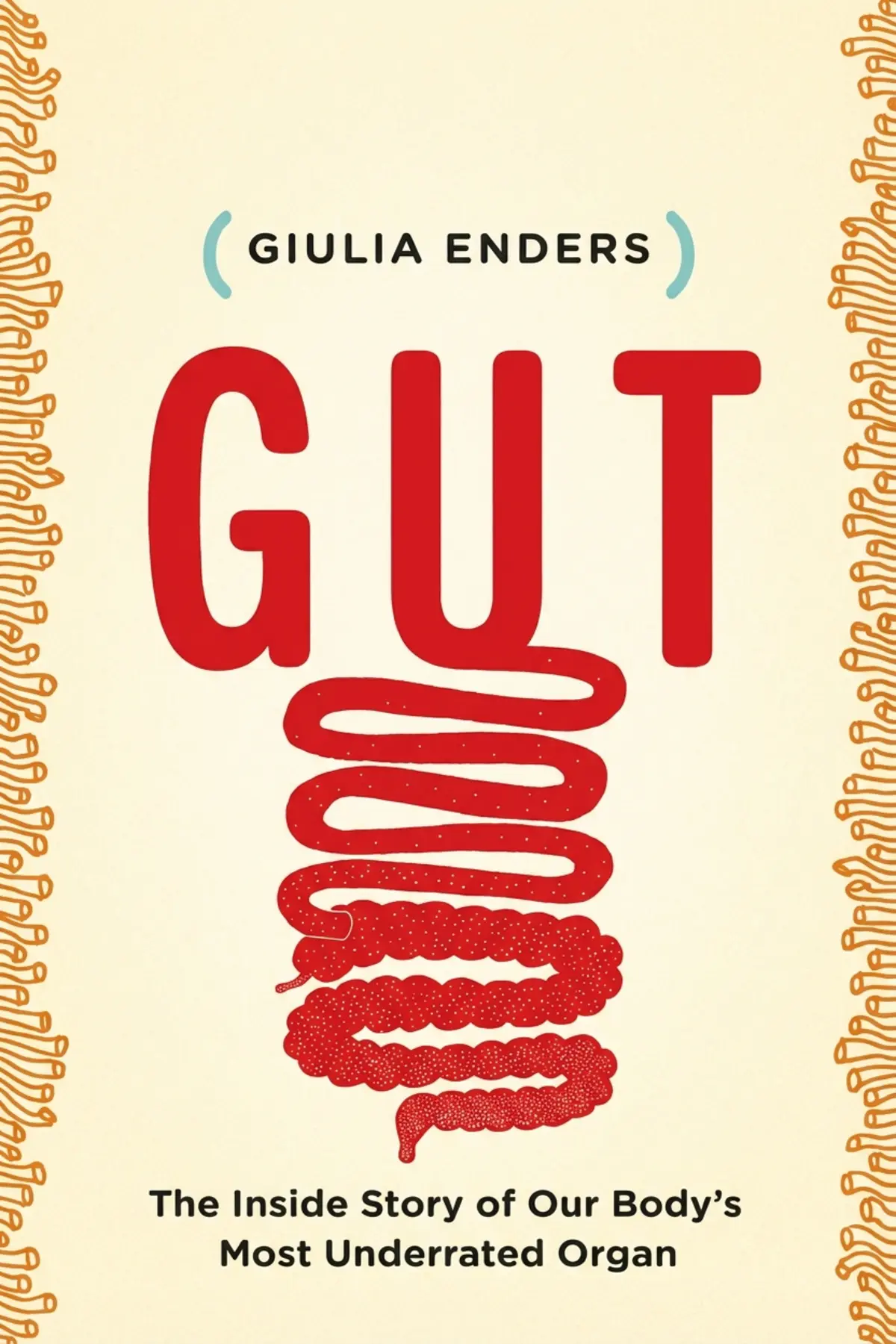
Table of Content
1. Introduction
1 min 52 sec
Imagine you are at a sophisticated dinner party. The conversation is flowing, covering politics, art, and travel. Now, imagine if someone suddenly leaned in and began a detailed description of their morning bowel movement or the precise way their stomach was churning after the appetizer. The reaction would likely be one of immediate discomfort or even disgust. In our modern society, the digestive system is the ultimate taboo. We treat it like a necessary but shameful basement—something we use every day but prefer not to talk about or even think about until something goes wrong.
But what if this perspective is fundamentally flawed? What if the gut is actually one of the most sophisticated, intelligent, and essential parts of being human? This is the throughline we are going to explore. Far from being a mere plumbing system, your gut is a complex command center that operates with a level of autonomy that would make other organs jealous. It has its own nervous system, its own massive population of inhabitants, and a direct line of communication to your brain that influences how you feel, how you think, and even who you are.
In this journey, we are going to shed our embarrassment and take a look under the hood. We will follow the path of food from the first sensory spark to the final exit, uncovering the secret life of the gastrointestinal tract. Along the way, we will debunk common myths about allergies and intolerances, look at the strange ways bacteria can manipulate animal behavior, and learn why a growling stomach is actually a sign of a very tidy organ. By the end of this experience, you won’t just understand your digestion better—you will likely develop a deep sense of gratitude for the silent, incredible work your body is doing every single second of the day. It is time to stop being disgusted and start being amazed by your own internal biology.
2. The Autonomy of the Enteric Nervous System
2 min 20 sec
Discover why your digestive system is considered a second brain, operating with its own independent network of millions of neurons that manage complex tasks without your conscious input.
3. The Sensory Start and the Esophageal Wave
2 min 13 sec
The journey of digestion begins long before food enters your mouth, triggered by your sight and smell, followed by a fascinating mechanical slide down the throat.
4. The Stomach’s Flexible Power and the Small Intestine’s Precision
2 min 25 sec
Learn how the stomach acts as a sophisticated processor and how the small intestine performs the crucial task of nutrient extraction with remarkable efficiency.
5. The Hidden Roots of Allergies and Intolerances
2 min 38 sec
Explore the biological mishaps in the gut that can lead to lifelong food sensitivities and the common enzyme deficiencies behind lactose intolerance.
6. The Gut-Brain Axis and Emotional Health
2 min 30 sec
Uncover the profound link between your digestive health and your mood, supported by startling evidence that the gut sends more signals to the brain than it receives.
7. The Microbial Ecosystem: Our Invisible Partners
2 min 34 sec
Learn how we transition from sterile beings in the womb to vibrant ecosystems of trillions of microbes that define our health from the moment of birth.
8. The Puppet Masters: Microbes and Behavior
2 min 23 sec
Could your cravings for sugar or your risk-taking behavior be driven by the bacteria in your belly? Explore the shocking ways microbes can influence the brain.
9. Probiotics, Prebiotics, and the Shift in Perspective
2 min 42 sec
Retrace the history of our relationship with bacteria, from the fear of germs to the modern understanding of how probiotics and fiber support our health.
10. The Final Act: The Mechanics of Elimination
2 min 31 sec
Understand the sophisticated ‘sampling’ process and the dual-muscle system that allows for the controlled and conscious conclusion of the digestive journey.
11. Conclusion
1 min 32 sec
As we conclude our exploration of the gut, it is clear that this organ is anything but ‘gross.’ It is a sophisticated, independent, and vital partner in our health. From the enteric nervous system that functions like a second brain to the trillions of microbes that influence our moods and cravings, the gut is central to the human experience. We have seen how the journey of a single bite of food involves complex mechanics, chemical precision, and even a bit of microbial manipulation.
The most important takeaway is that we have the power to influence this system through our conscious choices. We are the guardians of our internal garden. By choosing whole grains over refined flours and incorporating prebiotic-rich foods like leeks, garlic, and oats into our diet, we provide the necessary fuel for our microbial allies to thrive. When our gut is healthy, our mind is clearer, our immune system is stronger, and our overall sense of well-being is elevated.
So, the next time you hear your stomach growling or feel a ‘gut instinct’ about a decision, take a moment to appreciate the incredible work happening beneath the surface. Don’t treat your digestion as a taboo subject; treat it as the fascinating, essential story of your life. By listening to your gut and nourishing it with care, you aren’t just improving your digestion—you are taking a significant step toward a healthier, happier you. It is a long journey from the first bite to the final exit, and every inch of it is worth celebrating.
About this book
What is this book about?
Gut: The Inside Story of Our Body’s Most Underrated Organ takes listeners on a comprehensive journey through the human digestive tract. It transforms a topic often dismissed as taboo or gross into a fascinating exploration of biological engineering. From the moment we smell food to the final act of elimination, the book explains how every part of the gastrointestinal system works in harmony to sustain our health. The promise of this summary is to reveal the profound connection between your gut and your mind. You will discover how the enteric nervous system operates independently of the brain, how the microbiome is established from birth, and why the bacteria in your belly might be responsible for your cravings and moods. It offers practical insights into gut health, allergies, and the importance of supporting our internal microbial allies through proper nutrition.
Book Information
About the Author
Giulia Enders
Giulia Enders holds a PhD from the Institute for Microbiology and Hygiene of Hospitals in Frankfurt am Main, Germany. In 2012, her theories on the human gut won a science slam in Karlsruhe and Berlin.
Ratings & Reviews
Ratings at a glance
What people think
Listeners find this work exceptionally educational regarding digestive health and simple to grasp, with one listener pointing out it is tailored for those without a medical background. They enjoy the playful writing and witty perspective, as one review emphasizes its informal, chatty quality. The text includes charming drawings, and one listener characterizes it as a tremendous resource for understanding the complete digestion process.
Top reviews
Game
Finally got around to reading this after seeing the author's viral Science Slam talk online. Giulia Enders takes a subject that most people find taboo—basically what happens in the bathroom—and turns it into a genuinely charming narrative. I never thought I would spend a Tuesday evening learning about the exact physics of the anal sphincter or why squatting is better than sitting, yet here we are. To be fair, her sister’s quirky illustrations really help break up the heavy biological details. It’s an easy, breezy read that actually makes you want to treat your bacteria better. I’ve already started eating more yogurt and sourdough!
Show moreKwan
Ever wonder why you get butterflies in your stomach when you’re nervous or why you feel sluggish after a round of antibiotics? This book has all the answers delivered with a witty, no-nonsense attitude that makes even the grossest parts of digestion feel fascinating. Enders explains the complex world of probiotics and prebiotics without making your head spin. I especially liked the section on poop shapes; it’s basically a diagnostic tool for your daily life. Honestly, I’ve never thought so much about my internal microbes before reading this. It’s a wonderful resource for anyone who wants to understand their body better without needing a medical degree.
Show moreSamart
As someone who appreciates a good British translation, David Shaw did a brilliant job capturing Enders' voice in this edition. The book is an 'enterological cornucopia'—a phrase I borrowed from another reader because it’s just so accurate. I learned so much about the relationship between our gut health and mental states like depression and anxiety. It’s empowering to realize that something as simple as making strategic alterations to your diet, like increasing fiber or fermented foods, can have such a profound and lasting effect on your overall mood. This is pop-science at its absolute best—accessible, funny, and life-changing.
Show moreViroj
Not what I expected at all, in the best possible way. I thought this would be a dry medical text, but it’s actually more like a conversation with a very smart, very funny friend. The fact that our gut produces 95% of our body's serotonin is a statistic that I will be quoting at parties for years to come. Personally, I found the advice on probiotics and the importance of varied gut flora to be the most practical takeaway. It’s rare to find a book that is this educational while still being a legitimate page-turner. If you have a body, you really ought to read this.
Show moreSaengdao
After hearing so many comparisons to Mary Roach’s Gulp, I had high expectations for this one. While Roach focuses more on the bizarre narrative anecdotes, Enders stays closer to the actual biological mechanics of the alimentary canal. Frankly, it is refreshing to read someone so young and enthusiastic about such a 'gross' topic. The way she explains the enteric nervous system—our 'second brain'—was absolutely mind-blowing to me. My only slight gripe is that the conversational tone occasionally feels a bit too simplified for a deep-dive science book. However, for a layperson, it is a fantastic entry point into human biology.
Show moreMint
This book manages to be both informative and hilarious, which is a rare feat for any science book. I was particularly struck by the discussion on Toxoplasma gondii and how it might actually influence human behavior and risk-taking. It’s wild to think that tiny organisms in our bellies could be pulling the strings on our personalities. To be fair, some of the jokes in the translation felt a little forced, but the overall enthusiasm of the author carries the day. It’s a great companion for anyone interested in health, though you might want to avoid reading it while eating your lunch. The descriptions are very vivid!
Show moreRatchanee
Picked this up because I’ve been struggling with some digestive issues, and it’s been more helpful than half the doctors I’ve seen. Enders breaks down the mechanics of the esophagus and the stomach in a way that actually makes sense. Not gonna lie, I was a bit skeptical about a 25-year-old writing a definitive guide to the gut, but her passion is contagious. The illustrations are simple but perfect for explaining things like how the appendix actually works as a reservoir for good bacteria. It’s a bit light on the hard data in some spots, but as a general guide, it’s top-notch. I’ll be recommending this to my whole family.
Show morePornthip
Gotta say, I never expected to find a book about bowels so 'charming,' yet here we are. The German title 'Darm mit Charme' really describes it better than the blunt English title 'Gut.' Giulia Enders handles topics like constipation, vomiting, and flatulence with such grace and scientific curiosity that you forget to be embarrassed. I found the section on the 'not-my-toilet' syndrome particularly relatable and funny. While it’s not as narrative-driven as a Bill Bryson book, it moves along at a very brisk pace. It’s a solid choice if you want to understand the engine room of your body a bit better.
Show morePia
The truth is, while the information in Gut is undeniably interesting, the writing style didn’t always land for me. Enders uses a lot of personification for bacteria and organs, which can feel a bit juvenile if you are looking for a rigorous medical text. I found myself wishing for more formal citations or footnotes to back up some of the bolder claims about the gut-brain connection. It’s definitely a pop-science book meant for the masses rather than a scientific resource. That said, the chapter on how antibiotics wipe out our internal ecosystem was quite eye-opening. It’s a decent primer, but maybe a bit too bubbly for my personal taste.
Show moreGun
Look, I know everyone loves this book, but I found it incredibly repetitive and a bit too 'cute' for the subject matter. I was expecting a serious look at intestinal health, but instead, it felt like a series of blog posts written for a teenager. The constant exclamations and the 'mumsy' joviality really started to grate on my nerves after the first hundred pages. If you’ve already read a few books on the microbiome, you likely won't find much new information here. I ended up skimming the last third because I just couldn't deal with the tone anymore. Not for me.
Show moreFeatured in
Readers also enjoyed




A Life Decoded: My Genome: My Life
J. Craig Venter
A Planet of Viruses
Carl Zimmer

A Short History of Nearly Everything
Bill Bryson
A Thousand Brains: A New Theory of Intelligence
Jeff Hawkins
AUDIO SUMMARY AVAILABLE
Listen to Gut in 15 minutes
Get the key ideas from Gut by Giulia Enders, plus 5,000+ more titles in English and Thai.
- 5,000+ titles
- Listen as much as you want
- 7-day free trial
- Cancel anytime







