
24 min 38 sec
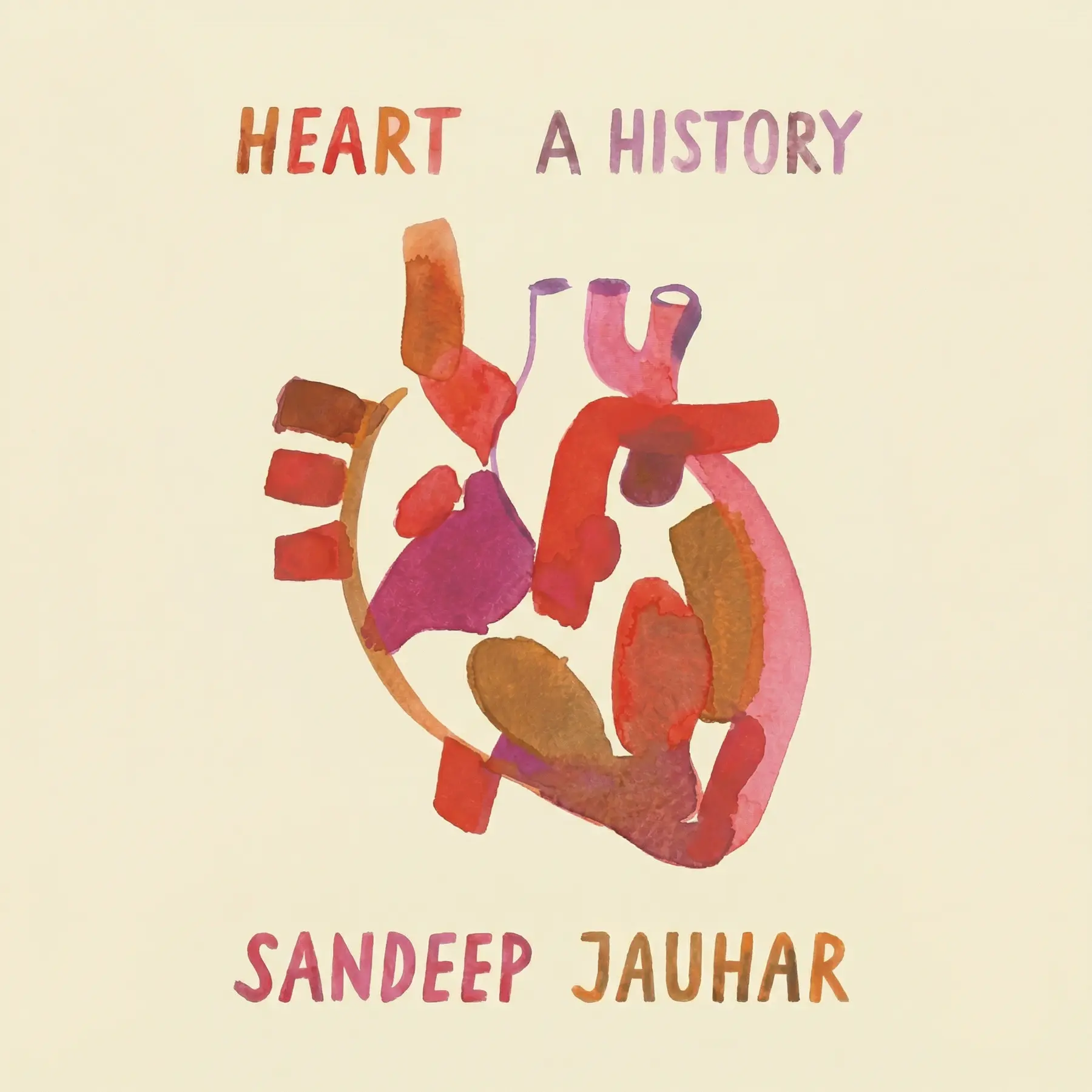
Heart: A History
Heart: A History explores the intersection of medical science and human emotion. Sandeep Jauhar traces the evolution of cardiology, from daring self-experiments to the understanding of how grief physically reshapes our vital organs.
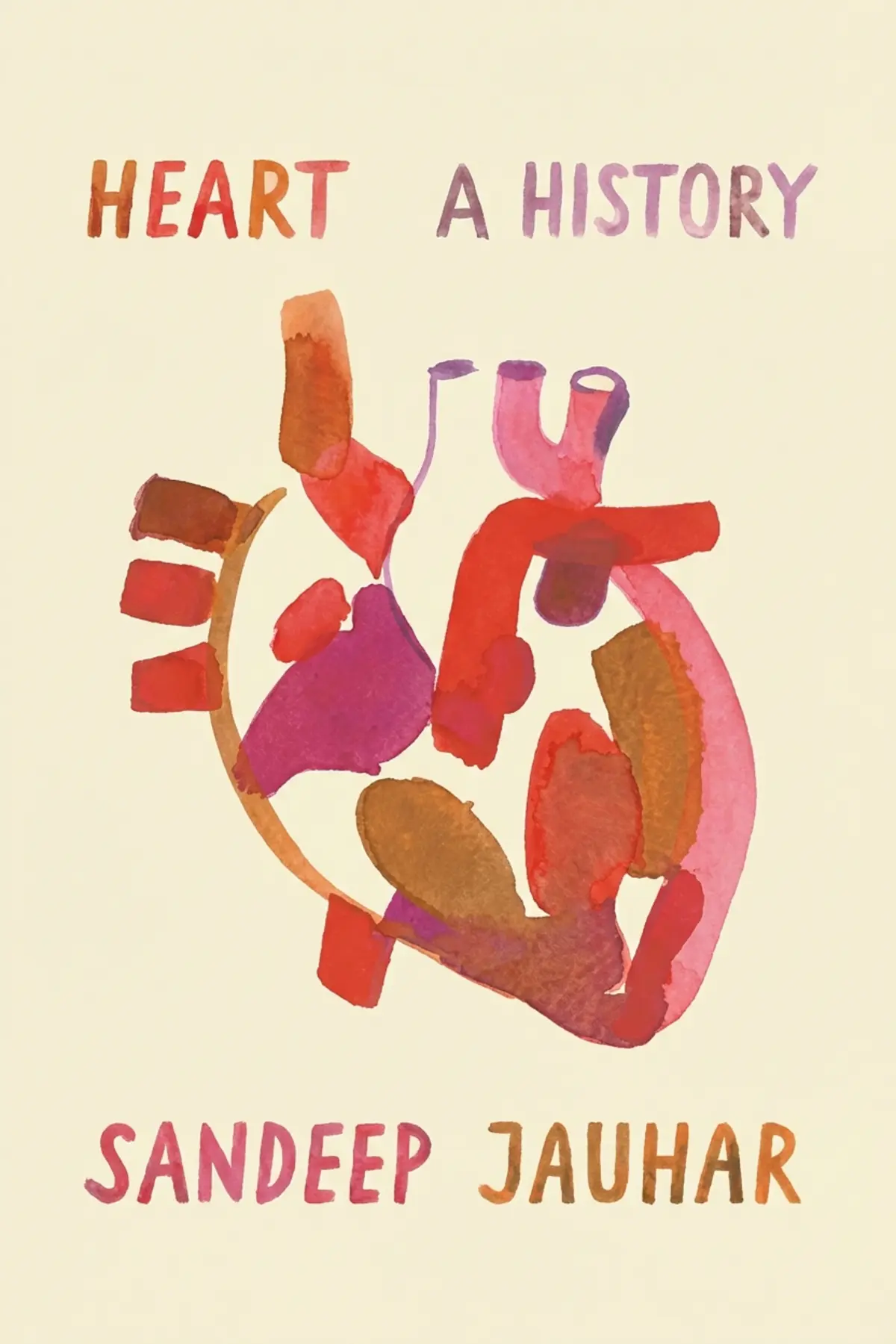
Table of Content
1. Introduction
1 min 55 sec
When we think about the heart, we often find ourselves caught between two worlds. On one hand, there is the biological reality: a four-chambered muscle that beats tirelessly, circulating oxygen and life to every corner of the body. On the other hand, there is the metaphorical heart, the one we talk about in poetry and song—the heart that breaks, the heart that swells with pride, and the heart that represents the very core of our courage and identity. For centuries, humanity has struggled to reconcile these two versions of the same organ, and in many ways, the history of medicine is the story of this reconciliation.
Sandeep Jauhar, a practicing cardiologist, invites us into a deep exploration of this history. He does so not just as a scientist observing from a distance, but as a man who has faced the heart’s vulnerabilities in his own family and in his own body. Through his eyes, we see the heart as a delicate balance of plumbing and poetry. We will explore how early civilizations viewed the heart as the center of the intellect and how Renaissance thinkers transformed it into a symbol of bravery. We will witness the daring, often reckless experiments that allowed doctors to finally touch the interior of a living heart, and we will see how modern research is proving that the metaphors we use—like a “broken heart”—actually have a basis in physical reality.
This journey is about more than just the mechanics of an organ; it is about the evolution of how we understand ourselves. By looking back at the tragedies and triumphs of cardiac history, we can better understand the throughline that connects our emotional lives to our physical survival. Whether it is through a revolutionary surgery or a shift in how we manage stress, the goal remains the same: to protect the organ that has, for thousands of years, defined what it means to be alive.
2. The Cultural Evolution of the Heart Symbol
2 min 27 sec
How did a physical muscle become the global icon for love and bravery? Explore the journey from ancient Greek philosophy to the accidental origins of the classic valentine shape.
3. The Physical Reality of Emotional Distress
2 min 43 sec
Can grief actually change the shape of your heart? Learn the science behind the ‘broken heart’ and why emotional health is critical for cardiovascular survival.
4. The Era of Daring Self-Experimentation
2 min 33 sec
Discover the incredible story of a young intern who performed surgery on himself, a reckless act that would eventually earn him a Nobel Prize.
5. The Radical Invention of Cross-Circulation
2 min 33 sec
How do you fix a heart that must keep beating to stay alive? See how a milk pump and a beer hose paved the way for open-heart surgery.
6. The First Steps in Pediatric Cardiac Repair
2 min 40 sec
Travel back to the high-stakes world of 1950s surgery, where the lives of children with birth defects hung in the balance of a new, untested procedure.
7. The Framingham Study and the Shift to Prevention
2 min 26 sec
How a small town in Massachusetts changed the way the world thinks about health. Learn the origins of the ‘risk factor’ and how we learned to stop heart attacks before they happen.
8. The Social and Psychosocial Roots of Heart Health
2 min 37 sec
Is heart disease solely about diet and exercise? New research reveals how your social status and cultural background might be just as important as your cholesterol levels.
9. Conquering Plaque with the Balloon Breakthrough
2 min 39 sec
Explore the biological battle inside our arteries and the ingenious invention that allowed doctors to clear blockages without a single stitch.
10. Conclusion
2 min 05 sec
As we reflect on the long and often dramatic history of the heart, one thing becomes clear: the ancient intuition that our hearts and our emotions are linked was not a mistake, but a profound truth that science is only now beginning to fully quantify. We have traveled from a time when the heart was a mysterious and untouchable void to an era where we can repair its most delicate valves and clear its smallest vessels with balloons and stents. We have seen how daring individuals like Werner Forssmann and C. Walton Lillehei transformed surgery from a desperate gamble into a precise science, saving countless lives in the process.
However, the most important takeaway from Sandeep Jauhar’s exploration is that the heart is not a machine that exists in a vacuum. It is an organ that listens to our lives. It responds to the food we eat and the air we breathe, yes, but it also responds to the quality of our relationships, the stress of our jobs, and the depth of our grief. The ‘throughline’ of cardiac history is the realization that to truly care for the heart, we must care for the whole person. Modern cardiology is increasingly recognizing that mental health, social stability, and emotional resilience are just as vital to heart health as any pharmaceutical drug or surgical intervention.
Ultimately, protecting your heart means more than just watching your cholesterol or hitting the gym. It means fostering connections, managing the stress that deforms the ventricular wall, and understanding that your emotional well-being has a physical footprint. The story of the heart is still being written, and the next chapter lies in our ability to integrate these lessons into our daily lives. By honoring both the pump and the poetry of the heart, we can live longer, fuller lives, grounded in the knowledge that our most vital organ is a mirror of how we choose to live in the world. As you move forward, take heart in the fact that science and soul are finally speaking the same language.
About this book
What is this book about?
The human heart is more than a mechanical pump; it is a cultural icon and an emotional barometer. In this summary, we delve into the rich history of how humanity has understood this vital organ, transitioning from ancient Greek theories of the heart as the seat of thought to the modern realization that our social lives and mental states directly influence our cardiovascular health. You will learn about the pioneers of medicine who risked their careers and even their lives to map the interior of the heart. The narrative covers the development of life-saving surgeries, the discovery of lifestyle risk factors through landmark studies, and the peculiar ways that intense stress can physically deform the heart’s shape. Ultimately, this is a story of how science caught up with the age-old intuition that our emotions and our physical well-being are inextricably linked.
Book Information
About the Author
Sandeep Jauhar
Sandeep Jauhar is a distinguished cardiologist based at the Long Island Jewish Medical Center. Beyond his clinical work, he is a prolific writer who has shared medical insights through his contributions to the New York Times. He is the author of several acclaimed books, including Intern and Doctored. Jauhar lives in Long Island with his family.
Ratings & Reviews
Ratings at a glance
What people think
Listeners find this work to be a captivating and beautifully composed account that offers incredible perspectives on the history of medicine, specifically in the field of cardiology. They value the way the author's own life experiences are intricately woven into the narrative, and one listener emphasizes the human narratives behind major cardiological breakthroughs. Listeners also appreciate the book's emphasis on emotional health and its connection to medicine, with one noting how it details the development of artificial valves.
Top reviews
Bunyarit
Ever wonder why we use the heart as a metaphor for love despite it being a literal muscle? Sandeep Jauhar bridges that gap beautifully by exploring how our emotional states directly impact our biological cardiovascular health. This isn't just a dry textbook; it’s a deeply moving narrative that weaves the author’s own family history—specifically the tragic losses of his grandfathers—into the broader tapestry of medical advancement. I was particularly fascinated by the discussion on how stress and anxiety can physically manifest as heart ailments. It makes you realize that medicine isn't just about valves and tubes, but about the human spirit. While the technical descriptions of early heart-lung machines are intense, the prose remains accessible for the average reader. This book changed how I view my own lifestyle and emotional well-being.
Show moreElla
As someone who has always been fascinated by medical history, I found this to be an absolute page-turner. Jauhar’s personal connection to the subject, sparked by his own coronary blockages and his family’s history of heart disease, adds a layer of urgency that most science books lack. The way he describes the first open-heart surgeries using cross-circulation is terrifying and brilliant all at once. Truth is, we often take modern cardiology for granted, forgetting the blood and grit it took to get here. The accounts of his time as a first responder during 9/11 were harrowing but necessary to understand his perspective on mortality. It is a rare book that can educate you on ventricular fibrillation while also making you reflect on your own legacy. Highly recommended for any science lover.
Show morePiyanart
After hearing about this on a podcast, I had high expectations, and Jauhar delivered. The book is an incredible blend of memoir and science that doesn't shy away from the messy reality of medical progress. I was particularly struck by the stories of doctors who risked their own lives and reputations to explore the heart when it was still considered a 'forbidden' organ. The author’s own shock at finding plaques in his arteries serves as a powerful framing device for the entire history. It reminds us that even the experts aren't immune to the ticking clock inside their chests. The focus on how our modern, sedentary lifestyle is undoing decades of progress was a real wake-up call for me. This is science writing at its most human.
Show moreIsaiah
This book is a masterpiece of medical storytelling. Sandeep Jauhar manages to explain complex things like ventricular fibrillation and implantable defibrillators in a way that feels natural and vital. I loved how he explored the 'vulnerable heart' and the physiological impact of grief and anxiety—it's something we don't talk about enough in traditional medicine. The personal stories about his grandfathers gave the historical data a soul. Yes, some of the animal testing and surgery details are a bit graphic, but that is the reality of how these life-saving techniques were developed. It’s a compelling, well-written read that provides amazing insights into the organ that is both a pump and the perceived seat of our soul. I couldn't put it down.
Show moreFilm
Sandeep Jauhar manages to make the history of the heart feel like a high-stakes thriller. From the first risky catheterization to the modern miracle of artificial valves, the sheer bravery of these medical pioneers is staggering. I never knew that the technology for AEDs was so relatively new, which is wild considering how ubiquitous they are now. The book shines when it focuses on the 'vulnerable heart'—the idea that our autonomic nervous system is constantly communicating our fears to our chest. My only real gripe is that the middle section gets bogged down in the 'heart as a machine' metaphor, which felt a bit dry compared to the vivid opening. However, the human stories behind the innovations keep it grounded. It’s a compelling look at the organ that defines our existence.
Show moreDivya
The chapter on self-catheterization is enough to make anyone’s skin crawl, yet it perfectly illustrates the obsessive nature of early cardiologists. Jauhar writes with a workmanlike prose that, while not poetic, is incredibly clear and efficient. I particularly enjoyed the sections on how meditation can sometimes be as effective as medication for certain heart conditions. It’s refreshing to see a specialist acknowledge that the biological heart is inextricably linked to our emotional system. I did find the structure a bit frustrating at times, especially when a compelling patient story was interrupted by twenty pages of historical data. Still, the insight into his own heart scan and the realization of his mortality made the science feel much more personal. It's a solid 4-star read for anyone interested in the pump that keeps us alive.
Show moreRyan
Finally got around to reading this for my book club and I’m glad I did. It is a dense, information-heavy stroll through the history of cardiology that somehow manages to stay engaging. Jauhar is a likeable and modest narrator who doesn't try to make himself the hero of every story, which I appreciated. The connection between the 'metaphorical' heart of emotions and the 'biological' heart of muscle is the strongest theme here. I learned a ton about the development of the heart-lung machine and the evolution of CPR, which was surprisingly recent. Look, it’s not a light read—there are some heavy sections on death and medical failure—but it’s an important one. It provides amazing insights into why heart disease remains such a formidable killer today.
Show moreAraya
Look, the technical bits might be a bit much for some, but I found the medical history absolutely riveting. I’ve read a few of these doctor-memoirs, and Jauhar holds his own by being incredibly honest about the 'hardening' of a doctor's heart over time. His descriptions of working in the makeshift morgues at Ground Zero were some of the most moving parts of the book, even if they weren't strictly about cardiology. They set the stage for his obsession with how we handle death and the organs that fail us. The book does a great job explaining why we are seeing a decline in heart health despite all our tech. It’s a sobering but necessary look at the intersection of lifestyle, emotion, and anatomy. A few too many details on frog experiments, but otherwise excellent.
Show moreChamlong
To be fair, there is a lot of incredible information here, but I struggled with the tone at times. The author is clearly an expert, yet the constant shift between his personal life and the history of cardiology felt a bit disjointed. I found the segments regarding animal experimentation particularly difficult to stomach; some of those historical studies were genuinely revolting and could have been relegated to the footnotes. Also, if you are squeamish, beware of the graphic descriptions of early medical procedures and the author’s time in the 9/11 morgues. It’s informative, certainly, but the narrative flow is frequently interrupted by technical jargon that slows everything down. It is a worthwhile read for the history, but it didn't quite reach the heights of writers like Atul Gawande for me.
Show moreGoy
Not what I expected and frankly, I’m quite disappointed. I picked this up hoping for a hopeful look at heart health, but it was filled with such gruesome detail that I had to put it down several times. The description of the first self-catheterization was so agonizingly vivid that it made me feel physically ill. Furthermore, the extensive focus on cruel animal studies was distracting and, in my opinion, unnecessary for a book aimed at a general audience. I understand these experiments happened, but the level of detail felt gratuitous. I also found it hard to connect with the author's family anecdotes because they weren't developed enough to feel like real people. I ended up recycling my copy rather than passing it on because I couldn't recommend it in good conscience.
Show moreReaders also enjoyed
A History of the World in 6 Glasses
Tom Standage

A Long Way Gone: Memoirs of a Boy Soldier
Ishmael Beah

Alien Earths: The New Science of Planet Hunting in the Cosmos
Lisa Kaltenegger
A Splendid Exchange: How Trade Shaped the World
William J. Bernstein
A Spy Among Friends: Philby and the Great Betrayal
Ben Macintyre
AUDIO SUMMARY AVAILABLE
Listen to Heart in 15 minutes
Get the key ideas from Heart by Sandeep Jauhar, plus 5,000+ more titles in English and Thai.
- 5,000+ titles
- Listen as much as you want
- 7-day free trial
- Cancel anytime







