
16 min 26 sec
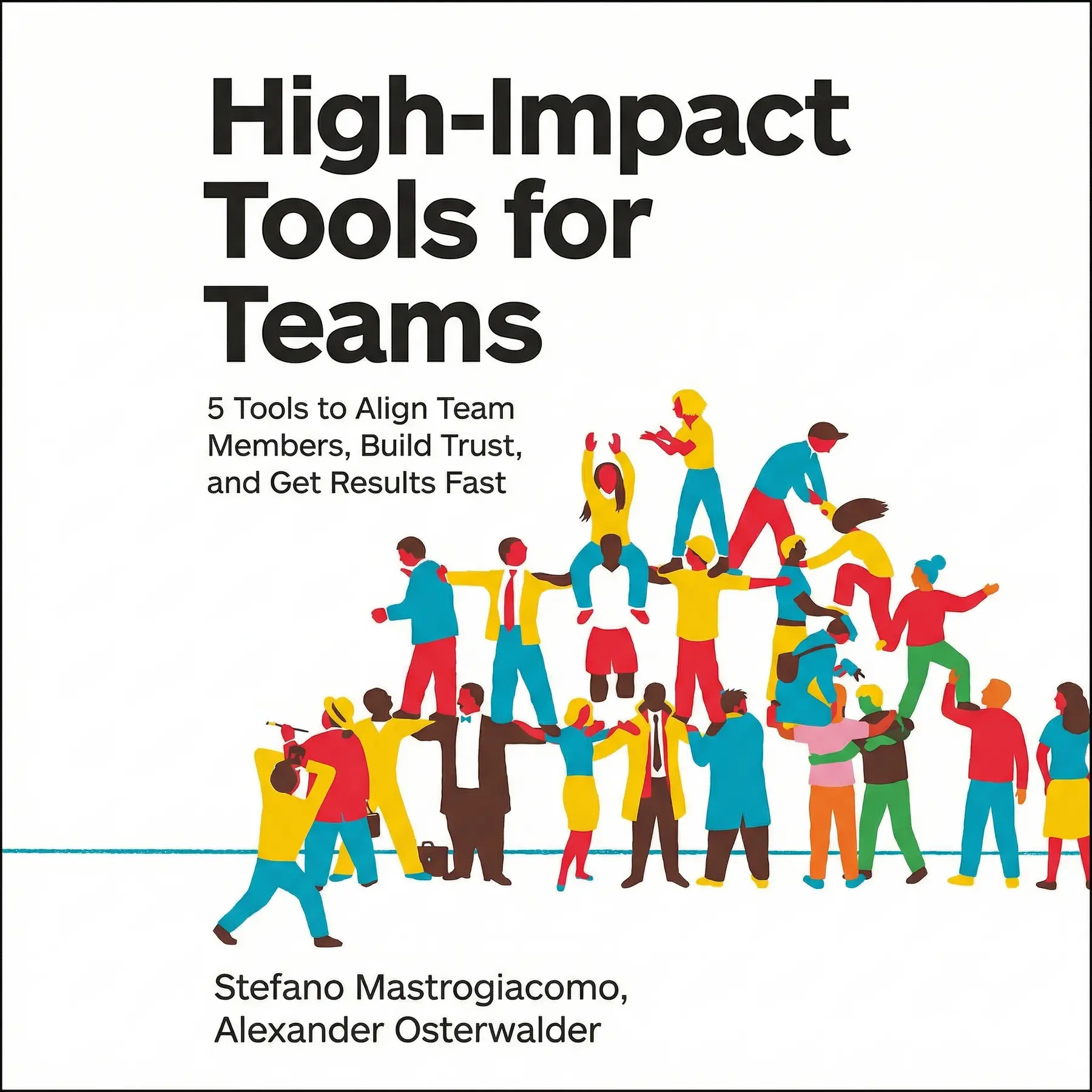
High-Impact Tools for Teams: 5 Tools to Align Team Members, Build Trust, and Get Results Fast
A practical guide to improving team collaboration through visual tools. Learn to align objectives, build psychological safety, and conduct efficient assessments to ensure project success and team harmony.
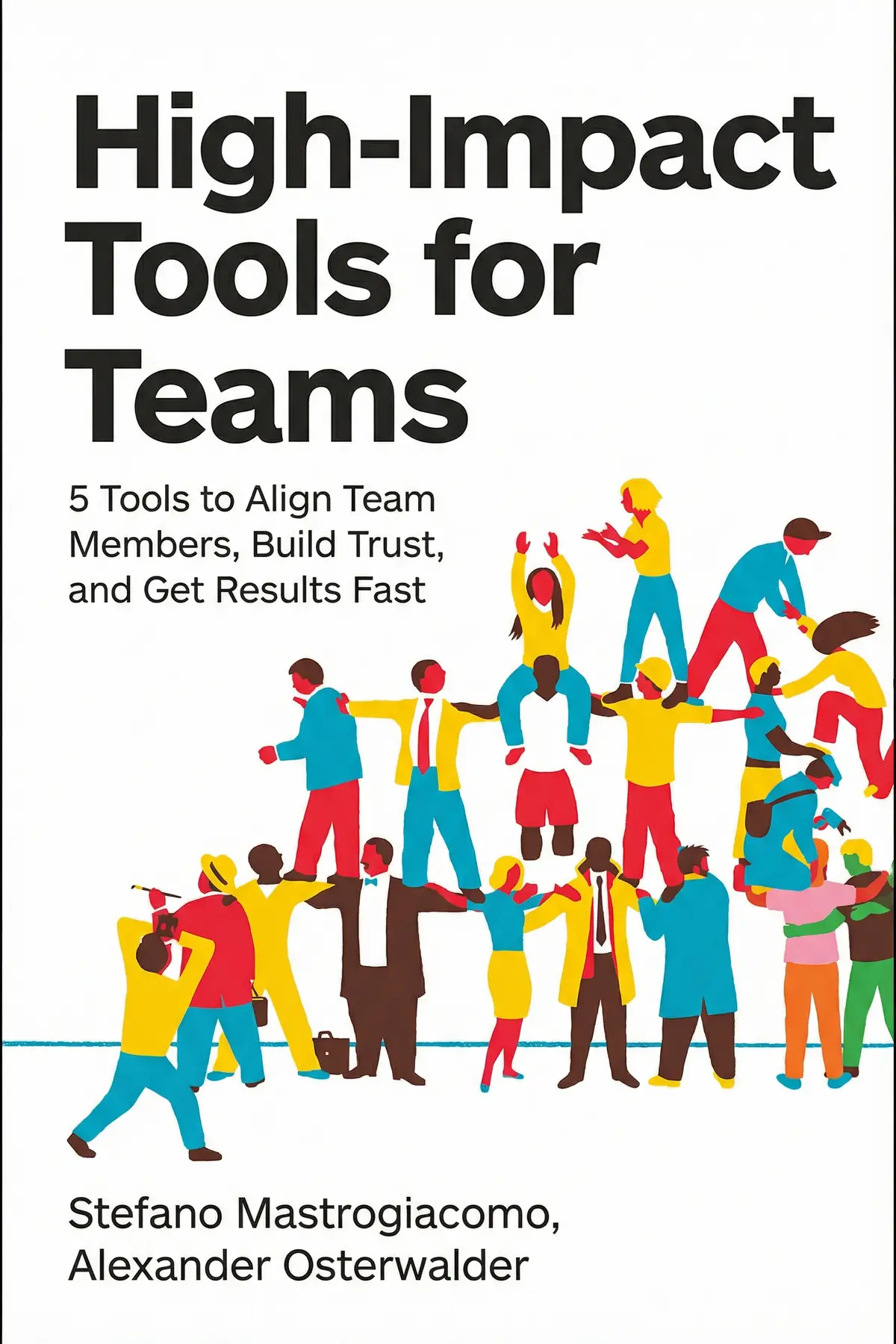
Table of Content
1. Introduction
1 min 37 sec
We have all been there: sitting in a conference room or a virtual meeting, watching the clock tick while the conversation circles a drain of ambiguity. Perhaps the goals are vague, or maybe you are unsure who is actually responsible for the next steps. Even worse, you might see a potential problem looming on the horizon but feel hesitant to speak up, fearing that you might sound like a pessimist or that your concerns will be dismissed. This is the friction of modern teamwork—a quiet, expensive struggle that drains productivity and morale.
In the world of professional collaboration, the stakes are incredibly high. When teams are misaligned, millions of dollars are wasted, projects stall, and talented people burn out. But what if there was a way to make every team member feel heard, every objective crystal clear, and every risk managed before it became a disaster? This is the core ambition behind our look at the visual and cognitive tools that can transform how people work together.
Over the course of this summary, we are going to explore a systematic way to bridge the gaps in communication and trust that plague most organizations. We will dive into a powerful framework called the Team Alignment Map, a visual tool that acts as a GPS for collective action. We will also examine how to build a ‘safe’ team environment where honesty is the norm, and how to use rapid assessments to keep a project on the rails without needing hours of agonizing debate. The throughline here is simple: high impact is the result of high alignment. By the time we finish, you will have a practical toolkit to ensure that your next project isn’t just a series of meetings, but a coordinated march toward success.
2. The Root Causes of Team Dysfunction
2 min 04 sec
Explore why most professional teams fail to meet their potential due to hidden environmental factors and the high cost of unproductive meetings.
3. The Architecture of the Team Alignment Map
2 min 14 sec
Learn the four-pillar structure of a visual tool that establishes a clear mission and converts vague goals into actionable, shared objectives.
4. Commitment, Resources, and the Power of Risks
2 min 17 sec
Discover how the final pillars of the alignment map turn individual responsibility into collective success and reveal hidden project obstacles.
5. The Forward and Backward Pass Techniques
2 min 07 sec
Master the dynamic process of refining a project plan by moving back and forth through the alignment map to catch errors and fill gaps.
6. Rapid Assessments and the Visual Pulse of Progress
2 min 10 sec
Find out how to keep projects on track with quick, visual check-ins that surface confusion and misalignment without long, tedious meetings.
7. Cultivating Safety and Mutual Respect
2 min 13 sec
Learn how to move beyond mechanics and build a culture of trust using the Team Contract and the Respect Card to ensure long-term collaboration.
8. Conclusion
1 min 44 sec
In the fast-paced world of modern work, the difference between success and failure often comes down to how well a group of individuals can function as a single, cohesive unit. As we have seen, the traditional methods of project management—long meetings, vague assignments, and top-down directives—are no longer enough to navigate the complexities we face. High-impact results require a new approach, one that prioritizes clarity, commitment, and psychological safety above all else.
The Team Alignment Map and its supporting tools offer a way out of the chaos. By visualizing your mission, objectives, commitments, resources, and risks on a single page, you create a shared reality that leaves no room for ambiguity. You empower every member of your team to take ownership of their role and to voice their concerns before they become catastrophes. You transform the ‘dreaded meeting’ into a focused session of strategic synchronization, where everyone leaves with a clear sense of purpose and the confidence that their teammates have their back.
As you move forward, the most important step you can take is to start small but start now. In your next project meeting, try introducing the concept of the four pillars. Ask your team if the objectives are truly clear and if they have the resources they need to succeed. Encourage the ‘backward pass’ to turn potential risks into proactive plans. Most importantly, foster an environment where honesty is celebrated and respect is the baseline. Collaboration is a skill that can be mastered, and with the right tools in your hand, you can lead your team to heights of productivity and satisfaction that once seemed out of reach. The map is in your hands; it’s time to start the journey.
About this book
What is this book about?
High-Impact Tools for Teams offers a structured approach to solving the perennial problems of workplace collaboration. It introduces the Team Alignment Map, a visual framework designed to bridge the gap between individual efforts and collective goals. By focusing on shared objectives, commitments, and resources, the book provides a roadmap for turning dysfunctional groups into high-performing units. The promise of this guide is a reduction in meeting fatigue and an increase in project success rates. It moves beyond abstract theory to provide concrete tools like the Team Contract and the Respect Card. These instruments are designed to foster psychological safety, allowing team members to speak up, identify risks early, and take true ownership of their work, ultimately leading to faster results and a more positive work environment.
Book Information
About the Author
Stefano Mastrogiacomo
Stefano Mastrogiacomo is a management consultant who’s spent over 20 years leading projects, developing new tools, and working with international companies. His specialties include change management, psycholinguistics, and design thinking. He’s also a professor at the University of Lausanne, Switzerland. Alexander Osterwalder is an award-winning author, entrepreneur, and speaker. Considered one of the most esteemed management thinkers in the world, he’s been awarded the Thinkers50 Strategy Award. He’s the cofounder of Strategyzer, one of the leading companies for business tools and services.
Ratings & Reviews
Ratings at a glance
What people think
Listeners have mixed views regarding the work's basic and occasionally technical style of project management, though they praise the stunning graphics and visual design for making the ideas easy to understand. Furthermore, listeners appreciate how the Team Alignment Map serves as a practical, concise instrument for launching projects and coordinating team tasks. They also highlight the useful models for communication and psychological safety, with one listener commenting that the text adds significant "meta-cognitive awareness" to the methods and habits teams might currently employ.
Top reviews
On
Finally got around to testing the Team Alignment Map (TAM) in a real-world project, and the results were immediate. While the authors lean heavily into their proprietary frameworks, the visual nature of these tools makes communication surprisingly seamless between departments. To be fair, some sections feel a bit light on deep theory, but the gorgeous layout more than compensates by making complex coordination feel intuitive. I particularly enjoyed how the book bridges the gap between high-level strategy and the messy reality of day-to-day team dynamics. If your team struggles with unspoken assumptions or misaligned goals, these canvases offer a structured way to surface issues before they become disasters. It is a solid addition to the Strategyzer series.
Show moreYulia
Wow, the graphics alone make this worth the purchase price for anyone who values visual learning. I have used the Business Model Canvas for years. Because of that, I was excited to see how Osterwalder tackled team dynamics, and I was not disappointed. The Team Alignment Map serves as a fantastic bridge, helping everyone stay on the same page during the early stages of a multifaceted project. Not gonna lie, I wish there was more science behind the tools, but the applicability is so high that it is easy to overlook that. We started using the team contract with my group immediately, and the clarity it provided regarding expectations was a total game-changer for our workflow.
Show moreNutnicha
Not what I expected from a management book, in the best way possible! Instead of endless walls of text, you get clear, actionable canvases that help you visualize your team's alignment in real-time. The forward pass technique has already helped my team identify three major risks that we would have otherwise ignored until they became actual problems. While it is true that some tools are more hit or miss than others, the overall package provides a comprehensive toolbox for modern collaboration. You do not need to read it cover-to-cover. Just flip to the section that addresses your current bottleneck and start experimenting. It is an awesome resource for anyone who believes that better teamwork starts with better maps.
Show moreJune
As a project manager who lives in Jira, I found the meta-cognitive awareness this book brings to existing Agile practices quite refreshing. The truth is that we often get so bogged down in issue trackers that we forget the human element of psychological safety and clear communication. Mastrogiacomo and Osterwalder provide a toolkit that specifically addresses those gaps using Nonviolent Communication and explicit team contracts. While some might find the terminology a bit jargon-heavy, the practical utility of the Reveal-Reflect-Repair loop is undeniable for any high-stakes environment. Still, it is a succinct guide that I will keep on my desk for facilitating workshops. The white space is a bit much, but the content is punchy.
Show moreElan
The chapter on risk integration changed how my current squad approaches our weekly sprints. Most teams miss the chance to discuss hidden risks because they are too focused on the backward pass of what went wrong, rather than looking forward. This book provides a structured way to have those difficult conversations without the usual friction or blame game. I will admit the writing style is a bit clunky in places, and the jargon can be a hurdle for those not familiar with the ecosystem. However, the focus on building a safe environment through the Nonviolent Requests framework is a high-impact move for any leader. It is not a magic bullet, but it is a very useful resource.
Show moreCharlotte
Picked this up for my new team after hearing about the focus on psychological safety. In my experience, most management books are dry and repetitive, but this one uses a highly visual layout that makes the concepts actually stick. The Reveal-Reflect-Repair cycle is a particularly useful practice for handling the inevitable conflicts that arise during long-term projects. To be fair, the book is quite broad, and not every tool presented will be appropriate for every single team or project type. You have to be selective about what you implement, or you might drown your team in unnecessary procedures. If you want a way to bring meta-cognitive awareness to your team's workflow, this is a top-tier resource.
Show moreMaksim
Ever wonder why your team is constantly misaligned despite having daily stand-ups and a solid backlog? This book argues that we lack the right visual tools to surface hidden blockers and divergent goals. It is a very practical guide, though some of the frameworks like the Team Alignment Map might feel a bit too simplistic for veteran project managers. Personally, I found the sections on Nonviolent Requests and creating a safe harbor for communication to be the most valuable parts of the text. It is a bit jargon-heavy at times, which can be off-putting, but the gorgeous graphics help translate the consultant-speak into something actionable. I would recommend this for anyone leading a diverse team.
Show moreYindee
After using this for a few weeks, I can say that the Team Alignment Map is a simple yet powerful way for new teams to get started. The truth is that many of us work directly in tools like Jira without ever discussing the why or the how of our cooperation. This book forces you to take a step back and look at the bigger picture of team health and psychological safety. Some of the tools might feel a bit procedural for fast-moving startups, but the core principles remain solid across the board. I especially appreciated the focus on Nonviolent Communication at work, as it is a skill rarely taught in a professional context. It is a highly accessible book.
Show moreNim
Look, I appreciate the effort put into the graphics, but this feels like a niche tool for a very specific type of corporate environment. The Team Alignment Map is definitely the star of the show here, offering a simple way to manage work without getting lost in complex software. Yet, I could not help but feel that many of these tools are just rebranded versions of things the Agile community has been doing for a decade. The inclusion of NLP-inspired ideas felt a bit surface-level and likely won’t stand on its own without additional training or reading. It is a decent enough toolbox for newcomers who need a visual nudge, but do not expect a revolutionary shift in your management philosophy.
Show moreOrathai
This book is beautiful to look at, but it propagates a frustratingly simplistic view of how complex teams actually function. Frankly, the authors seem to believe that there is a canvas for every possible human interaction, which feels reductive and overly procedural in practice. I counted dozens of pages that were essentially empty or filled with fluff graphics, making the actual content feel much thinner than the physical size suggests. While the Team Alignment Map has its merits for total beginners, experienced leaders might find the advice on team contracts almost patronizing. If you are already running a mature Agile or Lean operation, you likely already have better frameworks in place for recurrent planning. It is a gorgeous object, but it lacks grit.
Show more
Readers also enjoyed
All In: How Great Leaders Build Unstoppable Teams
Mike Michalowicz
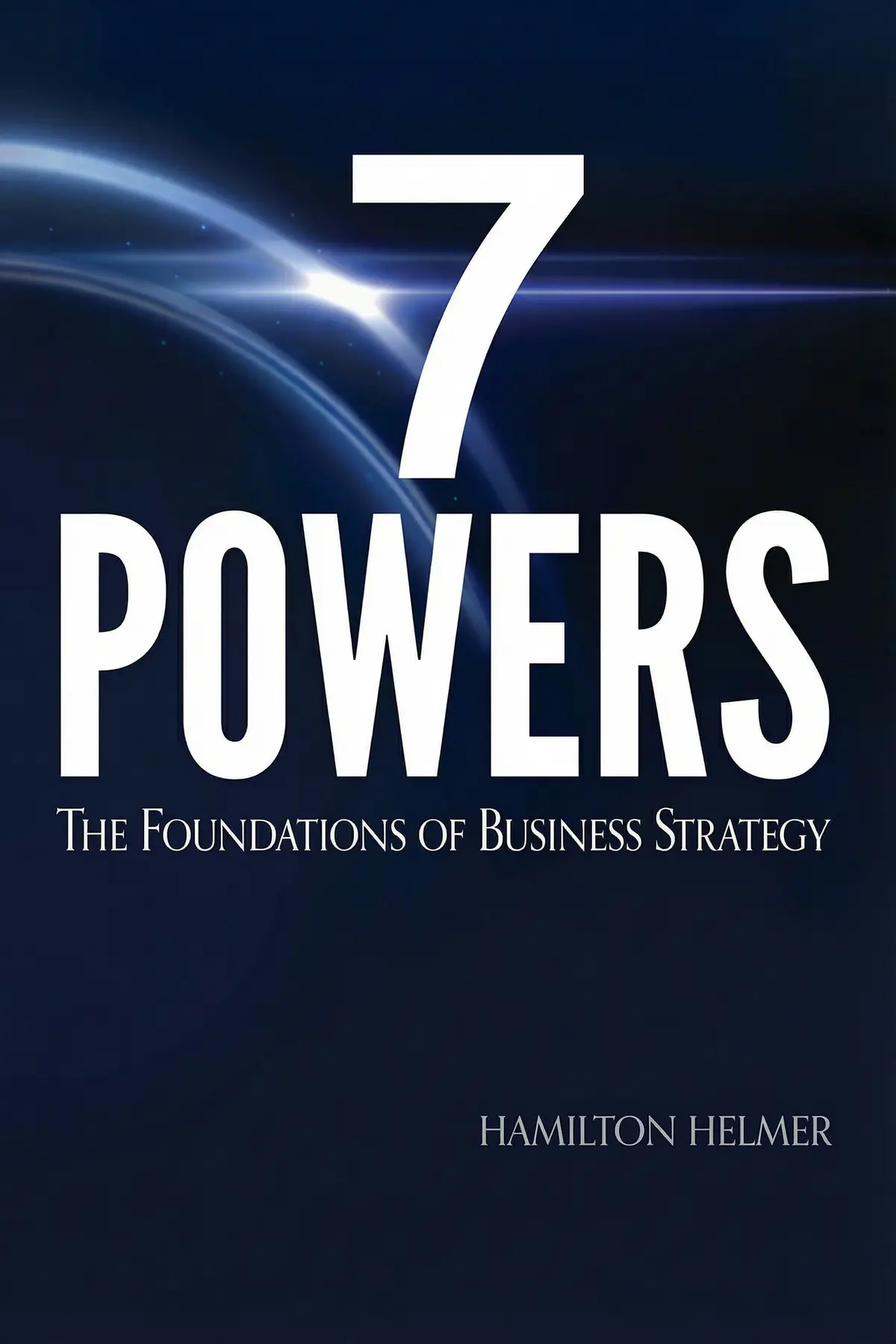
7 Powers: The Foundations of Business Strategy
Hamilton Helmer

A Bigger Prize: How We Can Do Better Than the Competition
Margaret Heffernan
AUDIO SUMMARY AVAILABLE
Listen to High-Impact Tools for Teams in 15 minutes
Get the key ideas from High-Impact Tools for Teams by Stefano Mastrogiacomo, plus 5,000+ more titles in English and Thai.
- 5,000+ titles
- Listen as much as you want
- 7-day free trial
- Cancel anytime







