
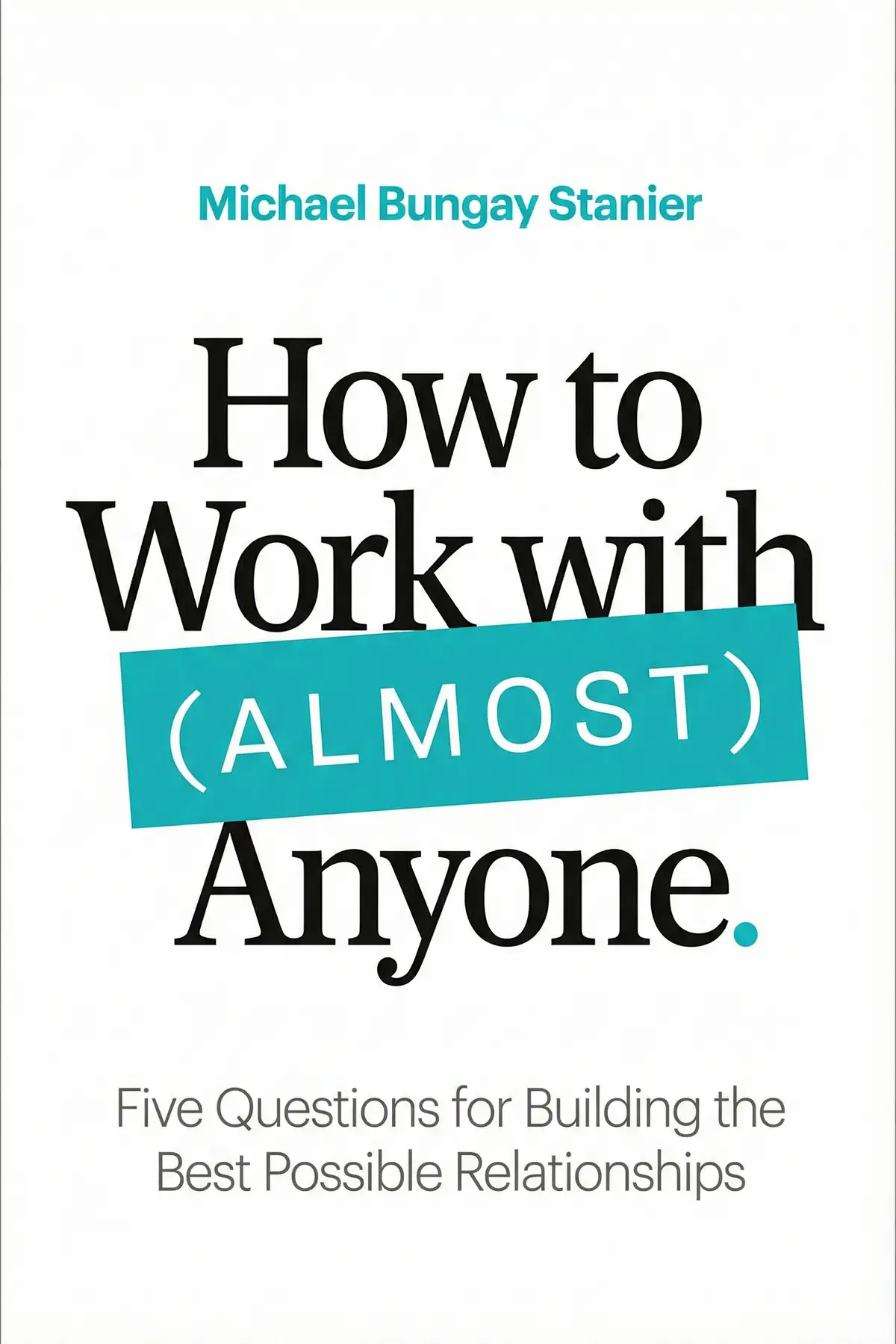
17 min 04 sec
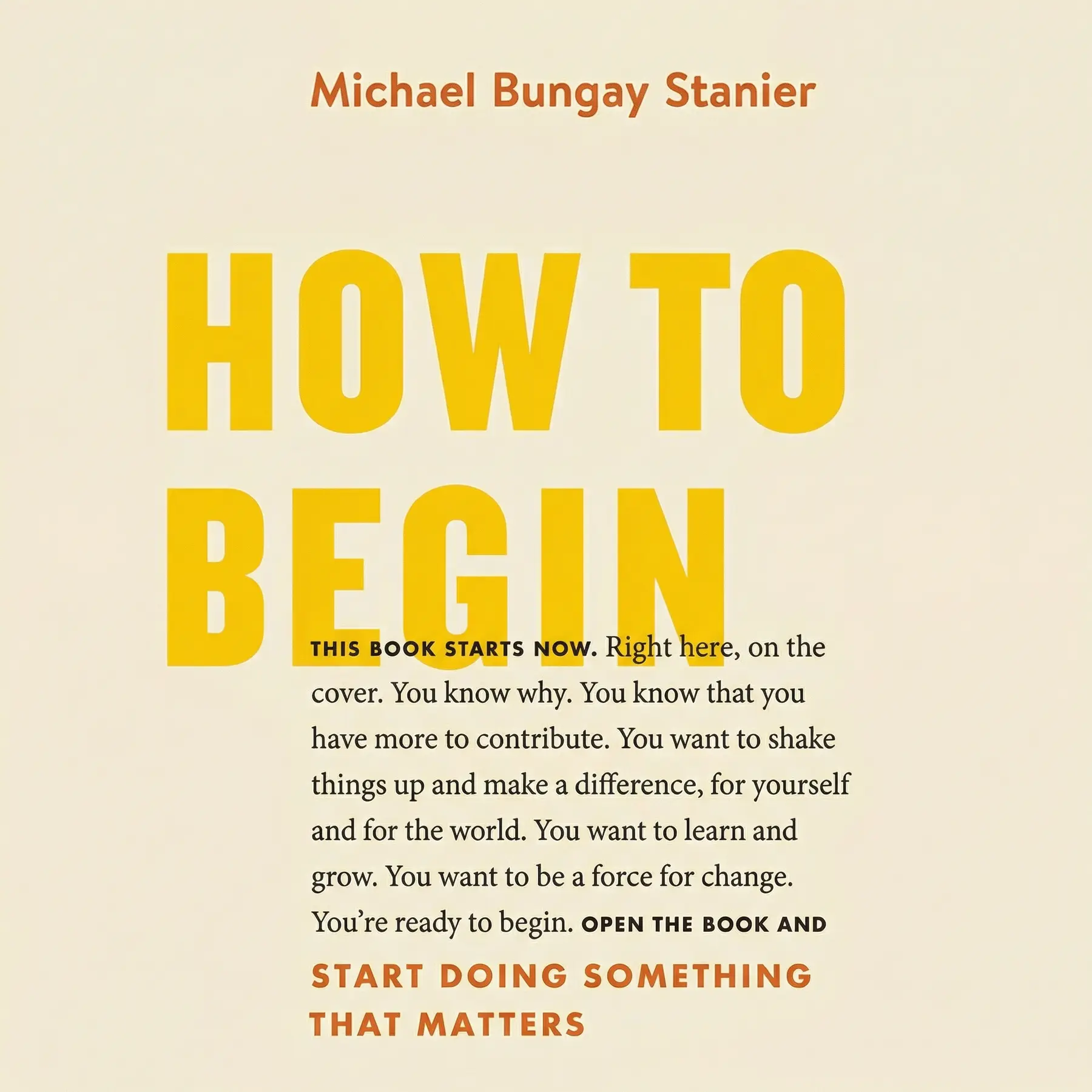
How to Begin: A Proven Plan to Start Something That Matters
A transformative guide to moving past hesitation and launching projects that align with your deepest values. Discover how to identify Worthy Goals and build the momentum needed to achieve them.
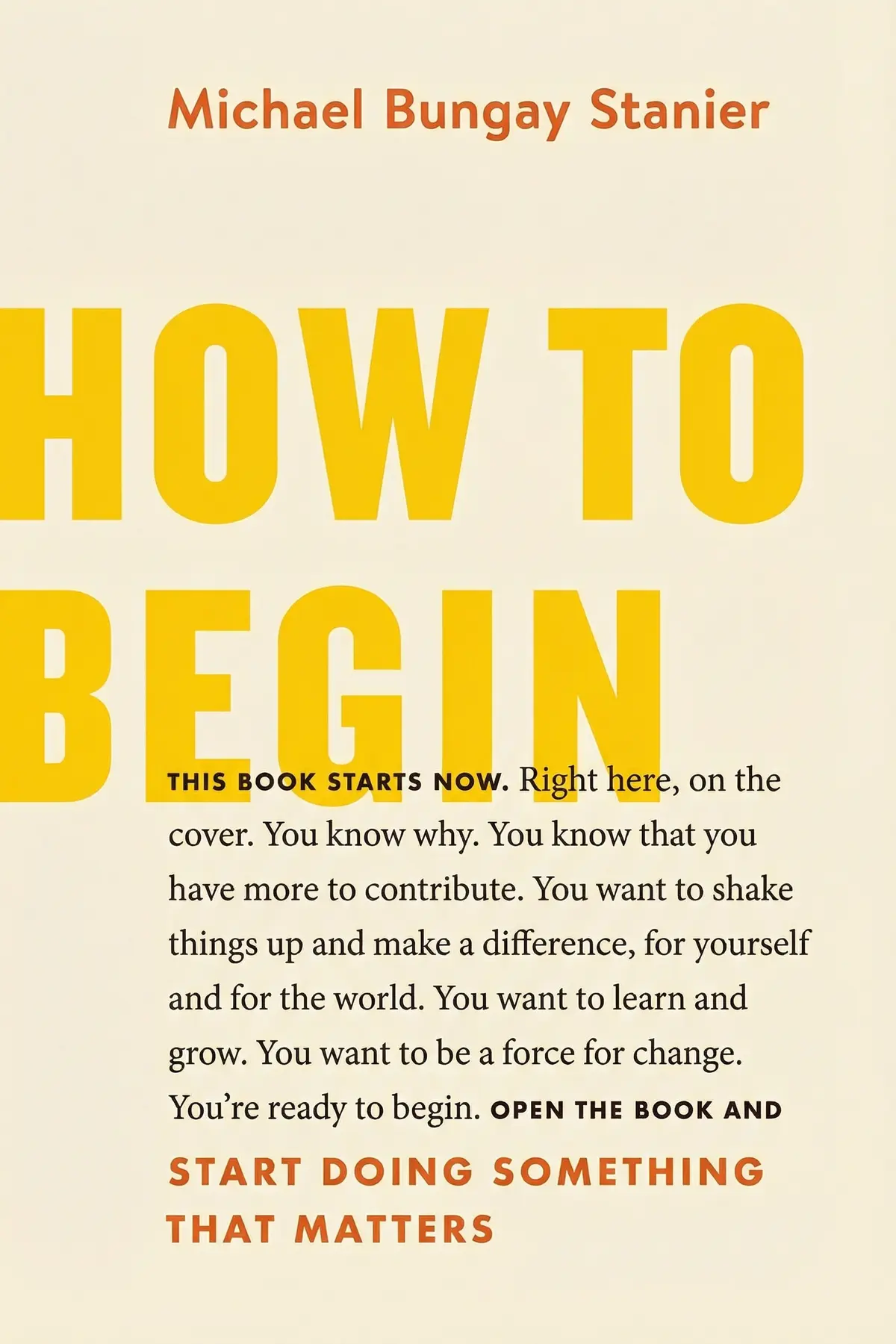
Table of Content
1. Introduction
2 min 08 sec
Think about the last time you picked up a self-help book. For many of us, the experience is a bit like boarding a train. The tracks are already laid down, the destination is printed clearly on the sign, and the schedule is set. All you have to do is take your seat and follow the pre-determined path that someone else has created. This can be incredibly helpful when you need specific advice, like how to balance your checkbook or how to incorporate more vegetables into your diet. You don’t need to reinvent the wheel when experts have already mapped out the most efficient route. In those cases, the ‘train’ is the perfect way to travel.
But life isn’t always about following a set track. There are moments when you realize that the destination you’re heading toward isn’t actually where you want to go. Perhaps you’ve been following the advice of others for years, only to find yourself in a place that feels hollow. This is where the standard self-help approach often fails. It can tell you how to get somewhere, but it can’t tell you where you *should* be going. Only you can decide what truly matters to you. Your deepest fulfillment depends on your ability to forge your own path, even if that path doesn’t exist yet.
This is where we find the core philosophy of Michael Bungay Stanier’s work. Instead of providing a rigid set of instructions, this framework offers a set of tools to help you identify your own unique destination—what he calls a Worthy Goal. A Worthy Goal isn’t just a fancy way of saying ‘a big project.’ It is a specific type of ambition that meets three very particular criteria. It must be something that challenges you, something that contributes to the world, and something that genuinely excites you.
In our exploration today, we are going to look at the practical mechanics of how to begin this journey. We will learn how to distinguish a mediocre goal from a worthy one, how to test our ideas against the realities of our lives, and how to sharpen our focus so that we don’t just start, but start with a sense of power and clarity. We will also confront the very real fear and inertia that keep most of us stuck in the status quo. By the time we’re finished, you’ll have a clear, actionable plan to move from the comfort of the station onto the wild, unmapped terrain of a life that truly matters.
2. The Three Pillars of a Worthy Goal
2 min 52 sec
Not all ambitions are created equal. Discover why a truly meaningful project must be simultaneously daunting, important, and thrilling to hold the weight of your potential.
3. Starting with the Crappy First Draft
2 min 26 sec
Perfectionism is the enemy of progress. Learn why your first step shouldn’t be a masterpiece, but a messy, tangible sketch of your vision.
4. Testing for Reality and Resilience
2 min 33 sec
Before you dive in headfirst, your goal needs to survive two critical evaluations: the social reality check and the ‘Goldilocks’ scale test.
5. The Power of Precision and Spice
2 min 42 sec
Small linguistic tweaks can transform a vague wish into a powerful mission. Learn how to ‘add heat’ to your goal using specific metrics and standards.
6. Choosing the Path Over the Status Quo
2 min 31 sec
Committing to a new goal means leaving the safety of the known behind. Explore the hidden costs of staying where you are and the rewards of the ‘wild’.
7. Conclusion
1 min 52 sec
As we reach the end of this journey, it’s important to remember that the most dangerous phase of any project is the period of ‘endless planning.’ It is very easy to trick yourself into thinking you are making progress when you are actually just rearranging your to-do list or buying new notebooks. This is ‘pseudo-action.’ It feels like work, but it produces nothing. The only antidote to pseudo-action is real, tangible movement. If your Worthy Goal is to write a book, that means putting words on a page. If it’s to start a business, it means making a sales call. There is no substitute for the work itself.
To keep yourself from burning out or losing your way, adopt a rhythm of evaluation. A good rule of thumb is to work in six-week cycles. Six weeks is long enough to achieve something meaningful, but short enough that you can’t wander too far off course. At the end of every cycle, take a step back. Ask yourself what went well and what didn’t. Most importantly, ask yourself if the goal is still ‘worthy.’ If it is, set your sights on the next six weeks. If it isn’t, have the courage to pivot. There is no shame in realizing a path isn’t for you, as long as you use that knowledge to find a better one.
Life is far too short to spend it on projects that don’t matter or on dreams that never leave your head. You have a unique combination of talents, interests, and values that the world needs. By defining a Worthy Goal—one that is daunting, important, and thrilling—you aren’t just starting a project; you are reclaiming your agency. You are choosing to be the architect of your own life rather than a passenger on someone else’s train. So, take that crappy first draft, add some spice, check it with a friend, and then take the first step. The ‘call of the wild’ is ringing. It’s time to answer.
About this book
What is this book about?
This summary explores a systematic approach to identifying and initiating projects that truly matter. Many of us find ourselves stuck in routines that are comfortable but ultimately unfulfilling. This guide provides the tools to break that cycle by defining what makes a goal truly worthy of our limited time on earth. It introduces a criteria-based system—daunting, important, and thrilling—to evaluate our ambitions and ensure they provide the challenge and satisfaction we crave. Beyond just picking a goal, this process walks you through the practical steps of refining an initial idea into a sharp, actionable mission statement. It offers a series of stress tests to ensure your project is realistic and resonant, while also addressing the psychological barriers that keep us from starting. By the end, you will understand how to balance the risks of change against the high costs of staying the same, ultimately providing a clear roadmap for anyone ready to commit to their next great adventure.
Book Information
About the Author
Michael Bungay Stanier
Michael Bungay Stanier is a prominent figure in the field of leadership and personal development. He wrote the popular management guide The Coaching Habit, which reached a massive audience with nearly one million sales and a high volume of acclaim. As the person behind the learning firm Box of Crayons, he has provided consulting services to global organizations and established himself as a respected voice through his podcasting and professional training work.
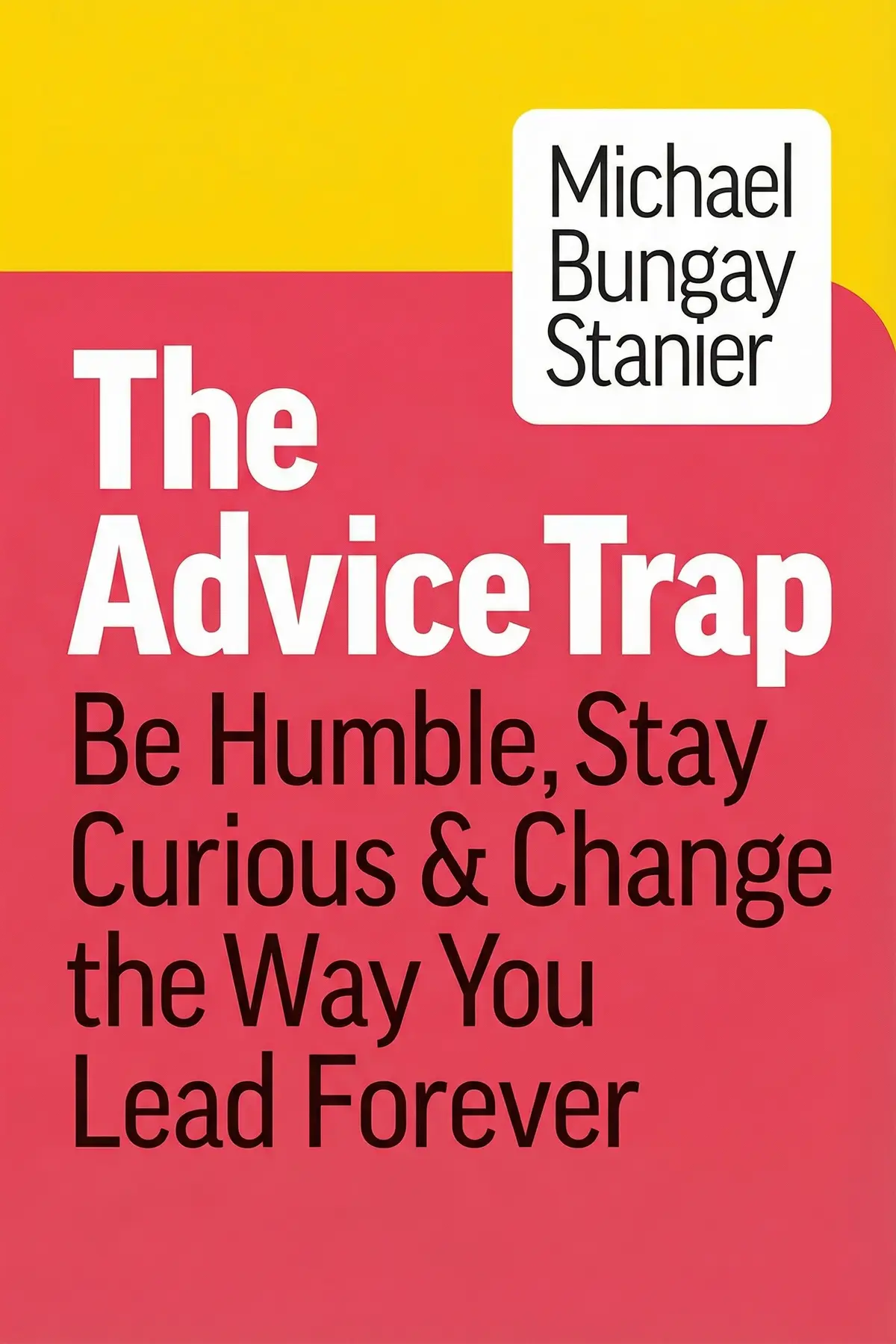
The Advice Trap: Be Humble, Stay Curious & Change the Way You Lead
Michael Bungay Stanier
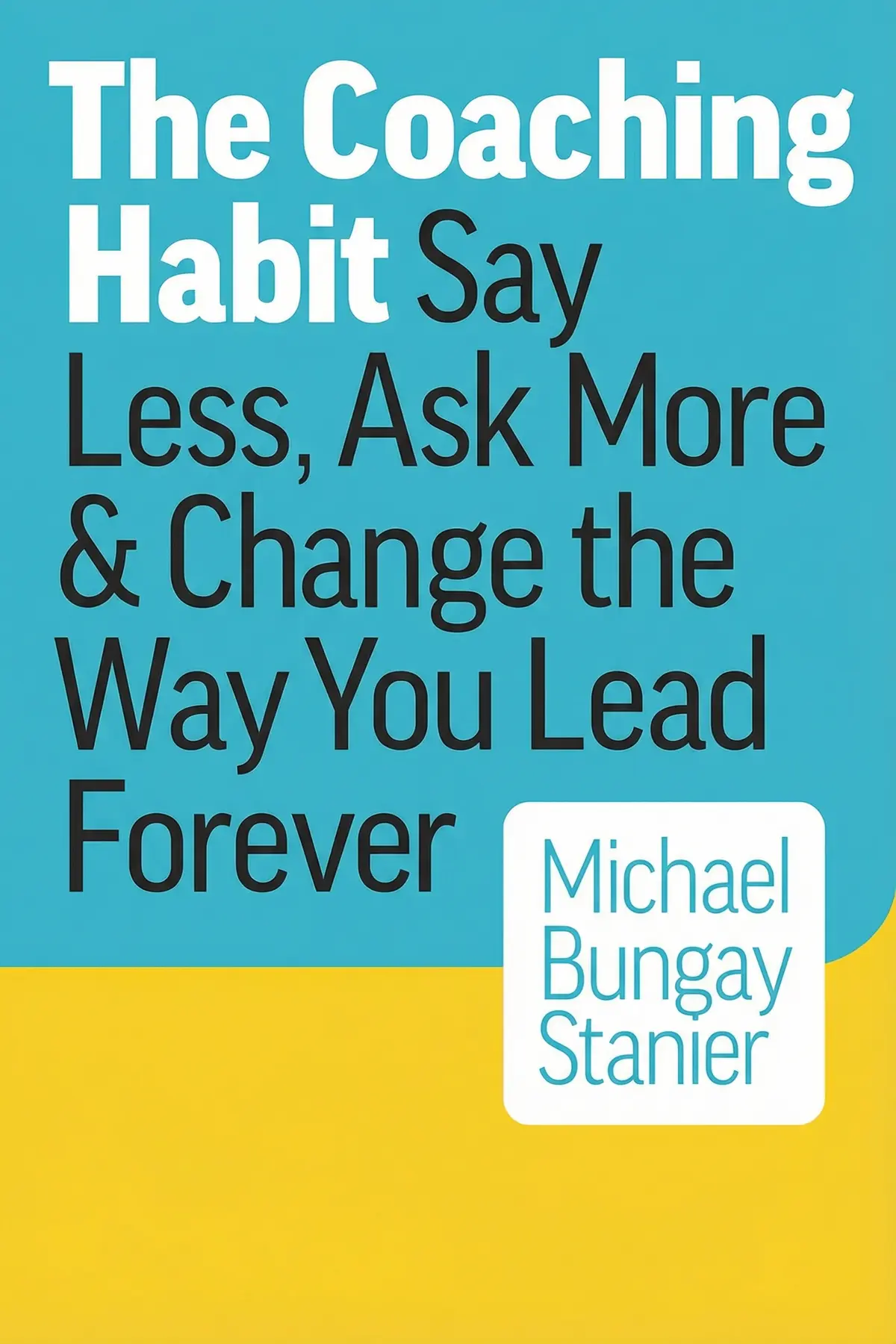
The Coaching Habit: Say Less, Ask More & Change the Way You Lead
Michael Bungay Stanier
Ratings & Reviews
Ratings at a glance
What people think
Listeners find that this guide delivers useful strategies and pointers, building a groundwork for succeeding in any undertaking. They also enjoy how accessible and mentally stimulating the material is, with one listener mentioning that it uses questions to keep the audience involved. The book is viewed as highly encouraging for those looking to define their objectives, and listeners describe it as both interesting and practical, with one listener specifically noting its methodical system for initiating new tasks. Listeners also applaud the clever tone of the writing, while one listener observes that the inclusion of individual narratives makes the entire process feel more relatable.
Top reviews
Bank
Finally got around to finishing this, and I have to say the framework for a 'Worthy Goal' is exactly what I needed. By defining a project as Thrilling, Important, and Daunting, Stanier gives you a rubric to measure your true ambitions against the noise of everyday tasks. The truth is, I’ve spent years working on things that were only 'important' but lacked the 'thrilling' spark to keep me going through the 'daunting' phases. The writing is playful and conversational, making it feel more like a coaching session than a lecture. Some might find the personal anecdotes a bit self-indulgent, but they help ground the concepts in reality. It’s a fast read, yet the questions stay with you long after you close the cover. This is a must-read for anyone stuck in the planning phase of a big dream.
Show moreVilaiporn
Wow, I didn't expect a book on 'beginning' to actually get me to, well, begin. I've been stuck in a cycle of 'someday' for three years, and Stanier’s questions acted like a mirror that showed me exactly where I was hiding. The section on identifying your 'thrilling' goal was particularly resonant because I realized I was chasing goals that belonged to other people. Personally, I think the playful prose makes the scary parts of starting feel much more manageable. The book is short, but that’s the point—you should be spending your time doing the work, not just reading about it. I’ve already recommended this to two friends who are currently 'pivoting' their lives. It’s a shot of adrenaline for the soul.
Show moreSamart
After hearing MBS on several podcasts, I expected a certain level of charm, and he definitely delivers that here. The book is incredibly easy to digest, which is a blessing when you’re already overwhelmed by the idea of starting something new. His 'TID' formula provides a simple lens to view your goals through, ensuring you aren't just busy but actually doing work that matters. To be fair, the book leans heavily on the workbook format, and if you skip the exercises, you lose about 70% of the value. I enjoyed the personal stories he shared about his own goals, even if they occasionally felt a bit polished for the sake of the narrative. It’s a great companion for a weekend reset. I’d recommend it to anyone feeling stagnant in their career.
Show moreOat
The exercises in this workbook aren't just there for decoration; they actually force you to confront why you're stalling. I’ve read plenty of books on purpose, but Stanier’s approach is uniquely actionable because it demands you define the stakes early on. Using his own goal of starting a podcast as an example was helpful, though I felt he glossed over the 'meaning' pillar in that specific instance. Not gonna lie, the layout is beautiful and makes the process feel less intimidating than a wall of dense text. It’s the kind of book you keep on your desk to flip through when you need a quick nudge of confidence. I’m glad I took the time to actually write down my answers. It turned a passive reading experience into an active planning session.
Show moreCamila
Worthy is a big word, but Stanier breaks it down into three digestible elements that actually make sense when you apply them to a real project. Thrilling. Important. Daunting. In my experience, most people forget the 'daunting' part and then quit the moment things get difficult. This book prepares you for the friction that comes with any meaningful change. The writing is snappy, perhaps a bit too brief in some sections, but it moves with an energy that encourages you to keep pace. I appreciated the focus on taking small, manageable steps rather than trying to conquer the world in a single afternoon. It might not be the most profound book on your shelf, but it is certainly one of the most practical. It’s a solid guide for getting off the starting block.
Show moreDarawan
As someone who struggles with overthinking the 'how' before I even know the 'why,' this book provided a refreshing nudge. Michael Bungay Stanier has a way of stripping away the complexity that we often use as a shield against actually taking action. The 'Worthy Goal' system is straightforward, and the examples he provides make the abstract concepts feel very concrete. My only gripe is that the book feels a bit light on the 'how-to' once you’ve actually decided to start. It’s heavily focused on the selection process, which is great, but I wanted more on long-term sustainment. Still, the wit and the structure make it an engaging read that doesn't overstay its welcome. It's a useful tool for anyone at a crossroads. Four stars for the clarity it provided.
Show moreWatcharee
Ever wonder why self-help authors feel the need to include dramatic background music in their audiobooks? Listening to MBS narrate was mostly enjoyable, but the 'cinematic' shifts during serious passages felt a bit kitschy and took me out of the moment. The book itself is a solid three stars—it’s helpful but not necessarily groundbreaking if you’ve already read Atomic Habits or similar titles. Frankly, some of the exercises felt like they were designed for people who have never set a goal in their life. I did find the distinction between a project and a 'Worthy Goal' useful, even if the repetition became a bit much toward the middle. It’s a decent primer for someone starting their first big venture. Just don't expect a revolutionary manifesto.
Show moreLook
Look, if you’ve never touched a productivity book in your life, this might be a game-changer for you. For the rest of us, it feels like a very well-designed summary of existing wisdom wrapped in a lot of white space and full-page quotes. I liked the focus on the 'daunting' aspect of goals because most authors try to make success sound easy, which it rarely is. However, the constant self-references to his previous work got a bit exhausting after a while. It’s a punchy read with some decent humor, but I can't help feeling this should have been a high-quality PDF or a long-form article. It’s practical enough to be useful but too thin to be essential. A middle-of-the-road experience for me.
Show moreEthan
This felt more like an elongated blog post than a fully fleshed-out book. Michael Bungay Stanier has a witty voice, but the substance here is spread incredibly thin across too many pages of filler and massive font. Honestly, the constant name-dropping of his high-profile colleagues felt less like citations and more like a distraction from the actual advice. While the concept of a 'Worthy Goal' has merit, the execution feels repetitive, as if the author was trying to hit a specific word count. I appreciated the brevity for a quick afternoon read, but I walked away feeling like I’d just watched a long, slightly overpriced YouTube video. If you’re looking for a deep dive into the psychology of starting, you won't find it here. It’s light, breezy, and unfortunately, a bit hollow.
Show moreFon
Gotta say, the amount of white space and giant pull-quotes made me feel like I was paying for a collection of Instagram captions. There is a kernel of a great idea here regarding how we choose our battles, but it’s buried under layers of name-dropping and filler content. The tone is trying way too hard to be 'cool' and 'approachable' at the expense of offering deep, nuanced insights. I found myself flipping through pages of fluff just to find the next actual step in the process. While the three criteria for a worthy goal are sensible, they aren't exactly mind-blowing revelations. It felt less like a book and more like a marketing brochure for his coaching business. Disappointing, especially given the hype surrounding his previous titles. It’s a pass for me.
Show moreReaders also enjoyed
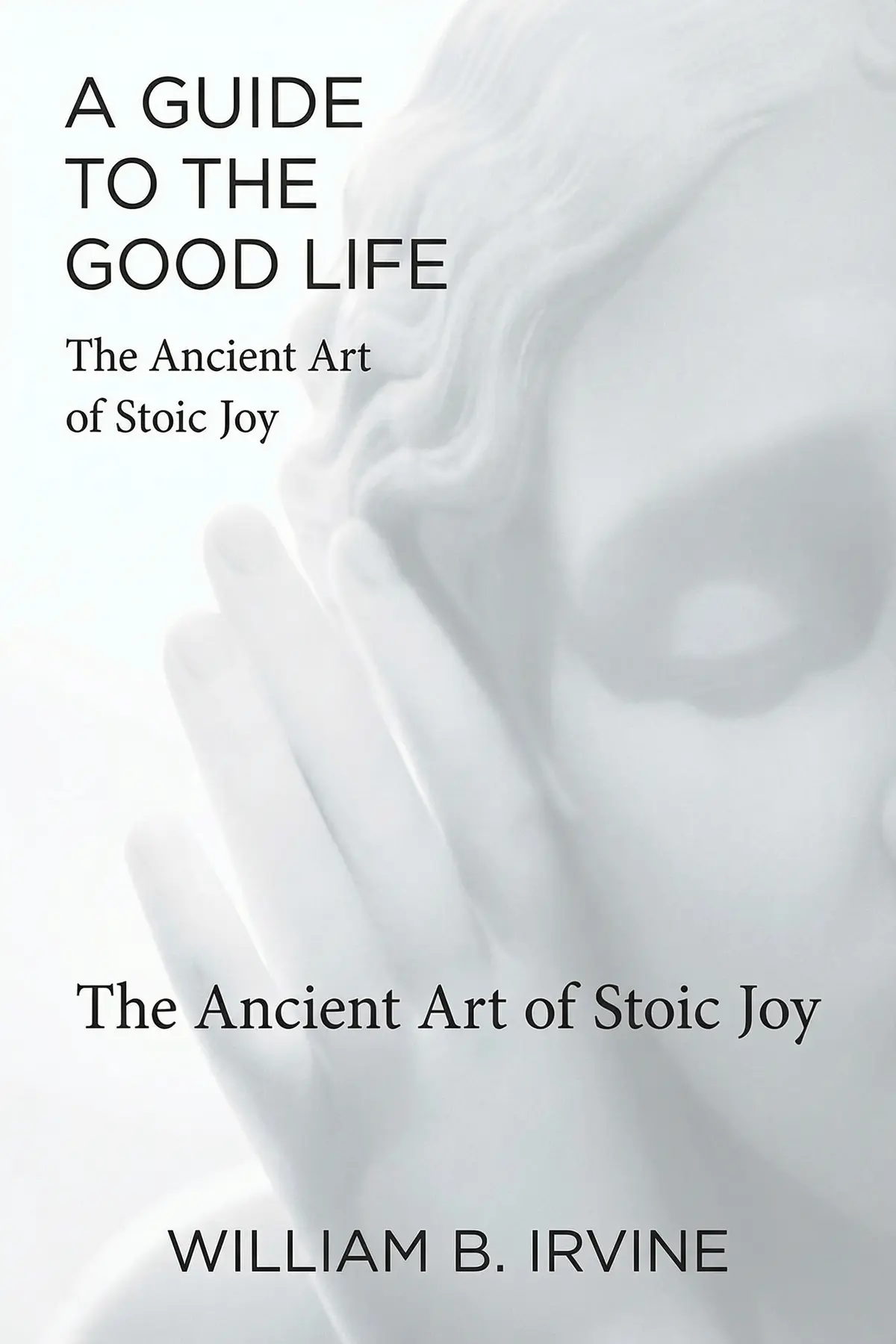
A Guide to the Good Life: The Ancient Art of Stoic Joy
William B. Irvine
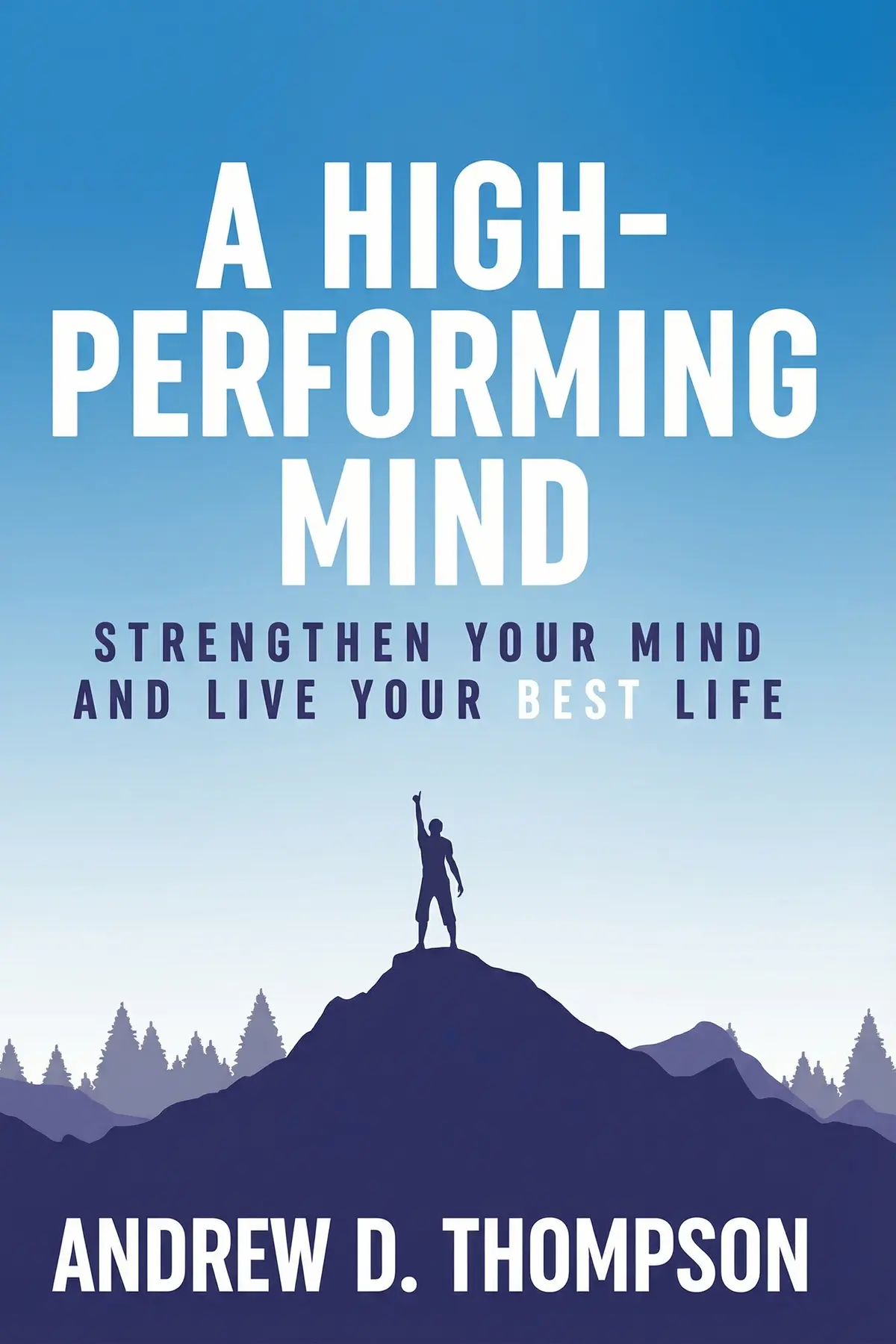
A High-Performing Mind: Strengthen Your Mind and Live Your Best Life
Andrew D. Thompson
Abundance: The Inner Path to Wealth
Deepak Chopra
59 Seconds: Change Your Life in Under a Minute
Richard Wiseman
AUDIO SUMMARY AVAILABLE
Listen to How to Begin in 15 minutes
Get the key ideas from How to Begin by Michael Bungay Stanier, plus 5,000+ more titles in English and Thai.
- 5,000+ titles
- Listen as much as you want
- 7-day free trial
- Cancel anytime







