
15 min 13 sec
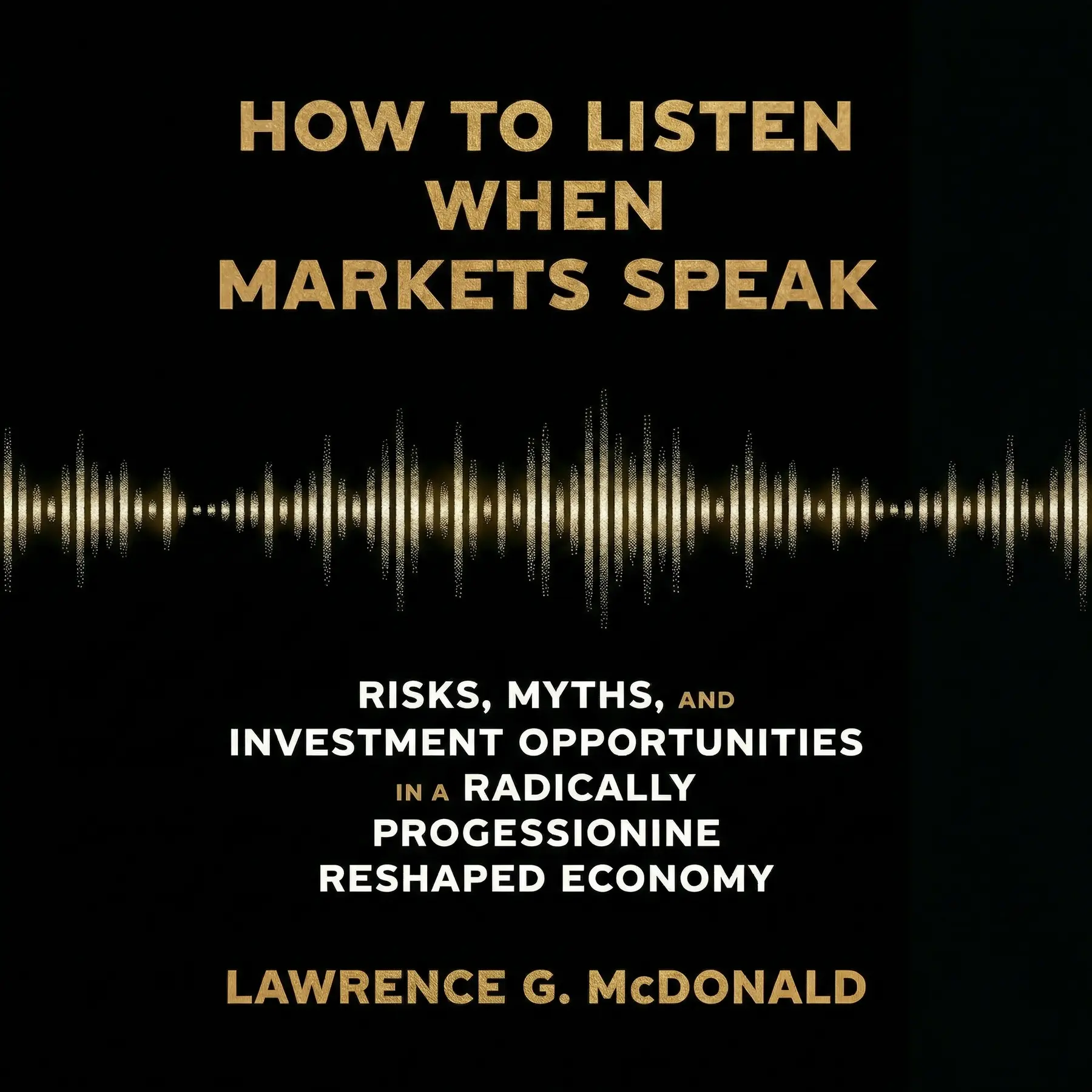
How to Listen When Markets Speak: Risks, Myths, and Investment Opportunities in a Radically Reshaped Economy
Explore the mechanics of global finance through behavioral signals and economic shifts. This summary provides strategies for interpreting market trends and navigating a transition toward tangible, hard-asset investments in a changing world.

Table of Content
1. Introduction
1 min 25 sec
Have you ever felt like the financial rules you were taught no longer match the reality you see on the news? For decades, investors relied on a specific set of assumptions: that globalization would keep expanding, that inflation was a ghost of the past, and that central banks could always smooth over any rough patches. But today, the ground beneath our feet is shifting. The old playbook is becoming obsolete as we enter a period defined by geopolitical tension, fluctuating energy costs, and a move toward tangible resources.
In this exploration of modern finance, we are going to look at why listening to the market is about more than just reading charts—it is about understanding the deep, systemic stories that drive value. We will journey from the end of the Cold War to the rise of digital currencies and the vital importance of the minerals that power our smartphones and electric cars.
By the time we finish, you’ll have a clearer perspective on why the “normal” we once knew is gone, and why the new era of investing looks remarkably different from the last thirty years. We aren’t just looking at numbers; we are looking at the fundamental forces of history and human behavior that dictate who wins and who loses in the global economy. It is a story of transition, risk, and the pursuit of resilience in a world where the only constant is change.
2. The Geopolitical Foundation of Modern Markets
2 min 32 sec
Explore how the end of the Cold War triggered a massive economic expansion and why the current shift toward a multipolar world signals a significant departure from the stability of previous decades.
3. The Cycle of Intervention and Moral Hazard
2 min 32 sec
Examine the unintended consequences of central bank interventions, from Japan’s asset bubble to the Federal Reserve’s bailouts, and how these actions have shaped modern market behaviors.
4. The High-Stakes Evolution of Global Energy
2 min 23 sec
Delve into the complexities of the energy transition, analyzing the rise and fall of shale giants and the growing necessity of balancing traditional fuels with sustainable alternatives.
5. The Psychology of Speculation and Digital Frontiers
2 min 22 sec
Investigate the psychological drivers behind financial manias and the rise of cryptocurrency, highlighting the recurring patterns of speculation that lead to dramatic busts.
6. The Strategic Pivot Toward Tangible Assets
2 min 21 sec
Discover why modern investors are moving away from speculative digital assets toward tangible commodities like cobalt and copper as global economies grapple with inflation.
7. Conclusion
1 min 38 sec
As we look back at the forces we’ve discussed, a clear throughline emerges: the financial world is not a static machine, but a living ecosystem driven by history, policy, and human nature. The stability we enjoyed for three decades was the result of a specific set of geopolitical and economic conditions that are now shifting. From the end of the Cold War to the rise of central bank interventions and the turbulent energy transition, we are seeing the birth of a new market era.
Navigating this landscape requires more than just following the latest headlines. It requires a willingness to look beneath the surface and hear what the markets are actually saying about risk and value. We’ve seen that speculative bubbles and the promise of easy money through bailouts have created a sense of fragility. In response, the smartest path forward is a return to fundamentals—a focus on the hard assets and tangible resources that are essential to our technological and environmental future.
Ultimately, the lesson is one of adaptation. The most successful investors in the coming years will be those who can let go of the old rules and embrace a more resilient, commodity-focused strategy. By understanding the link between global events and market signals, you can move from being a passenger in the global economy to being an informed participant, capable of finding opportunity even in the midst of radical change. The world is changing, and by listening closely, you can ensure that your financial future is built on a foundation as solid as the resources that power our world.
About this book
What is this book about?
The financial world is undergoing a massive transformation, moving away from the predictable patterns established at the end of the Cold War. This guide examines how geopolitical shifts, central bank interventions, and evolving energy needs are reshaping the investment landscape. It moves beyond traditional stock-and-bond strategies to explain why understanding behavioral psychology and economic undercurrents is essential for modern survival. Readers will gain a deep understanding of how historical events—like the collapse of the Soviet Union and the rise of Japanese manufacturing—set the stage for today's market dynamics. The book also dives into the risks of moral hazard created by government bailouts and the volatile nature of speculative bubbles in the cryptocurrency space. Ultimately, the promise is a clear roadmap for adjusting portfolios to favor hard assets like cobalt and copper, positioning investors to thrive in an era defined by inflation and technological transition.
Book Information
About the Author
Lawrence G. McDonald
Lawrence G. McDonald is an expert in market dynamics and risk management. A former trader at Lehman Brothers, he gained widespread recognition for his analysis of financial crises. He is the author of the best-selling book A Colossal Failure of Common Sense, which provides an insider's perspective on the collapse of Lehman Brothers and the broader financial meltdown.
Ratings & Reviews
Ratings at a glance
What people think
Listeners find this book to be an essential read for market participants, highlighting its thorough research and the vast amount of information provided. They value its coherent layout and view it as a vital resource for serious investors.
Top reviews
Anchalee
As someone who has followed Larry’s Bear Traps Report for a while, I found this book to be a necessary deep dive into the current macro landscape. The core thesis—that we are shifting from a world of financial assets to one of real, physical assets—is supported by a mountain of evidence. McDonald explains why the traditional 60/40 portfolio is essentially a trap in an era of persistent inflation and mounting government debt. Truth is, the suggestion of a 10/40/30/20 split feels much more aligned with the reality of the 2020s. I particularly appreciated the detailed look at how China has cornered the market on cobalt and copper mines in Africa while Western investors were distracted by software. It is a dense, information-heavy read that requires focus, but the insights regarding uranium and precious metals are worth their weight in gold. This is essential reading for anyone trying to protect their wealth during this massive capital rotation.
Show moreMaksim
This book is a masterclass in identifying the massive capital shifts that most retail investors are completely ignoring right now. McDonald’s breakdown of the 'Great Rotation' is both terrifying and illuminating. He makes a textbook-level case for why 'real stuff' like copper, silver, and energy will outperform the tech darlings of the last decade. I loved the specific examples of China’s long-game strategy in Africa. It really puts our current domestic policy into perspective. Some might call the tone alarmist, but when you look at the debt-to-GDP ratios he cites, it’s hard not to feel a sense of urgency. The suggested move into a 10% cash and 20% commodity position provides a practical framework for those of us worried about the next market cycle. If you are a serious investor, you cannot afford to skip this. It provides a logical, well-researched path through the chaos of modern global markets.
Show moreWan
Wow, McDonald really pulls no punches when it comes to criticizing the Federal Reserve and the current state of US fiscal policy. This isn't just another dry finance book; it’s a wake-up call. The section on 'listening when markets speak' taught me to look past the headlines and focus on the underlying plumbing of the financial system. I found his take on the 'cultish' nature of certain high-frequency trading firms to be a bit controversial, but it adds a layer of raw honesty that is missing from most Wall Street publications. Not gonna lie, the shift from growth stocks to uranium and miners is a tough pill to swallow for someone raised on the S&P 500, but the evidence here is overwhelming. The dichotomy between the winners and losers in this new era is explained with such clarity that it’s almost impossible not to re-evaluate your entire portfolio. Truly one of the most important investment books of the decade.
Show moreGabriel
After hearing the author on several podcasts, I wanted to see if the book held more substance, and I wasn't disappointed by the depth of the data. This is a brilliant exploration of why the disinflationary tailwinds of the last forty years have officially turned into headwinds. McDonald’s focus on 'real assets'—specifically uranium, copper, and oil—is backed by a clear-eyed look at supply and demand imbalances that most analysts are ignoring. The 10% cash/20% commodity suggestion is a bold move away from the status quo, but he makes a very compelling case for it. I found the section on the US electrical grid and the necessity of base-load power to be particularly well-researched. It’s a must-read for anyone who feels like the current market valuations are detached from reality. He provides a roadmap for the transition from a world of 'bits' to a world of 'atoms.' Simply excellent stuff for the serious investor.
Show moreKoi
Look, if you are still clinging to the old ways of passive indexing without considering the debt cycle, you are going to get crushed. McDonald’s book is a vital tool for understanding the regime change we are currently living through. He identifies the 'winners and losers' of the next decade with a level of detail that is rare in these types of books. The information on how China is positioning itself for a resource-constrained world is worth the price of the book alone. Some reviewers have complained about the writing style, but I found it to be refreshing and direct, like a conversation with a veteran trader who has seen it all. The specific focus on rare earths and the infrastructure needed for energy independence is both timely and logical. This is more than just an investment guide; it’s a geopolitical primer. If you want to understand where the smart money is moving, you need to read this now.
Show moreSirirat
Finally got around to reading this, and while the writing style is a bit scattered, the core message about the death of the 60/40 portfolio is incredibly compelling. The author argues that we’ve entered a decade where commodities and hard assets will reign supreme. Frankly, his calls on uranium and energy infrastructure are looking better every day. I did find the constant name-dropping of folks like Nassim Taleb and Charlie Munger a bit distracting, and at times, it felt like I was reading a transcript of a very long podcast rather than a tightly edited book. However, the data presented on US debt and the changing role of the dollar is hard to ignore. If you can get past the slightly self-aggrandizing tone regarding his Lehman Brothers days, there is an abundance of information here that you simply won't find in mainstream financial media. It’s a solid contrarian roadmap for the next few years.
Show moreMint
Picked this up on a recommendation after the recent market volatility, and it definitely provided the contrarian perspective I was looking for. The author’s experience at Lehman Brothers clearly shaped his worldview, giving him a unique lens on how systemic collapses actually start. While he does tend to ramble about his personal history a bit much, the actual investment advice is top-notch. The 10/40/30/20 portfolio model is a fascinating alternative to the aging 60/40 standard. I was particularly interested in the discussion on energy self-sustainability and the crumbling electrical grid. It’s a very creditable look at the intersection of geopolitics and finance. My only real gripe is that the book feels a bit rushed in the later chapters, almost as if it were trying to beat a market deadline. Still, the wealth of information on rare earths and the dollar’s future makes it a very worthwhile purchase for any serious student of the markets.
Show moreAstrid
The chapter on the green energy shift and its dependence on physical mining was a real eye-opener for my own portfolio strategy. McDonald argues convincingly that you can't have a 'green' revolution without a massive amount of 'dirty' mining, which creates a huge opportunity in commodities. Look, the writing is definitely on the casual side—it feels more like a series of interconnected essays or a long-form interview than a formal treatise. He mentions his 'Bear Trap' reports frequently, which can feel like a bit of a sales pitch. However, the actual logic behind the inflationary trends we are seeing is sound. I appreciated the specific mention of Jane Street and the culture of secrecy in the industry, even if some of his interpretations felt a bit personal. Overall, it’s a very informative read that challenges the prevailing investment narrative. When everyone is screaming to buy tech, this book tells you why you should be looking at the dirt under your feet.
Show moreCharlotte
Ever wonder why certain financial authors feel the need to mention every famous person they’ve ever had coffee with? McDonald is clearly brilliant, but he spends an inordinate amount of time regaling us with tales of his conversations with industry titans. To be fair, his logic regarding the shift toward coal, oil, and rare earths is well-reasoned and likely correct. But the structure is rough. The book jumps from his time as a meat salesman to complex theories on the green energy transition without much of a bridge. I found the 'mini interviews' interspersed throughout the chapters to be a bit sycophantic and filled with unnecessary fluff about who booked which meeting. There is a great 50-page investment thesis buried inside this 200-plus page book. I agree with the 20% commodity allocation, but the presentation makes it a chore to get through. It’s informative, yet frustratingly unpolished.
Show moreRungtip
Not what I expected given the hype surrounding the release in early 2024. I found the author's constant need to name-drop high-profile investors like Taleb to be incredibly grating and it really detracted from his actual points. The book is littered with anecdotes about his time as a meat salesman and his tenure at Lehman that don't always seem to connect back to the current market conditions in a meaningful way. Frankly, it reads like a collection of blog posts that were slapped together without a strong editorial hand. While I don't disagree with the idea that commodities might do well, the 'evidence' provided feels more like bold proclamations than carefully reasoned arguments. To be fair, some of the historical context on US debt is interesting, but you can find better versions of that analysis elsewhere without all the self-aggrandizement. I'd recommend listening to one of his interviews instead; you'll get the same takeaways in a fraction of the time.
Show moreFeatured in
Readers also enjoyed
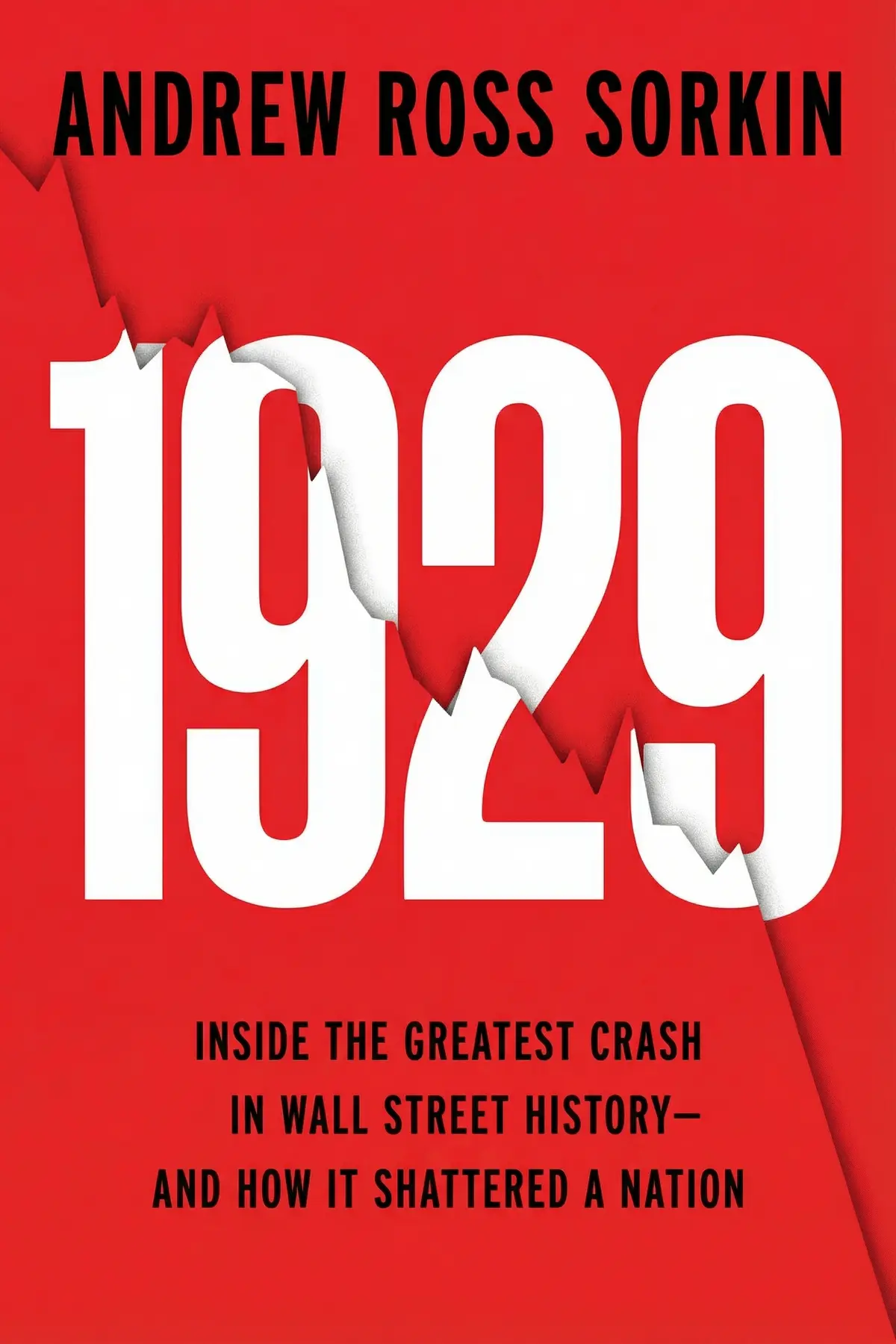
1929: Inside the Greatest Crash in Wall Street History--and How It
Andrew Ross Sorkin
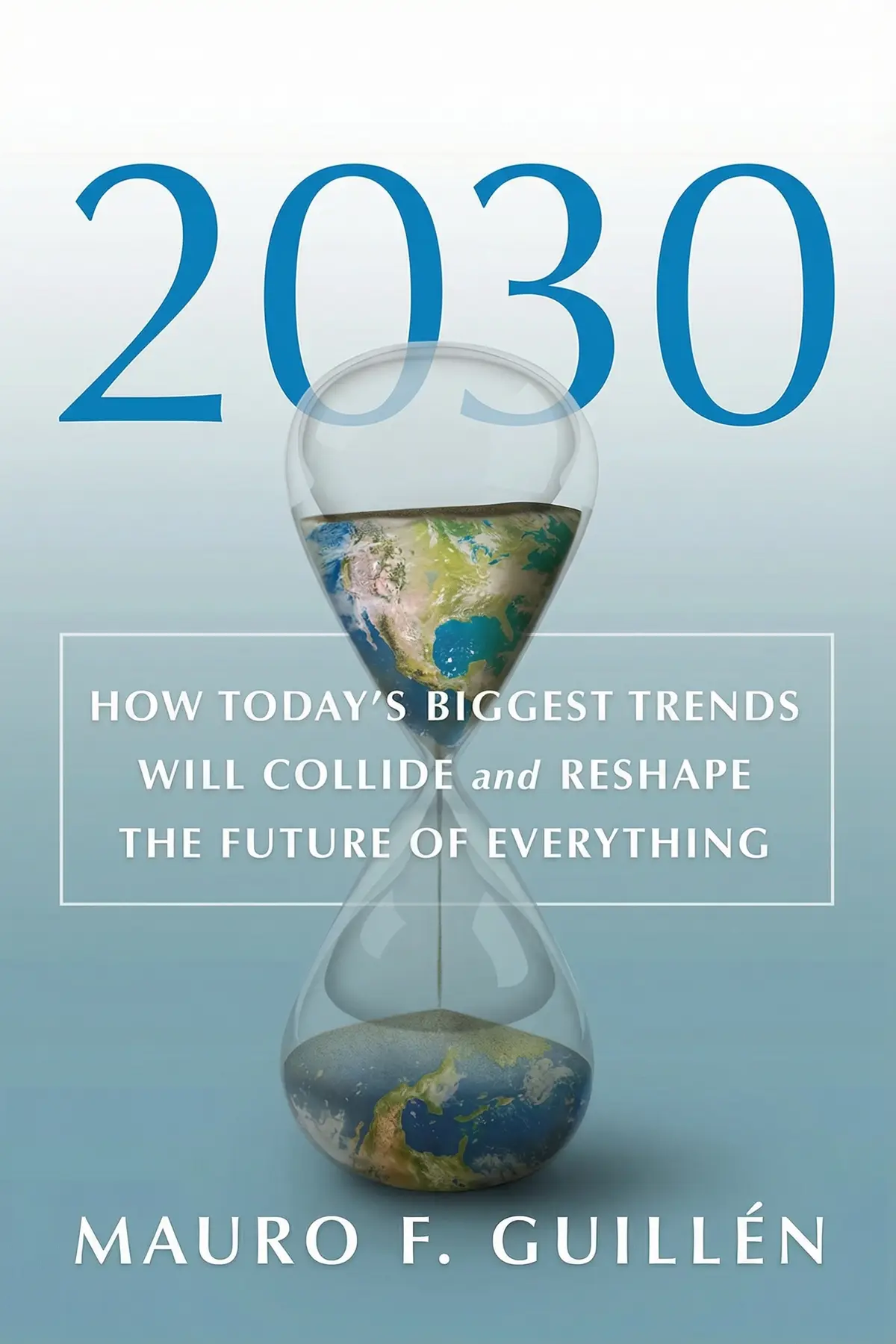
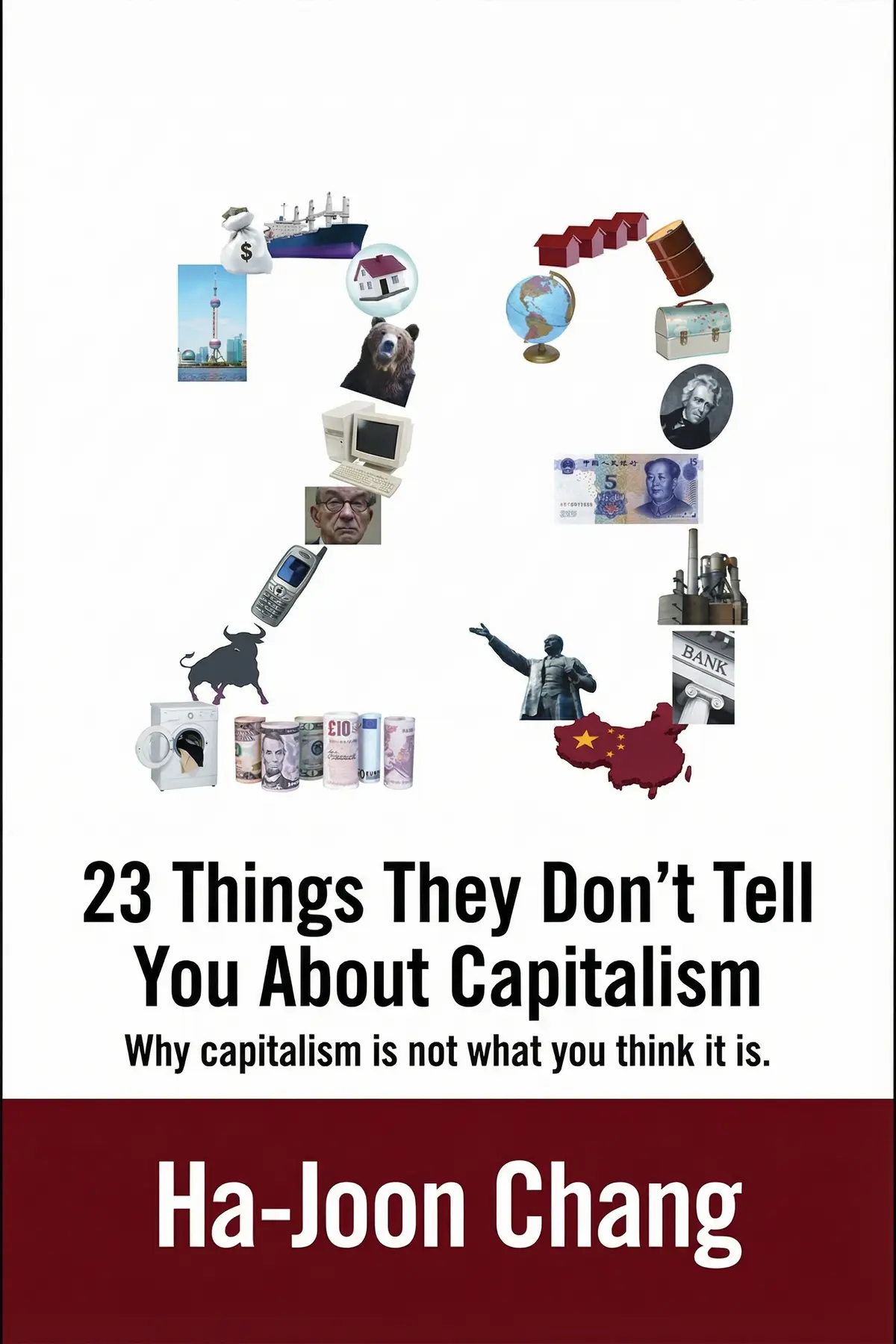
23 Things They Don’t Tell You About Capitalism
Ha-Joon Chang
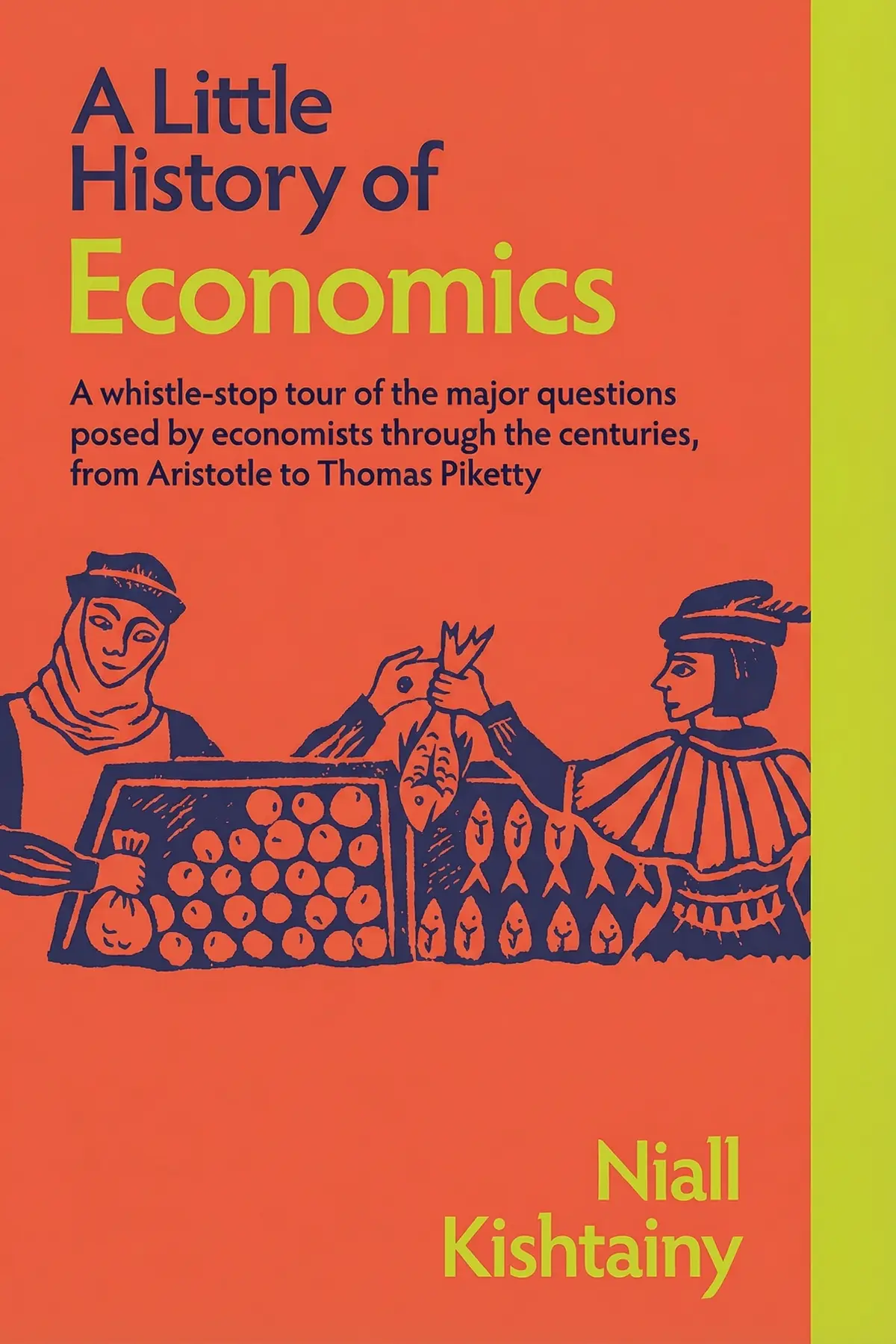
A Little History of Economics
Niall Kishtainy
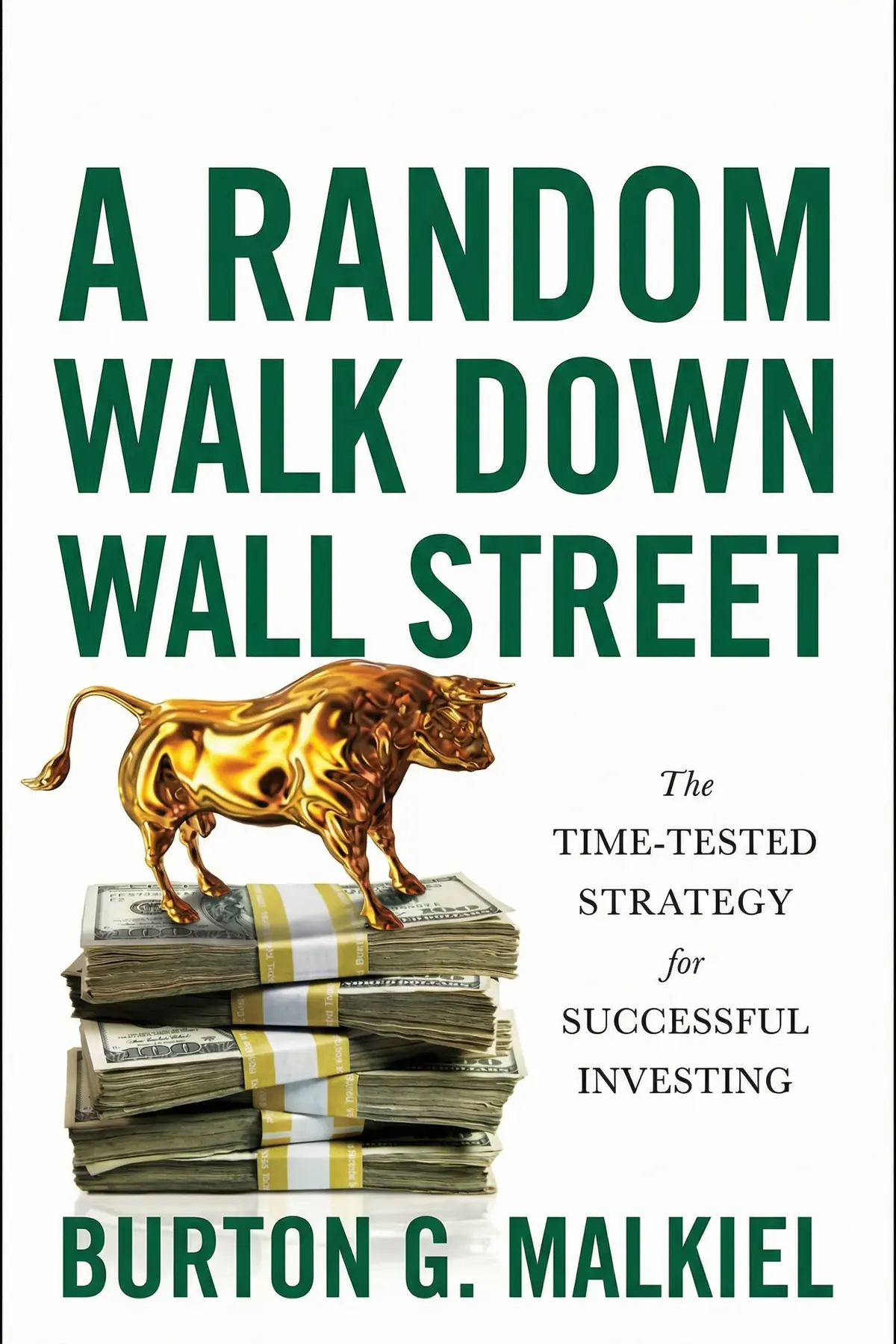
AUDIO SUMMARY AVAILABLE
Listen to How to Listen When Markets Speak in 15 minutes
Get the key ideas from How to Listen When Markets Speak by Lawrence G. McDonald, plus 5,000+ more titles in English and Thai.
- 5,000+ titles
- Listen as much as you want
- 7-day free trial
- Cancel anytime







