
21 min 33 sec
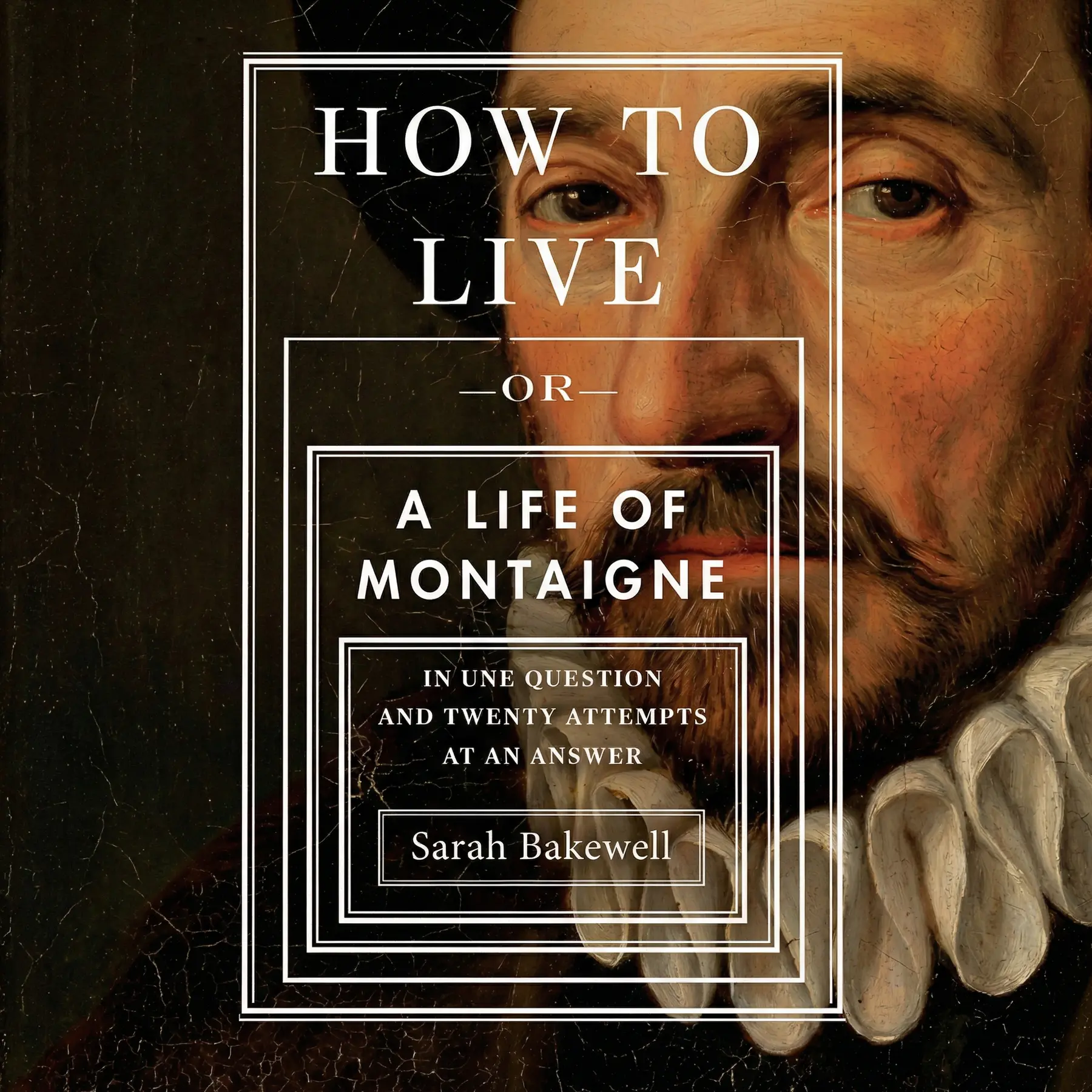
How to Live: Or A Life of Montaigne in One Question and Twenty Attempts at an Answer
Discover the life and philosophy of Michel de Montaigne, the sixteenth-century nobleman who invented the essay. This summary explores his unique approach to mortality, self-reflection, and the beauty of an ordinary, uncertain life.
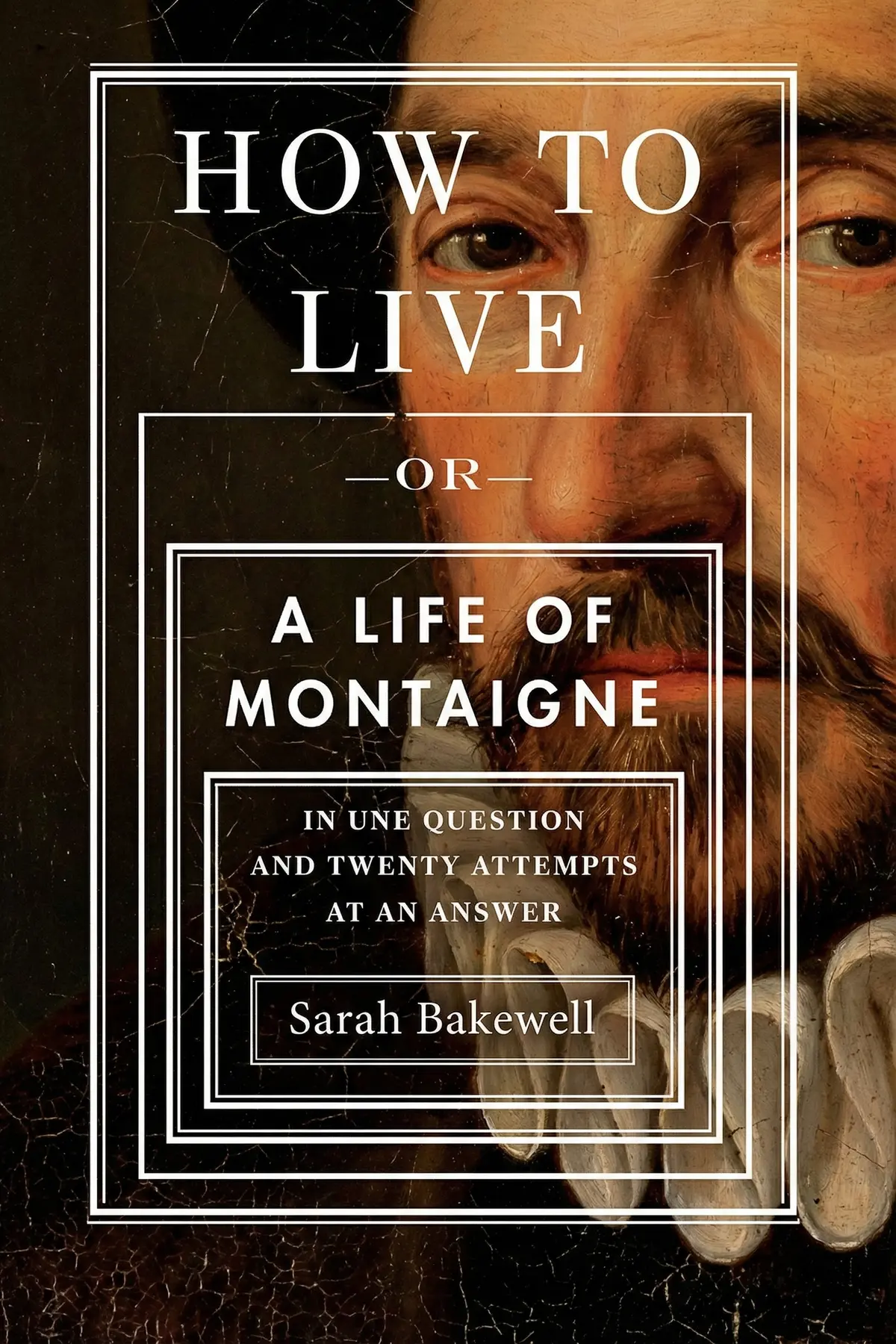
Table of Content
1. Introduction
1 min 42 sec
Think about the word ‘essay’ for a moment. For many of us, it conjures memories of rigid school assignments, strict structures, and perhaps a bit of boredom. But the original essays were something entirely different. They were the creation of one man, Michel de Montaigne, and they were meant to be experiments in thought—raw, messy, and deeply personal.
In the sixteenth century, Montaigne did something truly radical: he decided to write about himself. Not because he was a king or a conqueror, but because he was an ordinary man trying to figure out how to live. After a career in law and politics, he retreated to his country estate to find peace, only to find himself haunted by anxiety and a fear of death. To cope, he began to write, giving birth to a genre that would change literature forever.
In this exploration of Sarah Bakewell’s How to Live, we are going to walk through the life of this fascinating philosopher. We’ll look at how a near-fatal accident freed him from a lifelong obsession with mortality, why he believed that being ‘mediocre’ was actually a path to greatness, and how his commitment to questioning everything—including himself—can help us navigate our own uncertain lives today.
Montaigne’s throughline is simple yet profound: life is a constant state of flux, and the best way to live it is with a sense of curiosity and lightness. As we go through his story, you’ll see how he transformed his boredom and ‘melancholy’ into a vibrant, wandering exploration of what it means to be human. So, let’s step into the tower of a sixteenth-century chateau and meet the man who taught the world that the most interesting subject you can ever study is yourself.
2. The Weight of Mortal Anxiety
2 min 07 sec
Explore the early years of a nobleman who, despite his external success, found himself paralyzed by the looming presence of death.
3. The Freedom Found in a Near-Fatal Impact
1 min 59 sec
Discover the strange and peaceful sensation of a violent accident that changed everything Montaigne thought he knew about dying.
4. A Retirement That Refused to Be Quiet
2 min 13 sec
When Montaigne retired to find peace, he found chaos instead, leading him to a revolutionary way of managing his own mind.
5. The Universal Power of the Ordinary
1 min 52 sec
Learn why Montaigne believed that his own lack of expertise and ‘mediocrity’ made him the perfect subject for a book.
6. The Art of Intellectual Humility
1 min 43 sec
Explore why the phrase ‘What do I know?’ became the central question of Montaigne’s life and his shield against fanaticism.
7. Capturing the Stream of Consciousness
1 min 43 sec
Discover the ‘messy’ writing style that mirrored the actual experience of human thought, centuries before modern psychology.
8. From Solitude Back to the World
1 min 46 sec
See how Montaigne’s literary fame pulled him out of his library and into the dangerous heart of French politics.
9. The Infinite Task of Revision
1 min 44 sec
Learn why Montaigne’s book was never truly ‘finished’ and how that reflects his view of a constantly changing life.
10. The Ripple Effect Across Centuries
1 min 43 sec
Explore the massive legacy of the Essays and how they influenced some of the most famous thinkers in history.
11. A Philosophy of Staying Open
1 min 35 sec
As we conclude, we reflect on how Montaigne’s ‘twenty attempts’ provide a flexible roadmap for navigating modern existence.
12. Conclusion
1 min 26 sec
Michel de Montaigne’s journey from a grief-stricken nobleman to the world’s first essayist is a powerful testament to the value of self-reflection. We’ve seen how he turned his back on the crushing weight of mortal fear by embracing a near-death experience that taught him the secret of ‘lightness.’ We’ve explored how he used his retirement not to hide from his thoughts, but to confront and record them, transforming his own restlessness into a gift for all of humanity.
The core lesson of Montaigne’s life is that we don’t have to be perfect or extraordinary to lead a meaningful life. In fact, our very limitations and uncertainties are the things that connect us to one another. By embracing our mediocrity and staying committed to intellectual humility, we can find a sense of tranquility even in the most chaotic times.
As you leave this summary, try to channel a bit of Montaigne’s spirit. The next time you feel overwhelmed by the need for a perfect answer or a certain future, ask yourself: ‘What do I know?’ and allow yourself the grace of not having to be sure. Look at the wandering thoughts of your own mind with curiosity rather than judgment. Remember that your life is an ongoing experiment—an attempt—and that the beauty is in the process, not the final product. Live with lightness, stay open to the flow of your own experience, and keep asking how to live.
About this book
What is this book about?
How to Live is a captivating dive into the world of Michel de Montaigne, a man who stepped away from a traditional career to explore the inner workings of his own mind. Through twenty distinct lenses, the narrative explores how Montaigne’s habit of 'essaying'—or attempting—to understand himself led to a revolutionary form of literature. It addresses the central question of how to exist in a world filled with chaos, grief, and physical frailty. The book promises a journey through Montaigne’s most transformative moments, from his morbid obsessions as a young man to a brush with death that fundamentally altered his perspective. You will see how he embraced his own mediocrity to find a universal human connection and how his commitment to intellectual humility created a legacy that still resonates today. It is a guide to finding lightness in a heavy world and tranquility in a wandering mind.
Book Information
About the Author
Sarah Bakewell
Sarah Bakewell is a British non-fiction writer who focuses on the lives of philosophers, writers, and adventurers. Her other works include At the Existentialist Café and The English Dane. In 2018, she won the Windham–Campbell Literature Prize in non-fiction.
Ratings & Reviews
Ratings at a glance
What people think
Listeners value how the author clarifies intricate philosophical ideas and provides a window into the life of Montaigne, all while enjoying a friendly narrative voice that navigates through his writings. They also describe the book as an approachable, captivating experience that shifts their worldview and offers a deep dive into the history of the 1500s. Furthermore, listeners like how the personalities are depicted, with one listener highlighting the way the author breathes life into Montaigne. On the other hand, the tempo of the story draws a variety of responses from listeners.
Top reviews
Nitaya
Sarah Bakewell has achieved something truly remarkable here by turning a 16th-century essayist into a living, breathing companion for the modern age. This isn't your typical, dusty biography that fixates solely on dates and minor political appointments. Instead, she structures the narrative around twenty distinct answers to the titular question, weaving Montaigne’s personal history with the broader philosophical implications of his work. I found the sections on his skepticism and his acceptance of human imperfection particularly moving. Her conversational prose makes even the most complex ideas about Pyrrhonism feel accessible and relevant to our current chaotic world. It’s a beautifully balanced book—part history, part philosophy, and part guide to being a slightly better, or at least more self-aware, human being. Frankly, I finished it feeling like I had actually met the man in his tower.
Show moreAlice
Ever wonder how a man from the 1500s could possibly understand the anxieties of the 21st century? This book provides the answer with startling clarity and wit. Bakewell’s exploration of Montaigne’s world is vivid, mapping out the religious conflicts and social shifts that shaped his need for a private, reflective life. The 'twenty answers' framework is a brilliant organizational tool that keeps the reader grounded even as the narrative explores abstract concepts like the mutability of the self. I loved the bits about his travel and his refusal to be a martyr for any single cause. In my experience, very few biographies manage to change your actual perspective on life, but this one did. It encourages a specific type of moderation and humanity that feels desperately needed right now. This is a masterful blend of scholarship and storytelling that I’ll likely revisit.
Show morePannipa
Finally got around to this classic of modern biography, and it’s every bit as witty and insightful as the reviews suggest. Bakewell avoids the trap of many historians by keeping the prose lively and the observations sharp. She tackles everything from sex to stoicism with the same level of curiosity that Montaigne himself possessed. The way she juxtaposes his casual attitude toward religion with the brutal civil wars of his time was eye-opening. It provides a fascinating insight into how one maintains their humanity when the world is quite literally burning around them. The book is substantial yet maintains a certain lightness that makes it a joy to read. Personally, I found the advice to 'reflect on everything but regret nothing' to be the most impactful takeaway. It is rare to find a book that is this intellectually rigorous while remaining so deeply relatable.
Show moreFrida
Truth is, I didn't expect to fall in love with a book about a retired nobleman who spent his time observing his own cat, but here we are. Bakewell’s work is a masterpiece of accessible scholarship. She avoids the 'miserly' approach of giving one single answer to how we should live, instead offering a buffet of Montaignean wisdom that ranges from the profound to the delightfully mundane. The focus on his friendship with Étienne de la Boétie was particularly heart-wrenching and added a layer of emotional depth I wasn't expecting. The book serves as a perfect bridge between the 16th century and our own, highlighting the timelessness of human doubt and curiosity. Every chapter left me with something to chew on. If you’ve ever felt overwhelmed by the need to be certain about everything, this book is the perfect antidote. It’s charming, erudite, and profoundly comforting.
Show moreSelin
Picked this up on a whim after seeing it labeled as 'shelf help,' and I was pleasantly surprised by how much substance is packed into these pages. Bakewell manages to explain the 16th-century context of Montaigne's life—his time as the Mayor of Bordeaux and his proximity to royalty—without making it feel like a dry lecture. I was particularly struck by the contrast between Montaigne’s fluid worldview and the rigid certainties of his contemporaries like Pascal. The author makes the character of Montaigne come alive, especially in his more vulnerable moments, like his detailed descriptions of kidney stones. It’s an engaging read that manages to be both intellectually stimulating and surprisingly light. Look, it won't replace the Essays themselves, but it provides the essential scaffolding needed to truly appreciate them. My only gripe is that some chapters felt repetitive towards the end.
Show moreWan
The chapter on Montaigne’s relationship with Marie de Gournay was easily the highlight for me, offering a touching look at his later years and his intellectual legacy. Bakewell does a fantastic job of illustrating how Montaigne was a prophet of the postmodern, emphasizing shifting perspectives over absolute truths. Her writing style is incredibly inviting, guiding the reader through the complexities of the Renaissance without ever sounding condescending. I particularly enjoyed learning about the 'archaeology' of the Essays and how they grew with each edition. There are moments where the historical context becomes a bit overwhelming, but the author usually pulls back just in time to refocus on Montaigne’s personal charm. It’s a wonderful companion piece for anyone who has struggled to get through a complete edition of the Essays. This book makes the case that being 'slow-witted' and forgetful can actually be virtues.
Show moreLuckana
As someone who usually finds philosophy dry and impenetrable, Bakewell’s conversational prose was a breath of fresh air. She manages to take the 'man in the tower' and show us his messy, contradictory, and utterly human side. The book excels at placing the Essays within their historical moment, explaining how the terrifying reality of the plague and the religious wars necessitated Montaigne's specific brand of detached observation. I liked how she didn't shy away from his flaws or his more eccentric opinions, like his thoughts on pornographic graffiti or his admitted laziness. The pacing is a bit hit-or-miss, and some sections on his later reception felt like they belonged in a different book, but overall the character development is top-notch. It makes a strong case for why we should still care about a 500-year-old Frenchman today. A very rewarding read.
Show moreRome
While I appreciated the deep dive into the French Wars of Religion, the pacing felt uneven, dragging significantly during the middle chapters. Bakewell is clearly a gifted writer, but the sheer volume of historical and biographical detail occasionally buried the philosophical insights I was looking for. To be fair, her portrait of Marie de Gournay was fascinating, though I agree with other critics that the 'feminist' label felt a bit anachronistic for the period. The book shines when it explores how different generations—from Descartes to the Romantics—reinterpreted Montaigne’s work to suit their own cultural anxieties. However, the digressive structure, which is meant to mimic the style of the Essays, sometimes felt more like a distraction than a deliberate literary choice. It’s a solid resource for students of history, but general readers might find themselves skimming the more dense political segments.
Show moreJoe
I’ve been struggling to finish the original Essays for years, so I hoped this would be a useful shortcut into Montaigne's head. It definitely helped clarify his position as a Skeptic and his rejection of the 'massive gravitational core' of traditional philosophy. However, the book often feels like it's trying to do too many things at once—biography, history, and self-help guide—and doesn't always succeed at the balance. Some of the answers to the central question felt a bit thin, serving more as excuses to talk about 16th-century wine production or legal structures in Bordeaux. The truth is, I enjoyed the parts about his cat and his tower much more than the deep dives into Descartes’s cognito. It's a good book, certainly, but I think its reputation as a life-changing masterpiece might be slightly overstated for those already familiar with the period.
Show moreVimolwan
To be fair, the writing is polished, but the digressive nature of the book mimics Montaigne's own style a bit too closely for my liking. I went in expecting a clear guide to his philosophy, but instead, I found myself wading through endless anecdotes about minor French nobles and printing history. The pacing is sluggish at best. Every time the author started to make a poignant point about 'how to live,' she would veer off into a twenty-page tangent about 17th-century reception or obscure translations. It felt more like a collection of academic papers than a cohesive biography. Not gonna lie, I struggled to stay focused during the later chapters when the focus shifted away from the man himself and onto his literary legacy. It’s clearly well-researched, but for a casual reader, it was simply too much filler and not enough focus.
Show moreReaders also enjoyed

Agent Sonya: The Spy Next Door
Ben Macintyre
A Different Kind of Power: A Memoir
Jacinda Ardern
Alexander Hamilton
Ron Chernow
A Higher Loyalty: Truth, Lies and Leadership
James Comey
Alexander the Great
Philip Freeman
Ali: A Life
Jonathan Eig
A Life Decoded: My Genome: My Life
J. Craig Venter
AUDIO SUMMARY AVAILABLE
Listen to How to Live in 15 minutes
Get the key ideas from How to Live by Sarah Bakewell, plus 5,000+ more titles in English and Thai.
- 5,000+ titles
- Listen as much as you want
- 7-day free trial
- Cancel anytime







