
17 min 44 sec
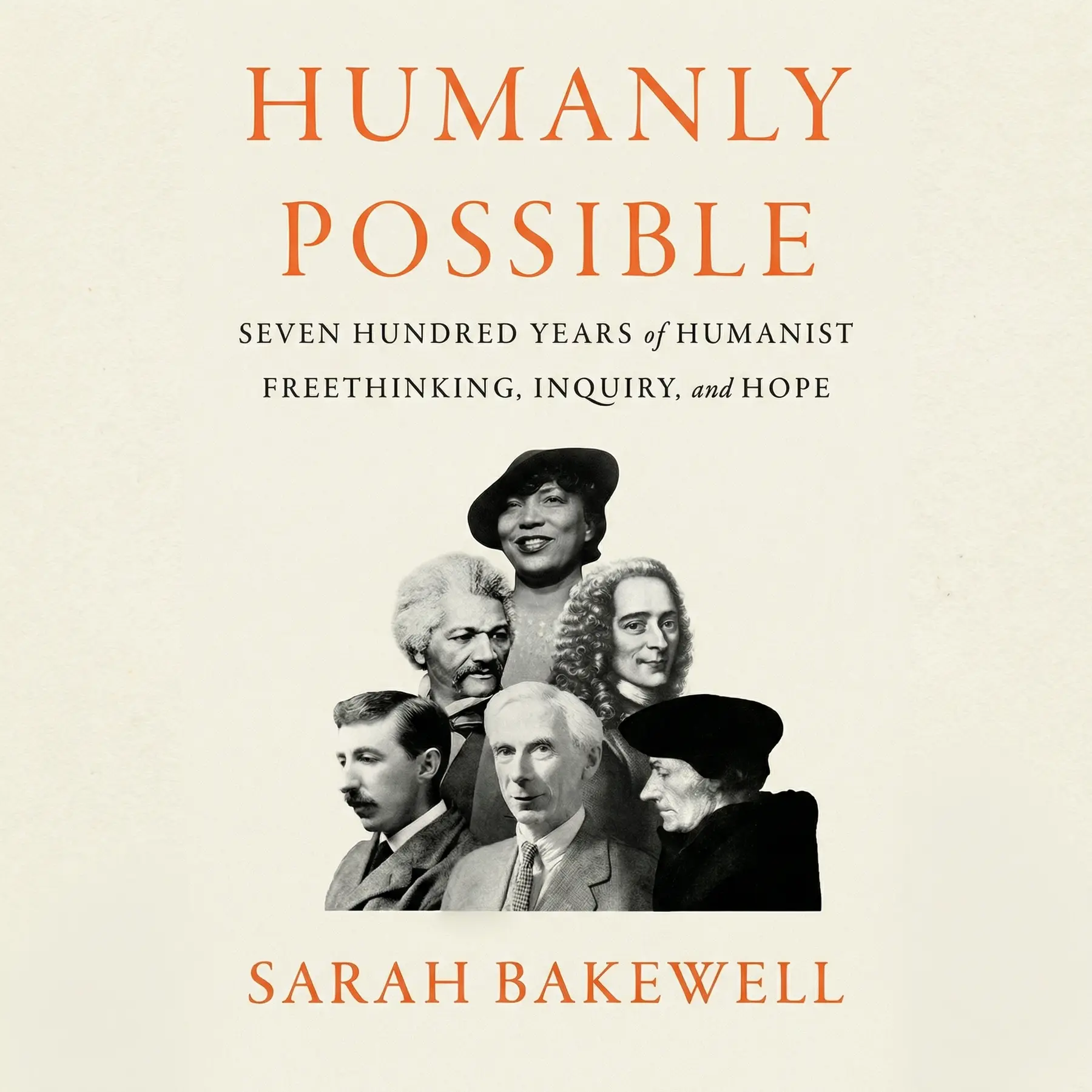
Humanly Possible: Seven Hundred Years of Humanist Freethinking, Inquiry, and Hope
Explore seven centuries of humanist thought through the lives of the writers and thinkers who championed reason, empathy, and the pursuit of a meaningful life without the constraints of dogma.
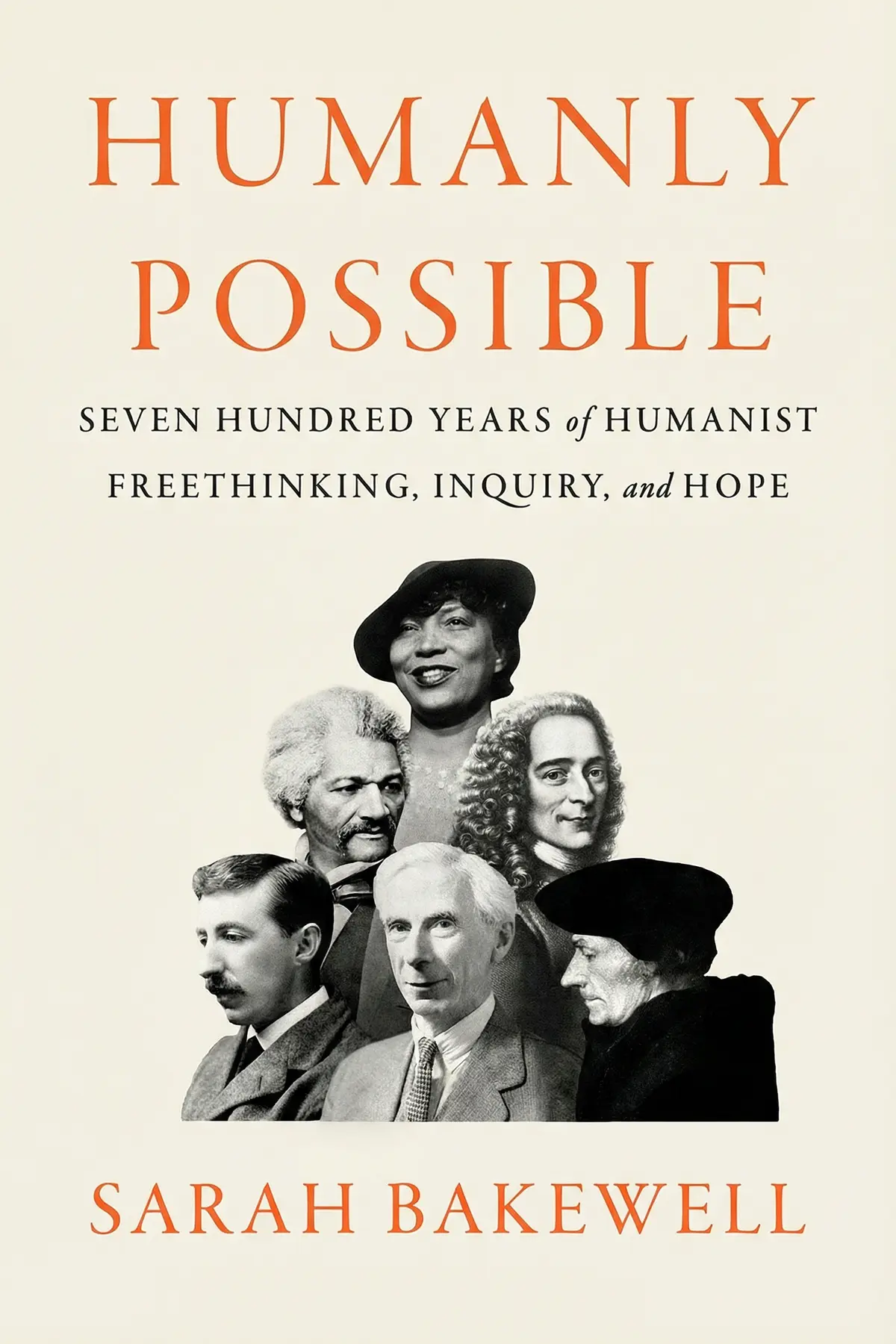
Table of Content
1. Introduction
1 min 39 sec
What does it actually mean to be human? It sounds like a simple question, but for seven centuries, some of the world’s most brilliant minds have dedicated their lives to answering it. They didn’t look to the stars or to ancient scriptures for the answer; instead, they looked inward at our own capacity for reason, our shared dignity, and the incredible things we can build when we work together. This is the heart of humanism—a philosophical tradition that puts the human experience at the center of everything.
In this exploration of Sarah Bakewell’s work, we are going on a journey through seven hundred years of inquiry. We’ll meet the writers who rescued ancient wisdom from dusty cellars, the thinkers who argued that our soft, vulnerable bodies were proof that we were made for peace rather than war, and the activists who stood up to the crushing weight of fascism. Through it all, a single throughline emerges: the belief that a meaningful life isn’t something handed down to us by authority, but something we create ourselves through curiosity and kindness.
We often think of philosophy as something abstract, trapped in heavy books on high shelves. But as we’ll see, humanism is incredibly practical. It’s a survival strategy. It’s a way of looking at a world that can often feel absurd or cruel and choosing to find value in the small, human moments. Whether you consider yourself a freethinker or you’re just someone looking for a little more hope in your daily life, the stories of these seven centuries of humanists offer a roadmap for navigating the complexities of our modern world. Let’s dive into how this way of thinking evolved and why it remains so essential today.
2. The Nature of Freethought
2 min 33 sec
Discover why defining a belief system without a creed can be a matter of life and death, and why humanism remains a radical act of personal conscience.
3. The Literary Rebellion of the Renaissance
2 min 23 sec
Explore how a refusal to follow family traditions led two friends to spark a cultural revolution that saved the wisdom of the ancient world.
4. The Rare Voices of Women
2 min 19 sec
While history often highlights the men of the Renaissance, learn how a few extraordinary women defied social norms to join the humanist conversation.
5. The Philosophy of Kindness and the Self
2 min 36 sec
Discover how a Dutch scholar and a French essayist redefined what it means to be human by focusing on empathy and the value of personal inquiry.
6. Reason in the Face of Tragedy
2 min 16 sec
When an earthquake shattered Europe’s faith in a divine plan, humanists like Voltaire stepped in to offer a more grounded, active hope.
7. Humanism Under Fire
2 min 13 sec
In the darkest hours of the twentieth century, humanism faced its greatest test against the rise of fascism and nihilism.
8. Conclusion
1 min 45 sec
As we look back over the last seven hundred years, it’s clear that humanism is far more than just a lack of religious belief. It is a vibrant, evolving tradition of hope. From the Renaissance scholars like Petrarch and Boccaccio who cherished the wisdom of the past, to the brave women like Christine de Pizan who fought for their intellectual place, and the Enlightenment thinkers like Voltaire who championed reason over blind faith, each generation has added a new layer to what it means to be human.
We’ve seen that humanism is a philosophy of resilience. It’s what allowed Erasmus to see the potential for peace in the human form and what gave Thomas Mann the courage to stand against the tide of fascism. The throughline of this entire history is the belief that our rationality, our capacity for empathy, and our creative spirit are the most valuable tools we possess.
The actionable takeaway from this seven-hundred-year journey is surprisingly simple: keep asking questions. Whether you are facing a personal struggle or navigating the political divisions of the modern world, the humanist approach is to look for the human element. Seek out diverse perspectives, cultivate your own metaphorical garden by doing what you can to improve your immediate surroundings, and never stop learning.
Humanism tells us that while the world may often feel absurd or overwhelming, we have the power to create meaning. By embracing our shared dignity and focusing on kindness, we continue a legacy that has survived plagues, wars, and social upheaval. It is a reminder that being ‘humanly possible’ is a high calling, and it is one that we are all invited to pursue every single day.
About this book
What is this book about?
Humanly Possible offers a sweeping narrative of the humanist tradition, tracing its evolution from the early Italian Renaissance to the challenges of the modern era. The book examines how iconic figures like Petrarch, Erasmus, and Voltaire shifted the focus of intellectual life from the divine to the human, prioritizing personal agency, scientific inquiry, and secular ethics. Through these historical portraits, Sarah Bakewell reveals a persistent throughline of hope and curiosity. You will learn how humanism served as a tool for resilience during plagues, wars, and the rise of fascism. The promise of the book is a deeper understanding of how we can navigate contemporary social and political hurdles by embracing our shared humanity and the value of free thought.
Book Information
About the Author
Sarah Bakewell
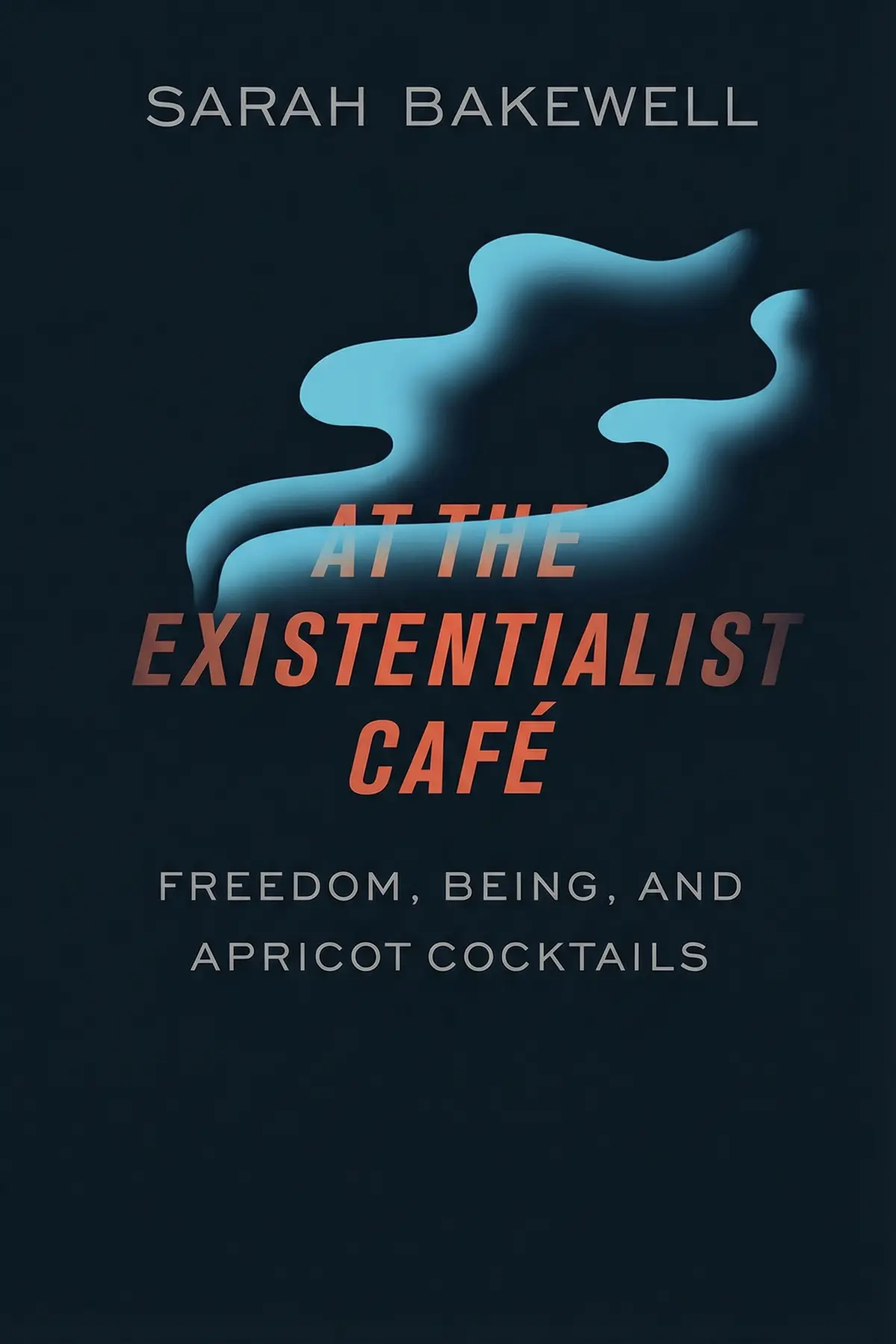
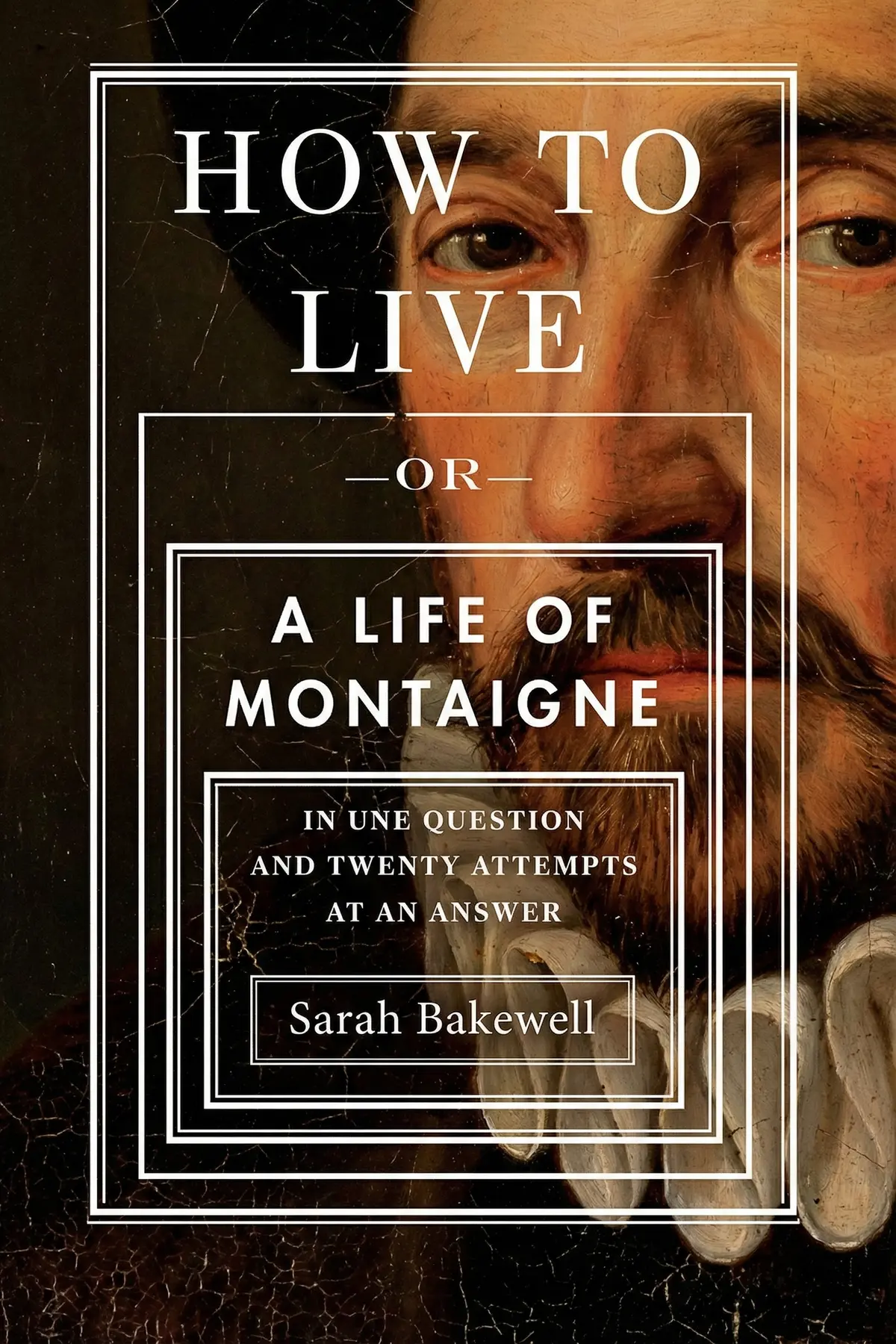
Sarah Bakewell is a creative writing professor and award-winning author of How to Live and At the Existentialist Café. Her work is largely devoted to investigating the great thinkers and intellectual movements that have shaped humanity over time.
Ratings & Reviews
Ratings at a glance
What people think
Listeners find the work highly educational and charming, with one listener mentioning it is packed with captivating short life stories. Furthermore, the prose is well-received, and listeners enjoy the narrative style, which one individual characterizes as a marvelous trek through 700 years of history. The text also provides an uplifting exploration of humanism, as one listener points out how thoroughly it covers the entire subject.
Top reviews
Seksan
Finally got around to Sarah Bakewell’s latest, and it is every bit as delightful as her previous works. The book acts as a sweeping 700-year journey, weaving together the lives of figures like Petrarch and Erasmus into a cohesive narrative of hope. I found the mini-biographies particularly fascinating because they humanize thinkers who often feel like statues in a dusty hall. Bakewell’s prose is conversational yet deeply informed, making complex ethical shifts feel like a series of intimate dinner party anecdotes. It is an inspiring read that reminds us of our capacity for reason and kindness. Even if you think you know everything about the Renaissance or the Enlightenment, her perspective offers something fresh and profoundly moving.
Show moreKevin
Wow. This book is a gold mine for anyone interested in the development of free thought and secular ethics. Bakewell explores the fuzzy concept of humanism by focusing on the people who lived it, which makes the philosophy feel alive. I loved the chapters on the 20th century, particularly the discussion on how humanism survives in the face of anti-humanist movements. It feels like an excellent graduate seminar, tying together disparate bits of information into a more or less coherent whole. The writing is smooth, breezy, and filled with a sense of genuine inquiry. Truly an inspiring look at what is humanly possible when we prioritize reason and empathy over dogma.
Show moreBenjamin
Sarah Bakewell has a singular talent for making dense philosophical lineages feel like a series of intimate, vital conversations. This book is a thrilling work that highlights the lineage of freethinking and hope that has shaped our modern world. From the recovery of ancient Greek texts to the fight for civil rights, she shows how humanism is an active, evolving force. It’s a happy corrective to the cynicism often found in modern history books. I found myself frequently pausing to look up the works of the people she mentions, which is always the sign of a successful non-fiction book. Informative, delightful, and deeply necessary in our current political climate.
Show moreWissanu
Not what I expected, but in the best way possible. This isn't just a history of a movement; it's a celebration of human potential and the messy, beautiful way we try to understand ourselves. Bakewell’s focus on the 'humanly possible' makes the heavy philosophy feel grounded in real life. I loved the quirky details about the thinkers' habits and their letters to friends. It makes them feel like real people rather than just names on a syllabus. If you enjoy intellectual history that doesn't take itself too seriously while still being profoundly educational, this is the book for you. It truly is a wonderful journey across seven centuries of thought.
Show morePooja
As someone who adored 'At the Existentialist Café,' I had high expectations for this exploration of humanism. To be fair, the scope is massive, covering everything from 14th-century Italy to modern-day secularism. Bakewell is a master storyteller who manages to make a 700-year timeline feel surprisingly accessible. I especially appreciated the inclusive approach, highlighting how humanism evolved to eventually embrace voices it once ignored. Some sections felt a bit like a Whiggish march of progress, and the 'big tent' definition of humanism occasionally gets a little woolly. However, the sheer density of interesting facts kept me turning the pages. It is a comprehensive and thoroughly informative volume for any history buff.
Show moreSupranee
Picked this up on a whim and was pleasantly surprised by how much I enjoyed the biographical format. Rather than a dry philosophical treatise, Bakewell gives us a wonderful journey through time using small, vivid snapshots of thinkers like Montaigne and Voltaire. Personally, I found the section on Thomas More and Erasmus to be the most compelling, even if the author is a bit too 'big tent' with her definitions. Does humanism really mean everything from liking books to fighting for human rights? Maybe not, but Bakewell makes a spirited case for it anyway. The book is light-hearted and breezy, a nice example of style meeting scholarship, though it does occasionally skirt over the darker contradictions of its heroes.
Show morePete
Ever wonder how we transitioned from a God-centered worldview to one focused on human flourishing? Bakewell provides a methodical and splendidly explained history of that very shift. Her ability to synthesize 700 years of thought into a single volume is impressive, and the prose never feels heavy or academic. I did find some of the middle chapters a bit repetitive, as the 'humanist' patterns began to blur together. Still, the anecdotes are top-notch and perfect for anyone who wants to build up their stock of intellectual history. It's a thrill to see so many disparate thinkers linked together in such a meaningful way. A solid four stars for the sheer effort and storytelling.
Show moreAnawin
The truth is, this felt more like a standard Western Civ textbook than I had hoped. While Bakewell is undoubtedly a talented writer, the narrative often descends into a tedious account of who wrote which letter to whom and which books they collected. I was looking for new, practical insights into how to live, but instead, I got a lot of familiar anecdotes about David Hume and John Stuart Mill. Frankly, the concept of humanism presented here is so broad that it starts to lose its meaning by the halfway point. It’s a well-researched effort, but the endless details about the habits of 'spoiled rich guys' from the Renaissance made it hard to stay engaged. Not her best work.
Show moreZoe
Personally, I found this to be a classic case of a book where the whole is less than the sum of its parts. Individual chapters on figures like Bertrand Russell or Matthew Arnold are excellent, but the overarching narrative feels scattered. Bakewell admits early on that humanism is a vague term, and unfortunately, that vagueness persists throughout the entire 400+ pages. Is it a rejection of the supernatural, or is it just being 'nice to animals'? By trying to include everyone, from religious scholars to atheists, the core message gets diluted. To be fair, it is a smooth and conversational read, but I left feeling like I hadn't gained the deep understanding I was promised.
Show moreSirinat
Look, I really wanted to like this, but it ended up being a bit of a slog. It confirmed my suspicion that humanism is often just a label for a certain class of people to boast about their eloquence. There were very few new or useful insights for me here; if you’ve read anything about the Enlightenment or the Renaissance, you already know the heavy hitters. The book is essentially an endless list of names and dates that lacks a strong, central argument. Bakewell tries to claim a heritage for humanism that feels retroactively forced onto thinkers who might not even recognize the term. It’s beautifully written, certainly, but the substance just wasn’t there for me.
Show moreReaders also enjoyed

A Guide to the Good Life: The Ancient Art of Stoic Joy
William B. Irvine

1491: New Revelations of the Americas Before Columbus
Charles C. Mann
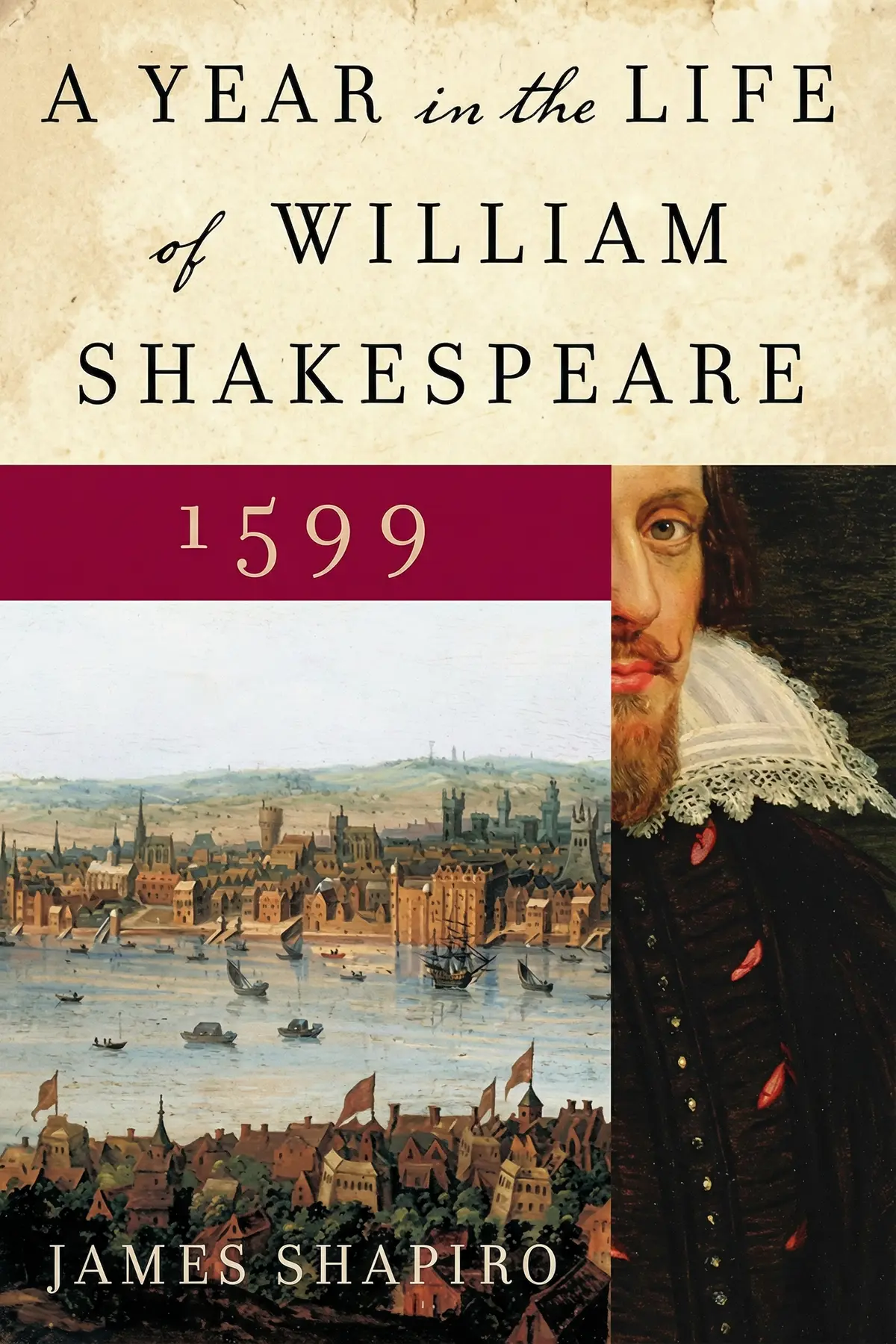
A Year in the Life of William Shakespeare: 1599
James Shapiro
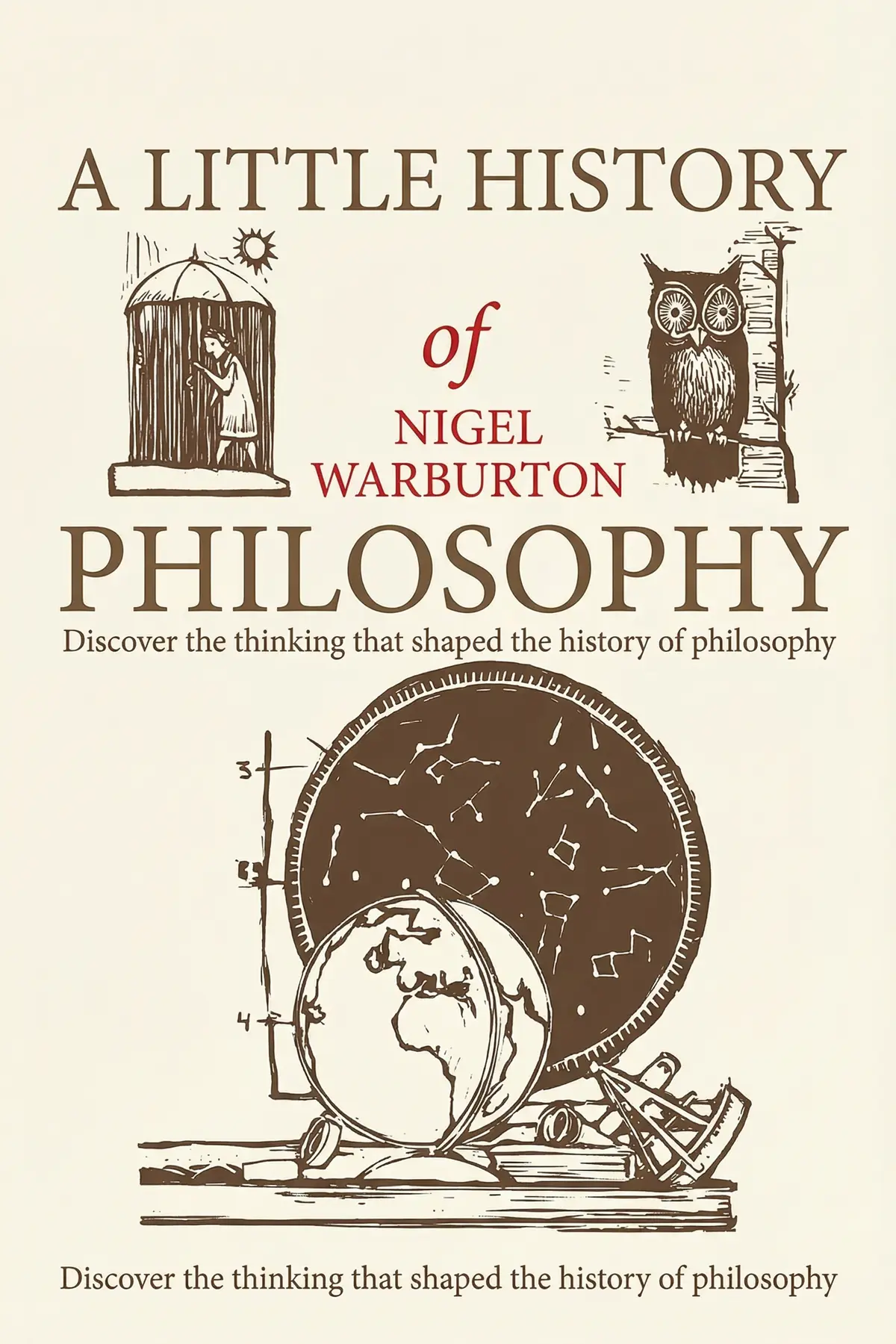
A Little History of Philosophy
Nigel Warburton
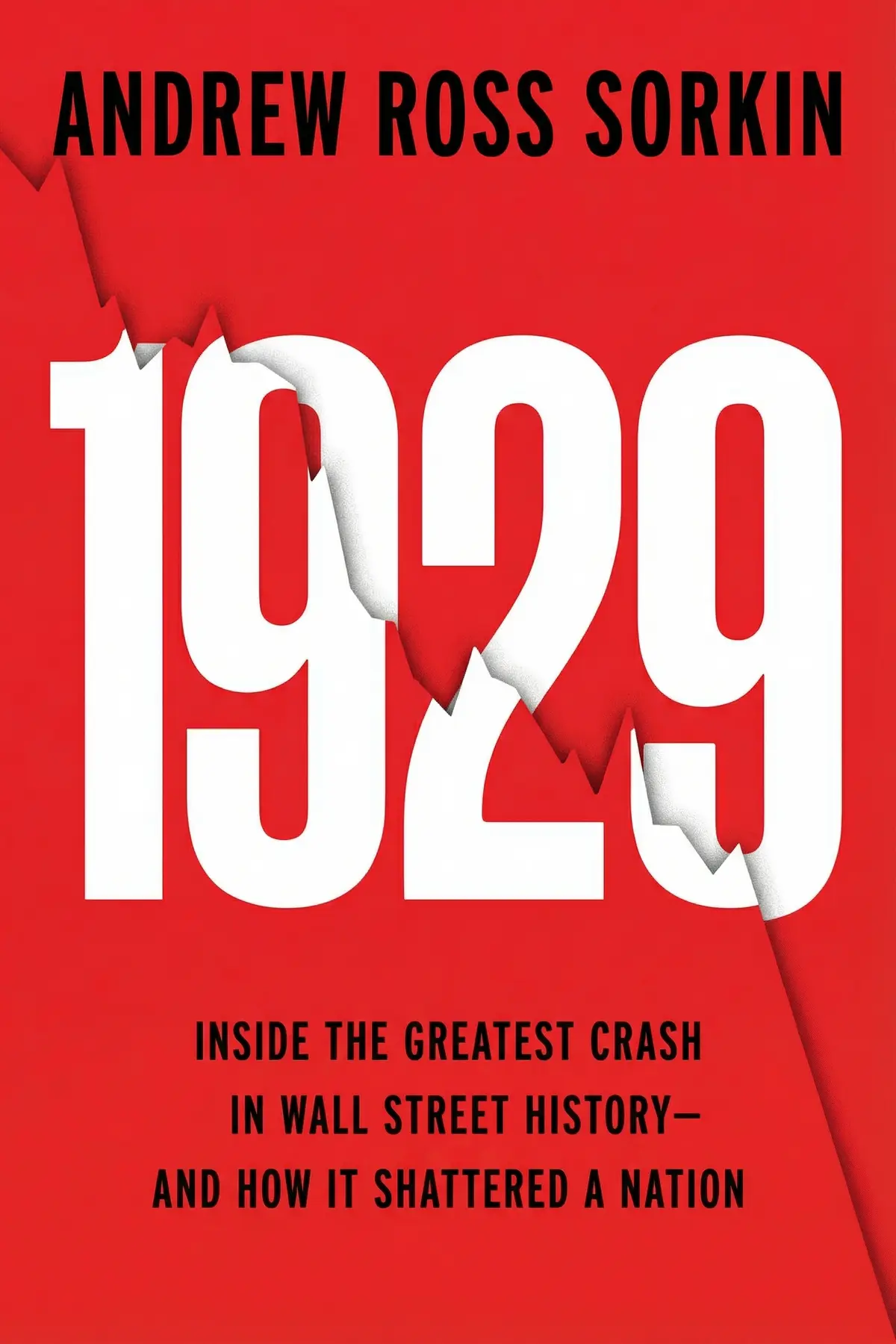
1929: Inside the Greatest Crash in Wall Street History--and How It
Andrew Ross Sorkin
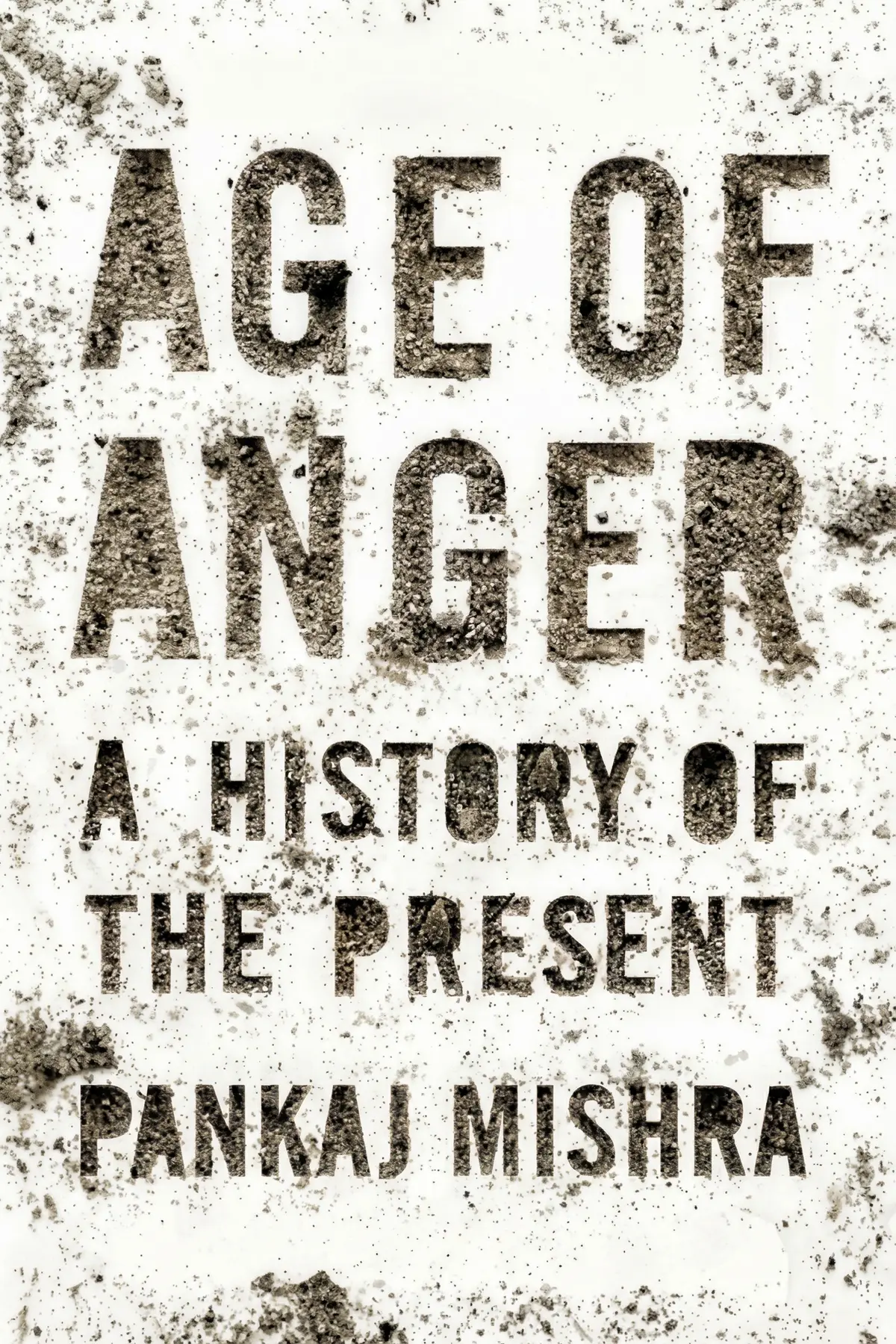
Age of Anger: A History of the Present
Pankaj Mishra
AUDIO SUMMARY AVAILABLE
Listen to Humanly Possible in 15 minutes
Get the key ideas from Humanly Possible by Sarah Bakewell, plus 5,000+ more titles in English and Thai.
- 5,000+ titles
- Listen as much as you want
- 7-day free trial
- Cancel anytime







