
14 min 05 sec
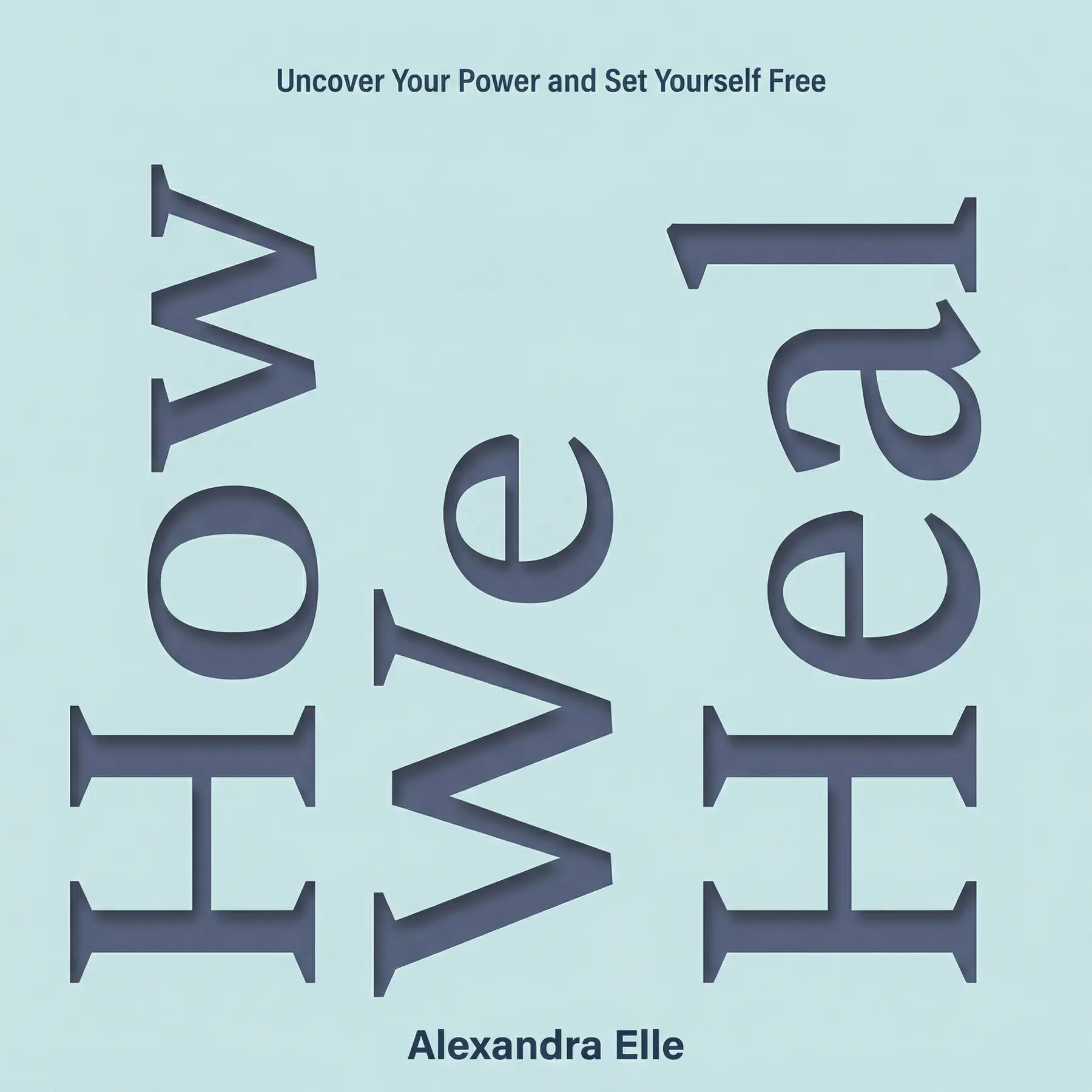
How We Heal: Uncover Your Power and Set Yourself Free
Discover a transformative path to emotional wellness. Alexandra Elle provides a compassionate framework for overcoming self-doubt, nurturing your inner child, and reclaiming your personal narrative through the power of self-forgiveness and resilience.
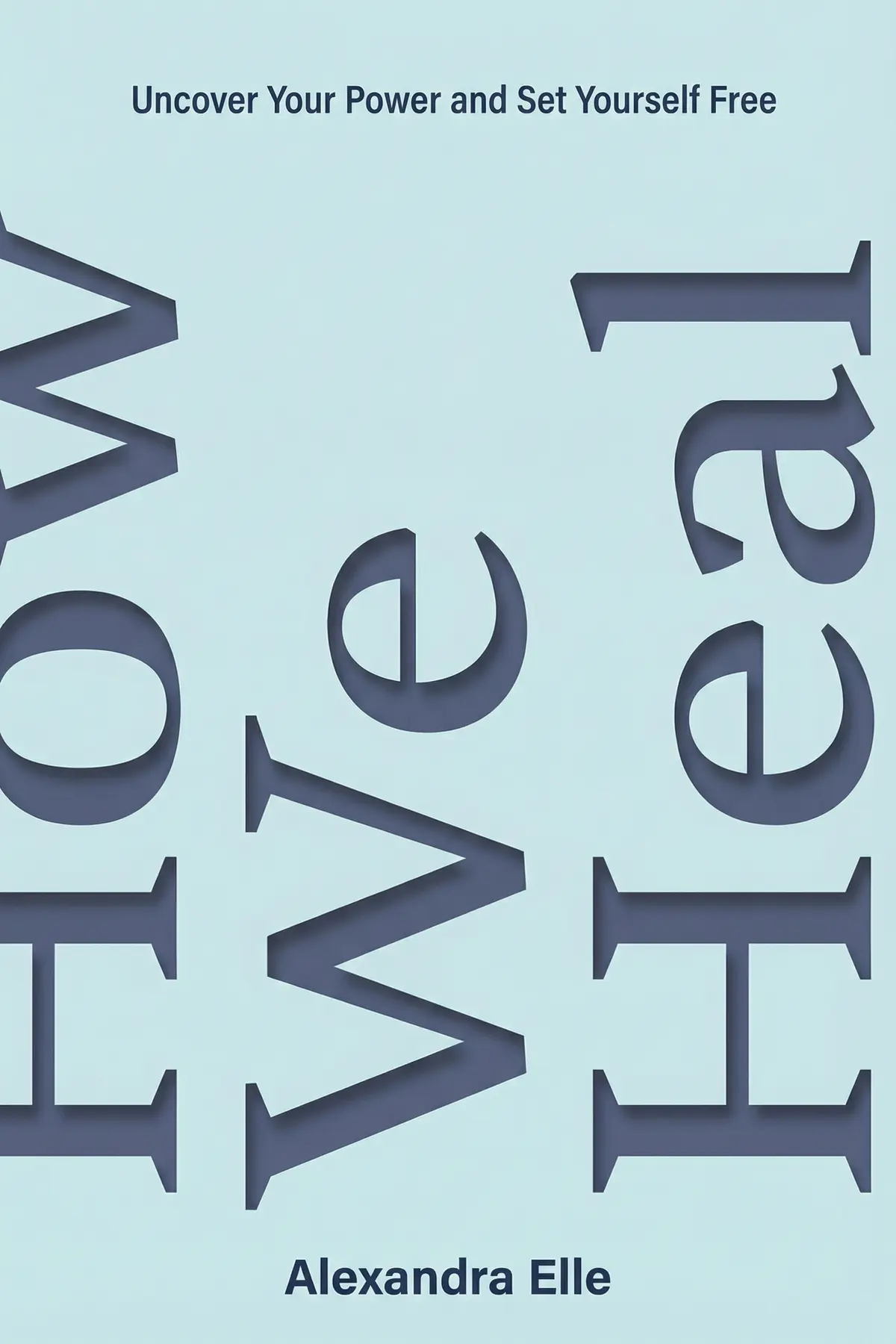
Table of Content
1. Introduction
1 min 51 sec
Imagine for a moment that you are standing at the threshold of a major achievement, something you have worked toward for years. But just as you are about to step through the door, your breath hitches. A cold sweat breaks out. Suddenly, a voice in your head begins to whisper that you aren’t ready, that you aren’t good enough, and that everything you’ve built is a sham. This experience—an intense brush with imposter syndrome—is exactly what happened to Alexandra Elle as she sat down to write about healing. Even as a teacher who had guided thousands through the peaks and valleys of self-care, she found herself paralyzed by her own internal narrative.
This moment of vulnerability led to a profound realization: the stories we tell ourselves have the power to define our reality. Often, these stories are composed of old wounds, self-doubt, and the voices of people who didn’t understand our worth. Healing, then, isn’t just about ‘getting over’ something; it is the active, ongoing process of dismantling these false narratives and replacing them with a truth that serves our growth. It is about learning to show up for yourself with the same compassion you would offer a dear friend.
In this exploration of the path to wellness, we will walk through a four-step framework designed to help you uncover your inner strength and set yourself free from the weights of the past. We will look at how to navigate the messy middle of emotional work, how to talk to the younger version of yourself that is still hurting, and why rest is just as important as the work itself. Through a series of reflective insights and guided journaling practices, you will learn how to build a toolkit for self-restoration. This isn’t about finding a quick fix; it’s about embarking on a lifelong journey of becoming who you were always meant to be. Let’s begin by exploring what it means to face our doubts and allow ourselves the grace of a fresh start.
2. The Strength in Starting Over
2 min 29 sec
Explore why returning to the beginning of your journey isn’t a sign of failure, but a testament to your resilience and commitment to emotional well-being and true self-forgiveness.
3. Reframing Fear and Embracing Vulnerability
2 min 46 sec
Learn how to transform your relationship with fear and pain by identifying their roots and using positive self-talk to navigate the most challenging parts of your personal transformation.
4. Reclaiming Your Narrative Through Inner Child Work
2 min 34 sec
Discover why the key to adult healing often lies in looking inward to nurture your wounded inner child and rewriting the stories that no longer serve your growth.
5. The Dual Power of Rest and Gratitude
2 min 47 sec
Understand why rest is an essential part of the healing process and how practicing gratitude for the mundane can help you find joy even in the midst of suffering.
6. Conclusion
1 min 38 sec
The path of self-healing is rarely a straight line. It is a winding, sometimes repetitive, but ultimately rewarding journey toward authenticity. Throughout this process, we have seen that the stories we tell ourselves—those narratives of shame, inadequacy, and fear—are not set in stone. They can be edited, challenged, and entirely rewritten. By embracing the necessity of starting over, befriending our deepest fears, and nurturing the child within, we reclaim the power that was always ours to begin with.
As you move forward from here, remember that healing is a practice, not a destination. It requires you to be both the student and the teacher, the patient and the healer. There will be days when the work feels heavy and days when it feels like you are finally breathing fresh air. Both are valid. The most important thing is to remain committed to your own well-being and to treat yourself with the radical kindness you deserve.
Your throughline in this journey is the belief that you are capable of change. Whether you are using your journal to forgive your past or using your breath to find a moment of rest, you are taking active steps toward freedom. Do not be afraid of the messiness of the process. Every tear shed and every boundary set is a brick in the foundation of your new life. You are not alone in this work; everyone you meet is a work in progress, fighting their own silent battles. Be patient with yourself, hold onto gratitude, and never forget that you have the inner power to become whole again. The journey continues one day, one breath, and one story at most a time.
About this book
What is this book about?
This guide explores the intricate and non-linear process of emotional recovery, moving away from the idea that healing is a fixed destination. It presents a four-step framework designed to help individuals confront the false stories they tell themselves—narratives often rooted in past trauma or societal expectations. The book emphasizes that true liberation comes from within, requiring a combination of self-compassion, active reflection, and intentional action. Listeners are promised a journey toward self-love and inner power. The text covers essential strategies such as befriending fear rather than fleeing from it, practicing positive self-talk, and engaging in deep inner-child work to separate adult burdens from childhood wounds. It also highlights the often-overlooked importance of rest and gratitude, showing how joy and pain can coexist during the healing process. By integrating practical journaling exercises, the summary provides a roadmap for anyone looking to transform their relationship with their past and step into a more authentic, empowered future.
Book Information
About the Author
Alexandra Elle
Alexandra Elle is a celebrated writer, poet, and wellness educator dedicated to the art of self-care. As a certified Breathwork coach, she integrates mindfulness into her teachings. She is the author of several impactful works, including Neon Soul and After the Rain. Her contributions to the wellness space have been recognized by the New York Times and featured on prominent media outlets such as Good Morning America, ABC News, and NPR.
Ratings & Reviews
Ratings at a glance
What people think
Listeners consider this work a helpful guide for their personal recovery, appreciating the integrated meditations and actionable strategies. The content is both accessible and moving, with one listener mentioning that it promotes a perspective of patience and self-kindness. They also value the inclusion of narrative elements and writing prompts, as one review emphasizes how the book offers concrete methods for implementing real change.
Top reviews
Tanawan
Alexandra Elle has a way of speaking directly to the soul that feels like a warm embrace during a heavy storm. The four-step framework she outlines isn’t just abstract theory; it’s a practical roadmap for anyone feeling stuck in a cycle of self-doubt and past trauma. I particularly resonated with the section on befriending fear because it transformed my perspective from avoidance to genuine curiosity. Truth is, I’ve spent years running from my triggers, but these pages gave me the courage to stand still and listen. The journaling exercises are strategically placed, allowing for immediate reflection that feels both intense and necessary. Some might find the advice simple, but there is profound power in the basics when they are delivered with this much heart. It’s the kind of book you don’t just read once and put on a shelf; you live with it. I feel more equipped to nurture my inner child than ever before.
Show moreGift
Ever wonder why it’s so hard to let go of stories that no longer serve you? Alexandra Elle tackles this head-on by teaching us how to rewrite our personal narratives and reclaim the power we’ve outsourced to our past. The chapter on the inner child was particularly moving, forcing me to confront what my younger self actually needed versus what I was told I wanted. These exercises aren't just filler; they are deep, often uncomfortable dives into the psyche. Look, healing isn’t pretty, and this book doesn’t pretend it is. It demands action through its journaling components. I found myself crying through several of the letters I had to write to myself, but the release was worth the temporary pain. It’s a beautiful, essential guide for anyone ready to do the heavy lifting of emotional recovery. Highly recommended for those who want actual tools, not just quotes.
Show moreThanit
This book found me at exactly the right time. As I was navigating the aftermath of a difficult transition, the 'four-step framework' provided the structure I didn't know I was missing. I loved the emphasis on how healing isn’t a destination but a constant ebbing and flowing journey. The prose is lyrical yet accessible, which made the difficult topics of trauma and grief feel less daunting to face. Personally, the journaling exercises were the highlight for me because they turned passive reading into an active experience. I did find that a few of the interviews felt a bit like filler, pulling me away from the author's primary voice. Still, the core message of finding joy amidst the struggle is one I will carry with me for a long time. It’s a light in the dark for those feeling lost and alone in their pain.
Show morePornthip
Wow. This book is a literal breath of fresh air. Short, punchy chapters make it easy to digest even when the subject matter gets heavy. I loved the focus on 'manifesting' through action rather than just wishful thinking. The journaling exercises helped me uncover narratives I’ve been telling myself since I was a child. Frankly, I didn't realize how much weight I was carrying until this book gave me permission to put it down. It’s practical, emotional, and deeply empowering. If you’re looking for a sign to start your healing journey, this is it. It’s a five-star read for me, specifically because it made me feel seen in a way most self-help books don't. Pure magic on every page. I am keeping this on my nightstand to revisit every single morning.
Show moreViolet
Picked this up after seeing it all over my feed, and I’m glad I gave into the hype. The 'Self-Love Stepping Stones' exercise was a major standout for me, providing a tangible way to track emotional growth without the crushing pressure of perfection. Not gonna lie, I went into this thinking it might be a bit 'fluffy,' but the focus on the non-linear nature of healing was refreshing and honest. Elle acknowledges that you might hit square one again, and that's okay. The inclusion of interviews with other wellness practitioners added a nice layer of diversity to the perspectives shared throughout. My only minor gripe is that some of the prompts felt a bit repetitive toward the end of the chapters, but the overall message of self-forgiveness is vital. This is a solid resource for anyone starting their journey who needs a gentle, guiding hand through the messiness of self-discovery.
Show moreYulia
Finally got around to finishing this, and I’ve gotta say, the focus on rest as a part of healing was a total game-changer for me. We are so often told to 'push through' and 'grind' toward wellness, but Elle reminds us that the body needs space to integrate change. The strategies for cultivating patience were especially helpful during a week where I felt like I was backtracking. I appreciated the mix of personal anecdotes and practical meditations, though I wish there was a bit more depth in the 'Step Three' section. The T-chart exercise for my younger self helped me identify some recurring patterns I hadn't noticed before. It’s a very accessible read, making it a great gift for a friend going through a tough transition. Overall, it's a grounded and deeply touching piece of work that fosters a genuine mindset of self-compassion.
Show moreGor
After hearing an interview with Alexandra Elle, I was eager to see if her written word carried the same soothing energy as her voice. It does. The book is essentially a masterclass in self-forgiveness. I struggled initially with the idea of 'befriending fear,' but the way she frames it as an ally rather than an enemy changed my morning routine entirely. The journaling prompts are the heart of the experience; they aren't just basic 'how do you feel?' questions, but specific interrogations of your history. Got to say, the section on gratitude felt a little cliché at first, yet the way she links it to resilience makes it feel fresh again. It’s not a quick read if you’re doing the work, and that’s a good thing. Take your time with this one. It’s a valuable resource for anyone trying to build a more compassionate relationship with themselves.
Show moreSomboon
As someone who struggles with chronic self-doubt, reading about the author’s own 'sweaty palms' moment while writing this was incredibly validating. It’s rare to find a wellness book that admits the expert is also still figuring it out. The four steps are easy to follow, but don't let the simplicity fool you; the work is intense. I found the 'Wanted vs. Needed' T-chart exercise particularly enlightening for my inner child work. Truth is, I realized I’ve been providing for my 'wants' while completely starving my emotional 'needs.' The writing style is gentle and non-judgmental, which is crucial when you're digging into old wounds. While some of the transitions between sections were a bit clunky, the overall impact was profound. It’s a beautiful tool for anyone looking to reclaim their inner power and stop the cycle of negativity. Worth every penny for the prompts alone.
Show morePalm
To be fair, the aesthetic of this book is gorgeous, but the content felt like a bit of a retread for me personally. If you’ve spent any significant time in therapy or reading modern wellness blogs, most of the concepts here—like inner child work and boundary setting—will feel very familiar. Frankly, it felt more like an expanded Instagram feed than a deep-dive into psychological healing. The writing is undeniably beautiful and Elle is clearly a compassionate guide, but I was looking for something more groundbreaking. It’s definitely more of a workbook than a traditional narrative, which might frustrate those looking for a straight read without homework. However, if you are brand new to the world of self-care and need a structured place to start, this is a perfect entry point. Just don't expect it to reinvent the wheel if you’ve already done the work.
Show moreCherry
While the visual design of the book is stunning, I found the actual content to be a bit thin compared to other titles in the genre. It functions much more as a guided journal than a comprehensive guide on 'how we heal.' If you aren't someone who enjoys writing things down, you will likely lose about 60% of the book's value. In my experience, the advice given was a bit too general, often echoing popular quotes you might find on social media. I also felt it occasionally assumed a certain level of privilege regarding the time and space available for reflection. That being said, the author's vulnerability about her own imposter syndrome was relatable and gave the book a human touch. It’s a decent 'beginner's guide' to self-love, but seasoned readers of the genre might find it a bit repetitive. It's okay, just not the revolutionary text I was expecting.
Show moreReaders also enjoyed
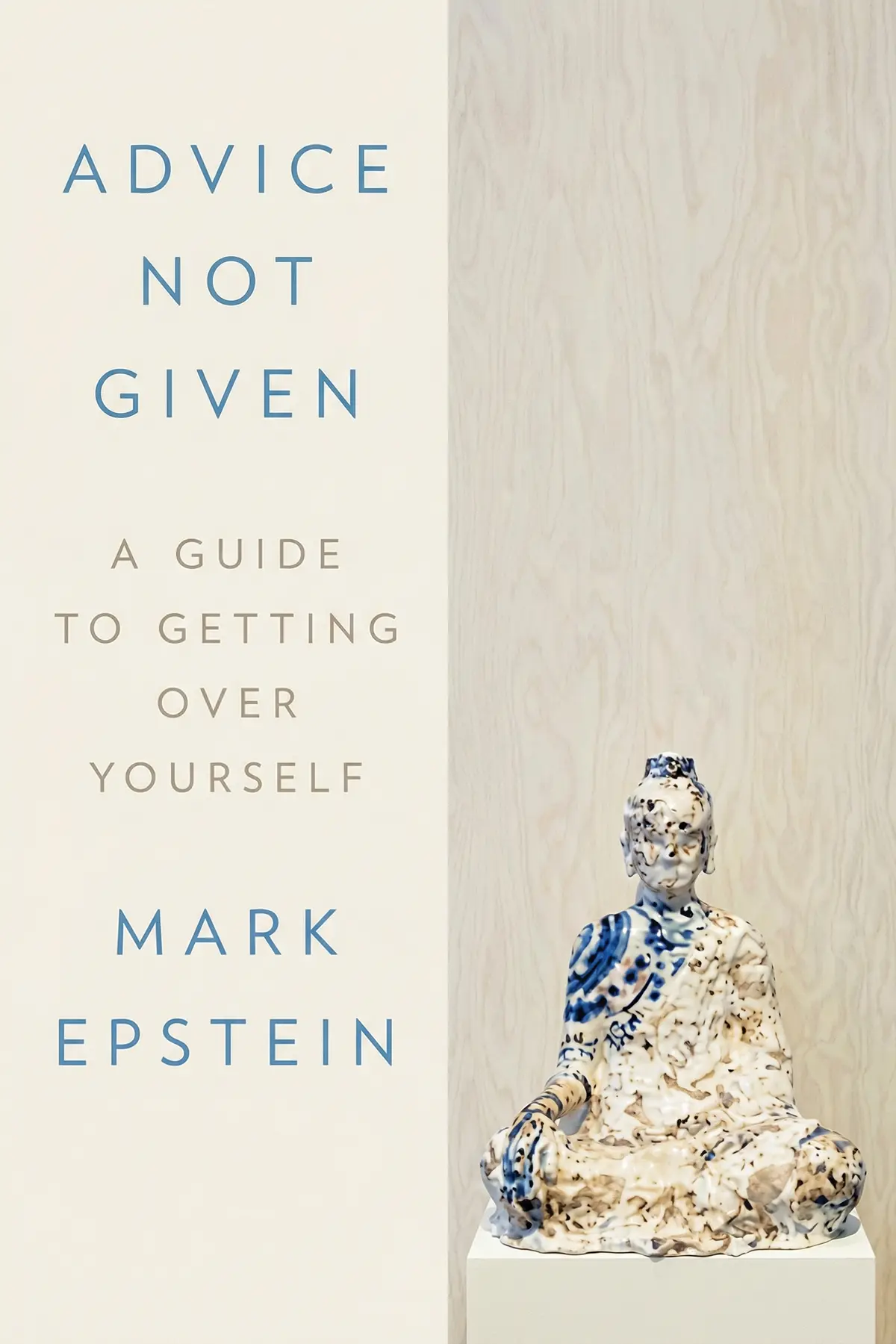
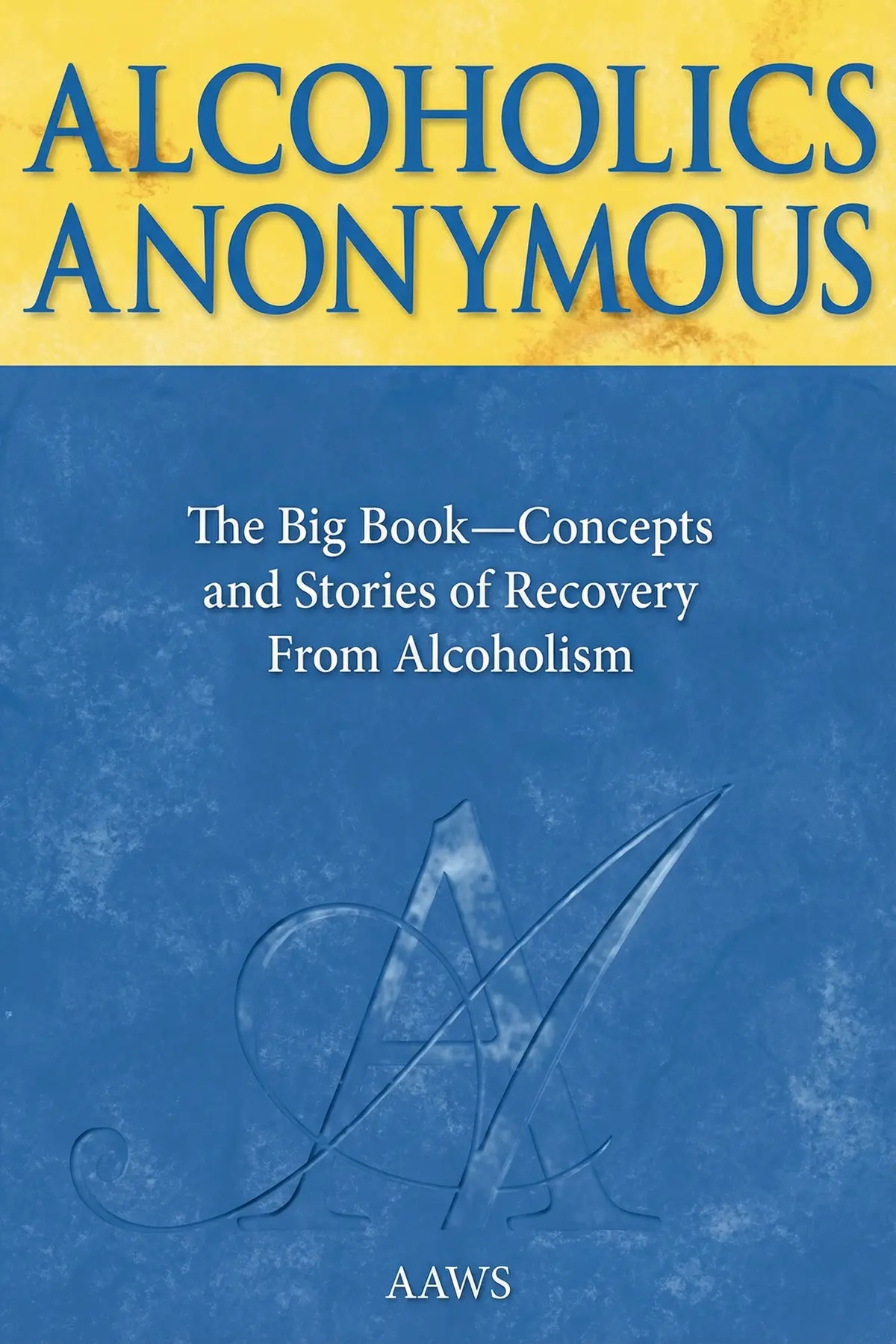
Alcoholics Anonymous
Alcoholics Anonymous World Services

A Liberated Mind: How to Pivot Toward What Matters
Steven C. Hayes
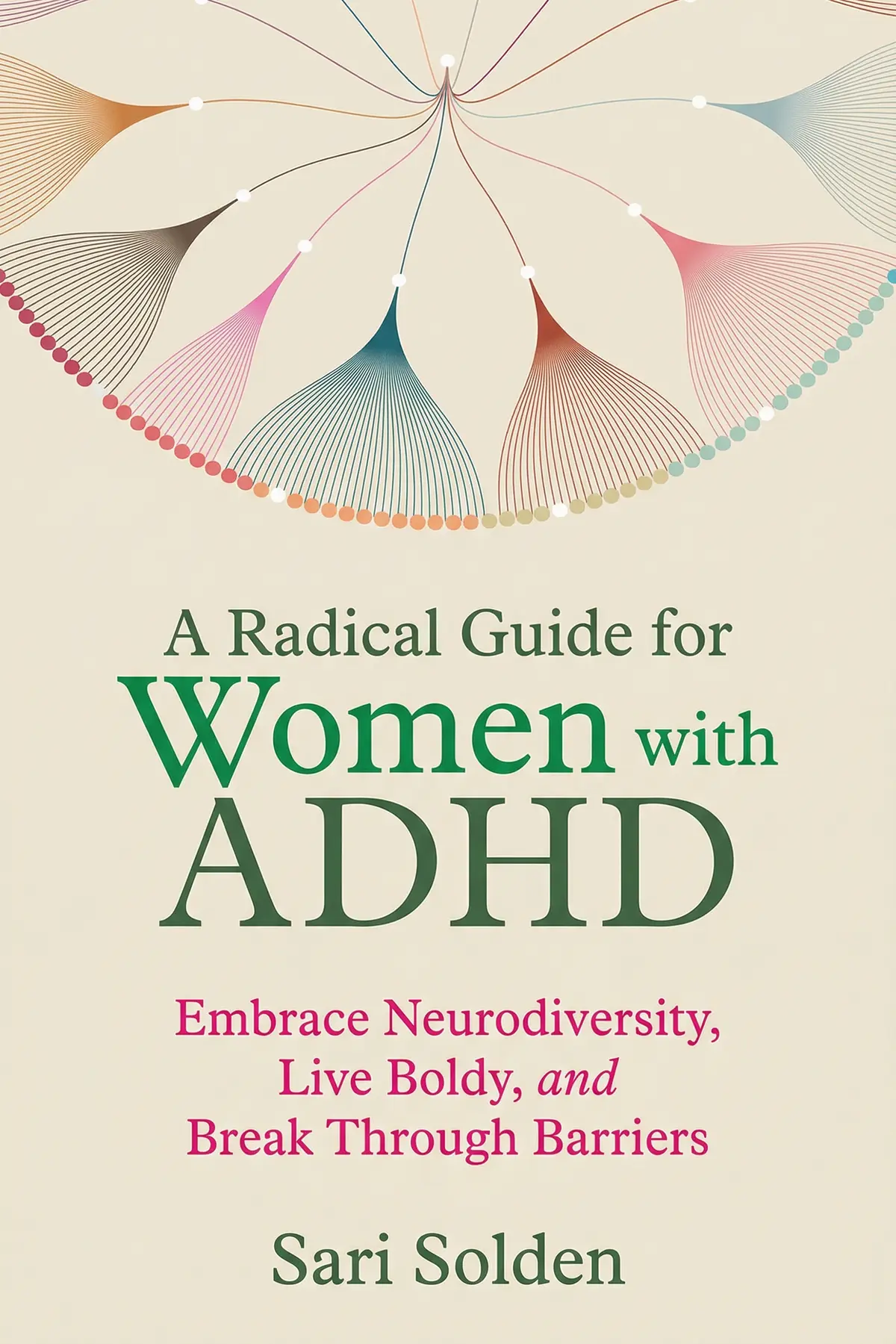
ADHD an A-Z: Figuring It Out Step by Step
Leanne Maskell

AUDIO SUMMARY AVAILABLE
Listen to How We Heal in 15 minutes
Get the key ideas from How We Heal by Alexandra Elle, plus 5,000+ more titles in English and Thai.
- 5,000+ titles
- Listen as much as you want
- 7-day free trial
- Cancel anytime







