
16 min 40 sec
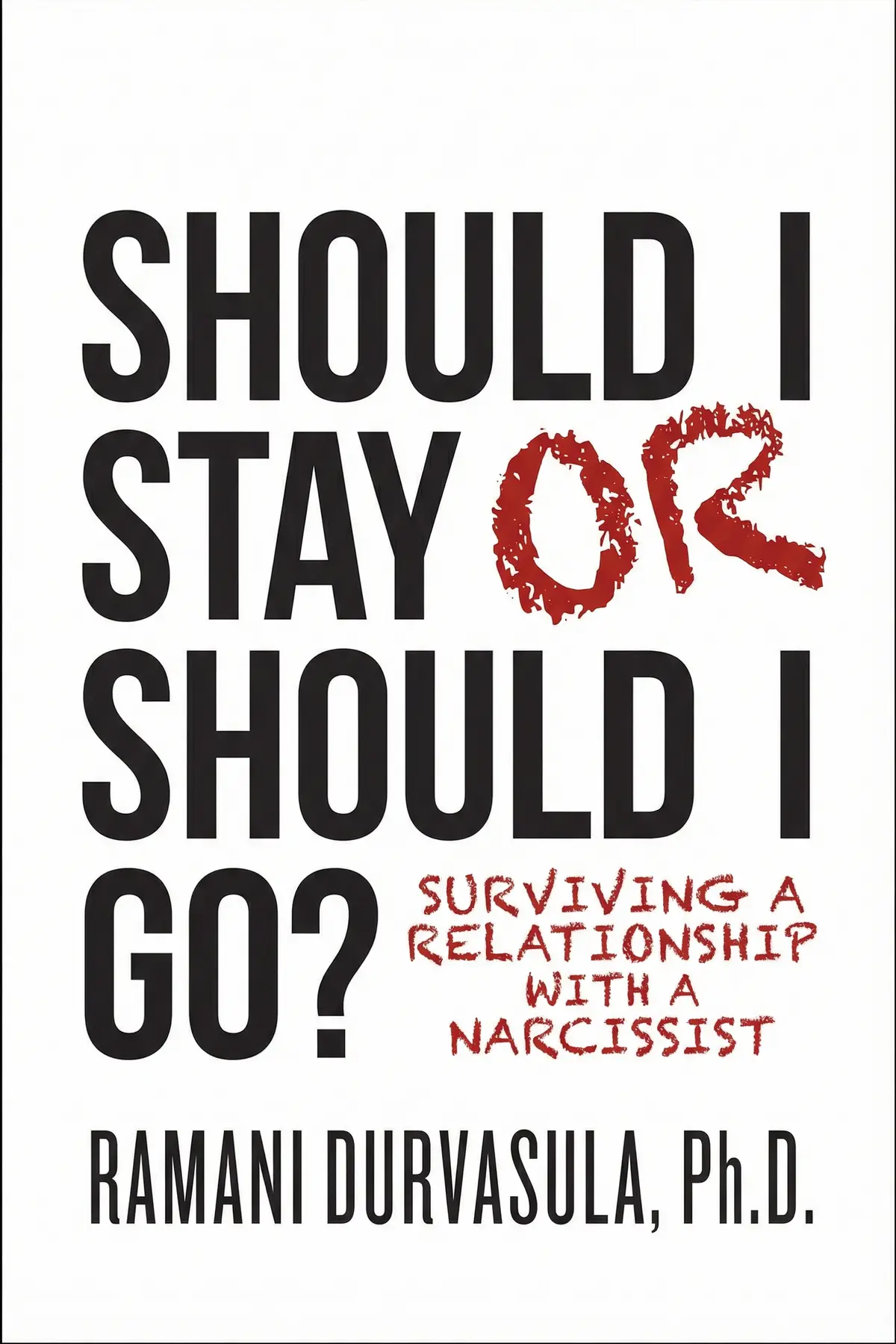
It’s Not You: Identifying and Healing from Narcissistic People
Stop blaming yourself for the toxic dynamics in your life. This guide helps you identify narcissistic behaviors, set firm boundaries, and reclaim your identity while prioritizing your long-term emotional well-being.
Table of Content
1. Introduction
2 min 07 sec
Imagine coming home after reaching a major milestone, perhaps a promotion or a hard-earned degree, only to have your excitement instantly deflated. Instead of a celebration, your partner points out why your achievement isn’t actually that significant, or perhaps a parent reminds you of someone else who did it better and faster. Or consider the professional who pours their soul into a project, only to watch their supervisor claim the credit in front of the board without a second thought. These aren’t just one-off bad days or moments of social awkwardness. When these patterns of dismissal, theft of credit, and emotional coldness become the baseline of a relationship, we are often dealing with something far more systemic.
In many cases, the person on the receiving end of this behavior begins to wither. They start to wonder if they are too sensitive, too demanding, or perhaps just not good enough. They internalize the critique and spend their energy trying to find the ‘magic key’ that will finally make the other person happy, supportive, or kind. But here is the central throughline we are going to explore: the problem isn’t your performance, your personality, or your worth. The core of the issue lies in the narcissistic traits of the other person, and the most important realization you can make is that the chaos is not your fault. It’s not you.
This is a journey through the mechanics of narcissistic personalities and the profound impact they have on the people in their orbit. We will look at why these individuals act the way they do, the specific tactics they use to maintain control, and why the traditional advice of ‘just leaving’ isn’t always a simple or viable option for everyone. Whether you are co-parenting, working in a toxic office, or caring for an aging parent, you need strategies that work in the real world. By the end of this, you will have a clearer understanding of the psychological landscape you are navigating and, more importantly, a plan to reclaim your sense of self and build a life that feels safe, stable, and entirely your own. Let’s begin by peeling back the layers of what these personality traits actually look like in practice.
2. Understanding the Spectrum of Narcissistic Personality Traits
2 min 43 sec
Narcissism is more than just vanity; it is a complex range of behaviors including grandiose displays, subtle victimhood, and intellectual superiority that can deeply impact your daily life.
3. The Invisible Toll of Manipulation and Betrayal
2 min 44 sec
Repeated exposure to tactics like gaslighting and devaluation doesn’t just hurt your feelings; it can systematically erode your confidence and even manifest as physical health issues.
4. The Power of Radical Acceptance and Internal Focus
2 min 22 sec
Waiting for a narcissist to finally ‘get it’ is a trap; true freedom comes from accepting they won’t change and shifting your energy toward your own growth.
5. Navigating Daily Life with Strategic Boundaries
2 min 37 sec
Setting boundaries with a narcissist requires a different approach; learn how to use calm communication and a ‘family of choice’ to protect your peace.
6. Reclaiming Your Identity and Nurturing Self-Worth
2 min 36 sec
The path to thriving involves rediscovering the passions and trust in yourself that were lost during the relationship, using tools like journaling to anchor your reality.
7. Conclusion
1 min 31 sec
As we wrap up this journey, the most important message to hold onto is the very thing we started with: it is not your fault. The confusion, the exhaustion, and the self-doubt you have carried are not reflections of your character, but the natural results of interacting with a deeply challenging personality type. You cannot change a narcissist, no matter how much love, logic, or labor you pour into the relationship. Their behavior is a closed loop, fueled by an internal landscape you didn’t create and can’t fix.
However, while you can’t change them, you have total agency over your own healing. By practicing radical acceptance, you stop the energy leak of hoping for change and start investing in your own resilience. By setting firm, quiet boundaries, you protect your daily peace. And by rediscovering your passions and building a supportive ‘family of choice,’ you reclaim the identity that was overshadowed by their demands.
Healing is a process of unlearning the lies you were told about yourself. It requires patience and a great deal of self-compassion. Whether you choose to stay, leave, or navigate a middle path, your primary responsibility is to your own mental and physical health. You deserve a life defined by mutual respect, emotional safety, and genuine connection. Start today by trusting your own reality, honoring your own needs, and remembering that your worth is inherent and non-negotiable. You are more than the roles you play for others—you are the architect of your own thriving future.
About this book
What is this book about?
Have you ever walked away from a conversation feeling diminished, confused, or entirely responsible for a conflict that you didn’t start? This exploration into the world of difficult personalities shifts the focus from your perceived failings to the reality of narcissistic dynamics. It serves as a compassionate roadmap for anyone trapped in exhausting cycles of manipulation, whether the person in question is a romantic partner, a parent, or a colleague. The promise of this work is not necessarily about changing the other person—which is often an impossible task—but about changing how you relate to yourself. By deconstructing the different types of narcissistic traits and the psychological toll they take, you will learn to spot red flags and implement protective strategies. It provides the tools to stop the internal blame game, establish solid boundaries, and move toward a life defined by your own values and self-worth rather than someone else's approval.
Book Information
About the Author
Ramani Durvasula
Dr. Ramani Durvasula is a highly respected clinical psychologist, professor, and author who has dedicated over two decades to the study of personality disorders and narcissistic behavior. As a professor of psychology at California State University, Los Angeles, she bridges the gap between academic research and practical application. Beyond the classroom, she is the founder of LUNA Education, Training & Consulting, where she leads specialized workshops on navigating mental health challenges. Her extensive body of work includes numerous peer-reviewed articles, insightful book chapters, and popular books that have helped countless individuals understand complex interpersonal dynamics.
Ratings & Reviews
Ratings at a glance
What people think
Listeners find this work educational and skillfully composed, with one noting that it is a real page-turner. It is regarded as the premier resource on narcissism and narcissistic abuse, offering tangible strategies and actionable steps for recovery. They appreciate how the text simplifies complicated theories and maintains a supportive, empathetic tone throughout the healing process.
Top reviews
Samuel
Dr. Ramani has done it again with a masterpiece that prioritizes the survivor's voice above all else. Most books on this topic get bogged down in the 'why' of the narcissist's behavior, which frankly doesn't help when you're drowning in their chaos. This is different. It’s a page-turner that acts as an authoritative guide for those seeking practical, actionable steps to reclaim their autonomy. I particularly appreciated the compassionate tone she maintains while delivering harsh truths about radical acceptance. While some might find the repetition a bit much, I think it's necessary for people whose brains have been rewired by constant gaslighting. This isn't just theory; it’s a survival manual for the modern world.
Show moreArnav
Finally, a resource that doesn't spend half the time psychoanalyzing the abuser and instead focuses on the person actually suffering. This book is the foremost authority on navigating these impossible dynamics, offering a refreshing lack of interest in the 'broken' childhood of the narcissist. It makes complex psychological concepts understandable for the average reader without stripping away the nuance. Radical acceptance is the core theme here, and honestly, hearing that it's okay to stop waiting for an apology that will never come was life-changing. If you’re dealing with a partner or parent who leaves you feeling drained and perpetually 'wrong,' this provides the compassionate insight needed to start the healing journey. It’s not just a book; it’s a path to freedom.
Show moreYam
Picked this up during a really dark period at work, and it was the lifeline I needed. I was experiencing real-life heart palpitations and extreme stress from a toxic boss, and this book gave me the tools to coexist without losing my mind. Dr. Ramani explains that you don’t always have to leave to begin the healing process, which is such an important distinction. The focus on 'survivor' rather than 'victim' is empowering. I found myself highlighting nearly every page because the descriptions of the 'ding' moments were so accurate to my experience. It’s a compassionate guide that refuses to sugarcoat the reality of these personalities. Truly an essential read for anyone feeling stuck in a cycle of self-doubt and confusion.
Show moreGame
The chapter on radical acceptance changed everything for me. For years, I stayed in a loop of trying to 'explain' my feelings to a parent who simply couldn't hear them, and this book finally gave me permission to stop. It’s a page-turner because every chapter feels like a lightbulb going off. Dr. Ramani provides such compassionate insight into why we stay and how we can slowly untangle our identities from the people who hurt us. Unlike other books that focus on the narcissist’s trauma, this one stays firmly on your side of the fence. It offers the most practical guidance I’ve found yet for reteaching yourself that you are not the problem. Highly recommend for anyone ready to prioritize their own mental health.
Show moreFah
Ever wonder why you keep trying to 'fix' people who have no interest in changing? This book provides the answer and a way out. It is easily the most informative resource on the market for narcissistic abuse, blending clinical expertise with a deeply human, compassionate tone. I loved that she didn't just tell me to 'leave'—she acknowledged the complexity of situations where leaving isn't an option and gave real tactics for those of us in the thick of it. The advice on letting go of the need for an apology was particularly powerful. It’s a masterclass in reclaiming your reality and moving toward a life that actually belongs to you. This is the authority on the subject, period.
Show moreNutnicha
As someone who has spent years in therapy trying to untangle a toxic childhood, I found this remarkably validating and professional. Dr. Ramani manages to take complex psychological concepts and turn them into actionable advice that anyone can use. This book isn't about the narcissist; it’s about you, your healing, and your future. The emphasis on the fact that these people will never change—and that it’s not your job to make them—is the hard truth I needed to hear. It’s a compassionate, informative page-turner that acts as both a mirror and a map. If you feel isolated by your experiences, this book will remind you that you are not alone and that there is a way forward.
Show moreAkosua
After following her YouTube channel for months, I wasn't sure if the book would offer anything new, but I was pleasantly surprised by the depth of the actionable advice here. The truth is, healing from this kind of trauma isn't linear, and the author's voice is like a steady hand through a storm. She breaks down how to handle situations where you can't just 'go no contact,' which is a reality for so many of us with family or co-workers. Some parts did feel a little wordy, and the anti-religion sentiment felt a bit forced in certain sections, but the practical guidance on managing anxiety attacks was worth the price alone. It’s an informative, well-written guide that helps you feel seen in a world that often ignores narcissistic abuse.
Show moreTawee
Look, this isn't a light beach read, but it is an essential one for anyone who has ever felt gaslit or diminished in a relationship. Dr. Ramani is clearly a professional who knows this subject inside out, and her perspective on the futility of trying to change a narcissist is sobering but necessary. I appreciated the focus on the physical toll of abuse, such as health-related issues from chronic stress. My only minor critique is that the book can be quite repetitive; however, for someone in the middle of a crisis, that repetition might actually be helpful for the information to really sink in. It’s a well-written, deeply informative deep dive into how we can protect our peace in a world that seems to reward toxic behavior.
Show moreMeen
To be fair, some sections felt a bit wordy, but the core message is incredibly powerful and worth the read. I think a lot of people will pick this up thinking they’re dealing with a clinical narcissist and realize they might just be dealing with someone 'off,' which is a helpful distinction the author makes early on. The actionable advice on managing the self-flagellation that follows an abusive breakup was particularly helpful for me. While the author’s stance on forgiveness is controversial, her focus on acceptance over 'letting it go' provides a much more realistic path for survivors. It’s a well-written, compassionate guide that makes you feel heard without making you feel like a victim forever.
Show moreMarco
This book is definitely a heavy lift, both emotionally and in terms of length. While I respect Dr. Ramani’s expertise, I felt like the writing was a bit overcomplicated and repetitive at times—it felt like she took 40 words to say what could be said in ten. My biggest gripe, however, is the dismissive attitude toward forgiveness. To me, forgiveness is about letting go for your own sake, not letting the other person off the hook, but the author treats it as a dangerous trap. It also leans a bit too heavily into the 'everyone who hurts you is a narcissist' territory, which might lead to some irresponsible mislabeling in personal relationships. There is good advice on reteaching yourself healthy thought patterns in the final chapters, but you have to dig through a lot of New Age-adjacent language to find it.
Show moreReaders also enjoyed
Alcoholics Anonymous
Alcoholics Anonymous World Services

A Liberated Mind: How to Pivot Toward What Matters
Steven C. Hayes
ADHD an A-Z: Figuring It Out Step by Step
Leanne Maskell

AUDIO SUMMARY AVAILABLE
Listen to It’s Not You in 15 minutes
Get the key ideas from It’s Not You by Ramani Durvasula, plus 5,000+ more titles in English and Thai.
- 5,000+ titles
- Listen as much as you want
- 7-day free trial
- Cancel anytime







