

13 min 23 sec
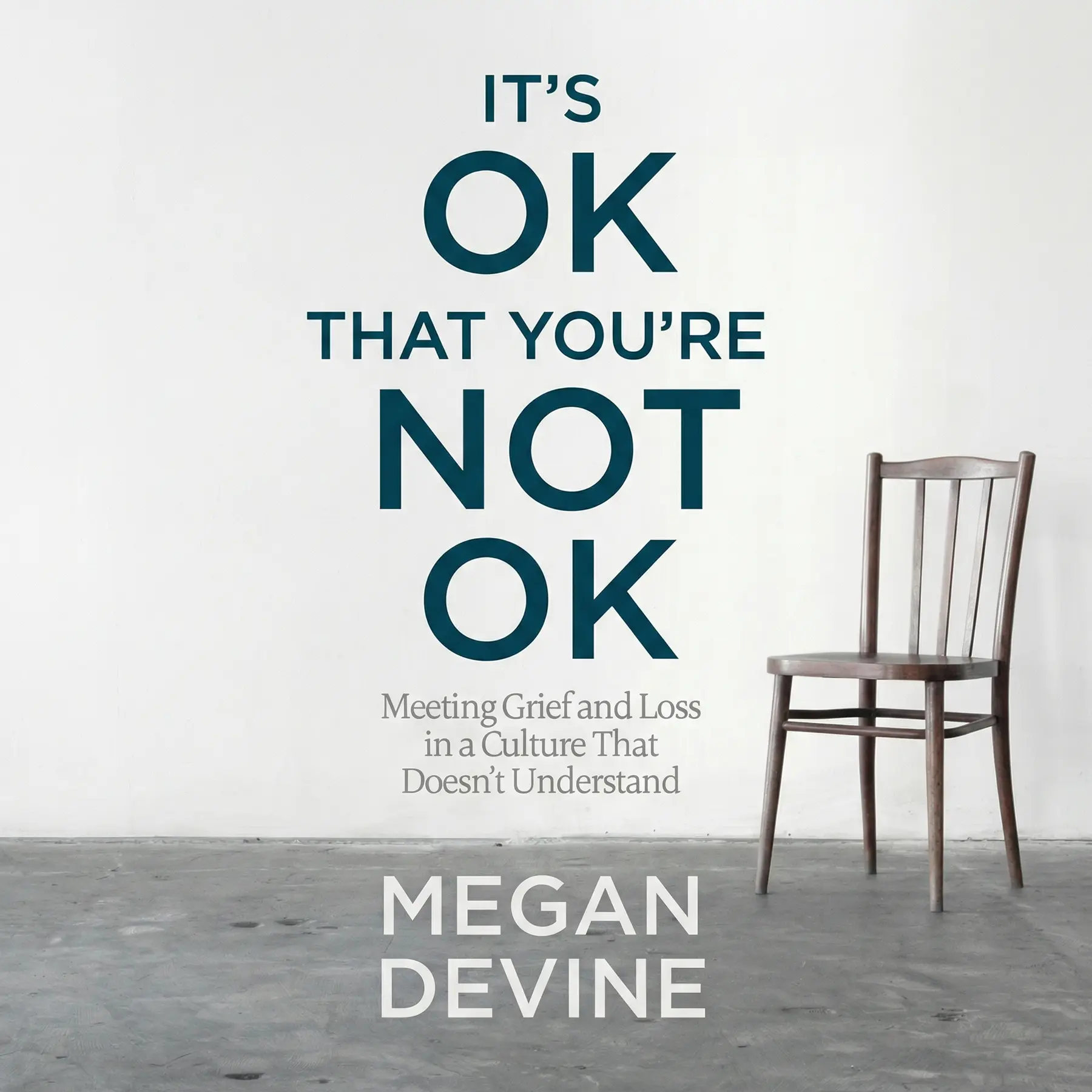
It’s OK That You’re Not OK: Meeting Grief and Loss in a Culture That Doesn't Understand
By Megan Devine
In a world that demands quick recovery, Megan Devine validates the raw reality of loss. This guide offers a compassionate framework for living with grief rather than trying to fix it.
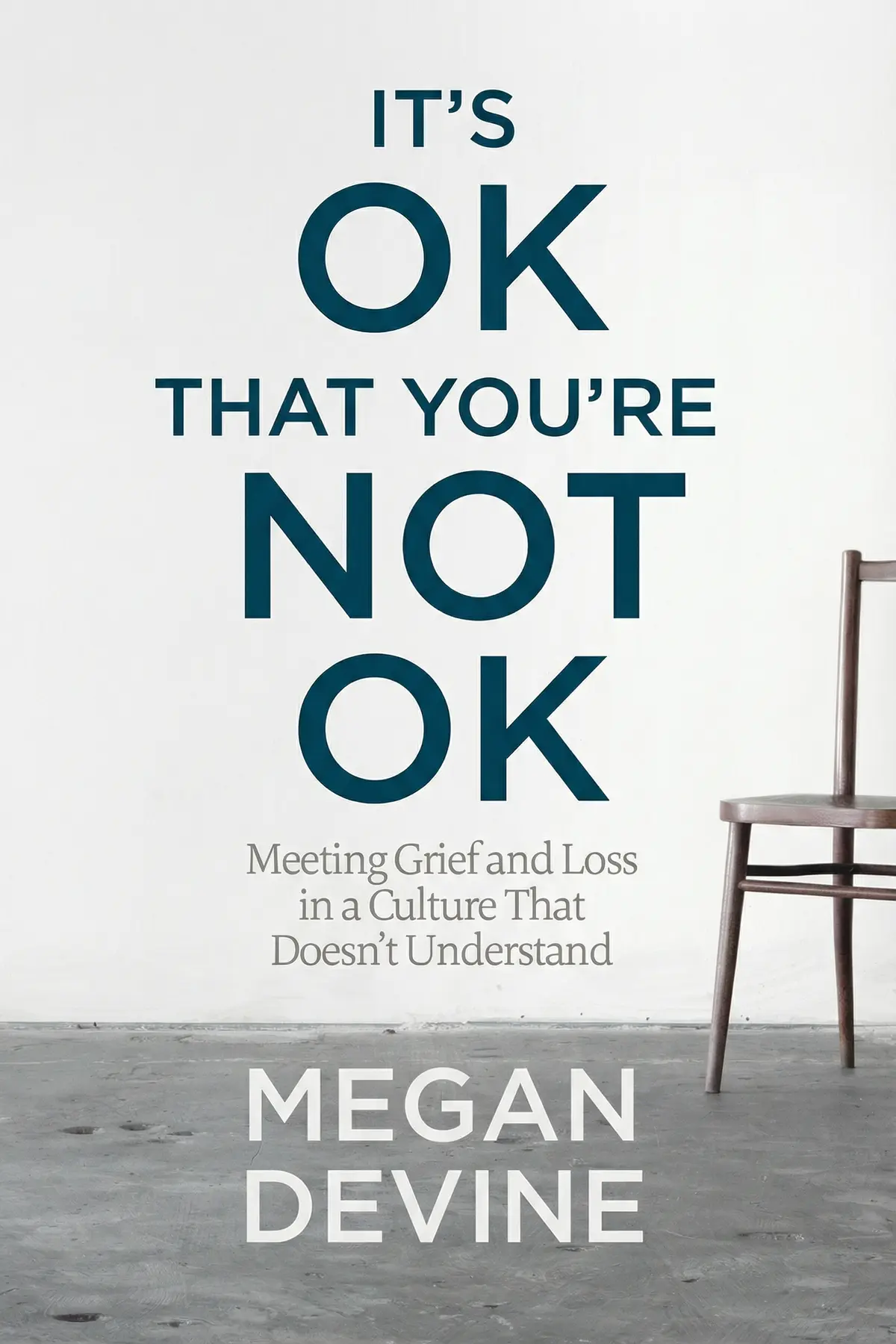
Table of Content
1. Introduction
1 min 35 sec
When you experience a devastating loss, the world around you often seems to move on at a dizzying speed. Within weeks or months, the people in your life might start offering well-meaning advice, suggesting that you look for the silver lining or encouraging you to find closure. This cultural rush to return to normal can leave you feeling isolated, angry, and profoundly misunderstood. It feels as though there is something wrong with you because you aren’t feeling better yet. But the truth is far simpler: the problem isn’t your grief. The problem is a culture that doesn’t know how to sit with pain.
This exploration of loss offers a radical departure from the idea that grief is a problem to be solved. Instead of treating your pain like a mountain to be climbed or a stage to be passed through, we’re going to look at it as a companion to be lived with. This isn’t about getting over it; it’s about making a life that can hold the magnitude of your experience. We will delve into why society fails so spectacularly at supporting those who are hurting and how you can reclaim your right to be exactly where you are.
Through this journey, we’ll move beyond the clinical checklists and the hollow platitudes. We’ll examine the biological impact of grief on your body and brain, the vital difference between the pain of the event and the suffering added by external pressure, and how to eventually build a future that respects your past. If you’ve been told that you’re grieving wrong, or that you’re taking too long, this is your permission to stop listening to the outside world and start listening to yourself. It really is okay that you’re not okay.
2. Challenging the Myth of Linear Grief
2 min 30 sec
Explore why traditional models of recovery and common cultural platitudes often do more harm than good for those navigating the reality of loss.
3. Protecting Your Right to Grieve Without Pressure
2 min 36 sec
Learn to distinguish between the natural pain of loss and the extra layers of suffering caused by social expectations and unsolicited advice.
4. Managing the Physical and Mental Toll
2 min 37 sec
Grief is a full-body experience that impacts your brain and health; discover gentle ways to manage these symptoms without judgment.
5. Integrating Loss into a Meaningful Future
2 min 43 sec
Shift the focus from moving on to moving forward, creating a life that honors your past while allowing for new experiences.
6. Conclusion
1 min 22 sec
In the end, the journey through grief isn’t about finding a way back to the person you were before the world changed. That person no longer exists, and that’s okay. The path forward is about learning to be the person you are now—someone who carries both a great loss and a great capacity for love. We’ve explored why it’s necessary to reject the societal pressure to ‘fix’ your pain and why your physical and mental symptoms are valid responses to a life-altering trauma.
Remember that grief is not a malfunction of the human spirit; it is a testament to the depth of your connections. By distinguishing between the inherent pain of loss and the unnecessary suffering of cultural expectations, you reclaim your sovereignty. You have the right to your anger, your sadness, and your own timeline. You have the right to set boundaries and to speak your truth, even when it makes others uncomfortable.
As you move forward, carry this simple truth with you: your grief doesn’t need to be solved, and your life doesn’t need to be perfect to be meaningful. You are doing the incredibly hard work of living through the unthinkable. Be gentle with yourself, find your allies, and know that in a world that often demands you hide your heart, staying true to your experience is the most courageous thing you can do. It is okay that you are not okay, and you are not alone in that truth.
About this book
What is this book about?
This book addresses the deep cultural disconnect between the reality of grief and the way society expects people to handle it. For most, the loss of a loved one is met with platitudes and pressure to move on quickly, as if grief were a temporary illness rather than a fundamental life shift. Megan Devine challenges the traditional medical and psychological models that pathologize grief, arguing instead that pain is a natural response to love and loss. The promise of this guide is not to make the pain disappear, but to offer a new way of carrying it. By distinguishing between inevitable pain and unnecessary suffering, it provides practical tools for managing the physical and mental toll of trauma. It empowers readers to set boundaries, stop apologizing for their feelings, and find a way to live a meaningful life that honors their loss without being forced to get over it.
Book Information
About the Author
Megan Devine
Psychotherapist Megan Devine is a leader in the areas of grief and loss. She shakes up the world’s preconceived notions around grief through her website, media appearances, and training programs. She has pioneered Writing Your Grief, a course that connects communities of grievers and supporters.
Ratings & Reviews
Ratings at a glance
What people think
Listeners find this work exceptionally beneficial, calling it essential reading for anyone mourning because it offers actionable methods and insights into the grieving process. The content provides candid truths and encourages people to accept their feelings, helping them feel less isolated during difficult times. Audiences value its accessible style and profound emotional insight, with one listener mentioning how the book allowed them to find a new perspective on suffering.
Top reviews
Bunyarit
Finally, a book that doesn't treat my sadness like a math problem to be solved. Megan Devine captures the blinking horror of loss with such precision that I felt seen for the first time in months. The cultural expectation to "get over it" is toxic, and this book serves as a protective shield against those well-meaning but hurtful platitudes. It isn't about finding a silver lining or becoming a better person through tragedy. Instead, it’s about acknowledging that some things are simply unbearable, and that is okay. Some things cannot be fixed; they can only be carried, and Devine is the first author I've found who actually respects that reality.
Show moreNim
Megan Devine has written the definitive guide for anyone standing in the wreckage of their old life. As someone who didn't know what to say to a friend in mourning, the appendix on how to help was a revelation. It taught me that my job isn't to fix the unfixable, but to simply show up and "be love" without flinching or turning away. The writing is incredibly accessible and avoids the clinical coldness you find in many other psychology books. If you are struggling to breathe under the weight of loss, or if you love someone who is, this is the book you need to read right now. It is deeply compassionate and honest.
Show moreRania
Wow, this was the first time I didn’t feel like a "broken" person for still being sad a year after my loss. Our society is so obsessed with the five stages of grief, but Devine correctly points out that acceptance isn't some finish line you cross to get your old life back. The book provides a soft, warm blanket of understanding for those of us who are tired of being told to "move on." It’s honest, raw, and deeply compassionate. I found myself crying through most of it, but they were the kind of tears that actually help you breathe again. Highly recommended.
Show morePreeda
The chapter on "magical thinking" and the sheer randomness of tragedy resonated with me more than any religious text ever could. Devine doesn't offer easy answers because there aren't any. She just stands there in the hole with you. This book is for the people who are tired of being told their loved one is in a "better place." It’s for those of us who know that the only place they should be is right here with us. It's a gritty, realistic, and ultimately life-saving look at what it means to live after the unthinkable happens. I've bought three copies to give to friends.
Show moreJom
Let’s be real: most books on loss are written by people who haven’t actually been through the fire. Devine is different because she’s lived it. Her shift from clinical expert to grieving partner makes her the perfect guide for this journey. She gives you permission to be angry, to be messy, and to be completely non-functional. I especially loved the focus on "witnessing" rather than "cheering up." This book should be required reading for every human being, because eventually, we all end up in that "vast flotilla" of the bereaved. It is incredibly helpful, deeply practical, and profoundly moving.
Show morePatcharaporn
To be fair, I was skeptical of another book claiming to understand grief, but this truly felt different from the standard "recovery" models. It’s not a manual on how to stop grieving, but a guide on how to live with a heart that has been permanently changed. The author’s rejection of the "meaning-making" industrial complex was so refreshing. Sometimes there is no meaning; there is just loss. By stripping away the pressure to "grow" from trauma, she actually creates a space where real, slow healing can start to happen on its own terms. It is the most honest book on the subject I have ever read.
Show moreElla
Picked this up during a particularly bad bout of "grief brain" where I couldn't even remember my own phone number. The validation that this cognitive fog is a normal response to trauma was a massive relief. Devine’s background as a therapist gives the book weight, but her personal loss gives it heart. I do think she makes some weirdly broad generalizations about social justice and activism in the middle sections that felt out of place and unsubstantiated. However, her central metaphor—that grief is something to be lived with rather than overcome—changed my entire perspective on my daily struggle. It's a solid four-star read that offers genuine comfort.
Show moreArjun
After hearing so many people recommend this, I finally dove in, and the truth is, it's a mixed bag of brilliant and frustrating. On the one hand, her critique of how the Western world sanitizes death and ignores suffering is spot on and much needed. We really do suck at supporting people in pain. On the other hand, the writing can be a bit repetitive, hammering home the "it sucks" point long after the reader has already agreed. Still, the practical strategies for managing anxiety and setting boundaries with well-intentioned "fixer" friends are worth the price of admission alone. It's an important perspective even if it's a bit one-note.
Show moreNora
Is it possible to feel both validated and slightly alienated at the same time? I appreciated the core message that grief isn't a disease to be cured, but the author’s "grief hierarchy" left a sour taste in my mouth. She seems to imply that sudden, "out-of-order" deaths are uniquely devastating, which inadvertently makes those of us grieving "expected" losses feel like our pain is secondary. While the advice on dealing with "grief brain" and anxiety was incredibly practical, the tone felt a bit dismissive of traditional therapeutic methods. It's a helpful resource, but go in knowing it’s heavily colored by the author’s specific experience with accidental loss.
Show moreIff
Look, not everyone wants to sit in a dark room of despair forever, but this book seems to suggest that's our only option. I found the lack of hope truly suffocating. While I agree that platitudes like "everything happens for a reason" are garbage, I still need to believe that life can eventually hold beauty again. Devine’s hostility toward other mental health professionals felt unprofessional and biased, especially considering many therapists have their own deep experiences with loss and trauma. To me, this felt more like a manifesto on staying stuck than a path toward integration. If you’re looking for a light at the end of the tunnel, keep looking. Kubler-Ross is much better.
Show moreFeatured in
Readers also enjoyed
Alcoholics Anonymous
Alcoholics Anonymous World Services
A Liberated Mind: How to Pivot Toward What Matters
Steven C. Hayes

ADHD an A-Z: Figuring It Out Step by Step
Leanne Maskell

AUDIO SUMMARY AVAILABLE
Listen to It’s OK That You’re Not OK in 15 minutes
Get the key ideas from It’s OK That You’re Not OK by Megan Devine, plus 5,000+ more titles in English and Thai.
- 5,000+ titles
- Listen as much as you want
- 7-day free trial
- Cancel anytime







