
16 min 30 sec
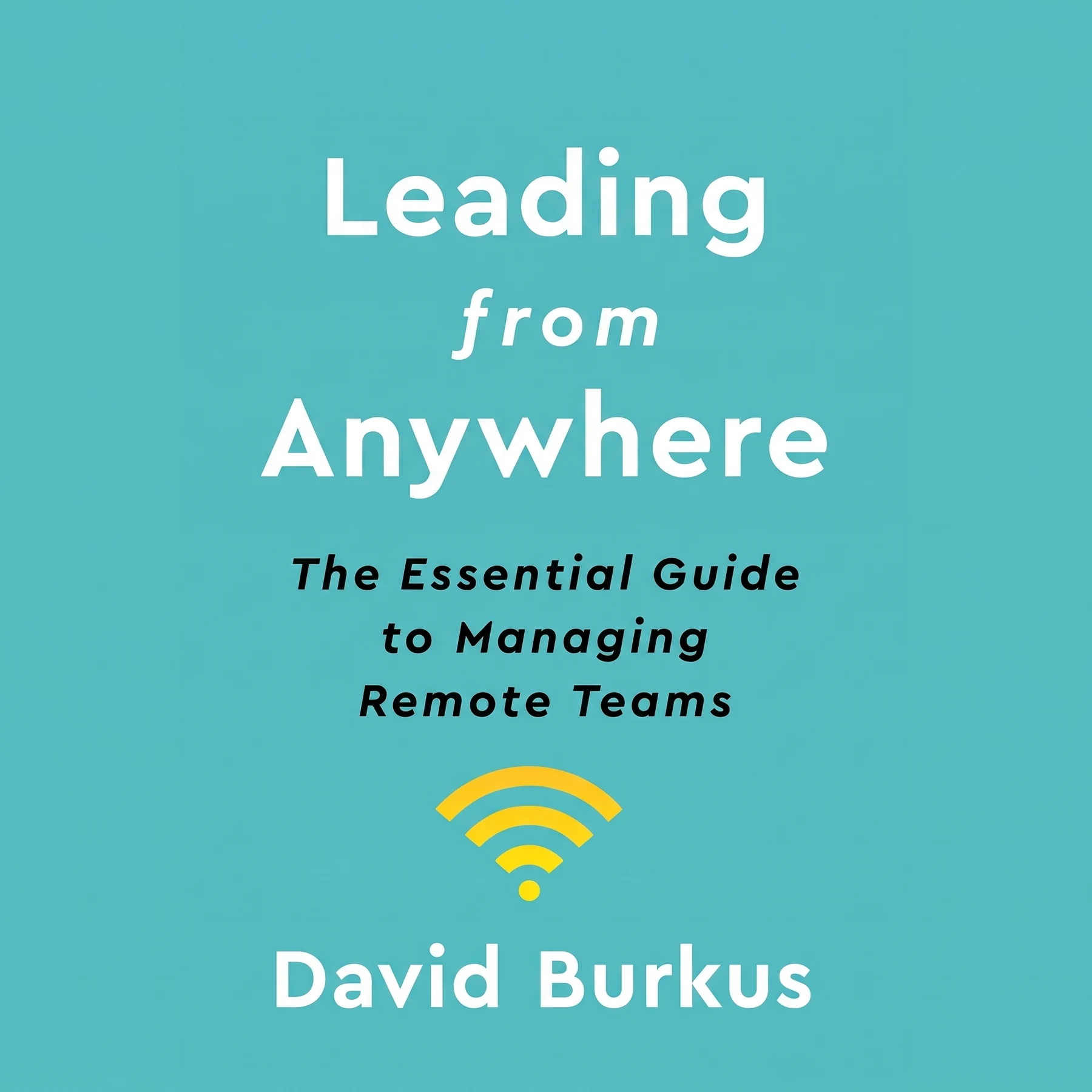
Leading from Anywhere: The Essential Guide to Managing Remote Teams
By David Burkus
David Burkus provides a comprehensive guide for leading teams in a digital-first world. Learn how to foster trust, optimize communication, and maintain a high-performance culture without the constraints of a traditional office environment.
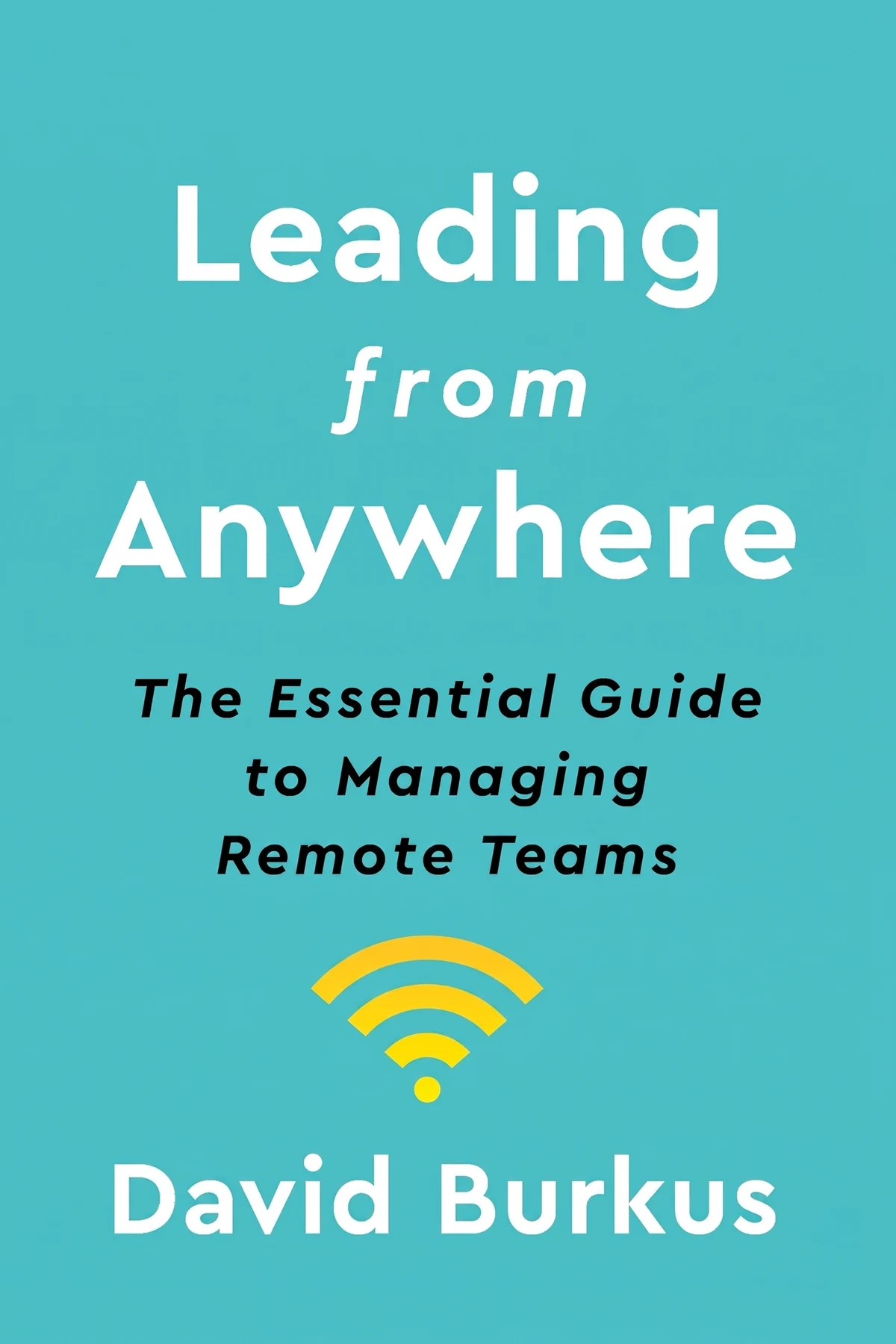
Table of Content
1. Introduction
1 min 52 sec
In the early months of 2020, the world witnessed an unprecedented transformation in the way we work. Almost overnight, millions of professionals traded their commutes and cubicles for kitchen tables, spare bedrooms, and improvised garden offices. This wasn’t a slow, planned transition; it was a sudden, global experiment in remote labor. For some organizations, this shift felt like a natural progression, a chance to prove that productivity isn’t tethered to a specific zip code. For others, however, the lack of physical presence led to a breakdown in communication, a dip in morale, and a confusing struggle to maintain the status quo.
What separates the teams that flourish in a distributed environment from those that flounder? The answer doesn’t lie in the software they use or the speed of their internet connections. Instead, it’s found in the fundamental approach to leadership. Traditional management styles, born in the era of the industrial office, often fail when applied to a virtual landscape. Leading from Anywhere by David Burkus argues that remote work isn’t just a temporary workaround for a crisis—it is the definitive future of the professional world. To succeed in this future, leaders must rethink how they build culture, how they communicate, and how they evaluate success.
In this summary, we are going to explore the blueprint for successful remote leadership. We’ll look at why a shared sense of purpose is more important than ever when your team is miles apart. We’ll dive into the psychological foundations of trust and respect that keep a digital culture from turning toxic. We’ll also examine the practicalities of communication—specifically why the video calls we’ve grown used to might actually be less effective than we think. Finally, we’ll see how to manage performance by focusing on outcomes rather than observation. If you’ve ever felt like leading a remote team is like trying to navigate a ship through a fog, these insights will serve as your lighthouse, guiding you toward a more cohesive, autonomous, and high-performing organization.
2. The Pillars of Shared Purpose and Understanding
2 min 25 sec
Discover why the most successful remote teams rely on a deep understanding of individual needs and a collective mission to stay motivated when working in isolation.
3. Fostering a Culture of Trust and Respect
2 min 05 sec
Explore the essential ingredients of psychological safety and how learned respect can create a thriving, innovative digital workplace.
4. The Balance of Digital Communication
2 min 12 sec
Learn why the ‘interruption factory’ of the office must be replaced by a strategic mix of real-time and delayed communication channels.
5. Mastering the Art of the Virtual Meeting
2 min 11 sec
Uncover the golden rules for turning tedious video conferences into efficient, purpose-driven sessions that actually move the needle.
6. Managing Outcomes Over Activities
1 min 58 sec
Discover why surveillance software is a trap and how to transition to a performance model built on feedback, clarity, and support.
7. The Evolution and Resilience of Remote Work
2 min 14 sec
Trace the history of working from anywhere to understand why it’s a proven, high-performance model that has finally overcome decades of resistance.
8. Conclusion
1 min 33 sec
As we wrap up our look at Leading from Anywhere, it becomes clear that the transition to remote work is more than just a change in location—it is a change in the philosophy of leadership. We’ve seen that the foundation of any successful distributed team is built on a deep, empathetic understanding of each individual’s circumstances combined with a clear, inspiring mission. When people know what they are fighting for and feel that their leader sees them as more than just a name on a screen, they are capable of incredible things.
We’ve also explored the critical importance of trust and psychological safety. In a world where you can’t see what everyone is doing at all times, trust is the currency of productivity. By ditching surveillance in favor of support and feedback, you create a culture where people feel empowered to take ownership of their results. Furthermore, we’ve learned that communication must be intentional. Balancing asynchronous work with meaningful, purpose-driven meetings ensures that the team stays connected without being overwhelmed by the ‘digital noise’ of constant notifications.
Remote leadership isn’t about having all the answers or the most advanced software. It’s about being a facilitator who clears the path for their team to succeed. As you move forward, remember to focus on outcomes rather than activities. Trust your people, give them the tools they need, and keep the lines of communication open and honest. The future of work is here, and it’s happening anywhere and everywhere. By embracing these principles, you won’t just manage a remote team—you will lead a cohesive, high-performing community that can tackle any challenge, regardless of where in the world they happen to be sitting.
About this book
What is this book about?
Leading from Anywhere is a strategic manual for the modern manager tasked with overseeing a distributed workforce. It moves beyond the technical hurdles of remote work to address the deeper psychological and cultural needs of a team that no longer meets by the watercooler. The book explores how the shift to remote work is not a temporary fix but a permanent evolution in how we collaborate. By following the insights within, leaders can expect to learn how to build deep-seated trust, navigate the nuances of digital communication, and manage performance based on results rather than hours spent at a desk. The promise is a more resilient, motivated, and productive team that can thrive regardless of geographical boundaries, turning the challenge of distance into a competitive advantage for the organization.
Book Information
About the Author
David Burkus
David Burkus is a best-selling author, podcaster, and former business school professor. He has been ranked as one of the world’s top business thought leaders by Thinkers50 and has worked with leaders from organizations across many industries, including Google, Stryker, Fidelity, and the US Naval Academy.
Ratings & Reviews
Ratings at a glance
What people think
Listeners find this book full of practical strategies and simple to navigate, commending its observations on working remotely following the pandemic. Furthermore, they value the advice for overseeing distributed groups and its applicability to contemporary struggles. However, opinions on the level of detail are divided; while some listeners consider it specific, others mention it lacks depth.
Top reviews
Dome
As someone who spent years drowning in a four-hour daily commute, this book felt like a manifesto for a better way of living. Burkus makes a compelling case for why remote work isn't just a temporary fix, but a massive benefit for productivity and employee well-being. I especially loved the subtle dig at the Marissa Mayer era of forcing everyone back to the office, as it highlights how much we've evolved. The book is packed with research and data, but it never feels dry because it's balanced with great anecdotes. The idea to break a single brainstorming session into three mini-sessions—problem, idea, and decision—is brilliant and easy to test immediately. Not gonna lie, I was skeptical about how to build bonds virtually, but the practical tips here made me feel much more capable. This is essential reading for anyone who wants to hire the best talent regardless of geography.
Show morePisit
Burkus hits a home run by blending solid data with actionable anecdotes that you can implement by Monday morning. I’m a fan of how he knocks down the pins of the old office-centric mindset. The writing is clear, the opinions are strong, and the research supports his claims beautifully. I especially liked the lesson on leaving room at the end of virtual meetings for those organic, end-of-conversation bits that usually happen at the door. It’s those small details that make a leader successful in a dispersed environment. The benefits of remote work—low overhead, better work-life balance, and hiring from anywhere—are all laid out clearly here. This is exactly the kind of book we need as we navigate the transition away from the daily grind. It's refreshing to see a business book that is both timely and exceptionally readable without being overly academic.
Show moreCarter
Wow, I finally feel equipped to handle the nuances of a dispersed team without losing that essential human connection. The way Burkus walks you through creating a culture and managing performance virtually is just fantastic. I loved the emphasis on 'water cooler bits' and making sure the remote experience isn't just a second-class version of the office experience. The advice is backed up by great interviews and case studies that make the concepts feel very grounded in reality. Managing a team remotely is a completely different beast, and this book treats it with the respect it deserves. I have zero desire to return to a daily commute, and this book gives me the tools to prove that remote leadership actually works. It's a quick, punchy read that I’ve already highlighted to death. Highly recommended for any leader who wants to stay relevant in today’s changing landscape.
Show moreTanyaporn
Finally got around to reading David Burkus’s take on the virtual workspace shift, and it’s a solid addition to the management shelf. The standout for me was the 'one remote, all remote' rule which suggests that if even one person is joining via video, the whole team should act as if they are off-site to level the playing field. To be fair, some of the leadership advice feels a bit recycled from general management tomes, but the specific application to dispersed teams makes it worth the time. The writing is punchy and lacks the typical corporate fluff. I found the section on maintaining culture without a physical office particularly insightful, even if a few of the case studies felt a little brief. It’s an easy, fast read that provides immediate takeaways for anyone struggling with hybrid dynamics. I’m already planning to implement his advice on starting meetings early for those essential water cooler conversations.
Show moreLeah
After hearing several colleagues rave about Burkus, I expected a dense academic text, but I was pleasantly surprised by how readable this actually is. The book lays out a clear game plan for unifying a team around a shared purpose, which is so much harder to do when you aren't seeing people in the hallway every day. I appreciated the specific tips on running virtual meetings, particularly the idea that every agenda item should be framed as a question. It keeps people engaged and prevents that glazed-over look everyone gets during long screen-sharing sessions. Personally, I would have liked a bit more on the technical side of the tools we use, but the focus on the human element of leadership is probably more important in the long run. It’s a timely and important guide that helps navigate the 'new normal' with a bit more confidence and grace.
Show moreJonathan
Personally, I think the 'one remote, all remote' policy described here should be mandatory for every hybrid office. Burkus does an excellent job of explaining how the four aspects of a great culture can be maintained even when the team is scattered across time zones. Look, it’s not reinventing the wheel, but it packages the advice in a way that is very easy to digest and implement. I found the section on 'saying goodbye' particularly touching and necessary, as remote departures can often feel cold or abrupt. My only real gripe is that some of the examples come from companies that were intentionally remote from the start, which doesn't always translate to firms forced into it. Despite that, the book is refreshing and fills a gap in current management literature. It’s a solid 4-star read that I’ll be recommending to my own supervisor next week.
Show moreSavannah
Is this a game-changer for seasoned managers who have been navigating the post-2020 world for a while? Probably not, though it functions as a great refresher for the basics. Burkus focuses heavily on the 'leading' aspect, and at times, I felt the 'anywhere' part was secondary to standard leadership principles you could find in any business book. Truth is, the content depth is a bit hit-or-miss depending on your specific industry. Some chapters, like the ones on hiring and firing remotely, offer excellent, actionable advice that feels very current. Other sections regarding team engagement felt a bit too high-level and lacked the granular detail I was hoping for. It’s a well-written resource that was clearly birthed during the lockdown era, and while it’s timely, it occasionally struggles to offer something truly revolutionary. Still, it’s a quick read and serves as a helpful roadmap for those new to managing remote workers.
Show moreBua
The chapter on breaking down brainstorming sessions into three distinct phases was easily the highlight for me. It provides a clear structure for building consensus without the fatigue that usually comes from long Zoom calls. However, in my experience, a lot of the other advice in this book feels a bit too idealistic for large, bureaucratic corporations. I read this for my company’s book club, and while it sparked great discussion, many colleagues felt the suggestions were out of our direct control. The tone is casual and accessible, which is nice, but it lacks the intellectual meat found in some of Burkus’s earlier works. To be fair, it’s one of the first books to really tackle the pandemic shift, so it’s topical even if it’s a bit thin in parts. It’s a decent resource for a manager looking for a few quick wins to boost team morale.
Show moreSomboon
This book provides a decent roadmap, though it occasionally veers into territory that feels a bit too high-level for my taste. Gotta say, the advice on breaking meetings into problem, idea, and decision phases is definitely the most valuable tip in the whole book. We tried it last week and it really helped us reach a consensus faster than our usual rambling sessions. On the downside, the book was clearly written during the early 2020 lockdowns, so some of the 'newness' of remote work that he describes feels a bit dated now that we're a few years in. It’s a great resource if you are building a team from scratch, but it might offer less for those already deep in the remote trenches. It’s a helpful guide, just don't expect it to solve every complex cultural issue your company might have.
Show moreMeen
Not what I expected given the hype surrounding remote work strategies during the pandemic. Frankly, this felt like Leadership 101 with a thin 'remote' veneer slapped over the top of it. If you have ever managed a team before, you likely already know 70% of what is being presented here. The book is very short, which is a plus, but the lack of depth in the performance management section was a real letdown for me. It assumes you have a lot of autonomy to change company culture, which just isn't the case for most middle managers. While the anecdotes are fine, I was looking for more solid data on long-term remote productivity trends. It’s a decent starting point for a brand-new manager who has never led anyone before, but for everyone else, it might feel a bit redundant. I was hoping for more specific challenges and less general advice.
Show moreFeatured in
Readers also enjoyed
7 Powers: The Foundations of Business Strategy
Hamilton Helmer

A Bigger Prize: How We Can Do Better Than the Competition
Margaret Heffernan
A Year with Peter Drucker: 52 Weeks of Coaching for Leadership Effectiveness
Joseph A. Maciariello
AUDIO SUMMARY AVAILABLE
Listen to Leading from Anywhere in 15 minutes
Get the key ideas from Leading from Anywhere by David Burkus, plus 5,000+ more titles in English and Thai.
- 5,000+ titles
- Listen as much as you want
- 7-day free trial
- Cancel anytime







