
20 min 30 sec
Life Lessons from a Brain Surgeon: Practical Strategies for Peak Health and Performance
Neurosurgeon Rahul Jandial offers a practical guide to optimizing brain health. Discover how lifestyle choices, from diet and sleep to learning new languages, can sharpen your mind and protect against cognitive decline.
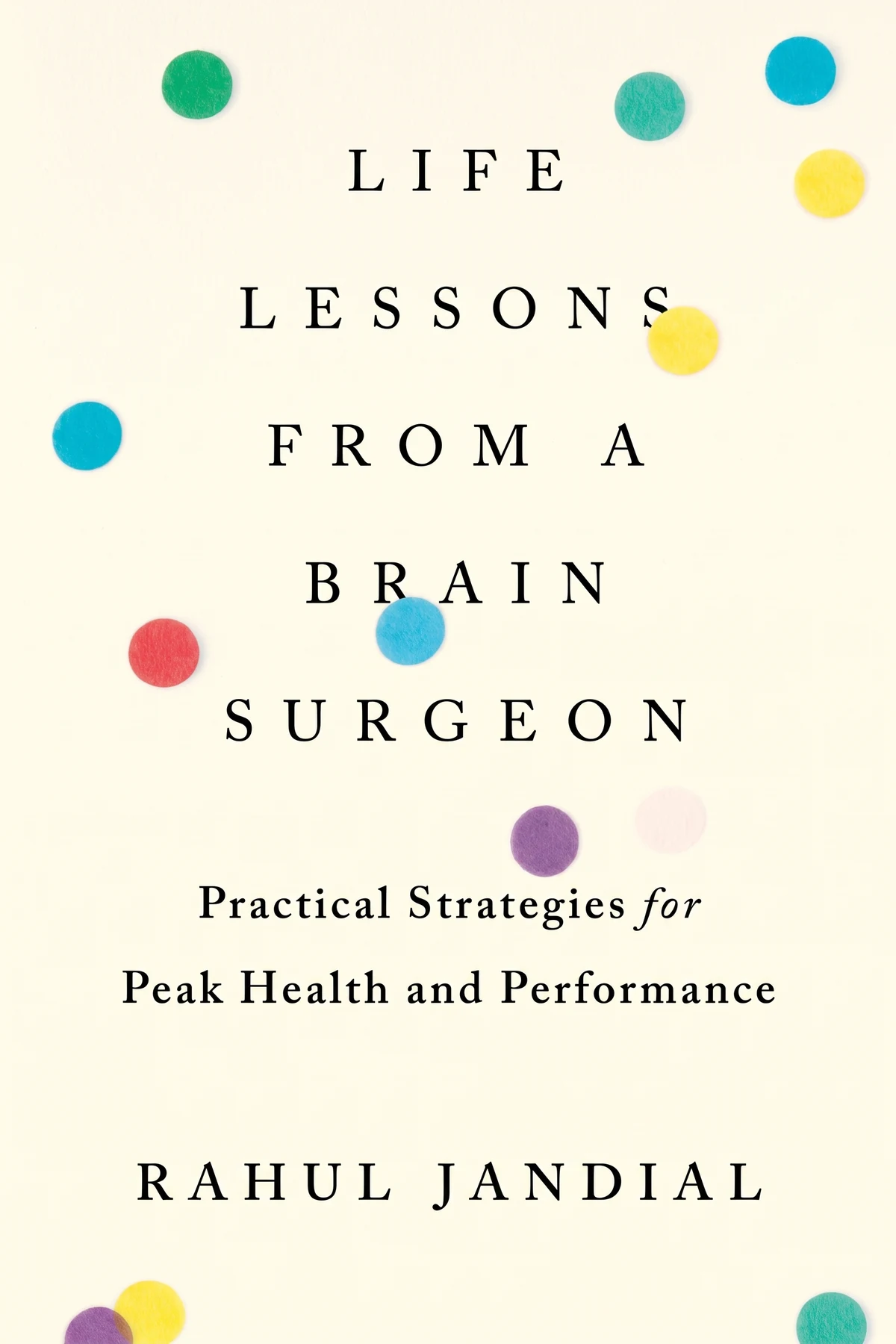
Table of Content
1. Introduction
1 min 53 sec
When we think about our health, we often focus on the numbers on a scale or the strength of our muscles, but there is one organ that truly dictates the quality of our existence: the brain. For neurosurgeon Rahul Jandial, the journey into the depths of the human mind began with a sense of wonder that only grew the more he worked in the operating room. Early in his medical training, the specimens he saw in anatomy class seemed almost mundane, but everything changed when he witnessed his first live surgery. Seeing the pulsing, intricate structure of a living brain revealed the true complexity of the organ that houses every thought, emotion, and memory we possess.
This exploration isn’t just about understanding anatomy; it’s about realizing that the brain is a dynamic, ever-changing landscape. For a long time, many believed that our mental capacities were set in stone once we reached adulthood, but modern science tells a different story. We have far more influence over our cognitive destiny than we previously thought. By looking at the latest neurological insights, we can learn how to sharpen our focus, boost our creative output, and safeguard our mental faculties as the years pass.
Throughout this summary, we will navigate the intersection of high-stakes surgical cases and practical, everyday science. We will debunk common misconceptions about how different sides of the brain work and look at how something as simple as a thirty-minute walk or a specific way of breathing can have profound effects on our neural architecture. The goal is to move beyond the abstract and provide a concrete guide for anyone looking to harness the full potential of their most vital organ. By the end, you’ll have a clear understanding of the habits that support a resilient mind, from the way you eat and sleep to the way you challenge your intellect.
2. Expanding Cognitive Capacity and Memory
2 min 44 sec
Discover why modern intelligence is on the rise and how simple techniques like area-restricted searching can dramatically improve your daily recall abilities.
3. The Neurological Advantage of Multiple Languages
2 min 24 sec
Explore the unique way the brain maps different languages and why being bilingual acts as a powerful shield for your cognitive health.
4. Unlocking Whole-Brain Creativity
2 min 30 sec
Moving beyond the left-brain versus right-brain myth, learn how to tap into your innate creative potential through movement and rest.
5. Sleep as the Brain’s Essential Maintenance System
2 min 16 sec
Understand why sleep is far more than just rest, acting as a critical period for sorting memories and flushing out mental waste.
6. Nutrition and the Truth About the Gut-Brain Connection
2 min 19 sec
Learn how specific dietary patterns and intermittent fasting can stimulate neural growth and repair while debunking common myths about the gut.
7. Parenting for a Resilient and Adventurous Mind
2 min 09 sec
Discover the biological importance of balancing safety with exploration in childhood to foster healthy brain development and adaptability.
8. Defending Against Decline with Education and Movement
2 min 16 sec
Understand why lifelong learning and physical exercise are the most potent tools we have to preserve our brain’s youthfulness as we age.
9. Conclusion
1 min 59 sec
As we have explored through the insights of neurosurgery and modern science, the brain is not a static machine but a living, breathing landscape that we have the power to shape. We have seen that intelligence and memory can be bolstered through intentional practice and structured thinking, such as self-testing and categorization. We’ve discovered that the brain loves the challenge of multiple languages and the harmony of creative play. We’ve also acknowledged that the silent hours of sleep and the fuel we provide through our diet are the fundamental pillars upon which a healthy mind is built.
The throughline of all these lessons is simple: your brain is resilient, but it requires your stewardship. Whether it is protecting a child’s developing mind by balancing safety with adventure, or defending against dementia in later years through exercise and education, the choices we make every day have a physical impact on our neural architecture. The brain is remarkably capable of repair and growth, provided we give it the right environment and the right challenges.
To put these lessons into immediate practice, consider the power of mindful breathing. Science has shown that even ten to fifteen minutes of focused, rhythmic breathing can strengthen neuron connections and calm the nervous system. A simple ‘four-count’ method—inhaling for four, holding for four, and exhaling for four—can sharpen your focus and regulate your emotional state. This small, daily habit is a perfect example of how minor lifestyle adjustments can lead to significant neurological benefits. By staying curious, staying active, and respecting your brain’s need for rest and nourishment, you can ensure that your most important organ serves you well for a lifetime. The journey to a better brain is a marathon, not a sprint, and every small step you take today builds a stronger, more resilient mind for tomorrow.
About this book
What is this book about?
Life Lessons from a Brain Surgeon takes readers inside the operating room and the research lab to reveal how the human brain truly functions. Dr. Rahul Jandial moves past popular myths to explain the real science of memory, creativity, and intelligence. He demonstrates that our cognitive abilities are not fixed by our genetics but can be enhanced through specific, evidence-based habits. The book promises a toolkit for a more resilient mind. By understanding how the brain stores memories, processes multiple languages, and restores itself during sleep, you can take active steps to improve your daily performance. From the benefits of intermittent fasting to the importance of physical exercise for brain nourishment, Jandial provides a roadmap for maintaining a sharp, healthy brain at every stage of life, helping you build a stronger cognitive reserve against the challenges of aging.
Book Information
About the Author
Rahul Jandial
Rahul Jandial, MD, PhD, is an American neurosurgeon and scientist based at the City of Hope research center and hospital in Los Angeles. As the lead scientist at the Jandial Laboratory, he focuses on cutting-edge neuroscience. He has authored ten academic books and over 100 papers, and contributes to VICE while appearing on major outlets like Today and National Geographic.
Ratings & Reviews
Ratings at a glance
What people think
Listeners find the material accessible and simple to follow, with one listener highlighting the book’s compelling storytelling style. Additionally, the caliber of information earns praise, as listeners value how it presents helpful brain fitness tips and provides an amazing update on the status of neuroscience.
Top reviews
Pita
Wow, I didn't realize how much misinformation I'd swallowed about the brain until I picked this up. Dr. Jandial is a master at making the complex simple. I loved the 'Neuro Geek' boxes; they provided just enough depth to satisfy my inner science nerd without being overwhelming. The description of the brain's iridescent surface under the operating room lights was incredibly vivid. It’s rare to find a book that offers both thrilling surgery stories and actionable health advice. I’ve already started implementing his suggestions for meditative breathing, and I genuinely feel more focused during my workday. This isn't just a book about surgery; it's a manual for living better. Highly recommended for fans of medical non-fiction.
Show moreSombat
Ever wonder if those 'brain games' on your phone are actually doing anything for your long-term health? Jandial addresses this head-on, along with dozens of other myths. What I love most is that he doesn't promise a miracle cure. He’s a surgeon who sees the brain at its most vulnerable, which gives him a unique authority on what actually works. The section on stem cells and the future of dementia treatment was both realistic and hopeful. To be fair, I was skeptical of the self-help angle at first, but the science is hard to argue with. It’s an amazing update on where we are in neuroscience today. This book actually makes you want to take better care of yourself.
Show morePang
After hearing Jandial speak on Impact Theory, I knew I needed the full breakdown of his 'neurofitness' philosophy. This book is a masterclass in clarity. He takes topics like the Flynn effect and makes them feel relevant to our daily lives. I was fascinated by the discussion on gray matter and how our world—dominated by visual images and symbols—is physically changing our brains. The layout is great, too, with the 'Neuro Gym' and 'Neuro Busted' sections breaking up the text nicely. It’s one of those rare books that is both intellectually stimulating and practically useful. I've recommended it to three people already. If you care about cognitive performance, you need this on your shelf.
Show moreCholada
This is the Oliver Sacks of the modern era, but with way more actionable advice for the average person. Look, there are plenty of books about the brain, but few are written by someone who actually puts his hands inside them every day. The balance of 'gore' and grace is perfect. You get the thrill of the operating room alongside gentle advice on how to reduce stress and improve memory. Honestly, the chapter on the Flynn effect alone was worth the price of the book. It’s written with a natural, easy style that makes 20 years of medical training feel accessible. A brilliant, life-affirming read that I’ll likely revisit every couple of years.
Show moreTom
Finally got around to reading Jandial's work after seeing him on a podcast, and I was pleasantly surprised. The way he describes the living brain as 'beigepink' and 'pearl' rather than the dull gray we see in jars is hauntingly beautiful. Truth is, many people find neuroscience intimidating, but he breaks it down into chunks that anyone can understand. I especially liked the section on the Flynn effect; it’s encouraging to think that our cognitively demanding world is actually making us smarter over time. There are a few moments where the advice feels a bit repetitive, especially regarding brain-training games, but the surgery anecdotes more than make up for it. This is a solid update on the current state of brain science.
Show moreAna
The fact that Dr. Jandial was once a college dropout really makes his perspective feel more grounded than your average specialist. He doesn't just lecture; he shares the journey of a man who worked his way into one of the hardest fields on earth. Personally, I found the debunking of the 'gut as a second brain' myth to be the most controversial but interesting part of the book. While some researchers would disagree with him, his surgical perspective on bowel removal patients was a unique take I hadn't considered. The book is easy to read and filled with helpful tips that don't require a PhD to implement. It’s refreshing to see a surgeon advocate for things like deep breathing without it feeling too 'woo-woo.'
Show moreSaengdao
Is this a medical textbook or a self-help guide? It’s a bit of both, actually. Jandial manages to weave complex topics like Electroconvulsive therapy and deep brain stimulation into a narrative that feels accessible. I was particularly moved by the case study of using DBS to treat severe OCD—it's the kind of high-stakes medicine that keeps you turning pages. My only gripe is his occasional dismissal of 'brain hackers' who lack formal credentials. It felt a bit elitist, especially since technology is democratizing research so rapidly. Regardless, the information quality is high, and the 'Neuro Gym' exercises are easy enough to incorporate into a busy schedule. A very informative read for anyone curious about what happens under the skull.
Show moreGame
Picked this up on a whim at the airport and it actually kept me awake for the whole flight. The author does a great job of separating 'the hype from the hope' when it comes to brain health. I've always been told that I'm 'right-brained' because I'm creative, so seeing that myth totally dismantled was eye-opening. The book provides a fantastic overview of how nutrition, sleep, and even the way we breathe impacts our cognitive longevity. Some of the statistics felt a bit specific—like the 23% stroke risk—but the general advice is sound. It’s a fast-paced, engaging narrative that doesn't get bogged down in too much jargon. Definitely worth a read if you want a better-functioning brain.
Show moreKasemsan
As someone who devours medical memoirs, this felt like a bit of a mixed bag. Dr. Jandial is clearly a brilliant man, but his writing doesn't quite have the lyrical, introspective quality of Henry Marsh or the narrative magic of Oliver Sacks. The chapter on 'smart drugs' and passing exams was genuinely fascinating, providing a grounded look at things like Adderall. However, the tone fluctuates wildly between being overly technical and using awkward slang like 'this is cool.' I appreciated the 'Neuro Gym' sections for their practicality, yet I can't help but feel that some of the 'Neuro Busted' myths were oversimplified. It is a decent book to dip into occasionally, but it didn't keep me up late reading. Useful, but not revolutionary.
Show moreMaksim
Not what I expected from a top-tier neurosurgeon, to be frank. While the stories from the operating room are gripping, the author spends far too much time peddling questionable lifestyle 'hacks' that feel more like influencer fodder than clinical advice. He makes bold claims about meditative breathing and intermittent fasting based on what feels like very slim evidence. I found the statistics on sleep—warning that anything outside a tight 6-to-9-hour window leads to a 23% higher stroke risk—to be incredibly alarmist for a general audience. It is a strange mish-mash of high-level science and preachy self-help that never quite finds its footing. If you want a deep dive into neurology, look elsewhere. If you want to know why he likes skipping breakfast, this might be for you. It’s a disappointing DNF for me.
Show moreReaders also enjoyed

A Life Decoded: My Genome: My Life
J. Craig Venter
A Planet of Viruses
Carl Zimmer

A Short History of Nearly Everything
Bill Bryson
A Thousand Brains: A New Theory of Intelligence
Jeff Hawkins
AUDIO SUMMARY AVAILABLE
Listen to Life Lessons from a Brain Surgeon in 15 minutes
Get the key ideas from Life Lessons from a Brain Surgeon by Rahul Jandial, plus 5,000+ more titles in English and Thai.
- 5,000+ titles
- Listen as much as you want
- 7-day free trial
- Cancel anytime







