
17 min 12 sec
Mothers Who Can’t Love: A Healing Guide for Daughters
A compassionate guide for daughters of unloving mothers, exploring common patterns of emotional neglect and providing actionable strategies to dismantle toxic internal messages, establish firm boundaries, and reclaim personal self-worth.
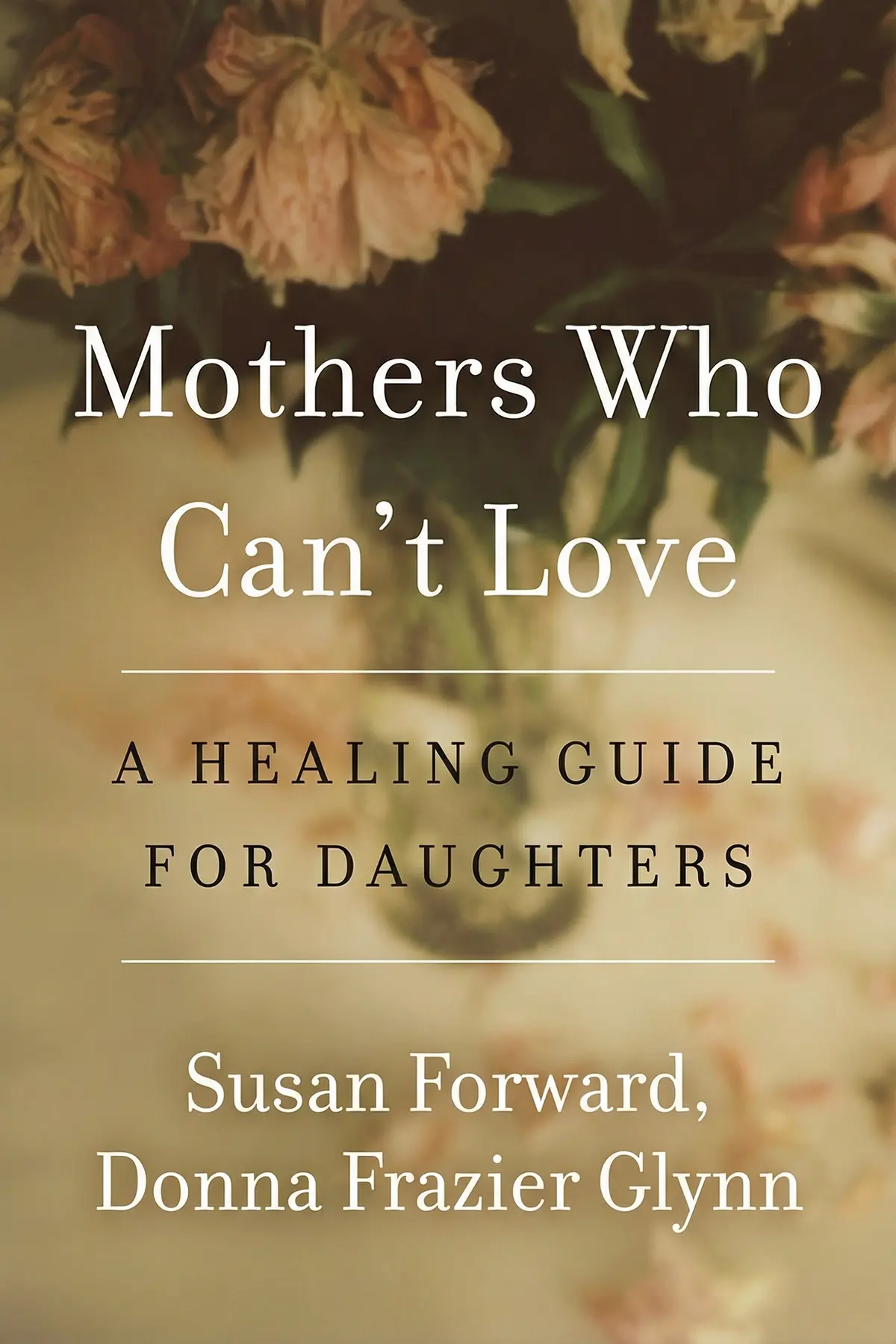
Table of Content
1. Introduction
1 min 51 sec
If you have spent your life feeling like something was fundamentally broken in your relationship with your mother, you likely carry a weight that many people cannot understand. For a daughter, a mother is supposed to be the primary source of safety—the person who validates your existence and provides a foundation of unconditional care. But what happens when that foundation is cracked or missing entirely? The reality is that not every woman who gives birth is equipped with the emotional tools to nurture a child. This gap between the societal ideal of the ‘perfect mother’ and the lived experience of an unloved daughter creates a unique and profound kind of pain.
Speaking about this pain is often treated as a social taboo. We live in a culture that treats motherhood as a sacred, infallible role, which makes it incredibly difficult for daughters to speak their truth without facing judgment or disbelief. When you try to explain that your mother was critical, distant, or manipulative, you might be met with well-meaning but damaging advice to ‘just move on’ or ‘remember she did her best.’ This dismissal only serves to deepen the original wound. It tells you that your feelings don’t matter and that your perception of reality is wrong.
In this exploration of the insights from Mothers Who Can’t Love, we are going to pull back the curtain on these difficult maternal dynamics. We will look at why some mothers are incapable of providing love and how they use their daughters to manage their own internal chaos. More importantly, we will discuss the specific path toward healing. This throughline—moving from recognition to reclamation—is about understanding that the way you were treated was never your fault. By identifying the patterns of the past and learning to set firm boundaries in the present, you can finally begin to build the life of self-worth and independence you deserve.
2. Challenging the Myth of Maternal Instinct
2 min 17 sec
Society insists that all mothers are naturally nurturing, but this cultural narrative often silences daughters who have experienced maternal neglect or emotional abuse.
3. The Distorted Mirror of the Narcissistic Mother
2 min 24 sec
Daughters of narcissistic mothers often feel like background characters in their own lives, as their mothers demand constant validation and use emotional manipulation to stay center stage.
4. The Suffocation of Enmeshment and Control
2 min 16 sec
Some mothers struggle to love by refusing to acknowledge boundaries, either through overbearing emotional closeness or through rigid, authoritative dominance.
5. Purging the Poison of Toxic Internalized Messages
2 min 12 sec
Daughters of unloving mothers often carry an inner critic that sounds exactly like their parent; learning to identify and release these lies is essential for healing.
6. The Healing Power of the Unsent Letter
2 min 19 sec
Writing a detailed four-part letter allows you to process the history of your pain, acknowledging the damage done and identifying what you need to move forward.
7. Establishing Boundaries and the Choice of Distance
2 min 34 sec
Reclaiming your life requires setting firm, non-negotiable boundaries, and sometimes, the only way to heal is to step away from the relationship entirely.
8. Conclusion
1 min 19 sec
The journey of the daughter of an unloving mother is a difficult one, but it is also a journey toward a profound kind of strength. We have explored how societal myths can silence the pain of maternal neglect and how different maternal archetypes—from the narcissist to the enmesher—can damage a child’s sense of self. We’ve also looked at the practical tools for recovery, from dismantling toxic inner voices to setting the boundaries necessary for adult survival.
What this really means is that you are no longer a victim of your history. By recognizing that your mother’s inability to love was a reflection of her own limitations, you are freed from the burden of self-blame. You can stop waiting for the apology that may never come and start providing yourself with the validation and care you have always deserved. The throughline of this guide is clear: your value as a person is independent of your mother’s approval.
As you move forward, remember that setting boundaries or even choosing to step away is not an act of cruelty—it is an act of self-preservation. You have the right to a life defined by peace, autonomy, and genuine self-respect. The wounds of the past may have shaped you, but they do not have to control your future. By taking these steps, you are breaking a cycle of pain and building a new legacy of emotional health and freedom.
About this book
What is this book about?
Mothers Who Can't Love addresses the silent struggle of daughters whose childhoods were marked by maternal rejection or manipulation rather than warmth. It dismantles the societal myth that motherhood automatically confers a capacity for unconditional love. By identifying specific archetypes—from the narcissistic mother to the enmeshed or controlling parent—the book helps readers understand that their mother's inability to love was never their fault. The promise of the book is one of liberation. It moves beyond mere diagnosis to offer a practical roadmap for recovery. Readers learn to confront the lies they were told about their own value and replace them with authentic truths. Through specific communication techniques and boundary-setting exercises, it empowers adult daughters to transform their current relationships or, if necessary, find the courage to walk away to protect their peace. It is an essential resource for anyone looking to break the cycle of generational trauma and finally find the emotional security they were denied as children.
Book Information
About the Author
Susan Forward
Susan Forward is an acclaimed psychotherapist and bestselling author, known for her groundbreaking work on family dynamics in books like Toxic Parents. She has held various positions in psychiatric facilities across Southern California and reached a wide audience as a host on ABC Talk Radio. Donna Frazier Glynn is a versatile editor and writer who has collaborated with many authors and contributed to publications like the Los Angeles Times.
Ratings & Reviews
Ratings at a glance
What people think
Listeners view this book as a vital read for daughters, offering profound insights that clarify their individual experiences. It is considered highly beneficial, with one listener explaining how it guided them through complex struggles, while another mentions it facilitated the healing of deep emotional scars. Listeners describe the writing as empathetic, satisfying, and polished, with one review highlighting its thorough descriptions of different parenting techniques. The inclusion of real-life narratives makes the material relatable, and listeners appreciate the pacing, particularly its effectiveness in helping them understand narcissistic mothers.
Top reviews
Pracha
Finally got around to reading this, and frankly, it felt like someone had finally handed me a manual for my own life. For years, I struggled with the crushing guilt of not being 'good enough' for a woman who simply lacked the capacity to give love. Forward’s breakdown of the different parenting styles—especially the narcissistic mother—was startlingly accurate. I found myself nodding along to the case studies, recognizing my own childhood in the stories of other daughters. While some of the healing exercises felt a bit strange, the core message about reclaiming your autonomy is powerful. It’s an emotionally satisfying read that doesn't shy away from the brutal truth that some mothers just won't change. If you've ever felt like you were the selfish one for setting boundaries, you need this book. It’s a step toward breaking a cycle that has likely haunted your family for generations.
Show morePing
Ever wonder why you still feel like a small, panicked child whenever your mother calls? This book tackles that specific trauma with incredible empathy and insight. I was particularly struck by the descriptions of gaslighting—those moments where she denies your reality or calls you a liar for remembering things as they actually happened. Forward’s thirty-five years of experience really shine through in how she handles these delicate topics. The case studies are fleshed out enough to be gripping, making the advice feel less like a lecture and more like a conversation with a wise mentor. I found the pacing to be perfect, moving from the 'why' of the mother’s behavior to the 'how' of the daughter’s recovery. It isn’t an easy read emotionally, but it is a necessary one for those of us trying to heal deep emotional wounds.
Show moreDivya
This book is essentially a roadmap for daughters who have been told they are 'too sensitive' or 'crazy' their entire lives. Wow, it hits hard. Susan Forward doesn’t pull any punches when describing the damage an unloving mother can do, and I appreciated that she didn't try to sugarcoat the reality. The sections on the 'fantasy mother' were particularly helpful for me; I realized I was still mourning a person who never actually existed. The book is well-written and moves at a great pace, keeping you engaged even when the subject matter gets heavy. I would recommend this to any woman who feels broken or ashamed because of her family dynamic. It reminds you that you are stronger than the labels she put on you. It’s a short, honest tome that delivers plenty of 'aha' moments.
Show moreHenry
Susan Forward has this uncanny ability to make you feel like she was actually in the room during your worst childhood moments. Her assessment of the 'mother who needed mothering' perfectly described my own experience of growing up too fast. The fundamental clarity she brings to the table is astonishing, especially when she explains why we feel so much guilt for simply wanting to be treated with respect. This book is a vital tool for anyone hoping to break cycles of abuse and develop a sense of self-worth that isn't dependent on maternal approval. The advice on setting up appropriate boundaries is awesome and very practical for everyday life. It helped me process feelings I’ve buried for decades. I honestly think the world would be a better place if more people understood the concepts in this book. It’s empathetic, professional, and deeply satisfying.
Show morePor
The chapter on the five archetypes of unloving mothers was where everything clicked for me. I’ve read plenty of self-help books, but Susan Forward manages to cut to the chase with a fundamental clarity that is both rare and refreshing. Identifying my mother as an 'amalgam' of several types helped me stop searching for a single reason why our relationship was so toxic. The writing style is concise, though I'll admit the second half gets a little too prescriptive with its step-by-step instructions. Not every exercise will work for everyone, and I personally didn't connect with the role-playing suggestions. However, the validation I felt while reading the case studies was worth the price of admission alone. It’s a grounded, professional assessment of a very messy dynamic. A solid choice for anyone looking to understand the residual effects of a difficult upbringing.
Show moreTim
As someone who has spent years in therapy, I wasn't sure what a book could tell me that I didn't already know. I was pleasantly surprised by the practical boundaries Forward suggests, especially regarding aging or infirm parents who are still abusive. It’s a tough subject because society puts mothers on such a pedestal, making us feel like we owe them everything regardless of how they treat us. This book gives you permission to stop being the victim and start being the adult you were meant to be. The tone is sympathetic but firm, never letting the reader wallow too long without offering a way forward. I did feel that some of the archetypes were a bit extreme, but the underlying psychology is sound. It’s a breath of fresh air for anyone tired of being told to 'just forgive and forget' without any actual accountability from the parent.
Show moreKan
After hearing so many recommendations from friends, I finally picked this up to deal with my own 'Mommy Dearest' issues. The truth is, I spent most of the time reading it just feeling relieved that someone finally put words to the invisible weight I've been carrying. The book does an amazing job of teasing apart the threads of a traumatic mother-daughter bond without making you feel like a victim. I loved the focus on the narcissistic mother—the lying, the table-turning, and the constant need for control were all too familiar. It’s a very grounding read that reinforces the idea that you can't change her, but you can certainly change how you respond to her. My only minor gripe is that some of the client stories felt a bit repetitive after a while. Still, it’s a must-read for anyone struggling with these specific issues.
Show moreWorawit
Picked this up on a whim after a particularly bad weekend with my family, and I'm so glad I did. It’s a sharp, honest look at why some women simply cannot provide the emotional support their children need. I found the section on bedwetting, senile, but still mean parents to be a 'lagniappe'—a little something extra I didn't know I needed. It addresses that complicated stage of life where you feel obligated to help someone who spent years hurting you. The book is very pro-therapy, which I appreciated, as it acknowledges that a single book can’t solve everything. Some of the methods to heal are a bit 'woo-woo' for me, but the core psychological advice is dead on. It’s an eye-opening secret revealed: you are allowed to protect your peace. Definitely a four-star read for its courage and clarity.
Show moreNutnicha
Look, I appreciated the first half of this book for its detailed descriptions of parenting styles. Seeing my own mother’s behavior categorized so clearly was definitely validating. However, the second half felt a bit dated and overly prescriptive for my taste. The author seems to have a very specific 'model' of healing that feels a little too 'Step A, then Step B' for such a complicated issue as maternal rejection. Not everyone is going to find role-playing exercises or writing letters they'll never send to be useful. That said, the case studies were illustrative and helped me feel less alone in my experiences. It’s a decent resource if you’re just starting your journey into understanding toxic family dynamics, but it might lack the depth needed for those further along in their healing. Three stars for the insights, but the execution was hit or miss for me.
Show moreKaen
To be fair, I really wanted to like this after how much 'Toxic Parents' helped me, but this one missed the mark. I found the use of long transcripts from therapy sessions felt oddly invasive, as if I were eavesdropping on something I wasn't supposed to hear. It often felt like filler to bulk up the page count rather than providing actual substance. Then there’s the advice to release messages on helium balloons—please don’t do that, it’s terrible for the environment! Beyond that, the 'follow these steps to heal' approach felt way too rigid and arrogant. Every person’s history is unique, and you can’t just apply a one-size-fits-all model to complex trauma. It felt like I was being told exactly how to think and feel, which is ironic considering the book is about controlling mothers. I’ll stick with my actual therapist's more individualized approach.
Show moreReaders also enjoyed
Alcoholics Anonymous
Alcoholics Anonymous World Services
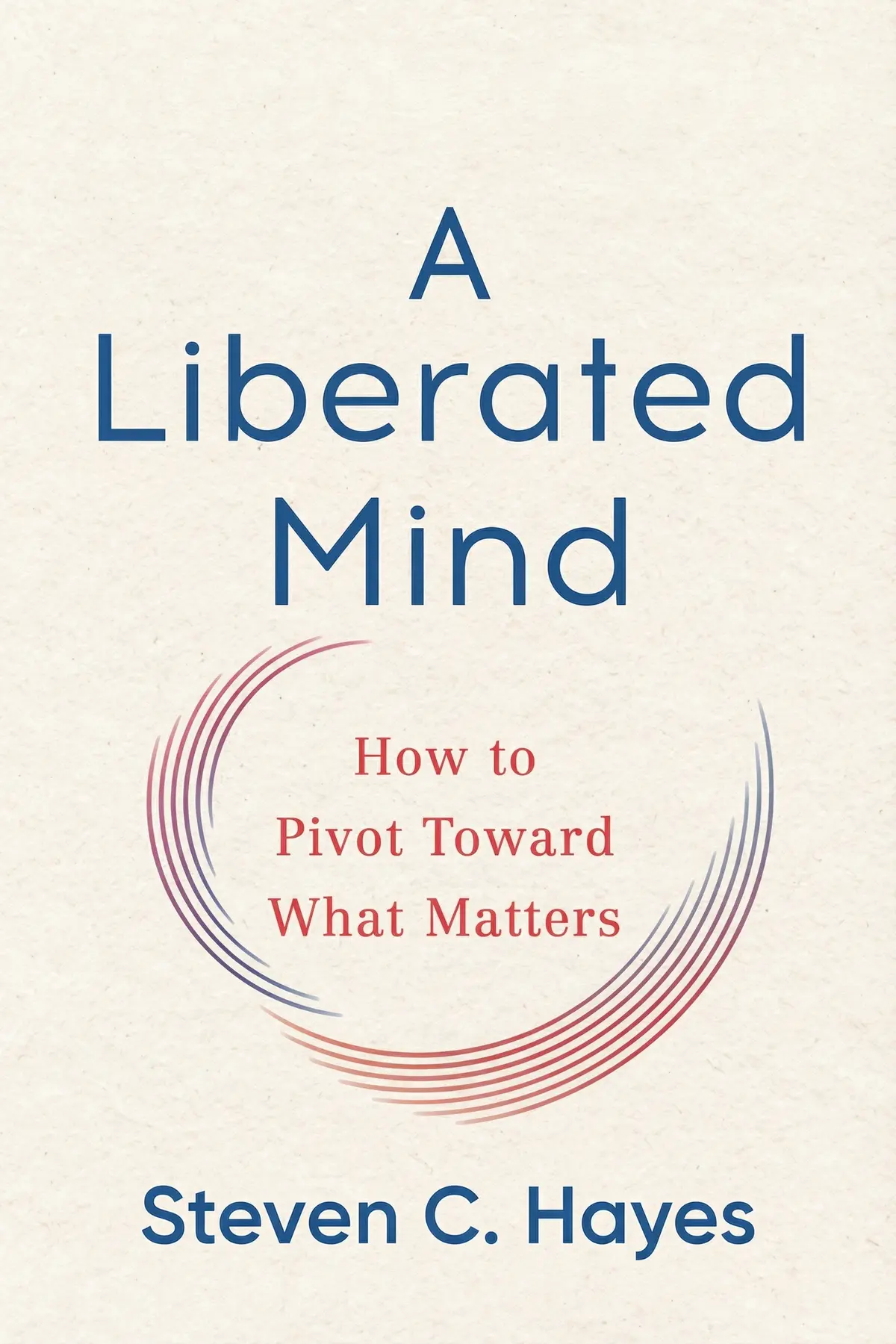
A Liberated Mind: How to Pivot Toward What Matters
Steven C. Hayes
AUDIO SUMMARY AVAILABLE
Listen to Mothers Who Can’t Love in 15 minutes
Get the key ideas from Mothers Who Can’t Love by Susan Forward, plus 5,000+ more titles in English and Thai.
- 5,000+ titles
- Listen as much as you want
- 7-day free trial
- Cancel anytime







