
12 min 17 sec
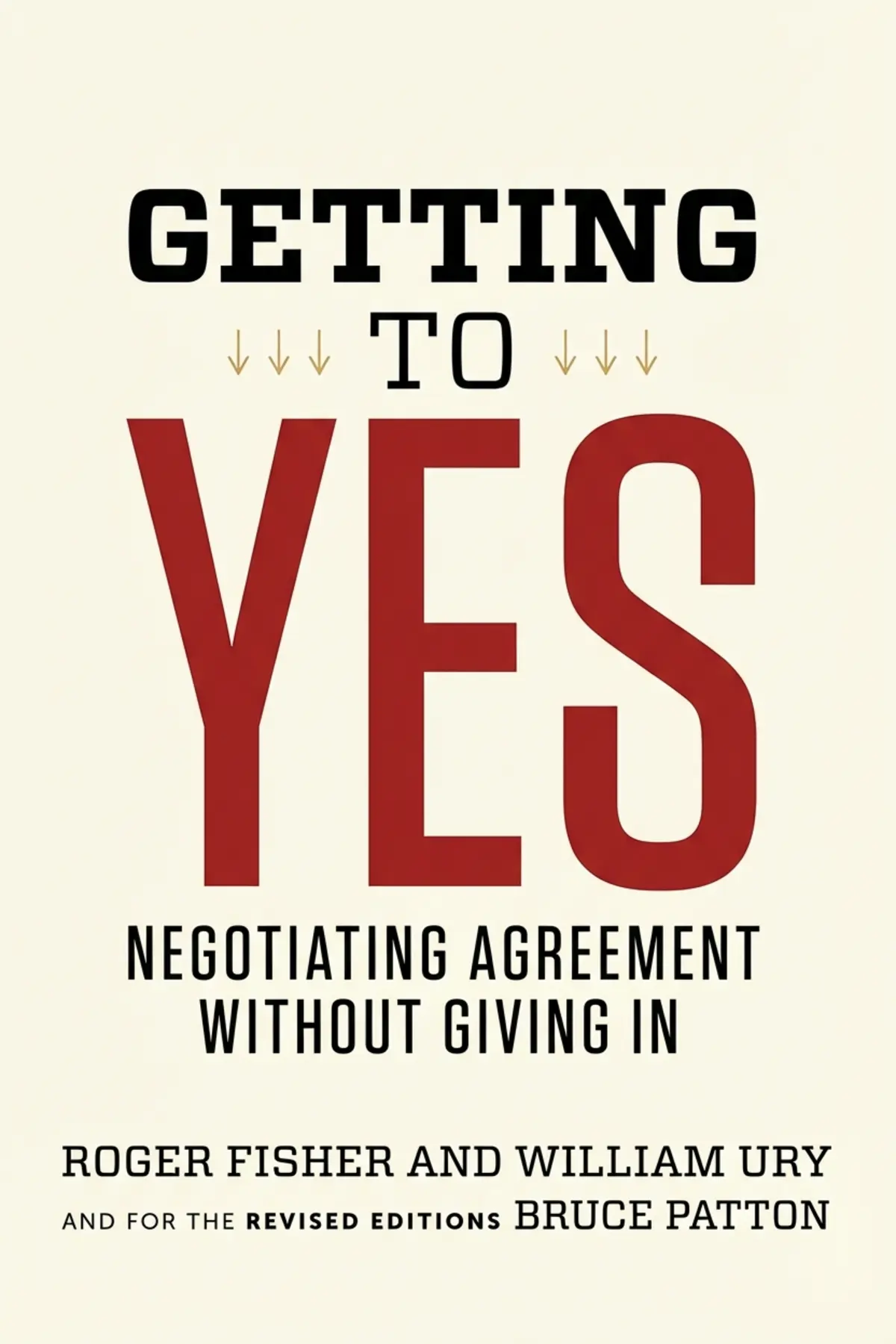
Possible: How We Survive (and Thrive) in an Age of Conflict
By William Ury
Possible explores a transformative approach to conflict resolution, moving beyond stalemate toward creative cooperation. It introduces the concept of possibilism, offering a practical framework to turn deep-seated disputes into opportunities for progress.
Table of Content
1. Introduction
1 min 38 sec
Imagine a freezing night in early 1977. A young researcher named William Ury is sitting in a small, cold room when the phone rings. On the other end is Professor Roger Fisher, and that single conversation would set Ury on a path that would change the world of international diplomacy and personal negotiation forever. This moment was the beginning of a lifelong journey into the heart of human disagreement. But what Ury discovered wasn’t just a set of rules for making deals; it was a way of seeing the world that he calls possibilism.
In our current era, conflict often feels like an immovable object. We see it in our news feeds, our workplaces, and our personal lives. It frequently feels destructive, as if the only two options are to win at any cost or to lose everything. However, the core idea we’re exploring today is that conflict is actually a natural part of being human. It stems from our diverse interests and perspectives. The goal isn’t to eliminate conflict, but to change how we engage with it.
Possibilism is the radical belief that we have the agency to transform these clashes into something constructive. It’s the art of seeing a path where others see a wall. Through this throughline, we will explore a three-part strategy that Ury developed over decades of mediating everything from boardroom battles to civil wars. We are going to look at how to gain perspective when emotions run high, how to build an inviting path for your opponent to join you, and how the community around a conflict can actually be the key to solving it. By the end of this journey, you’ll see that the most difficult disputes aren’t just problems to be solved—they are opportunities for innovation and deeper connection. Let’s dive into how we can find the possible in the middle of the impossible.
2. The Balcony: Mastering the Inner Game
3 min 18 sec
Discover why the first victory in any conflict isn’t won against your opponent, but within yourself, using a powerful mental exercise to gain clarity and calm.
3. The Golden Bridge: Facilitating a Way Forward
2 min 52 sec
Learn how to move from confrontation to cooperation by building a path that makes it easy for the other side to say yes without losing face.
4. The Third Side: Mobilizing the Community
2 min 52 sec
Explore how the people surrounding a dispute hold the secret to its resolution, and how collective action can shift even the most stuck situations.
5. Conclusion
1 min 37 sec
As we wrap up our journey through the strategies of William Ury’s framework, let’s return to the core philosophy of the possibilist. We have seen that conflict, while often painful and difficult, is not a sign of failure. It is, instead, an inherent part of the human experience that carries within it the seeds of transformation. The path to achieving the possible is not found by ignoring our differences, but by engaging with them more deeply and more skillfully.
We’ve learned that the first victory begins within, by stepping onto the balcony to find our calm and our true purpose. We’ve discovered that the second victory is won by building a golden bridge, using empathy and creativity to turn an opponent into a partner. And finally, we’ve seen that the third victory belongs to the community, as we mobilize the surrounding ‘third side’ to host, help, and swarm our most difficult problems. These are not just abstract concepts; they are practical tools that you can begin using today.
Whether you are dealing with a minor misunderstanding at home or a major crisis at work, remember that you have the agency to change the story. You can choose to pause. You can choose to listen. You can choose to invite others into a shared solution. By applying the lessons of the balcony, the golden bridge, and the third side, you move from being a victim of circumstances to being a creator of new possibilities. The throughline of this summary is clear: when we change how we handle conflict, we change our world. Every dispute is an invitation to practice this art. So, the next time you find yourself in the heat of a disagreement, take a breath, look for the balcony, and ask yourself: what is possible here?
About this book
What is this book about?
Possible offers a refreshing perspective on one of humanity’s most persistent challenges: conflict. Rather than viewing disputes as destructive deadlocks or something to be avoided, this summary introduces the concept of possibilism. It is a philosophy and a practical toolkit for those who believe that even the most polarized situations can be transformed through human agency, curiosity, and creative collaboration. The promise of the book is a three-part framework designed to navigate the complexities of modern disagreements, whether they occur in a corporate boardroom, a family kitchen, or on the global political stage. By mastering the art of self-control, learning to build bridges that allow others to move toward agreement with dignity, and leveraging the power of the surrounding community, you can shift from a mindset of 'us versus them' to one of collective problem-solving. It provides a roadmap for turning adversaries into partners and ensures that conflict becomes a catalyst for growth rather than a source of destruction.
Book Information
About the Author
William Ury
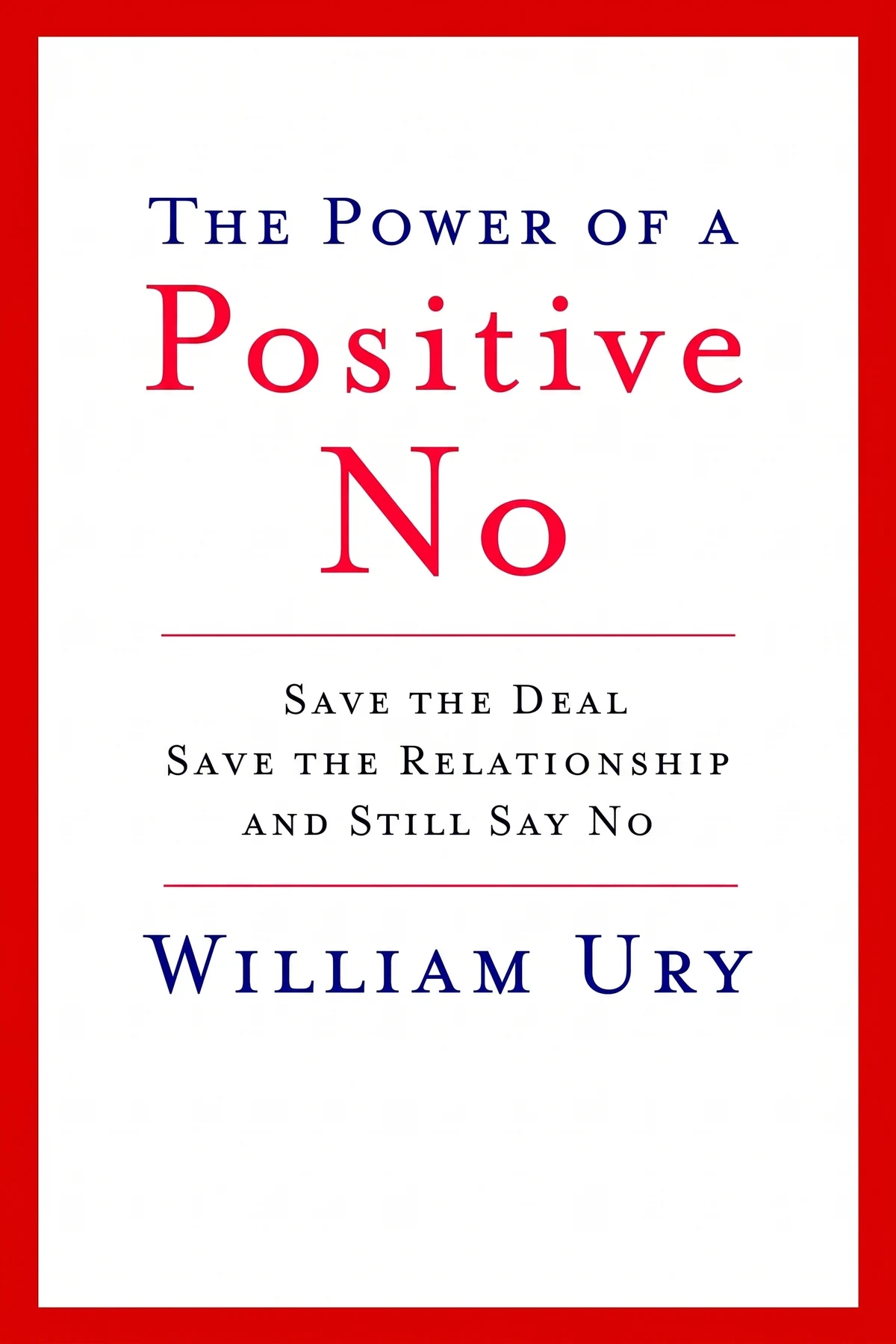
William Ury is a world-renowned expert in the field of negotiation and conflict resolution. He is a cofounder of Harvard's Program on Negotiation and has spent decades as a mediator and advisor in high-stakes conflicts, ranging from corporate disputes to international wars. Ury is the coauthor of the seminal work Getting to Yes, and the author of Getting Past No and The Power of a Positive No.
Ratings & Reviews
Ratings at a glance
What people think
Listeners find the book insightful, and one individual points out how it offers a productive way to handle problem-solving through cooperation. The work is also quite useful, with one listener highlighting its practical techniques. Additionally, listeners enjoy the entertainment factor, as one person describes it as a joyful read.
Top reviews
Kiattisak
Wow, this book hit me much harder than I expected from a standard negotiation guide. Ury's storytelling is masterful, weaving his professional experiences in places like Colombia and the Middle East with deeply personal narratives about his family. The sections mentioning his daughter, Gabi, were particularly moving and brought a tear to my eye while I was reading on the plane. He moves past the cold tactics of 'Getting to Yes' to something much more human and spiritual. By focusing on 'the balcony' and 'the third side,' he shows us how to navigate the messy reality of modern polarization without losing our souls. It’s an incredibly joyful read despite the heavy subject matter of global conflict. Truly, this feels like a capstone to a legendary career that has changed the world.
Show moreKrisada
Picked this up after a recommendation from a mentor, and I am so glad I did. Ury addresses the current state of political polarization with a sense of urgent optimism that we rarely see these days. His four-step process for moving toward bipartisanship might seem idealistic to some, but his examples from Venezuela and North Korea prove these methods have real teeth. I loved the story of his grandfather, Eddie, and how he turned barriers into pathways; it sets a beautiful tone for the rest of the book. The idea of 'swarming' a problem with a diversity of thought is exactly what our current systems are missing. It’s rare to find a book that is both intellectually stimulating and practically applicable in the boardroom. Definitely a top-tier resource for anyone leading teams through uncertainty.
Show moreTom
Finally got around to reading this, and the timing couldn't be better for my own mental health. The world feels so chaotic, but Ury offers a message of profound hope through his philosophy of possibilism. The story about the public dialogue in Caracas was genuinely inspiring and showed the power of 'hosting' a space for others. I love how he breaks down the 'third side' as a communal responsibility rather than an individual burden. The prose is deeply compelling, making complex geopolitical conflicts feel accessible and understandable to the average person. It’s more than just a negotiation book; it’s a manual for being a better human in an age of conflict. Personally, I think this should be required reading for every local government official.
Show moreNang
The chapter on the 'golden bridge' changed how I view my marriage and my professional relationships. Ury emphasizes that before you can listen to others, you have to listen to yourself and your own biases. That internal work is often the hardest part of any conflict, and he guides you through it with grace. Truth is, I found the story of his grandfather Eddie’s journey from Warsaw to be the perfect anchor for the book's themes. It illustrates how we can choose to see pathways where others only see walls. This is such an insightful and collaborative approach to problem-solving that everyone should read. It’s not just a book; it’s a way of being in the world that prioritizes respect over victory.
Show moreArthit
As someone who deals with HR disputes daily, I found the practical techniques in this book to be a breath of fresh air. Ury moves beyond the typical corporate jargon to offer a constructive approach to problem-solving that feels genuinely achievable. The concept of 'building a golden bridge' is especially useful when dealing with stubborn personalities who refuse to budge. While some chapters felt a bit like a sanitized resume of his greatest hits, the core message of 'possibilism' is infectious. I appreciated the step-by-step breakdown of pausing, zooming in, and zooming out to gain clarity. It’s not just for world leaders; it’s for anyone trying to survive the friction of everyday life. To be fair, you have to be willing to do the internal work first.
Show moreWyatt
After hearing Ury speak on a podcast, I had high expectations for this latest installment. The writing style is incredibly distinct—you can practically hear his calm, measured voice through the prose. Look, he does repeat his core steps quite often, almost as if he’s trying to hammer them into your subconscious. However, the anecdotes from the Cuban Missile Crisis and his work in Palestine kept me turning the pages. I found the 'balcony' concept to be a great mental model for emotional regulation during heated arguments. It’s a compelling mix of memoir and guidebook that feels more personal than his earlier works. Even though it skims over some systemic failures, it provides a great toolkit for individual agency in an era of unrest.
Show moreBo
Ever wonder how peace negotiators keep their cool when the stakes are literally nuclear? Ury reveals the secret is strategic empathy and the discipline to go to the balcony. I found the distinction between 'listening' and 'strategic empathy' to be a game-changer for my own difficult conversations. The book is filled with what he calls 'besitos'—small actions that build rapport—which I’ve already started using at home with my teenagers. Not gonna lie, the narrative can get a bit flowery at times, but the underlying logic is sound. It’s a very constructive approach to problem-solving that focuses on collaboration rather than just 'winning' the argument. If you're tired of the constant shouting matches in our culture, this offers a much-needed exit ramp.
Show morePensri
In my experience, books on conflict resolution are usually dry, but this was a joy to get through. Ury’s voice is so unique and presence-filled that it feels like you're having a long conversation with a wise mentor. I particularly enjoyed the section on 'swarming' and the social experiment in Boulder with the North Korea scenario. It reminded me of design thinking principles applied to the hardest problems on earth. My only minor gripe is that some of the real-world examples felt a bit oversimplified for the sake of the narrative. Still, the practical advice on pausing and zooming out is worth the price of admission alone. It’s a useful guide for anyone who wants to turn disputes into opportunities for growth.
Show moreNiramai
Direct and meaningful, this is exactly what the author of 'Getting to Yes' should be writing now. While his previous work was about the 'how' of negotiation, Possible is about the 'why' and the spirit behind it. He tackles the failures of systems and the departure from democratic principles by focusing on human connection. We aren't going to solve global warming or political unrest without the tools he outlines here. The 'third side' concept provides a brilliant framework for community involvement in disputes. I did find the repetition of the steps a bit much, but I suppose that’s necessary for learning. Overall, a very solid read that offers a way to thrive through uncertainty and create lasting change.
Show moreSupaporn
Not what I expected given the hype surrounding it. While Ury is clearly a legend in the field, this felt more like a sanitized victory lap than a rigorous new framework for the 21st century. He relies heavily on sweeping generalizations that don't always translate to the complexities of modern ideological warfare. Frankly, I get the 'golden bridge' metaphor, but sometimes people just don't want to cross, no matter how much you listen. The prose is beautiful, but the repetition of the 'three victories' felt like filler after the hundredth time. It ignores how systems often fail even when people are acting in good faith. It’s a nice sentiment, but it feels a bit out of touch with the grit of today's political reality.
Show moreReaders also enjoyed

AUDIO SUMMARY AVAILABLE
Listen to Possible in 15 minutes
Get the key ideas from Possible by William Ury, plus 5,000+ more titles in English and Thai.
- 5,000+ titles
- Listen as much as you want
- 7-day free trial
- Cancel anytime







