
16 min 57 sec
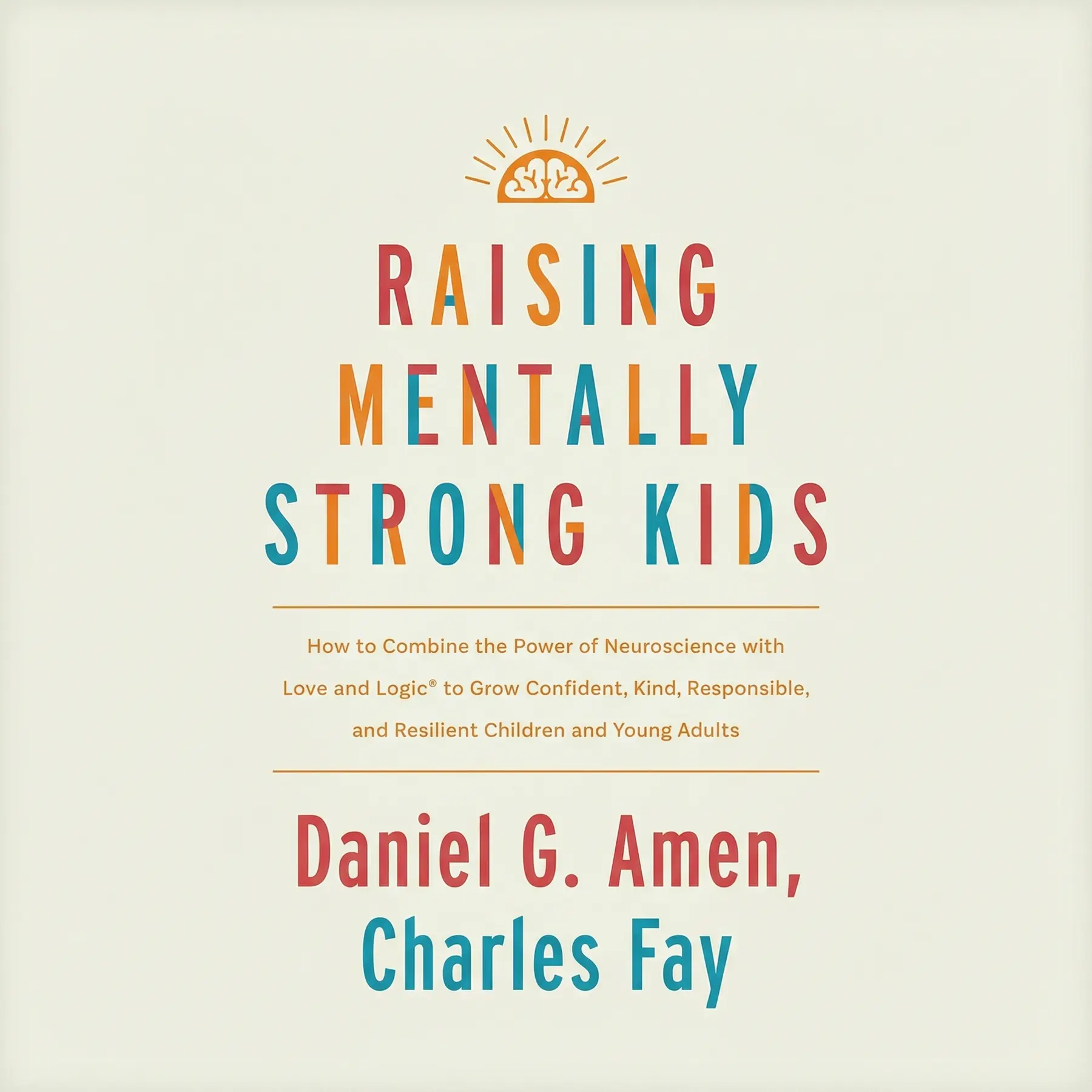
Raising Mentally Strong Kids: How to Combine the Power of Neuroscience with Love and Logic to Grow Confident, Kind, Responsible, and Resilient Children and Young Adults
Raising Mentally Strong Kids bridges the gap between brain science and practical parenting. It offers a roadmap for nurturing resilience, emotional intelligence, and confidence through the lens of neuroscience and compassionate logic.
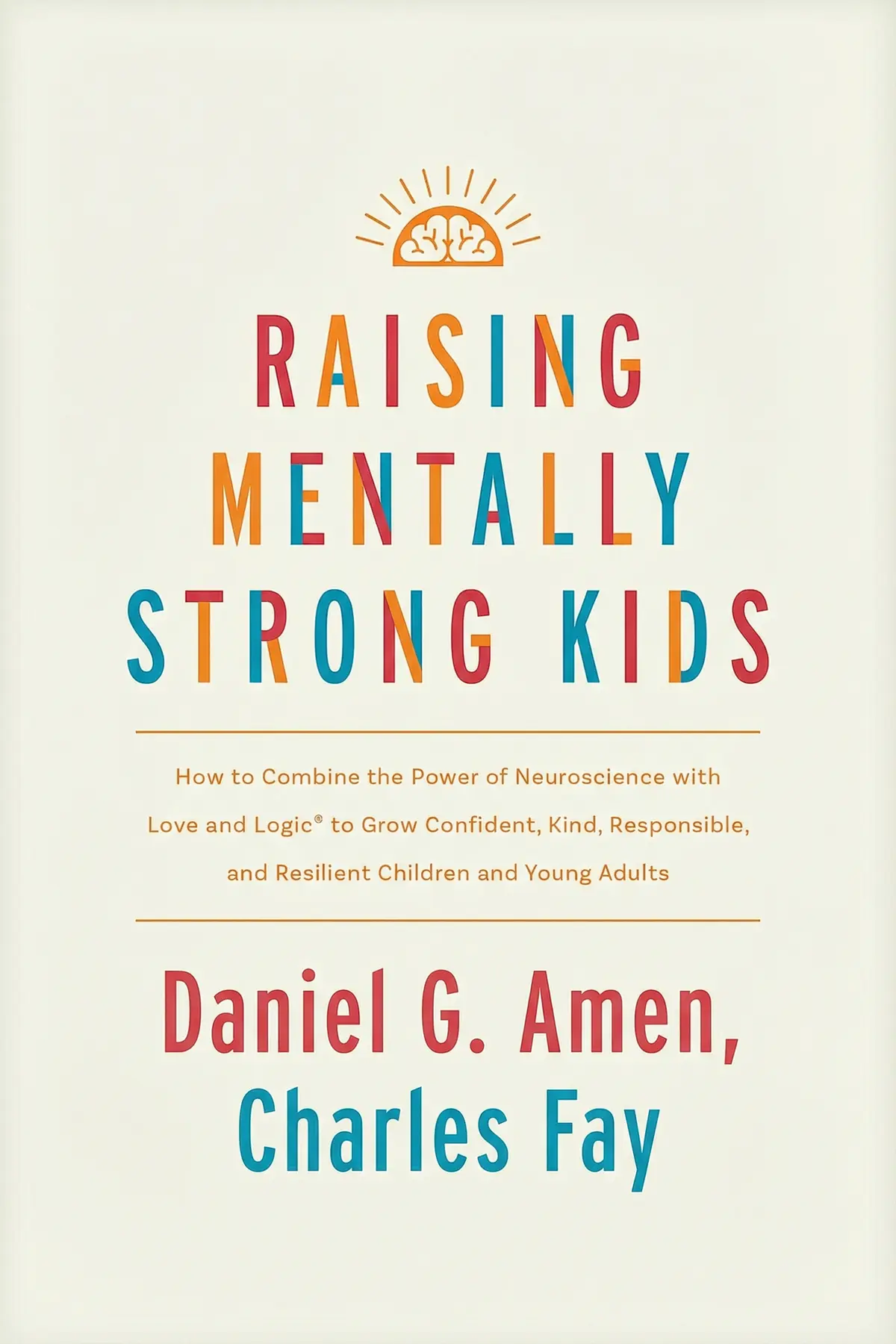
Table of Content
1. Introduction
1 min 44 sec
Every parent wants their child to grow up with the strength to handle life’s inevitable storms. We want them to be confident when they walk into a room, kind to those around them, and resilient enough to get back up when they fall. But how do we actually instill those qualities? It turns out that the answer lies in the fascinating intersection of biological science and daily interaction.
In this summary of Raising Mentally Strong Kids, we dive into a framework that combines the latest findings in neuroscience with the time-tested principles of love and logic. The central premise is both empowering and humbling: as a parent, you are a primary architect of your child’s developing brain. From the moment they are born until they reach their mid-twenties, their minds are in a state of constant construction, and the environment you create provides the building blocks for their mental health.
We will explore how the concept of neuroplasticity—the brain’s ability to change and adapt—means that no child is stuck in a fixed state. We’ll look at how your reactions to their failures can either shut down their learning or spark a lifelong growth mindset. This isn’t just about discipline or following a set of rules; it’s about understanding how to communicate in a way that aligns with how the brain actually learns and grows.
By the end of this journey, you’ll see parenting not just as a series of chores or challenges to be managed, but as a profound opportunity to nurture a healthy, high-functioning mind. We’ll explore practical ways to handle everything from toddler tantrums to teenage angst, all while keeping the long-term goal in mind: raising a young adult who is capable, empathetic, and mentally strong. Let’s begin by looking at the biological foundation of this process.
2. The Brain as a Living Garden
2 min 14 sec
Discover how the concept of neuroplasticity allows parents to act as gardeners, shaping their child’s neural pathways through daily interactions and environmental choices.
3. Cultivating a Growth Mindset Through Praise
2 min 08 sec
Learn why labeling a child as ‘smart’ can backfire and how focusing on effort and persistence builds a brain that isn’t afraid of challenges.
4. The Power of Emotional Co-Regulation
2 min 25 sec
Understand how a parent’s calm demeanor acts as a biological anchor for a child, teaching them to manage their own nervous system through observation and modeling.
5. Resilience Through Productive Struggle
2 min 09 sec
Explore why ‘helicopter parenting’ can hinder brain development and how allowing children to face small, manageable failures builds lasting confidence.
6. Adapting Your Strategy to the 25-Year Timeline
2 min 24 sec
Recognize that brain development is a marathon, not a sprint, and learn how to adjust your parenting style as your child’s mind matures over two decades.
7. Validation and the Reality of Hard Emotions
2 min 13 sec
Learn why mental strength isn’t about the absence of pain, but about the ability to process difficult feelings through validation and empathetic listening.
8. Conclusion
1 min 40 sec
Building mental strength in children is not a single event, but a continuous process of nurturing the mind and the heart. By understanding the principles of neuroscience, we can see that our children’s brains are incredibly resilient and capable of growth, provided they have the right environment. We’ve explored the importance of fostering a growth mindset by praising effort over talent, and we’ve seen how our own calm presence can act as a biological anchor for a child in distress.
We’ve also discussed the necessity of allowing for ‘productive struggle.’ It is through facing and overcoming small, age-appropriate challenges that children build the true confidence and problem-solving skills they will need as adults. Remember that this is a long-term journey; with a brain that isn’t fully developed until the mid-twenties, your role will naturally shift from being a hands-on manager to a supportive consultant.
Perhaps most importantly, we must remember that mental strength isn’t about being perfect or never feeling pain. It’s about having the tools to navigate life’s difficulties with resilience and grace. By validating your child’s emotions, modeling healthy self-care, and staying grounded in the science of the brain, you are giving them an incredible gift: the foundation for a lifetime of mental health and success. As you move forward, keep the ‘garden’ of your child’s mind in mind, and treat both them and yourself with the patience and compassion that growth requires. You are not just raising a child; you are building a future adult, one intentional interaction at a time.
About this book
What is this book about?
Raising Mentally Strong Kids explores the intersection of neuroscience and parenting to provide a comprehensive guide for raising resilient, responsible, and kind children. The book operates on the premise that a child’s brain is highly adaptable, and the experiences provided by parents serve as the primary architects of its structure. By combining the biological insights of Dr. Daniel G. Amen with the practical, empathy-based strategies of Dr. Charles Fay, the text provides a framework for navigating the complex journey from infancy to young adulthood. Readers will learn how to move beyond traditional, often reactive parenting styles to adopt a more intentional approach that favors long-term mental strength over short-term compliance. The book promises to equip parents with tools to foster a growth mindset, manage emotional outbursts with calm logic, and allow children to face age-appropriate challenges that build genuine confidence. Ultimately, it serves as a guide for parents who want to support their children’s biological potential while nurturing a deep, lasting bond built on love and respect.
Book Information
About the Author
Daniel G. Amen
Dr. Daniel G. Amen is a double board-certified psychiatrist, physician, and a 19-time national bestselling author. He serves as the founder and CEO of Amen Clinics, a network of mental health facilities across the United States. He has been recognized as a top expert in mental health by Sharecare. Dr. Charles Fay is a psychologist with expertise in child, adolescent, and family psychotherapy. He is the president of the Love and Logic Institute, Inc., an organization that became part of Amen Clinics Inc. in 2020.
Ratings & Reviews
Ratings at a glance
What people think
Listeners find this parenting guide exceptionally easy to follow and believe it is essential material for every parent. The work provides actionable guidance grounded in love and logic, delivering excellent insights and arming audiences with the required expertise. They value the integration of neuroscience with child-rearing methods, with one listener mentioning that it offers a more profound grasp of how a child's brain develops. Listeners prize the book’s capacity to instill self-assurance and help children flourish in the modern world.
Top reviews
Benjamin
Finally got around to reading Dr. Amen's latest, and it’s a refreshing take on the 'Love and Logic' philosophy. Truth is, many parenting books focus so much on the 'why' that they forget to give you the 'how,' but this one is packed with actual strategies. I particularly appreciated the emphasis on building resilience by allowing kids to experience small failures now so they don't crumble later. While some of the scripted conversations felt a bit forced and unnatural, the underlying message of firm boundaries paired with deep empathy is solid. It helps you understand the neurological underpinnings of behavior without getting bogged down in too much jargon. I’ve already started using the 'I love you too much to argue' line, and it’s surprisingly effective at diffusing power struggles. This is definitely a tool for any parent wanting to raise self-sufficient, confident adults in a world that often coddles them too much.
Show moreKanchana
This book should be mandatory reading for every new parent entering the current digital age. It provides a much-needed bridge between biological brain health and everyday parenting tactics, ensuring our kids are prepared for life's inevitable hurdles. I’ve read a lot of books in this genre, but the way Dr. Amen explains the impact of nutrition and sleep on a child's ability to be 'mentally strong' is unparalleled. It equips you with the knowledge to stop taking your child's outbursts personally and start looking at what their brain might actually need in that moment. To be fair, you might not agree with every single boundary the authors suggest, but the principles of empathy and accountability are universal. It really helped me build confidence in my own parenting style. Our kids deserve to have parents who understand their brains and love them enough to set hard limits.
Show moreMattanee
Ever wonder why your kid reacts the way they do when you set a simple boundary? This book explores the 'why' through the lens of neuroscience while providing actionable steps to foster independence. It’s all about training the brain to handle discomfort, which is a skill many kids today seem to be lacking. I especially appreciated the distinction between being a 'drill sergeant' and being a 'consultant' for your children. The goal is to equip them with the tools to solve their own problems rather than stepping in to save them every time things get hard. Not gonna lie, some of the sections on older teens felt a bit overly restrictive, but the general framework of kindness mixed with firm consequences is excellent. It’s a comprehensive guide that helps build a foundation of confidence and mental toughness from an early age.
Show moreA
Picking this up was the best decision for our family dynamic this year. We were struggling with a lot of entitlement and constant negotiating, but this book gave us the tools to shut that down with empathy. The concept of 'mentally strong' kids isn't about them being tough or emotionless; it's about them being capable and responsible for their own lives. I loved the emphasis on teaching kids how to handle their own 'energy drains' and mistakes while the stakes are still low. The book is highly readable and broken down into sections that make it easy to refer back to when a new challenge arises. Truth is, parenting is hard, but having a blueprint that combines neuroscience with common-sense discipline makes it feel much more manageable. It has definitely helped me raise my game as a father.
Show moreTak
As a parent of two energetic toddlers, I found the connection between brain health and behavior fascinating. This isn't just another discipline manual; it’s a deep dive into how we can physically support our children's mental development through diet and safety. Frankly, the advice on avoiding high-impact sports to protect developing brains was a wake-up call I hadn't considered. The authors do an excellent job explaining how a healthy brain leads to better decision-making and emotional regulation. My only gripe is that a few sections feel a little 'old school' or even preachy, especially regarding teenage monitoring. However, the core takeaway—that we must be the 'instructors' rather than just the 'fixers'—is something I will carry with me. It’s a must-read if you want a holistic view of raising kids who are truly capable and mentally grounded.
Show moreKwame
The chapter on 'energy drain' was a game-changer for my household. Instead of getting into a shouting match when my son ignores his chores, I now simply explain that his choices are draining my energy to do the fun things later. It shifts the power dynamic in a way that feels respectful but firm. I love how Fay and Amen emphasize that we can't control our kids' actions, but we can absolutely control our own reactions and the resulting consequences. Some critics might find the tone a bit prescriptive, but I found it empowering to have a clear roadmap for handling defiance. The blend of brain science with practical 'Love and Logic' techniques creates a very comprehensive guide. It’s helping me move away from helicopter parenting toward a style that actually prepares my kids for the real world.
Show moreCaleb
After hearing Dr. Amen on a podcast, I was eager to see how he applied his brain-scanning expertise to parenting. The results are quite impressive, offering a unique lens on why certain discipline methods work better than others. One thing that stood out was the focus on physical safety, specifically how concussions from sports like soccer or football can have long-term mental health consequences. It's a perspective you don't often get in traditional parenting manuals. Personally, I found the 'I will' statements much more effective than the 'you must' demands I used to use. By changing my own language, I’m seeing a shift in how my kids take responsibility for their own messes. Though the dialogue examples are admittedly cringeworthy at times, the underlying logic is sound. It’s a solid resource for anyone looking to raise kids who are both resilient and brain-healthy.
Show moreMai
To be fair, some of the dialogue examples are a bit dated and didn't feel like something I would ever actually say out loud. 'Isn’t that sad' sounds a little condescending in my specific family culture, so I had to adapt the scripts to fit my own voice. However, the core philosophy of 'Love and Logic' is absolutely brilliant and has drastically reduced the yelling in our house. By focusing on logical consequences rather than arbitrary punishments, my kids are starting to see the direct link between their choices and their happiness. The addition of Dr. Amen’s brain health tips adds a layer of scientific credibility that other books lack. It’s not just about behavior; it’s about the organ driving that behavior. Despite the occasional preachy tone, this is a very practical read that offers a lot of clarity for overwhelmed parents.
Show moreCharles
Not what I expected based on the title, to be honest. While there is some neuroscience involved, the book leans quite heavily into religious values and abstinence-only education in the later chapters. For a secular family, these parts felt a bit jarring and out of place next to discussions about brain scans. Furthermore, the 'real-world' examples provided in the text often read like bad TV scripts where every child responds perfectly to a parent's calm redirection. In my experience, kids are way messier than that! That said, the sections on logical consequences and teaching accountability are genuinely helpful. I liked the concept of 'energy drains' where the child has to contribute back to the household when they cause extra stress. It’s a bit of a mixed bag, but there are definitely some nuggets of gold if you’re willing to sift through the more dated perspectives.
Show moreSirinat
Look, I really wanted to like this, but the tone felt incredibly out of touch for a working mother. The authors provide this exhausting laundry list of requirements—perfect diet, zero stress, constant socialization, and total emotional control—that feels impossible to achieve in reality. It’s easy for a doctor to tell you to never yell and always stay calm, but when you’re juggling a career and three kids, that message just feels guilt-inducing. The examples of 'ideal' parenting felt very performative, almost giving off 'and then they all clapped' vibes that I couldn't relate to at all. While the advice on head safety and brain scans was interesting, the rest of the book felt like a reminder of all the ways I’m supposedly falling short. It lacks the compassion and flexibility that modern parents actually need to survive the daily grind. I’d suggest looking elsewhere if you want something that acknowledges the messy reality of family life.
Show moreReaders also enjoyed





AUDIO SUMMARY AVAILABLE
Listen to Raising Mentally Strong Kids in 15 minutes
Get the key ideas from Raising Mentally Strong Kids by Daniel G. Amen, plus 5,000+ more titles in English and Thai.
- 5,000+ titles
- Listen as much as you want
- 7-day free trial
- Cancel anytime







