
15 min 50 sec
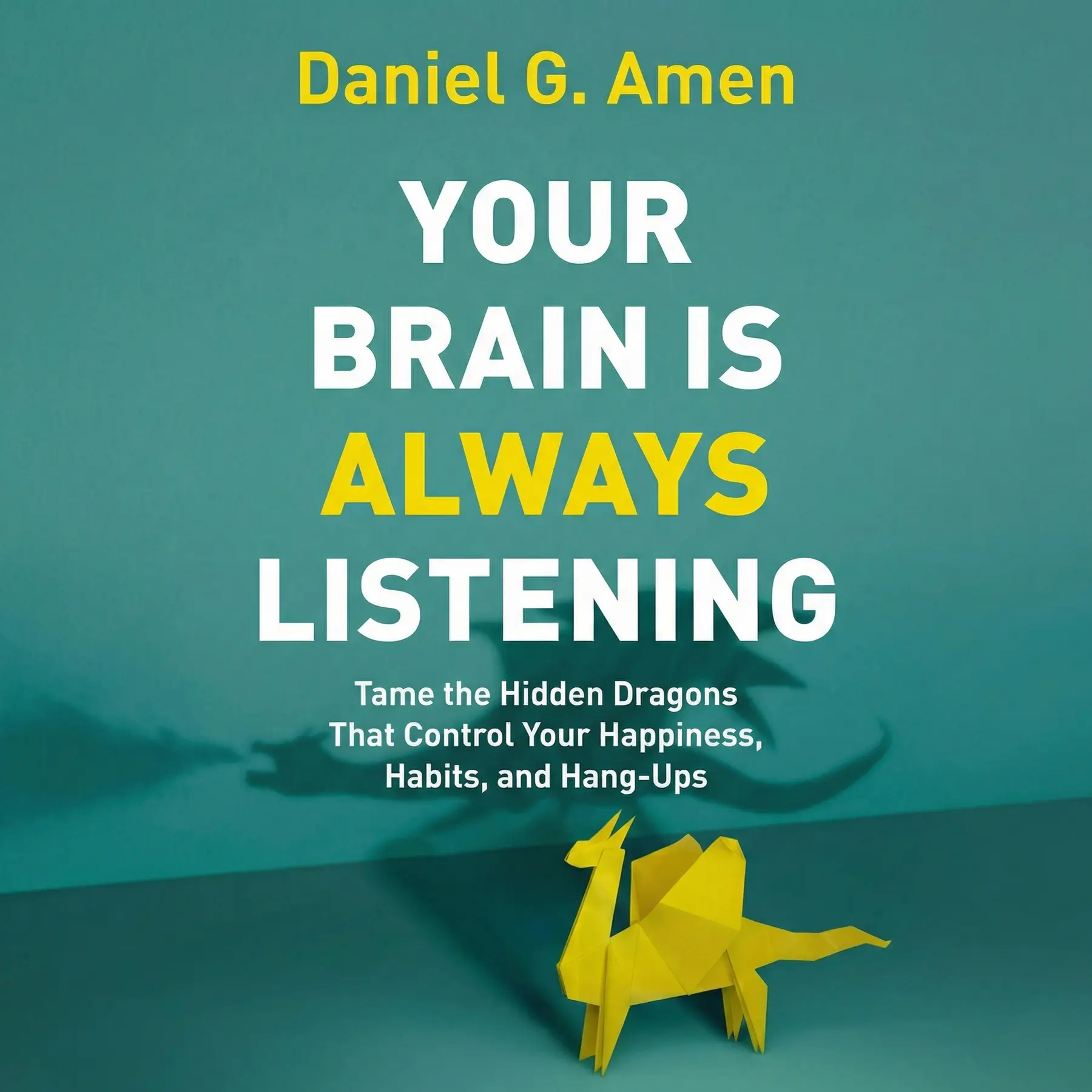
Your Brain Is Always Listening: Tame the Hidden Dragons That Control Your Happiness, Habits, and Hang-Ups
Discover how to identify and neutralize the subconscious forces—or dragons—that drive anxiety and negativity. This guide offers practical neurological insights and cognitive strategies to reclaim your mental well-being and inner peace.
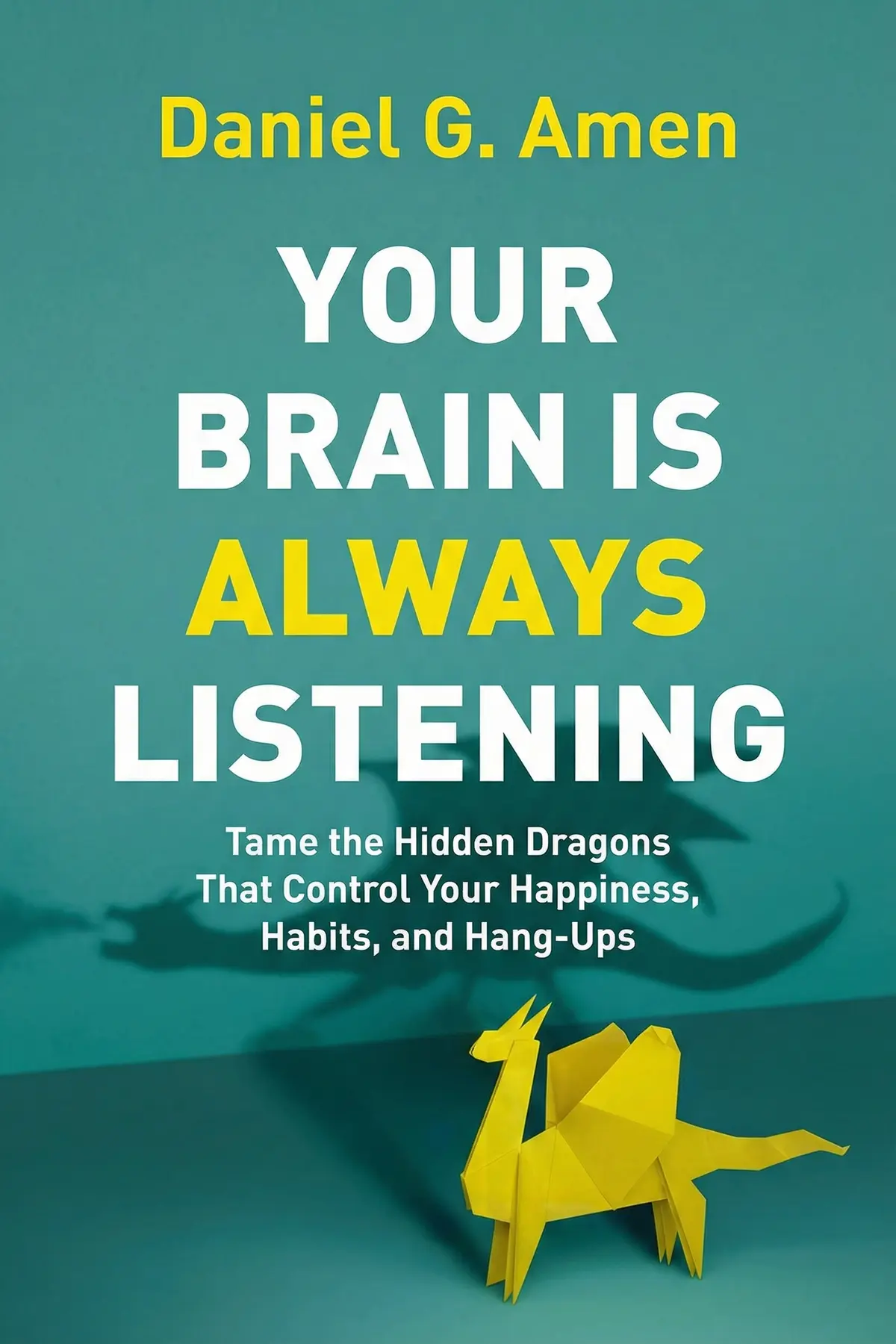
Table of Content
1. Introduction
1 min 31 sec
Every second of every day, an silent observer is taking notes on your life. This observer doesn’t just watch your actions; it eavesdrops on your most private whispers, your darkest fears, and your highest hopes. That observer is your own brain. When you feel a surge of unbridled joy, your brain is the engine behind that happiness. Conversely, when you find yourself trapped in a loop of worry or feeling weighed down by a sense of inadequacy, your brain is also the source of that distress.
The central theme of our exploration today is that our minds are often populated by what we might call ‘dragons.’ These are subconscious forces—ghosts from our past, societal expectations, and biological glitches—that influence how we think and feel without our conscious permission. They are the hidden architects of our habits and our hangups. But here is the empowering truth: because your brain is always listening, you can change the message it hears.
In the following sections, we will delve into the specific ‘dragons’ that might be haunting your mental landscape. We’ll look at the biological hardware that makes us prone to anxiety and discover how to recognize the ‘Automatic Negative Thoughts’ that act like tiny invaders in our consciousness. By the end of this journey, you will have a toolkit of strategies to confront these internal beasts, calm your nervous system, and steer your life toward a state of genuine peace and resilience. It is time to stop being a passenger to your subconscious and start becoming the master of your own mental narrative.
2. The Ghostly Influence of Subconscious Dragons
2 min 19 sec
Uncover how hidden traumas from the past can manifest as powerful ‘dragons’ that dictate your present-day fears and emotional reactions.
3. The Biological Mechanics of Our Emotions
2 min 41 sec
Explore the physical regions of the brain that govern your moods and learn why some minds are naturally more prone to worry.
4. Exterminating the Armies of Negative Thoughts
2 min 39 sec
Learn to identify ‘ANTs’—Automatic Negative Thoughts—and discover the simple logical question that can neutralize their power.
5. Escaping the Digital Trap of Comparison
2 min 30 sec
Understand how social media fuels the ‘Inferior Dragon’ and find ways to protect your joy from the constant pressure of comparison.
6. Navigating the Landscape of Grief and Loss
2 min 28 sec
Discover why the pain of loss is so physically real and why early intervention and self-care are essential for taming the ‘Grief Dragon.’
7. Conclusion
1 min 42 sec
As we conclude our journey through the inner workings of the mind, it’s important to return to the core truth we started with: your brain is always listening. Every strategy we’ve discussed—from identifying your subconscious dragons and understanding your biological hardware to squashing ANTs and managing the pressures of the digital age—is a way of changing the conversation you are having with yourself.
Think back to Jimmy. By taking deep breaths to calm his amygdala, by challenging his fortune-telling thoughts with logic, and by acknowledging that his past did not have to dictate his future, he was able to transform his life. He moved from being a victim of a childhood dragon to a master of his present reality. You have that same capacity. The process of taming your dragons is rarely an overnight success; it is a series of daily choices. It’s choosing to breathe when you feel the fire of anxiety rising. It’s choosing to ask ‘Is it true?’ when a negative thought enters your mind. It’s choosing to focus on gratitude when you are tempted by the dragon of comparison.
An actionable first step you can take today is to begin a practice of counting your blessings. When you feel stress beginning to spiral, stop and list three things you are genuinely grateful for. This simple act shifts the brain’s focus away from threat detection and toward the positive stimuli that sustain us. Your brain-dwelling dragons were built over time, and they are dismantled the same way—one thought, one breath, and one logical question at a time. The work of taming these internal beasts isn’t always easy, but the reward is a life defined by your own values rather than your hidden fears. Your brain is listening; give it something worth hearing.
About this book
What is this book about?
Have you ever felt like your emotions were being steered by a force you couldn't quite name? Your Brain Is Always Listening explores the hidden psychological 'dragons' that reside in our subconscious, born from past traumas and societal pressures. These internal beasts breathe fire in the form of anxiety, depression, and self-doubt, often dictating our reactions before we even realize what’s happening. This summary breaks down the biological and psychological roots of these issues, focusing on how specific brain regions like the amygdala and the anterior cingulate gyrus influence our daily moods. By identifying the various types of 'dragons'—from the Inferior Dragon to the Grief Dragon—and learning to squash 'Automatic Negative Thoughts' (ANTs), you can begin to rewire your mental habits. The promise is a clearer path to happiness through targeted brain health, logical self-questioning, and mindful practices that soothe the nervous system.
Book Information
About the Author
Daniel G. Amen
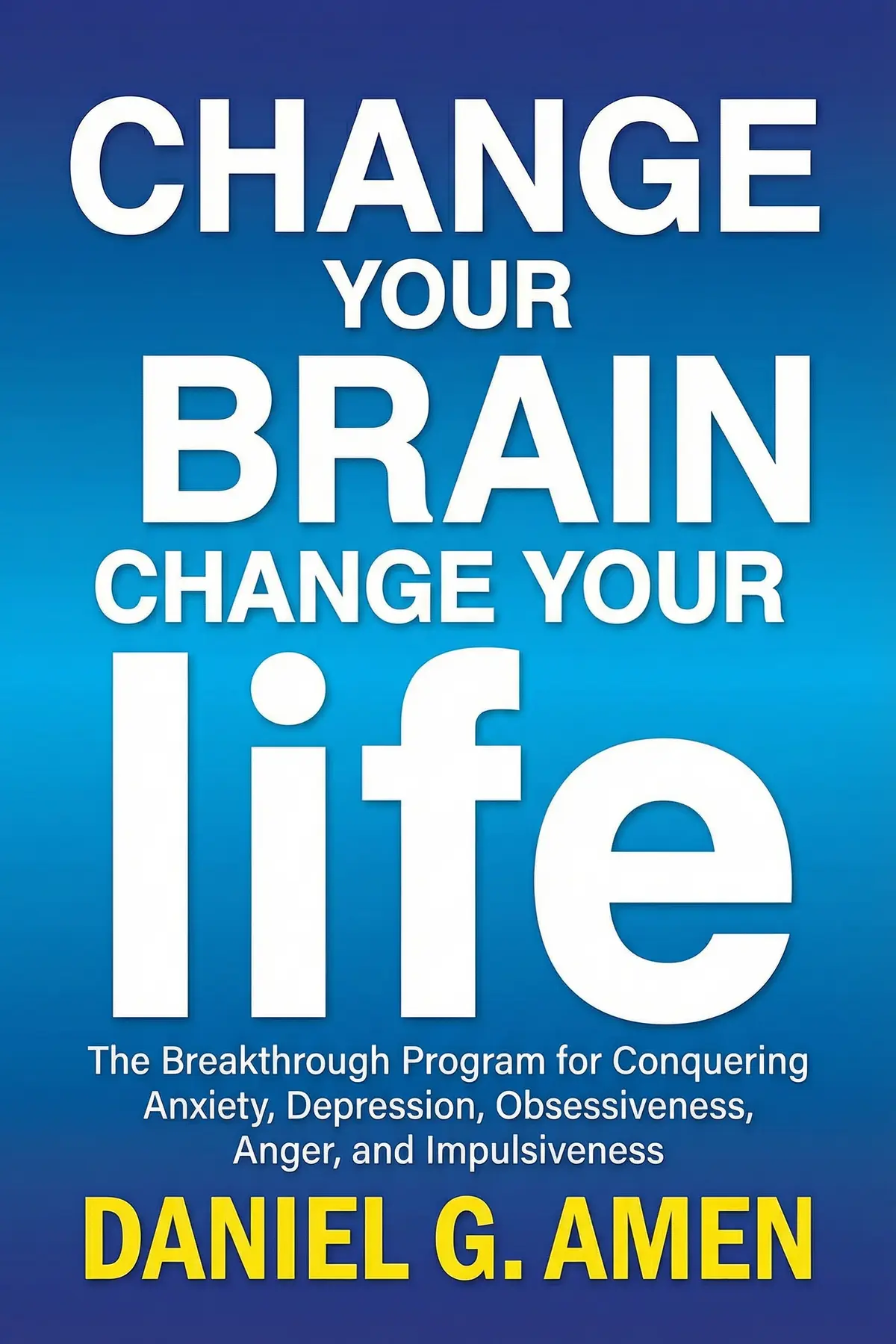
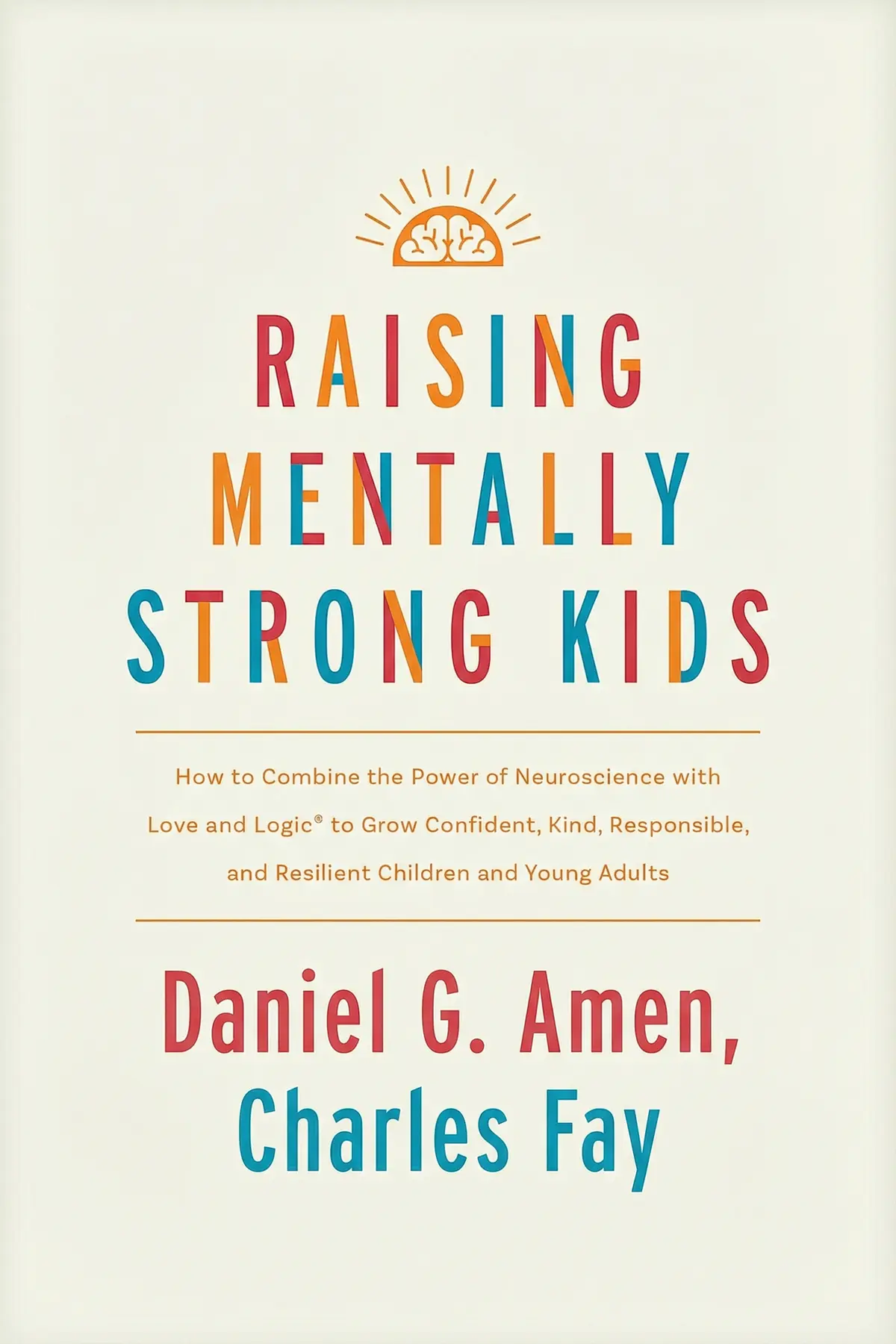
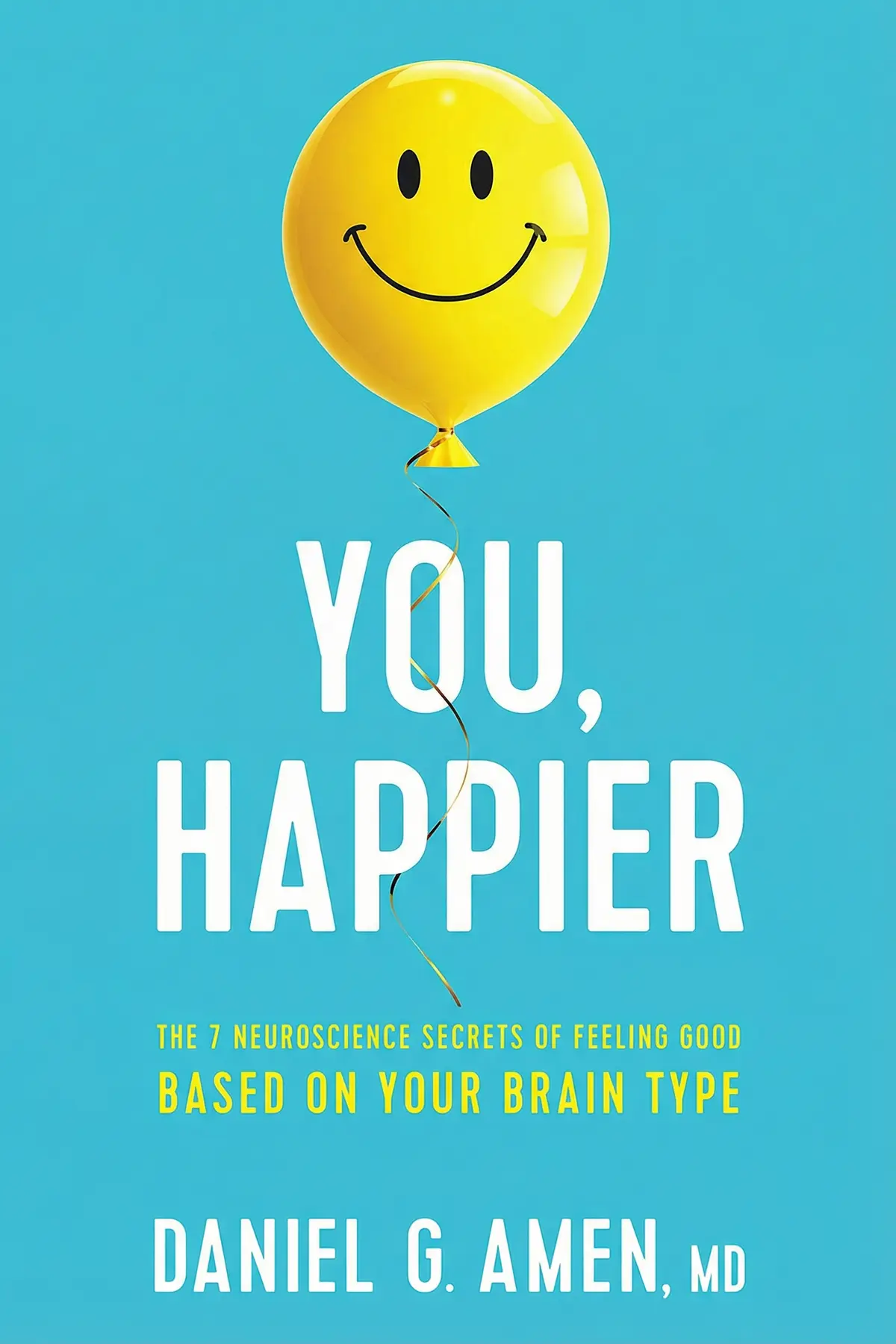
Dr. Daniel Amen is a distinguished physician and psychiatrist who has dedicated his career to understanding the intricacies of the human mind. He is an international speaker and a 12-time New York Times best-selling author, recognized for his work in brain health and clinical neuroscience. Among his most influential and popular publications are The Daniel Plan and Change Your Brain, Change Your Life, both of which emphasize the connection between physical brain health and emotional well-being.
Ratings & Reviews
Ratings at a glance
What people think
Listeners find the content beneficial and accessible, with one listener mentioning how it simplifies intricate ideas using relatable characters. This work earns praise for its scientific foundation and capacity to initiate the healing process, while listeners value the constructive influence it has on their mental well-being. They portray it as a captivating exploration of self-discovery, with one listener highlighting how it strengthens convictions regarding the vast scope of human potential.
Top reviews
Sin
Ever wonder why you keep falling into the same self-sabotaging patterns? Dr. Amen breaks down complex neurological concepts using 'Dragons from the past,' which sounds a bit cheesy at first but actually makes the internal trauma much easier to process. I found the section on the Dragon Tamer, specifically the prefrontal cortex, extremely practical for my daily life. It’s a fascinating journey into self-discovery that feels like a manual for your own mind. While some readers might find the celebrity mentions distracting, the core message about prioritizing brain health over traditional mental health is life-changing. I’ve started using the specific affirmations to combat my ANTs, and the clarity I feel is undeniable. It reinforces the idea that we aren't stuck with the brain we have; we can actually change it if we listen to what it needs.
Show moreNan
The brain scans included in the book were absolutely eye-opening for me. Seeing the physical impact of our thoughts on the brain makes the science-based approach feel much more tangible than your standard self-help fluff. I love how the author provides specific lists of affirmations to combat the different 'dragons' that haunt us from our childhood experiences. It’s a powerful tool for anyone struggling with anxiety or bad habits. The truth is, many of us ignore our brain health because we can't 'see' it, but this book changes that perspective entirely. It has had a positive impact on my mental health by giving me a concrete plan to strengthen my PFC. Truly a fascinating journey that reinforces my belief in human potential and the ability to heal from within.
Show moreEvelyn
What I appreciated most was the focus on the 'hidden' influencers of our behavior. Dr. Amen discusses how everything from past trauma to the manipulative machinations of advertisers can drive our daily thinking without us even realizing it. I’ve always struggled with negative self-talk, so learning to identify 'ANTs' as soon as they crawl into my mind was incredibly helpful. Personally, I think the book is a bit long-winded in places, especially when he starts talking about his celebrity friends like they're the only examples of success. But the actual exercises for strengthening your 'Dragon Tamer' are solid and easy to implement. It’s a refreshing take on self-improvement that prioritizes biological health over just 'powering through' your emotions. It definitely made me more mindful of what I'm feeding my brain.
Show moreMind
Dr. Amen’s perspective on addiction and recovery is exactly what the medical field needs right now. By shifting the conversation from 'mental health' to 'brain health,' he removes so much of the stigma that keeps people from seeking help. The section on how to recover from 'bad habit dragons' was particularly moving and offered a fresh perspective on the traditional 12-step model. Got to say, the affirmations at the end of each chapter are something I now use every single morning to keep my focus sharp. It’s a science-based approach that actually feels personal and achievable. While some might find the tone a bit too 'commercial' with the supplement mentions, the results I've seen in my own mood and focus are worth the read. This book is a vital resource for anyone wanting to start their healing process.
Show moreGift
Picked this up on a whim and I'm shocked by how much I learned about my own internal dialogue. The title is perfect: your brain really is always listening to the signals you send it, whether those signals are positive or destructive. Dr. Amen explains how to send the right signals to ensure you're living your best life. The breakdown of the different types of 'Dragons' helped me identify exactly where my anxiety stems from, which was a major breakthrough in my self-discovery journey. Frankly, I don't mind the simple language because it makes the science-based tips much more actionable for the average person who isn't a doctor. It’s a fascinating read that offers a clear path toward better brain health and more consistent happiness. Highly recommend for anyone feeling stuck in negative patterns.
Show moreGin
Finally got around to reading this after seeing Dr. Amen on a podcast, and it’s a solid entry-level guide for the average person. He uses relatable characters to explain how our brains get 'infected' by negative thoughts, which is much easier to digest than a dry textbook. The chapter on how the pandemic triggered old traumas was particularly timely and hit home for me. Truth is, the 'ANTs' acronym is a bit juvenile, but the logic behind it is sound and helpful for identifying triggers. It’s an easy-to-read resource that encourages you to take control of your biology rather than just wallowing in your symptoms. I wish there was less focus on his specific supplement brand, but the actionable advice on sunlight and vitamin D is still valuable for anyone looking to start their healing process.
Show moreWatcharee
As someone who has studied a bit of psychology, I found the concepts here a bit too simplified. The 'Dragons' and 'ANTs' metaphors make the material accessible, but they skip over the nuance you'd find in real Jungian theory or trauma work. Look, it’s a decent starting point for beginners, and the layout makes it very manageable to read in short bursts. However, the occasional Christian overtones and the heavy marketing for his supplement range felt a bit out of place in a book marketed as pure neuroscience. I appreciated the advice on nutrition and the role of the brain in treatment, even if the author is clearly trying to funnel readers toward his own commercial brand. It’s an okay resource, but don't expect a profound academic breakthrough. It’s definitely more mass-market than medical journal.
Show moreClaire
The constant celebrity name-dropping really killed the credibility for me. Within the first few chapters, the author is already bragging about his high-profile clients like Miley Cyrus, and frankly, it feels more like a PR stunt than a medical text. To be fair, the concept of 'brain health' is important, but this book feels like one long advertisement for his clinics and supplement line. It’s light on actual substance and heavy on the mass-marketing vibe. If you want a deep dive into psychology or neuroscience, you should probably look elsewhere. It's disappointing because there are some decent CBT tools buried under all the glitz and celebrity fluff, but I couldn't get past the sales pitch for his online community. It lacks the critical depth I expected from a doctor.
Show moreDen
I was hoping for a neutral, scientific exploration of brain function, but this felt surprisingly political at times. It’s frustrating when you're looking for an apolitical book on well-being and the author starts pushing a specific agenda under the guise of education. Beyond that, the content itself is fairly thin. He talks a lot about 'killing dragons' but doesn't offer much more than basic CBT that you could find in a five-minute YouTube video. The constant push for his own line of supplements also felt a bit predatory to me. In my experience, there are much better books on brain health that focus on the science without the heavy-handed marketing or the celebrity name-dropping. It just didn't live up to the hype and felt very 'influencer' driven rather than medically grounded.
Show moreSuwit
This book is basically a recycled version of every other self-help book on the market, just with more cartoons. I don't understand why Amen felt the need to dumb down his audience with all this 'Dragon' talk; it felt incredibly patronizing and distracted from the science. It’s essentially a 12-step program rework mixed with basic CBT techniques you can find on any health blog for free. Take Vitamin D, get some sun, and stop thinking bad thoughts—wow, what a breakthrough. Not gonna lie, I expected a lot more from a world-renowned 'Brain Scan Doc' than just generic advice and a heavy push to join his expensive clinics. It lacks scientific depth and spends way too much time on celebrity anecdotes that add zero value to the reader’s actual well-being. A total waste of time.
Show moreReaders also enjoyed


59 Seconds: Change Your Life in Under a Minute
Richard Wiseman
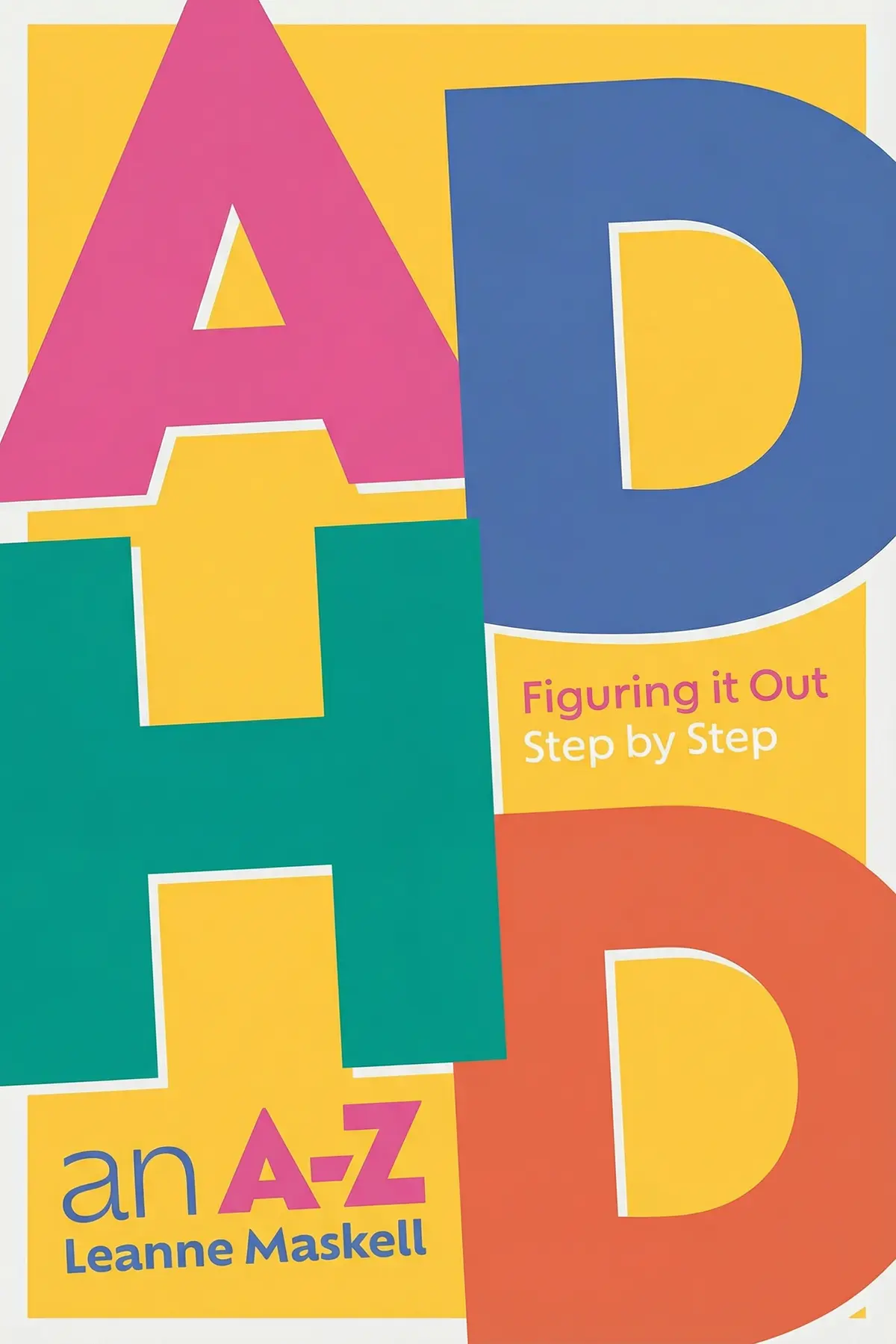
ADHD an A-Z: Figuring It Out Step by Step
Leanne Maskell

AUDIO SUMMARY AVAILABLE
Listen to Your Brain Is Always Listening in 15 minutes
Get the key ideas from Your Brain Is Always Listening by Daniel G. Amen, plus 5,000+ more titles in English and Thai.
- 5,000+ titles
- Listen as much as you want
- 7-day free trial
- Cancel anytime







