
15 min 25 sec
Reversing Alzheimer’s: The New Toolkit to Improve Cognition and Protect Brain Health
This guide challenges the notion that cognitive decline is inevitable, offering a multifaceted toolkit of diet, exercise, and environmental changes to help protect and restore brain vitality for long-term health.
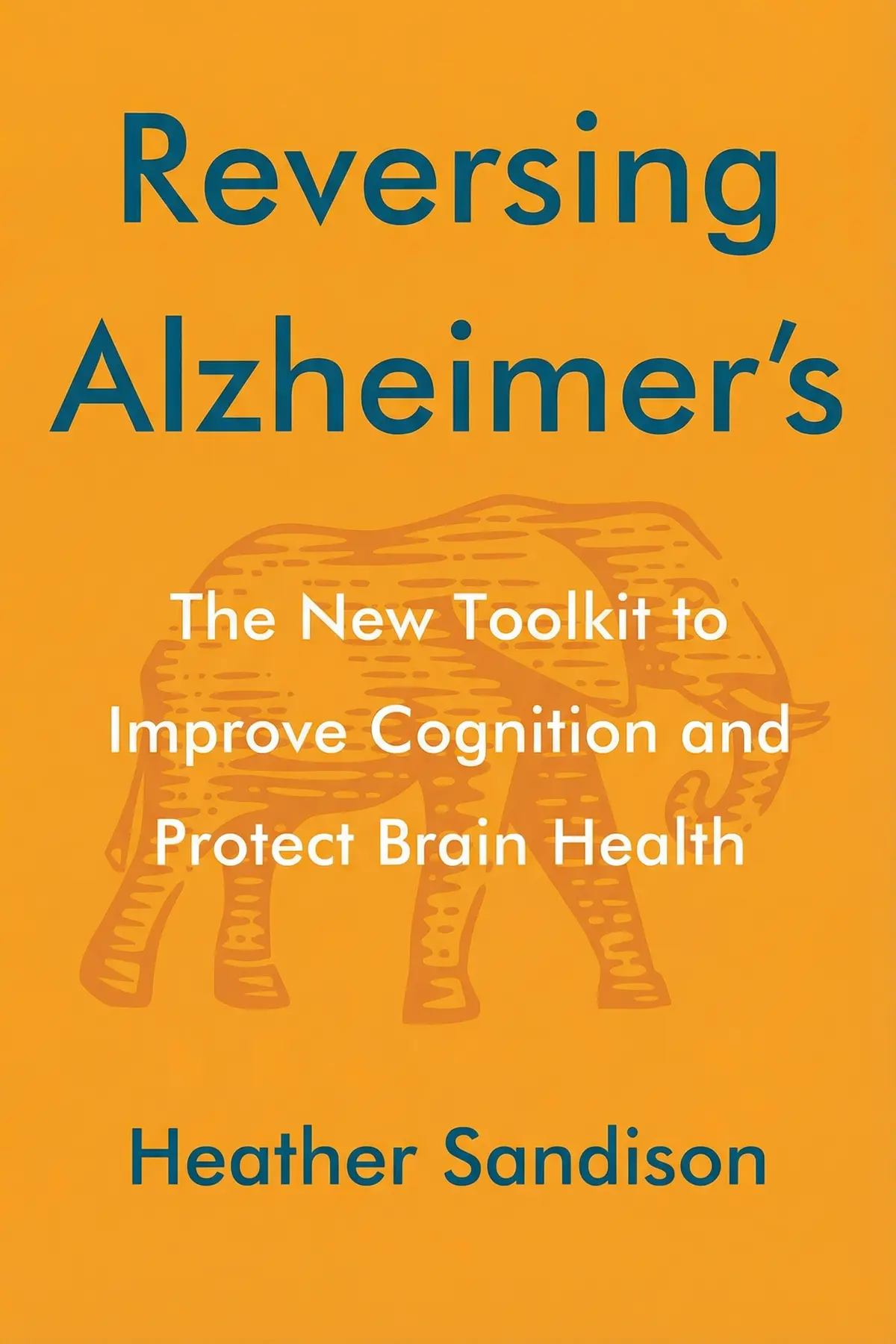
Table of Content
1. Introduction
1 min 21 sec
For far too long, a diagnosis of Alzheimer’s has been treated as a final sentence—a slow and inevitable fade into the shadows. We’ve been conditioned to believe that once memory starts to slip, there is nothing to be done but manage the decline. But what if that perspective is not only discouraging but scientifically incomplete?
In the following pages, we are going to explore a radical shift in how we understand brain health. Instead of waiting for a single miracle pill that may never come, we will look at a comprehensive, multi-layered strategy for protecting and even restoring cognitive function. This is about moving beyond the narrow focus on brain plaques and looking at the whole person. We will examine how our environment, our movement, our nutrition, and our daily rhythms all weave together to create the foundation for a resilient mind.
Whether you are currently navigating the challenges of cognitive decline, caring for a loved one, or simply looking to keep your mind sharp as you age, the throughline here is clear: your brain is capable of change. By addressing the root causes of dysfunction and providing the brain with the specific nutrients and stimulation it craves, we can rewrite the narrative of aging. This is your toolkit for a brighter, clearer cognitive future.
2. A New Framework for Cognitive Health
2 min 18 sec
Discover why the traditional focus on brain plaques has failed and how a complex, multifaceted approach can address the true root causes of memory loss.
3. The Architecture of Daily Rhythms
2 min 33 sec
Learn how small, consistent daily habits can create a supportive structure that makes brain health automatic and reduces the stress of caregiving.
4. Movement as a Cognitive Fertilizer
2 min 29 sec
Go beyond physical fitness and explore how specific types of exercise act as fuel for new brain cells and better memory.
5. Feeding the Resilient Brain
2 min 36 sec
Explore the metabolic power of the ketogenic diet and how switching your brain’s fuel source can spark immediate improvements in clarity.
6. Designing a Healing Environment
2 min 34 sec
Your physical surroundings can either drain your brain or heal it; learn how to detoxify your home and create a sanctuary for recovery.
7. Conclusion
1 min 34 sec
As we reach the end of this journey, the most important thing to hold onto is a sense of agency. Alzheimer’s is a daunting challenge, but it is not a mystery without clues. By looking at the brain through the lens of a ‘toolkit’ rather than a single diagnosis, we can see that there are dozens of entry points for healing.
We have explored how shifting our metabolism through a ketogenic approach can provide an immediate energy boost to starving brain cells. We have seen how movement acts as a biological fertilizer, and how our daily routines provide the necessary structure for the mind to rest and recover. Most importantly, we’ve learned that the environment we build for ourselves can either be a source of stress or a sanctuary for renewal.
If you take away only one message, let it be this: your brain is resilient, and it responds to the conditions you provide. Addressing the twelve modifiable risk factors—from social connection to hearing health—is something we can all start today. There is no such thing as being ‘too early’ to care for your brain, and more importantly, the clinical evidence shows it is rarely ‘too late’ to see improvement.
Take this information not as a heavy list of chores, but as a roadmap to a more vibrant life. Start small—change one meal, take one walk, or declutter one corner of your home. Each action is a vote for your future cognitive health. You have the tools; now, it’s time to use them.
About this book
What is this book about?
Alzheimer’s disease has long been viewed as a one-way street, but emerging research suggests we have far more control over our cognitive destiny than previously believed. This summary explores a comprehensive, holistic approach to brain health that moves beyond the search for a single miracle drug. Instead, it focuses on addressing the root causes of decline, from metabolic imbalances and toxic exposures to chronic stress and poor sleep hygiene. By examining the 12 modifiable risk factors and implementing a toolkit of high-impact lifestyle changes—such as the ketogenic diet and specialized physical training—readers are provided with a roadmap for recovery and prevention. Whether you are a caregiver looking for practical support or an individual seeking to preserve your memory, this exploration offers the promise of improved mental clarity and a more resilient brain. It shifts the conversation from managing symptoms to actively cultivating a lifestyle that promotes neuro-regeneration and cognitive longevity.
Book Information
About the Author
Heather Sandison
Dr. Heather Sandison is a prominent naturopathic doctor who has revolutionized dementia care through her innovative, holistic approaches. She is the founder of Solcere Health Clinic and Marama, a groundbreaking residential memory care facility aimed at returning cognitively declined residents to independent living. Dr. Sandison's work has significantly impacted the field of dementia care, setting new standards through her integration of clinical practice, research, and education.
Ratings & Reviews
Ratings at a glance
What people think
Listeners find this book highly useful for its clear explanations and hands-on advice, with one listener mentioning how it translates complicated science into doable tasks. It provides a well-rounded method for tackling memory issues, detailing specific steps to improve brain function while offering meal suggestions and recipes. Listeners also value its encouraging perspective, which is bolstered by authentic success stories, and one listener notes its success in deconstructing essential lifestyle modifications.
Top reviews
Isabelle
After watching my mother struggle for years, I was desperate for anything that offered more than just 'managing' the decline. Dr. Sandison’s book feels like a lifeline because it treats Alzheimer’s as a puzzle with many pieces rather than a single, hopeless dead end. I loved how she broke everything down into eight clear pillars, especially the focus on nutrient-dense, high-fat diets. To be fair, switching to a ketogenic lifestyle isn't easy, but the success stories included gave me the motivation to try. The recipes at the back, like the Zoodle Shrimp, are actually delicious and don't feel like 'diet' food at all. It’s a hopeful, well-researched guide that makes you feel empowered rather than defeated. If you are dealing with a diagnosis or even just 'senior moments,' this is the toolkit you need to start reclaiming your brain health right now.
Show moreRatchada
Sandison has essentially created a user-friendly field guide for anyone terrified of cognitive decline. I’ve read a lot on this topic, and what sets this book apart is the emphasis on the caregiver's own health. It was a total eye-opener to learn that caregivers are at a significantly higher risk for Alzheimer's themselves due to the sheer stress of the job. The toolkit provides specific communication strategies to reduce anxiety for the patient, which has already helped my family navigate some difficult evenings. Not gonna lie, the lifestyle changes are intense, but the book does a great job of encouraging progress over perfection. I particularly appreciated the links to functional medicine resources and the focus on things like hearing loss and hypertension. This isn't just a book you read once; it’s a manual you keep on the nightstand to reference daily.
Show moreSiraporn
The Zoodle Shrimp recipe alone was worth the price of admission, but the real value is in the mindset shift this book provides. For too long, we’ve been told that Alzheimer’s is just a matter of bad luck or genetics. Sandison proves that we have much more control than we think. I loved the focus on 'metabolic flexibility' and the clear explanation of how environmental factors like air quality and chronic stress impact our neurons. The toolkit approach is brilliant because it allows you to pick one or two things to work on at a time rather than trying to overhaul your entire life overnight. I’ve already started the dual-task training exercises and feel sharper already. It’s an inspiring, research-backed, and deeply practical book that I’ve already recommended to several friends who are starting to worry about their own 'senior moments'.
Show moreCaleb
Finally, a book that doesn't treat Alzheimer's like a death sentence but rather a metabolic puzzle to be solved. I first heard about Dr. Sandison through her work with the Bredesen protocol, and this book feels like the next evolution of that approach. It’s packed with resources, from online cognitive assessments to links for finding functional medicine providers. What I appreciated most was the focus on the 'why' behind the recommendations—understanding how beta-amyloid plaques are actually a response to various insults to the brain made the lifestyle changes much easier to commit to. Not gonna lie, the keto transition was rough for the first week, but the mental clarity I've gained is undeniable. This is a must-read for anyone who wants to take a proactive approach to their long-term brain health and vitality.
Show moreJoe
Can we actually turn back the clock on dementia? This book argues a resounding 'yes,' and while I’m naturally a bit skeptical of such big claims, the logic here is hard to ignore. Sandison builds on the work of Dr. Dale Bredesen but makes it significantly more accessible for the average person who doesn't have a medical degree. Personally, I found the chapter on environmental toxins and 'detoxing' the home a bit overwhelming—it’s expensive to swap out every plastic container and filter all your air. However, the sections on sleep hygiene and dual-task exercise were incredibly practical and easy to implement immediately. It’s a holistic approach that covers everything from biological dentists to stress management. It’s a lot of information to digest, but the 'one thing to change' summaries at the end of each section help keep you from feeling totally buried by the requirements.
Show moreSirinat
Picked this up because the '8 pillars' approach sounded more manageable than other complex medical texts I’ve tried to tackle. Sandison does a great job of distilling complex research into actionable steps that anyone can follow, regardless of their starting point. The focus on a high-fat, low-carb diet was particularly enlightening, especially the explanation of how ketones provide better fuel for a struggling brain. In my experience, most doctors just give you a prescription and tell you to come back in six months, so having a list of things I can actually *do*—like optimizing my sleep sanctuary or trying new brain games—felt very empowering. My only real gripe is that some of the clinical anecdotes felt a little too perfect, but the underlying message of hope is something the medical community desperately needs more of right now.
Show moreMoo
As someone currently navigating the care of an aging parent, I found the specific advice for caregivers to be the most touching and necessary part of the toolkit. This book doesn't just focus on the patient; it recognizes that Alzheimer's is a family disease. The sections on how to simplify daily routines and use 'optimal communication' to reduce confusion were life-changing for us. We've started incorporating the morning rituals Sandison suggests, and I've noticed a real difference in my father's mood and clarity during the day. Frankly, some of the stuff about 'biological dentists' and mold testing feels a bit 'woo-woo' for my taste, but the core advice on nutrition and movement is solid. It’s a well-written guide that provides a much-needed roadmap through a very dark and confusing time. Definitely worth a read for the practical tips alone.
Show moreAmy
While some of the advice regarding 'detoxing' your home felt a bit fringe, the core message about metabolic flexibility and the ketogenic diet is backed by solid reasoning. This book provides a comprehensive toolkit for anyone looking to protect their cognitive function as they age. I especially liked the chapter on exercise, which goes beyond just 'walking' and explains why strength training and coordination are so vital for the brain. The writing is clear and the tone is generally very encouraging, though it does get a bit 'salesy' when she mentions her assisted living center. In my experience, the most valuable part was the 12 modifiable risk factors list—it gave me a very clear checklist of things to talk to my own doctor about. It’s a great companion to the Bredesen books and offers a more hands-on, practical way to implement those high-level concepts.
Show moreRafael
The truth is, I struggled with the tone of this book at times. There is a lot of repetition regarding the author's specific clinic and her proprietary supplements, which made some chapters feel more like a long-form marketing brochure than an educational text. I’m also not entirely sold on the science behind 'pooping your toxins daily' as a primary medical strategy for cognitive repair. That being said, it isn't a bad book. There is plenty of solid, foundational advice about the importance of metabolic flexibility and social connection. The exercise recommendations, particularly combining physical movement with mental challenges, were new to me and quite interesting. If you can filter out the constant plugs for her business, there is a decent skeleton of a health plan here, but I’d probably recommend Bredesen’s original work for a deeper dive into the actual science.
Show moreSarocha
Look, I really wanted to like this book, but the constant product placement for the author's own supplements and clinic was a massive turn-off. Every few pages felt like an advertisement, which makes me question the objectivity of the advice being given. Furthermore, the writing is incredibly repetitive; I felt like I was reading the same three paragraphs about the ketogenic diet over and over again. While I agree that lifestyle changes like exercise and better sleep are important for everyone, the claim that these things 'reverse' late-stage Alzheimer's feels a bit irresponsible without more rigorous, peer-reviewed data. To be frank, it gives people a lot of false hope for a very expensive price tag once you factor in all the recommended tests and high-end supplements. There are better, more scientific books on brain health out there that don't feel like they're trying to sell you something on every page.
Show moreReaders also enjoyed


AUDIO SUMMARY AVAILABLE
Listen to Reversing Alzheimer’s in 15 minutes
Get the key ideas from Reversing Alzheimer’s by Heather Sandison, plus 5,000+ more titles in English and Thai.
- 5,000+ titles
- Listen as much as you want
- 7-day free trial
- Cancel anytime







